2027 Fastest Online Master of Arts in Teaching (MAT) Programs

Co-Founder and Chief Data Scientist
If you want to become a licensed teacher without spending several years in graduate school, an accelerated online Master of Arts in Teaching can be a practical route. The challenge is that “fast” does not always mean “right.” A short MAT program must still prepare you for student teaching, state licensure, classroom management, subject-area instruction, and the realities of teaching diverse learners.
This guide is for career changers, recent bachelor’s graduates, paraprofessionals, substitute teachers, and working adults who want a faster path into K–12 teaching. It explains how accelerated online MAT programs work, how long they take, what they cost, what licensure issues to check, and how to compare programs without relying only on speed or rankings.
Quick answer: What is the fastest online MAT program?
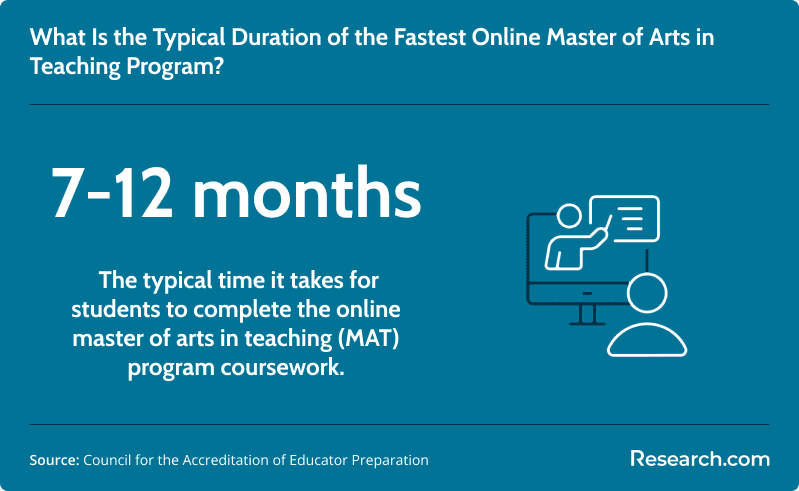
The fastest online Master of Arts in Teaching programs can often be completed in 7 to 12 months, although some reputable programs take 18 months or longer depending on licensure requirements, student teaching, course load, and state approval. The best option is not simply the shortest program. It is the fastest accredited program that leads to the teaching license, grade level, and subject area you need in the state where you plan to teach.
Why choose an accelerated online MAT?
- Faster entry into teaching: Some programs compress graduate coursework and fieldwork so qualified students can move into the classroom sooner.
- Career-change friendly structure: Many MAT programs are built for students whose bachelor’s degree is not in education but who want an initial teaching license.
- Flexible delivery: Online coursework may allow you to keep working while completing assignments, live sessions, and field experiences.
- Potential access to multiple K–12 roles: Depending on your specialization and state approval, an MAT may prepare you for elementary, middle school, high school, special education, or ESL teaching roles.
- Competitive teacher compensation: Bureau of Labor Statistics data cited in this guide places K–12 teacher median annual pay in the $61,000 to $63,000 range, with pay varying widely by district, state, grade level, experience, and endorsement area.
What can I expect from the fastest online Master of Arts in Teaching program?
A Master of Arts in Teaching is a graduate degree focused on preparing teachers for classroom practice. Unlike many Master of Education programs, which may emphasize administration, policy, curriculum leadership, or educational research, an MAT is usually more practice-oriented and often tied to initial teacher certification.
In an accelerated online MAT, you should expect a demanding schedule. Courses commonly cover instructional design, child and adolescent development, classroom assessment, classroom management, teaching diverse learners, content-area methods, and educational technology. Even when coursework is online, licensure-track programs usually require in-person field experiences or supervised student teaching in an approved school setting.
Many programs offer tracks by grade level or subject area, such as elementary education, secondary science, secondary English, special education, or ESL. These choices matter because your specialization often determines the teaching license or endorsement you can pursue after graduation.
Who should consider a fast online MAT?
| Student profile | When an accelerated online MAT makes sense | When to be cautious |
| Career changer with a bachelor’s degree | You want a structured path from a non-education background into licensed teaching. | Your undergraduate coursework does not match the subject area you want to teach, which may add prerequisites. |
| Working adult | You need online coursework and can manage a heavy weekly workload. | You cannot make time for student teaching, observations, or required in-person school placements. |
| Paraprofessional or substitute teacher | You already have school experience and want to move into a licensed teacher role. | Your state requires exams, background checks, or coursework that the program does not include. |
| Recent bachelor’s graduate | You are ready for intensive graduate study and know your target grade level or subject. | You are unsure whether teaching is the right long-term career and have limited classroom exposure. |
Where can I work after completing an accelerated online MAT?
Most MAT graduates pursue teaching roles in public, private, charter, or faith-based K–12 schools. The exact roles available depend on your state license, grade-band approval, subject endorsement, and local hiring needs.
Common workplaces include:
- Public elementary, middle, and high schools
- Private and independent schools
- Charter schools
- Special education classrooms and inclusion settings
- Online or blended K–12 schools
- Education nonprofits focused on literacy, tutoring, youth development, or college readiness
- Tutoring, test preparation, and academic support companies
- Curriculum development or corporate training teams, usually after additional experience
With experience, some teachers move into instructional coaching, curriculum writing, mentoring, department leadership, or specialist roles. These positions may require additional credentials beyond the MAT.
How much can I make with an online MAT?
Teacher salaries depend heavily on state, district pay schedules, years of experience, union agreements, advanced degree pay lanes, grade level, and shortage-area endorsements. According to the U.S. Bureau of Labor Statistics figures cited in this guide, elementary school teachers earn a median annual wage of about $63,670, middle school teachers earn roughly $63,800, and high school teachers average $65,220. Special education teachers can earn between $62,950 and $71,290, depending on grade level.
In some districts, teachers with a master’s degree start on a higher salary step than teachers with only a bachelor’s degree. The original salary examples in this guide place some new teachers with a master’s around $50,000 to $60,000, with potential to exceed $80,000 after gaining experience. These figures should be treated as examples, not guarantees. Always check the salary schedule for the district where you want to teach.
- Fastest Online Master of Arts in Teaching Programs for 2027
- How long does it take to complete the fastest online Master of Arts in Teaching program?
- How does an accelerated online MAT compare with an on-campus MAT?
- What is the average cost of the fastest online MAT program?
- What financial aid options are available for online MAT students?
- What are the admission requirements for accelerated online MAT programs?
- What courses are included in a fast online MAT?
- What MAT specializations are available online?
- What challenges come with an accelerated online MAT?
- How do fast online MAT programs maintain credibility?
- How do you choose the best fast online MAT program?
- What advanced degrees can build on an MAT?
- What careers can MAT graduates pursue?
- What is the job market like for MAT graduates?
- How is an accelerated MAT different from the fastest online philosophy degree program?
Fastest Online Master of Arts in Teaching Programs for 2027
How Research.com evaluates programs
Choosing a fast online MAT is a high-stakes decision because the wrong program can delay licensure, increase debt, or fail to meet state certification requirements. Research.com evaluates programs using a transparent methodology that considers data from the Integrated Postsecondary Education Data System (IPEDS), Peterson's databases, including distance learning data, and the College Scorecard from the National Center for Education Statistics.
Use this list as a starting point, not a final answer. Before applying, confirm tuition, state approval, field placement rules, licensure eligibility, and program length directly with the university.
| School | Fastest listed timeline | Teaching focus | Credits or units | Accreditation or approval noted |
| San Diego State University | 1 year | Elementary Education; Secondary Education | 30 units, or 24 units with prior credential work | WASC Senior College and University Commission (WSCUC) |
| Arkansas State University | 12 to 16 months | Elementary, Middle, Secondary, K-12 Licensure, including Special Education | 33 credit hours for elementary education; 36 for special education | Council for the Accreditation of Educator Preparation (CAEP) |
| North Carolina State University | 12 months | K-12 content areas, including Special Education | 40 credits | North Carolina Department of Public Instruction |
| Seattle Pacific University | 2 years | Elementary Education, English Language Arts, Mathematics, Science, Social Studies, Special Education | 56-62 credits | Washington Professional Educator Standards Board |
| University of Maryland Global Campus | 1 year | Secondary education, grades 7-12 | 30 credits | Council for the Accreditation of Educator Preparation (CAEP) |
| University of Southern California | 11-15 months | Multiple Subject, Single Subject, Education Specialist Credential | 28 units | Council for the Accreditation of Educator Preparation (CAEP) |
| Liberty University | 8 weeks per course | Elementary, Middle, Secondary, Special Education | 36-45 credits, depending on track | Council for the Accreditation of Educator Preparation (CAEP); Virginia Department of Education |
| Goucher College | 8-week and full-term course formats | Elementary Education, Elementary Special Education, Dual Elementary & Special Education, Secondary Content Areas, Secondary Special Education, Dual Secondary & Special Education | 30 credits | Maryland State Department of Education |
| Lamar University | 12 months for some programs | Comprehensive Master of Arts in Teaching | 30 credits | Council for the Accreditation of Educator Preparation (CAEP) |
| Pepperdine University | 11 months | Elementary Multiple Subject or Secondary Single Subject teaching credentials | 30 units | Council for the Accreditation of Educator Preparation (CAEP) |
Cost details to verify before applying
- San Diego State University: $4,032 per full-time semester, with an additional $444 per unit for non-residents.
- Arkansas State University: $340 per credit hour.
- North Carolina State University: $1,599.10 per course, with total program cost around $15,992.
- Seattle Pacific University: $670 per credit for core certification coursework and $735 per credit for master’s component courses.
- University of Maryland Global Campus: $544 per credit.
- University of Southern California: $2,267 per unit.
- Liberty University: $430 per credit hour for full-time graduate education, $645 for part-time students, and $290 for military students.
- Goucher College: $570 per credit.
- Lamar University: $80 per semester credit hour and $500 per semester credit hour for out-of-state students.
- Pepperdine University: $1,565 per unit.
How long does it take to complete the fastest online Master of Arts in Teaching program?
The quickest online MAT options may take about 7 months to one year for full-time students in highly structured accelerated formats. Warner Pacific University’s accelerated model is one example cited for completion in just over 7 months, using intensive summer coursework followed by fall student teaching. Kansas State University is another example, with an online MAT that can be completed in as little as 12 months and flexible start dates each semester.
Not every “fast” program is that short. Some respected online programs, including WGU’s competency-based MAT, may take roughly 18 months, although motivated students may finish sooner depending on pace and requirements. Your actual timeline can be affected by transfer credit, prerequisite coursework, testing dates, background checks, placement availability, and whether you study full time or part time.
If you are still deciding whether classroom teaching is the right direction, compare MAT outcomes with other careers in education before committing to a licensure-track program.
How does an accelerated online MAT compare with an on-campus MAT?
Online and campus-based MAT programs usually cover similar professional teaching competencies, but they differ in pace, scheduling, peer interaction, and field placement logistics. Online programs are often built for adults who need flexibility, while on-campus programs may provide more face-to-face structure and informal networking.
| Factor | Accelerated online MAT | On-campus MAT |
| Typical pace | May compress coursework into 7–12 months, though some programs take longer | Often follows a 1.5 to 2 year academic calendar |
| Schedule | May include asynchronous work, live online classes, or both | Usually requires regular in-person attendance |
| Student teaching | Often arranged near the student’s location, subject to school approval | May be coordinated through established local school partners |
| Best for | Self-directed students, working adults, and career changers | Students who prefer campus routines, local networking, and in-person support |
| Main risk | Poor field placement support can delay licensure | Less flexibility for students who work or live far from campus |
Students who later want policy, administration, or system-level roles may explore advanced options such as the shortest online doctorate in educational policy programs. For a broader comparison of teacher preparation and education credentials, review different education degree pathways before deciding.
What is the average cost of the fastest online Master of Arts in Teaching program?
The total tuition for many fast online MAT programs at reputable universities falls between $15,000 and $30,000, although lower-cost and higher-cost options exist. Kansas State University’s accelerated 12-month online MAT is cited at around $13,500 in tuition for in-state students and about $14,850 for out-of-state students.
WGU’s competency-based MAT uses flat-rate tuition of about $4,795 per 6-month term. A student who finishes in one year would pay roughly $9,590 in tuition. At the other end of the range, the University of Southern California’s online MAT can be completed in about one year at an accelerated pace, with total tuition closer to $39,000–$43,000.
When comparing cost, include more than tuition. Textbooks, licensure exams, application fees, technology fees, background checks, fingerprinting, travel to field placements, and required classroom materials can add $1,000–$3,000 to the total budget.
Students comparing accelerated graduate education programs outside teacher licensure may also look at the shortest master's in instructional design online, but instructional design and MAT programs prepare students for different career outcomes.
Cost factors that can change your final price
| Cost factor | Why it matters | Question to ask |
| Per-credit or per-term tuition | Flat-rate tuition may reward faster completion, while per-credit tuition charges by course load. | Is tuition billed by credit, course, semester, or term? |
| Residency status | Some public universities charge higher rates for non-residents. | Do online students pay in-state, out-of-state, or separate online tuition? |
| Licensure testing | Certification exams can add required expenses before or after graduation. | Which exams are required, and are they included in tuition? |
| Field placement costs | Student teaching can reduce your ability to work full time. | How many hours are required, and can placements be local? |
| Program delays | Missing prerequisites or exam deadlines can add terms and increase cost. | What can prevent a student from finishing on the advertised timeline? |
California employed 151,820 elementary school teachers in 2024, the highest of any state. That employment level reflects the scale of the state’s school system and the ongoing need for certified elementary educators. The chart below shows states with the highest employment levels for elementary school teachers.
What financial aid options are available for students in the fastest online MAT programs?
Graduate students in eligible online MAT programs may be able to use federal financial aid by completing the FAFSA. Common federal options include Direct Unsubsidized Loans and Graduate PLUS Loans, which can help cover tuition, required fees, and approved education-related costs.
Some students may also qualify for school scholarships, state grants, teacher preparation incentives, employer tuition assistance, military education benefits, or district-sponsored support. Graduate assistantships exist at some universities, but they may be less common in short online MAT programs because of the accelerated structure.
The TEACH Grant may provide up to $4,000 per year for eligible students who agree to teach in a high-need field at a qualifying school after graduation. Because service obligations and conversion-to-loan rules can be significant, review the terms carefully before accepting this funding.
If you need prerequisite coursework before entering a graduate program, lower-cost options such as affordable online courses may help reduce expenses. Always verify that any prerequisite credits will be accepted by the MAT program before enrolling elsewhere.
What are the prerequisites for enrolling in the fastest online Master of Arts in Teaching program?
Most accelerated online MAT programs require a bachelor’s degree from a regionally accredited institution. The degree does not always need to be in education because many MAT programs are specifically designed for career changers. However, secondary education tracks may require prior coursework in the subject you plan to teach, such as English, mathematics, science, or social studies.
Typical admission requirements include official transcripts, a minimum GPA that is often around 2.75–3.0, a resume, letters of recommendation, a personal statement, and proof that you can meet background check or clearance requirements for school placements. Some programs also require Praxis Core, subject-area exams, or state-specific basic skills tests.
Students interested in moving into school administration later should note that programs such as the shortest master's degree in educational leadership online may have different admission expectations, often including teaching experience or an existing license.
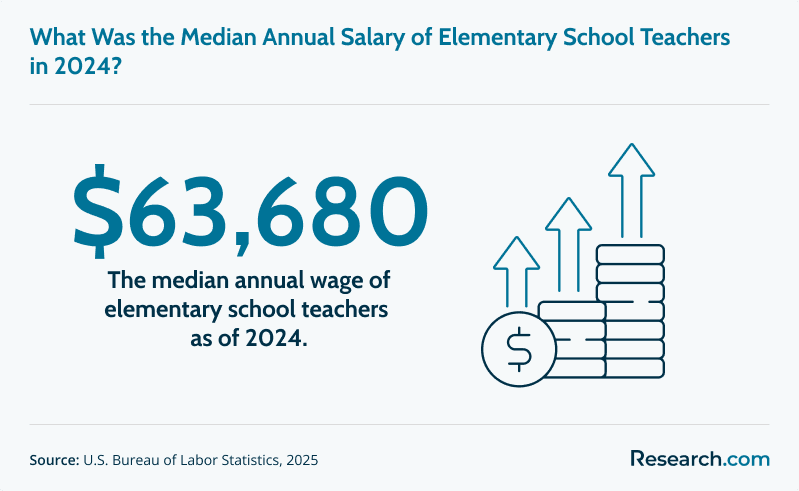
The mean annual wage for elementary school teachers in 2024 was $63,680. Because some districts use salary schedules that reward graduate credentials, an MAT may affect starting placement or long-term earnings, but the impact varies by employer.
If you are still comparing entry points into teaching, review accredited online teaching degree programs to see whether a bachelor’s-level, post-baccalaureate, or master’s-level pathway fits your background best.
What courses are typically included in the fastest online Master of Arts in Teaching program?
Accelerated MAT programs shorten the calendar, not the core preparation. Students should still expect graduate-level work in pedagogy, assessment, learner development, ethics, classroom practice, and field-based teaching.
- Foundations of Education: Introduces the structure, history, policy context, and ethical responsibilities of U.S. schooling.
- Child and Adolescent Development: Examines cognitive, social, emotional, and behavioral development across grade levels.
- Instructional Strategies: Focuses on lesson planning, differentiated instruction, active learning, and classroom routines.
- Assessment and Evaluation: Covers formative and summative assessment, student progress monitoring, and data-informed instruction.
- Content Area Methods: Builds subject-specific teaching strategies for fields such as math, English, science, or social studies.
- Classroom Management: Teaches strategies for building positive learning environments and responding to behavior challenges.
- Educational Technology: Explores digital tools, learning platforms, accessibility, and technology-supported instruction.
- Student Teaching or Clinical Practice: Requires supervised classroom experience in an approved school setting.
Accelerated programs in other fields, such as the shortest software engineering programs online, may also emphasize speed and hands-on learning, but an MAT is distinct because it must align with teacher licensure and supervised school-based practice.
When comparing programs, prioritize schools that provide strong advising and placement support. A reputable online school for teaching degree should clearly explain how online coursework connects to in-person classroom requirements.
What types of specializations are available in the fastest online MAT program?
Your MAT specialization should match the students, grade levels, and subjects you want to teach. It should also match the license or endorsement required by your state.
| Specialization | What it prepares you to teach | Best fit for |
| Elementary Education | Core subjects in grades K–6 | Students who want broad classroom responsibility with younger learners |
| Secondary Education | Middle or high school subjects such as English, math, science, or social studies | Students with strong undergraduate preparation in a teachable subject |
| Special Education | Students with disabilities or learning differences in inclusive or specialized settings | Students prepared for individualized instruction, documentation, and collaboration |
| English as a Second Language | English learners across grade levels | Students interested in language development and culturally responsive teaching |
| Early Childhood Education | Preschool through grade 3, depending on state rules | Students who want to work with young children and early learning foundations |
Some universities may also offer STEM, reading and literacy, gifted education, or dual-endorsement options. These can improve career flexibility but may require additional coursework or a longer timeline.
What are the potential challenges of an accelerated online MAT program?
A fast MAT can save time, but it can also create pressure. Compressed courses require consistent weekly effort, and the student teaching period may make full-time employment difficult. The biggest mistake is assuming that online means easier. In licensure-track teaching programs, the academic and clinical expectations should remain substantial.
- Heavy workload: Short terms can mean multiple assignments, readings, lesson plans, and field tasks due in the same week.
- Student teaching logistics: Placements must meet school, district, university, and state requirements, which can take time to arrange.
- State licensure complexity: A program approved in one state may not automatically meet requirements in another.
- Limited recovery time: Falling behind in an 8-week or accelerated course can be harder than in a traditional semester.
- Financial pressure: A short program may reduce total time in school, but student teaching can limit income during the final term.
If you are comparing accelerated graduate pathways in education, resources on shortest Ed D programs can help you understand how fast-track formats differ at the doctoral level.
How do accelerated online MAT programs ensure academic rigor and credibility?
Credible accelerated MAT programs maintain quality through recognized institutional accreditation, educator preparation approval, state licensure alignment, supervised fieldwork, qualified faculty, and measurable student outcomes. A shorter calendar should not remove clinical practice, assessment of teaching performance, or preparation for required certification exams.
Before enrolling, ask whether the program is regionally accredited, whether the educator preparation unit is CAEP-accredited or state-approved, and whether graduates are eligible for licensure in your intended state. Also ask how student teaching is evaluated and who supervises your field experience.
Teachers who later want district leadership, principalship, or system-level roles may consider advanced study such as a low cost online doctorate in educational leadership, but licensure and experience requirements should be checked carefully.
How do you choose the best and fastest online Master of Arts in Teaching program?
Choose the fastest MAT only after confirming that it meets your licensure, budget, placement, and career needs. A program that finishes quickly but does not qualify you for the right license can cost more time in the long run.
- Verify accreditation first. Confirm institutional accreditation and educator preparation approval. Do not rely only on marketing language.
- Check state licensure alignment. Ask whether the program leads to initial licensure in your state or only in the institution’s home state.
- Confirm the exact timeline. Ask what “fastest” means for students in your track, not just for the most accelerated option.
- Calculate total cost. Include tuition, fees, exams, fingerprinting, travel, books, technology, and lost income during student teaching.
- Compare specializations. Make sure the program offers the grade band and subject endorsement you actually want.
- Review field placement support. Ask who finds the school placement, how far you may need to travel, and what happens if a placement falls through.
- Ask about exam and licensure outcomes. Licensure exam pass rates, completion rates, and employment support can reveal program quality.
- Assess online format. Determine whether courses are asynchronous, live online, hybrid, or tied to required meeting times.
- Plan your next credential. If you may later pursue administration, compare affordable options such as the cheapest online educational leadership programs.
Common mistakes to avoid
| Mistake | Why it can hurt you | Better approach |
| Choosing only by speed | The shortest program may not match your state license or subject area. | Start with licensure requirements, then compare timelines. |
| Ignoring accreditation | Employers and licensing agencies may not recognize the credential. | Confirm institutional accreditation and educator preparation approval. |
| Looking only at tuition | Fees, exams, materials, and placement-related costs can change the total price. | Build a full cost estimate before applying. |
| Assuming online means no in-person work | Student teaching usually requires supervised classroom time. | Ask for the exact number of field and clinical hours. |
| Relying only on rankings | A highly ranked program may not be approved for your state or schedule. | Use rankings as a shortlist, then verify fit directly with the school. |
The teaching profession is expected to see steady demand. By 2033, the number of elementary school teachers is expected to reach 1,430,400 nationwide, reflecting both replacement needs and enrollment changes. The chart below shows projected employment figures for teachers through 2033.
What complementary advanced degrees can further enhance a teaching career?
An MAT is usually focused on classroom teaching and licensure. After gaining experience, educators may choose additional graduate study to move into leadership, curriculum, literacy, library services, instructional technology, counseling, or policy roles.
For example, a degree in library and information science can support work in school libraries, digital literacy, information access, and learning resource management. If this direction interests you, compare accreditation, state school librarian requirements, field experience expectations, and costs. A starting point is Research.com’s guide to the cheapest online MLIS degrees.
What career paths are available for graduates of the fastest online MAT programs?
Most graduates use the MAT to pursue licensed classroom teachers roles, but the degree can also support related education careers after additional experience or credentials.
| Career path | Typical setting | Notes |
| Elementary School Teacher | Public, private, or charter elementary schools | Usually teaches multiple core subjects in grades K–6. |
| Middle or High School Teacher | Secondary schools | Usually requires a subject-area endorsement such as math, English, science, or social studies. |
| Special Education Teacher | Inclusive classrooms, resource rooms, or specialized settings | May require specialized licensure and training in individualized education plans. |
| ESL Teacher | K–12 schools and language support programs | Works with English learners and may need an ESL endorsement. |
| Instructional Coach | Schools or districts | Often requires successful teaching experience beyond the MAT. |
| Curriculum Developer | Districts, publishers, nonprofits, or education companies | May require classroom experience and curriculum design skills. |
Some graduates also work in adult education, tutoring, virtual instruction, nonprofit education programs, or academic intervention. Leadership roles such as department chair, instructional coordinator, or administrator usually require experience and may require additional certification.
What is the job market like for graduates with the fastest online MAT program?
The job market for MAT graduates depends on location, licensure area, school funding, retirements, student enrollment, and shortage subjects. Demand is often stronger in areas such as STEM fields, special education, ESL, and early childhood education. Public school systems continue to report demand for certified teachers, although hiring conditions vary by district and state.
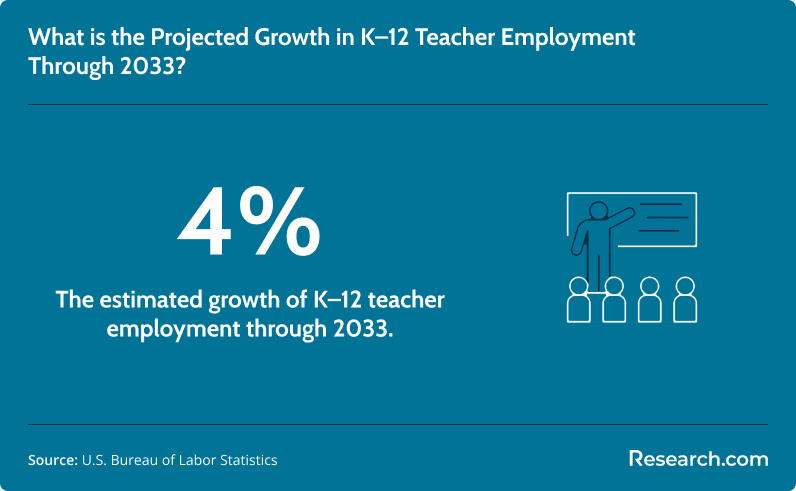
According to Bureau of Labor Statistics data cited in the original guide, K–12 teacher employment is projected to grow about 4% through 2033. Some states and districts may offer loan forgiveness, signing bonuses, or higher pay for shortage areas, rural schools, or urban districts, but these incentives are not universal.
Graduates of accredited online MAT programs can be competitive with campus-based graduates when the program is state-approved, includes supervised clinical practice, and leads to the correct teaching license. Your willingness to teach in high-need schools or relocate may improve employment options.
How do accelerated online MAT programs differ from the fastest online philosophy degree program?
An accelerated online MAT is a professional teacher-preparation degree. It is built around pedagogy, supervised classroom practice, state certification rules, and readiness for K–12 teaching. By contrast, the fastest online philosophy degree program emphasizes theory, ethics, reasoning, argumentation, and research rather than teacher licensure.
The distinction matters because both programs may be online and accelerated, but their outcomes are very different. Choose an MAT if your goal is classroom teaching and certification. Choose philosophy if your goals are more closely tied to critical analysis, academic study, writing, ethics, or research-oriented pathways.
Questions to ask before enrolling in a fast online MAT
- Will this program qualify me for initial teacher licensure in the state where I plan to teach?
- Is the educator preparation program CAEP-accredited, state-approved, or otherwise recognized by the relevant licensing authority?
- Who arranges student teaching placements, and can I complete mine near where I live?
- What exams, background checks, and clearances must I complete before student teaching?
- What percentage of students finish within the advertised accelerated timeline?
- What happens if I fail a licensure exam or cannot secure a placement on schedule?
- Are live online sessions required, and do they fit my work schedule?
- Does the program support the grade level and subject area I want to teach?
- What is the full estimated cost, including fees and certification expenses?
- How does the school support graduates during the job search?
Key Insights
- The fastest online MAT programs may take 7 to 12 months, but state licensure requirements, student teaching, exams, and prerequisites can extend the timeline.
- Accreditation and state approval matter more than speed. A fast degree is not useful if it does not lead to the teaching license you need.
- Total tuition for many accelerated online MAT programs falls between $15,000 and $30,000, but examples in this guide range from roughly $9,590 to $39,000–$43,000 depending on institution and pace.
- Field placement support is one of the most important quality indicators for online MAT programs because student teaching is usually required even when coursework is fully online.
- Teacher pay varies by location, grade level, experience, and district salary schedule. BLS figures cited here include about $63,670 for elementary school teachers, roughly $63,800 for middle school teachers, and $65,220 for high school teachers.
- High-need areas such as STEM, special education, ESL, and early childhood education may offer stronger opportunities, but hiring conditions remain local.
- Use rankings to build a shortlist, then verify licensure eligibility, placement process, total cost, online format, and graduate outcomes directly with each school.
References:
- Pew Research Center. (2024). Key facts about public school teachers in the U.S.
- RAND Corporation. (2025). Teacher preparation needs to catch up with school reform.
- Research.com. (n.d.). Most affordable online education degrees.
- U.S. Bureau of Labor Statistics. (2024). High school teachers. Occupational Outlook Handbook.
- U.S. Bureau of Labor Statistics. (2024). Kindergarten and elementary school teachers. Occupational Outlook Handbook.
- U.S. Bureau of Labor Statistics. (2024). Special education teachers.
- U.S. Bureau of Labor Statistics. (2024). Occupational employment and wages, May 2023: Elementary school teachers, except special education (25-2021).
- U.S. Department of Labor. (n.d.). ONET OnLine: Elementary school teachers, except special education.
Other Things You Should Know About Online Master of Arts in Teaching (MAT) Programs
Yes. Most MAT programs require a supervised student teaching or residency component before graduation, even if coursework is fully online. State licensure rules often require 12 to 16 weeks of clinical practice, and placement approval usually comes from the program and the local school district.
Admission requirements for the fastest MAT programs in 2027 typically include a bachelor's degree, a minimum GPA (often around 3.0), GRE scores if required, letters of recommendation, and a personal statement. Some programs may also require a valid teaching license or prior teaching experience.