2027 Child Psychology Master's Degree vs Graduate Certificate: Which Is Better?

Co-Founder and Chief Data Scientist
Facing the decision between pursuing a child psychology master's degree or a child psychology graduate certificate can challenge many aspiring professionals—especially when weighing factors such as cost, time-to-completion, and career outcomes. A master's degree often demands two to three years and higher tuition, whereas a graduate certificate typically completes within months at a lower cost.
Employer recognition and salary impact differ significantly; for instance, master's degree holders in child psychology earn approximately 18% more on average than certificate holders in 2024, according to labor market data.
This article explores these differences to guide readers toward the credential best aligned with their goals.
Key Things to Know About Which Is Better: A Child Psychology Master's Degree or a Child Psychology Graduate Certificate
- The master's degree demands higher tuition—often 2 to 3 times that of a graduate certificate—but offers broader credentials and deeper training.
- Graduate certificates are typically completed within 6 to 12 months, while master's degrees require 2 to 3 years, influencing speed to workforce reentry.
- Employers generally prefer master's holders for advanced roles—these graduates report median salaries approximately 15% higher than certificate holders in 2024 surveys.
What Is the Difference Between a Child Psychology Master's Degree and a Child Psychology Graduate Certificate?
A child psychology master's degree is a robust graduate program generally requiring 30 to 60 credit hours. It provides a comprehensive academic scope, covering theoretical foundations, research methods, clinical practice, and specialized child development topics.
The curriculum depth includes extensive coursework, practicum experiences, and often a thesis or capstone project, aiming to develop critical thinking and advanced expertise necessary for clinical, educational, or research careers.
- Graduate Certificate Focus: In contrast, a child psychology graduate certificate typically involves 12 to 18 credit hours centered on targeted skills or specific knowledge areas. This shorter program allows working professionals or career changers to acquire focused training without committing to a full degree track, often completing within a year.
- Academic Standing: Unlike a master's degree, a graduate certificate is not a terminal academic degree but a specialized credential. While valuable, certificates usually do not fulfill licensure requirements for clinical practice on their own.
- Stackability: Many institutions offer stackable certificates—credits earned can apply toward a future master's degree—adding flexibility but making straightforward comparisons difficult. This nuance is key to understanding child psychology master's degree vs. graduate certificate program differences.
- Intended Audience: The master's degree targets students seeking comprehensive training for long-term child psychology careers, including therapy and research, whereas graduate certificates appeal mainly to professionals enhancing qualifications or shifting focus within related fields.
- Institutional Purpose: Full academic programs like master's degrees are designed to establish expertise and professional readiness; graduate certificates serve as focused educational tools for specific career goals without broader degree commitment.
This detailed comparison of child psychology graduate certificate and master's degree outcomes will examine cost, time-to-completion, admissions, employer recognition, salary impact, and career utility. Such data-driven insight equips prospective students to make informed decisions beyond prestige bias.
The choice between these credentials also relates to professional accessibility—some students prioritize more flexible or quicker certification options, similar to what is sometimes found in nursing programs easy to get into—illustrating the varied paths available toward child psychology careers.
What Are the Typical Admission Requirements for a Child Psychology Master's Program Compared to a Child Psychology Graduate Certificate?
Admission requirements for a child psychology master's program demand a more rigorous academic background compared to those for a child psychology graduate certificate. These master's programs typically target candidates with a solid foundation in psychology or related fields and expect evidence of academic readiness through several established criteria.
- Undergraduate GPA: Most master's programs require a minimum undergraduate GPA-often around 3.0 on a 4.0 scale-to demonstrate consistent academic performance.
- Prerequisite Coursework: Applicants usually must have completed foundational courses in psychology, such as developmental psychology, statistics, and research methods, ensuring preparedness for advanced study.
- Standardized Tests: Some programs request GRE scores, although this requirement is gradually becoming optional at various institutions.
- Letters of Recommendation: Admissions committees expect two to three professional or academic recommendations that speak to the candidate's abilities, motivation, and suitability for graduate study.
- Personal Statement: A well-crafted statement of purpose explaining the candidate's interests, goals, and reasons for pursuing a child psychology master's degree forms a critical part of the application.
By contrast, child psychology graduate certificate programs generally offer a more flexible and accessible admission process, reflecting their design as shorter, focused credentials often aimed at working professionals or those seeking additional specialization.
- Academic Background: Graduate certificates usually require a bachelor's degree but may not enforce strict GPA cutoffs or specific prerequisite courses.
- Standardized Tests: GRE scores are rarely requested for certificate programs, lowering barriers for many applicants.
- Letters and Statements: While some programs ask for letters of recommendation or a personal statement, these are often optional or less detailed than master's applications.
- Professional Experience: Many certificate programs welcome applicants with relevant work experience in psychology, education, or related fields, sometimes compensating for less academic preparation.
This distinction is essential for prospective students who may not yet meet the stringent admission requirements for master's programs. Graduate certificates serve as an academic on-ramp, offering a chance to build specialty knowledge, demonstrate academic commitment, and strengthen credentials before applying to a master's degree.
Candidates can leverage strong performance in a certificate program to enhance their future applications while gaining practical skills that support immediate career advancement.
Considering both credential types' cost and time differences is important—investing in a certificate might be a strategic step before a full master's degree, especially for working professionals or career changers.
For those interested in related fields such as healthcare administration, reviewing options like the cheapest master's in healthcare administration can provide additional context on affordable graduate-level education.
When weighing options, recent undergraduates, working professionals, and current certificate holders should recognize how admission requirements and credential distinctions impact career utility and salary potential, reflecting the eligibility criteria for child psychology graduate certificate courses and admission requirements for child psychology master's programs in one comprehensive perspective.
What Is the Minimum GPA Requirement for a Child Psychology Master's Program?
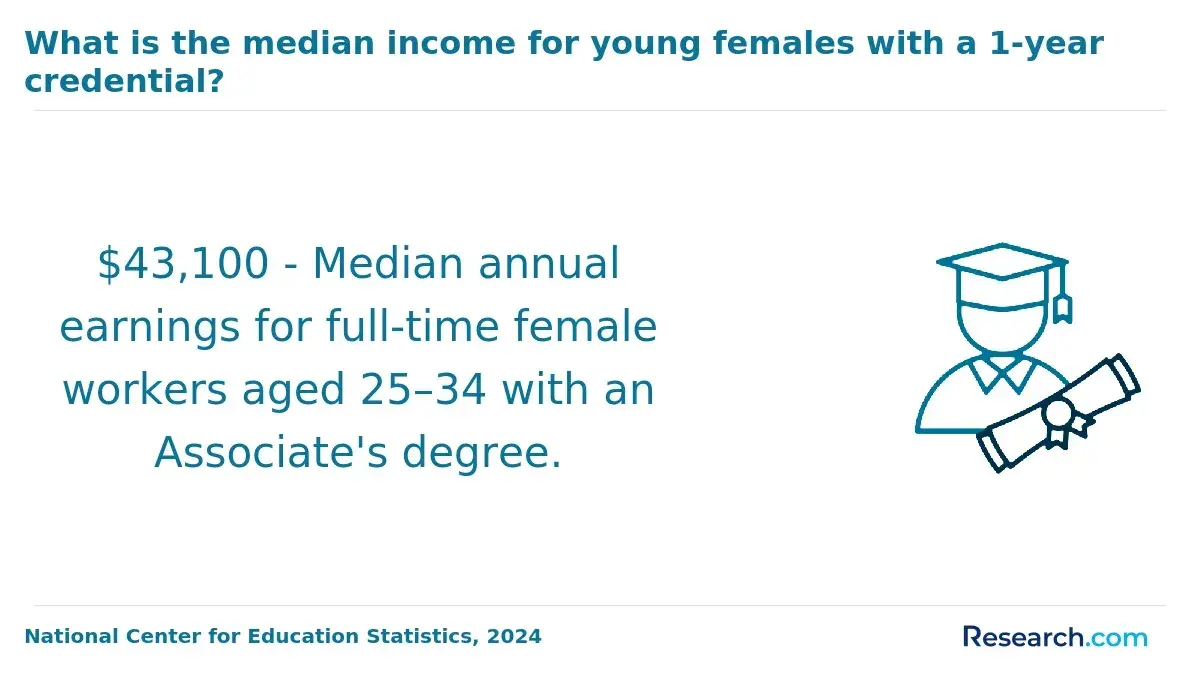
Minimum GPA requirements for child psychology master's programs usually range between 2.5 and 3.5, based on data from accredited universities and graduate admissions reports. These minimums establish a baseline but often underestimate the GPA of the typical admitted student, especially at more selective institutions.
- Competitive Programs: These highly selective programs often list minimum GPAs near 3.3 but typically enroll cohorts with averages closer to 3.6 or above due to demand and limited space.
- Open-Enrollment or Professionally Focused Programs: Programs with broader acceptance policies may admit students with GPAs around 2.7 or 2.8, placing more emphasis on relevant experience or professional background.
- Provisional Admission: Some schools offer conditional acceptance to those slightly below the published GPA threshold, requiring completion of targeted coursework or maintaining grades during a probationary period before full admission.
- Use of Minimum GPA: Institutions treat minimum GPA requirements as floors rather than goals, encouraging applicants to submit their strongest overall applications.
- Academic Context: Admissions committees weigh GPA alongside recommendations, work or research experience, and personal statements to form a comprehensive picture of readiness for graduate study.
One professional who completed a child psychology master's program shared that, despite concerns over borderline grades, he found support through provisional acceptance that allowed him to prove his capability.
"It wasn't just about my past GPA," he explained, "but how I demonstrated commitment and growth during those first semesters. That experience was challenging but ultimately pivotal in launching my career."
How Long Does It Take to Complete a Child Psychology Master's Degree Versus a Child Psychology Graduate Certificate?
A child psychology master's degree usually requires about two years of full-time study, with part-time tracks extending to three years or more. Accelerated programs are rare due to demanding coursework and research.
In contrast, child psychology graduate certificate programs typically span six months to one year full-time, with part-time options lasting up to 18 months, offering a notably shorter timeline.
- Structure: Master's programs demand a larger credit load—often between 30 and 60 credits—including comprehensive exams, thesis or capstone research, and electives, all contributing to longer completion times. Graduate certificates streamline learning with 12 to 18 credits focused on core skills and specialized topics, forgoing major research projects.
- Professional Flexibility: For working adults, graduate certificates present a practical route to upskill quickly without disrupting employment or family obligations. Those prioritizing swift credentialing often choose certificates to meet immediate career demands.
- Career Fit: The more extensive master's degree suits students pursuing deep academic knowledge, licensure, or clinical roles where stringent training is essential. Conversely, the graduate certificate appeals to career changers or those seeking credential upgrades with minimal interruption.
- Life Circumstances: Balancing financial resources, job status, and family responsibilities critically shapes feasible completion timelines. Assessing these factors helps prospective students realistically plan for the child psychology master's degree completion time or time to finish child psychology graduate certificate programs.
Students weighing their options in education and career pathways may also explore related fields and credential comparisons such as best online kinesiology programs to broaden their understanding of program durations and outcomes.
How Much Does a Child Psychology Master's Degree Cost Compared to a Child Psychology Graduate Certificate?
The cost of a child psychology master's degree is substantially higher than that of a graduate certificate, reflecting differences in program length, credit requirements, and academic depth. Prospective students should compare not only tuition costs but also financial aid opportunities, opportunity costs, and potential long-term career benefits when choosing between these credentials.
Cost Ranges: Tuition for a child psychology master's degree varies significantly by institution. Public in-state programs generally total between $15,000 and $30,000, while public out-of-state options rise to $30,000-$50,000. Private institutions command higher fees, often charging $40,000 to $70,000 or more for the full master's program. By contrast, graduate certificates offer a more affordable alternative: public in-state certificates typically range from $5,000 to $10,000, with out-of-state costs between $8,000 and $15,000, and private institutions costing $10,000 to $20,000 on average.
Price Drivers: The steep cost difference reflects master's programs' greater credit requirements and extended duration, which commonly span two years rather than the shorter timeframe typical of certificates. These programs also involve more institutional expenses—from intensive faculty involvement to administrative support—justifying higher tuition and fees.
Financial Aid: Master's candidates often benefit from robust financial support, including assistantships, fellowships, and employer tuition reimbursement plans, which can substantially lower their out-of-pocket costs. Such aid is less accessible or generous for students pursuing certificates.
Hidden Costs: Beyond tuition, master's students frequently face indirect financial burdens—lost income due to reduced work hours or full-time study and postponed career advancement opportunities. Certificates' shorter duration and flexible scheduling help minimize these impacts but may also limit long-term salary prospects.
Return on Investment: Evaluating true program costs requires considering net expense after aid and income loss, not just sticker price. Prospective students should employ available free ROI calculators and analyze labor market data to determine which credential best aligns with their career goals and financial situation.
A professional who completed a Cchild psychologymaster's reflected on her decision: "Balancing the higher tuition with assistantship support made it manageable, but the biggest challenge was stepping away from full-time work. It felt like an investment not only in money but also in time and opportunity. Yet, finishing the program opened doors I hadn't imagined—more specialized roles and better salary potential. The certificate might have been quicker and cheaper upfront, but I wanted the depth and credibility the master's provided."
How Does Earning a Child Psychology Master's Degree Affect Salary Compared to a Child Psychology Graduate Certificate?
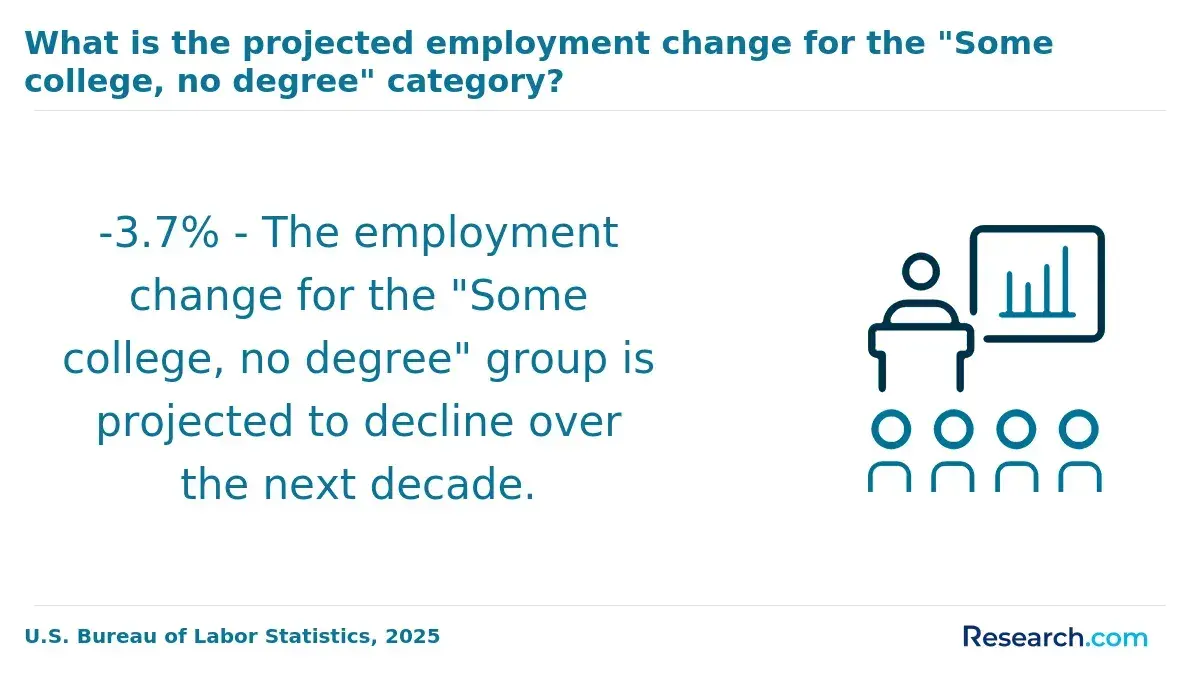
Master's degree holders in child psychology generally see a noticeable salary boost-earning roughly 20-35% more than those with only a graduate certificate. This premium reflects the advanced knowledge and comprehensive skills obtained during a master's program.
- Industry Variations: The highest pay gaps appear in clinical environments, government positions, and academic settings where advanced qualifications often tie directly to licensure and leadership roles.
- Employer Preferences: Larger hospitals and well-established research institutions typically prize master's degrees, offering higher salaries and pathways to senior roles usually inaccessible to certificate holders.
- Comparable Earnings: Certain careers, such as behavioral technician or program coordinator within nonprofit or smaller agencies, may yield competitive pay for those with certificates-especially when practical experience and specialized certification outweigh academic credentials.
- Time and Cost Factors: Graduate certificates demand significantly less time and financial investment, often less than half the duration and cost of master's programs, making them attractive for quicker workforce entry and immediate skill enhancement.
- Long-Term Earnings: Although costlier and lengthier, master's degrees tend to provide superior lifetime earning potential-particularly for professionals aiming at leadership or clinical licensure pathways.
Recent 2024 data indicate that advanced degrees remain a strong predictor of salary increases in mental health professions, reinforcing the value of comprehensive training for sustained career growth.
Which Child Psychology Career Paths Favor a Master's Degree Over a Graduate Certificate?
Certain career paths in child psychology strongly favor a master's degree over a graduate certificate due to the comprehensive knowledge and credentials required.
Employers, licensure boards, and professional associations routinely mandate a master's degree for roles involving clinical practice, leadership, and advanced research, reflecting the deeper theoretical grounding and academic rigor that the degree provides.
- Licensure Requirements: Many states require a master's degree for licensure as a mental health counselor or school psychologist working with children. This credential guarantees candidates have completed extensive supervised clinical training and meet educational standards that graduate certificates typically do not cover.
- Clinical Leadership: Positions such as clinical supervisors, program directors, or child welfare coordinators often insist on a master's degree. These roles demand not only applied skills but also the ability to oversee complex cases, which a master's program prepares candidates to manage.
- Research and Academia: Roles focusing on developmental research or program evaluation prioritize candidates with a master's degree because of its emphasis on research methodology and critical analysis skills—essential for evidence-based interventions and policy development.
- Promotion and Specialization: Within many organizations, the master's degree acts as a formal threshold for advancement or specialization in areas like neurodevelopmental disorders or trauma-informed care, making it structurally necessary in career ladders.
- Employer Preference: Job market analyses indicate that nearly 70% of child psychology-related roles with clinical or supervisory responsibilities list a master's degree as a minimum educational requirement, underscoring its importance in competitive hiring processes.
Prospective students aiming for these career tracks should factor in the additional time and resources required for a master's degree, as it often represents a non-negotiable credential for professional success, licensure compliance, and long-term career mobility in the field of child psychology.
Which Child Psychology Career Paths Favor a Graduate Certificate Over a Master's Degree?
Certain child psychology career opportunities with a graduate certificate emphasize immediate, applied competency over broad academic knowledge, making the certificate more valuable than a master's degree in specific professional contexts.
Job market data from platforms like Lightcast and employer surveys reveal that roles such as behavioral technician or intervention specialist commonly demand specialized skills delivered through graduate certificates rather than full degrees. These positions require demonstrated expertise in targeted methods like Applied Behavior Analysis (ABA), where practical skills trump comprehensive theory.
Specialized Roles: Many child psychology career options in child psychology reward focused certification. Intervention specialists and those working in behavioral analysis often find certificates open doors more quickly than traditional master's programs by prioritizing hands-on expertise.
Time Efficiency: Professionals holding bachelor's or related master's degrees frequently choose graduate certificates for a rapid skills upgrade or to transition into niche areas. Since certificates require fewer credits and less time, they maximize return on investment, aligning well with working adults' needs.
Employer Preference: Surveys show hiring managers in school-based support services and early intervention settings sometimes value certificate credentials as equal to or more desirable than master's—especially where up-to-date applied techniques matter most to effective care. This preference emphasizes practical readiness instead of extended academic study.
Cost Effectiveness: Graduate certificates provide targeted knowledge without the financial and time burdens of master's programs. This approach suits those aiming to fill specific competency gaps without incurring major new expenses.
Career Changers: Individuals shifting from related fields benefit from certificates to acquire essential applied skills for entry-level or specialized support roles where a master's may be unnecessary. For insight on how certification affects roles with measurable salary impacts, see CPC salary data from research.
Is a Child Psychology Graduate Certificate Stackable Toward a Master's Degree?
Stackable credentials are educational qualifications designed so that coursework from one credential—such as a child psychology graduate certificate—can be applied toward a higher-level credential like a master's degree.
Some accredited universities allow transfer of graduate certificate credits into a related master's program, enabling a smoother academic progression and reduced overall time and cost. For prospective students wondering does a child psychology graduate certificate transfer credits to a master's program, the answer is: it depends on institutional policies.
Conditions for stacking usually include grade thresholds, often requiring a minimum grade of B or higher to ensure mastery. Time limits typically mandate that credits be earned within a certain timeframe before applying to the master's program.
Moreover, stacking is generally only permitted when the certificate and master's degree come from the same institution or partner schools with aligned curricula. These restrictions underscore that stackability is an institutional policy, not a universal standard.
The stackable certificate pathway offers a lower-risk entry point for students undecided about a full master's degree in child psychology. It allows them to test the academic environment and manage financial commitments flexibly before fully committing. This makes it an attractive option for many seeking a faster credential upgrade or career change.
Students should verify these options directly with graduate admissions offices, as stacking policies vary widely. For those also exploring credentials outside psychology, one might check which nurse practitioner program is easiest to compare pathways to.
- Stackability: Some universities allow graduate certificate credits to count toward a master's in child psychology when fields align closely.
- Conditions: Grade minimums, time frames, and institutional matching often determine eligibility for stacking.
- Flexibility: Certificates offer a low-commitment way to begin graduate study and explore academic preparation before a full degree.
- Variability: Policies differ widely, so official confirmation from schools is essential before enrolling.
How Do Employers in the Child Psychology Field Perceive a Master's Degree Versus a Graduate Certificate?
Employer feedback from sources like the NACE Job Outlook Report, Council of Graduate Schools research, and LinkedIn Talent Insights reveals clear distinctions in how hiring professionals assess applicants holding a master's degree versus a graduate certificate in child psychology.
A master's degree remains the preferred credential in traditional and regulated settings—such as clinical roles, education, and research—due to its depth and recognized rigor.
Industry Preference: Healthcare, social service, and academic sectors generally favor master's credentials because of their comprehensive training. Conversely, tech-driven child development companies and consulting firms often value graduate certificates for their specialized, skills-based focus and shorter completion timelines.
Role Type: Positions requiring licensure or direct clinical practice commonly mandate master's-level qualifications. In contrast, roles centered on support, program management, or narrow therapeutic techniques are more open to candidates with graduate certificates.
Institution Reputation: The prestige and accreditation of the credentialing institution heavily influence employer perceptions. A certificate from a highly regarded, accredited university can carry more weight than a master's from a lesser-known or unaccredited program, impacting hiring decisions substantially.
Realistic Expectations: Job seekers should align their credential choice with their career goals and industry demands, recognizing that while the master's often opens doors in conventional child psychology careers, certificates provide efficient entry or upskilling options for specialized paths.
Can a Child Psychology Graduate Certificate Help Someone Transition Into the Field From a Different Background?
Professionals moving into child psychology from unrelated sectors often benefit from graduate certificate programs designed as expedited, cost-effective routes to foundational expertise.
Workforce development research highlights these certificates as tailored for career changers-offering concentrated coursework that can be completed faster than a master's degree while building essential knowledge for entry-level roles.
- Speed: Certificates require fewer credits, allowing learners to finish quickly and immediately apply their skills in practical settings.
- Cost-Effectiveness: Typically, tuition for certificates is lower, appealing to those seeking a credible credential without significant financial commitment.
- Applied Learning: Curriculum targets core child psychology principles with project-based work, enabling students to develop professional portfolios alongside academic progress.
- Stackability: Many programs permit transfer of credits toward a future master's degree-providing flexibility for gradual advancement without upfront full-degree enrollment.
Despite these advantages, graduate certificates may fall short for individuals targeting senior or specialized positions, where a master's degree offers deeper theoretical insights, research opportunities, and broader employer recognition. As such, certificates function best as initial credentials, supplemented by practical experience like internships or volunteer work to enhance job prospects.
Pairing a graduate certificate with demonstrable applied work can meaningfully improve hiring chances—facilitating a smoother career transition for those entering child psychology without committing immediately to a full master's program.
What Graduates Say About Which Is Better: A Child Psychology Master's Degree or a Child Psychology Graduate Certificate
- Augustus: "Choosing between a child psychology master's degree and a graduate certificate was a tough decision for me, but the cost difference was a major factor. The certificate was far more affordable and allowed me to enter the workforce quickly-I loved that time-to-completion was under a year. Ultimately, while the master's offers deeper study, the certificate gave me a practical edge that employers appreciated."
- Antonio: "Reflecting on my journey, I found the admission requirements for the master's program quite rigorous compared to the certificate program-this made the certificate more accessible for someone juggling work and studies. Though the master's degree can boost your salary more noticeably, I felt the certificate's shorter timeline meant I could start building career momentum sooner. Each path has its merits, but for me, flexibility was key."
- Julian: "From a professional standpoint, employer recognition heavily swayed my choice toward completing the master's in child psychology. Employers tend to value the comprehensive training and research experience that comes with a master's degree-this translated into better career utility and salary potential in my field. While the certificate is beneficial for quick skills, the master's degree felt like an investment that paid off long-term."
Other Things You Should Know About Child Psychology Degrees
Online master's programs in child psychology generally offer a more comprehensive curriculum, covering broader theoretical knowledge and practical skills. They often require more credits and time to complete, which employers tend to recognize as a stronger qualification compared to graduate certificates. However, accredited online graduate certificates can still provide focused, industry-relevant training that may be valued for specific roles or skill upgrades.
Accreditation is critical for both credentials but can impact them differently. A child psychology master's degree from an accredited institution is widely accepted for licensure and advanced career opportunities, whereas many graduate certificates are seen as supplemental and may not meet licensure requirements. Ensuring the program's accreditation status helps safeguard the credential's quality and recognition in the professional field.
In 2027, a Child Psychology master's degree generally offers broader academic opportunities, such as eligibility for doctoral programs in psychology. A graduate certificate may enhance specific skills but typically does not meet the entry requirements for advanced academic paths or research-focused roles.
The master's degree is suited for recent undergraduates or career changers seeking full professional qualification and clinical careers in child psychology. It is essential for those pursuing licensure or doctoral programs. Graduate certificates, on the other hand, are ideal for working professionals who want targeted skills quickly or current certificate holders considering specialization without committing to a full degree.
References
- Child Psychology Master's degrees https://universitycompare.com/courses/degrees/masters/child-psychology
- Best Online Child Psychology Master's Programs 2025 https://www.psychology.org/degrees/child-psychology/masters/
- Alternative Careers for Social Workers: From MSW to Doctor of Psychology https://www.scuhs.edu/psyd-article/alternative-careers-for-social-workers-from-msw-to-doctor-of-psychology/
- Master’s in Child Psychology & Development https://www.snhu.edu/online-degrees/masters/ms-in-psychology/child-and-adolescent-development-psychology
- Understanding the Difference: Child Psychologist vs. Master’s Level Therapist vs. School Counselor https://www.napleschildpsychology.com/post/understanding-the-difference-child-psychologist-vs-therapist-vs-school-counselor
- Master’s in Child Psychology Guide https://www.bestpsychologydegrees.com/masters-degree-in-child-psychology/
- Child and Adolescent Psychology Certificate - The Chicago School https://www.thechicagoschool.edu/programs/psychology/child-adolescent-psychology/certificate/
- Career Paths after M.A. Psychology https://www.lpu.in/blog/career-paths-after-m-a-psychology/