2027 Best Online MSW Programs for Hospital Social Work Careers

Co-Founder and Chief Data Scientist
Choosing an online MSW for hospital social work is not just about finding a flexible graduate degree. The program must prepare you for clinical practice, supervised fieldwork, healthcare systems, and eventual licensure while fitting around work, family, and other obligations. This is especially important for career changers who do not have a related undergraduate degree and need a clear path into medical social work.
Hospital social workers help patients and families navigate illness, discharge planning, insurance barriers, behavioral health needs, crisis situations, and community resources. Because the work is clinical, fast-moving, and highly collaborative, program quality matters. The strongest online MSW options combine CSWE accreditation, rigorous clinical coursework, field placement support, and healthcare-focused electives or concentrations.
This guide explains how online MSW programs prepare students for hospital social work, what accreditation and admissions requirements to check, what the curriculum usually includes, how long programs take, what they may cost, and how to compare career and salary outcomes before enrolling.
Key Things You Should Know
- Top online MSW programs for hospital social work emphasize clinical skills and healthcare policy to prepare students for complex medical environments and interdisciplinary teams.
- Most accredited programs require 900-1,200 fieldwork hours tailored to hospital settings, aligning with 2025 licensing standards for clinical social workers.
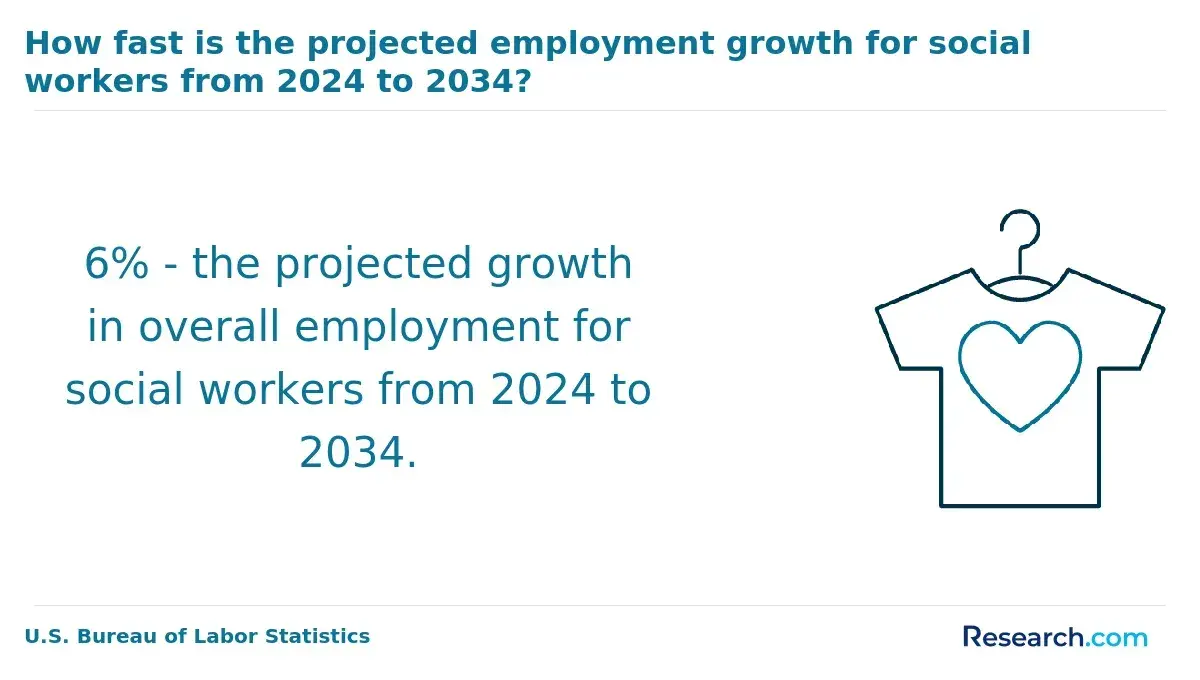
- Employment in hospital social work roles is projected to grow 12% through 2030, reflecting rising demand for mental health and patient advocacy professionals in healthcare.
What are the best online MSW programs for hospital social work?
The best online MSW programs for hospital social work are CSWE-accredited degrees that combine clinical training, healthcare-focused coursework, and strong field placement support. For students who want to work in hospitals, the most important question is not simply whether the program is online, but whether it can help you secure supervised experience in a hospital, clinic, rehabilitation center, hospice setting, or other healthcare environment.
Programs such as the University of Southern California's online MSW and the University of Texas at Arlington's online MSW are examples of options that emphasize skills relevant to healthcare settings, including discharge planning, patient advocacy, care coordination, crisis response, and interdisciplinary teamwork. Students should confirm the current curriculum, field placement process, and licensure alignment directly with each school before applying.
What to look for in a hospital-focused online MSW
| Selection factor | Why it matters for hospital social work |
| CSWE accreditation | CSWE accreditation is essential for licensure eligibility in most states and is a baseline expectation among healthcare employers. |
| Clinical curriculum | Hospital social workers need preparation in assessment, crisis intervention, mental health, family systems, grief, trauma, and ethical decision-making. |
| Healthcare field placement support | Students need supervised experience with real patients, care teams, discharge processes, documentation, and community referrals. |
| Flexible format | Part-time, asynchronous, or hybrid options can make the degree more manageable for working adults and career changers. |
| Licensure preparation | Programs should clearly explain how coursework and field education support state licensure requirements, including the path toward LCSW eligibility where applicable. |
| Healthcare career services | Alumni networks, hospital partnerships, resume support, and interview preparation can improve the transition into medical social work roles. |
Demand is one reason many students are considering this path. The demand for hospital social work professionals is rising, with a 22% increase in job postings from 2024 to 2025 driven by growing patient acuity and discharge planning needs, according to the U.S. Bureau of Labor Statistics. That trend makes clinical preparation and field experience especially important.
Students comparing programs should ask each admissions office direct questions: Can I complete my practicum in a hospital or healthcare setting near me? Who arranges placements? Are evening or weekend field hours possible? Does the program prepare graduates for clinical licensure in my state? For students planning long-term advancement, a doctorate in social work online may also be worth considering after MSW-level practice experience.
How does an MSW prepare you for hospital social work careers?
An MSW prepares students for hospital social work by building the clinical, ethical, and systems-level skills needed to support patients during medical crises and complex transitions of care. Hospital social workers do not work in isolation. They coordinate with physicians, nurses, case managers, psychiatrists, family caregivers, insurers, and community agencies to help patients leave the hospital safely and access appropriate support.
MSW coursework typically develops skills in clinical assessment, crisis intervention, patient advocacy, behavioral health screening, documentation, treatment planning, and resource coordination. Students also study healthcare policy, social determinants of health, trauma, family dynamics, end-of-life care, and ethical issues such as confidentiality and informed consent.
Core ways an MSW supports hospital readiness
- Clinical judgment: Students learn to assess psychosocial risk, mental health concerns, family stressors, safety issues, and barriers to care.
- Discharge planning: Training often covers transitions to home care, rehabilitation, skilled nursing facilities, hospice, outpatient treatment, or community-based services.
- Crisis response: Hospital social workers may support patients and families after trauma, diagnosis, loss, abuse, substance-related emergencies, or acute psychiatric concerns.
- Interdisciplinary communication: Students practice translating social and behavioral concerns into actionable information for medical teams.
- Licensure preparation: Field education and supervised practice help graduates move toward clinical licensure, depending on state rules.
Field education is central. Many MSW students complete practicums or internships in hospitals, clinics, community health agencies, behavioral health programs, or related settings. These placements help students practice assessment, documentation, case management, and treatment planning under supervision.
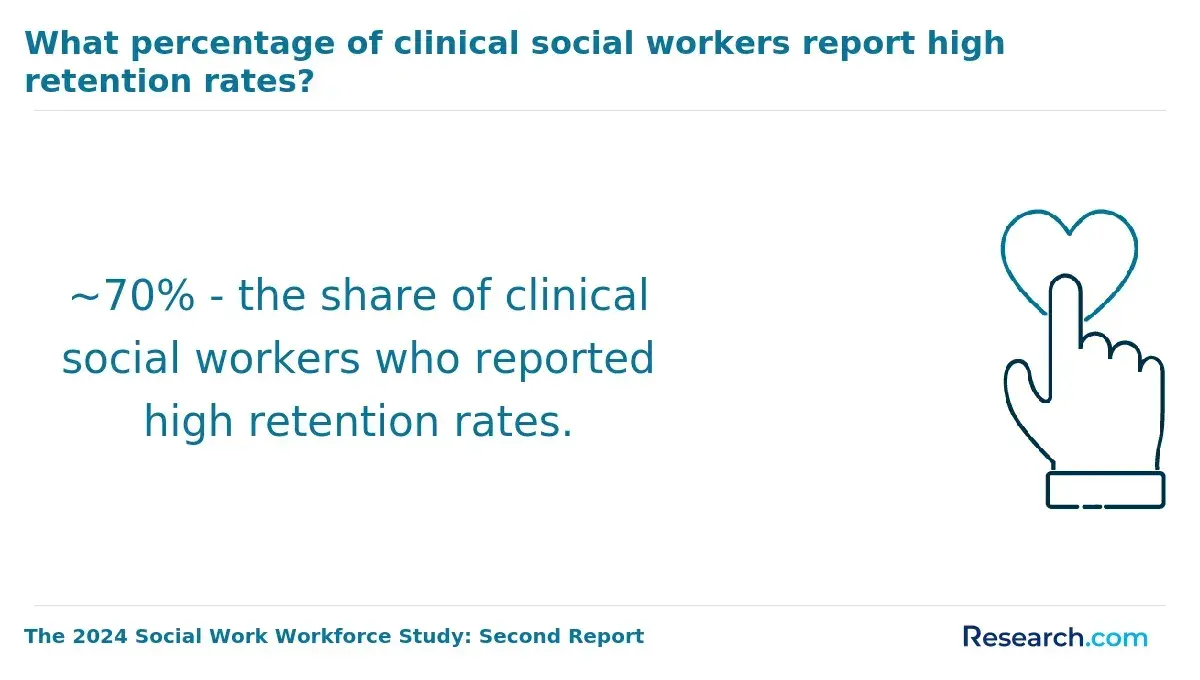
The demand for professionals with an MSW is strong; data from the U.S. Bureau of Labor Statistics projects a 13% growth rate in healthcare social work jobs from 2024 to 2034, adding over 20,000 positions. These roles often serve older adults, people with chronic illness, patients with behavioral health needs, and families managing high-stress medical decisions. Students comparing flexible pathways can review MSW programs online to identify options that fit their schedule and licensure goals.
What accreditation is required for online MSW programs?
Online MSW programs should hold accreditation from the Council on Social Work Education (CSWE). For students planning hospital social work careers, CSWE accreditation is the key program-level credential because it signals that the degree meets national standards for social work curriculum, field education, faculty qualifications, and professional competencies.
Regional or institutional accreditation matters, but it is not enough by itself for professional social work preparation. A university may be institutionally accredited while a specific MSW program is not CSWE-accredited. For most students seeking licensure and hospital employment, that distinction is critical.
Why CSWE accreditation matters
- Licensure eligibility: Most U.S. states require a CSWE-accredited MSW for social work licensure pathways.
- Employer recognition: Hospitals commonly expect graduates to come from accredited social work programs.
- Field education standards: CSWE-accredited programs must meet practicum expectations that support supervised professional training.
- Clinical credibility: Accreditation helps ensure that coursework covers ethics, assessment, intervention, policy, research, and professional practice.
Before enrolling, students should verify accreditation directly through the CSWE directory and confirm whether the online format is included under the program's accredited offering. Students should also check state licensing board rules, because licensure requirements vary by state and may include supervised post-graduate experience, exams, background checks, and continuing education.
The U.S. Bureau of Labor Statistics reports that medical and health services social workers earned a median annual salary of $65,600, with top earners above $92,000, highlighting the potential value of completing a recognized program. Students who want a shorter timeline can compare an accelerated social work program, but speed should not come at the expense of CSWE accreditation, field placement quality, or state licensure alignment.
Common admission requirements for online MSW programs include a bachelor's degree from an accredited institution, transcripts, recommendation letters, a personal statement, and a resume. Applicants do not always need an undergraduate degree in social work, but those without a BSW usually enter a traditional MSW track rather than an advanced standing track.
A minimum undergraduate GPA of 3.0 is typically required, though some schools review applicants holistically and may consider professional experience, upward grade trends, volunteer work, or additional coursework. Applicants from unrelated majors should be ready to explain why they are moving into social work and how their experience has prepared them for graduate-level clinical training.
Typical application materials
| Requirement | What admissions committees evaluate |
| Bachelor's degree and transcripts | Academic readiness, prerequisite completion, and overall GPA strength. |
| Personal statement | Motivation for social work, understanding of the profession, commitment to ethical practice, and interest in healthcare or hospital settings. |
| Two or three recommendations | Evidence of maturity, communication skills, reliability, empathy, leadership, and readiness for graduate study. |
| Resume or CV | Work, volunteer, healthcare, advocacy, case management, nonprofit, or human services experience. |
| GRE scores | Increasingly optional, but some competitive programs may still request or accept them. |
| Interview | Less common for fully online programs, but possible for selective, hybrid, or clinically focused pathways. |
Experience with patients, families, older adults, behavioral health, crisis services, or community support can strengthen an application, but it is not always required. Given the rising demand for hospital social work, particularly in geriatric care coordination as adults aged 65+ are projected to be 21% of the U.S. population by 2030, applicants with experience serving aging populations may be especially well positioned.
Career changers should pay close attention to prerequisites and field placement expectations before applying. If admission selectivity is a major concern, reviewing the easiest online MSW program options can help applicants identify programs with more accessible requirements while still checking accreditation and licensure fit.
Online MSW programs for hospital social work usually combine generalist social work foundations with advanced clinical practice, healthcare systems, and supervised field education. The goal is to prepare students to assess patient needs, intervene during crises, collaborate with medical teams, and connect patients with appropriate services after discharge.
While course titles vary by school, students interested in hospital roles should look for curriculum coverage in the following areas:
- Human behavior and the social environment: Often includes biopsychosocial models that help students understand how medical, psychological, family, cultural, and socioeconomic factors affect health.
- Clinical assessment and intervention: May include crisis intervention, cognitive-behavioral therapy, family systems therapy, trauma-informed care, and mental health evaluation.
- Healthcare policy and delivery: Covers hospital systems, insurance issues, patient rights, health disparities, care transitions, and regulatory considerations.
- Ethics and professional practice: Prepares students for confidentiality, informed consent, mandated reporting, documentation, boundary issues, and decision-making in high-pressure settings.
- Research and evidence-based practice: Helps students evaluate interventions, measure outcomes, and use data to improve patient care.
- Field practicum: Provides supervised experience in hospitals, clinics, behavioral health agencies, hospice programs, rehabilitation centers, or related healthcare settings.
Electives can also shape career readiness. Students interested in hospital social work may benefit from courses in geriatrics, pediatrics, oncology, substance use, palliative care, grief and bereavement, integrated behavioral health, or psychiatric social work. These areas align with common hospital service lines and patient populations.
Students should not assume that every online MSW offers hospital placements. Before enrolling, ask whether the school has healthcare placement partners, whether students can propose local hospital sites, and how the program handles placement challenges in competitive markets. Graduates benefit from a 15-month payback period on tuition investment, supported by a lifetime earnings premium of $1.2 million compared to bachelor's degree holders.
Online MSW programs often take 1.5 to 3 years to complete, depending on enrollment status, program structure, field placement timing, and whether the student qualifies for advanced standing. Full-time students typically finish within 18 to 24 months, while part-time students may take up to 3 years. Students with a bachelor's degree in social work may qualify for accelerated or advanced standing tracks that can take as little as 12 to 18 months.
Cost varies widely by institution. Public universities generally charge between $15,000 and $30,000 for the full program, while private institutions may exceed $40,000. Students should also budget for technology fees, application costs, books, travel to field sites, background checks, immunizations, liability insurance, and practicum-related expenses, which can add several thousand dollars to the total.
How to evaluate time and cost realistically
| Program factor | What to consider |
| Full-time enrollment | Faster completion, but less flexibility for students working full time or managing caregiving responsibilities. |
| Part-time enrollment | More manageable workload, but a longer time before graduation, licensure progress, and full-time social work earnings. |
| Advanced standing | Can shorten the timeline for eligible BSW graduates, but is usually not available to students without a CSWE-accredited BSW. |
| Field placement schedule | Hospital practicums may require weekday daytime availability, which can affect employment and income during the program. |
| Total net cost | Compare tuition after grants, scholarships, employer benefits, loan costs, and fees rather than relying only on advertised tuition. |
The University of Michigan's online MSW is notable for its combination of competitive tuition and strong career outcomes, including a 92% placement rate in hospital-based social work roles within six months post-graduation, according to their 2025 Outcomes Report. Outcomes like these are useful, but applicants should look closely at how each school defines placement, which roles are included, and whether results apply to online students specifically.
The right choice balances affordability, schedule, field placement access, licensure preparation, and career services. A cheaper program may not be the best value if it cannot support a healthcare placement, while a more expensive program should be able to demonstrate strong student support and career outcomes.
How to choose the right online MSW program for hospital social work?
To choose the right online MSW program for hospital social work, start with accreditation and licensure fit, then compare field placement support, healthcare coursework, flexibility, cost, faculty expertise, and student outcomes. A program may be convenient and well known, but it is not the right choice if it does not support your state licensure path or cannot help you complete an appropriate practicum.
Decision checklist for prospective students
- Verify CSWE accreditation: Confirm that the MSW program, including the online format, is CSWE-accredited.
- Check state licensure alignment: Review your state licensing board's requirements and ask the program how it supports those requirements.
- Ask about hospital placements: Find out whether the school arranges placements, whether healthcare sites are available near you, and how competitive those placements are.
- Review curriculum depth: Look for clinical practice, healthcare policy, crisis intervention, behavioral health, ethics, documentation, and interdisciplinary care.
- Compare flexibility: Asynchronous courses, part-time tracks, and predictable field placement planning can be essential for working adults.
- Evaluate faculty expertise: Faculty with hospital social work, clinical practice, integrated care, or telehealth experience can make coursework more relevant.
- Calculate total cost: Include tuition, fees, books, travel, field placement expenses, lost work hours, and loan costs.
- Review career support: Strong programs should offer resume help, licensure guidance, interview preparation, alumni connections, and healthcare employer relationships.
Telehealth is now part of many healthcare social work roles. The use of telehealth in hospital social work grew by 41% recently, with MSW-prepared professionals handling 35% more virtual discharge cases, according to the Healthcare Information and Management Systems Society (2025 Telehealth Report). Students should look for programs that address virtual care platforms, remote patient support, privacy, documentation, and digital communication with care teams.
The best online MSW for hospital social work is the one that fits your location, budget, schedule, licensure goals, and desired patient population while giving you meaningful supervised healthcare experience. Before enrolling, speak with admissions, field education staff, current students, alumni, and your state licensing board. Those conversations can reveal whether the program is truly built for hospital social work or simply marketed as a flexible online MSW.
Other Things You Should Know About Social Work
In 2027, top online MSW programs for hospital social work careers include those from the University of Southern California, Columbia University, and the University of Denver. They offer specialized coursework in healthcare systems, patient advocacy, and are often paired with hospital-based field placements to provide practical experience.
Licensure requirements for hospital social workers generally align with those for clinical social workers, requiring a master's degree and passing a licensing exam like the ASWB. However, some states may have additional criteria specific to healthcare settings, so it's important to check local regulations. Continuing education is often required to maintain licensure as well.
Most CSWE-accredited online MSW programs require at least 900 field practicum hours, and hospital-track students usually complete them in healthcare settings. These placements build skills in discharge planning, patient assessment, care coordination, and interdisciplinary communication before graduation.
Hospital social workers partner closely with doctors, nurses, psychologists, and discharge planners to create comprehensive care plans. They provide assessments, facilitate communication between patients and providers, and help coordinate post-hospital services. This teamwork ensures holistic treatment addressing both medical and psychosocial factors.
- Best Affordable Master's Degree In Social Work https://www.psychology.org/social-work/best-affordable-masters-programs/
- What does a Hospital Social Worker do? Career Overview, Roles, Jobs | NASW https://joblink.socialworkers.org/career/hospital-social-worker
- Social Work Salaries https://www.socialworkers.org/careers/career-center/kickstart-your-job-hunt/social-work-salaries
- Social Worker Salary and Jobs in Social Work https://teach.com/online-ed/social-work-degrees/online-masters-social-work/salary-and-career-outlook/
- Best Online MSW Programs - CSWE-Accredited https://www.onlinemastersdegrees.org/best-programs/social-work-msw/cswe-accredited/
- The Pros and Cons of Online MSW Programs – Should I Pursue an MSW Online? https://www.masterofsocialwork.com/resources/pros-and-cons-online-msw-programs
- Social Work Career Pathways https://socialworklicensemap.com/social-work-careers/pathways/
- Types of Social Work Jobs: 4 Career Paths https://onlinedegrees.keuka.edu/blog/types-of-social-work-jobs
- The Future is Bright: LCSW Career Outlook and Opportunities in 2024 | PracticeMatch https://www.practicematch.com/healthcare/articles/the-future-is-bright-lcsw-career-outlook-and-opportunities-in-2024.cfm
- Compare CSWE Accredited Online MSW Programs https://www.onlinemswprograms.com/online-social-work-degrees/online-schools/