2027 Do You Need a BSW to Apply to an MSW Program?

Co-Founder and Chief Data Scientist
You can earn a Master of Social Work without first earning a Bachelor of Social Work. The real question is not whether you are eligible, but which MSW pathway fits your background, timeline, budget, and licensure goals.
This guide is for career changers, psychology or sociology graduates, human services workers, and anyone with a non-social-work bachelor's degree who is considering graduate social work education. It explains how traditional MSW tracks differ from advanced standing options, what admissions committees usually expect from non-BSW applicants, how bridge coursework works, and what to check before committing to a program.
Because MSW requirements vary by school and state, the best choice is rarely the fastest or cheapest option alone. A strong program should be accredited, realistic for your schedule, aligned with your intended practice area, and structured to support any licensure path you may pursue after graduation.
Key Things You Should Know
- Most MSW programs in 2026 do not strictly require a BSW, but having one can improve admission chances and reduce coursework by about 25%.
- Applicants without a BSW often need prerequisite undergraduate courses or relevant experience, with 40% of programs offering bridge options to accommodate them.
- About 60% of accredited MSW programs value diverse educational backgrounds, emphasizing practical experience and personal commitment to social justice over specific prior degrees.
Do You Need a BSW to Apply to an MSW Program?
No. You do not need a BSW degree to apply to many MSW programs in 2026. Accredited MSW programs commonly admit students who hold a bachelor's degree in another field, especially when the applicant can show academic readiness, relevant experience, and a clear commitment to social work values.
The main difference is program placement. BSW graduates may qualify for advanced standing, while students without a BSW usually enter a traditional or foundational MSW track. That track is designed to teach the core content BSW students already covered, such as human behavior, social welfare policy, research methods, ethics, diversity, and generalist practice.
| Applicant background | Common MSW pathway | What it usually means |
| BSW from an eligible program | Advanced standing MSW | May allow faster completion because foundational social work coursework has already been completed. |
| Bachelor's degree in psychology, sociology, education, criminal justice, healthcare, or another field | Traditional or foundation-year MSW | Usually includes additional foundational coursework and field education before advanced practice courses. |
| Unrelated bachelor's degree with limited helping-profession experience | Traditional MSW, sometimes with prerequisites or bridge requirements | May require stronger essays, references, volunteer work, or prerequisite coursework to demonstrate fit. |
In 2022-2023, U.S. social work programs awarded 39,678 MSW degrees compared to 15,126 BSW degrees, which shows how central the graduate degree has become in the profession. For applicants without a BSW, this is encouraging: the MSW is not reserved only for undergraduate social work majors.
Still, non-BSW applicants should read each program's admissions page carefully. Some schools may expect specific undergraduate coursework, related work or volunteer experience, strong references, or a statement of purpose that explains why social work is the right professional path. Others may be more flexible but require a full foundation year.
If your long-term goal is advanced practice, leadership, or doctoral study, you may also want to understand how graduate social work credentials connect. For example, some professionals later explore an online DSW after earning an MSW and gaining experience.
What Are Common MSW Admission Requirements Without a BSW?
MSW applicants without a BSW are usually evaluated on whether they can succeed in graduate school and whether their goals match the social work profession. A non-social-work bachelor's degree is not automatically a disadvantage, but the application must clearly show readiness for professional training.
Common requirements include a bachelor's degree in any discipline, a competitive academic record, and often a minimum GPA of 3.0 on a 4.0 scale. Programs may also require official transcripts, letters of recommendation, a resume, and a statement of purpose.
| Requirement | What schools are looking for | How non-BSW applicants can strengthen it |
| Bachelor's degree | Completion of an undergraduate degree from an acceptable institution. | Highlight coursework in psychology, sociology, statistics, public health, education, policy, or human services if relevant. |
| GPA | Evidence that you can handle graduate-level reading, writing, and field expectations. | If your GPA is weaker, use recent coursework, strong references, or professional experience to show growth. |
| Recommendations | Insight from people who can speak to your judgment, ethics, communication, and reliability. | Choose academic faculty, supervisors, or service-based professionals who know your work well. |
| Statement of purpose | A clear explanation of why social work, why now, and why that program. | Connect your experience to social work values, populations served, and realistic career goals. |
| Relevant experience | Exposure to helping roles, community work, advocacy, healthcare, education, or social services. | Include paid work, internships, volunteer service, crisis-line work, case support, or community engagement. |
| Prerequisite coursework | Preparation in areas such as psychology, sociology, human behavior, research, or statistics. | Confirm whether missing prerequisites can be completed before enrollment or during the first term. |
The statement of purpose matters especially for non-BSW applicants. It should not simply say that you want to help people. A stronger essay explains the populations or issues you care about, the experiences that shaped your decision, and how MSW training will prepare you for ethical and competent practice.
Most applicants without a BSW complete the full MSW curriculum rather than an advanced standing route. That can increase both time and cost, so admissions planning should be connected to financial planning. Holders of a BSW earn a median salary of $55,000 annually, 20% less than MSW holders, who average $69,000, according to the Bureau of Labor Statistics Occupational Outlook Handbook, May 2024 data. Before applying, compare program length, tuition, and aid options, including resources that explain how much does a masters in social work cost.
Can You Get into an MSW Program with a Different Bachelor's Degree?
Yes. You can get into an MSW program with a bachelor's degree in another field. Many students enter MSW programs after studying psychology, sociology, education, criminal justice, public health, communications, political science, or business. Others come from fields that appear less directly related but bring valuable experience in leadership, service, advocacy, or community work.
Admissions committees usually care less about the title of your undergraduate major than about your preparation for graduate social work education. They want to see that you understand the profession, can write and think critically, can work with diverse communities, and are prepared for the emotional and ethical demands of field education.
Applicants from related fields may have an easier time explaining the connection. For example, psychology coursework can support interest in mental health practice, sociology can support interest in systems and inequality, education can connect to school social work, and healthcare experience can connect to medical or gerontological social work.
Applicants from unrelated fields should be more intentional. A finance, marketing, engineering, or arts background does not rule out MSW admission, but the application should explain the transition clearly. Relevant volunteer work, case management exposure, advocacy projects, community service, or experience with vulnerable populations can help bridge that gap.
Admission criteria have also become more accessible in many places. For example, 86% of U.S. MSW programs now waive GRE requirements, broadening access for applicants from different academic backgrounds. That said, waiving the GRE does not mean admissions are automatic; essays, references, experience, and fit with the program still carry weight.
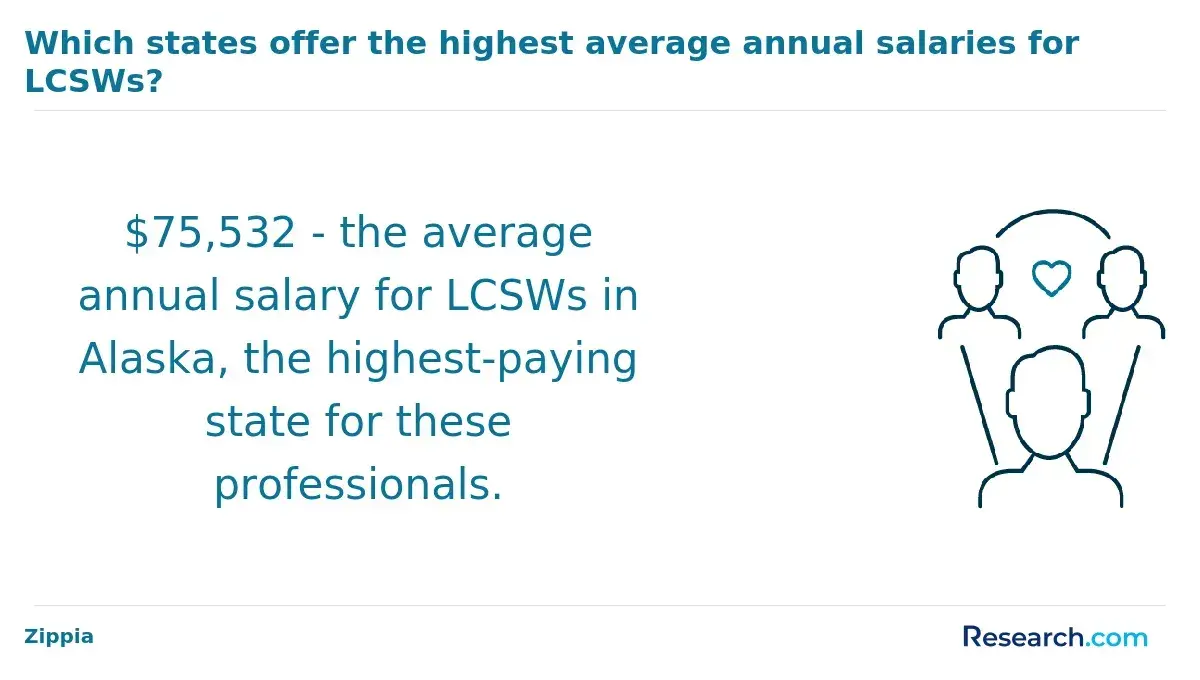
Before applying, check whether each school requires prerequisite coursework in human behavior, social sciences, statistics, or research methods. Also review whether the program supports your intended career path. If clinical licensure is part of your plan, later earnings can vary substantially by state and setting, so reviewing resources such as an LCSW salary by state guide can help you set realistic expectations.
A bridge program for MSW applicants without a BSW is a structured way to close the academic and practice gaps between a non-social-work bachelor's degree and graduate social work study. It is not the same as advanced standing. Advanced standing is generally for eligible BSW graduates; bridge or foundation options are for students who need core social work preparation before moving into advanced MSW coursework.
Bridge formats vary by school. Some programs require prerequisite courses before admission. Others build foundation courses into the first year of the MSW. Some may add workshops, field readiness training, or supervised practice components so that students understand professional ethics, client systems, documentation, and social work roles before advanced placements.
| Bridge feature | Purpose | What to ask before enrolling |
| Foundation coursework | Introduces generalist social work practice, policy, research, human behavior, and ethics. | Does it count toward the MSW, or is it additional coursework outside the degree? |
| Prerequisite classes | Builds academic readiness in social science, statistics, or human behavior. | Can you complete them online, at another institution, or after conditional admission? |
| Field preparation | Helps students understand professional expectations before placement. | When do placements begin, and how are they arranged for working or online students? |
| Extended timeline | Gives non-BSW students time to build competencies BSW students may already have. | How many extra terms or credits will the bridge add? |
These options can be especially useful for students with degrees in psychology, sociology, human services, education, healthcare, or criminal justice. They can also help career changers who have strong motivation but limited formal exposure to social work theory and field practice.
Notably, 42% of MSW enrollments come from advanced standing programs for BSW holders, which allow faster completion. Bridge programs remain important because they provide a separate access route for students who did not major in social work as undergraduates.
When comparing bridge options, do not focus only on admission ease. Ask how much additional tuition the bridge adds, whether the courses satisfy licensure-related expectations in your state, how field placements are secured, and whether students without a BSW receive advising early enough to avoid delays. If accessibility is a major concern, you may also want to compare schools discussed in resources on the easiest online MSW program.
Most MSW programs for students without a BSW take about two to three years to complete. The exact timeline depends on whether you study full time or part time, whether the program is online or campus-based, and whether you must complete prerequisite or bridge coursework.
A traditional full-time MSW for non-BSW students often includes a foundation phase followed by advanced practice coursework and field education. Part-time formats can be more manageable for working adults, but they usually extend the calendar time needed to graduate. Online programs may offer flexibility, but they still require field placements that must be completed in approved settings.
| Format | Typical effect on timeline | Best fit |
| Full-time traditional MSW | Often the shortest route for non-BSW students who do not qualify for advanced standing. | Students who can reduce work hours and prioritize school and field education. |
| Part-time MSW | May extend the program but can make coursework and field hours more manageable. | Working adults, caregivers, or students who need a slower pace. |
| Online MSW | Can improve scheduling flexibility, but fieldwork still requires local placement planning. | Students who need remote coursework and can coordinate approved field sites. |
| Bridge or prerequisite pathway | May add time before or during the MSW curriculum. | Applicants missing required social science or foundational preparation. |
Regular MSW programs allocate roughly 58% of their seats to non-BSW candidates. Acceptance rates for these applicants fall between 50% and 80%, with some programs, such as Portland State University's online MSW, reaching up to 89%. These figures show that admission is realistic for many non-BSW applicants, but planning matters.
Factors that can affect your total timeline include:
- Whether you attend full time, part time, online, or on campus.
- Whether you need prerequisite or bridge courses before starting advanced coursework.
- How early you secure field placement approvals.
- Whether the program follows a cohort schedule or allows more flexible pacing.
- Whether personal work, family, or licensure goals require a slower plan.
To avoid surprises, ask each program for a term-by-term plan for non-BSW students. A program that looks shorter on its website may take longer if prerequisites, field scheduling, or course sequencing are not clear.
MSW costs vary widely by school type, residency status, delivery format, and program length. Public universities typically charge between $10,000 and $25,000 annually for in-state students, while private schools often exceed $40,000 per year. For students without a BSW, the total cost may be higher if the program requires a full foundation year, bridge coursework, or additional terms of enrollment.
Tuition is only one part of the budget. Students should also plan for fees, textbooks, technology, transportation, background checks, liability insurance, and costs connected to field placements. Field education can also reduce the number of paid work hours a student can reasonably maintain.
| Cost factor | Why it matters | Question to ask |
| Tuition and fees | Per-credit rates and required fees can significantly affect total cost. | What is the full program cost for the non-BSW track, not just the annual tuition? |
| Program length | More terms can mean more tuition, fees, and living expenses. | Will prerequisite or bridge coursework add credits or semesters? |
| Field placement | Placements may require daytime availability, travel, or reduced work hours. | Can placements be completed near your location, and are evening or weekend options available? |
| Online versus campus study | Online study may reduce relocation or commuting costs but not necessarily tuition. | Are online students charged different fees or supported differently for field placement? |
Financial aid usually begins with the FAFSA, which determines eligibility for federal student aid and may also be used by states and schools. Graduate students commonly consider Direct Unsubsidized Loans and, when needed, other loan options. Grants, scholarships, institutional awards, and employer tuition benefits can reduce borrowing, but availability and eligibility differ by school and student profile.
Social work students should also look for scholarships from universities, professional organizations, community foundations, and agencies serving specific populations. Some awards prioritize financial need, academic merit, commitment to underserved communities, or interest in high-need practice areas. Working professionals should ask employers about tuition reimbursement, paid field placement flexibility, or education benefits.
Some schools offer assistantships or fellowships that provide stipends or tuition support for teaching, research, or program work. These opportunities can be competitive, so ask early about deadlines and whether MSW students in online or part-time formats are eligible.
Graduates with a BSW who enter MSW programs through advanced standing may have a cost advantage because they can often complete fewer terms than traditional-track students. Data from the University of Southern Dakota shows their advanced standing graduates passing the ASWB clinical exam at an 84% rate, 17% above the national MSW average. For non-BSW students, the key takeaway is to compare total cost, licensure preparation, and graduation outcomes rather than tuition alone.
An MSW curriculum for non-BSW students usually begins with foundation content and then moves into advanced practice. The foundation phase builds the knowledge and skills that BSW graduates may already have, while the advanced phase prepares students for specialized roles in clinical practice, community practice, policy, administration, or other concentration areas.
Core curriculum elements commonly include:
- Introduction to social work theory and generalist practice frameworks.
- Human development and behavior in the social environment.
- Social welfare history, policy analysis, and systems-level advocacy.
- Research methods and evidence-based practice.
- Ethics, professional identity, diversity, equity, and culturally responsive practice.
- Assessment, intervention, case planning, and evaluation skills.
- Supervised field education placements in approved social work settings.
Field education is a central part of MSW training. It gives students supervised practice experience and helps connect classroom learning to real client, family, organizational, or community needs. For non-BSW students, early fieldwork can also clarify which practice area fits best before they commit to a concentration or licensure path.
| Curriculum stage | What students learn | Why it matters for non-BSW students |
| Foundation courses | Generalist practice, policy, human behavior, ethics, diversity, and research. | Creates the baseline social work knowledge that may not have been covered in the bachelor's degree. |
| Field education | Supervised practice in agencies, schools, healthcare settings, nonprofits, or community programs. | Builds professional judgment, documentation habits, and client-system experience. |
| Advanced concentration | Specialized preparation in areas such as clinical practice, healthcare, children and families, policy, or administration. | Aligns the degree with career goals and, when relevant, licensure requirements. |
| Capstone, seminar, or research component | Integration of practice, ethics, research, and evaluation. | Demonstrates readiness for professional social work roles after graduation. |
Some programs offer advanced standing tracks for BSW holders, allowing them to complete the MSW faster. Non-BSW students usually complete the foundation sequence, which adds time and complexity. Acceptance rates are about 20-30% lower than those for advanced standing applicants in Canada, according to MSWHelper.com's analysis.
Before enrolling, ask whether prior graduate coursework, professional training, or prerequisite classes can satisfy any requirements. Also confirm how field placements are assigned, whether the curriculum supports your intended licensure route, and whether the program's concentration options match your goals.
An MSW can qualify graduates for a wider range of roles than a BSW alone, especially in clinical practice, healthcare, mental health, substance use services, leadership, policy, and program administration. The degree is also commonly connected to pathways toward clinical licensure, though licensure requirements vary by state and usually include supervised post-degree experience and an exam.
According to the Bureau of Labor Statistics Employment Projections (2024 update), roles requiring an MSW have a 12% job growth rate projected through 2032, compared with 7% growth for BSW-level jobs. MSW holders also secure about 75% of clinical social work positions, reflecting the importance of graduate-level training for advanced practice roles.
Common career paths include:
- Clinical social worker providing therapy, assessment, and treatment planning.
- Healthcare social worker helping patients and families navigate illness, discharge planning, hospice, or long-term care.
- School social worker supporting students with behavioral, emotional, family, and community needs.
- Substance abuse or mental health social worker supporting recovery and treatment coordination.
- Policy analyst or advocate working on social service systems and public programs.
- Program director or administrator managing nonprofit, community, or government services.
Salaries vary by role, location, employer, licensure status, and years of experience. MSW graduates typically earn 20% to 30% more than their BSW counterparts. Newly licensed clinical social workers often start near $60,000 annually, with growth potential beyond $85,000. Management and policy-related social work roles can offer even higher pay.
Students should be cautious about treating salary figures as guarantees. A new graduate in a rural nonprofit setting may earn less than a licensed clinician in a high-cost metropolitan healthcare system. The strongest return on an MSW usually comes when the program is aligned with a clear practice area, strong field placements, and the licensure rules in the state where the graduate plans to work.
How Do You Choose an Accredited MSW Program?
Start with accreditation. An MSW program should be accredited by the Council on Social Work Education (CSWE) if you want the broadest recognition for employment and licensure purposes. Accreditation is especially important for students who plan to become licensed social workers, because many licensing boards require a degree from a CSWE-accredited program.
After confirming accreditation, compare programs based on fit rather than reputation alone. By 2025, 70% of U.S. MSW programs report rising applications from non-BSW backgrounds due to flexible prerequisites, reflecting a shift away from strict BSW requirements. More options can be helpful, but it also means applicants need a clear evaluation process.
| Factor to evaluate | Why it matters | What to verify |
| CSWE accreditation | Supports professional recognition and may be required for licensure. | Confirm current accreditation status directly with the school or accreditor. |
| Track for non-BSW students | Determines whether you need a foundation year, bridge courses, or prerequisites. | Ask for the exact degree plan for applicants without a BSW. |
| Specializations | Shapes preparation for clinical, healthcare, school, policy, or administrative roles. | Check whether the concentration aligns with your career goal. |
| Field placement support | Field education is essential for skill development and licensure preparation. | Ask who finds placements, where students are placed, and how online students are supported. |
| Licensure alignment | Requirements differ by state and practice level. | Review your state's licensing board requirements before enrolling. |
| Format and schedule | Online, part-time, evening, and full-time options affect feasibility. | Confirm class times, field hour expectations, residency requirements, and pace. |
| Total cost and aid | The lowest tuition is not always the lowest total cost. | Compare tuition, fees, program length, scholarships, loans, and lost work time. |
| Outcomes and support | Career advising, licensure support, and alumni networks can affect post-graduation success. | Ask about employment outcomes, licensure exam support, and career services. |
Also review admissions requirements carefully. Some programs may expect GRE scores, recommendation letters, prerequisite coursework, or relevant work experience, while others place more weight on essays and professional fit. If you are applying without a BSW, contact admissions before you apply and ask whether your transcript meets prerequisite expectations.
The best accredited MSW program is the one that prepares you for the type of social work you actually plan to do. Choose a school that fits your background, supports your field placement needs, aligns with your state's licensure rules, and offers a realistic path to graduation without unnecessary cost or delay.
Other Things You Should Know About Social Work
In 2027, many MSW programs do not require prior work experience in social work for admission. However, field experience can enhance an application and provide practical insights. Prospective students should consult individual program requirements as specifications can vary.
Yes. Most MSW programs accept applicants from any accredited bachelor’s degree field, not just social work. A BSW may qualify you for advanced standing, which can shorten the program by about one year and reduce required credit hours from roughly 60 to around 30.
Yes, you can apply to an MSW program without prior field experience in social work. Many MSW programs welcome applicants with diverse academic backgrounds. They often provide foundational courses to equip students with the necessary skills and knowledge for a career in social work.
Most MSW programs in 2027 require a minimum GPA of 3.0 for admission, though specific requirements can vary by institution. Applicants should check the exact criteria of each program they're interested in for precise guidelines and potential exceptions.
- Master of Social Work Programs Guide | MSWGuide.org https://www.mswguide.org/
- 5 High-Paying Jobs You Can Get with an MSW https://onlinedegrees.keuka.edu/blog/highest-paying-msw-jobs
- Online MSW Programs No GRE Required - MasterofSocialWork.com https://www.masterofsocialwork.com/faqs/gre-requirements-online-msw-programs
- MSW Without BSW: Complete Guide to Master's Programs (2026) https://www.socialworkdegrees.org/faq/how-difficult-is-it-to-obtain-an-msw-without-a-bsw
- Social Worker (LCSW, MSW) Salary Guide By State https://socialworklicensemap.com/social-work-careers/social-work-salary/
- Master of Social Work- Non-social work degree https://socialwork.ucalgary.ca/future-students/master-social-work/msw-entry-routes/non-social-work-degree
- Can You Get An MSW Degree Without A BSW? | Psychology.org https://www.psychology.org/social-work/msw-with-no-bsw/
- MSW Career Outlook https://www.kysu.edu/academics/college-as/school-of-social-work/careers/msw-career-outlook.php