2027 Entry-Level Hiring Trends for Criminology Graduates: Where New Grads Have the Best Odds

Co-Founder and Chief Data Scientist
Many criminology graduates face the challenge of navigating an entry-level job market where employers often require prior experience, even for roles labeled "entry-level." This creates a difficult choice in prioritizing job titles, industries, and geographic areas. For instance, a 2024 survey from the National Association of Criminal Justice Professionals found that 62% of employers seek candidates with at least six months of relevant internship or volunteer experience, narrowing the pool of accessible positions. Without clear targeting, graduates risk competing in oversaturated markets or missing openings in emerging sectors with flexible requirements. This analysis highlights roles, industries, locations, skills, and hiring patterns that provide the strongest employment chances for new criminology graduates.
Key Things to Know About Entry-Level Hiring for Criminology Graduates
- Employer demand for entry-level criminology roles favors candidates with internship experience; 62% of surveyed agencies in 2024 prioritize practical exposure, suggesting new grads must secure relevant fieldwork to compete effectively.
- Jobs titled "Crime Analyst" and "Forensic Support Specialist" dominate early-career listings, reflecting an industry shift toward data-driven and technical skills that redefine traditional criminology roles.
- Geographic hiring concentrations remain uneven, with urban centers in the Northeast and West Coast offering 40% more openings, which implies that relocation decisions significantly impact early-career employment chances.
- Key Things to Know About Entry-Level Hiring for Criminology Graduates Key Things to Know About Entry-Level Hiring for Criminology Graduates
- What Is the Entry-Level Hiring Outlook for Criminology Graduates? Entry-Level Hiring Outlook
- What Are the Best Entry-Level Jobs for Criminology Graduates? Best Entry-Level Jobs
- Which Industries Hire the Most Entry-Level Criminology Graduates? Top Hiring Industries
- Where Do Criminology Graduates Have the Best Hiring Odds? Best Entry-Level Markets
- What Starting Salaries Can Entry-Level Criminology Graduates Expect? Entry-Level Salaries
- Which Skills and Certifications Help Criminology Graduates Get Hired? Top Skills and Certifications
- How Much Experience Do Entry-Level Criminology Jobs Require? Entry-Level Experience Requirements
- What Do Employers Look for in New Criminology Graduates? What Do Employers Look for in New Criminology Graduates?
- How is AI Affecting Entry-Level Hiring for Criminology Graduates? How is AI Affecting Entry-Level Hiring for Criminology Graduates?
- How Can Criminology Graduates Improve Their Job Search Results? Job Search Strategies
What Is the Entry-Level Hiring Outlook for Criminology Graduates?
The entry-level hiring outlook for criminology graduates in 2024 remains uneven, marked by modest growth concentrated in government and public safety sectors. The U.S. Bureau of Labor Statistics projects about 3% employment growth from 2022 to 2032 for positions like probation officers and correctional treatment specialists, signaling steady but competitive demand. Graduates focusing solely on traditional law enforcement roles in oversaturated metropolitan areas may face tougher odds without internships or certifications, whereas those targeting regional agencies with expanding criminal justice programs often encounter more openings and less competition. This geographic variation underscores the importance of strategic job market targeting for criminology graduate employment opportunities.
Employers increasingly prioritize candidates who combine criminology knowledge with practical experience and technical skills, especially in data analysis and digital forensics. A National Association of Colleges and Employers survey from 2024 noted a nearly 30% higher success rate for graduates who completed internships, reflecting this expectation for proven readiness. Opportunities improve significantly for those specializing in cybercrime or quantitative methods, as these qualifications align with the growing integration of technology in law enforcement and private security roles. Given the entry-level criminology jobs hiring outlook, candidates must balance geographic flexibility with targeted skill development, avoiding oversaturated roles in favor of emerging niches offering better immediate prospects.
For criminology graduates evaluating program options and employment pathways, understanding these market dynamics helps optimize job-search strategies and long-term career positioning. Practical, experience-informed decisions tend to yield better outcomes than relying on broad degree credentials alone. As a resource for those seeking specialized education, an online nursing school example illustrates how focused credentials and sector-specific training increasingly influence employment success in public safety and related fields, a principle equally applicable within criminology employment landscapes.
What Are the Best Entry-Level Jobs for Criminology Graduates?
Entry-level roles that offer criminology graduates the strongest foothold typically balance manageable experience prerequisites, demand for relevant competencies, and visible opportunities to build specialized expertise. Positions like probation officers and forensic science technicians stand out due to their alignment with typical bachelor's-level education and clear government or institutional hiring pipelines. For instance, probation officers benefit from steady 5% job growth projections through 2032, underscoring both regional availability and stability, while forensic technicians face competitive metropolitan markets but gain valuable technical skills applicable across law enforcement and legal contexts. Roles centered on criminal intelligence analysis also show rising demand, especially where data literacy and analytical software proficiency intersect with criminology knowledge, positioning graduates who invest in technical training ahead of peers pursuing more general social service positions.
Choosing between these pathways requires weighing tradeoffs beyond salary, such as regional licensing mandates for certain probation roles or the field-versus-office balance inherent to law enforcement support jobs. Early-career graduates often confront the practical reality that some entry points, like victim advocacy or community service coordination, may yield slower wage growth and fewer specialized trajectories, yet provide meaningful experience in social justice domains. Meanwhile, targeting overly competitive forensics roles without additional certification can stall hiring prospects. Employers tend to prioritize evidenced internships or volunteer experience that demonstrate applied skills, making those with tailored extracurriculars and data-handling capabilities more competitive. Strategic selection of entry-level positions shapes whether a graduate's first role offers a launchpad toward senior investigative or policy-influencing jobs or confines them to lateral social service roles with limited upward mobility.
A recent graduate who specialized in offender rehabilitation weighed accepting a probation officer role in a mid-sized state agency against a victim advocacy position in a local nonprofit. Though the advocacy job was immediately available and aligned with their social justice interest, they recognized the probation position's broader geographic demand and clearer advancement path. The graduate ultimately chose probation work, accepting its licensing requirement and initial fieldwork challenges as worthwhile tradeoffs for long-term stability and professional growth. Their decision hinged on balancing passion for direct community impact with practical factors like job market saturation and credential barriers, illustrating the nuanced choices new criminology graduates face when prioritizing entry-level employment.
Which Industries Hire the Most Entry-Level Criminology Graduates?
Entry-level hiring for criminology graduates is predominantly concentrated within government law enforcement agencies, including local, state, and federal entities. These employers offer a sizeable number of roles such as police officer trainees, corrections officers, and crime analysts, benefiting from ongoing workforce retirements and regulatory demands that sustain openings. While these positions typically require limited prior work experience beyond internships or academic projects, candidates face stringent background checks and physical assessments. Geographic location matters significantly here, as urban centers tend to host more vacancies but also stiffer competition.
The social services sector represents a meaningful alternative, employing criminology graduates in roles like probation officers, victim advocates, and rehabilitation counselors. This area tends to have lower entry barriers than law enforcement but often requires hands-on experience or relevant certifications linked to community corrections and mental health support. The fluctuating nature of public funding means that job stability can vary regionally. Meanwhile, the private sector-including cybersecurity, corporate compliance, and private investigation firms-is expanding demand for criminology graduates who combine analytical prowess with technical skills, particularly in IT security and data analysis. According to 2024 data from the U.S. Bureau of Labor Statistics and leading workforce analyses, these private roles generally expect more prior internship experience but may offer faster career progression, creating a distinct tradeoff in accessibility versus advancement potential.
Where Do Criminology Graduates Have the Best Hiring Odds?
Entry-level hiring odds for criminology graduates rely heavily on the presence and density of employers within relevant public and private sectors rather than simply geographic location. Public agencies in metropolitan hubs like Washington D.C., Chicago, and New York City show strong demand due to ongoing investments in law enforcement and corrections, but these areas also experience intense applicant competition that can limit accessibility for recent graduates. Conversely, smaller metro regions in the Midwest and South typically offer less crowded applicant pools alongside moderate job openings, which may appeal more to graduates prioritizing sustainable industry footholds over sheer volume of opportunities. According to 2024 workforce analytics from the U.S. Bureau of Labor Statistics and Lightcast, these nuances shape employer demand more than urban scale alone.
State and local government bodies dominate early-career hiring, frequently requiring specific certifications that are attainable but essential for entry, while private security and compliance roles tend to concentrate in larger cities with hybrid or remote work expectations that can narrow eligibility. Graduates must carefully balance factors including regional workforce trends, cost of living, and alignment with in-demand roles to optimize their job search focus. Access to internship pipelines and credential partnerships, particularly in less saturated areas, can improve hiring prospects by reducing barriers to employment and supporting skill development. For those exploring educational and career pathways, understanding these tradeoffs is crucial-as emphasized by the best cities for criminology graduate employment opportunities data-to avoid costly mismatches and leverage targeted networks, similar to measures used in identifying nursing schools that don't require TEAS or HESI.
What Starting Salaries Can Entry-Level Criminology Graduates Expect?
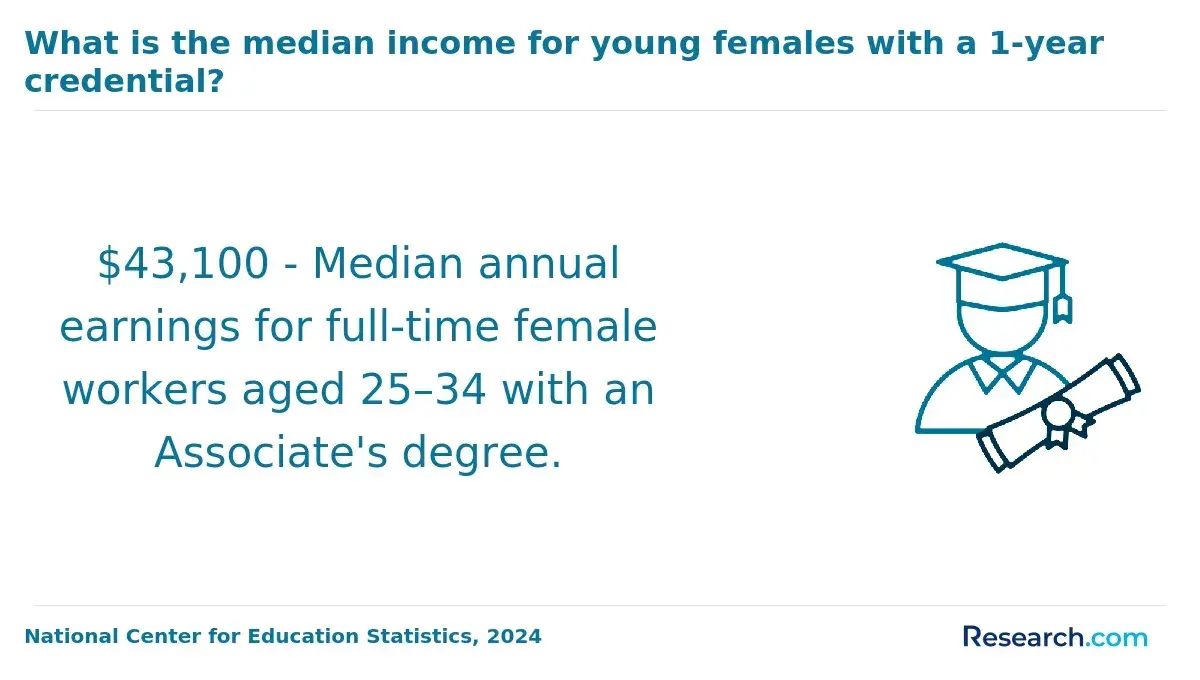
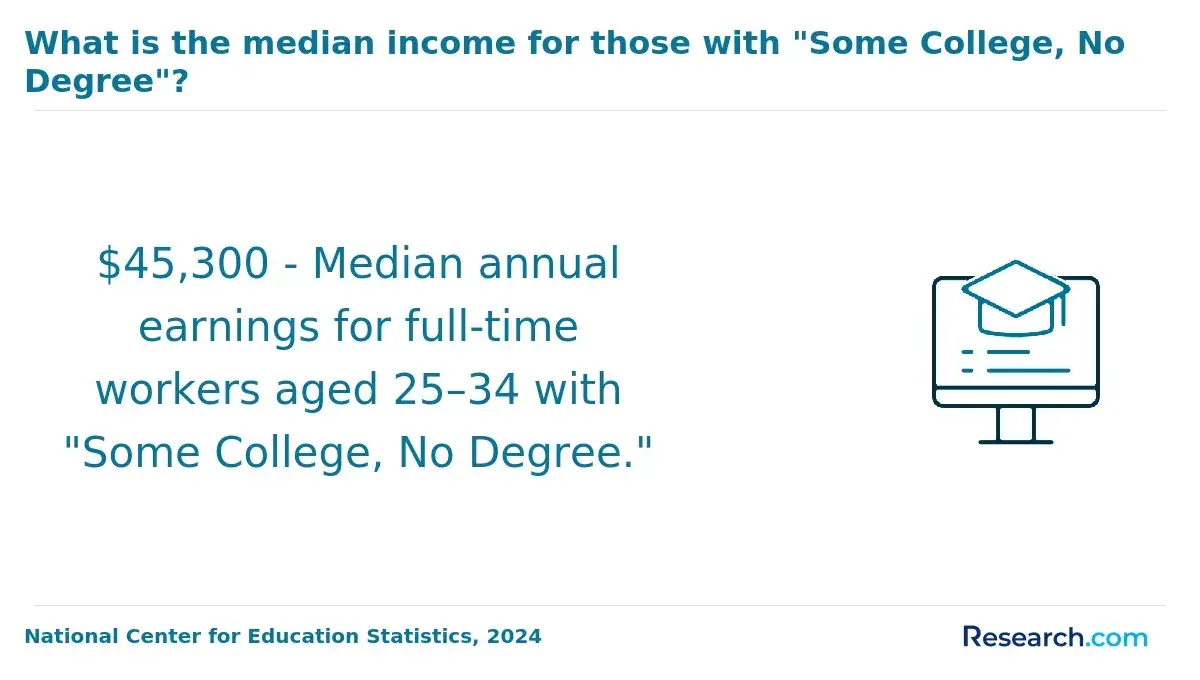
Starting salaries for entry-level criminology graduates rarely hinge on academic credentials alone. Instead, factors such as job function, employer sector, geographical location, and specialized skills heavily influence compensation offers. For example, a recent graduate with technical certifications in digital forensics applying for a cybersecurity analyst role in a major urban center is likely to receive a higher starting wage than one pursuing a probation officer position in a rural area. The U.S. Bureau of Labor Statistics data from 2024 indicates typical entry-level wages for these positions range broadly from about $40,000 to $50,000 annually, though local conditions and role-specific demands can shift this significantly. Key considerations for new graduates navigating the job market include:
- Job Role Impact: Certain roles like criminal investigators or correctional treatment specialists often start with wages near the median $45,000 mark, reflecting specialized duties but also operational budgets, versus more administrative criminology entry positions.
- Geographic Variation: Urban and high cost-of-living areas like Washington, D.C. or California generally offer 10% to 20% higher starting pay, offsetting living expenses, while rural jobs pay less but may provide faster promotion tracks and less competition.
- Public vs. Private Sector: Public sector jobs typically feature stable pay and stronger benefits packages, though private sector openings - including corporate security or data analysis - occasionally offer higher base pay but less security in retirement and health benefits.
- Technical Specialization: Graduates with certifications in cybersecurity or forensic psychology command premium offers, as these skills address acute shortages and high demand in specialized crime analysis fields.
- Experience and Internship Credit: Practical experience can add $2,000 to $5,000 or more to starting offers, rewarding candidates who bring relevant, validated skills beyond the degree.
- Advancement Potential: Positions within federal agencies or large law enforcement bodies may start lower but have structured pay scales with predictable increases, contrasting with some private jobs offering immediate pay advantages but limited long-term growth.
- Compensation Beyond Base Pay: Overtime, shift differentials, and occasional signing bonuses occasionally augment entry salaries, particularly in high-turnover or urban markets.
A recent criminology graduate in the Midwest shared that while local starting salaries were below national urban averages, the cost of living remained manageable. After fielding offers from both a smaller county probation office and a private security firm in a larger city, they faced a dilemma: accept a lower salary with stable government benefits and clear promotion criteria, or pursue a better-paid private-sector role lacking guaranteed benefits. Their limited internship exposure made them cautious about immediate higher pay without advancement paths, ultimately opting for the public sector job with a strong training program, viewing it as an investment in career stability despite the initial paycheck gap.
Which Skills and Certifications Help Criminology Graduates Get Hired?
Employers increasingly assess applied skills, digital fluency, and tangible indicators of job readiness alongside a criminology degree itself. This shift reflects the complexity of modern entry-level roles where candidates must demonstrate practical competence in technical tools and analytical thinking to compete effectively. For example, a recent graduate aiming for a federal investigative role may find that having hands-on experience with forensic software and a Security Clearance credential substantially improves hiring odds beyond academic performance alone. Meanwhile, roles in community crime prevention emphasize communication skills and data analytics capabilities more heavily. Understanding these nuances helps graduates target the most relevant certifications and competencies, balancing specialization with broader workplace skills. Below are key skills and certifications that stand out in improving hiring chances for entry-level criminology graduates.
- Technical Software Proficiency: Experience with law enforcement tools like Incident-Based Reporting Systems (IBRS), Computer-Aided Dispatch (CAD), and geographic information system (GIS) platforms is crucial for public safety and forensic roles. Demonstrated use in internships or projects often matters more than certificates.
- Data Analytics Skills: Competence in data management, Python or R programming, and crime pattern analysis is growing in demand, especially in prevention and intelligence roles. Practical proof of analytic projects strengthens employer confidence.
- Specialized Certifications: Credentials such as Certified Fraud Examiner (CFE), Crime Scene Investigator (CSI), or Security Clearance carry weight in federal and corporate investigations but rarely guarantee employment without experience.
- Critical Thinking & Communication: Employers highly value the ability to interpret complex data and legal standards paired with strong written and verbal communication for report writing and testimony.
- Transferable Competencies: Skills like teamwork, ethical reasoning, and project management signal adaptability and cultural competence, influencing hiring decisions in diverse workplace settings.
- Foundational First Aid Credentials: Basic certificates like CPR or First Aid often complement a resume but are typically not standalone differentiators for criminology graduate certifications that improve hiring chances.
- cahme accredited MHA programs: While not directly related, understanding cross-disciplinary credentialing such as healthcare administration can inform graduates considering intersections between public safety and healthcare systems.
How Much Experience Do Entry-Level Criminology Jobs Require?
Entry-level criminology positions often demand some form of practical experience, though the nature and extent of this can vary widely depending on the specific role and employer. According to recent workforce data, roughly 40% of these job listings ask for one to two years of related experience, which may encompass internships, volunteer work, or academic practicums rather than full-time employment. For example, a recent graduate applying for a policy analyst position might leverage a portfolio of coursework and community project involvement to meet these criteria, whereas a law enforcement support role may require basic certifications combined with hands-on exposure. Candidates should carefully assess whether their documented activities align with employer expectations, distinguishing between experience required as a formal prerequisite and experience preferred as a competitive advantage.
Expectations fluctuate significantly by sector, employer size, and regional labor market conditions. Larger agencies or urban employers often set higher thresholds, favoring applicants who can demonstrate both technical competencies and a track record of relevant applied work. In contrast, smaller organizations or nonprofit programs may prioritize transferable skills and demonstrated motivation over formal experience, accepting project-based achievements or campus involvement as sufficient. The increasing emphasis on skills-based hiring, as highlighted by labor market research in 2024, reflects a shift towards evaluating candidates on tangible abilities and problem-solving capacity rather than solely on time spent in roles. Graduates should thus interpret "experience" inclusively, considering internships, capstone projects, or freelance engagements when gauging their readiness to apply.
While some entry-level job postings specify one to three years of experience, this often functions more as a screening mechanism than an absolute barrier. Candidates without traditional work histories but with relevant competencies-such as data analysis, report writing, or community engagement-can still be competitive if they present these clearly. However, understanding the distinction between required and preferred experience is crucial to avoid disqualifying oneself prematurely. For criminology graduates, strategically targeting positions where academic accomplishments and practical skills are recognized can improve hiring prospects, especially in emerging areas like forensic technology or cybersecurity where certification and demonstrable projects increasingly carry weight.
What Do Employers Look for in New Criminology Graduates?
Recruiters evaluating new criminology graduates for entry-level roles increasingly emphasize practical job readiness over academic credentials alone. They assess applied skills, relevant experience, communication ability, technical proficiency, adaptability, and knowledge of industry practices. This reflects broader hiring trends where employers prioritize candidates who can contribute with minimal onboarding. According to the 2024 National Association of Colleges and Employers (NACE) Job Outlook survey, over 70% of employers rank problem-solving and communication skills as critical attributes in recent graduates. The following qualities consistently influence hiring decisions in the criminology field.
- Applied Problem-Solving: Employers look for candidates who demonstrate analytical thinking in real-world contexts. Practical experience with crime data analysis or project-based research shows an ability to tackle complex challenges beyond theory, reducing training time.
- Communication Skills: Clear, professional written and verbal communication is essential, especially for report-writing and collaborating within multidisciplinary teams. Internships or community outreach participation often provide evidence of this ability.
- Technical Proficiency: Familiarity with digital tools such as statistical software, geographic information systems (GIS), or basic cybersecurity concepts sets candidates apart, given the growing use of AI-driven investigations and remote work.
- Workplace Adaptability: Employers value resilience and ethical judgment, particularly where onboarding resources are limited. Demonstrated professionalism and flexibility are often gauged through references and practical experience.
- Relevant Experience: Hands-on exposure through internships or cooperative education programs that simulate industry workflows signals readiness to add value immediately, making applicants more competitive.
- Regulatory and Compliance Awareness: Knowledge of procedural frameworks, compliance standards, or victim advocacy can enhance credibility, though these credentials typically complement rather than replace broader competencies.
How is AI Affecting Entry-Level Hiring for Criminology Graduates?
Artificial intelligence is transforming entry-level hiring for Criminology graduates by shifting employer priorities away from routine investigative tasks toward candidates who can blend technical proficiency with traditional criminological expertise. Approximately 38% of tasks like data entry and pattern recognition are now automated, compelling employers to favor hires adept at interpreting AI-generated insights and managing complex data systems. In practice, a graduate applying for an entry-level crime analyst position may face screening processes powered by AI tools that prioritize digital literacy and familiarity with AI-assisted case management alongside foundational criminology knowledge.
These shifts illustrate how ai-driven recruiting tools for entry-level Criminology jobs are not uniform but vary significantly by industry and employer, especially between traditional law enforcement agencies and private cybersecurity firms. While routine tasks decline, opportunities grow in hybrid roles requiring skills in data analytics or digital forensics. Students should strategically develop portfolios emphasizing these competencies and seek internships exposing them to AI applications, as employers increasingly weigh adaptability and technical versatility. For a detailed comparison of educational paths addressing such workforce demands, see Capella vs Chamberlain RN to BSN.
The impact of artificial intelligence on Criminology graduate hiring processes demands that new entrants balance ethical reasoning and critical thinking with technical skills. While AI enhances productivity, employers still require human judgment to navigate complex cases and legal standards. Graduates who integrate these dimensions enhance their employability across diverse sectors, from government agencies to private firms, where the demand for technical fluency can outpace traditional criminology roles by an estimated 12% over five years.
How Can Criminology Graduates Improve Their Job Search Results?
Targeted job searches consistently outperform high-volume, unfocused applications for criminology graduates because specificity aligns with employer priorities and applicant-tracking systems (ATS) filters. Graduates who narrow their focus to precise entry-level roles-such as crime analyst, probation officer, or compliance coordinator-and tailor their resumes using keywords from job descriptions improve interview callback odds by nearly 30%, according to the National Association of Colleges and Employers (NACE) 2024 report. A generic approach often results in early elimination by ATS, wasting time and effort on low-probability applications. For instance, a graduate who prioritizes government agencies or private security firms in urban hubs where job demand is higher is more likely to receive relevant interview offers than one applying broadly without regard to industry or geography, illustrating a strategic tradeoff between quantity and quality in job search effort.
Effective job search strategies for criminology graduates also emphasize timing and networking, which can further increase interview success by up to 40%, as LinkedIn's 2024 Workforce Insights show. Understanding regional labor market variations, based on data from the U.S. Bureau of Labor Statistics, helps candidates focus on locations with greater employer concentration. Demonstrating applied skills through internships, projects, and certifications addresses employer concerns about experience gaps identified in Handshake's 2024 Early Career Report. Graduates may also consider related fields or advanced education options, such as pursuing an online master's in forensic psychology, to improve long-term employability and differentiate themselves in competitive markets.
References:
- What can you do with a criminology degree? https://www.whatuni.com/advice/career-advice/8-jobs-you-can-do-with-a-criminology-degree/76813/
- Top jobs with a criminology degree https://www.surrey.ac.uk/news/top-jobs-criminology-degree
- 8 skills needed for criminology - ICI https://icieducation.co.uk/blog/8-skills-needed-for-criminology/
- AI's Impact on Graduate Jobs: A 2025 Data Analysis | IntuitionLabs https://intuitionlabs.ai/articles/ai-impact-graduate-jobs-2025
- The impact of AI on entry-level jobs: A graduate perspective - IFOW https://www.ifow.org/news-articles/the-impact-of-ai-on-entry-level-jobs-a-graduate-perspective
- Skills: "criminology" https://unjobs.org/skills/criminology
- Criminology Entry Level Jobs in All Melbourne VIC - Jul 2026 | SEEK https://au.seek.com/criminology-entry-level-jobs/in-All-Melbourne-VIC
- What can I do with a criminology degree? https://targetjobs.co.uk/careers-advice/career-ideas/what-can-i-do-criminology-degree
Other Things You Should Know About Criminology
New grads should carefully weigh the program focus because employers in entry-level roles often prioritize practical skills over academic theory. Applied programs tend to integrate internships, casework, and data analysis tools, which translate directly to workplace readiness. Theoretical programs can enhance critical thinking but may require graduates to seek additional hands-on experience before meeting employer expectations, potentially lengthening the job search.
Geographic flexibility often determines hiring success because criminology job markets vary widely by region. Graduates limiting their search to saturated urban areas face higher competition, while emerging or less-populous regions may offer more openings but with fewer specialized roles. Prioritizing relocation willingness can expand opportunities notably, especially for roles in government or community-focused settings where local experience is less prescriptive than availability.
Certifications can be a double-edged sword for recent criminology graduates; while not mandatory at entry-level, they signal commitment and specialized knowledge that differentiate candidates in competitive markets. Practical recommendation: focus first on developing experience through internships or volunteer roles, then pursue certifications that align directly with targeted career paths, ensuring time and financial investments yield clear career advantages rather than early-stage credential overload.
Programs with intensive workloads but limited applied opportunities may stress students without enhancing their job-readiness proportionately. Graduates should evaluate whether demanding curriculums incorporate experiential learning elements that build practical competencies valued by employers. Opting for programs that blend manageable academic rigor with real-world projects typically results in smoother transitions into entry-level roles and reduces early-career burnout risk.