2027 Criminology Job Market Report: Open Roles, Salary Bands, and Hiring Momentum

Co-Founder and Chief Data Scientist
The criminology labor market reflects a complex interplay of shifting employer demands, regulatory changes, and evolving technological tools, which collectively redefine the skills and credentials valued in the field. Recent adoption of data analytics and digital forensics has reshaped hiring patterns, privileging candidates with specialized expertise over traditional generalists. Geographic concentration of crime policies and workforce demographics further influence open roles and salary structures, revealing pockets of talent scarcity and varied compensation models.
These factors underscore how salary bands and hiring momentum serve as indicators of structural transformation rather than isolated labor signals. An age-diverse student enrollment suggests variable pathways into the profession, signaling ongoing adaptation in workforce composition and educational accessibility.
Key Things to Know About Criminology Job Market
- Open roles in criminology increasingly favor candidates with interdisciplinary skills; this trend narrows opportunities for those with narrowly focused backgrounds, requiring strategic skill development to stay competitive.
- A 2024 study reveals that employers prioritize practical experience over academic prestige, reshaping hiring practices and prompting students to seek internships or applied projects for better job prospects.
- Extended time and financial costs tied to advanced criminology degrees may delay entry into a growing job market, advising candidates to evaluate accelerated or targeted credentials carefully.
- Key Things to Know About Criminology Job Market Key Things to Know About Criminology Job Market
- How Strong Is Demand for Criminology Graduates in Today's Job Market? Demand for Graduates
- Which Criminology Careers Have the Most Open Job Opportunities? In-Demand Careers
- What Salary Bands Are Employers Offering Across Criminology Careers? Offered Salary Bands
- Which Industries Are Hiring the Most Criminology Graduates? Top-Hiring Industries
- How Does Hiring Demand Vary by State, Region, and City? Hiring Demand by Location
- What Skills Are Employers Prioritizing in Criminology Job Postings? In-Demand Skills
- Which Certifications Increase Employability and Salary Potential? High-Value Certifications
- How Do Remote and Hybrid Opportunities Affect the Criminology Job Market? How Do Remote and Hybrid Opportunities Affect the Criminology Job Market?
- Which Criminology Careers Show the Strongest Long-Term Hiring Momentum? Strongest Careers
- How Can Students Use Job Market Data to Make Better Career Decisions? How Can Students Use Job Market Data to Make Better Career Decisions?
How Strong Is Demand for Criminology Graduates in Today's Job Market?
The demand for criminology graduates in the US job market remains steady but nuanced, with employment openings closely tied to specific sectors such as forensic science, law enforcement, and social services. Recent data from the U.S. Bureau of Labor Statistics highlights a projected growth rate around 5% over the next decade for related occupations, indicating moderate expansion that does not outpace many other fields. Hiring trends analyzed by LinkedIn Workforce Insights reveal that employers increasingly seek candidates who couple criminology expertise with data analytics, technological proficiency, and behavioral science insights. Pure criminology backgrounds without interdisciplinary or technical skills may face competitive limitations, underscoring the importance of practical experience like internships to meet job requirements emphasizing investigative and analytical capabilities.
Key drivers shaping the criminology graduate job opportunities and salary trends include the growing focus on data-driven crime prevention, cybercrime analysis, and policy research, which reflect broader industry shifts toward technology integration and evidence-based approaches. Geographic variability also plays a role, with salaries and openings influenced by regional public safety budgets, political priorities, and agency size, contributing to uneven demand and compensation scales across states. The labor market's sensitivity to fluctuating public sector funding and evolving law enforcement needs creates a hiring environment that demands adaptability and specialized knowledge, encouraging graduates to develop skills beyond traditional criminology curricula, potentially through accelerated programs that emphasize such competencies. Those interested can also explore options aligned with their skillsets, such as online PharmD programs, which illustrate the diversity of advanced education pathways available when considering long-term career viability.
Which Criminology Careers Have the Most Open Job Opportunities?
Job opportunity distribution within criminology careers reflects dynamic shifts in workforce demands shaped by industry expansion, evolving employer expectations, and persistent skills shortages. Rather than isolated vacancies, open roles are part of broader labor market transitions driven by technological innovation, public safety priorities, and the integration of data-driven practices. Understanding these underpinnings helps clarify which positions are most abundant and why certain competencies have become critical in hiring decisions across sectors.
- Law Enforcement Officers and Detectives: These roles continue to represent the largest share of open positions due to the ongoing need to replace retiring personnel and to meet rising community safety mandates in many jurisdictions. Law enforcement agencies increasingly seek candidates with not only traditional policing skills but also cultural competency and crisis intervention training, reflecting a shift toward community-oriented approaches.
- Forensic Science Technicians: Growth in forensic technician roles is propelled by advancements in forensic technology and a persistent backlog of unsolved cases, necessitating a skilled workforce capable of handling complex evidence analysis. Employers prioritize technical proficiency in DNA, digital forensics, and laboratory methodologies, supported by expanding forensic science programs.
- Criminal Intelligence Analysts: Fueled by heightened concerns over cybercrime, terrorism, and organized criminal networks, intelligence analyst vacancies have surged, particularly within federal and state agencies. Demand centers on expertise in data analytics, cybersecurity fundamentals, and interdisciplinary knowledge linking criminology with information technology trends.
- Cybersecurity Specialists with Criminology Backgrounds: The intersection of criminology and cybersecurity has opened niche roles responding to the escalation of digital threats affecting public and private sectors. These positions require fluency in threat detection, incident response, and legal frameworks surrounding cyber offenses, signaling growing employer emphasis on hybrid skill sets.
- Probation Officers and Social Service Case Managers: Reflecting a systemic move toward rehabilitative justice, these roles have steadier openings influenced by policies emphasizing community-based interventions over incarceration. Skills in behavioral assessment, resource coordination, and restorative justice principles rank highly in job qualifications.
- Correctional Treatment Specialists: Increasing demand for professionals who design and implement rehabilitation plans stems from correctional systems adapting to reduce recidivism rates. Employers seek candidates adept at counseling, program evaluation, and interagency collaboration to support inmate reintegration into society.
- Victim Advocacy Coordinators: Advocacy roles are growing in response to legal and social frameworks prioritizing victim rights and support services. These positions require strong interpersonal communication skills, trauma-informed approaches, and familiarity with community resources and legal processes.
For individuals evaluating criminology careers with the highest job openings, it is critical to consider how these roles align with broader labor market shifts including regional demand fluctuations, credential requirements, and evolving employer prioritization of both front-line enforcement and analytical or rehabilitative expertise. Parallel to examining criminology career options, prospective students in adjacent fields may benefit from exploring options such as a health care administration masters, which offers growing demand across healthcare systems and reflects similarly complex workforce dynamics. This comparative perspective can aid in making well-informed career decisions based on comprehensive labor market awareness.
What Salary Bands Are Employers Offering Across Criminology Careers?
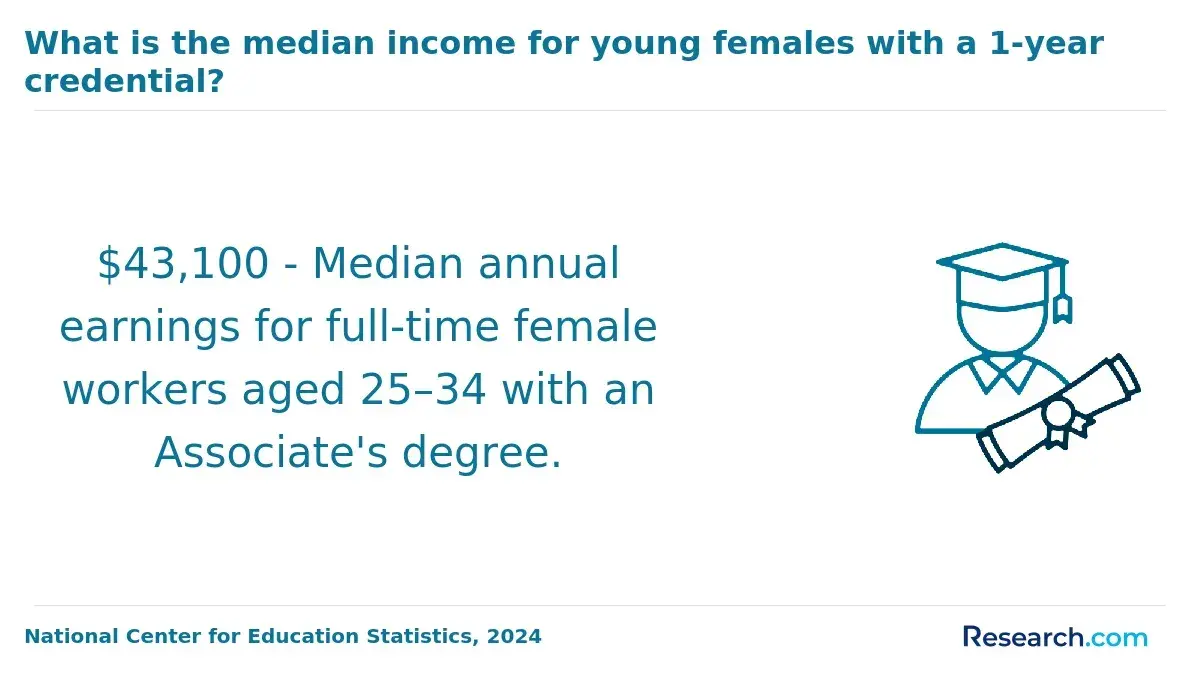
Salary bands in criminology careers vary significantly according to experience, role complexity, and institutional needs, with entry-level positions like forensic technicians or probation officers typically earning between $40,000 and $55,000 annually, based on 2024 data from the U.S. Bureau of Labor Statistics and LinkedIn Salary Insights. Mid-level roles such as criminal investigators or corrections supervisors often command salaries ranging from $55,000 to $80,000, reflecting increased responsibility and specialized skills. Senior professionals, including crime prevention directors or forensic science managers, see compensation generally between $80,000 and $120,000 or higher, underscoring the premium placed on advanced education, leadership abilities, and domain expertise within the field.
Variations in these salary bands stem largely from factors like degree of specialization, geographic region, and agency size, along with the scarcity of sought-after skills like advanced investigative techniques or policy development. Employers in urban areas with higher living costs or larger budgets tend to offer more competitive salaries, while smaller jurisdictions or agencies experience tighter ranges due to funding limitations. Additionally, the differential is influenced by market demand for specific criminology functions, certification requirements, and a candidate's capacity to independently manage complex cases, thereby aligning compensation more closely with both operational impact and workforce supply constraints.
A recent criminology graduate recalls the challenge of navigating a rolling admissions cycle that compelled careful timing; they submitted applications early yet faced weeks of silence that created uncertainty about acceptance. Balancing preparation for entrance exams with work obligations, they hesitated to commit fully to a program without clear admission confirmation. This experience highlighted how unpredictable admissions pacing can complicate strategic planning for those seeking timely entry into criminology education pathways and underscored the importance of maintaining flexibility while awaiting decisions.
Which Industries Are Hiring the Most Criminology Graduates?
Demand for criminology graduates is concentrated in sectors experiencing rapid digital transformation, workforce growth, or structural skill shortages related to public safety and security. These industries are adapting to new threats, evolving policy priorities, and an increased emphasis on data-driven approaches. Consequently, employers are seeking candidates with a blend of analytical, investigative, and interpersonal skills capable of navigating complex regulatory and technological environments.
- Government Agencies: Federal, state, and local governments continue to be the primary employers due to ongoing needs in law enforcement, corrections, and regulatory enforcement. The sector prioritizes graduates adept at understanding legal frameworks, investigative protocols, and community engagement. Data from the U.S. Bureau of Labor Statistics underscores that public sector roles remain stable with steady hiring tied to policy shifts and crime prevention initiatives.
- Cybersecurity and Corporate Security Firms: Increasing digitization has expanded the scope of criminology roles beyond traditional law enforcement towards cybercrime investigation and risk management. Firms demand candidates skilled in digital forensic analysis, threat assessment, and compliance with evolving cybersecurity regulations. Reports from the National Security Agency reflect a 15% growth in job openings focused on cyber investigations from 2023 to 2024, highlighting this shift.
- Healthcare and Victim Advocacy Organizations: These sectors leverage criminology expertise to support rehabilitation programs, victim services, and juvenile justice reform. Professionals are expected to collaborate with social workers and legal entities, requiring strong interdisciplinary communication and trauma-informed approaches. Recent hiring data from the Department of Health and Human Services notes a 10% increase in professionals with criminology backgrounds, reflecting growing investment in integrative social support systems.
- Academic and Research Institutions: There is a consistent demand for criminology graduates who can contribute to criminal justice research, policy analysis, and program evaluation. Employers prioritize strong methodological skills and the ability to translate complex data into actionable insights that inform reforms and law enforcement strategies.
- Nonprofit Criminal Justice Reform Organizations: These groups focus on systemic change, requiring graduates with expertise in policy advocacy, data interpretation, and community outreach. The sector values professionals who understand legal reform dynamics and can work effectively in collaborative environments aimed at reducing recidivism and addressing social justice.
How Does Hiring Demand Vary by State, Region, and City?
Hiring demand for criminology professionals shows notable variation across states and regions, shaped by underlying economic structures and labor market geography. States with substantial urbanized economies like California, New York, and Texas typically sustain higher demand due to expansive criminal justice infrastructures and concentrated law enforcement agencies. According to recent U.S. Bureau of Labor Statistics and regional workforce reports, funding allocations and localized crime rates heavily influence these patterns, with metropolitan hubs driving much of the demand. Conversely, rural and less economically diverse states often present fewer openings, reflecting smaller agencies and limited resource availability. Understanding these dynamics is essential for those evaluating criminology job openings by state and city, as regional economic health and institutional density directly affect hiring volumes and salary competitiveness.
At the city level, hiring trends for criminology roles are closely tied to metropolitan scale, employer density, and ecosystem factors such as policing innovations or social service collaborations. Cities like Los Angeles, Chicago, and Washington D.C. exemplify labor markets where robust institutional presence and higher cost of living converge to create both more jobs and elevated salary bands, intensifying employer competition. Local infrastructure supporting workforce pipelines, including specialized training programs and proximity to federal agencies, further amplifies demand. These factors combine to differentiate urban markets from smaller or mid-sized cities, where sporadic hiring and narrower advancement opportunities are common. Evaluating regional criminology hiring trends and demand with these economic and ecosystem variables in mind provides a clearer picture of where graduates will find the most sustainable and rewarding employment. Prospective students should also consider their educational pathways closely, for example by exploring an online bachelor's in kinesiology that may complement criminology skill sets in interdisciplinary roles.
What Skills Are Employers Prioritizing in Criminology Job Postings?
Employer demand in criminology-related roles is increasingly shaped by advances in data technology, automation of routine tasks, and the growing need for cross-disciplinary expertise that bridges analytics, policy, and community engagement. As the field adapts to more complex crime patterns and digital evidence, skills once considered ancillary are becoming central. This evolving landscape requires candidates who not only understand traditional justice systems but also can navigate technical tools and collaborative environments. Current job postings reflect this shift, emphasizing practical capabilities that integrate technology with critical judgment.
- Data Analysis with Statistical Tools: Proficiency in software such as SPSS, R, or Python is now fundamental, appearing in over two-thirds of recent listings. This reflects a move toward data-driven decision-making where crime pattern interpretation and predictive analytics directly influence tactical and strategic interventions.
- Critical Thinking and Problem-Solving: Employers prioritize these skills to ensure candidates can synthesize disparate information sources, assess situational risks, and develop evidence-based strategies. This analytical versatility is crucial in contexts where oversimplified solutions risk operational failure or unintended consequences.
- Strong Written and Verbal Communication: More than 60% of job postings require clear communication to articulate findings effectively to diverse stakeholders, including law enforcement, policymakers, and community groups. The ability to present technical insights in accessible language enhances interdisciplinary collaboration and supports transparency.
- Familiarity with Geographic Information Systems (GIS) and Cybersecurity Basics: Increasingly emphasized, these skills reflect the integration of spatial analysis and digital security in crime prevention efforts. Competence in these areas signals adaptability to evolving technological tools and emerging crime modalities.
- Emotional Intelligence and Teamwork: Roles involving community outreach or victim advocacy demand interpersonal skills that foster trust, cultural sensitivity, and collaboration. These capabilities counterbalance technical expertise by addressing the human dimensions of criminological work.
These priority skills illustrate a broader trend where criminology professionals must balance quantitative proficiency with nuanced interpersonal and ethical capacities. According to recent data from the U.S. Bureau of Labor Statistics and 2024 employer surveys, this blend enhances employability by aligning candidate capability with the operational demands of a justice system undergoing rapid technological and social transformation.
Which Certifications Increase Employability and Salary Potential?
Certifications in the criminology field act as key indicators of specialized expertise, technical capability, and practical readiness, often serving as strategic assets that complement formal education. Employers increasingly view these credentials as evidence that candidates possess validated skills tailored to specific job demands, bridging gaps that academic degrees alone may not fully address. Such certifications also signal alignment with evolving industry trends, helping candidates outperform peers in competitive hiring environments and command higher compensation.
- Certified Criminal Analyst (CCA): This credential is valued for demonstrating an individual's proficiency in interpreting complex crime data to aid law enforcement decision-making. Given the sector's growing emphasis on data-driven investigation, the CCA aligns with pressing skill shortages in analytical roles, often leading to salary increases in the 12-18% range according to recent employment reports.
- Certified Fraud Examiner (CFE): Targeted at financial crime specialists, the CFE addresses the need for rigor in detecting and preventing fraud within corporate and government settings. Its recognition by employers translates into better job security and approximately 15% higher median wages, reflecting the premium placed on fraud expertise amid increasing regulatory scrutiny.
- Certified Forensic Interviewer (CFI): This certification proves competence in conducting sensitive interrogations and gathering reliable witness information, skills highly sought by investigative units and law enforcement agencies. Such expertise not only improves hiring likelihood but also enhances prospects for advancement in specialized investigative tracks.
- Certified Protection Professional (CPP): While focused on security management, this credential is particularly relevant where criminology intersects with correctional facility oversight and corporate safety. Its impact varies by role alignment but can substantially boost career trajectory when matched with job responsibilities demanding security leadership.
- Digital Forensics Certifications: With an accelerating shift toward cyber-enabled crime investigation, certifications in digital forensics address a critical labor market gap. Professionals certified in these areas meet employer demand for cybersecurity acumen, which is tied to projected job growth rates exceeding 9% through 2030 in tech-focused criminology roles.
A criminology graduate shared that after completing their degree, they delayed pursuing certification due to uncertainty about which credential would best fit their career objectives. They applied during a rolling admissions cycle and found themselves waiting anxiously for acceptance decisions from multiple programs offering forensic and fraud certifications. This uncertain period underscored the importance of timely preparation and strategic selection, as delays in certification can impact immediate job market competitiveness. Ultimately, they chose a certification aligned closely with emerging cybercrime trends, valuing its relevance over more general credentials despite the longer wait involved in the admissions process.
How Do Remote and Hybrid Opportunities Affect the Criminology Job Market?
Remote and hybrid work arrangements are significantly reshaping hiring trends within criminology roles as of 2024, according to recent workforce analytics. Positions that emphasize data analysis, policy development, and research increasingly accommodate remote work, enabling employers to tap a wider geographic talent pool than was feasible in strictly on-site roles. Conversely, jobs requiring hands-on investigation or forensic lab work still predominantly demand physical presence, maintaining a hybrid balance for many departments. Labor market reports note a growing preference for candidates with digital communication skills and self-directed productivity, reflecting changing employer expectations in remote criminology jobs in North America.
The expansion of remote and hybrid options is also altering salary structures and competitive dynamics across regions. While some employers adjust pay based on location, a trend toward salary normalization emerges as geographic barriers diminish. This intensifies competition for specialized skill sets, with an emphasis on adaptability to hybrid workflows and virtual collaboration platforms. These shifts suggest that long-term job market structures in criminology will integrate flexible models as a norm, compelling professionals to prioritize remote work competencies alongside traditional field expertise. For those evaluating educational pathways, including online programs like Capella vs Chamberlain RN to BSN, understanding how remote work affects labor demand can clarify which skills and credentials optimize future employability.
Which Criminology Careers Show the Strongest Long-Term Hiring Momentum?
Long-term hiring momentum in criminology careers reflects deep, structural shifts rather than transient job market changes. This momentum is rooted in enduring economic, technological, and regulatory trends shaping workforce demand across public safety and security sectors. Understanding which roles sustain growth over time requires analyzing how these forces impact skill needs and employer priorities, particularly in an era of increasing digital threats and forensic innovation.
- Forensic Science Technicians: This role shows sustained momentum due to the growing reliance on sophisticated scientific methods in law enforcement. Technological advancements in DNA analysis, digital forensics, and crime scene processing reinforce demand, while expanding case complexity sustains a projected 15% growth through 2034 according to the U.S. Bureau of Labor Statistics.
- Criminal Investigators and Detectives: The need for experienced investigators remains steady, supported by the increasing intricacy of crime and integration of digital evidence. Their role adapts to evolving crime patterns, balancing traditional investigative skills with emerging fields like cybersecurity.
- Information Security Analysts in Cybercrime: With cyber threats escalating, these professionals are vital in protecting infrastructure and enforcing laws related to digital crime. The Bureau highlights a 20% growth rate, reflecting rapid expansion driven by technological innovation and regulatory focus on cybersecurity.
These specific criminology career paths demonstrate robust long-term hiring momentum as they align with industry transformations and skill shortages. Changes in budget priorities toward public safety, combined with evolving crime technologies, require workers who can navigate both investigative fieldwork and technical environments. This hybrid expertise is increasingly critical for workforce sustainability and resilience.
For those considering educational options, it is essential to evaluate programs that integrate investigative acumen with technology proficiency. Many programs in criminal justice emphasize these interdisciplinary skills, but prospective students should carefully assess their curriculum's alignment with current labor market realities. Exploring different therapy degrees may also provide insight into complementary fields intersecting with criminology careers.
The outlook for long-term hiring trends for criminology professionals 2024 indicates growing emphasis on adaptable, technologically adept candidates who can respond to shifting crime patterns. This includes formal training in forensic analysis, digital investigation, and cybersecurity-skills that employers increasingly require to maintain effective law enforcement and public safety operations.
How Can Students Use Job Market Data to Make Better Career Decisions?
Students evaluating criminology career paths can derive actionable insights from labor market data sources such as the latest 2024 labor reports, specialized hiring platforms, and updated salary databases. These resources illuminate hiring volume, compensation ranges, and sector growth within specific criminology subfields, highlighting areas with sustained or emerging demand. By examining regional disparities and employer preferences reflected in these data sets, students gain clarity on where opportunities concentrate and which roles offer competitive earnings adjusted for experience and location. This informed perspective helps avoid reliance on anecdotal evidence by grounding decisions in quantifiable market dynamics.
Interpreting this information requires balancing short-term hiring trends against long-term career stability and geographic mobility, while aligning skill development with employer needs like data analysis and technological proficiency. Overemphasizing transient spikes in openings may mislead students into overspecializing in volatile niches, whereas integrating personal interests and realistic employability across diverse sectors fosters resilience. Thoughtful use of labor market data, combined with individual goals, equips prospective criminologists to select educational pathways and credentials that correspond to sustainable workforce demand and practical job market advantages documented in industry analyses.
References
- 6 Jobs for Criminology Majors | The Chicago School https://www.thechicagoschool.edu/insight/career-development/6-jobs-for-criminology-majors/
- What can you do with a criminology degree? https://www.whatuni.com/advice/career-advice/8-jobs-you-can-do-with-a-criminology-degree/76813/
- What can I do with a criminology degree? https://targetjobs.co.uk/careers-advice/career-ideas/what-can-i-do-criminology-degree
- Future Skills Centre • Centre des Compétences futures https://fsc-ccf.ca/projects/hybrid-work-models/
- The Transformative Impact of Remote Work: How Online Jobs are Empowering Workers in Emerging Markets https://nextbillion.net/transformative-impact-remote-work-online-jobs-empowering-workers-emerging-markets/
- Is criminology a good career choice? | Edology https://www.edology.com/blog/law-criminology/is-criminology-a-good-career-choice
- 8 skills needed for criminology - ICI https://icieducation.co.uk/blog/8-skills-needed-for-criminology/
- [REPORT] Remote and hybrid work in IT. How we work after the pandemic https://nofluffjobs.com/en/insights/report-remote-and-hybrid-work-in-it-how-we-work-after-the-pandemic/
- Criminal Justice Jobs: 11 Careers You Can Pursue With a Criminal Justice Degree | PLNU https://www.pointloma.edu/resources/accelerated-undergraduate/criminal-justice-jobs-11-careers-you-can-pursue-criminal
- Highest Paying Criminology Jobs in 2026 (With Salary & Career Path) https://legalframewire.com/highest-paying-criminology-jobs-in-2026/
Other Things You Should Know About Criminology
Specialized criminology degrees often focus deeply on theory, policy, and research methods tailored to the field, which aligns better with roles in research institutions or government agencies. However, broader interdisciplinary programs that incorporate sociology, psychology, and law may provide more flexibility and adaptability in diverse job markets. Early-career professionals should prioritize program content that matches their target roles; if aiming for applied positions in law enforcement or policy analysis, a more focused criminology curriculum is often advantageous. Those uncertain about their exact career path might benefit from broader programs to keep options open, but this may come at the cost of less targeted skill development.
Salary bands in criminology can differ widely depending on sector, role specificity, and geographic location, which complicates straightforward career planning. Individuals should consider initial compensation alongside long-term growth opportunities, such as potential for promotions or lateral moves into higher-paying disciplines like criminal justice policy or forensic analytics. A narrower salary band in entry-level roles often signals limited short-term financial incentives; thus, prioritizing roles with clear advancement pathways or additional credentials can be crucial for sustainable income growth. Without strategic planning, early decisions may trap professionals in stagnant pay brackets despite gains in experience.
Contract or temporary roles in criminology often emerge during periods of fluctuating hiring momentum and can serve as viable entry points to build applied skills and network connections. However, these positions usually offer less job security and fewer benefits, which might impact financial stability and professional development over time. It is advisable to accept short-term roles if they provide meaningful experience aligned with long-term career goals or to bridge employment gaps. Conversely, candidates anticipating permanent roles with higher responsibility should weigh the risk of prolonged unemployment against longer-term stability before forgoing contract opportunities.
Employers increasingly emphasize practical experience, such as internships, fieldwork, or data analysis projects, often valuing these more than purely academic credentials. This suggests that candidates focusing solely on advanced degrees without significant applied experience may face challenges translating qualifications into job offers. Early-career criminology professionals are advised to prioritize gaining hands-on experience during or immediately after their studies to meet employer expectations effectively. This balance impacts hiring success and can influence career trajectory by signaling readiness to handle real-world responsibilities beyond theoretical knowledge.