2027 Business Development Degree Programs With No GRE or GMAT Requirements

Co-Founder and Chief Data Scientist
Choosing a business development degree program is partly an academic decision and partly a timing decision. If the GRE or GMAT would delay your application, add test-prep costs, or distract from work and family obligations, a no-test admissions pathway may help you move forward sooner.
No-GRE and no-GMAT policies do not mean schools ignore readiness. They usually mean admissions committees evaluate applicants through evidence that is closer to business development work: undergraduate performance, professional experience, leadership, recommendations, essays, interviews, and career goals. Recent data show that over 40% of business development graduate programs have adopted no-GRE or no-GMAT policies to increase accessibility and diversity.
This guide explains what no-test admissions actually mean, which business development programs commonly offer them, what schools review instead, how waivers work, and what to consider for accreditation, cost, graduation time, employer perception, and salary outcomes.
Key Benefits of Business Development Degree Programs with No GRE or GMAT Requirements
- Programs without GRE or GMAT requirements improve access for nontraditional and working students balancing careers and education, reflecting a growing trend in flexible business development education.
- Eliminating standardized test requirements reduces application time and costs, making graduate studies more affordable and appealing amid rising higher education expenses.
- Admissions focus more on holistic criteria such as academic performance and professional experience, aligning program entry with real-world skills and industry relevance.
What Does "No GRE or GMAT Required" Mean for a Business Development Degree?
“No GRE or GMAT required” means you can apply to the business development program without submitting standardized graduate business test scores. It does not mean the program has open admission, lower academic standards, or guaranteed acceptance. Nearly 60% of U.S. business graduate programs have dropped these requirements, and many now use a broader review process to judge whether applicants are prepared for graduate-level business study.
For applicants, the main change is where the admissions emphasis moves. Instead of using a test score as a screening tool, schools usually look more closely at your academic record, work history, leadership evidence, writing quality, and fit with the program.
- Broader eligibility: Applicants with strong professional experience but limited time or resources for test preparation may have a more realistic path to admission.
- Holistic evaluation: Schools tend to place more weight on undergraduate GPA, transcripts, recommendations, essays, resumes, and interviews.
- Same academic expectations: No-test admissions do not remove the need for quantitative reasoning, communication skills, strategic thinking, or consistent academic effort.
- Potentially stronger applicant pools: When testing barriers fall, more candidates may apply, so essays, recommendations, and professional achievements become more important.
- Optional score policies: Some programs do not require scores but will review GRE or GMAT results if an applicant chooses to submit them.
Before applying, read the admissions language carefully. “No GRE or GMAT required,” “test optional,” and “test waiver available” are not always the same. A no-test program never asks for scores. A test-optional program lets you decide whether to submit them. A waiver-based program may require you to prove eligibility before the test requirement is removed.
Students comparing flexible graduate admissions policies in other fields can also review how accessibility is handled in programs such as online master’s in social work programs.
What Types of Business Development Programs Have No GRE or GMAT Requirements?
No-GRE and no-GMAT policies are most common in programs designed for working adults, career changers, and applicants whose professional record may say more about their readiness than a standardized test. In business development, these programs may appear as specialized master’s degrees, MBA concentrations, graduate certificates, executive programs, or online and hybrid formats.
- Professional or executive programs: These usually target applicants who already have business, sales, marketing, consulting, operations, entrepreneurship, or leadership experience. Admissions committees often value career progression and management potential more than test performance.
- Online or hybrid programs: Flexible formats frequently reduce or remove test requirements because their applicants are often balancing full-time work, travel, caregiving, or relocation constraints. Students comparing broader business options may also consider an affordable business administration degree online if they want a wider management foundation before specializing.
- Certificate and diploma programs: Shorter credentials often focus on immediate skills such as lead generation, partnership strategy, negotiation, market analysis, account growth, and revenue planning. Because they are narrower than full graduate degrees, they may rely less on standardized exams.
- Early-career focused programs: Some programs are built for applicants with limited work experience but strong academic records, internships, entrepreneurial projects, or leadership potential.
- MBA programs with business development coursework: Some MBA programs do not require GRE or GMAT scores and allow students to concentrate electives in growth strategy, sales leadership, entrepreneurship, or corporate development.
When comparing programs, do not stop at the admissions policy. Review the curriculum, faculty experience, internship or project requirements, employer connections, accreditation, cost, and whether the program teaches the business development skills you actually need. For comparison across other professional programs, no-test and flexible admissions trends also appear in fields such as CACREP-accredited online counseling programs.
What Do Schools Look at Instead of GRE or GMAT for Business Development Admissions?
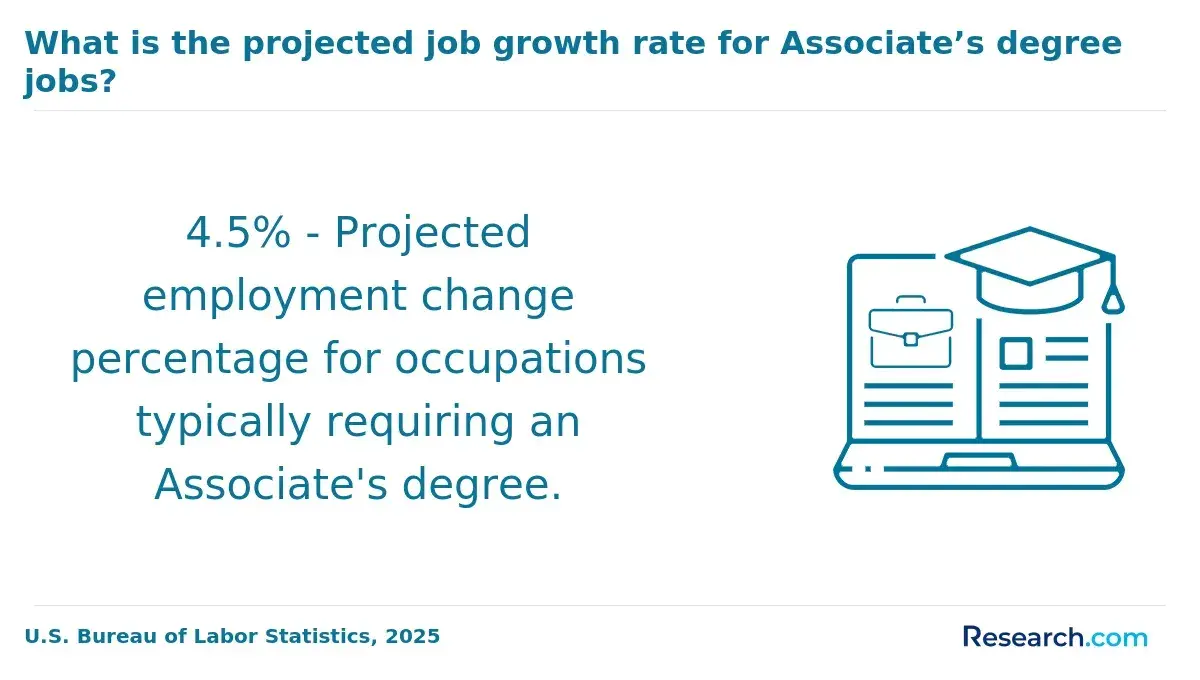
When a business development program does not require the GRE or GMAT, the application still needs to prove readiness. Over 60% of U.S. business master's programs now use holistic admissions, meaning they review several indicators instead of relying on one exam score.
The strongest applications usually connect past performance with future goals. Admissions committees want to see that you can handle graduate coursework, contribute to class discussions, and apply business concepts in practical settings.
- Academic transcripts: Schools review undergraduate GPA, course difficulty, grades in quantitative or business-related subjects, and whether your academic record shows consistency or improvement.
- Professional experience: Relevant work in sales, marketing, partnerships, entrepreneurship, consulting, customer success, operations, finance, or management can demonstrate business judgment and workplace maturity.
- Resume or CV: A focused resume should show measurable achievements, promotions, leadership duties, revenue impact, client relationships, market expansion, or project ownership where applicable.
- Personal statement or essays: Essays help explain why you want the degree, why now, what you bring to the cohort, and how the program supports your career direction.
- Letters of recommendation: Strong recommendations come from supervisors, professors, clients, or mentors who can speak specifically about your judgment, communication, reliability, leadership, and analytical ability.
- Interview performance: If required, the interview may test whether you can explain your goals clearly, respond professionally, and show genuine interest in business development.
- Prerequisite readiness: Some schools may look for prior coursework or experience in accounting, economics, statistics, marketing, or management before allowing full admission.
If your GPA is uneven, use the essay or optional statement to provide context and point to stronger evidence, such as recent coursework, certifications, promotions, or major work accomplishments. Applicants comparing advanced business pathways may also review an online executive MBA to understand how experience-based admissions can differ from traditional graduate business admissions.
Who Qualifies for GRE or GMAT Waivers in Business Development Programs?
A waiver is different from a no-test policy. In a waiver-based program, the GRE or GMAT may still be listed as a requirement, but the school allows certain applicants to request an exemption. Waiver rules vary by institution, so applicants should confirm the exact criteria before assuming they qualify.
Common waiver categories include:
- Professional experience: Applicants with several years in business development or related fields may qualify if their work history shows analytical ability, leadership, and business decision-making.
- Business degree holders: Graduates of accredited undergraduate programs in business or related fields may be considered prepared enough without a graduate admissions test.
- Academic excellence: Applicants with high undergraduate GPAs, commonly above 3.0 or 3.5, may qualify because their transcripts already show academic strength.
- Advanced coursework: Candidates who have completed graduate-level classes, business certificates, or relevant professional training may be able to use that record as evidence of readiness.
- Leadership and service: Military veterans, entrepreneurs, managers, and senior professionals may receive consideration when their responsibilities show discipline, leadership, and strategic judgment.
A strong waiver request is concise and evidence-based. It should not simply say that taking the test is inconvenient. It should explain why your academic record, work experience, leadership background, or completed coursework already demonstrates the skills the test is meant to measure.
One graduate of an online business development program without GRE or GMAT requirements described the waiver as a turning point in the application process. Instead of spending months on test preparation, the applicant was able to highlight client projects, team leadership, and measurable workplace results. The admissions process still required effort, but it felt more connected to actual business development work than to a single test score.
Are Course Requirements the Same in No-GRE or GMAT Business Development Programs?
In most cases, yes. The admissions test policy usually affects how students enter the program, not what they must complete after enrollment. A credible no-GRE or no-GMAT business development program should still require the same core learning outcomes expected of comparable graduate business programs.
- Core curriculum: Students can still expect coursework in areas such as market analysis, strategic planning, negotiation, customer growth, business communication, and decision-making.
- Learning outcomes: No-test programs should still build critical thinking, problem-solving, financial awareness, leadership, and the ability to apply business concepts to real scenarios.
- Faculty oversight: Course quality depends more on faculty qualifications, curriculum design, assessment standards, and institutional review than on whether applicants submitted test scores.
- Assessment methods: Students may still complete case analyses, group projects, presentations, exams, simulations, capstone projects, and written strategy recommendations.
- Readiness supports: Some no-test programs may offer foundation courses, writing support, quantitative refreshers, or academic advising for students from non-business backgrounds.
The better question is not whether a program waived the GRE or GMAT, but whether the curriculum is rigorous enough for your career goal. Review course descriptions, capstone expectations, faculty backgrounds, experiential learning requirements, and graduate outcomes before deciding.
Are No-GRE or GMAT Business Development Programs Accredited?
Many no-GRE and no-GMAT business development programs are accredited. Accreditation is separate from standardized test policy. A school can remove the GRE or GMAT from admissions and still meet recognized academic quality standards.
Applicants should check two forms of accreditation when evaluating a program:
- Institutional accreditation: This applies to the college or university as a whole and is important for legitimacy, transfer credit, federal financial aid eligibility, and employer recognition.
- Program-level business accreditation: This reviews the business school or business program more specifically, including curriculum, faculty, student learning, and outcomes.
A no-test admissions policy should not be treated as a warning sign by itself. The bigger risks are unclear accreditation, vague curriculum information, limited faculty transparency, poor student support, or claims that sound too quick or too guaranteed.
Before enrolling, verify accreditation through the school’s official website and the accreditor’s own directory. Do not rely only on marketing pages, social media claims, or third-party listings. If you are unsure, ask the admissions office to identify the accrediting body and explain how the program’s accreditation applies to online, hybrid, or accelerated formats.
Does Waiving the GRE or GMAT Reduce the Total Cost of a Business Development Degree?
Waiving the GRE or GMAT can lower upfront application costs, but it does not automatically make the full degree cheaper. Standardized test fees, averaging about $205 for the GRE and $250 for the GMAT, can be meaningful expenses, especially when combined with prep materials, tutoring, travel, and retake costs. Still, tuition, fees, financial aid, and time away from work usually have a much larger effect on total cost.
- Testing and preparation savings: Skipping the exam can reduce immediate costs and eliminate weeks or months of test preparation.
- Faster application timeline: Without waiting for test dates and score reports, applicants may be able to submit sooner and start earlier.
- Tuition differences: A no-test program is not necessarily less expensive. Compare per-credit tuition, required fees, residency rules, technology fees, and total credits.
- Scholarship trade-offs: Some programs tie scholarships and tuition discounts to standardized test scores, so not submitting scores may limit certain merit-aid opportunities.
- Financial aid eligibility: Federal aid, employer tuition assistance, military benefits, and institutional grants may depend more on accreditation, enrollment status, and financial need than on test scores.
- Indirect costs: A shorter admissions process may reduce delays, but part-time enrollment, commuting, books, software, and lost work hours can still affect the final cost.
One graduate of a no-GRE or no-GMAT business development program described the financial impact as mixed. The applicant saved money and time by skipping the exam, but later found that some scholarship options were more competitive without a test score. The faster start date still helped because the student could stay employed while beginning the degree.
The practical takeaway: calculate the full cost of attendance, not just the cost of applying. Ask each school for a tuition breakdown, fee list, scholarship criteria, employer partnership options, and any conditions that could affect aid renewal.
Does Removing the GRE or GMAT From Business Development Programs Affect Graduation Time?
Removing the GRE or GMAT usually affects admission timing more than graduation timing. National education surveys consistently show that the average time to complete a business development master's degree remains around two to three years, regardless of whether GRE or GMAT scores are required.
However, the admissions policy can still influence how quickly you get started. If avoiding the test allows you to apply for an earlier term, you may begin the program sooner. Once enrolled, your graduation timeline depends more on course load, prerequisites, scheduling, transfer credits, and personal obligations.
- Admissions readiness: Applicants from different academic backgrounds may need foundation courses, while those with prior business coursework may move directly into core classes.
- Course sequencing: Required courses that are offered only once per year can delay completion if you miss the right term.
- Academic support: Advising, tutoring, writing help, mentoring, and career services can help students stay on pace and avoid withdrawals or repeated courses.
- Student demographics: Working professionals may choose part-time enrollment, which can extend the calendar time needed to finish.
- Program format: Online and hybrid formats may offer more scheduling flexibility, but self-paced or asynchronous work still requires discipline and weekly time management.
- Capstone or internship requirements: Applied projects can strengthen career value, but they may also require careful planning around work schedules and employer approvals.
If speed matters, ask whether the program offers year-round courses, multiple start dates, accelerated terms, transfer credit, prior learning assessment, or part-time and full-time pacing options. Students weighing degree length against career payoff may also compare degrees that make the most money as part of a broader return-on-investment review.
Do Employers Care If a Business Development Program Doesn't Require GRE or GMAT?
Most employers are unlikely to focus on whether your business development program required the GRE or GMAT. They are more likely to care whether the institution is credible, whether the degree is relevant, and whether you can show the skills needed to generate opportunities, build partnerships, analyze markets, and support revenue growth. This question has become more common as nearly 60% of U.S. graduate business programs now have test-optional policies.
- Professional experience: Employers often give significant weight to prior business development, sales, marketing, consulting, account management, entrepreneurship, or leadership experience.
- Skill demonstration: Projects, portfolios, presentations, case work, internships, and measurable workplace achievements can matter more than an admissions test.
- Program reputation: Accreditation, institutional recognition, employer relationships, faculty quality, and alumni outcomes tend to carry more weight than test policy.
- Role requirements: Some analytical or finance-heavy roles may place more value on quantitative evidence, but that evidence can come from coursework, certifications, experience, or performance metrics.
- Interview performance: Business development roles require communication, persuasion, strategic thinking, and relationship management. Employers often evaluate those directly during hiring.
To reduce employer concerns, make the degree’s value visible. On your resume and LinkedIn profile, emphasize relevant coursework, capstone projects, market research, partnership strategy, CRM experience, revenue-related achievements, and leadership outcomes. Applicants who want a faster credential can also compare one-year master’s programs while checking accreditation and employer relevance carefully.
How Does Salary Compare for No-GRE vs GRE Business Development Degrees?
Salary is influenced by many factors beyond admissions testing. Industry reports show that graduates from programs without GRE requirements tend to have starting salaries about 5% lower compared to those from GRE-mandated programs. That difference should be interpreted carefully because it may reflect program reputation, applicant experience, employer networks, region, and industry mix rather than the test policy alone.
- Program reputation: Older or more selective programs that require the GRE may have stronger employer pipelines, larger alumni networks, or more established recruiting relationships.
- Work experience: Candidates with relevant internships, sales results, partnership experience, management exposure, or revenue achievements can compete strongly regardless of test policy.
- Skill development: Programs that include applied projects, market analysis, negotiation, CRM tools, data interpretation, and strategy work may improve employability.
- Industry demand: Salaries vary by sector, company size, business model, and whether the role is tied to sales targets, partnerships, corporate strategy, or client growth.
- Regional variations: Local labor markets, cost of living, employer concentration, and remote-work options can affect compensation more than whether a program required a test.
- Negotiation and career positioning: Graduates who can clearly connect the degree to measurable business outcomes may be better positioned in salary discussions.
When comparing programs, look for career outcomes that are specific and verifiable. Ask about job placement support, employer partnerships, alumni roles, internship access, capstone clients, career coaching, and whether salary data is based on all graduates or only those who reported outcomes.
What Graduates Say About Their Business Development Degree Program with No GRE or GMAT Requirements
- Paula: "Choosing a business development degree without GRE or GMAT scores made the application process more practical for me. I could focus on my work experience, leadership examples, and career goals instead of spending months preparing for an exam. After graduating, I felt more confident pursuing strategic roles because the coursework connected directly to business growth work."
- Caleb: "The no GRE/GMAT requirement helped me stay focused on learning rather than test preparation. The program still expected strong writing, analysis, and participation, so it was not an easy shortcut. It was simply a better fit for someone already working and trying to build credibility in business development."
- June: "I chose a program with no entrance exam barrier because I wanted to save time and avoid extra testing costs. That made it easier to apply while keeping my job. The biggest benefit was not just getting admitted faster; it was being able to apply what I learned to my role almost immediately."
Other Things You Should Know About Business Development Degrees
Financial aid options for business development degree programs without GRE or GMAT in 2027 include federal student loans, scholarships, and grants. Many universities offer specific scholarships for online or returning students. Check each program's financial aid office for eligibility and application deadlines.
Yes, many business development programs accept relevant professional experience as a substitute for GRE or GMAT scores. Schools often value demonstrated skills in sales, marketing, or corporate strategy as indicators of readiness for graduate-level studies. This can particularly benefit applicants who have substantial industry experience but prefer not to take standardized tests.
Some top online institutions offering business development degree programs without GRE or GMAT requirements in 2027 include Southern New Hampshire University, Purdue University Global, and Walden University. These institutions provide flexibility and quality education without standardized test prerequisites.
References
- Business Development Associate Salary in Seoul, South Korea (2026) https://www.erieri.com/salary/job/business-development-associate/south-korea/seoul
- MBA Program - Asia School of Business https://asb.edu.my/academic-program/mba-program/
- Online MBA Programs and Hybrid MBA Programs that Don’t Require a GMAT, GRE or EA Test Score https://www.clearadmit.com/mba-programs-that-dont-require-gmat-gre-or-ea-test-scores/online-mba-programs-and-hybrid-mba-programs/
- MBA Programs Offering GMAT/GRE Test Waivers https://www.mbamission.com/blog/mba-programs-offering-gmat-gre-test-waivers/
- Earn Your Online MBA — No GMAT Required for Entrance https://www.snhu.edu/about-us/newsroom/business/earn-your-online-mba-no-gmat-required
- No Work Experience. Want MBA. What Should You Do? - GMAT Club Blog https://gmatclub.com/blog/no-work-experience-want-mba-what-should-you-do-2/
- Global Salary Report: What International Business Development Managers Earn Worldwide - EMLV Business School Paris https://www.emlv.fr/en/global-salary-report-international-business-development-managers/