
2027 Is a 2-Year Business Development Degree Worth It: Accelerated Bachelor's ROI & Time Trade-Offs

Co-Founder and Chief Data Scientist
A 2-year business development degree is a fast-track option for students who want business training without spending the full four years in school. The trade-off is real: accelerated degree graduates may enter the workforce up to 30% faster, but early salary outcomes, employer expectations, transfer policies, and workload intensity can vary widely by program and industry.
This guide is for career changers, working adults, recent high school graduates, and transfer students comparing accelerated business development programs with traditional bachelor's degrees. It explains how these programs are structured, what admission usually requires, how online formats work, what costs and financial aid may look like, and which jobs and salary outcomes are realistic. The goal is to help you decide whether the shorter timeline is worth the academic pace, financial commitment, and career trade-offs.
Key Benefits of a 2-Year Business Development Degree
- Accelerated 2-year business development degrees reduce opportunity costs by enabling quicker entry into the workforce, often resulting in a 20% faster salary growth rate compared to traditional paths.
- Graduates benefit from targeted curricula focusing on real-world skills in sales strategies and market analysis, which enhances immediate job readiness and employer appeal.
- Lower tuition fees combined with shorter study periods improve overall ROI, with many students breaking even within three years of employment after graduation.
How Do 2-Year Business Development Programs Work?
A 2-year business development program compresses a bachelor's-level business curriculum into a much shorter timeline. Instead of spreading general education, core business courses, and business development training across a traditional four-year schedule, these programs use heavier course loads, shorter academic terms, year-round enrollment, transfer credits, or prior-learning credit to help students finish faster.
The model can work well for disciplined students who already have some college credit or professional experience. It can be difficult for students who need long breaks between terms, prefer lighter course loads, or are still building college-level study habits.
- Accelerated pacing: Students typically take 15 to 20 credit hours per term. Courses may run in 8 to 12 week blocks rather than a traditional 15-week semester, which means assignments, exams, and projects arrive quickly.
- Year-round enrollment: Many programs reduce or eliminate long summer breaks. This keeps students moving but leaves less time for internships, rest, or schedule recovery if a course goes poorly.
- Condensed course terms: Shorter terms do not necessarily mean easier courses. The same business topics are often covered in less calendar time, requiring consistent weekly study.
- Credit load expectations: The compressed format usually requires a heavier academic load than a standard semester. Students should confirm whether they can realistically manage work, family obligations, and school at the same time.
- Instructional format: Programs may be online, hybrid, or synchronous. Online courses can improve flexibility, while live sessions and hybrid meetings may provide more structure and networking.
- Assessment methods: Students are commonly evaluated through case studies, business plans, market research projects, presentations, exams, and team assignments that reflect real business development tasks.
- Curriculum progression: Foundational courses in accounting, economics, marketing, management, communication, and data analysis usually come first. Specialized business development topics follow once students demonstrate readiness.
According to the National Center for Education Statistics, accelerated formats can save approximately 1.5 to 2 years of study time. That shorter timeline may reduce tuition exposure and allow earlier career entry, but it also concentrates the workload. The U.S. Bureau of Labor Statistics projects 6% job growth in related fields through 2032, indicating steady demand for professionals with business, sales, and development skills.
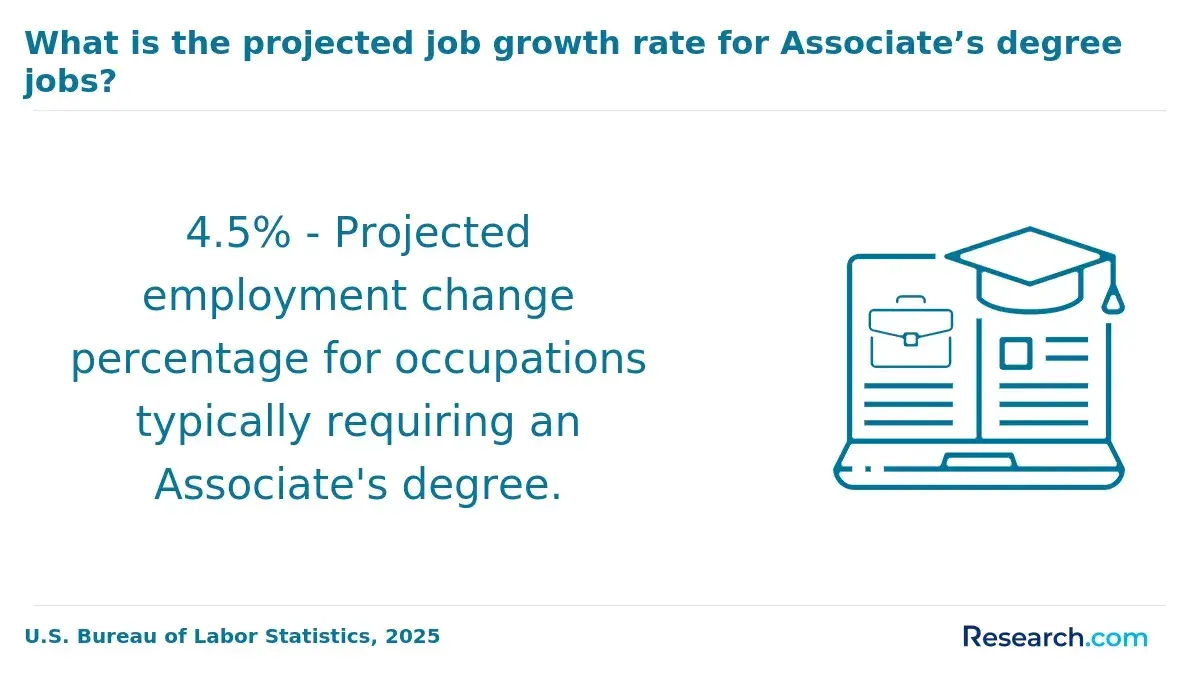
A 2-year business development bachelor's program is also different from a business development associate degree program structure. An associate degree is typically a lower-division credential, while an accelerated bachelor's is intended to cover upper-division business coursework as well. Students comparing options should verify the credential awarded, accreditation status, total credits required, and whether prior credits are needed to finish in two years.
For readers comparing intensive degree formats in other fields, accelerated DNP programs offer another example of compressed, rigorous study designed for working adults.
What Are the Admission Requirements for a 2-Year Business Development Degree?
Admission requirements for a 2-year business development degree are designed to show that applicants can handle accelerated college-level work. The exact criteria vary by institution, but most schools look for academic readiness, transferable credits, communication ability, and a clear reason for pursuing business development.
- Prior education: Most programs require a high school diploma or equivalent, such as a GED. Some accelerated bachelor's pathways are best suited for students who already have college credits, an associate degree, or relevant professional training.
- GPA expectations: A minimum GPA ranging from 2.0 to 2.5 is usually expected. More competitive programs may expect a stronger academic record, especially if applicants want transfer credit, scholarships, or admission into an upper-division completion track.
- Standardized test scores: SAT or ACT scores are increasingly optional, especially for adult learners, transfer students, and associate-to-bachelor's pathways. Applicants should still check each school’s policy because test-optional does not always mean test-blind.
- Prerequisite courses: Programs may expect prior coursework in mathematics, English composition, computer literacy, or introductory business. These courses support the quantitative, writing, and analytical work used in business development.
- Work experience and transfer credits: Some programs give preference to applicants with sales, marketing, customer success, entrepreneurship, or operations experience. Transfer credits can also be important because accelerated bachelor's degrees can save up to two years compared to traditional tracks.
- Application materials: Typical materials include official transcripts, letters of recommendation, a resume, and sometimes a personal statement. A strong application explains why the student wants business development specifically, not just a faster degree.
Questions to ask before applying
- How many transfer credits are required to finish in two years?
- Is the institution accredited, and is the business program recognized by employers or graduate schools?
- Are courses offered every term, or can a missed course delay graduation?
- Does the program accept credit for prior learning, military training, or professional certifications?
- What happens if a student needs to slow down from the accelerated schedule?
Applicants exploring intensive training models outside business may find it useful to compare how a medical assistant program structures fast-paced admissions, scheduling, and skills-based preparation.
What Does a Typical Week Look Like in a 2-Year Business Development Program?
A typical week in a 2-year business development program is structured around constant progress. Students should expect several class meetings or online modules, weekly assignments, group collaboration, reading, case analysis, and deadlines that may overlap across courses. The pace is manageable for organized students, but it leaves little room for falling behind.
- Class sessions and lectures: Students usually cover topics such as marketing, sales, financial analysis, entrepreneurship, customer relationship management, and project management. Depending on the format, classes may be scheduled on weekdays, evenings, weekends, or delivered asynchronously online.
- Assignments and assessments: Weekly work may include case studies, sales plans, market research, competitor analysis, presentations, quizzes, and exams. Because terms are condensed, one missed deadline can affect a course grade quickly.
- Group work: Team projects are common because business development depends on collaboration. Students may need to coordinate across time zones, work schedules, and communication styles.
- Independent study: Accelerated courses require substantial self-directed study. Students need time to review lectures, read business cases, analyze data, prepare presentations, and revise written work.
- Instructor interaction: Students should use office hours, email, discussion boards, or live sessions early. Waiting until the end of an 8 to 12 week course can leave too little time to recover.
- Time management expectations: A realistic weekly plan should include fixed study blocks, group meeting windows, assignment deadlines, and contingency time for work or family obligations.
What students should plan for
The most successful students treat the program like a serious professional commitment. They do not rely on weekend-only studying, and they do not wait for instructors to identify problems. They track deadlines, communicate early with teammates, and break large projects into smaller tasks.
A professional who completed a two-year bachelor's degree in business development described the experience clearly: "the biggest challenge was managing the sheer volume of material while balancing a full-time job." He said evenings were often spent on readings or group project contributions and that "it sometimes felt overwhelming, especially right before deadlines." At the same time, he described classmates as a "valuable support network" and emphasized that asking for help early mattered: "I learned quickly that reaching out early when I struggled made a significant difference."
Are 2-Year Business Development Programs Available Online?
Yes. Many 2-year business development programs are available online, though the level of flexibility varies. Some are fully online and asynchronous, while others require live virtual meetings, hybrid campus visits, proctored exams, or scheduled group presentations.
Online delivery can make an accelerated program more accessible for working adults, parents, military students, and learners who do not live near campus. However, online does not mean self-paced in every case. Students still need to meet weekly deadlines, participate in discussions, and complete team-based projects.
- Fully online vs. hybrid formats: Fully online programs allow remote completion of coursework. Hybrid programs combine online learning with occasional in-person sessions, which may improve networking but reduce flexibility.
- Asynchronous and synchronous learning: Asynchronous courses let students watch lectures and complete work on their own schedule within set deadlines. Synchronous courses require live attendance and may be better for students who want structure and real-time discussion.
- Technology requirements: Students need reliable internet, a computer with video capability, access to required software, and comfort using learning management systems, video meetings, spreadsheets, and presentation tools.
- Student support services: Strong online programs provide remote advising, tutoring, library access, career counseling, technical support, and faculty communication channels.
- Impact on pacing and engagement: Online programs may support faster completion through year-round enrollment and credit for prior learning. Students still need to be intentional about networking, group work, and professional relationship-building.
When comparing online options, students should prioritize accreditation, transfer-credit policies, faculty access, internship or project opportunities, and career services. Those focused on affordability can also compare accredited online business degree programs to understand how cost, credibility, and delivery format intersect.
How Much Does a 2-year Business Development Degree Cost?
The cost of a 2-year business development degree depends on tuition pricing, transfer credits, institutional fees, course load, books, technology requirements, and whether the student studies online or on campus. The accelerated format may reduce the total time enrolled, but students should calculate the full cost rather than focusing only on advertised tuition.
- Tuition structure: Programs may charge by credit, by term, or through a flat-rate model. A higher per-credit rate can still lead to lower total cost if the program requires fewer enrolled terms, but this is not guaranteed.
- Mandatory fees: Technology fees, student service fees, library access fees, graduation fees, and activity fees can add to the total cost. Online students should not assume they are exempt from fees.
- Textbooks and learning materials: Business courses may require textbooks, case-study subscriptions, simulation tools, software, or digital access codes. These costs vary and should be included in the budget.
- Technology and lab costs: Students may need updated hardware, spreadsheet software, video-conferencing tools, a webcam, or proctoring services. These expenses are usually smaller than tuition but still matter.
- Accelerated pacing effects: Completing the degree faster can reduce living expenses and opportunity costs. However, the heavy course load may also limit a student’s ability to work full time while enrolled.
How to estimate total cost
- Confirm the total number of credits required for graduation.
- Ask how many of your existing credits will transfer into the program.
- Multiply remaining credits by the tuition rate or compare the full flat-rate program price.
- Add required fees, books, software, technology, travel, and graduation costs.
- Compare the total against expected financial aid, employer support, and realistic earnings after graduation.
Students comparing affordable training in other career areas may also review a low cost medical coding and billing online program to see how accelerated or career-focused programs can structure pricing differently.
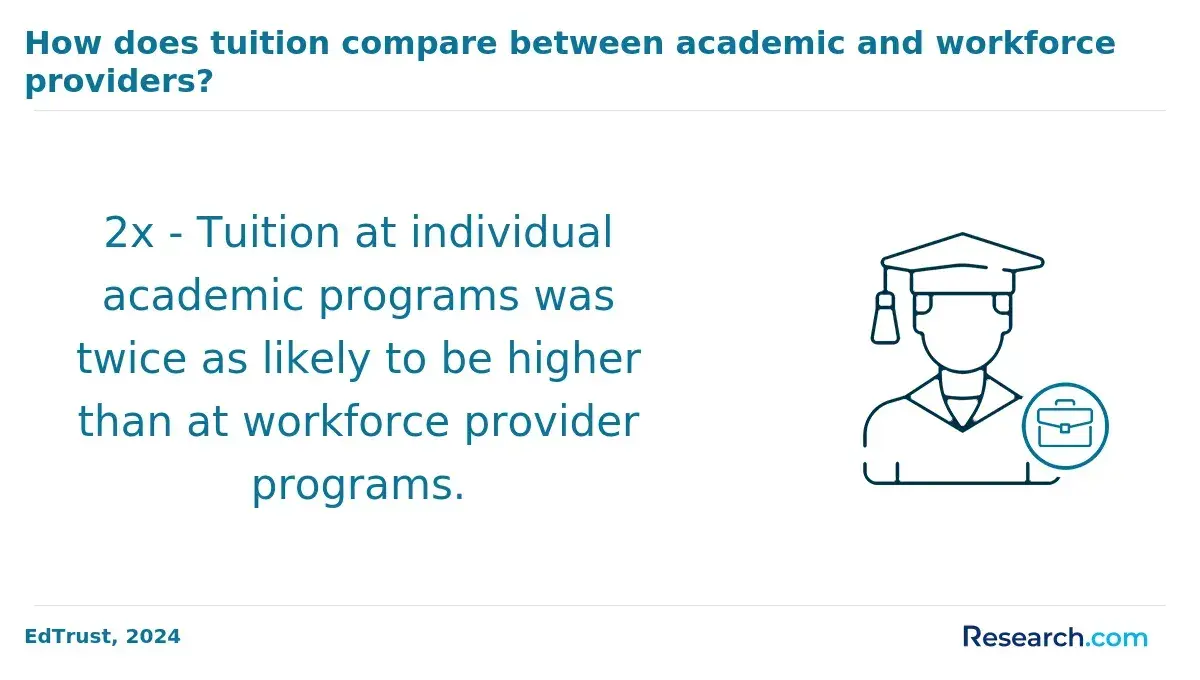
The average cost of accelerated business development programs can vary widely, so the best approach is to request a written cost breakdown from each school. A lower sticker price is not always the best value if the program has weak support, limited transferability, or poor alignment with your career goals.
Can You Get Financial Aid for 2-Year Business Development Programs?
Students may be able to get financial aid for a 2-year business development program if the institution and program meet eligibility requirements. The most important first step is to confirm accreditation and federal financial aid participation with the school, because aid availability depends on institutional status, enrollment intensity, and program structure.
- Federal student aid eligibility: Accredited institutions offering eligible accelerated programs typically qualify for federal aid such as Pell Grants and Direct Loans. Because accelerated terms may be shorter, disbursement schedules can differ from traditional semesters.
- Scholarships and grants: Students can look for awards tied to business, entrepreneurship, leadership, adult learners, transfer students, first-generation students, or accelerated degree pathways. Grants and scholarships are especially valuable because they do not need to be repaid.
- Employer tuition assistance: Working adults may use tuition reimbursement or tuition assistance from an employer. Students should ask whether the employer requires a minimum grade, continued employment, manager approval, or enrollment verification.
- Flexible payment plans: Some colleges offer installment plans that spread payments across shorter academic terms. These plans can help with cash flow but may include fees.
- Impact of accelerated pacing on aid: The compressed schedule can affect when aid is disbursed and how much aid applies to each term. Students should speak with financial aid staff before enrolling, not after the first bill arrives.
Financial aid mistakes to avoid
- Assuming every online or accelerated program qualifies for federal aid.
- Missing deadlines because terms start more frequently than traditional semesters.
- Taking more credits than you can successfully complete, which can affect academic progress requirements.
- Relying on employer reimbursement without confirming documentation rules.
- Ignoring fees, books, and technology costs when calculating how much aid you need.
One professional who completed an accelerated bachelor's degree in business development said financial aid required constant attention. "The fast pace meant I had to stay on top of multiple aid applications and deadlines simultaneously," she explained. Employer support helped, but she had to submit enrollment verification regularly. "There were moments of uncertainty about whether aid would arrive on time," she recalled, "but working closely with the financial aid office helped me avoid any interruptions." Her experience shows why communication with the financial aid office is essential in a compressed program.
What Jobs Can You Get With a 2-Year Business Development Degree?
A 2-year business development degree can prepare graduates for entry-level and early-career roles in sales, client relations, marketing support, account management, market research, and business operations. The degree alone does not guarantee a management role, but it can help students build the communication, analysis, sales strategy, and relationship-management skills employers look for.
- Business Development Representative: This role focuses on identifying prospects, qualifying leads, conducting outreach, and supporting sales pipelines. It is a common starting point for graduates who want to move into sales strategy or account leadership.
- Sales Coordinator: Sales coordinators support sales teams by organizing client communication, scheduling meetings, preparing reports, tracking performance, and maintaining sales tools or customer relationship management systems.
- Account Manager: Account managers work with existing clients, monitor satisfaction, identify renewal or upsell opportunities, and coordinate solutions across teams. Communication, negotiation, and follow-through are especially important.
- Marketing Assistant: Graduates may support campaign coordination, market analysis, content planning, events, or digital marketing projects. This path can fit students interested in the connection between customer research and revenue growth.
- Advancement Opportunities: The accelerated format can help graduates enter the workforce sooner, saving about two years compared to traditional programs. With experience, graduates may pursue roles such as business development manager or sales executive.
Business development skills are transferable across technology, healthcare, finance, retail, manufacturing, professional services, and startups. Employers may value practical experience, internships, sales metrics, software skills, and evidence of successful projects as much as the degree title.
High-paying jobs with a 2-year business development degree are possible, but they usually depend on performance, industry, location, commission structure, and advancement into more strategic roles. Students who want a broader comparison of affordable career-oriented education may also review the cheapest ADN online programs as another example of how program cost and career outcomes can shape degree decisions.
How Do Salaries Compare for 2-year Business Development Degree vs. Traditional Bachelor's Degrees?
Salary comparisons depend on the credential awarded, the school’s reputation, the student’s prior experience, the industry, and the specific job. In general, accelerated pathways can help students begin earning sooner, while traditional bachelor's degrees may provide stronger employer recognition for some higher-level business roles.
- Early-career earnings: Graduates with a 2-year business development degree typically start with median salaries ranging from $42,000 to $50,000 annually. Traditional bachelor's degree holders in business fields often begin closer to $55,000-$65,000. This gap may reflect employer preferences, internship access, program depth, and the type of roles graduates enter first.
- Long-term earning potential: Bachelor's degree holders often see stronger income growth over time when the credential supports promotions, leadership roles, or graduate study. Research from the Georgetown University Center on Education and the Workforce shows that bachelor's graduates earn about 20% more over their lifetimes compared to those with associate degrees.
- Employer perception and career progression: Some employers may view traditional four-year degrees as stronger preparation for strategic or managerial roles. Others focus more on results, sales performance, industry knowledge, and client-facing experience.
- Accelerated workforce entry: Finishing faster allows students to begin gaining professional experience earlier. Some accelerated bachelor's programs combine transfer credits, associate-level preparation, and upper-division coursework, partially closing the gap while saving 1 to 2 years of study.
How to interpret the salary trade-off
A lower starting salary does not automatically mean the accelerated degree has poor ROI. If the program costs less, takes less time, and leads to earlier employment, the financial picture may still be favorable. However, students who want corporate leadership tracks, graduate business programs, or competitive analyst roles should make sure the degree carries enough academic depth and employer credibility.
Students comparing accelerated formats in other professional fields may find it useful to review the cheapest online RN to BSN programs, which also show how shorter completion timelines can affect career planning and education costs.
Which Factors Most Affect ROI for Accelerated Business Development Degrees?
The ROI of an accelerated business development degree depends on more than tuition. Students should weigh total cost, completion time, lost or gained income, employer recognition, transferability, and expected salary growth. A fast program can be valuable, but only if it leads to a credible credential and realistic career opportunities.
- Time-to-completion: Completing a degree in roughly half the time of traditional programs, often within two years, can help students start earning sooner. It may also reduce time spent paying for housing, fees, transportation, or other education-related costs.
- Tuition and total cost: Accelerated programs may require fewer terms, which can lower the total expense. Some programs may cost 20-30% less overall, but students should compare total program price rather than per-credit tuition alone.
- Opportunity cost savings: Entering the workforce earlier can improve ROI because students begin earning income sooner. Given median annual salaries for business degree holders typically range from $65,000 to $70,000, the timing of workforce entry can significantly affect financial outcomes.
- Employment outcomes and salary growth: Careers in sales, business strategy, and market analysis can offer salary growth for graduates who perform well and gain experience. The projected 7% job growth in business and financial roles through 2032 reflects consistent demand.
- Industry demand: Programs that teach negotiation, data interpretation, digital marketing, customer research, and sales strategy tend to align better with current employer needs.
- Transferability of skills: Business development skills can apply across many industries, which can improve career flexibility if one sector slows down.
ROI red flags
- The school cannot clearly explain accreditation or transfer-credit policies.
- The advertised two-year timeline assumes credits you do not already have.
- Career services are limited or not available to online students.
- The curriculum is too general and lacks sales, analytics, market research, or client strategy coursework.
- The program cost is low, but completion rates, employer outcomes, or student support are unclear.
How Do You Decide If a 2-year Business Development Degree Is Right for You?
A 2-year business development degree may be right for you if speed, flexibility, and earlier workforce entry matter more than the traditional campus experience. It is best suited for students who are organized, self-directed, comfortable with a heavy workload, and clear about their career goals.
It may not be the best fit if you need a slower academic pace, want extensive campus networking, plan to explore majors before choosing a path, or are targeting employers that strongly prefer traditional four-year business degrees.
Choose the accelerated path if:
- You already have transfer credits or relevant work experience.
- You can study consistently throughout the year.
- You want to move quickly into sales, account management, marketing support, or business development roles.
- You are comfortable learning online or in condensed terms.
- You have a clear plan for managing work, family, and deadlines.
Consider a traditional bachelor's degree if:
- You want more time for internships, student organizations, networking, or career exploration.
- You are aiming for highly competitive corporate training programs or graduate school pathways.
- You need a lighter course load to maintain strong grades.
- You want a broader business curriculum with more electives.
From a financial perspective, the accelerated route can lower overall tuition by shortening study time, but that benefit depends on the actual program price, financial aid, transfer credits, and your ability to keep earning while enrolled. Median wages in related fields suggest a reasonable return on investment, with positive job growth anticipated, but individual outcomes will depend on role, industry, location, performance, and experience.
Before enrolling, ask each school for a degree plan, total cost estimate, transfer-credit evaluation, course schedule, financial aid timeline, and career support details. A good decision is not simply the fastest option; it is the option that gets you to a credible credential without creating unnecessary academic or financial risk.
What Graduates Say About Their 2-Year Business Development Degree
- : "Choosing the 2-year accelerated bachelor's degree in business development was a strategic move for me-I wanted to jumpstart my career without the typical four-year wait. Managing the intensive schedule was challenging but rewarding, as the program's focused curriculum and smaller classes made it manageable. Now, with the degree in hand, I've secured a role in a dynamic startup where I'm able to apply what I learned daily, and considering the average cost of attendance, it was a great investment for my future. — Ryker"
- : "Reflecting on my decision to pursue a 2-year business development degree, I was motivated by the need to balance work and study without sacrificing quality education. The accelerated pace demanded excellent time management, which I refined through disciplined routines and support from faculty. This degree has opened doors in corporate sales strategy roles, proving that an intensive program can yield meaningful career growth without the extended commitment or extra tuition. — Hayden"
- : "Professionally, I recognized the value of earning a business development degree quickly to align with my career goals. The rigorous schedule was intense but well-structured, allowing me to develop skills rapidly and apply them in real-world business scenarios. Considering the typical cost for such programs, completing it in two years allowed me to minimize expenses and enter the workforce faster, giving me a significant advantage. — Yui"
Other Things You Should Know About Business Development Degrees
The ROI of a 2-year accelerated business development degree in 2027 depends on factors such as tuition costs, career opportunities, salary increments, and industry demand. Networking opportunities and relevant internship experiences can also significantly affect potential earnings and investment returns.
Yes, if the program is accredited by a U.S. Department of Education–recognized accreditor and the school participates in Title IV aid. Students may use the FAFSA for federal Pell Grants, Direct Loans, and work-study, but transfer-credit limits can reduce eligible aid hours in a 60-credit accelerated format.
References
- Accelerated Bachelor of Business Administration https://www.upei.ca/programs/accelerated-bachelor-business-administration
- Accelerated Business https://www.fit.edu/accelerated-business/
- What are the key factors influencing the ROI of training and development initiatives? https://blogs.psico-smart.com/blog-what-are-the-key-factors-influencing-the-roi-of-training-and-development-initiatives-135336
- Business Development ROI: How to Measure and Maximize Your Returns https://blog.aspiration.marketing/en/business-development-roi-how-to-measure-and-maximize-your-returns
- The ROI of Learning: How to Measure the Impact of Education on Business Growth https://www.pearsonaccelerated.com/blog/the-roi-of-learning.html
- 5 Reasons You Should Consider an Accelerated Business Degree https://blog.ncirl.ie/5-reasons-you-should-consider-an-accelerated-business-degree
- Business and Management (Accelerated Degree) https://www.royalholloway.ac.uk/studying-here/undergraduate/business-school/business-and-management-accelerated-degree
- Business Management | Accelerated Bachelor’s Degrees | NEIT https://www.neit.edu/academics/bachelors-degrees/business-management-career-focused-bs
- What studies are required to learn about business development? - INSEEC https://www.inseec.com/en/guides/orientation-guide/what-studies-are-required-to-learn-about-business-development
- 5 steps to choosing the best business degree for your dream job | News at Curtin https://www.curtin.edu.au/news/advice/5-steps-to-choosing-the-best-business-degree-for-your-dream-job/


