2027 Different Types of Business Development Degrees and Their Salaries

Co-Founder and Chief Data Scientist
Business development degrees are designed for students and working professionals who want to help organizations find new markets, build partnerships, improve revenue, and turn strategy into measurable growth. The right program can prepare you for sales leadership, market analysis, corporate strategy, entrepreneurship, consulting, or executive roles, but the best choice depends on your current education level, budget, schedule, and career target.
This guide explains the main business development degree options, from associate programs to doctorates, and compares how they differ in length, cost, format, specialization, job outcomes, and salary potential. It also covers online credibility, accelerated pathways, market demand, and the practical factors you should weigh before enrolling.
Key Points About Different Types of Business Development Degrees and Their Salaries
- Candidates with an associate degree in business development typically begin in entry-level roles earning an average annual salary of around $45,000, reflecting the limited scope of their formal education but allowing for quicker entry into the workforce.
- Those holding a bachelor's degree in business development generally have access to a broader range of opportunities and command median salaries near $65,000 per year, benefiting from more comprehensive knowledge and growing demand for professionals with four-year degrees.
- Master's degree holders in business development or related fields can expect enhanced long-term career growth and higher earnings, with average salaries exceeding $90,000 annually, as advanced degrees often open doors to leadership positions and specialized roles in strategy and corporate growth.
What Are the Different Types of Business Development Degrees Available?
Business development is not always offered as a standalone major. Many colleges place it within business administration, marketing, entrepreneurship, management, or strategy programs. That means students should compare the actual curriculum, not just the degree title. The strongest programs usually combine sales strategy, market research, finance, analytics, negotiation, leadership, and applied business projects.
The right degree level depends on where you are starting and how far you want to advance.
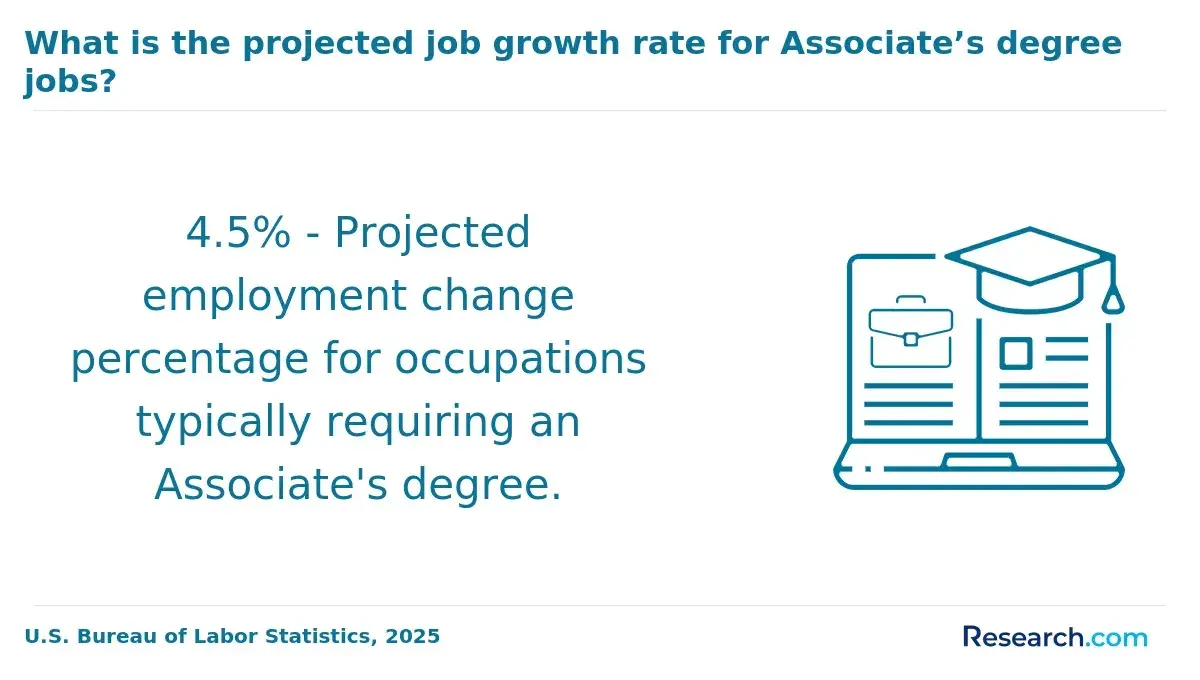
- Associate Degree in Business Development: An associate degree provides a practical introduction to business, marketing, management, customer relations, and organizational behavior. It is best for students seeking entry-level business support roles or a lower-cost route into a bachelor's program.
- Bachelor of Business Administration (BBA) in Business Development: A BBA gives students a broad management education with coursework in strategic planning, market research, leadership, marketing, and entrepreneurship. This is often the most useful starting point for students who want coordinator, analyst, sales, account management, or early management roles.
- Bachelor of Science in Business Administration (BSBA) with a Business Development Concentration: A BSBA usually places more emphasis on quantitative reasoning, business analytics, market analysis, and evidence-based decision-making. It may be a better fit for students interested in analytics-heavy business development, venture planning, or growth strategy roles.
- Master of Business Administration (MBA) with a Focus on Business Development: An MBA is built for professionals who want to move into leadership, strategy, consulting, or executive-facing roles. Coursework often includes innovation, organizational change, advanced strategy, finance, negotiation, and applied projects.
- Doctor of Business Administration (DBA): A DBA is a professional doctorate focused on applied research and high-level business problem-solving. It is most appropriate for experienced professionals pursuing executive strategy, consulting, teaching, or research-informed leadership roles.
Degree level can affect both job access and earning potential, but it is not the only factor. Experience, industry, location, sales performance, technical fluency, and professional network often matter as much as the credential itself. Students who want a shorter add-on credential can also compare degree options with career-focused certificates, including resources on what certificates make the most money.
What Specializations Are Available in Business Development Degrees?
A specialization helps turn a general business degree into a clearer career pathway. Because business development roles vary widely, from sales pipeline growth to mergers and acquisitions, students should choose a concentration that matches the type of work they want to do after graduation.
Common business development specializations include:
- Global Business Development: This track focuses on international markets, cross-border partnerships, global strategy, cultural communication, and regulatory awareness. It fits students interested in international business manager, export/import specialist, or multinational client development roles.
- Marketing Development: This specialization emphasizes market research, customer behavior, campaign strategy, digital channels, and brand positioning. It is useful for students pursuing marketing management, brand development, demand generation, or digital marketing roles.
- Corporate Business Development: This option centers on strategic partnerships, mergers and acquisitions, expansion planning, financial analysis, negotiation, and organizational restructuring. It is well suited for corporate strategy, consulting, and corporate development teams.
- Sales Enablement: This concentration prepares students to improve sales performance through sales strategy, customer relationship management, pipeline tools, training, and alignment between sales and company goals. It can lead to roles such as sales manager, account executive, or business development representative.
- Entrepreneurship and Startups: This pathway focuses on opportunity identification, venture launch, funding strategies, scaling, innovation, and early-stage growth. It fits aspiring entrepreneurs, startup consultants, and venture capital analysts.
When comparing specializations, look for courses that build marketable skills, not just attractive labels. A student interested in startups may benefit more from finance, product strategy, and customer discovery coursework than from a broad entrepreneurship title alone. Those still exploring entry points into business education may also find it useful to review what is the easiest associate degree to get.
How Long Does It Take to Complete Each Type of Business Development Degree?
The time required for a business development degree depends on degree level, enrollment status, transfer credits, course load, and program format. Full-time students usually finish faster, while working adults may choose part-time, evening, online, or executive formats to balance school with other responsibilities.
| Degree type | Typical completion time | Best fit |
| Associate Degree in Business Development | About two years full-time | Students seeking an affordable foundation, entry-level business roles, or transfer credit toward a bachelor's degree |
| Bachelor's Degree in Business Development | Usually four years full-time; accelerated options may take around three years | Students preparing for coordinator, analyst, sales, marketing, account management, or early management roles |
| Master's Degree in Business Development | Generally one to two years | Working professionals aiming for leadership, consulting, strategy, or senior business development roles |
| Doctorate in Business Development | Often three to six years | Experienced professionals pursuing executive, academic, consulting, or applied research careers |
Students can shorten the timeline through transfer credits, prior college coursework, AP, IB, associate degree completion, or accelerated terms. However, faster programs are not automatically better. A compressed schedule can limit time for internships, networking, part-time work, or deeper skill development, all of which can matter in business development hiring.
Are There Accelerated Business Development Degree Programs?
Yes. Accelerated business development degree programs are designed to reduce the time needed to complete a bachelor's degree, often by compressing coursework into two to three years. They commonly use condensed classes, year-round enrollment, short terms, heavier credit loads, and transfer-friendly policies.
Some accelerated formats include intensive 7-week course sessions, online or hybrid delivery, and cohort-based schedules. These options can work well for motivated students who already have college credits, an associate degree, AP, IB, or other eligible prior learning. Students comparing flexible business programs may also want to review affordable online options, including guides to the best online business degree.
The advantage is clear: students may enter the workforce sooner and may reduce some costs tied to extended enrollment. The trade-off is intensity. Accelerated programs often require continuous enrollment, fewer long breaks, and stronger time management than traditional programs.
Before enrolling, ask the school these questions:
- How many transfer credits will the program accept?
- Are courses offered every term, or could scheduling delays slow completion?
- Can students realistically work while taking the required course load?
- Are internships, projects, or networking opportunities still available in the accelerated format?
- Does the program have the same accreditation and faculty standards as the traditional version?
Graduates with business development degrees from accelerated programs may benefit financially if they enter the job market earlier. Median salaries for bachelor's holders in the field range from $65,000 to $75,000, and experienced business development managers can earn over $100,000.
One graduate described the experience as demanding but worthwhile: "It was intense, especially juggling 15 to 16 credits each semester and summer classes," he said, adding that the year-round schedule helped him stay focused. He said the pace required sacrifices, including fewer social events, but it also strengthened the discipline and time management skills he now uses in a business development role.
Are Online Business Development Degrees as Credible as Traditional Ones?
Online business development degrees can be as credible as campus-based degrees when they come from properly accredited, reputable institutions. For employers and graduate schools, the most important signals are usually the school’s accreditation, reputation, curriculum quality, faculty, career support, and the student’s demonstrated skills, not whether the classes were completed online or in person.
Strong online programs typically cover the same core areas as traditional programs: finance, marketing, strategy, operations, management, analytics, and business communication. Many also include virtual group projects, case studies, live discussions, recorded lectures, frequent assessments, and online networking events.
According to research from Georgetown University's School of Continuing Studies, meta-analyses show that students in online environments often perform as well or better than students in traditional classrooms. The flexibility of online learning, combined with frequent feedback and digital learning tools, can support strong outcomes for students who are disciplined and organized.
Employer acceptance has also improved as more established universities offer online business programs. Enrollment in fully online MBA programs surpassed that of on-campus MBA programs for the first time during 2021-2022, reflecting broader acceptance among working professionals and institutions.
Still, students should be careful. An online degree is not automatically credible simply because it is convenient. Before enrolling, verify institutional accreditation, review the curriculum, ask whether the diploma or transcript identifies the format, and examine outcomes such as graduation support, alumni networks, internship access, and employer partnerships.
How Much Does Each Type of Business Development Degree Typically Cost?
Business development degree costs vary by school type, residency status, program format, and degree level. Tuition is only one part of the total cost. Students should also budget for fees, books, software, transportation, technology, housing, lost work hours, and interest on loans if borrowing.
| Degree type | Typical tuition range or average | Cost considerations |
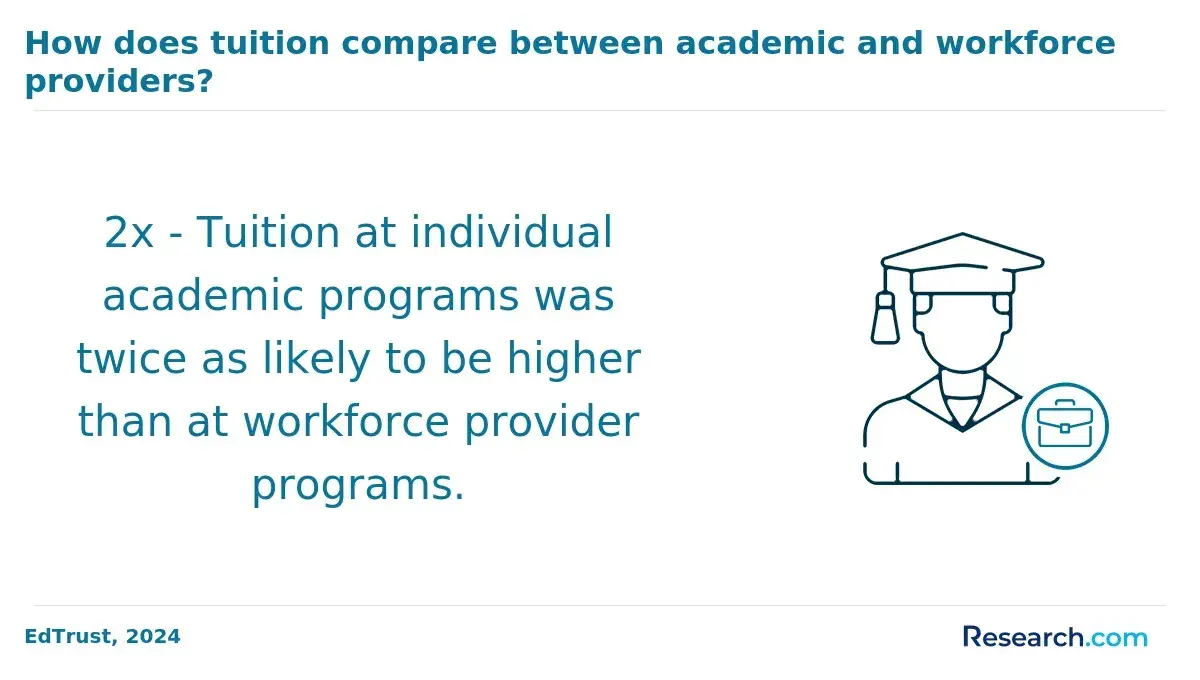
| Associate Degree in Business Development | $2,500 to $8,000 per year for in-state students | Community colleges are usually the lowest-cost route. Out-of-state tuition may be significantly higher, sometimes doubling those amounts. |
| Bachelor's Degree in Business Development | About $7,500 annually for online options and around $12,000 for traditional on-campus programs | Public universities may range between $5,700 and $18,500 per year, while private and out-of-state fees can exceed $20,000. |
| Master's in Business Development | Averaging $19,134 annually | Costs may vary from $10,890 in-state at public universities to over $40,000 at private institutions. |
| Doctorate in Business Development | Frequently exceeding $45,000 per year at private schools | Doctoral study can require multiple years, so total program cost may be substantial even when annual tuition appears manageable. |
Financial aid options may include Pell Grants, state grants, scholarships, federal loans, work-study programs, graduate assistantships, employer tuition reimbursement, fellowships, and teaching or research assistantships. Graduate and doctoral students should compare funding packages carefully because aid availability can differ sharply by institution.
A recent graduate said careful planning made the degree more manageable. She combined scholarships, federal aid, and part-time work, and chose a hybrid program to balance cost and quality. Her advice was to compare aid options early, avoid assuming the sticker price is the final price, and evaluate whether the program’s skills, network, and career support justify the investment.
What Jobs Can You Get with Each Type of Business Development Degree?
Business development roles exist across technology, finance, healthcare, retail, consulting, manufacturing, professional services, and startups. The degree level you choose can influence the roles you qualify for, but employers also weigh experience, sales results, communication skills, industry knowledge, and comfort with data and customer relationship tools.
- Associate Degree in Business Development: Graduates may qualify for entry-level or support roles such as sales associate, customer service representative, business development assistant, or junior administrative assistant. These roles often involve client communication, sales support, data entry, scheduling, lead tracking, and basic operations support.
- Bachelor's Degree in Business Development: A bachelor's degree can support roles such as sales manager, business analyst, marketing coordinator, account manager, business development representative, or growth coordinator. Graduates may help research markets, manage client relationships, support campaigns, analyze performance, and contribute to sales or expansion strategies.
- Master's Degree in Business Development, including MBA options: A master's degree can prepare professionals for roles such as business development manager, management consultant, product manager, director of business development, corporate strategy manager, or partnership lead. These roles often involve negotiation, strategic planning, revenue growth, team leadership, and cross-functional decision-making.
- Doctoral Degree in Business Development: Doctoral graduates may pursue university professor, chief executive officer (CEO), senior consultant, director of strategy, or applied research roles. These positions typically require advanced expertise, leadership experience, and the ability to solve complex organizational problems. Some students researching doctoral options also compare alternatives such as the easiest PhD without dissertation online.
For most students, the best job outcomes come from combining the degree with internships, measurable projects, sales or client-facing experience, analytics skills, and a strong professional network.
How Do Salaries Differ by Business Development Degree Type?
Salaries in business development vary widely because compensation can include base pay, bonuses, commissions, profit sharing, or equity. Industry and location also matter. Technology, finance, consulting, and software roles may pay differently from nonprofit, retail, or small business roles. Degree level can improve access to higher-paying roles, but experience and performance are often decisive.
- Associate Degree in Business Development: Entry-level roles such as business development assistant or representative typically offer starting salaries from $40,000 to $50,000 per year. Pay is often influenced by region, employer size, and whether the role includes sales incentives.
- Bachelor's Degree in Business Development: Graduates may qualify for coordinator, analyst, or manager roles earning between $61,000 and $100,000 annually. Business development managers with this degree can earn from $134,176 to $144,439 per year, depending on experience and geography.
- Master's Degree, including MBA or related fields: A master's degree can support advancement into director, consulting, or vice president roles, with salaries ranging from $120,000 up to $206,000 or more per year. These outcomes are more likely when the degree is paired with substantial experience and a strong record of business results.
- Doctoral Degree, including PhD or DBA options: Doctoral holders may pursue senior consulting, academic, or executive roles with salaries often exceeding $200,000. Compensation at this level reflects specialized expertise, leadership responsibility, institutional context, and organizational size.
Students should compare salary expectations with total education cost, time out of the workforce, and the likelihood of reaching the roles associated with each credential. Those considering remote or flexible study can also review the best online schools offering relevant programs.
Is There High Demand for Business Development Degree Holders in the Job Market?
Demand for business development degree holders remains strong because organizations need people who can identify growth opportunities, build partnerships, understand customers, use data, and communicate across departments. The field is especially relevant in technology-driven markets where companies must adapt quickly to new tools, competitors, and customer expectations.
Employers increasingly value skills in data analysis, project management, digital communication, customer relationship management, strategic planning, and cross-functional collaboration. Business development programs can build these skills, but graduates should also be ready to prove them through projects, internships, work experience, or measurable outcomes.
Regional and industry demand can vary. Fast-growing sectors such as technology, healthcare, and sustainability often need professionals who can connect business strategy with innovation. This emphasis on specialized skills appears in other career paths as well, including trade programs that pay well.
The National Center for Education Statistics notes business as the most popular undergraduate major in the United States, with nearly 1 in 5 bachelor's degrees awarded in this area. Jobs related to business and finance are projected to grow faster than the average for all occupations through 2033, with competitive median salaries around $79,050 as of 2023. Specific roles such as management analysts are expected to grow by 14% through 2026.
The strongest candidates will not rely on the degree alone. They will pair business education with industry knowledge, digital tools, communication ability, and a record of helping teams increase revenue, enter markets, improve processes, or build valuable relationships.
What Factors Should You Consider When Picking a Type of Business Development Degree?
Choosing a business development degree is a return-on-investment decision. The best program is not always the highest-ranked, fastest, or most expensive one. It is the program that fits your career goal, budget, learning style, schedule, and target industry.
- Career Goals: If you want entry-level sales or support work, an associate degree may be enough to start. If you want analyst, coordinator, account management, or management roles, a bachelor's degree is often more practical. If your goal is executive leadership, consulting, or corporate strategy, a master's degree may offer stronger preparation.
- Time Commitment: Associate degrees usually take two years, bachelor's degrees three to four years, and master's programs add one to two more years. Doctoral programs require the longest commitment. Be realistic about your work, family, and financial obligations before choosing a pace.
- Cost and Financial Aid: Compare net price, not just tuition. Review scholarships, federal aid, state aid, employer reimbursement, assistantships, and part-time options. A lower-cost accredited program with strong career support may be a better investment than a more expensive program with limited outcomes.
- Program Structure and Flexibility: Online, hybrid, evening, part-time, accelerated, and cohort formats serve different students. Working adults may value flexibility, while traditional students may benefit from campus recruiting, internships, and in-person networking.
- Industry Requirements: Research job postings in your target sector. Many business development roles require at least a bachelor's degree, while advanced roles may prefer a master's degree, industry experience, technical knowledge, or a proven sales record.
- Accreditation and Reputation: Choose an accredited institution and review the business school’s reputation, faculty qualifications, employer connections, and graduate outcomes. Accreditation matters for transfer credit, graduate admission, financial aid eligibility, and employer trust.
- Networking and Career Support: Business development is relationship-driven. Programs with internships, alumni networks, employer partnerships, mentorship, career coaching, and project-based learning can provide a practical advantage after graduation.
A smart selection process starts with the job you want, then works backward to the credential, skills, experience, and network needed to compete for it.
What Business Development Graduates Say About Their Degree and Salary
- : "Completing my online business development degree gave me the flexibility to keep working full-time while building skills I could use immediately. The real-world projects helped me move into a project management role after graduation, and I felt more prepared to lead teams and make decisions in a fast-moving business environment. — Emerald"
- : "My business development degree with a focus on international markets changed how I evaluate clients, partnerships, and risk. The global curriculum helped me build cultural awareness and stronger business judgment, which I now use when working with multinational clients. — Janice"
- : "The entrepreneurship concentration gave me the structure, mentorship, and network I needed to launch my own startup. It helped me understand funding, growth strategy, and resilience, and it connected me with people who understood the challenges of building something new. — Carlo"
Other Things You Should Know About Business Development Degree Programs & Salaries
Professional certifications such as Certified Professional Sales Person (CPSP), HubSpot Sales Software Certification, and Certified Business Development Professional can strengthen salary prospects. Employers often value them alongside a bachelor’s degree, especially for roles in sales, partnerships, and account growth where measurable revenue results matter.
In 2027, business development professionals with a bachelor's degree typically earn between $55,000 and $75,000 annually. Those with a master's degree might see salaries ranging from $85,000 to $120,000. A doctoral degree can command salaries starting at $130,000, often exceeding $150,000 for senior roles.
In 2027, the company size significantly influences business development salaries. Large corporations tend to offer higher salaries compared to small businesses. For instance, professionals in large companies can earn upwards of $120,000 annually, unlike counterparts in smaller firms who might earn around $85,000, showcasing the disparity based on organization size.
References
- Online Business Degrees: Programs, Cost, & Duration - University of the Potomac https://potomac.edu/online-business-degree-programs-costs/
- Accelerated Business Administration Degree | Warner Pacific http://www.warnerpacific.edu/programs/business-administration-ba/
- Everything you need to know before choosing an undergraduate business degree - Penn State World Campus https://www.worldcampus.psu.edu/about-us/news-and-features/choosing-a-business-degree-program
- Why is there an Increase in the Demand for Business Graduates? - IQ City United World School of Business https://uwsbkolkata.com/blogs/why-is-there-an-increase-in-the-demand-for-business-graduates/
- What studies to learn about business development? INSEEC https://www.inseec.com/en/faq-inseec-answers-your-questions/what-studies-to-learn-about-business-development/
- The Beginner’s Guide to Different Types of Business Degrees | Rasmussen University https://www.rasmussen.edu/degrees/business/blog/types-of-business-degrees/
- Business development manager | Explore Careers | National Careers Service https://nationalcareers.service.gov.uk/job-profiles/business-development-manager
- 11 Types of Business Degrees with High Paying Careers in 2025 | University of North Dakota https://und.edu/blog/types-of-business-degrees.html
- Accelerated Business Degrees https://www.ncirl.ie/Study/Accelerated-Business-Degrees
- How Long Does It Take to Get a Business Degree? | ValidGrad.com https://validgrad.com/blog/how-long-does-it-take-to-get-a-business-degree-the-hidden-timeline-factors-that-could-change-everything/