2027 Criminology Degree Outlook Through 2030: Enrollment, Salary, and Hiring Projections

Co-Founder and Chief Data Scientist
Choosing whether to pursue or continue a criminology degree demands weighing multiple factors beyond isolated job growth or salary projections. For example, 2024 enrollment data show a modest nationwide increase, yet some regions face graduate surpluses that intensify competition for entry-level roles. Meanwhile, employer demand varies widely by industry segment and credential expectations are shifting with advances in data analytics and cybersecurity.
Relying solely on average salary trends masks disparities linked to specialization and geography. This article analyzes criminology enrollment trends, salary dynamics, hiring forecasts, industry needs, regional opportunities, and evolving workforce conditions through 2030 to inform strategic education and career decisions.
Key Things to Know About the Criminology Degree Outlook Through 2030
- Enrollment in criminology programs rose 12% in 2024, signaling increased interest but also intensifying competition for limited advanced research roles, affecting career advancement timelines.
- Employers prioritize interdisciplinary skills along with criminology expertise, reflecting a shift toward data analytics and AI familiarity, thus influencing curriculum relevance and graduate employability.
- Regional demand disparities mean salary growth is strongest in metropolitan areas with security industries; prospective students must weigh higher education costs against localized job market robustness.
- Key Things to Know About the Criminology Degree Outlook Through 2030 Key Things to Know About the Criminology Degree Outlook Through 2030
- How is Criminology Degree Enrollment Expected to Change Through 2030? Enrollment Trends Through 2030
- How Many Criminology Graduates Will Enter the Workforce by 2030? Graduate Workforce Entry Projections
- What Are the Hiring Projections for Criminology Graduates Through 2030? Hiring Projections Through 2030
- Which Criminology Careers Will Experience the Most Job Growth? Fastest-Growing Career Paths
- What Is the Salary Outlook for Criminology Graduates Through 2030? Salary Outlook Through 2030
- Which Industries Will Hire the Most Criminology Graduates by 2030? Top Hiring Industries
- Where Will Demand for Criminology Graduates Be Strongest? Strongest Geographic Demand
- Which Criminology Specializations Will Be Most in Demand by 2030? Which Criminology Specializations Will Be Most in Demand by 2030?
- How Will AI and Technology Affect Criminology Careers Through 2030? How Will AI and Technology Affect Criminology Careers Through 2030?
- Is a Criminology Degree Worth Pursuing Based on 2030 Projections? Degree Value Through 2030
How is Criminology Degree Enrollment Expected to Change Through 2030?
Criminology degree enrollment trends in the United States through 2030 reflect a cautious optimism rooted in evolving labor-market demands and institutional adaptation. While enrollment growth will be moderate, driven by a projected 2-3% compounded annual increase, programs that align closely with employer expectations for practical, interdisciplinary skills tend to retain competitiveness even amid broader demographic headwinds.
For instance, colleges offering robust online options and partnerships with law enforcement or community organizations experience steadier enrollment, helping to mitigate challenges posed by declining regional high school graduation rates and tuition pressures. These enrollment patterns influence program availability and class sizes, often favoring institutions capable of flexible delivery and specialized curricula in areas like cybercrime and forensic technology.
Projected changes in criminology program enrollment nationwide also underscore important tradeoffs for prospective students and educators. The relative steadiness of enrollment compared to many liberal arts disciplines contrasts with slower growth than STEM fields, signaling a balanced but not saturated graduate supply entering an increasingly complex public safety landscape. Overexpansion risks, particularly in regions unable to sustain law enforcement or justice sector hiring, require careful monitoring to avoid workforce oversaturation.
Meanwhile, graduate outcomes hinge on program responsiveness to evolving employer demands and experiential learning, while students weighing options might consider alternative pathways, such as online offerings in specialized fields exemplified by parallel growth seen in related disciplines like online FNP programs, that adapt to shifting educational preferences and workforce realities.
How Many Criminology Graduates Will Enter the Workforce by 2030?
The number of criminology graduates alone does not fully predict workforce entry by 2030, as many factors mediate how education translates into employment. Growth in degree completions has been consistent, but actual labor market absorption depends on graduates' choices to pursue further education, accept related roles outside traditional criminology careers, or delay employment.
Additionally, the increasing availability of online programs and shifting demographics contribute to changes in graduation rates, yet not all graduates seek or secure positions directly aligned with their degree. Employment projections for protective service occupations indicate roughly 110,000 new roles by 2030, but only a portion of these will require or prefer a criminology background, indicating competition and variability in job alignment will shape graduate outcomes more than enrollment growth alone.
Realistically, about 60% to 75% of criminology graduates are expected to find relevant employment within several years post-graduation, with annual workforce entrants potentially rising from around 40,000 today to close to 52,000 by the decade's end. This variation reflects both the sector's expanding but competitive nature and the differentiation among employer expectations, particularly for federal or specialized investigative roles that demand advanced skills or experience.
Graduates must weigh not just supply trends but also practical skills such as forensic technology and data analysis that increasingly influence hiring decisions. These dynamics mean prospective and current students should carefully evaluate the return on education investment against geographic and industry-specific demands rather than assuming uniform workforce entry.
A recent criminology graduate nearing the end of their program reflects on the heightened competition faced when applying to federal law enforcement internships, noting that the rising number of graduates entering the market increases pressure to stand out. They are balancing options between gaining immediate field experience through local agencies or investing additional years in graduate studies, aware that this choice impacts timing and employability.
What Are the Hiring Projections for Criminology Graduates Through 2030?
Employer demand for criminology graduates through 2030 is projected to be moderate but highly uneven, shaped by sector-specific funding cycles and evolving public safety priorities. According to the U.S. Bureau of Labor Statistics, employment for social scientists, which includes criminologists, is expected to grow about 6% through 2030-roughly aligning with average occupational growth but far from robust expansion.
This means that while overall openings may increase steadily, competition will remain significant, especially in urban areas where public agencies often concentrate hiring but also have stricter budget constraints. For example, a criminology graduate targeting roles in cybersecurity within a large federal agency might face different prospects than one seeking entry-level positions in smaller local law enforcement offices experiencing hiring freezes or slower turnover.
Job growth projections also hide variation by specialization and geography, with roles in crime analysis and forensic services benefiting from increased investment in data-driven policing and justice reforms. Still, advances in technology could automate some investigative tasks, potentially limiting the number of new hires in traditional roles.
Employers increasingly value candidates with interdisciplinary competencies such as data analytics and legal knowledge, making graduates without these adjunct skills less competitive despite the steady demand. The reported 6% growth does not guarantee accessible entry-level positions; organizations often prioritize candidates with internships, software proficiency, and networking connections, underscoring the necessity of practical experience to convert broad projections into tangible employment outcomes.
Which Criminology Careers Will Experience the Most Job Growth?
Projected growth in criminology careers through 2030 highlights a divergence between traditional and emerging specializations, with technological roles leading in expansion. Forensic science technicians, for instance, are expected to experience over 14% growth driven by heightened reliance on forensic technology in investigations. Students aiming for this field should note the strong alignment between scientific training and lab competencies required, though regional demand and funding variations could affect job availability.
While law enforcement positions remain stable, competition is notable, and the evolving nature of crime prevention increasingly favors candidates with technology-focused expertise or certifications outside classic criminology programs. Cybercrime analysts and digital forensics roles show annual growth exceeding 15%, reflecting the surge in cyber threats and the complexity of digital evidence management. This niche demands additional qualifications beyond a typical criminology degree, such as cybersecurity credentials, creating a practical tradeoff for prospective students weighing technical breadth against traditional justice education.
Steady demand for probation officers and correctional treatment specialists-growing at about 5-6%-illustrates ongoing needs in rehabilitation services, emphasizing interpersonal skills over technical training. Prospective learners balancing these pathways should consider how curricular focus affects employability, as well as the implications of credentialing timelines and workforce shifts emphasizing prevention and technology-centric careers. Those interested in financial aid for medical billing and coding may find linked resources useful as they navigate related employment sectors.
What Is the Salary Outlook for Criminology Graduates Through 2030?
Salary projections for criminology graduates through 2030 must be viewed in the context of inflation rates, shifting labor market demand, credential requirements, and ongoing changes within criminal justice roles. While base salaries start modestly, the growth trajectory often depends on specialization, location, and professional development rather than automatic wage inflation. Public sector budgeting constraints and nonprofit employer models frequently limit rapid salary increases compared to private or consultancy roles.
Recognizing these variables clarifies the nuanced earning landscape graduates confront over their careers. Key drivers shaping compensation outlook include:
- Geographic Influence: Regional cost-of-living differences significantly affect starting and mid-career salaries. Graduates in urban centers or states with higher demand for criminal justice roles may command better pay than those in rural or lower-cost regions.
- Specialization Premiums: Focus areas such as cybercrime investigation, forensic psychology, or data analytics often offer higher salaries due to their growing relevance and technical skill requirements. These niches can accelerate earnings beyond generalist roles.
- Experience and Credentials: Accumulating experience paired with certifications or advanced degrees tends to boost salary potential, especially when moving into supervisory, analytical, or policy-related positions within agencies or private firms.
- Sector Variability: Public sector roles provide stability but generally demonstrate slower wage growth. In contrast, consultancy or private sector positions may offer higher pay but with less job security.
- Labor Market Demand: Shifts in criminal justice priorities, such as increased focus on cyber threats or forensic technologies, influence hiring volume and wage trends. Graduates aligned with emerging needs have stronger salary growth prospects.
- Inflation and Funding Constraints: Modest public funding increases and lagging inflation adjustments often depress wage gains in government roles, constraining overall compensation despite rising living costs.
One recent criminology graduate, entering a mid-sized city's probation department, faced an entry-level salary offer near $42,000. Though below initial expectations, the candidate accepted after weighing the cost of living and limited local alternatives. During salary negotiations, they discovered that opportunities for supplemental income or advancement required targeted certifications not included in their degree program, prompting a strategic decision to pursue specialized training in digital forensics to enhance future earnings rather than seeking immediate pay hikes.
Which Industries Will Hire the Most Criminology Graduates by 2030?
Hiring patterns for criminology graduates through 2030 will be driven by ongoing public safety needs, technological advancements, and regulatory changes that reshape service demand. Workforce replacement and sector growth are uneven, requiring graduates to align skills carefully with employer priorities. The increasing complexity of digital security, paired with criminal justice reforms, creates entry points beyond traditional law enforcement.
However, competition and credential requirements vary substantially by industry and role, affecting accessibility and career sustainability. The following list identifies key sectors expected to generate the strongest demand for criminology graduates, reflecting practical employment realities and growth dynamics.
- Government Law Enforcement: This sector, including federal, state, and local agencies, will maintain steady demand due to replacement hiring and expanded crime prevention initiatives. Policing, forensic analysis, and corrections roles predominate, with success linked to internships, applied research, or volunteering experience to improve candidate competitiveness.
- Security Services: Private security firms, cybersecurity companies, and corporate risk departments are growing due to rising digital threats and fraud complexity. Graduates with interdisciplinary abilities in criminology and technology, possibly enhanced by certifications, will find stronger opportunities here.
- Judicial and Legal Services: Probation officers, court administrators, and victim advocates reflect moderate hiring increases driven by criminal justice reform policies. Specialist knowledge in criminal law and social justice frameworks is essential, though candidates face higher competition for these roles.
- Healthcare and Social Services: A rising niche involves behavioral analysis, rehabilitation, and substance abuse counseling roles blending criminology with psychology and social work. These positions address crime root causes and favor candidates with practical field experience and cross-disciplinary skills such as those available through certain healthcare PhD programs online.
- Cybersecurity and Fraud Investigation: Accelerated growth in digital crime demands graduates adept in technical and investigative skills. Roles may include security analysts or fraud examiners, often requiring additional certifications beyond traditional criminology training.
- Corporate Compliance & Risk Management: Expanding regulatory environments increase demand for criminology graduates in policy enforcement and risk assessment roles. Candidates who combine criminology insights with business or legal knowledge will have an edge.
- Community and Youth Programs: Growth in community-based intervention and youth justice programs reflects broader efforts in crime prevention and rehabilitation, valuing practitioners skilled in social justice and behavioral strategies with demonstrated applied experience.
Where Will Demand for Criminology Graduates Be Strongest?
Demand for criminology graduates will concentrate mainly in metropolitan regions where public safety infrastructure and social services receive significant investment, such as California, Texas, Florida, and the Northeast corridor. While national growth projections suggest faster-than-average expansion in roles like probation officers and forensic technicians, regional nuances profoundly affect access and compensation.
For instance, densely populated urban centers may offer more positions but also attract greater applicant pools and have higher living costs, which can offset salary advantages and intensify competition for entry-level roles. Government employment-federal, state, and local law enforcement-continues to dominate hiring, yet the nature of these positions varies widely. Federal jobs often provide more generous pay and benefits but come with stringent security clearance requirements and slower hiring cycles, limiting accessibility for many graduates.
Conversely, local agencies may hire more frequently but typically offer lower wages and fewer advancement opportunities, making mobility and cross-disciplinary expertise increasingly important for sustained employability. Emerging fields intersecting with data analytics, cybersecurity, and private security sectors introduce new dimensions but also demand specialized skills beyond traditional criminology curricula.
For example, roles involving AI-driven predictive policing or cyber forensics require integrating criminological understanding with technical proficiency in analytics and digital investigation. Graduates who pursue advanced training in these areas or related disciplines like law or social work position themselves better for market relevance amid evolving employer expectations and shifting labor market dynamics.
Which Criminology Specializations Will Be Most in Demand by 2030?
Labor market data from the U.S. Bureau of Labor Statistics and Lightcast (2024) indicate that criminology specializations linked to technology and data analysis will see the most robust growth through 2030. The rapidly evolving threat landscape of cybercrime and the adoption of evidence-based policing strategies drive demand for professionals skilled in digital investigation and predictive analytics. Meanwhile, disciplines focused on behavioral insights and policy reform continue to grow steadily but require distinct communication and analytical competencies.
A prospective student weighing specializations should consider not only sector growth but also the intensity of skill maintenance-for example, cybersecurity demands ongoing technical upskilling, whereas policy-oriented careers emphasize adaptability and stakeholder engagement. Understanding the interplay between employer needs and personal aptitude is crucial for long-term career resilience.
Key specializations projected to be most in demand by 2030 include:
- Cybersecurity and Digital Forensics: Driven by the rise of sophisticated cybercrime, this field requires up-to-date technical certifications and experience with forensic tools, appealing to employers across law enforcement and private sectors focused on data protection.
- Forensic Psychology and Behavioral Analysis: Growing focus on criminal motives and rehabilitation supports roles in corrections, law enforcement, and healthcare, often requiring advanced degrees and clinical competencies.
- Crime Data Analysis and Predictive Policing: Expanding use of data-driven methods calls for expertise in statistics, software analytics, and criminological theory to support proactive resource deployment and decision-making.
- Criminal Justice Policy and Reform: Social justice movements fuel demand for professionals skilled in legislative research, program evaluation, and advocacy, with growth concentrated in governmental and nonprofit sectors.
- Corrections Administration and Probation Management: Though growth is slower, these traditional roles remain stable, requiring strong organizational and interpersonal skills relevant to justice system operations.
How Will AI and Technology Affect Criminology Careers Through 2030?
Technology is set to primarily augment rather than fully automate core criminology responsibilities through 2030, reshaping routine tasks while amplifying the need for advanced interpretive skills. For example, entry-level roles focused on manual data handling and evidence sorting will face automation pressures, reducing demand in those areas.
Conversely, practitioners who can navigate AI-driven crime prediction tools, oversee algorithmic processes, and address complex ethical considerations will find growing opportunities. Failing to adapt may result in a mismatch between graduates' skills and employer expectations, especially as employers increasingly seek candidates fluent in data analytics, cybersecurity, and machine learning fundamentals within criminology degree job market automation impact.
Students and professionals should therefore critically evaluate education programs for technical rigor and applied learning that integrate both traditional investigative techniques and emerging digital competencies. Career trajectories will shift toward subfields like digital forensics and cybercrime analysis, which demand interdisciplinary expertise but also offer resilience against automation-driven displacement.
Hiring projections underscore moderate growth in criminology roles with a premium on technological proficiency, implying that continuous upskilling is essential for long-term relevance. Practical workforce considerations include balancing ethical and human judgment capacities with proficiency in AI tools to meet evolving operational demands linked to technology trends shaping criminology careers USA.
To optimize employability, individuals should prioritize courses, certifications, and applied projects that foster both critical thinking and technical skills, recognizing that technology changes may require ongoing education beyond initial degrees. Those reconsidering career moves might also explore accelerated direct entry MSN programs online to pivot or supplement expertise in technology-intensive environments supporting criminal justice functions.
Is a Criminology Degree Worth Pursuing Based on 2030 Projections?
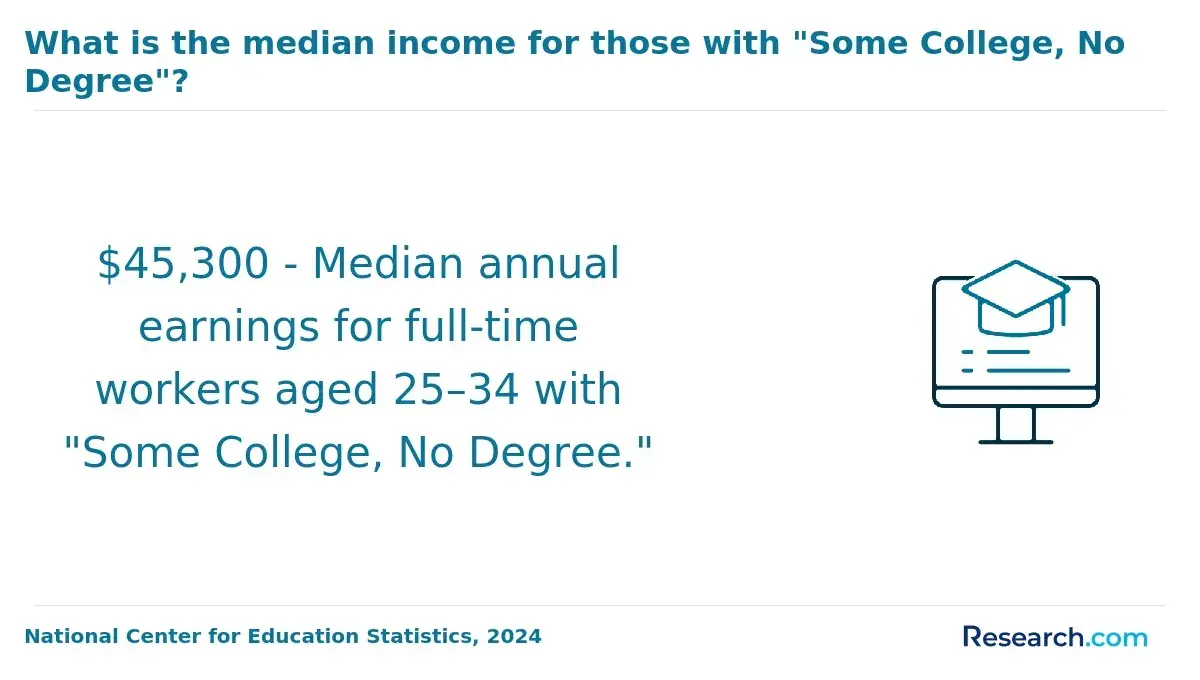
Projected employment growth for criminology-related roles through 2030 is roughly 7%, aligning with average occupational expansion but signaling modest demand relative to high-growth sectors. Candidates entering the workforce with a criminology degree face a competitive landscape, where median starting salaries typically range from $40,000 to $50,000 depending on region and role, according to the National Association of Colleges and Employers.
This reflects the broader salary and employment trends for criminology graduates in 2030, where wage growth plateaus without advanced credentials or specialized skills, posing a risk of stagnation in earnings for those remaining in entry-level positions. The supply of criminology graduates meets a labor market that increasingly values technical abilities such as data analysis and forensic technology, alongside cultural competency.
Many employers require supplemental certifications or graduate level education for upward mobility, making the total educational investment and time-to-completion critical considerations. Regional disparities persist, with urban markets generally providing more opportunities than rural areas, impacting career flexibility and long-term workforce planning.
Prospective students should critically evaluate tuition costs and career goals, weighing whether a traditional criminology pathway or a focused alternative like an online forensic psychology master's better aligns with their objectives. Enrollment trends show steady interest driven by societal concerns over justice reform, yet practical hiring realities demand alignment between education and employer expectations to optimize returns. Thus, decision-making must consider credential requirements, regional demand, and realistic salary projections to navigate the criminology degree job market outlook 2030 effectively.
References
- Online Bachelor of Criminology - Criminology Careers https://online.ben.edu/programs/undergraduate/criminology-bachelors/careers/
- How AI is Changing the Criminal Justice Field https://www.allcriminaljusticeschools.com/blog/artificial-intelligence-in-criminal-justice/
- Which jobs can remain secure until 2030 despite AI? - AEEN https://www.aeen.org/which-jobs-can-remain-secure-until-2030-despite-ai/
- What can I do with a criminology degree? https://targetjobs.co.uk/careers-advice/career-ideas/what-can-i-do-criminology-degree
- How Artificial Intelligence Will Transform the Job Market by 2030: Emerging Jobs and Opportunities Ahead - Algebra Lab https://www.algebra.hr/lab/en/how-artificial-intelligence-will-transform-the-job-market-by-2030-emerging-jobs-and-opportunities-ahead/
- Criminology degree: Is it worth it? https://www.salford.ac.uk/school-health-society/criminology-degree-is-it-worth-it
- Your Job in 2030: 5 AI Changes That Will Hit Hard | Beam AI https://beam.ai/agentic-insights/your-job-in-2030-these-5-ai-changes-will-hit-harder-than-you-think
- Artificial intelligence and the future of work: Disruptions and opportunities https://unric.org/en/ai-and-the-future-of-work-disruptions-and-opportunitie/
- Emerging Trends in Criminal Justice Careers https://online.nmu.edu/criminal-justice-careers-emerging-trends/
- AI Skills for Life and Work: Labour market and skills projections https://www.gov.uk/government/publications/ai-skills-for-life-and-work-labour-market-and-skills-projections/ai-skills-for-life-and-work-labour-market-and-skills-projections
Other Things You Should Know About Criminology
The structure of criminology programs varies considerably, with some focusing heavily on theoretical research and others prioritizing applied skills like investigation techniques or forensic analysis. Students aiming for roles in academic research or policy development should prioritize programs with rigorous research components and strong faculty mentorship. Conversely, those targeting direct employment in law enforcement or social services benefit more from practice-oriented curriculums that include internships and hands-on training, despite potentially less emphasis on theory.
Part-time and online criminology degrees offer flexibility but sometimes come at the expense of reduced networking opportunities and limited access to experiential learning like labs or fieldwork. Employers often value in-person program engagement, so students opting for these formats must proactively seek internships or professional connections to offset perceived gaps. For those balancing work and study, part-time or online pathways remain viable but necessitate greater self-discipline and strategic career planning to ensure competitive positioning post-graduation.
Salary offers in criminology-related roles vary widely depending on region and industry sector-public sector jobs in rural areas, for example, tend to pay less than private sector roles in urban centers. Graduates must consider that higher entry-level salaries often coincide with higher living costs or more demanding workloads. Prioritizing sectors known for budget constraints or slower growth means accepting lower immediate compensation but potentially greater job stability or community impact.
A specialization can make candidates highly attractive for specific roles like forensic psychology or cybercrime analysis, yet it may limit flexibility if market demands shift. Conversely, a broader interdisciplinary criminology education that incorporates law, sociology, and data analysis provides adaptability across multiple sectors but may require additional certifications for niche roles. Students should evaluate their risk tolerance and career ambitions carefully, favoring specialization when confident about their targeted path and broader study when uncertain or open to diverse opportunities.