2027 Criminology Affordability by State: Where Students Pay the Most and Least

Co-Founder and Chief Data Scientist
Choosing between a $10,000 in-state criminology program and a $30,000 out-of-state alternative can reshape a student's financial trajectory beyond tuition. Many overlook that living costs in high-tuition states often erode any perceived savings, complicating affordability calculations.
A 2024 National Center for Education Statistics report found that students in the highest tuition states borrow 25% more federally than those in lower-cost states, reflecting systemic disparities in educational access and debt burden. Such data underscore the challenge criminology students face when weighing program prestige against escalating debt and long-term financial well-being. This article examines state-by-state criminology affordability to guide students toward making informed, financially sound decisions.
Key Things to Know About Criminology Affordability by State
- States with lower published tuition often have higher living costs, offsetting affordability; this tradeoff means budget-conscious criminology students must weigh campus location expenses, not just sticker prices.
- In-state tuition discounts significantly shape workforce pipelines; states with deeper funding reduce borrowing burdens, influencing employers' local talent pools and retention in criminal justice roles.
- Expanding online criminology programs cuts access barriers but may delay practical field experience, affecting timely graduation and internship opportunities critical for career entry.
- Key Things to Know About Criminology Affordability by State Key Things to Know About Criminology Affordability by State
- Which States Have the Most Affordable Criminology Degree Programs? Most Affordable State Programs
- Which States Have the Highest Criminology Degree Costs? Highest State Tuition Costs
- How Much Does a Criminology Degree Cost by State? Degree Costs by State
- Why Does Criminology Affordability Vary So Much Between States? State Affordability Variations
- How Do In-State and Out-of-State Tuition Rates Affect Criminology Affordability? In-State vs. Out-of-State Rates
- How Does the Cost of Living Impact Overall Criminology Affordability by State? Living Costs and Affordability
- Which States Offer the Best Value for a Criminology Degree? Best Value State Degrees
- What Financial Aid and Scholarship Opportunities Can Reduce Criminology Costs? What Financial Aid and Scholarship Opportunities Can Reduce Criminology Costs?
- Are Online Criminology Degree Programs More Affordable Than On-Campus Options? Are Online Criminology Degree Programs More Affordable Than On-Campus Options?
- Is a Criminology Degree Worth the Cost Based on Career Outcomes and ROI? Degree ROI and Outcomes
Which States Have the Most Affordable Criminology Degree Programs?
State-level differences in tuition and public funding schemes strongly shape the landscape of affordable criminology degree programs, often favoring students who qualify for in-state tuition benefits. For example, states like Wyoming and Mississippi, supported by robust state allocations and policies favoring residents, deliver some of the most accessible tuition rates, with Mississippi's average in-state cost falling near $7,000 annually compared to a national average exceeding $11,000.
Such differences are not merely numerical but carry practical implications: a student from New Mexico seeking a criminology degree may pay considerably less than a peer in California, impacting not only immediate affordability but also the decision to pursue on-campus versus online options or to remain enrolled full-time. These dynamics reveal a crucial tradeoff where budget-conscious learners must weigh regional educational infrastructure and resource availability against the financial savings offered by lower-priced states.
Many prospective students encounter complex enrollment decisions influenced by the intersection of residency policies and ancillary living costs, with states offering low tuition often exhibiting reduced living expenses that further ease the overall cost burden. However, affordability does not always translate into breadth or depth of program offerings; smaller states with minimal tuition may present fewer criminology program choices or limited facilities, requiring students to assess how these constraints align with their career objectives and employer expectations.
Additionally, the presence of targeted financial aid and scholarships in certain states can substantially alter cost-effectiveness, reinforcing the importance of reviewing local funding initiatives alongside tuition figures. For those considering remote learning pathways, the expansion of online programs-including fields like the online DNP-illustrates a growing trend where geographic barriers and housing expenses become less determinative in educational affordability.
Which States Have the Highest Criminology Degree Costs?
States with the highest criminology degree costs tend to reflect complex interactions of funding cuts, local economic conditions, and institutional profiles rather than simple tuition markups. For example, Massachusetts and California face sustained reductions in state appropriations to public universities, pushing these institutions to shift a larger share of expenses onto students, with in-state tuition at public four-year schools nearing or exceeding $20,000 annually.
The elevated living costs in urban centers like Boston and Los Angeles further amplify the true financial commitment, forcing students to carefully weigh the tradeoff between program prestige and long-term debt. This dynamic favors candidates able to leverage financial aid or remote learning options, as those attending out-of-state or private institutions without residency benefits encounter substantially higher sticker prices.
The concentration of private, research-driven universities in higher-cost states also shapes affordability, as these institutions often operate with less state subsidy and maintain distinct tuition structures that can discourage budget-conscious prospects. In contrast, states with a larger footprint of community colleges or regional public universities typically offer more accessible entry points into criminology, albeit sometimes with more limited program variety or industry connections.
Students therefore face layered decisions on whether the potential employment networks in costly metro areas justify the upfront financial sacrifice or if more economical pathways elsewhere can deliver comparable outcomes with less risk of indebtedness. Data from the National Center for Education Statistics and the College Board's 2024 reports underscore how navigating these regional disparities demands a strategy beyond sticker price comparison, incorporating residency status, institutional type, and total cost of attendance into financial planning.
One student recalled scrutinizing the cost disparities between an in-state program in a high-cost northeastern state and a more affordable option in the Midwest. Despite strong recommendations for the urban program's well-regarded faculty and internship connections, concerns about the nearly double tuition and high housing expenses led to extensive research on scholarships and online credits.
The student ultimately hesitated to commit without clearer signs that the additional investment would translate into better long-term job placement, highlighting how hidden costs and uncertain returns can complicate decisions even for motivated, academically qualified applicants.
How Much Does a Criminology Degree Cost by State?
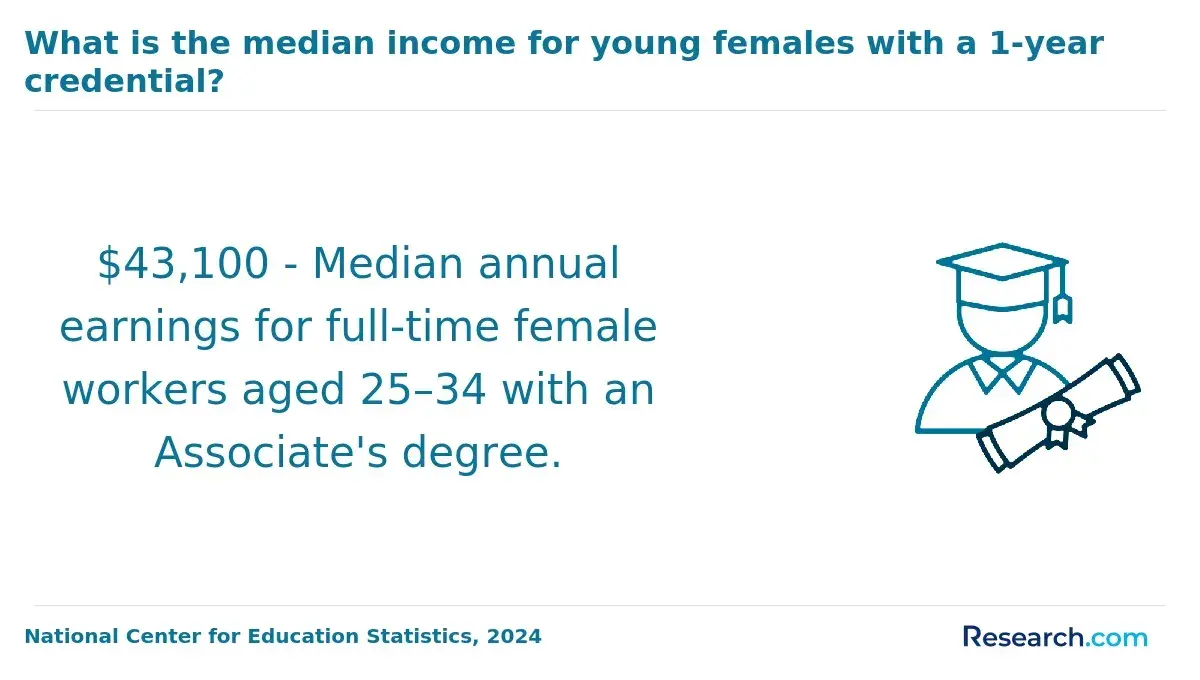
Costs for obtaining a criminology degree differ sharply by state due to variations in public versus private tuition rates, residency policies, and living expenses. For example, states like Wyoming and New Mexico have average public in-state tuition near $6,000 annually, making them notably less expensive than states such as Massachusetts and Vermont, where public tuition often exceeds $15,000 per year.
These disparities force prospective students to weigh the financial benefits of in-state enrollment against the sometimes prohibitive out-of-state premiums, which can be two to three times higher and may alter long-term debt and career planning. Residency-based tuition discounts and the scale of public university systems affect not only direct costs but accessibility to criminology programs.
Texas and Florida demonstrate how expansive public systems with resident-friendly policies can reduce financial barriers and broaden enrollment opportunities. Yet, even when tuition is manageable, the higher cost of living in regions like California or New York can substantially raise total expenses, influencing whether students choose to relocate, pursue online alternatives, or compromise on program quality and potential employer networks.
Financial aid distribution also varies, with some states offering targeted scholarships for criminal justice fields that meaningfully lower net expenses, especially for low- and middle-income learners. Students must navigate these complex trade-offs by factoring in both tuition and aid environments when selecting programs, aiming to minimize borrowing while maximizing return on investment in a job market where practical experience and institutional reputation matter.
According to 2024 data from the National Center for Education Statistics, private criminology programs nationwide typically charge tuition above $30,000 annually, underscoring the challenge of balancing costs with educational outcomes outside public systems.
Why Does Criminology Affordability Vary So Much Between States?
Variations in criminology degree cost differences by state reflect deeper funding and policy discrepancies that influence who can afford these programs locally. States such as California and New York allocate significantly larger public resources to higher education, enabling their public universities to subsidize resident tuition more deeply, whereas states with limited appropriations like Montana or Mississippi pass a greater financial burden onto students.
These disparities not only affect upfront tuition but also impact how accessible in-state enrollment is, often pushing students to consider transferring or seeking online options to manage expenses. For instance, in states with high living costs like Massachusetts, even public institutions charge premiums reflecting operational realities, prompting many candidates to balance program choice against the overall cost of living.
The mix of public versus private institutions offering criminology degrees further complicates affordability, as private colleges frequently charge substantially more, skewing average state tuition rates upward where these schools dominate. Financial aid availability and state-sponsored scholarships also vary widely, meaning two students with similar academic profiles and needs might face very different net costs depending on residency.
This state-by-state variances in criminology education expenses shape enrollment patterns and long-term educational planning, influencing whether students prioritize cost, program reputation, or regional job market alignment. In this light, budget-conscious learners should evaluate public funding levels and aid accessibility alongside institutional type and location, and for some, exploring the cheapest RN to BSN online pathways may also serve as a cost-effective comparative model for managing degree expenses amidst shifting regional dynamics.
How Do In-State and Out-of-State Tuition Rates Affect Criminology Affordability?
Residency status can decisively shape the financial landscape for students pursuing a criminology degree, influencing both access and long-term education investment. With public universities charging roughly $11,500 annually for in-state students versus about $27,000 for out-of-state enrollees, according to 2024 National Center for Education Statistics data, these disparities often force students to weigh the benefits of in-state affordability against program quality or specialization available elsewhere.
Students seeking top-tier or niche criminology offerings may confront a tradeoff-paying higher out-of-state tuition or potentially attending a less competitive program locally-while regional reciprocity agreements like the Western Undergraduate Exchange offer limited relief but exclude many prominent schools. Additionally, financial aid and state funding mechanisms generally favor residents, compounding the cost advantage for in-state students and shaping enrollment strategies grounded in residency qualification efforts or online program options that bypass traditional tuition divides.
For budget-sensitive learners, navigating residency rules and considering relocation for the sake of in-state rates can represent both an upfront challenge and a significant cost-saving strategy. However, shifting residency status is often subject to strict criteria and timing, which can complicate financial planning and enrollment decisions. Online criminology programs with flat tuition rates sometimes provide a more predictable, though occasionally pricier, alternative to out-of-state fees, especially when factoring in the total cost of attendance including housing and travel.
Therefore, the interaction between tuition rates, financial aid, residency qualifications, and program location must be weighed carefully to assess true affordability in light of long-term career and educational goals. A graduate recalled how moving to a neighboring state to access a well-ranked criminology program initially seemed financially prudent, only to discover that the strict residency reclassification rules meant paying full out-of-state tuition for the entire first year.
This unexpected expense forced reconsideration of her budget and led to exploring hybrid online courses offered by in-state institutions, which ultimately provided a balanced approach between cost control and academic quality. She reflected, "I underestimated how residency status could affect my costs beyond just tuition, especially with fees and limited financial aid for non-residents-it felt like a gamble that didn't fully pay off at first." This experience highlights the complexity and real-world impact of residency-based tuition policies on criminology students' financial and educational planning.
How Does the Cost of Living Impact Overall Criminology Affordability by State?
Assessing criminology affordability by state requires looking beyond tuition to the broader impact of cost of living and criminology degree costs by state, which vary widely and influence the real financial demands students face. For example, a student attending a university in California may pay similar tuition as one in Ohio but encounter two to three times higher housing expenses, significantly shifting the total burden.
This discrepancy can force students to seek additional work hours or loans, affecting both academic success and the accumulation of long-term debt, particularly in high-cost urban centers where transportation and food costs further strain budgets. The regional living expenses impact on criminology affordability also extends to factors like healthcare and utilities, which tend to be more expensive on the West Coast and Northeast compared to the Midwest or South.
Rural states often lack public transit infrastructure, pushing students to rely on personal vehicles, increasing costs for fuel and insurance. These variables critically shape financial aid needs and commuting decisions, influencing whether students consider online pathways or local institutions. Those exploring alternative degree-completion strategies may also evaluate options like DNP online no clinicals programs to manage total education costs without sacrificing flexibility or professional goals.
Which States Offer the Best Value for a Criminology Degree?
Evaluating the true value of a criminology degree across states requires balancing tuition costs with graduation rates, financial aid accessibility, and local economic opportunities. For instance, a student considering Wyoming might benefit from lower in-state tuition-often under $6,000 annually-and a graduation rate around 60%, which can reduce cumulative debt despite the state's smaller population and job market.
Conversely, states with higher tuition but stronger labor demand, such as North Carolina, leverage significant public funding and regional employer connections that often translate into better hiring prospects post-graduation, illustrating that a cheaper sticker price does not always equate to better value. Affordability varies significantly when factoring in cost of living, transfer pathways, and scholarship networks; New Mexico exemplifies this with lower-cost community college options and targeted scholarship programs that ease financial burdens while maintaining competitive completion rates.
Students must also weigh whether pursuing in-state residency benefits justifies relocation versus enrolling out of state or online, especially in regions where tuition differentials and living costs sharply diverge. High-cost states like California and New York often impose heavier debt loads without proportional gains in employment outcomes for many graduates, emphasizing the crucial need to assess how state education policies intersect with regional economic realities before deciding where to pursue a criminology degree.
What Financial Aid and Scholarship Opportunities Can Reduce Criminology Costs?
Financial aid significantly shapes the true cost of pursuing a criminology degree, with federal aid programs like Pell Grants reducing financial barriers, especially for low-income students. However, complexities arise as eligibility criteria, enrollment status, and renewal conditions vary widely, influencing how much support a student actually receives. For example, a student attending a public university in a high-tuition state without robust state grant funding may still face steep costs despite federal aid, illustrating how layered policies on aid stacking and residency requirements can amplify disparities across states.
State-level grants and scholarships often provide targeted assistance but vary dramatically in availability and focus, creating uneven geographic affordability. Institutional scholarships, while potentially substantial at flagship universities with larger endowments, are typically competitive and rely heavily on merit or demonstrated financial need.
Employer tuition assistance, common among working students in criminal justice fields, adds another dimension yet depends on regional sector commitments and job continuity. According to the National Center for Education Statistics, about 85% of criminology and criminal justice students receive some form of financial aid, underscoring widespread reliance on multiple, intersecting aid sources when weighing educational investment options in this field.
Are Online Criminology Degree Programs More Affordable Than On-Campus Options?
The assumption that online criminology degree affordability comparison will always favor remote programs overlooks key nuances. While national data from 2024 suggests that online tuition can be 15-25% lower than in-state campus rates, this advantage often diminishes when factoring in technology fees, required hardware investments, and variable state residency policies that affect tuition eligibility. For example, a student residing out of state may pay significantly higher online tuition than a local on-campus peer, negating typical savings from eliminating commuting or housing costs.
Cost differences between online and on-campus criminology programs also hinge on financial aid structures and opportunity costs related to employment. Some scholarships or tuition discounts specifically exclude online students, forcing those learners to absorb a higher net cost, while others enroll part-time working adults who benefit from reduced opportunity costs by maintaining full employment. Moreover, online programs may charge additional course or platform fees not reflected in published tuition rates, eroding apparent affordability and complicating budgeting for prospective students.
Evaluating these tradeoffs is crucial before assuming online criminology options are categorically cheaper. Students should analyze their own residency status, aid eligibility, and the total cost of attendance, including hidden fees and personal time constraints. Those seeking flexible study models might also investigate related fields, such as online school psychology programs, to understand how affordability compares across disciplines with similar delivery challenges.
Is a Criminology Degree Worth the Cost Based on Career Outcomes and ROI?
Assessing the value of a criminology degree requires more than analyzing tuition costs; students must consider geographic disparities and institutional factors that affect career outcomes. For example, while states like California and New York typically feature tuition exceeding $15,000 annually, states such as Florida or Texas offer similar programs below $7,000, impacting long-term debt and financial recovery.
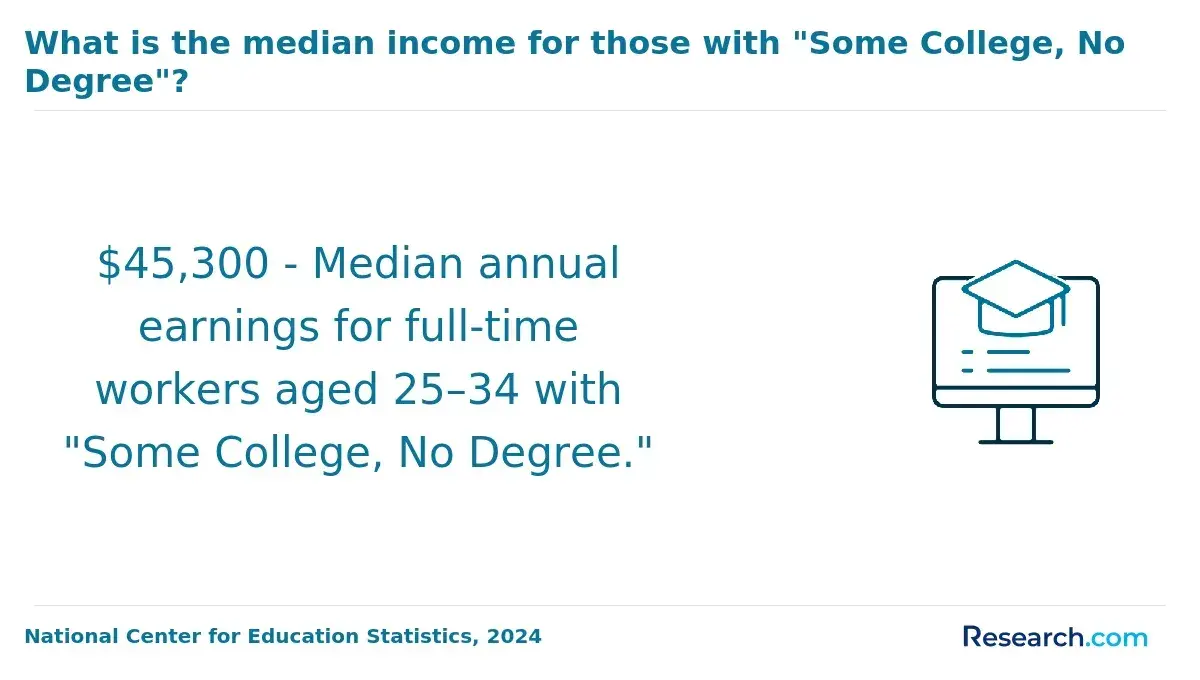
Graduates with substantial borrowing-often over $25,000 nationally-face delayed economic gains, especially in mid-level starting salaries generally between $40,000 and $50,000. Students should thus weigh these affordability differences carefully alongside graduation rates and program completion efficiency, as prolonged enrollment elevates total costs and defers entry into the workforce.
Beyond upfront costs, return on investment for criminology graduates in the United States depends on factors like career goals, geographical mobility, and the ability to incorporate practical experience through internships. For example, students leveraging their undergraduate coursework as a stepping stone to become a drug counselor online or pursue specialized addiction recovery pathways often find that hands-on skills and targeted certifications improve prospects despite moderate salary growth projected at about 6% over the next decade.
References
- Criminology Degree: Career Outcomes, ROI & Job Market Reality | JobPolaris https://jobpolaris.com/majors/criminology
- REDI-Updates: How Does the Cost-of-Living Crisis Compare Internationally? https://blog.bham.ac.uk/cityredi/redi-updates-how-does-the-cost-of-living-crisis-compare-internationally/
- Should I Get My Bachelor’s Degree in Criminal Justice Online? | CSU Global https://csuglobal.edu/blog/should-i-get-my-bachelors-degree-criminal-justice-online
- Is College Worth it? | Return on Investment Analysis of College Degree https://educationdata.org/college-degree-roi
- Your Guide for College Financial Aid - Finaid https://finaid.org/
- Most Affordable Online Criminal Justice Programs: Find a School https://www.degreesforgood.org/online-degrees/criminal-justice-programs/most-affordable/
- Importance of Cost of Living | Goldwater Institute https://www.goldwaterinstitute.org/cost-of-living/
- Graduate & Undergraduate Programs in Criminology / Criminal Justice / Related Fields https://asc41.org/resources/education-research/graduate-undergraduate-programs-in-criminology-criminal-justice-related-fields/
- Talking Points on Tuition Equity: Why States Should Offer In-State Tuition to All Residents | Catholic Legal Immigration Network, Inc. (CLINIC) https://www.cliniclegal.org/resources/state-and-local/talking-points-tuition-equity-why-states-should-offer-state-tuition-all
- College Affordability Still Out of Reach for Students with Lowest Incomes, Students of Color https://www.ihep.org/college-affordability-still-out-of-reach-for-students-with-lowest-incomes-students-of-color/
Other Things You Should Know About Criminology
State funding priorities impact tuition trends but also affect program quality and available resources, which directly influence the learning experience. Programs in states with stronger investment often offer smaller class sizes, more faculty engagement, and better access to internships. While these benefits can justify higher upfront costs, students must weigh whether paying more in a better-supported environment aligns with their career aspirations and capacity to manage debt.
Yes, employer demand varies significantly by state, affecting post-graduation employment opportunities and salary levels. Investing in a higher-cost program in a state with robust law enforcement or public safety agencies and established criminology networks may yield better job placement and higher starting salaries. Conversely, attending a more affordable program in a state with limited industry demand might reduce return on investment unless students plan to relocate for work.
Program length, curriculum intensity, and practical components such as internships vary state by state, altering total costs beyond tuition alone. States emphasizing hands-on training or extended practicum requirements may increase expenses due to unpaid fieldwork or additional semesters. Students should evaluate not only tuition but also opportunity costs related to program design to make financially informed choices aligned with their learning preferences and career timelines.
Prioritizing in-state enrollment generally offers better tuition rates and potential access to state-funded support, making it a practical choice in pricier states. However, students should also assess in-state program reputation and employer connections-paying slightly more to attend an out-of-state school with stronger industry ties could yield superior long-term returns. The decision should balance immediate affordability with future career prospects.