2027 Educational Administration Degree Popularity by Gender, Region, and Degree Level

Co-Founder and Chief Data Scientist
A prospective educational administration student researching programs will quickly notice stark differences in enrollment patterns across states and degree levels. For example, in 2024, women accounted for nearly 70% of new educational administration master's enrollees nationwide, highlighting significant gender concentration that shapes peer networks and hiring expectations in the field. Meanwhile, regional demand varies sharply; the South shows higher bachelor's completion rates, while the Northeast leads in doctoral enrollments. These disparities influence perceptions of program quality, access to leadership roles, and local workforce supply.
Understanding how gender, geography, and degree level intersect is crucial to assessing educational administration's real-world value and career implications. This article examines these factors to help readers navigate educational administration degree popularity by gender, region, and degree level for informed decisions.
Key Things to Know About Educational Administration Degree Popularity by Gender, Region, and Degree Level
- Male enrollment in educational administration programs declined by 12% nationally since 2024, indicating shifting gender dynamics that may affect leadership diversity and challenge traditional hiring pools.
- Regional disparities show highest enrollment in the Northeast, reflecting robust institutional networks but raising concerns about access and resource imbalances for aspiring administrators in rural areas.
- Master's degrees dominate enrollments due to cost-effective timing and employer preferences, yet this tradeoff limits advanced specialization available through doctoral pathways, impacting long-term leadership roles.
- Key Things to Know About Educational Administration Degree Popularity by Gender, Region, and Degree Level Key Things to Know About Educational Administration Degree Popularity by Gender, Region, and Degree Level
- How Does Job Market Demand Influence Educational Administration Degree Popularity? Market Demand and Degree Popularity
- How Does Online Educational Administration Degree Enrollment Compare to Traditional Campus Programs? Online vs. Campus Enrollment
- What Degree Level Is Most Common Among Educational Administration Students? Most Common Degree Levels
- How Do Enrollment Trends Differ Between Associate, Bachelor's, Master's, and Doctoral Educational Administration Degrees? Enrollment Trends by Degree Level
- How Popular Is the Educational Administration Degree Compared to Other College Majors? Degree Popularity vs. Other Majors
- Why Is the Educational Administration Degree More Popular in Certain States and Regions? Regional Popularity Drivers
- What Demographic Groups Are Driving Growth in Educational Administration Degree Programs? Growth by Demographic Groups
- What Is the Future Outlook for Educational Administration Degree Enrollment by Gender, Region, and Degree Level? What Is the Future Outlook for Educational Administration Degree Enrollment by Gender, Region, and Degree Level?
- How Have Educational Administration Degree Enrollment Trends Changed Over the Past Decade? How Have Educational Administration Degree Enrollment Trends Changed Over the Past Decade?
- Where Is the Educational Administration Degree Most Popular Across the United States? Geographic Popularity Analysis
How Does Job Market Demand Influence Educational Administration Degree Popularity?
Job market demand directly influences enrollment patterns in educational administration degree programs by shaping employer preferences for credentials and regional workforce needs. For example, states like Texas and Florida, which are experiencing growth in school districts and higher education sectors, show higher demand for educational administration degrees, reflected in increased regional enrollment.
However, this demand is not uniform; candidates often weigh the requirement for advanced degrees against the availability of certifications and on-the-job opportunities, especially where formal licensure is flexible. As a result, some prospective students pursue alternative routes, affecting degree popularity despite steady job openings.
Gender differences in enrollment also interact with these workforce trends, as the field historically attracts more women but shows rising male participation at graduate levels due to leadership role expectations. While job market demand signals influence these shifts, cultural dynamics within educational institutions and hiring practices contribute to uneven gender representation.
Additionally, regional employment trends affecting educational administration degree popularity extend beyond raw vacancy numbers; local economic conditions, credential standards, and emerging skill demands in areas like data management and diversity leadership mediate who pursues these degrees and at what level. Students evaluating long-term career paths must consider these layered factors to align their educational investments with practical employability outcomes and growth sectors.
The evolving requirements in educational administration reflect broader shifts in workforce needs, where specialized skills increasingly complement traditional degrees. For those assessing program options, understanding how these labor insights connect with enrollment trends is crucial—particularly in contexts where strong job demand might not translate to higher degree uptake due to alternative credentialing or market fragmentation.
Those interested in related fields may also explore the growing overlap with healthcare systems, where administrative expertise is sought after, as evidenced by resources on healthcare administration. Ultimately, interpreting job market signals alongside gender, regional, and degree-level nuances offers a more strategic framework for prospective students navigating educational administration's complex landscape.
How Does Online Educational Administration Degree Enrollment Compare to Traditional Campus Programs?
The surge in online educational administration enrollment over recent years reflects a shifting landscape where accessibility and flexibility drive participation more than traditional campus presence. Data from the National Center for Education Statistics shows a roughly 25% increase in students enrolled exclusively in online graduate programs between 2019 and 2023, while on-campus enrollment remained fairly steady or declined slightly. This trend largely benefits working professionals and those in geographically isolated areas who cannot relocate or adjust schedules easily, though it also creates divergent student experiences and completion outcomes compared to campus-based programs.
Notably, online educational administration programs draw more mid-career students seeking convenience, while traditional campus programs still dominate at the doctoral level, where intensive research collaboration and face-to-face mentorship are more deeply embedded. Employers often weigh these distinctions, valuing in-person experiences more highly for advanced degrees. The contrast between modalities also influences who enrolls and persists; online students typically bring more practical experience but may struggle with engagement and networking, contributing to wider completion rate variability in online formats compared to the more consistent outcomes observed in campus programs.
A graduate reflecting on this choice recalled initially viewing online programs as a fallback due to a lack of local campus options and tight work commitments. While skeptical of the perceived popularity and depth of campus programs, the flexibility of online classes ultimately proved essential for balancing family and job demands. However, the absence of spontaneous peer interaction and in-person faculty guidance sometimes left them questioning if their education would be equally valued by hiring committees, illustrating the nuanced considerations prospective students face when weighing program format beyond mere convenience.
What Degree Level Is Most Common Among Educational Administration Students?
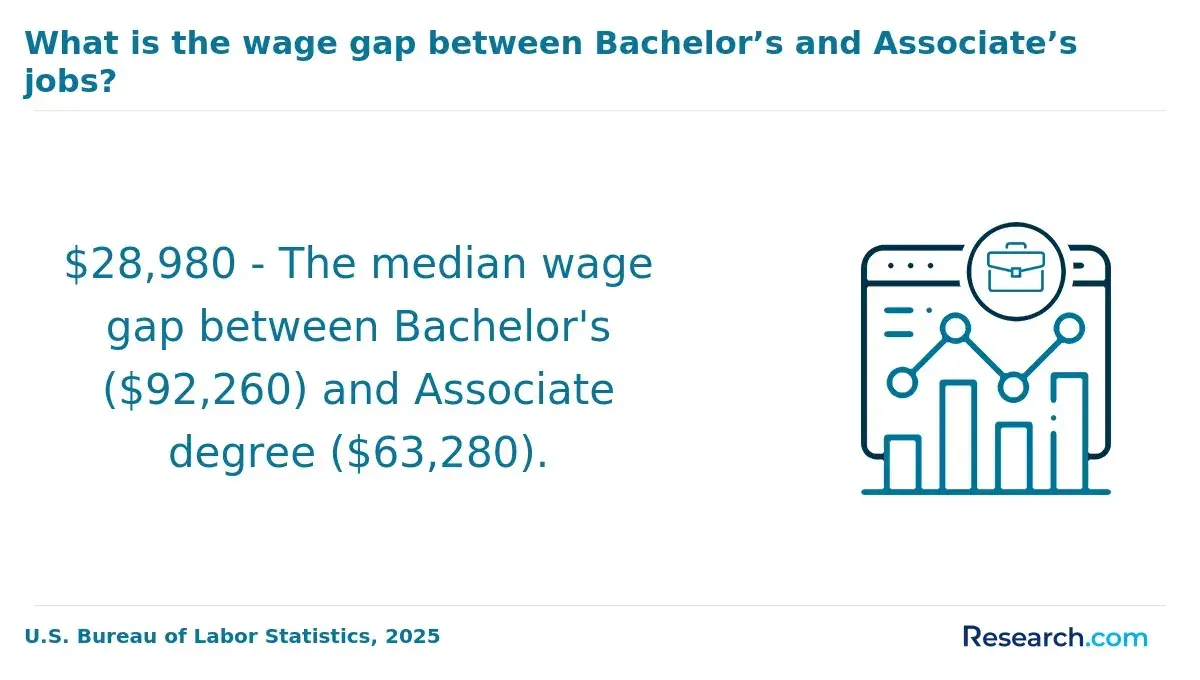
Master's degrees dominate educational administration enrollments and completions, reflecting their critical role as the preferred credential for leadership positions within K-12 and postsecondary institutions. Data from the National Center for Education Statistics and IPEDS reveal that around 60% to 70% of graduates in this field hold master's-level qualifications, underscoring employer preference and state licensing demands that position these degrees as the minimum standard for roles such as principals and superintendents. This concentration arises because master's programs balance theoretical insights and applied skills, aligning directly with the qualifications many districts require, making them a pragmatic choice for career-focused candidates.
Meanwhile, associate and bachelor's degrees in educational administration see far less enrollment partly due to their limited applicability for direct leadership roles; bachelor's programs often emphasize broader education and teaching foundations rather than specialization in administration. Students seeking administrative careers typically need to pursue graduate-level study to meet credentialing and competitive hiring expectations. Doctoral programs account for a smaller, more specialized cohort—roughly 5% to 10%—primarily attracting those targeting academic, research, or high-level systemic leadership careers, which demand significant time and resource investment compared to practitioner-focused master's paths.
The rise of online master's programs has further expanded accessibility and flexibility, allowing working professionals to maintain employment while advancing credentials, a factor strengthening master's degree prevalence. Regional certification requirements also influence enrollment patterns, with states enforcing stricter standards seeing higher master's participation. Ultimately, the widespread adoption of the master's degree among educational administration students reflects a convergence of workforce expectations, licensing norms, and the practical necessity of securing recognized qualifications for meaningful leadership roles in education.
How Do Enrollment Trends Differ Between Associate, Bachelor's, Master's, and Doctoral Educational Administration Degrees?
Enrollment trends in educational administration reveal clear distinctions reflecting the interplay between workforce demands and student objectives. Associate degrees remain steady but represent fewer than 10% of completions, mostly serving those seeking immediate skill acquisition or lateral transfers due to limited direct career pathways at this level. In contrast, bachelor's degree enrollment captures about 35% of graduates, often chosen by students balancing entrance into education roles with aspirations for higher qualifications; these programs show notable female predominance and respond to regional differences in educational administration degree enrollment patterns, reflecting varied institutional availability and local labor market needs.
Master's degrees dominate the field, accounting for roughly half of credential completions in 2024, driven by licensure prerequisites and employer expectations for advanced leadership competencies within education settings. Their flexible formats accommodate both urban and rural candidates, supporting a diverse enrollment base aligned with practical professional advancement. Doctoral programs attract a much smaller but more heterogeneous group focused on research, policy, and higher education leadership, illustrating a strategic choice for those pursuing specialized influence beyond administrative roles.
For prospective students weighing options, these patterns underscore crucial tradeoffs in time, cost, and career potential, shaping educational planning and long-term trajectories within educational administration. Those seeking quicker, career-oriented credentials may explore pathways like fast track medical LPN programs in allied fields for comparison, while educational administration candidates must balance demographic trends, regional availability, and credentialing requirements for informed decision-making.
How Popular Is the Educational Administration Degree Compared to Other College Majors?
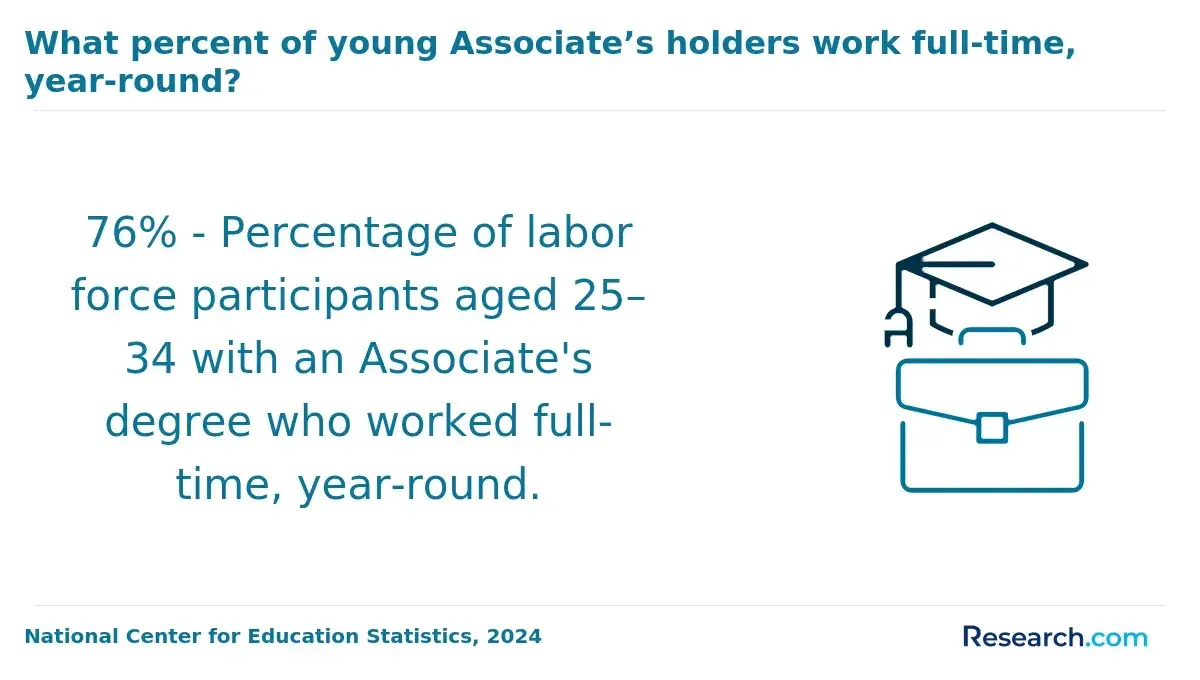
The relative modesty of educational administration enrollment compared to majors like business or health sciences reflects its position as a specialized, graduate-focused field rather than a broad undergraduate pathway. Data from the National Center for Education Statistics in 2024 shows that while bachelor's degree completions in educational administration lag behind more popular disciplines, master's-level enrollment has risen steadily, responding to sector-specific demand for qualified leaders in education. This limited undergraduate footprint can affect program resources, peer diversity, and elective options but often aligns with labor market realities where advanced credentials are typically required for administrative roles.
Demographics reveal a gender skew towards female graduates in educational administration, consistent with broader patterns in education-related professions, though some regions report more balanced participation at the graduate level. Geographic variations relate closely to state certification policies and the prevalence of public education systems, with the Midwest and South showing higher enrollment concentrations. These factors contribute to a nuanced popularity profile where undergraduates may hesitate to choose educational administration due to smaller cohort sizes and perceived limited flexibility outside education leadership tracks.
One graduate recalled initially questioning the appeal of educational administration given its lower visibility compared to other majors at their institution. Their small class size contrasted sharply with the crowded business courses, which prompted conversations with advisors about long-term career requirements and the importance of master's credentials in school leadership. Despite early reservations, this student came to appreciate the focused community and clear alignment between degree content and job expectations, recognizing that educational administration's niche demanded deliberate commitment rather than mass enrollment appeal.
Why Is the Educational Administration Degree More Popular in Certain States and Regions?
The variability in educational administration degree demand by state reflects more than simple enrollment figures; it signals underlying workforce dynamics and institutional access challenges that shape student decisions. For instance, states like California, Texas, and New York maintain larger public school systems and consequently offer a denser labor market for educational leadership, which attracts more candidates to these programs.
This concentration influences networking opportunities and perceived degree value, as graduates benefit from established professional communities and clearer pathways into administrative roles. Conversely, states with smaller or less funded systems often see lower enrollment, limiting peer interaction and potentially constraining career advancement options despite local need.
Regional trends in educational administration programs also strongly correlate with demographic shifts and state educational priorities that affect program development and accessibility. Areas with older educator populations or rising female participation in teaching roles experience increased demand as these groups seek administrative credentials before career transitions. Additionally, the expansion of online cohort models provides critical access to rural candidates, mitigating geographic constraints otherwise limiting degree attainment.
However, disparities in state certification requirements and salary structures continue to influence regional attractiveness for entering or remaining in educational administration careers, requiring students to weigh practical implications carefully. For those balancing education and employment, pathways like a CMA to LPN bridge program illustrate how targeted, stepwise credentialing in related fields can offer alternative advancement routes outside traditional educational administration pathways.
What Demographic Groups Are Driving Growth in Educational Administration Degree Programs?
The predominance of women in educational administration degree programs—comprising around 70% of enrollees—reflects entrenched gender roles within school leadership, especially in lower grade levels. This majority shapes classroom dynamics, networking opportunities, and peer interactions within programs but also signals a potential challenge for diversifying leadership perspectives in educational management.
The marked rise in online and adult learner participation, nearly half of recent entrants, underscores the tension between traditional full-time study and the practical necessity of flexible pathways for working professionals, often requiring programs to adapt delivery methods and support services to accommodate varied schedules and career backgrounds.
Regionally, the Southern and Western United States are experiencing the fastest growth in educational administration enrollment, driven by demographic expansion and heightened investment in public education systems. States like Texas, Florida, and California exemplify this surge, reflecting broader workforce shifts necessitating culturally competent leadership to address increasingly diverse student populations.
Meanwhile, the notable increase in doctoral program enrollments among mid-career educators indicates growing employer expectations for leaders equipped to navigate complex policy and strategic challenges, though such advanced degrees may demand substantial time and financial commitments, compelling students to weigh immediate employability against longer-term leadership aspirations.
What Is the Future Outlook for Educational Administration Degree Enrollment by Gender, Region, and Degree Level?
Enrollment in educational administration degrees is poised for uneven shifts driven by demographic and regional factors rather than uniform growth. Female students currently constitute about 65% of enrollments, reflecting sustained dominance in the field, though modest increases in male participation are expected as recruitment strategies and cultural perceptions around leadership evolve. Regional disparities will shape opportunities significantly: Southern and Western states, buoyed by population increases and district expansions, are likely to see enrollment rises, whereas Northeastern and Midwestern regions might face stagnation or declines due to stable or shrinking school-age populations and institutional consolidations.
Degree-level demand also reflects nuanced tradeoffs between accessibility and professional ambition. Master's programs will remain essential for initial certification and midcareer advancement, but a growing segment of candidates is pursuing doctoral degrees—such as EdD and PhD—that align with employers' rising expectations for advanced skills in policy, research, and complex administrative functions.
This shift not only raises the bar for entrance into top-tier leadership roles but may limit accessibility due to capacity constraints at elite institutions. Additionally, the expansion of online and hybrid formats is enabling working professionals to balance educational attainment with employment, broadening access but also intensifying competition among geographically diverse cohorts.
These intersecting trends imply important consequences for prospective students and current professionals weighing educational pathways. Regional enrollment trends will influence program availability and the relevance of credentials within local job markets, while degree-level choices will carry implications for career trajectories and employability in a field increasingly valuing advanced qualifications.
Understanding these dynamics is critical for making informed academic and workforce decisions amid evolving educational administration landscapes. The National Center for Education Statistics provides key data supporting these enrollment and demographic patterns.
How Have Educational Administration Degree Enrollment Trends Changed Over the Past Decade?
Enrollment trends in educational administration degree programs over the past decade highlight significant shifts in participation related to gender, degree level, and region, revealing complex dynamics that influence pathways into leadership roles. While master's programs remain the cornerstone of educational administration study, reflecting the profession's escalating credential requirements, bachelor's degree completions have slightly declined.
This pattern underscores a labor market increasingly valuing advanced credentials, particularly amid growing regulatory demands and a competitive administrative job landscape. Such shifts compel prospective students to weigh the tradeoffs between longer commitment to graduate study and its practical payoff in employability and professional standing.
Changes in gender and regional enrollment patterns for educational administration degrees further illustrate evolving workforce realities. Women constitute roughly 65% of enrollees, a continuation of the gendered demographics shaping educational leadership pipelines, with online and hybrid formats notably enhancing access for female candidates in underserved and rural areas. Regionally, growth is concentrated in the South and Southwest, where expanding K-12 administrative staffing and demographic growth drive demand, contrasting with some declines in the Northeast and Midwest due to fiscal constraints and stable or shrinking youth populations.
These affect program availability and perceived degree relevance, influencing long-term career strategies. Students and graduates must carefully consider these nuances alongside marketplace pressures found in related fields such as autopsy technician jobs, where educational requirements and job availability also follow distinct yet instructive patterns.
Where Is the Educational Administration Degree Most Popular Across the United States?
Educational administration degree popularity is concentrated in regions where robust public school systems coincide with sizable and diverse populations, creating strong demand for qualified educational leaders. Southern and Midwestern states notably exhibit higher enrollment due to well-established K-12 networks and multiple universities offering accessible, advanced programs. These factors combine to cultivate educational markets where degrees hold tangible local value and networking opportunities among aspiring administrators are richer.
The regional enrollment trends in educational administration programs reveal practical tradeoffs for students: those in high-demand states often benefit from proximity to metropolitan hubs such as Dallas-Fort Worth or Chicago, where professional pathways and program variety expand. Conversely, Northeastern states' comparatively lower enrollment can reflect different certification models or alternative career routes within education, affecting perceived degree relevance there. Prospective students must weigh these geographic disparities, as clustered program availability influences both degree selection and employment prospects.
Such concentration underscores workforce realities, where labor market needs and institutional density dictate the educational administration degree's appeal. This situation parallels broader professional program access differences; for example, navigating options for easy LPN programs to get into similarly requires attention to regional variations. Understanding these dynamics is critical for students aligning their educational strategies with local career environments and long-term employability.
References
- Types of College Degrees https://www.act.org/content/act/en/students-and-parents/high-school-success/what-to-do-after-high-school/college-degrees.html
- Most Popular Schools for Educational Administration in the United States - Grad Degree https://graddegree.com/majors/education/educational-administration/rankings/most-popular/
- Swiss Education Education | Swiss International University in Zurich - Bishkek - Dubai - Luzern - London - Riga and online https://www.swissuniversity.com/education
- Trends for the Future of Education: How Cairn’s EdD Equips You to Lead https://cairn.edu/trends-for-the-future-of-education-how-cairns-edd-equips-you-to-lead/
- Degrees of difference: Male college enrollment and completion https://aibm.org/research/male-college-enrollment-and-completion/
- 2026 Higher Education Trends https://www.deloitte.com/us/en/insights/industry/articles-on-higher-education/2026-higher-education-trends.html
- Online Degree vs. Traditional: Choosing the Right Path https://beal.edu/online-degree-vs-traditional/
- Learning with Their Feet: Student Enrollment Trends in Postsecondary Education by College Quality | American Enterprise Institute - AEI https://www.aei.org/research-products/report/learning-with-their-feet-student-enrollment-trends-in-postsecondary-education-by-college-quality/
- 68 Best Masters Degrees Education Management courses In the USA 2026 https://www.hotcoursesabroad.com/study/training-degrees/us-usa/masters/education-management-courses/loc/211/slevel/57-3-3/cgory/o14-3/sin/ct/programs.html
- Which states are the most educated? | USAFacts https://usafacts.org/articles/which-states-are-the-most-educated/
Other Things You Should Know About Educational Administration
While more women traditionally enroll in educational administration degrees, men's participation often clusters in regions or institutions focused on leadership and policy. If you identify with a gender underrepresented in your region or program, consider how that might affect peer support, networking, and mentorship opportunities. Choosing programs with diverse cohorts or strong support structures can mitigate potential isolation and enhance career readiness in environments where gender balance impacts professional connections.
Regional disparities not only influence degree popularity but also shape employer expectations and available career paths. Degrees from regions with robust educational systems or higher public investment in school leadership may better align with local standards and advancement opportunities. Prospective students should weigh the local reputation and alignment of programs with regional educational policy trends to maximize employability and relevance.
Advanced degrees, such as doctorates, open doors to leadership roles in policy, research, or higher education but often come with increased workload and delayed workforce entry. Individuals aiming for superintendent or academic research positions may prioritize these, while those targeting school-level administration might find master's degrees sufficient and more pragmatic. Balancing career goals against program intensity and time commitment is essential for making an informed decision.
Employers generally expect at least a master's degree for school leadership roles, but doctoral degrees can distinguish candidates for district-level or policy positions. However, overqualification for certain roles may limit hiring options and delay promotion if practical experience is undervalued. Students should prioritize degree levels aligned with targeted career tiers to avoid unnecessary educational expense while optimizing advancement potential.