2027 Educational Administration Degree Oversupply or Undersupply? Student Volume vs Employer Demand

Co-Founder and Chief Data Scientist
A prospective student weighing enrollment in educational administration must consider the 2024 data revealing an annual graduate output exceeding 15,000 nationwide, while advertised administrative vacancies have only grown by 4% over the past two years. This disparity suggests rising competition and potential credential inflation in many regions, especially urban centers where demand plateaus. Simultaneously, employer expectations increasingly emphasize specialized leadership skills and experience beyond degree credentials, complicating entry-level placement. Underemployment risks grow as oversupply meets stagnant hiring. For current degree holders and educators, recognizing these patterns is vital for advising and program adjustments. This article compares educational administration student volume with employer demand, job growth, industry needs, regional conditions, and skill gaps to help readers judge whether the field offers sustainable opportunities or rising competition.
Key Things to Know About Educational Administration Graduate Supply and Employer Demand
- Educational administration graduate completions increased 7% from 2022 to 2024, yet job openings grew only 3%, signaling rising entry-level competition and a potential oversupply in traditional K-12 leadership roles.
- Employers emphasize specialization in areas like equity and digital transformation, highlighting a skills mismatch where generalist graduates face weaker demand despite overall program growth.
- Regional disparities persist as rural districts report a 15% shortage of qualified administrators, suggesting timing and cost tradeoffs for students considering relocation or tailored credentials for geographic flexibility.
- Key Things to Know About Educational Administration Graduate Supply and Employer Demand Key Things to Know About Educational Administration Graduate Supply and Employer Demand
- Is There an Oversupply or Undersupply of Educational Administration Graduates? Graduate Oversupply or Shortage
- How is Educational Administration Degree Enrollment Changing? Degree Enrollment Trends
- How Many Educational Administration Graduates Enter the Workforce Each Year? Annual Graduate Workforce Entry
- Does Job Growth Support the Rising Supply of Educational Administration Graduates? Job Growth Versus Supply
- How Competitive is the Entry-Level Market for Educational Administration Graduates? Entry-Level Market Competition
- Which Industries Have the Greatest Demand for Educational Administration Graduates? Top Hiring Industries
- Where are Educational Administration Graduates Most in Demand? Top Geographic Demand
- Which Educational Administration Specializations and Degree Levels Face the Strongest Demand? Which Educational Administration Specializations and Degree Levels Face the Strongest Demand?
- Are Employer Skill Gaps Affecting Demand for Educational Administration Graduates? Are Employer Skill Gaps Affecting Demand for Educational Administration Graduates?
- What is the Future Supply-and-Demand Outlook for Educational Administration Graduates? Future Supply-Demand Outlook
Is There an Oversupply or Undersupply of Educational Administration Graduates?
The balance between educational administration graduate supply and employer demand is nuanced, showing national-level parity that masks significant regional and specialization-based variation. While data from authoritative sources like the U.S. Department of Education's NCES and BLS indicate that graduate volume roughly matches openings nationwide, markets such as Texas and California with expanding K-12 and higher education sectors experience shortages, creating localized undersupply. Conversely, in areas with stagnant student populations-especially parts of the Midwest and Northeast-greater graduate numbers intensify competition for a limited number of administrative roles, illustrating how geographic trends critically shape graduate prospects and often outweigh aggregate supply-demand ratios.
Specialization within educational administration distinctly influences market dynamics, as graduates focusing on higher education administration, particularly in student affairs or institutional research, tend to navigate less saturated jobs compared to those pursuing K-12 principal or district leadership roles, where oversupply is more pronounced. Furthermore, employer demand for combined experience and leadership credentials raises barriers despite steady graduate production levels, contributing to credential mismatches and intensifying competition for entry-level superintendent or policy positions-especially among master's degree holders. These complexities highlight why straightforward graduate-to-job comparisons can mislead prospective students considering program enrollment or career moves within educational administration graduate supply and employer demand analysis, underscoring the value of geographic flexibility and targeted specialization strategies.
Decision-making for those entering or advancing in the field must weigh these regional and specialization disparities against modest national employment growth projections of around 5%. For example, a graduate from a program designed for swift credential attainment, such as a medical assistant accelerated program in an unrelated field, may face notably different competitive pressures than one in educational administration whose degree matches or surpasses demand only unevenly across locales. Recognizing these labor market intricacies helps applicants interpret evolving workforce realities more effectively, avoiding oversimplified assumptions about oversupply or undersupply that can negatively influence career trajectories in this complex administrative landscape.
How is Educational Administration Degree Enrollment Changing?
Enrollment in educational administration programs is experiencing a nuanced shift rather than straightforward growth or decline, with decreasing numbers in traditional on-campus formats being offset by rises in online and hybrid program participation. This redistribution suggests that while overall student volumes may contract modestly, especially at the master's level, there is sustained engagement in more flexible delivery modes that cater to working professionals. Employer demand, meanwhile, remains stable but not expansive, creating a landscape where graduates face significant competition for a limited pool of administrative positions, particularly in district and school leadership roles. Misinterpreting this pattern-such as assuming that enrollment declines mean easier job prospects-can lead candidates to underestimate the impact of credential inflation and the premium placed on practical experience and specialized skills.
The demographic diversification of enrollees adds complexity to workforce supply projections, as increasing representation from underserved groups aligns with broader inclusion efforts but does not yet translate into dramatically altered labor market dynamics. Doctoral completions, though fewer, are growing slightly, reflecting a niche focus on advanced policy and leadership roles that remain competitive and regionally concentrated. National enrollment trends provide a useful headline but mask important regional variations where the saturation of graduates can worsen competition or leave shortages in less-served areas. As online program growth broadens access, it expands the candidate pool but also heightens the challenge for graduates to differentiate themselves in a market with relatively steady employer demand constrained by budget and demographic factors, demanding a strategic approach to credential acquisition and career planning.
A student currently enrolled in an educational administration online master's program remarked on their cohort's evolving size and composition: "Our group has definitely grown over the past couple of years, mostly because the program added more evening and weekend courses to accommodate working educators. The diversity in background and experience is greater now, which is positive, but some peers worry that more graduates might mean tougher competition, especially since the job market hasn't expanded much locally. I'm trying to focus on gaining leadership experience alongside the degree to make myself more competitive rather than relying on enrollment numbers alone to predict opportunity."
How Many Educational Administration Graduates Enter the Workforce Each Year?
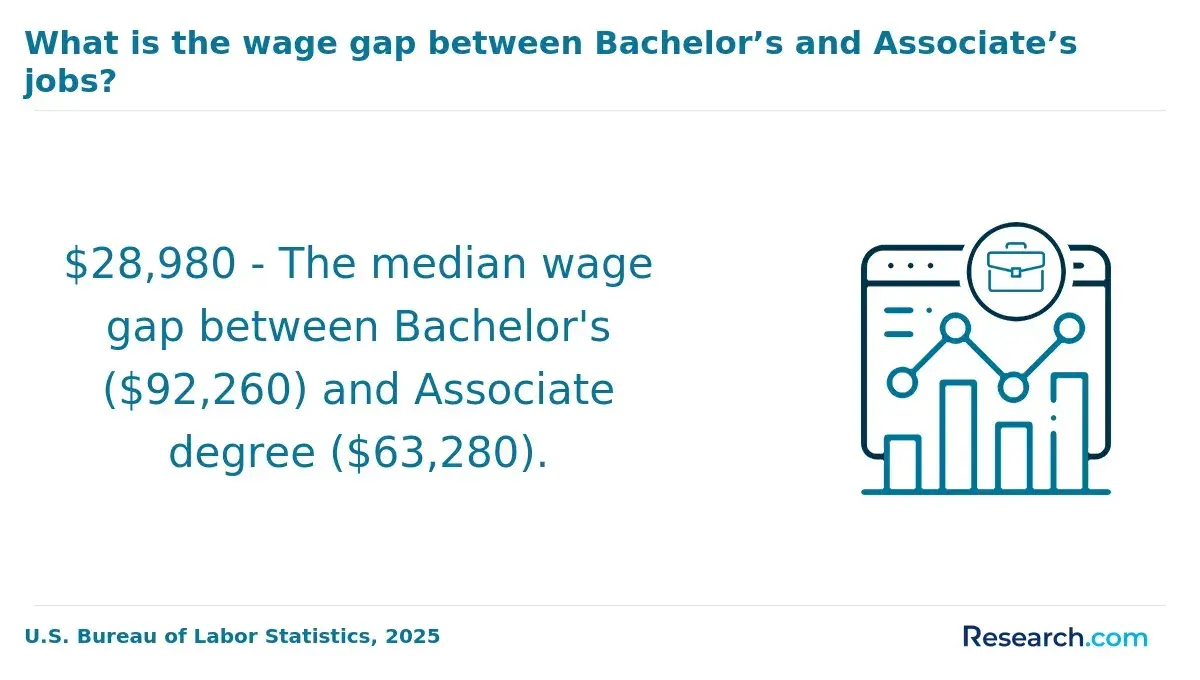
The volume of educational administration graduates produced annually does not straightforwardly indicate whether the labor market experiences oversupply or shortage, as entry into the workforce is influenced by several nuanced factors. Data from the National Center for Education Statistics and Integrated Postsecondary Education Data System highlight that roughly 8,000 to 10,000 advanced degrees in this field are awarded yearly, but a significant portion of these graduates delay entering formal administrative positions or pursue alternative roles in education. For example, competition for district-level leadership roles such as principals often exceeds available vacancies, causing many degree holders to gain experience in other educational capacities before ascending to administrative jobs.
These datasets differentiate degree types and program delivery modes, showing that not all graduates immediately vie for the same positions or enter the labor market synchronously. Employer demand varies regionally and by district, with some areas facing a surplus of qualified candidates while others-especially those in underserved or rapidly growing districts-report shortages. Around 60% to 70% of graduates find employment aligned with educational administration within two years, underscoring the gap between degree completion and active workforce participation. This mismatch suggests that supply alone fails to capture critical dimensions such as replacement openings, practical experience requirements, and regional hiring trends relevant for career planning.
Failing to account for these dynamics risks misinterpreting graduate volume as simple oversupply, potentially discouraging prospective students or misguiding institutions' program offerings. A more accurate labor-market perspective requires examining employer expectations, transitional career pathways, and geographic variation in demand. Understanding these tradeoffs enables more informed decisions grounded in real-world employment outcomes rather than relying solely on the annual tally of educational administration graduates.
Does Job Growth Support the Rising Supply of Educational Administration Graduates?
Projected job growth for education administrators masks a complex labor market where the supply of graduates increasingly outpaces entry-level openings, especially in urban and saturated regions. Although the U.S. Bureau of Labor Statistics forecasts about 4% employment growth through 2032, many roles predominantly arise from replacement demand rather than new positions, meaning recent graduates often face competition not only among peers but also from experienced candidates. Regional employer demand versus educational administration graduate enrollment varies widely, so candidates who lack advanced leadership experience or flexibility in location may struggle to secure positions despite a rising number of degree holders.
The practical challenge is that many administrative jobs prioritize hands-on leadership skills, licensing, or niche expertise over initial credentials alone, limiting access for fresh graduates. For example, an entry-level graduate from a program with growing online offerings might find more openings in less saturated districts but still confront hiring freezes or budget limits in their preferred locales. Strategic career planning, including pursuing emerging skills and adaptable geographic targeting, becomes essential. Prospective students should also consider how online college classes at your own pace reflect broader program growth but do not guarantee reduced competition or improved employment outcomes across diverse education sectors.
How Competitive is the Entry-Level Market for Educational Administration Graduates?
Entry-level competition for educational administration graduates reflects a nuanced imbalance rather than simple oversupply or undersupply. While moderate growth of about 6% through 2032 is projected by the U.S. Bureau of Labor Statistics, actual job availability often falls short of graduate numbers. Many postings attract more than 25 applicants, intensifying competition and signaling that experience and skills frequently outweigh credentials alone. Realistic job seekers must navigate sparse openings with employer preferences that favor prior teaching or leadership roles, despite the "entry-level" label. The landscape demands careful consideration of several key factors influencing hiring outcomes:
- Applicant Volume:High numbers of applicants per role reduce individual chances, with some school districts receiving dozens for a single administrative job. Graduates should track posting-to-hire ratios and adjust expectations accordingly.
- Experience Expectations:Even entry-level roles often require 2 to 5 years of teaching or administrative experience, which limits access for recent graduates. Gaining relevant hands-on experience is critical to overcoming this barrier.
- Regional Variation:Demand fluctuates geographically; rural or under-resourced areas may have leadership shortages, contrasting with saturated urban markets. Candidates willing to relocate can find broader opportunities.
- Skill Mismatch:Employers seek demonstrated leadership, policy knowledge, and certification beyond diplomas. Graduates without these may struggle despite degree credentials.
- Certification Requirements:State-specific licensure often acts as a gatekeeper, restricting access until additional processes are completed, extending job search timelines.
- Specialization Impact:Focus areas within educational administration, such as special education leadership or policy analysis, shape job fit and competition intensity.
- Prolonged Job Search:The combination of these factors often results in longer search periods and occasional underemployment, requiring strategic skill development and persistence.
One recent graduate described facing a highly competitive hiring market with numerous applicants listing more practical experience. Despite excelling academically and holding a state certification, she was often passed over for roles citing the need for in-school leadership experience. After several months interviewing mostly in urban districts, she shifted focus to rural districts experiencing candidate shortages, which improved her prospects. Her journey underscored how geographic flexibility and targeted skill-building-not just degree completion-make meaningful differences in navigating this challenging entry-level environment.
Which Industries Have the Greatest Demand for Educational Administration Graduates?
Employer demand for educational administration graduates is heavily shaped by structural hiring needs and sector-specific complexities rather than sheer graduate output volume. The industries that absorb the largest share tend to be traditional education settings and government agencies where scalability and regulatory oversight drive consistent staffing requirements. For graduates weighing job prospects, it's crucial to distinguish sectors with high job openings but stiff competition and those with fewer but more specialized roles that reward advanced credentials and strategic leadership skills. An education administration graduate might find more entry-level openings in public K-12 districts but face slower advancement compared to higher education or consulting firms, which seek candidates with strong policy analysis or data expertise.
Key industries generating the strongest employer demand include:
- K-12 Public Schools: The largest employer segment fueled by ongoing needs for principals, district supervisors, and program coordinators managing curriculum compliance and staff development. Demand is broad but advancement often requires administrative licenses and local experience.
- Higher Education Institutions: Universities and colleges hire for roles in admissions, academic affairs, and institutional research. Roles demand familiarity with federal funding regulations and student services, with opportunities often concentrated in graduate program administration.
- State and Local Education Agencies: These agencies focus on governance, policy implementation, and program evaluation. Positions require strong leadership, analytical skills, and the ability to navigate complex education policies.
- Educational Consulting Firms: Growing demand exists for consultants specializing in reform, equity, and program evaluation. Employers look for graduates skilled in data-driven decision-making and strategic advocacy.
- Nonprofit Organizations: Focused on education equity and reform, these organizations need candidates who combine administrative credentials with experience in policy analysis and community engagement.
- Private Sector Training and EdTech: While smaller and more competitive, niches in corporate training administration and educational technology management require expertise in emerging learning technologies and program design.
Understanding regional demand for educational administration degrees can help graduates target their job search effectively. Those assessing options should also consider parallel pathways, such as combining educational administration knowledge with specialization in areas like kinesiology; for instance, the best online kinesiology degree programs can complement administrative skills to increase versatility in education-related roles.
Where are Educational Administration Graduates Most in Demand?
National data on educational administration demand often obscures sharp regional disparities driven by local demographics, funding priorities, and labor market dynamics. For instance, while states like California and Texas show robust openings due to growing student populations and frequent leadership turnover, candidates relocating to meet these opportunities must weigh cost-of-living pressures and intense competition against actual job density. Graduates targeting metropolitan areas with large, diverse school systems encounter demands shaped by complicated urban education challenges but also face higher applicant volumes and credential expectations from employers seeking administrators versed in reform and equity initiatives.
Conversely, candidates in regions with declining school-age populations may encounter saturated local markets where supply surpasses available roles, translating into prolonged job searches or the need for broader geographic flexibility. Even where job counts appear strong, factors such as limited remote work options and specialization mismatches in charter or private school management can curtail practical employability. According to data from the U.S. Bureau of Labor Statistics and Lightcast (2024), understanding the interplay between employer concentration, turnover rates, and regional education system demands is crucial for graduates distinguishing between headline job openings and sustainable career prospects across diverse educational settings.
Which Educational Administration Specializations and Degree Levels Face the Strongest Demand?
Demand for roles in educational administration is unevenly distributed across specializations and degree levels, reflecting nuanced employer preferences and regional workforce dynamics. Master's degree holders with expertise in K-12 leadership are most commonly recruited, particularly for roles involving curriculum coordination and student services. In contrast, doctoral degree holders encounter a narrower, more competitive job market focused on top district leadership and postsecondary administration. For example, a graduate with a master's concentrating on equity-focused K-12 administration will likely find more openings and shorter hiring timelines than an Ed.D. graduate targeting a superintendent role, which faces longer vacancy durations and stricter geographic constraints. According to U.S. Bureau of Labor Statistics 2024 projections, demand is particularly strong for candidates holding state certifications aligned with specialized skills. The following points outline the specialization and degree-level combinations where demand is currently highest:
- K-12 Instructional Leadership Master's: Employers prioritize candidates skilled in curriculum oversight and instructional improvement. This specialization commands steady openings in school districts, largely driven by mandates for student achievement and compliance with state education policies.
- Educational Policy Doctorate: Leadership roles at the district or state level for those who influence policy and systemic reforms require advanced credentials. These positions demand specialized knowledge but offer fewer openings and typically longer hiring cycles.
- Student Services Administration Master's: Specialist administrators focusing on counseling and equity programs face robust demand due to increasing district efforts addressing diversity and mental health.
- Special Education Administration Certification: Because of stringent state licensing and acute shortages, administrators with credentials in special education are in high demand, particularly in urban areas targeting inclusive practices.
- District Superintendent Doctorate: The apex leadership post that mandates Ed.D. or Ph.D. qualifications. Competition is stiff and geographic mobility is often mandatory, reflecting limited job supply versus specialized credential requirements.
- Finance and Human Resources Combined Master's: In smaller districts, versatile administrators blending administration with financial or HR expertise gain preference for operational leadership roles that require a broad skill set beyond education alone.
Are Employer Skill Gaps Affecting Demand for Educational Administration Graduates?
The current labor market for educational administration graduates reflects a pronounced gap not in sheer candidate numbers but in the specific competencies employers require. Employers prioritize more than academic credentials; they seek candidates with operational management experience, digital fluency in hybrid and technology-enhanced learning environments, and practical skills in diversity, equity, and inclusion initiatives. A typical hiring scenario might involve a school district struggling to fill educational leadership roles despite a steady graduate supply, due to candidates lacking certifications or proven abilities in change management and stakeholder communication. Misreading this as an oversupply risks overlooking how mismatched skill sets prolong vacancies and intensify hiring competition in certain regions or specialties.
Impact of credential mismatches on educational administration job market dynamics is evident across sectors, where candidates with conventional degrees but limited applied skills face heavier competition and underemployment. Programs emphasizing applied projects, internships, and alignment with evolving digital and policy standards tend to enhance employability. Prospective and current graduates should consider how focused credentials, such as educational technology certifications or the CPC certification model in other fields, might similarly improve job market fit. Understanding these nuances aids in selecting pathways that bridge skills gaps rather than merely meeting volume trends.
Are employer skill gaps affecting demand for educational administration graduates in the United States remains a critical inquiry, revealing that supply alone does not dictate opportunity. Employers increasingly evaluate candidates on digital proficiencies, sector-specific experiences, and communication skills alongside academic degrees. Those who intentionally develop these credentials and engage with real-world educational challenges position themselves more effectively within a fragmented and competitive market shaped by specialized needs rather than broad graduate volume.
What is the Future Supply-and-Demand Outlook for Educational Administration Graduates?
Targeted job searches consistently outperform high-volume, unfocused applications by aligning graduate efforts with precise employer needs, thereby increasing the likelihood of meaningful engagement and interviews. Graduates who identify clear, entry-level job titles-such as assistant principal or program coordinator-in regions or sectors with documented demand avoid the inefficiency of applying broadly in oversupplied areas. For example, a recent graduate focusing exclusively on large urban districts with expanding charter networks where demand exceeds supply can better leverage their credentials than one scattering applications across rural districts facing oversupply. Prioritizing positions where qualifications closely match employer-stated requirements and tailoring resumes to mirror industry language maximizes perceived fit and evidences practical readiness.
Employers increasingly seek candidates demonstrating competencies beyond traditional educational administration, including technology integration and strategic leadership, which graduates can showcase through relevant projects or internships. Carefully timing applications based on market research and including evidence of job-specific skills fosters stronger interview conversion rates, acknowledging that broad, generic applications rarely yield sustainable employment opportunities. This targeted approach is essential given the complex future supply and demand for educational administration graduates, whereby labor market outlook fluctuations demand nuanced strategies rather than generic methods.
Students and professionals evaluating educational administration pathways must weigh geographic and specialty-specific demand, opting for programs and career entry points that enhance long-term employability. Moreover, exploring alternative but related credentials, such as online bachelors degree programs in sociology, may offer flexibility for those encountering saturated job markets. Understanding sector-specific labor dynamics helps refine job search strategies to improve placement outcomes within this competitive field.
References
- Rethinking college: How more valuable degrees are closing America’s talent gap https://www.luminafoundation.org/news-and-views/rethinking-college-how-more-valuable-degrees-are-closing-americas-talent-gap/
- An Overview of Specialization Options in Education Degrees https://www.euroeducation.net/articles/an-overview-of-specialization-options-in-education-degrees.htm
- Vocational education can solve oversupply of graduates - Grattan Institute https://grattan.edu.au/news/vocational-education-can-solve-oversupply-of-graduates/
- Executive Education Program Market | Global Market Analysis Report - 2036 https://www.futuremarketinsights.com/reports/executive-education-program-market
- Benefits of a Degree in Educational Administration - Graduate Programs for Educators https://www.graduateprogram.org/blog/benefits-of-a-degree-in-educational-administration/
- Fitting Malaysia for Talents: Attending Supply and Demand https://www.krinstitute.org/publications/fitting-malaysia-for-talents-attending-supply-and-demand
- How to Pick Your Concentration for Your M.Ed. Degree | ACE Blog https://ace.edu/blog/how-to-pick-your-med-concentration/
- Malaysia faces graduate oversupply, skilled job shortage, and a growing ‘gaji cukup makan’ reality https://www.humanresourcesonline.net/malaysia-faces-graduate-oversupply-skilled-job-shortage-and-a-growing-gaji-cukup-makan-reality
- Careers In Education Administration https://careersoutthere.com/careers-in-education-administration/
- Calling all parties: Oversupply of graduates might hinder economic growth - AIESEC | Blog https://blog.aiesec.org/oversupply-graduates-might-hinder-economic-growth/
Other Things You Should Know About Educational Administration
Applicants should critically assess whether a program's curriculum aligns with practical leadership and management skills valued by employers. Programs heavy on theory but light on hands-on experience or internship opportunities may limit immediate employability, especially in districts demanding proven administrative competencies. Prioritizing programs that integrate applied projects, mentorship, and administrative technology tools often yields better preparedness and smoother transitions into real workplace environments.
Full-time study often accelerates entry into administrative roles but can disconnect students from ongoing workplace trends and networking opportunities. Conversely, part-time students usually maintain employment, allowing simultaneous skill application and relationship-building but at the cost of prolonged degree completion. For many, balancing employment with study offers practical insight and stronger employer ties, which can outweigh faster graduation benefits, especially given the competitive nature of leadership positions.
Many employers increasingly prioritize demonstrated leadership outcomes and problem-solving experience over purely academic credentials. While a graduate degree remains a foundational qualification for advancement, insufficient real-world administration exposure can diminish its impact. Candidates combining degrees with documented successes in budget management, staff coordination, and policy implementation frequently have a clearer advantage in securing and excelling in leadership roles.
Candidates should emphasize flexibility and continuous professional development beyond initial degree attainment, including expertise in technology adoption, equity initiatives, and community engagement strategies. Static reliance on degree credentials alone risks obsolescence as educational priorities shift rapidly. Prioritizing skills that address systemic challenges and demonstrate adaptability within diverse learning environments enhances both immediate employability and sustainable impact.