2027 Educational Administration Affordability by State: Where Students Pay the Most and Least

Co-Founder and Chief Data Scientist
Choosing between two educational administration programs in different states often comes down to more than just tuition. A student weighing an in-state option charging $12,000 annually versus an out-of-state program with a $25,000 price tag must consider that, according to a 2024 National Center for Education Statistics report, out-of-state students borrow 35% more on average due to higher costs and living expenses. This disparity affects long-term debt burdens and career flexibility post-graduation. Such financial complexities challenge students aiming for sustainable investment in their education and future leadership roles.
This article analyzes affordability variations across states, equipping readers to identify where educational administration degrees are financially viable.
Key Things to Know About Educational Administration Affordability by State
- States with lower published tuition often have higher living costs, making overall affordability misleading; for example, Western states show 15% higher total attendance costs despite cheaper in-state tuition, affecting budget planning.
- Out-of-state tuition premiums significantly reduce accessibility, but reciprocity agreements in regions like the Midwest mitigate this, influencing workforce mobility and employer expectations for local credentialing.
- Rising demand for online Educational Administration programs alters cost timing and access, yet a 2024 study shows many online students face higher long-term debt due to fewer scholarships, impacting financial sustainability.
- Key Things to Know About Educational Administration Affordability by State Key Things to Know About Educational Administration Affordability by State
- Which States Have the Most Affordable Educational Administration Degree Programs? Most Affordable State Programs
- Which States Have the Highest Educational Administration Degree Costs? Highest State Tuition Costs
- How Much Does a Educational Administration Degree Cost by State? Degree Costs by State
- Why Does Educational Administration Affordability Vary So Much Between States? State Affordability Variations
- How Do In-State and Out-of-State Tuition Rates Affect Educational Administration Affordability? In-State vs. Out-of-State Rates
- How Does the Cost of Living Impact Overall Educational Administration Affordability by State? Living Costs and Affordability
- Which States Offer the Best Value for a Educational Administration Degree? Best Value State Degrees
- What Financial Aid and Scholarship Opportunities Can Reduce Educational Administration Costs? What Financial Aid and Scholarship Opportunities Can Reduce Educational Administration Costs?
- Are Online Educational Administration Degree Programs More Affordable Than On-Campus Options? Are Online Educational Administration Degree Programs More Affordable Than On-Campus Options?
- Is a Educational Administration Degree Worth the Cost Based on Career Outcomes and ROI? Degree ROI and Outcomes
Which States Have the Most Affordable Educational Administration Degree Programs?
States that consistently offer the most affordable educational administration degree programs do so largely because of strategic public investment, residency-based tuition policies, and the structure of their higher education systems. For example, Wyoming's extensive state funding reduces per-credit costs significantly compared to states with less aggressive public subsidies, making in-state tuition substantially cheaper for graduate students. This financial landscape shapes critical enrollment decisions, as students weighing programs across state lines must consider how these variations translate into long-term debt and educational value. A candidate from out of state might save money by establishing residency in a lower-cost state, but this requires upfront planning and balancing the cost of living against tuition savings.
The affordability of educational administration tuition also reflects regional living costs and the availability of targeted financial aid programs that aim to keep degrees accessible for residents. States like Mississippi combine lower overall expenses with scholarship initiatives tied to educational fields, which can reduce net costs quite meaningfully for eligible students. Such opportunities highlight how state-level nuances affect not just sticker prices but actual out-of-pocket expenses, influencing whether students complete their degrees on time or require additional semesters to cover funding shortfalls. These practical realities are amplified in flexible, often online programs that serve working adults and can mitigate relocation and commuting costs. Many prospective students compare these affordability dynamics alongside options such as billing and coding classes in health-related fields when gauging financial feasibility across disciplines and regions.
Which States Have the Highest Educational Administration Degree Costs?
States with the highest educational administration degree costs often reflect a combination of steep tuition fees and elevated living expenses, creating a significant financial hurdle that extends beyond tuition alone. For example, public funding cuts in states like New Jersey have forced universities to increase tuition rates for both in-state and out-of-state students, amplifying the financial burden. Moreover, limited program availability in states such as Massachusetts reduces competition, driving tuition premiums higher and restricting scholarship opportunities. This dynamic compels students to carefully evaluate whether the prestige and potential job market advantages of studying in such states justify the increased expense compared to more affordable alternatives.
These cost disparities influence decisions about enrollment location, choice of online versus in-person study, and financial aid strategies. According to 2024 data from the National Center for Education Statistics, private institutions in states like California can exceed $50,000 annually in total attendance costs, a figure that often includes extended program durations due to mandatory practicums and internships characteristic of educational administration degrees. Prospective students must wrestle with these realities, balancing immediate affordability against long-term career returns, factoring in living costs, state policies, and program accessibility, which vary widely across the country and shape the overall value proposition of their degree investment.
A student surveying educational administration programs wrestled with whether to enroll in a prestigious but costly private university in New York or a more affordable public option out of state. Initially inclined toward the in-state choice for networking benefits, they hesitated after calculating that higher living expenses and tuition would likely exceed budget limits. Weighing options, they explored online programs and sought out institutions with more substantial scholarship offerings, ultimately choosing a less expensive state's public university. This process highlighted how residency status, hidden costs, and financial aid availability critically shape not only affordability but the perceived return on investment, prompting more cautious, data-driven enrollment decisions.
How Much Does a Educational Administration Degree Cost by State?
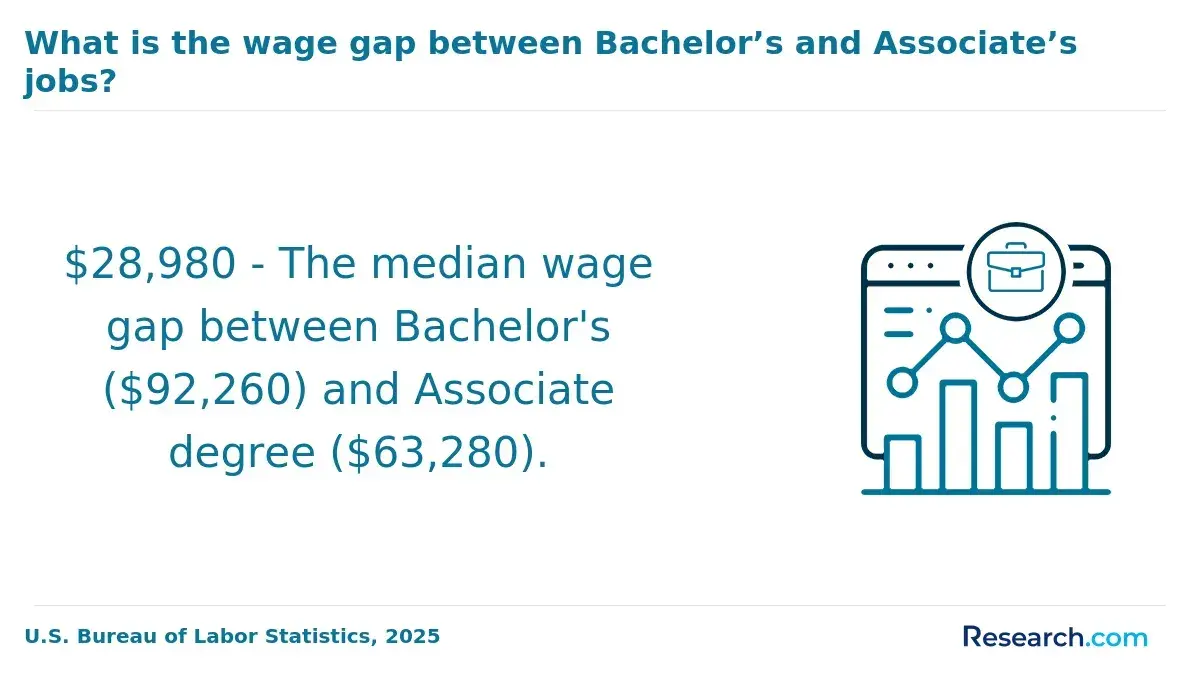
Costs for earning an educational administration degree differ sharply by state due to varying institutional structures, tuition policies, and regional economic conditions, factors that critically affect student choices and financial planning. For instance, a resident student in Florida may face annual expenses near $15,000 at a public university, while a comparable student in California confronts total yearly costs exceeding $35,000, driven largely by higher living expenses and private institution prevalence. This gap not only impacts borrowing needs but also shapes decisions about relocating or pursuing out-of-state enrollment, where tuition can be two to three times higher, influencing affordability and accessibility.
Public universities' in-state tuition discounts significantly lower expenses for local students, yet out-of-state and private institution fees often erode these savings, emphasizing the value of residency status in cost calculations. Financial aid distribution further complicates this landscape, as states vary widely in funding commitments and institutional endowments, affecting net costs even within the same region. Prospective students must weigh these disparities alongside the availability of online programs or hybrid models, which may offset geographic price differences but carry trade-offs in networking and experiential opportunities essential for career progression in educational leadership.
Ultimately, understanding these nuanced, state-specific cost drivers enables more strategic decision-making for budget-conscious learners considering an educational administration degree. Choosing a program solely on sticker price, without accounting for residency policies, regional living costs, and financial aid realities, risks unanticipated debt burdens or limited return on investment. According to IPEDS 2024 data, comprehensive cost assessment is indispensable for aligning educational expenditures with personal circumstances and long-term career objectives within the education sector's competitive landscape.
Why Does Educational Administration Affordability Vary So Much Between States?
Variations in educational administration degree cost differences by state largely stem from uneven state funding priorities and institutional mixes. States allocating more than 60% of public higher education revenues to funding typically maintain lower in-state tuition, easing affordability for residents, whereas states with reduced subsidies shift a heavier financial burden onto students. For instance, comparing public institutions in California versus Wyoming reveals stark contrasts in tuition and fees, partly driven by regional cost-of-living disparities and institutional reliance on tuition revenue. These dynamics also influence enrollment patterns, as students often weigh in-state financial aid availability and residency requirements against potentially higher tuition out-of-state or the cost-saving prospects of online options.
Institutional structures play a key role, with states hosting larger shares of private universities generally encountering higher overall costs for educational administration programs. Demand fluctuations tied to local workforce needs can pressure tuition upwards in some areas, complicating long-term planning for budget-conscious learners. In this context, grants and scholarships directed at education majors become critical, especially where state support is limited. Prospective students should consider early on how these affordability factors affect decisions to transfer, pursue self paced college courses, or select institutions balancing cost and program quality, as these choices directly impact net educational investment and career trajectory.
How Do In-State and Out-of-State Tuition Rates Affect Educational Administration Affordability?
Residency-based tuition rules substantially influence the financial feasibility of earning an educational administration degree, often tipping the scale between manageable debt and prohibitive cost. For example, public universities charge in-state students an average of $9,800 annually compared to roughly $26,500 for out-of-state learners, according to the National Center for Education Statistics in 2024, a difference that can curtail geographic flexibility or compel reliance on additional financial aid. While private institutions tend to have uniform tuition regardless of residency, their higher baseline costs can offset potential savings for nonresidents. Regional reciprocity agreements can sometimes ease out-of-state rates, but these are limited in scope and may require careful navigation to leverage effectively.
Online educational administration programs often apply in-state tuition universally, presenting an alternative that reduces some cost disparities but may not fully substitute for benefits tied to residency, such as state-specific grants or local professional networks. This tradeoff calls for students to weigh immediate tuition savings against longer-term career supports. Furthermore, residency impacts not just sticker price but also eligibility for state-funded scholarships, affecting net affordability. Those considering relocating for school must therefore evaluate if the higher out-of-state charges align with institutional quality, local demand for administrators, and potential return on investment.
One recent graduate recalled grappling with out-of-state tuition after moving for their educational administration program, initially assuming residency would be reclassified within a year. The unexpectedly high fees forced a reevaluation of their financial plan and prompted applications for private loans. "It was frustrating not knowing sooner if I qualified for in-state status, and the extra cost made me question if staying local would've been smarter," they reflected. This experience underscores how unclear residency policies and timing can complicate both enrollment decisions and budget management for prospective students.
How Does the Cost of Living Impact Overall Educational Administration Affordability by State?
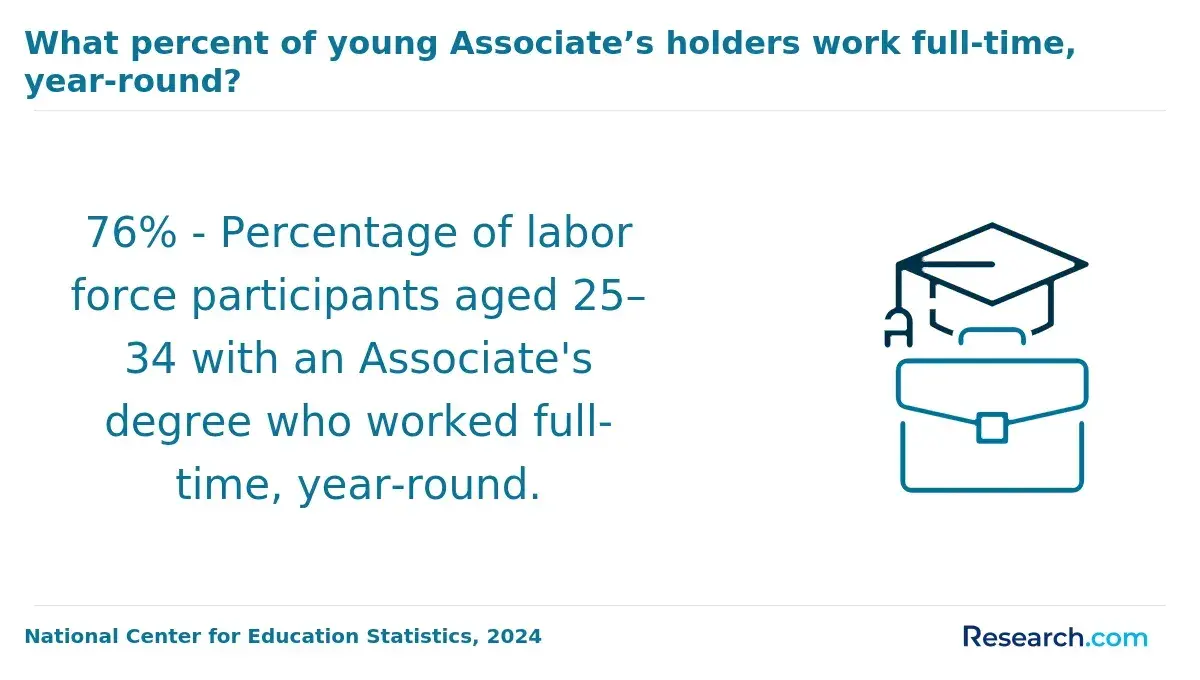
The impact of regional cost of living on educational administration degree expenses is a decisive factor often overlooked when comparing tuition rates across states. For example, a student enrolling in a program in California not only faces high tuition but must also budget significantly more for housing and transportation than a peer in Mississippi. This disparity affects students' ability to manage essential living costs without incurring excessive debt or compromising work hours, which can extend degree completion timelines and strain academic performance. Considering these broader expenses alongside tuition provides a clearer view of financial feasibility and long-term economic outcomes after graduation.
Housing costs, frequently the largest spending category, can double or triple when moving from lower-cost states to urban centers with complex transit needs, altering daily commuting and access to internships or part-time jobs critical for gaining experience. Health care premiums and food prices also vary enough to materially shift the total cost burden, influencing whether students seek more affordable residency options or opt for hybrid or online formats to reduce living expenses. Prospective students evaluating programs should integrate such factors into their strategic planning since regional cost variances influence student debt exposure and enrollment decisions more than tuition alone. Exploring alternatives like ASN nursing online programs reflects a broader trend toward balancing practical workforce needs with financial and geographic constraints.
Ultimately, understanding cost of living effects on educational administration affordability by state allows learners to make data-informed choices that align financial resources with realistic living standards and career ambitions. When cost differentials combine with variations in wage conditions and localized inflation, students and families must approach educational pathways with a holistic perspective rather than a narrow focus on sticker price. Thoughtful consideration of these variables supports sustainable educational investments and reduces the risk of financial strain during and after studies.
Which States Offer the Best Value for a Educational Administration Degree?
Evaluating the true value of an educational administration degree across states requires more than noting tuition costs; it demands weighing in-state tuition policies, completion rates, and regional employment markets. For example, North Carolina's public universities charge moderate in-state tuition near $9,500 annually while maintaining high program completion rates near 70%, supported by strong state funding that directly influences timely graduation and job readiness. Students must consider that lower tuition paired with high attrition undermines net value, as seen in states with expensive programs but sluggish completion and higher student debt burdens-factors that compound financial strain beyond sticker price.
Financial aid availability and local job market dynamics deeply shape return on investment for educational administration students. Texas exemplifies this intersection with its extensive public university system offering various affordable degree pathways, supplemented by robust aid programs that lower net costs. Coupled with an education sector growing steadily and median graduate salaries roughly 8% above the national average, Texas presents a pragmatic choice beyond mere tuition figures. Conversely, some regions with inexpensive education, like Florida's online-friendly programs averaging $6,400 in-state tuition, must be evaluated for workforce demand and long-term career placement, as low sticker prices alone do not guarantee strong employment outcomes or earnings.
Students must approach relocation, residency qualification, and program modality decisions with an eye toward these multidimensional factors. Opting for the cheapest tuition option without considering local cost of living, program completion success, and regional demand for educational administration professionals risks eroding potential financial benefits. Data from the 2024 College Scorecard and IPEDS highlight these nuanced tradeoffs, underscoring that the best financial strategy balances reasonable tuition, reliable graduation rates, and favorable labor market conditions to optimize both upfront affordability and sustainable earnings post-degree.
What Financial Aid and Scholarship Opportunities Can Reduce Educational Administration Costs?
Federal aid programs such as Pell Grants and the Federal Supplemental Educational Opportunity Grant significantly impact the net cost of pursuing an educational administration degree, though eligibility hinges on income and completion of timely applications. According to the U.S. Department of Education's 2024 data, about 30% of students nationwide receive these grants, underscoring their importance in narrowing tuition disparities. However, this aid alone rarely covers full costs, so students must carefully assess state-level offerings, which vary widely and often require meeting residency, GPA, and enrollment thresholds. For example, a student in a Midwestern state with strong merit scholarships and in-state tuition reciprocity may reduce expenses substantially compared to peers in regions with less generous public funding.
Institutional scholarships add complexity to affordability decisions, as awards based on academic performance or professional experience often come with renewal criteria that affect multi-year budgeting. Employer tuition benefits present a valuable but conditional resource, especially for those currently working in education sectors, requiring commitment to remain employed post-graduation and potentially limiting mobility. These cumulative layers of aid are unevenly distributed and influenced by state policies and institutional priorities, making it critical for prospective students to factor in aid stacking rules and deadline strategies when comparing programs. Student loans remain a common fallback, but the variability in post-degree placement and salary outcomes in educational administration warrants a judicious approach to borrowing and cost-benefit analysis over the degree timeline.
Are Online Educational Administration Degree Programs More Affordable Than On-Campus Options?
Online educational administration degree costs in the United States reflect a complex interplay of tuition policies, residency rules, and program structures rather than straightforward savings. While online programs generally list tuition 15% to 40% below traditional on-campus rates, many states apply differential online tuition that narrows this gap. Beyond sticker price, students must weigh technology fees and necessary reliable internet access against savings from eliminated housing or commuting expenses. For example, out-of-state learners frequently experience the most pronounced online cost advantage by avoiding premium non-resident tuition, but residents in some states may see nearly equal costs across formats due to state-level pricing regulations and required fees.
Affordability of online versus on-campus educational administration programs by state also depends on students' personal circumstances, such as employment status. Working professionals often benefit more financially from online studies by reducing lost wages and travel-related expenses, whereas full-time on-campus students might access more comprehensive financial aid packages, especially at public universities with in-state discounts. However, these financial considerations extend beyond tuition: opportunity costs, technology investments, and institutional aid influence net expenses.
Similar to other flexible remote options, such as earning an exercise science degree online, the financial viability of these administration programs heavily relies on individual scheduling and funding structures. For those assessing pathways into educational administration, understanding these nuances is critical, as employers increasingly accept accredited online degrees when paired with relevant experience.
Is a Educational Administration Degree Worth the Cost Based on Career Outcomes and ROI?
The decision to pursue an educational administration degree must consider state-based tuition disparities and their effects on career affordability. States such as California, Massachusetts, and New York often present higher tuition fees that, while aligning with elevated administrator salaries, do not always fully compensate for increased debt burdens. Students in these higher-cost states confront more significant opportunity costs and must weigh whether regional employment conditions and salary premiums justify accumulating potentially larger debt, especially given average student debt ranges from $25,000 to over $40,000 in this field.
Understanding educational administration degree cost versus career earnings in the United States also requires attention to graduation rates and the program's ability to minimize prolonged enrollment or dropout-related expenses. Programs in states with extensive public university networks typically offer more affordable tuition and higher completion rates, improving the net return on investment. Career advancement in this sector also increasingly depends on leadership skills and professional networks, with some graduates pursuing doctoral pathways to secure leadership roles in education. Evaluating ROI beyond tuition alone-considering debt load, geographic flexibility, and alignment with long-term career goals-is critical for making an informed choice.
Additionally, prospective students benefit from reviewing comprehensive resources on related fields to compare program costs and career outcomes accurately. For example, examining online speech pathology degree programs cost provides insight into how similar disciplines balance cost and workforce demand. Given the projected 6% employment growth nationwide for educational administrators and a median salary near $98,000, careful analysis of return on investment for educational administration graduates by state remains a vital part of strategic educational planning.
References
- 15 Cheapest Online Programs in Educational Leadership and Administration https://www.topeducationdegrees.org/cheapest-online-programs-in-educational-leadership-and-administration/
- Importance of Cost of Living | Goldwater Institute https://www.goldwaterinstitute.org/cost-of-living/
- Cost Confusion: Americans' Misconceptions of College Costs | Strada Education Foundation https://www.strada.org/reports/cost-confusion-americans-misconceptions-of-college-costs
- How Money Matters: Education Funding and Student Outcomes https://learningpolicyinstitute.org/product/how-money-matters-factsheet
- Online Education vs. On-Campus Tuition: How ACE Online Degree Programs Help Keep Your Costs Down | ACE Blog https://ace.edu/blog/online-education-vs-on-campus-tuition-how-ace-online-degree-programs-help-keep-your-costs-down/
- How Does Increasing Financial Aid Promote Student Economic Success? https://www.ihep.org/press/how-does-increasing-financial-aid-promote-student-economic-success/
- Cost of Living Crisis: The impact on education - The Access Project https://theaccessproject.org.uk/2024/04/25/cost-of-living-crisis-the-effect-on-education/
- 2025 Most Affordable Online Master's Degrees in Educational Leadership https://www.onlineu.com/most-affordable-colleges/educational-leadership-masters-degrees
- The Challenge of Measuring ROI and What Higher Education Can Do About It. https://www.careerleadershipcollective.com/post/the-challenge-of-measuring-roi-and-what-higher-education-can-do-about-it
- Making College Affordable: Providing Low-Income Students with the Knowledge and Resources Needed to Pay for College - Jack Kent Cooke Foundation https://www.jkcf.org/research/making-college-affordable-providing-low-income-students-with-the-knowledge-and-resources-needed-to-pay-for-college/
Other Things You Should Know About Educational Administration
Lower tuition states may offer more affordable educational administration programs, but they sometimes come with faster-paced or more condensed curricula to reduce overall costs. Students need to consider whether the program's structure allows sufficient time to absorb leadership theory and practical skills, as overly compressed programs can limit internship opportunities or diminish engagement. Prioritizing programs that balance cost with meaningful field experience and manageable workload often leads to better career preparedness despite higher sticker prices.
Not necessarily. States with lower-cost educational administration programs don't always have stronger job markets for school leaders, and vice versa. Students should assess how regional demand for administrators aligns with affordability; choosing a state solely because of low tuition could mean fewer job openings or lower salaries locally. When possible, target states where program affordability coincides with robust networks and hiring pipelines, ensuring that cost savings don't come at the expense of meaningful employment opportunities.
Beyond tuition, states differ in program delivery-for instance, some require more in-person residencies or capstone projects, increasing commuting or lodging expenses. Even in affordable states, these hidden costs can erode the financial benefits if students need to travel frequently or take unpaid leave from work. Carefully comparing total cost of attendance, including non-tuition expenses tied to the program's format, provides a clearer picture of true affordability and helps avoid unexpected financial burdens.
If planning to work outside the state or aim for higher administrative levels, program reputation and network often outweigh initial affordability considerations. While low-cost states reduce upfront debt, prestigious programs with wider professional reach can offer better leadership training, mentorship, and recognition that enhance career advancement. A strategic recommendation is to balance early investment in education quality with cost, favoring programs that open doors beyond state borders and justify slightly higher expenses through durable career gains.