2027 Educational Administration Degree Outlook Through 2030: Enrollment, Salary, and Hiring Projections

Co-Founder and Chief Data Scientist
Choosing whether to pursue or continue a degree in educational administration now involves more than relying on job growth forecasts alone. Despite a projected 5% increase in educational administration jobs nationally by 2030, many regions face uneven demand, creating pockets of saturation that intensify competition among graduates. Enrollment in these programs has climbed by nearly 8% since 2022, signaling rising interest but also greater supply.
Meanwhile, salary gains vary widely by district size and credential level, complicating straightforward career decisions. This article analyzes enrollment trends, salary fluctuations, hiring needs, industry shifts, and regional factors shaping educational administration through 2030 to support informed decision-making.
Key Things to Know About the Educational Administration Degree Outlook Through 2030
- Enrollment in educational administration programs has plateaued nationally since 2024, reflecting constrained workforce demand and signaling prospective students should weigh program cost against uncertain near-term job growth.
- Employers increasingly seek candidates with specialized skills in data-driven decision making, altering hiring priorities and disadvantaging generalist graduates lacking technical competencies relevant to school leadership.
- Geographic disparities persist, with strongest hiring growth concentrated in urban districts; this uneven demand complicates long-term career planning, especially for graduates from less-resourced regions facing relocation costs.
- Key Things to Know About the Educational Administration Degree Outlook Through 2030 Key Things to Know About the Educational Administration Degree Outlook Through 2030
- How is Educational Administration Degree Enrollment Expected to Change Through 2030? Enrollment Trends Through 2030
- How Many Educational Administration Graduates Will Enter the Workforce by 2030? Graduate Workforce Entry Projections
- What Are the Hiring Projections for Educational Administration Graduates Through 2030? Hiring Projections Through 2030
- Which Educational Administration Careers Will Experience the Most Job Growth? Fastest-Growing Career Paths
- What Is the Salary Outlook for Educational Administration Graduates Through 2030? Salary Outlook Through 2030
- Which Industries Will Hire the Most Educational Administration Graduates by 2030? Top Hiring Industries
- Where Will Demand for Educational Administration Graduates Be Strongest? Strongest Geographic Demand
- Which Educational Administration Specializations Will Be Most in Demand by 2030? Which Educational Administration Specializations Will Be Most in Demand by 2030?
- How Will AI and Technology Affect Educational Administration Careers Through 2030? How Will AI and Technology Affect Educational Administration Careers Through 2030?
- Is a Educational Administration Degree Worth Pursuing Based on 2030 Projections? Degree Value Through 2030
How is Educational Administration Degree Enrollment Expected to Change Through 2030?
Enrollment trends for educational administration degree programs are increasingly shaped by the balancing act between labor market demand and institutional capacity. As many current school leaders approach retirement, programs may see a temporary uptick in applicants driven by the need to fill these vacancies; however, districts facing budget constraints often limit administrative hires in favor of classroom teachers, impacting the actual absorption of new graduates. This dynamic suggests prospective students should carefully evaluate program availability and competition, especially in states or regions where funding volatility may constrain growth, potentially leading to larger class sizes or more selective admissions.
Projected changes in US educational administration graduate enrollment by 2030 also reflect the growing prevalence of online and hybrid formats, which lower traditional barriers for mid-career professionals seeking advancement while maintaining enrollment stability despite broader shifts in higher education attendance. This modality expansion creates opportunities for specialization and access but can also saturate certain local markets with credential holders, emphasizing the importance of strategic career planning and regional job market analysis. Candidates considering nontraditional pathways might find value in resources that highlight accelerated timelines, such as accelerated DNP programs online, to better align training duration with evolving employer expectations and leadership demands.
How Many Educational Administration Graduates Will Enter the Workforce by 2030?
Graduate numbers alone provide an incomplete picture of workforce entry in educational administration through 2030. While projections suggest roughly 15,000 to 20,000 new graduates annually by the late 2020s, actual labor market absorption depends heavily on factors beyond degree conferral. Many graduates delay workforce entry to pursue advanced credentials or shift into non-administrative roles, while some continue working within related educational positions before seeking formal administrative posts. These nuances create a gap between graduation figures and immediate hiring demand, influencing career timing and competition in various regional markets.
Enrollment trends reveal stable to slightly rising graduate-level program participation, offsetting a modest decline in bachelor's degree completions in education. This evolution reflects heightened emphasis on leadership qualifications amid growing complexity in school management. However, geographic disparities persist: urban areas often present higher candidate saturation and credential expectations, whereas rural districts face recruitment challenges that could expand local opportunities. Additionally, budget constraints and shifting policy priorities act as moderating forces, capping workforce expansion despite projected managerial role growth near 6% over the decade. Graduates must weigh these dynamics, understanding that credential attainment alone does not guarantee direct employment and that strategic positioning within regional and policy contexts is essential.
A recent graduate who completed a master's in educational administration recounted entering the job market amid increasing applicant pools, noting that school districts emphasized practical experience and state certification as critical filters. Despite steady enrollment growth in her program, she observed that many peers opted to gain leadership experience within their current schools before applying to formal administrative roles, resulting in staggered workforce entry. She described decision-making that balanced immediate job offers against prospects for specialized credentials, underscoring how evolving supply projections prompted a cautious but deliberate approach rather than rapid job acceptance. This experience highlights the complex interplay between graduation output and the pacing of workforce integration as 2030 approaches.
What Are the Hiring Projections for Educational Administration Graduates Through 2030?
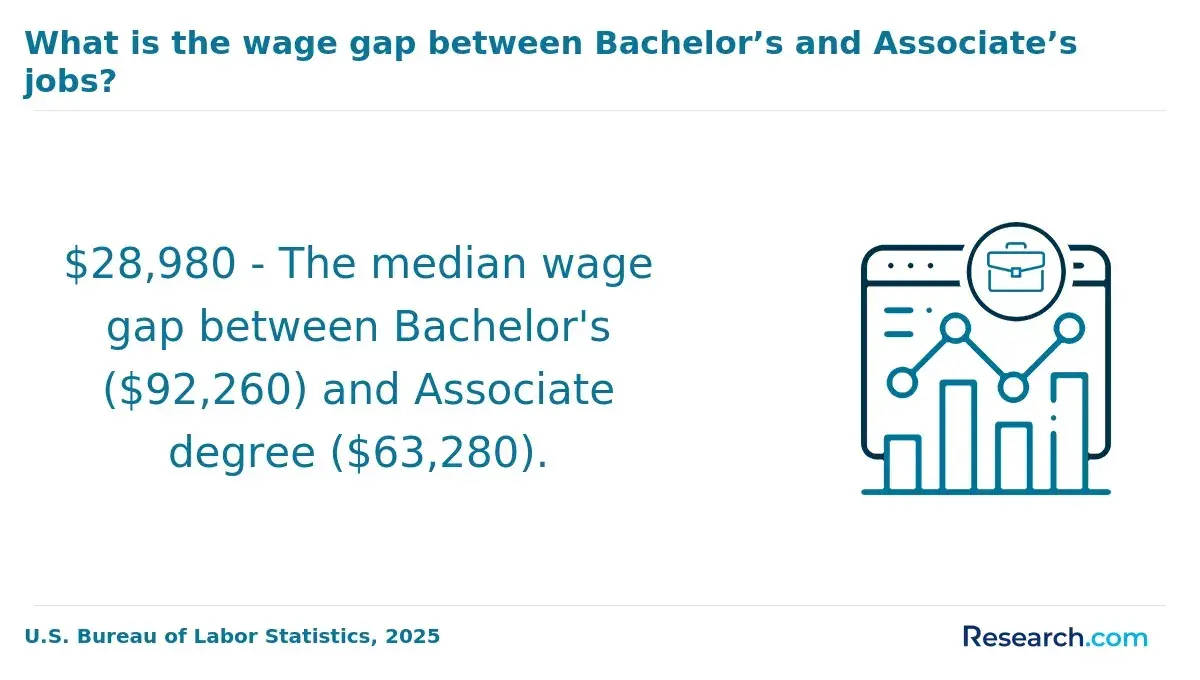
Employer demand for educational administration graduates through 2030 is expected to remain moderate but not robust, reflecting a stable sector shaped more by turnover replacement than rapid expansion. According to 2024 data from the U.S. Bureau of Labor Statistics, job growth in this field is projected at around 7%, which aligns closely with average occupational growth across industries. However, this figure masks important nuances: many openings will come from retirements rather than new positions, meaning fresh graduates may face significant competition for a limited number of entry-level roles, especially in saturated urban or oversupplied markets.
Geographic and institutional contexts further differentiate opportunities, with public education systems-particularly in suburban and some urban districts-offering the bulk of available jobs. Budgetary constraints and policy shifts frequently influence hiring patterns, creating uneven demand that favors administrators skilled in navigating funding challenges, regulatory compliance, and technology integration. For instance, candidates with expertise in special education administration or educational technology leadership may enhance their employability in districts pursuing reform or innovation. This variance underscores that graduates must evaluate regional labor trends and develop adaptable skill sets rather than rely on broad national hiring projections.
While salaries in administrative roles generally surpass those of classroom teachers, increases tend to be steady and modest, varying by institution type and location. Prospective students and current degree holders should recognize that steady sector growth does not equate to easy access to leadership roles without targeted professional development and strategic credentialing. As such, understanding the complexity of local school labor markets, turnover-driven openings, and the expanding expectations for multifaceted leadership capabilities is critical for informed decision-making about pursuing a career in educational administration.
Which Educational Administration Careers Will Experience the Most Job Growth?
Employment growth through 2030 is most pronounced for postsecondary education administrators and special education program coordinators, reflecting sector-specific dynamics rather than broad-based expansion. Postsecondary roles, including deans and registrars, are projected to grow around 10%, driven by rising higher education enrollment and a shift toward distance learning management. However, the number of openings in this niche is smaller compared to K-12 roles, making regional demand and institutional size critical for job seekers. For example, a candidate focused solely on postsecondary administration should weigh the competitive nature and higher credential expectations against the stronger job growth indicated by projections from the U.S. Bureau of Labor Statistics.
By contrast, K-12 principal and assistant principal positions will see more moderate growth, closer to 6-7%, largely influenced by slower population increases in many districts. District-level administrators responsible for curriculum and student services show somewhat better prospects (around 8%), reflecting ongoing reform and technology adoption efforts in public education. Special education administrators stand out with above-average demand due to expanding regulatory complexity and the need for inclusive program leadership in K-12 systems. Across these roles, employers increasingly prioritize candidates adept at data-driven decision making and managing hybrid learning environments, underscoring the interplay between leadership skills and practical operational challenges. For professionals comparing pathways, understanding these variances in job volume and growth rates is essential before committing to a specific educational administration career track.
Those considering related credentialing could also evaluate roles in adjacent fields such as medical coding, where growth trends differ significantly; resources like the medical coding job outlook provide useful comparative context. Ultimately, regional differences in projected job opportunities in educational administration by region and specialization remain a decisive factor, emphasizing the need for targeted research aligned with labor market realities rather than reliance on national averages alone.
What Is the Salary Outlook for Educational Administration Graduates Through 2030?
Interpreting salary projections for educational administration graduates through 2030 requires considering inflation, shifts in labor demand, evolving credential standards, and occupational changes within education systems. Rising costs of living may offset nominal pay increases, while growing expectations for advanced certifications could delay substantial earnings growth. Additionally, demand for strategic leadership skills tied to equity, compliance, and data analytics is reshaping compensation patterns. These factors interact differently across K-12, higher education, and district administrative roles, making salary forecasts highly contextual. The following points highlight key influences on future earnings.
- Institutional Sector: Compensation tends to vary notably between K-12 schools, postsecondary institutions, and central district offices. Positions in district or regional administration commonly command higher salaries due to broader responsibilities, while smaller or underfunded K-12 districts often offer lower wages.
- Geographic Variation: Regional cost of living and local funding priorities strongly impact salaries. Urban districts in high-cost states frequently provide more competitive pay, contrasting with rural or economically challenged areas.
- Credential Level: Advanced degrees and specialized certifications remain critical for unlocking higher pay brackets, especially doctoral qualifications that validate leadership capacity in policy implementation and complex program management.
- Experience and Role Complexity: Mid- to senior-level administrators overseeing multiple departments or large budgets tend to see significant salary growth compared to entry-level roles constrained by tenure and budget limits.
- Emerging Skill Sets: Expertise in equity initiatives, compliance oversight, STEM leadership, and data-driven strategic planning increasingly influence compensation, reflecting shifts toward accountability and modernization in education management.
- Funding Environment: Fluctuations in public education funding and grant availability shape salary prospects, particularly impacting roles reliant on federal or state support.
- Career Mobility: Moving between districts or sectors can result in salary jumps, but may require strategic trade-offs in location or institutional fit.
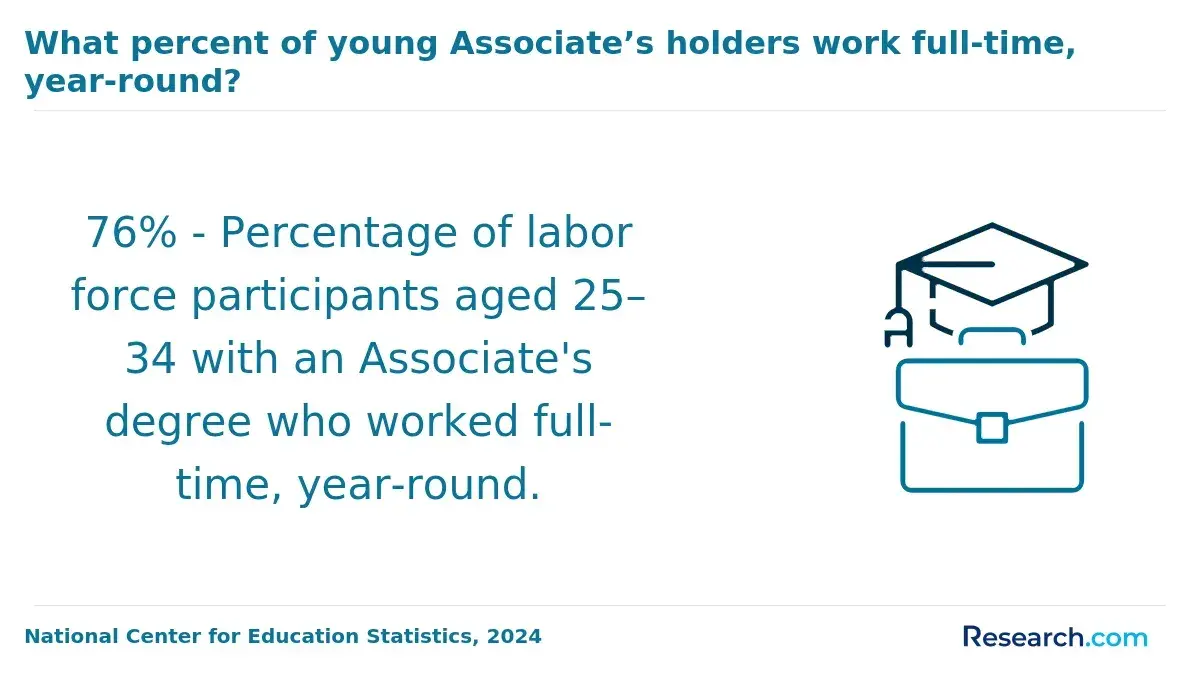
A recent graduate entering the educational administration field shared a cautious yet pragmatic perspective after receiving a job offer in a mid-sized suburban district. Although the starting salary was within the $50,000-$55,000 range, the candidate had to weigh cost-of-living pressures and long commute times before accepting. Attempts to negotiate for a higher initial wage met with limited flexibility, reflecting institutional budget constraints common in many public education settings. This experience underscored the importance of geographic and funding dynamics in shaping early-career compensation and the need for patience in climbing to more lucrative leadership positions over time.
Which Industries Will Hire the Most Educational Administration Graduates by 2030?
By 2030, hiring demand for educational administration graduates will be shaped by shifts in sectoral growth, workforce replacement, regulatory complexity, and technological integration. The greatest volume of roles will emerge from settings deeply tied to schooling operations and education policy management. Public K-12 school systems remain the primary employers due to demographic trends and targeted investments in leadership aimed at improving student outcomes. However, evolving service demands and digital transformation will also open roles in adjacent sectors. Understanding these dynamics is essential for prospective students and current degree holders navigating the educational administration job growth in the United States. Below are the industries projected to generate the strongest hiring demand through 2030.
- K-12 Public Schools: Driven by population growth in certain regions and policy initiatives, public schools will offer numerous administrative roles. Candidates with skills in technology integration, data-driven decision-making, and policy compliance will be favored for roles like assistant principals and district coordinators.
- Higher Education Institutions: Colleges and universities face increased regulatory oversight and shifts toward online learning, creating demand for administrators specializing in financial management, compliance, and digital education. These roles often require advanced credentials and experience managing complex organizational structures.
- Nonprofit and Government Programs: Workforce development and adult education initiatives funded by grants expand opportunities. Roles here emphasize program management, community engagement, and grant administration, requiring adaptability and expertise in educational program design.
- Education Technology Firms: Growth in edtech demands professionals who combine educational insight with business and technology fluency. Positions may involve product management, strategy development, or consultancy focusing on educational leadership solutions.
- Private Consulting Services: Consulting firms working on educational strategy and leadership solutions offer niche roles for graduates with both academic grounding and real-world operational experience, often requiring strong communication and analytical skills.
These employment sectors illustrate the varied pathways and skill requirements influencing the educational administration job growth in the United States. Prospective students should assess how these trends align with their career goals and readiness for sector-specific challenges. For individuals interested in expanding their qualifications, programs like the MA to LPN bridge program reveal how targeted training can support transitions within the broader educational and workforce ecosystem.
Where Will Demand for Educational Administration Graduates Be Strongest?
The strongest opportunities for educational administration graduates will concentrate in regions experiencing significant population growth and public investment in schooling infrastructure, particularly in states like Texas and Florida. While these markets offer higher job volumes, they often bring intensified applicant competition and elevated living costs, factors that can diminish net financial benefits despite generally higher salaries. For example, an administrator working in a metropolitan Texas school district might face greater workload complexity and credential demands compared to counterparts in smaller, less dynamic districts, underscoring the importance of assessing local policy environments and institutional priorities beyond generic regional growth forecasts.
Demand also shifts notably by sector, with community colleges and vocational education centers increasingly valuing administrators who align programs with evolving workforce needs, reflecting broader trends in career and technical education expansion. Simultaneously, emerging specializations-such as managing online learning platforms or overseeing healthcare education programs-require distinct technical fluencies and leadership competencies that differ markedly from traditional K-12 administrative roles. These niche areas can present less saturated markets but may require advanced skills in technology integration, compliance, or sector-specific accreditation, which candidates should weigh against more conventional career paths.
Geographic patterns reveal uneven hiring conditions where some Northeast and Midwest states encounter stagnant or declining demand due to factors like aging populations and static enrollment, tempering salary growth and advancement opportunities. Graduates must consider regional cost-of-living adjustments, sector-specific credential expectations, and the interplay of employer density and public funding levels to realistically gauge where their qualifications will translate into viable employment. Data from the U.S. Bureau of Labor Statistics in 2024 emphasizes that leadership in equity, financial management, and strategic planning are key competencies employers prioritize, often influencing salary variability more than degree prestige alone.
Which Educational Administration Specializations Will Be Most in Demand by 2030?
Projected employer demand in educational administration through 2030 is driven largely by shifting institutional priorities responding to demographic changes, technology advances, and regulatory complexities. Candidates selecting a specialization should weigh not only growth rates but also the evolving skill sets employers expect, such as data analytics, equity leadership, and policy interpretation. For example, a student choosing between a focus on STEM program management versus policy compliance must consider tradeoffs: STEM leadership roles often require technical program oversight and cross-sector collaboration, while policy compliance demands deep knowledge of legal frameworks and funding mechanisms with potentially broader placement in district and state agencies.
According to U.S. Bureau of Labor Statistics and Lightcast data, demand for specialists equipped to integrate digital learning and manage diversity initiatives will outpace several traditional administrative tracks. Below are the educational administration specializations expected to lead hiring growth by 2030:
- Higher Education Diversity Leadership: Increased societal focus on equity and inclusion is driving demand for administrators adept at creating culturally responsive campus environments. Competency in diversity training, compliance with federal equity laws, and stakeholder engagement are critical.
- STEM Program Management: Growth in K-12 and postsecondary STEM curricula propels need for administrators skilled in curriculum development, industry partnerships, and resource allocation. Technical literacy and grant writing enhance employability.
- Technology Integration Coordination: Post-pandemic acceleration of digital learning creates opportunities for leaders who can manage e-learning platforms, data analytics, and hybrid instructional models, requiring both IT understanding and educational strategy skills.
- Policy Compliance and Regulatory Administration: Evolving education laws and funding oversight sustain demand for administrators specializing in legal interpretation, auditing, and public accountability within district and state agencies.
- K-12 Leadership Development: Administrative roles in district-level leadership remain essential, focusing on operational management, community relations, and school improvement initiatives, often requiring advanced certification and demonstrated leadership outcomes.
How Will AI and Technology Affect Educational Administration Careers Through 2030?
Technology through 2030 will primarily redefine educational administration responsibilities rather than simply automate or augment them. Routine tasks like scheduling and budgeting will see significant automation, freeing administrators to engage more deeply in strategic leadership and community relations. However, this shift requires administrators to master new competencies in AI literacy, data analytics, and digital communication to align with evolving hiring criteria. For example, an administrator who cannot integrate AI insights into student performance monitoring may quickly become less competitive in districts prioritizing digital equity and smart school investments.
The influence of ai on educational administration careers in the US extends beyond technical skill acquisition to changes in role specialization and productivity expectations. Higher-level responsibilities such as ethical oversight, policy integration, and hybrid learning management will demand a nuanced blend of human judgment and technology fluency. Failure to adapt could limit career advancement amidst a landscape where continuous professional development is essential to keep pace with software updates and emerging educational technologies. Prospective students should critically assess curricula and certifications for their emphasis on applied technology projects and data-driven decision-making frameworks.
Enrollment trends now favor programs that embed technology skills alongside foundational administrative knowledge, reflecting market demand patterns. Salary growth is projected to be modest but tied closely to an administrator's ability to bridge tech capabilities with leadership acumen. Those interested might consider well-structured pathways including 5 year speech pathology programs, which illustrate the increasing integration of interdisciplinary approaches supporting tech fluency. Overall, educational administration technology impact 2030 will reshape workforce dynamics by emphasizing adaptability and strategic collaboration over traditional task execution.
Is a Educational Administration Degree Worth Pursuing Based on 2030 Projections?
Projected job growth for educational administration degree holders through 2030 is modestly positive but far from uniform across sectors and regions. The U.S. Bureau of Labor Statistics anticipates an 8% increase in education administrator roles, which slightly outpaces average occupational growth. However, this growth often depends on district funding cycles and geographic demand, making the degree's value highly contingent on specialization and local labor market conditions. Prospective students should weigh tuition costs and time to credential against hiring preferences that emphasize practical leadership experience and adaptable skills over purely academic credentials.
Salary prospects vary notably, with median earnings near $100,000 but substantial variation by institution type and location. Postsecondary administrators typically earn more than their K-12 counterparts, though budget constraints can limit wage growth, especially in public schools. Enrollment in educational administration graduate programs shows stability or moderate increases, signaling a consistent supply of qualified candidates that could intensify competition. Ultimately, students must consider the balance between this competitive landscape and their own operational skill sets, while maintaining realistic expectations about career flexibility and credential requisites in the evolving education workforce.
Those exploring advanced education pathways might also investigate related fields with alternative application or funding models, such as speech pathology. For example, speech pathology programs online for veterans offer a distinct career trajectory with increasing demand across healthcare systems. Evaluating the educational administration degree job growth projections 2030 alongside such options can clarify whether the degree aligns well with long-term employment goals and industry dynamics.
References
- Top Fast-Growing Careers Through 2030: What to Study https://sundancecollege.com/blog/fast-growing-careers-2030/
- Top Degrees in Demand for the Future: 2026 & Beyond https://skillifysolutions.com/blogs/career-growth/top-degrees-in-demand-for-the-future/
- Doctor of Education EdD Salary and Career Outlook https://teach.com/online-ed/education-degrees/online-edd-programs/edd-careers/
- Why Educational Administration Careers Matter | All Education Schools https://www.alleducationschools.com/teaching-careers/educational-administration/
- Educational Administration, M.Ed., and Principal Certification https://www.whitworth.edu/cms/academics/graduate-studies-in-education/administration-and-leadership/educational-administration-principal-certification/
- The Future of Education 2030: AI, eLearning, and Skills Evolution - UniDAIM https://unidaim-edu.us/future-of-education-2030/
- Assessment of priority skills to 2030 https://www.gov.uk/government/publications/assessment-of-priority-skills-to-2030/assessment-of-priority-skills-to-2030
- AI Jobs in Education: Coming to Classrooms Soon - Mayfield https://www.mayfield.com/ai-jobs-in-education-coming-to-classrooms-soon/
- Benefits of a Degree in Educational Administration - Graduate Programs for Educators https://www.graduateprogram.org/blog/benefits-of-a-degree-in-educational-administration/
- Learn more about a guide to in-demand specializations 2030 https://studyfans.com/en/blogs/789
Other Things You Should Know About Educational Administration
Program reputation plays a significant role in hiring for educational administration roles, often outweighing just the degree title. Employers frequently prefer candidates from programs known for rigorous leadership training, practical internships, and strong networking opportunities. Prospective students should prioritize programs that offer close ties to local or regional school districts and demonstrate a track record of graduates assuming meaningful leadership positions. Choosing a lesser-known program without these qualities could limit access to competitive job markets despite salary and hiring projections.
Practical experience, such as internships or residency placements in school administration, significantly enhances employability in educational administration. Many districts prioritize candidates who have demonstrated hands-on leadership capabilities and familiarity with real-world school challenges. Academic credentials without applied experience may not meet the expectations of hiring committees, particularly for higher-level administrative roles. Students should seek programs integrating substantial practicum components to align training with employer preferences and reduce early career barriers.
Projected salaries in educational administration often reflect demanding workloads rooted in extended school hours, regulatory compliance, and crisis management. Higher salaries can correspond with increased responsibility and stress, which may not suit all candidates' lifestyle preferences. Prospective students must weigh the expected compensation against the practical workload and evaluate whether the role's pressure aligns with their personal and family needs. This tradeoff is particularly relevant in high-demand districts where administrative duties consistently extend beyond standard office hours.
Specializing can provide an initial competitive edge in targeted markets, especially when aligned with areas like curriculum development or special education administration. However, a generalist pathway often offers greater adaptability as job roles evolve, allowing quicker shifts between district leadership, policy work, or institutional management. Students uncertain about specific career goals should prioritize programs with broad leadership training and elective options for specialization later. This approach balances immediate employability with resilience to shifting hiring demands through 2030.