2027 Top Industries Hiring Educational Administration Graduates: Demand, Pay, and Growth Trends

Co-Founder and Chief Data Scientist
A prospective educational administration graduate faces a critical question: which industries offer the strongest career opportunities after graduation? With numerous sectors employing educational administration professionals, understanding where demand is highest can shape strategic decisions about internships, additional certifications, and networking. Equally important is grasping how salary levels vary across industries, as compensation often reflects the complexity and resources of different work environments.
Tracking growth trends in hiring reveals which sectors are expanding and likely to provide stable career paths. Shifts in employer expectations also influence how graduates should tailor their skills and experiences. This article examines the industries that hire the most educational administration graduates, which sectors offer the highest salaries, where job growth is strongest, how employer demands are evolving, and how students can align their skillsets with the most promising career opportunities.
Key Things to Know About the Top Industries Hiring Educational Administration Graduates
- Public K-12 school districts employ over 60% of educational administration graduates, indicating concentrated demand but often limited salary growth compared to higher education sectors.
- Higher education institutions show 8% faster projected salary growth through 2030, suggesting better long-term financial prospects for graduates targeting universities and colleges.
- Corporate learning and nonprofit sectors are expanding hiring rapidly due to evolving employer needs, requiring adaptable leadership skills beyond traditional academic administration roles.
- Key Things to Know About the Top Industries Hiring Educational Administration Graduates Key Things to Know About the Top Industries Hiring Educational Administration Graduates
- Which Industries Hire the Most Educational Administration Graduates? Top Industries
- Which Industries Offer the Highest Salaries for Educational Administration Graduates? Highest Salaries
- Which Industries Have the Fastest Growth for Educational Administration Careers? Growth Trends
- Which Employers Commonly Recruit Educational Administration Graduates? Top Employers
- Which Skills Are Most In Demand Across Educational Administration Industries? In-Demand Skills
- How Do Career Paths Differ Across Industries for Educational Administration Graduates? Career Paths
- How Do Industry Trends Affect Future Opportunities for Educational Administration Graduates? Industry Trends
- How Can Students Prepare for High-Demand Educational Administration Industries? Career Preparation
- How Do Different Educational Administration Degree Programs Prepare Students for Industry Careers? How Do Different Educational Administration Degree Programs Prepare Students for Industry Careers?
- Which Industry Is the Best Fit for Your Educational Administration Career Goals? Which Industry Is the Best Fit for Your Educational Administration Career Goals?
Which Industries Hire the Most Educational Administration Graduates?
Educational administration graduates face the strongest employment demand across industries that require complex leadership in educational settings and program management. While regional factors and policy priorities shape specific hiring trends, certain sectors consistently recruit these professionals to oversee curriculum development, compliance, and organizational growth.
According to the U.S. Bureau of Labor Statistics Occupational Outlook Handbook 2024, most graduates find their niche within education-related fields, though government and corporate roles are growing rapidly. Here are key industries hiring educational administration graduates:
- K-12 Public Education: This sector employs the largest share of educational administration graduates due to ongoing needs for district-level leadership, school principalships, and program oversight. Public school systems depend heavily on administrators to coordinate staff, implement state standards, and manage budgets amid fluctuating enrollment and funding. The role often demands balancing educational quality with regulatory compliance, making it a central and stable employment hub.
- Higher Education Institutions: Colleges and universities increasingly require administrative professionals to handle student affairs, academic programs, and institutional planning. Growth in enrollment and the complexity of managing research grants, accreditation, and diversity initiatives have expanded opportunities. Graduates here often specialize in areas like financial aid administration or program coordination, benefiting from institutions' ongoing investment in operational infrastructure.
- Government Education Agencies: State and local education departments and community program offices hire administrators to develop policies, monitor compliance, and manage federally funded initiatives. These roles appeal to graduates interested in systemic impact and public accountability. Especially in underserved regions, these agencies actively recruit professionals capable of bridging educational goals with regulatory frameworks and funding requirements.
- Nonprofit Education Organizations: Advocacy groups and foundations focused on education policy, equity, and student services offer paths emphasizing impact over profit. These employers value graduates skilled in grant management, program evaluation, and stakeholder engagement. This sector is ideal for those seeking roles aligned with social change and education reform.
- Corporate Education Services: Companies in educational technology and workforce training increasingly incorporate educational administration expertise to design curricula, develop training programs, and lead innovation projects. The rising demand for digital learning solutions drives this growth, favoring administrators who understand pedagogy and technology integration. Some graduates pursue roles suited for entrepreneurial and strategic development in fast-evolving markets.
Employment distribution data from the National Center for Education Statistics confirms these industries represent the bulk of career opportunities for educational administration graduates, reflecting consistent demand and salary potential. Prospective students may also explore cost-effective pathways to qualification, such as cheap DNP programs, to complement administrative skills with clinical or specialized expertise.
Which Industries Offer the Highest Salaries for Educational Administration Graduates?
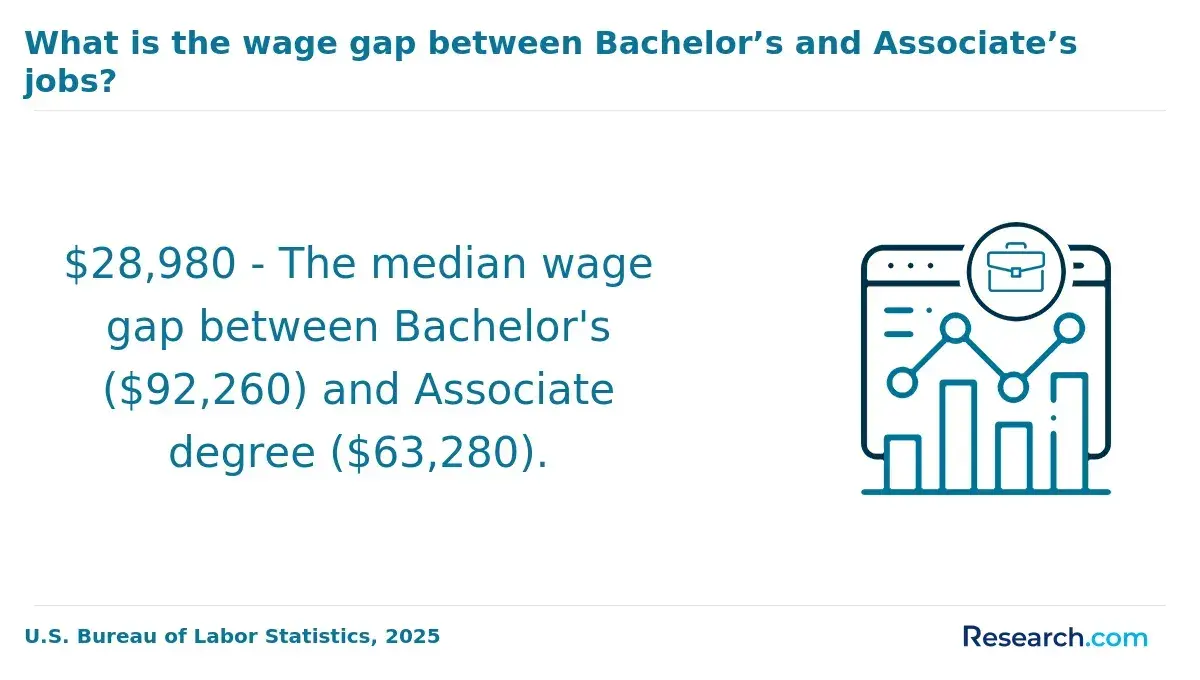
Salary differences across industries for educational administration graduates largely reflect the varying resource availability, organizational complexity, and market demands within each sector. For instance, federal government roles benefit from higher budgets and specialized oversight responsibilities, pushing median pay above $110,000 annually according to the U.S. Bureau of Labor Statistics.
Meanwhile, local and state government positions often struggle with tighter fiscal constraints but may offer greater employment stability and community impact. Private sector opportunities assign a premium to strategic skills that drive organizational learning, frequently surpassing $100,000 in salary.
These disparities shape the realities around earning potential and job nature for graduates navigating educational administration salary trends by industry. The following highlights key industries where the highest salaries are most likely encountered:
- Federal Government: Federal roles typically command the top salaries, with education administrators in executive departments earning median wages exceeding $110,000. Positions involve managing complex policies and programs at a national scale, often requiring advanced leadership and compliance expertise. This sector's compensation reflects both the elevated scope of responsibility and stable funding streams.
- Private Sector Consulting and Corporate Training: Many graduates find lucrative opportunities in educational consulting firms or corporate learning divisions where salaries often exceed $100,000. These jobs demand a blend of administration, business acumen, and data analysis skills, reflecting the industry's emphasis on workforce development and continuous learning. Compensation is high, but roles may require adaptability to diverse organizational cultures outside traditional education settings.
- Higher Education Institutions: Administration roles such as academic deans or student affairs directors in colleges and universities offer salaries averaging around $95,000. Earnings vary widely depending on institution size, location, and prestige. These positions combine educational leadership with program development influence, balancing moderate income levels with professional autonomy and sector reputation.
- Local and State Government Education Departments: Positions managing public K-12 education systems usually provide median salaries between $80,000 and $95,000. Budget restrictions limit pay scale growth, but these roles often feature greater job security and meaningful engagement with community education policy, appealing to graduates prioritizing social impact over maximum earnings.
Graduates weighing these options may also consider resource efficiency when selecting degree programs. For those seeking cost-effective pathways into administration careers, researching the cheapest master's in healthcare administration might reveal comparable skills at a lower investment, useful for broadening administrative qualifications in complex sectors.
Which Industries Have the Fastest Growth for Educational Administration Careers?
Selecting an industry with strong growth prospects is critical for educational administration graduates aiming for long-term career sustainability and advancement. Industries with expanding demand not only offer more job openings but also tend to provide better salary growth, professional development, and stability. Understanding which sectors will expand rapidly helps graduates prioritize where to build expertise and align their skills with employer needs.
As labor market conditions shift, forecasting these trends becomes an essential part of making informed career decisions. Below are industries poised for significant growth in educational administration roles, reflecting contemporary economic and societal forces:
- Postsecondary Education: Enrollment increases in colleges and universities, especially in STEM and technical fields, drive demand for administrators focused on accreditation, compliance, and program management. The U.S. Bureau of Labor Statistics projects a steady expansion around 8% through 2030 for education administrators in higher education, fueled by growing student populations and quality assurance requirements.
- Corporate Training and Development: Businesses investing heavily in upskilling and digital learning platforms need skilled educational administrators to design and manage training initiatives. The rapid adoption of e-learning technologies and emphasis on workforce agility are pushing growth in this sector, often offering dynamic roles for those who can bridge pedagogy and technology effectively.
- Government and Nonprofit Education Programs: Expanding funding for educational equity, workforce readiness, and lifelong learning drives demand for administrators adept at program coordination and grant management. Growth in these sectors is tied to shifting policy priorities and increased regulatory complexity, providing opportunities for professionals comfortable navigating public and private partnerships.
One graduate, initially uncertain about sector choice, found that focusing on government education programs aligned best with her values and skills. Despite initial hesitation due to lower starting salaries, she recognized the potential for impact and stability as local governments expanded their workforce development initiatives. Her experience managing grants and compliance became a strong asset, highlighting how real-world demands shape career paths beyond simple growth statistics.
Which Employers Commonly Recruit Educational Administration Graduates?
Recognizing which employers commonly hire educational administration graduates helps students and recent graduates tailor their academic focus, internships, and job searches toward sectors with the strongest hiring activity. Hiring trends vary considerably depending on specialization within educational administration, regional job markets, and the evolving priorities of industry sectors. For example, a graduate aiming for a leadership role in a rural K-12 district may face different opportunities and challenges than one targeting policy analysis in a state education department.
Understanding these nuances supports more strategic career decisions. Below are key employer types that consistently recruit educational administration professionals:
- Public School Districts: Public K-12 school systems are the largest employers of educational administration graduates, encompassing roles such as principals, superintendents, and district-level administrators who oversee school operations and education policy implementation. According to 2024 data from the U.S. Bureau of Labor Statistics, these districts continue to show stable demand due to ongoing needs for leadership amid shifting education standards and accountability measures.
- Higher Education Institutions: Colleges and universities hire graduates for managerial roles like academic deans and student affairs directors, blending administrative expertise with strategic planning to support institutional goals. Employment in this sector often provides competitive benefits and opportunities for involvement in curriculum development and faculty governance, though growth rates tend to vary by institution type and funding availability.
- Government Education Agencies: State and federal education departments recruit educational administration professionals to develop policy, evaluate programs, and ensure compliance with education laws. These roles require strong analytical skills and an understanding of complex education systems. Positions here typically offer stability and the chance to influence education policy at broad levels, though hiring can be subject to political and budget shifts.
- Educational Consulting and Nonprofits: Organizations focused on education reform and community initiatives employ graduates in roles that emphasize curriculum design, equity-focused programming, and professional development. This sector appeals to those seeking mission-driven work but often involves fluctuating funding and project-based employment, requiring adaptability and networking skills.
- Corporate Training and EdTech Firms: Increasingly, companies in corporate learning and educational technology hire graduates to manage training programs and develop learning platforms. These employers value administrative and leadership skills combined with technological adaptability, offering dynamic roles but with less geographic stability than traditional education institutions.
Which Skills Are Most In Demand Across Educational Administration Industries?
Skills that remain valuable across multiple industries typically reflect enduring professional demands rather than fleeting trends. Graduates with a background in educational administration benefit when they prioritize competencies that employers consistently seek, regardless of sector shifts. This stability comes from a blend of technical expertise and transferable skills that underpin effective leadership and operational management. For example, an administrator adept at analyzing student data to optimize learning programs can transfer this skill to a nonprofit education organization or policy role, illustrating the broad applicability of core competencies.
Below are the most critical skills employers prioritize across educational administration industries.
- Data-Driven Decision Making: Employers value leaders who can interpret educational data to guide policy and improve student outcomes. Students develop this skill through coursework in educational technology and applied analytics, enhancing their ability to support evidence-based initiatives and adapt to data-centric environments.
- Educational Technology Proficiency: Mastery of digital platforms and learning management systems is essential as institutions increasingly leverage technology. Practical experience with such tools sharpens technical fluency, making graduates competitive across K-12, higher education, and consulting sectors.
- Budget Management and Compliance: Understanding financial oversight and regulatory requirements remains crucial, especially in public education systems. This skill can be honed via internships and real-world administrative roles, ensuring graduates navigate fiscal and legal complexities effectively.
- Effective Communication: Clear, purposeful communication with diverse stakeholders—teachers, parents, and policymakers—is indispensable. Educational administration programs often emphasize collaborative projects and conflict resolution, preparing students to foster positive community relationships.
- Adaptability and Problem Solving: Rapid changes in educational standards and funding require agility and innovative thinking. Engaging with case studies or dynamic learning environments helps develop these competencies, supporting long-term career resilience.
- Leadership and Strategic Planning: Guiding teams and implementing innovative programs demand strategic vision and interpersonal skills. Practical leadership opportunities during studies or early career roles cultivate these abilities, aligning with the growing emphasis on equity and inclusion.
According to 2024 data from the U.S. Bureau of Labor Statistics and analyses by EDUCAUSE and the National Center for Education Statistics, these combined technical and transferable skills rank among the top requisites in educational administration-related occupations. Prospective graduates should consider developing a robust portfolio that integrates these competencies.
For those interested in advancing skill sets post-degree, emerging opportunities such as educational consulting, nonprofit education leadership, and policy development offer promising prospects. A relevant example includes pursuing specialized credentials like a post masters FNP certification, which can supplement educational leadership with clinical expertise, expanding career pathways in health education administration.
Building effective leadership skills for educational administration roles remains a cornerstone for standing out in competitive employment markets. Furthermore, identifying the critical skills employers seek in educational administration graduates helps students tailor their education and experiential learning strategically to foster long-term success.
How Do Career Paths Differ Across Industries for Educational Administration Graduates?
Choosing an industry after earning an educational administration degree significantly shapes long-term career growth, often as much as the degree itself. Different sectors prioritize distinct skills, experiences, and leadership styles, affecting how graduates advance and what daily challenges they face. For example, a graduate starting as a principal in a public school district will navigate a very different trajectory than one joining a private ed-tech firm or a nonprofit agency.
Understanding these differences helps students align their career choices with their ambitions, work preferences, and adaptability to change. Below are key ways career paths diverge by industry:
- Career Structure: Public education typically follows a hierarchical, predictable advancement model, moving from site-based roles to district leadership over years. In contrast, private and nonprofit sectors often present more fluid, less linear paths where lateral moves or new responsibilities in diverse functions may accelerate progression.
- Salary Growth: Entry salaries in public K-12 and higher education tend to start lower with steady, incremental raises constrained by budgets. Private educational services and technology companies usually offer faster pay increases tied to performance and market demand, rewarding innovation and business acumen.
- Workplace Dynamics: Public institutions emphasize compliance, policy adherence, and community accountability, aligning with stable governance. Private and nonprofit roles demand agility, cross-disciplinary collaboration, and sometimes entrepreneurial thinking to meet dynamic organizational goals.
- Skill Development: Educational administration graduates in public schools deepen expertise in education law, curriculum standards, and stakeholder relations. Those in private or nonprofit settings often cultivate broader skills, including program design, data analytics, or corporate training, expanding their employability beyond traditional education.
- Leadership Opportunities: While public education offers clear leadership ladders, promotion often hinges on tenure and formal qualifications. Alternative sectors may provide faster leadership chances but require self-directed career management and adaptability to evolving priorities.
- Mobility and Flexibility: Data from the Bureau of Labor Statistics 2024 indicates a 7% projected growth in private educational services, signaling expanding opportunities with diverse job functions. Graduates aiming for cross-industry mobility often find private and nonprofit sectors more conducive to shifting roles and responsibilities.
- Impact Focus: Public education careers often align with community service and policy influence, supporting those seeking stable, mission-driven work. In contrast, private and nonprofit roles might appeal to graduates motivated by innovation, organizational change, or addressing broader social challenges beyond the classroom.
How Do Industry Trends Affect Future Opportunities for Educational Administration Graduates?
Industry trends substantially impact the career trajectories of educational administration graduates by altering the demand landscape, salary ranges, and the nature of available roles. Shifts in technology, demographics, and institutional priorities continuously reshape where and how graduates can apply their expertise. For example, the U.S. Bureau of Labor Statistics projects a 6% growth in employment for educational administrators through 2034, outpacing average job growth and reflecting evolving educational needs.
Understanding these trends helps graduates align their skills with market demands. The key trends influencing future opportunities include the following:
- Digital Learning Integration: The surge in online and hybrid education has led institutions to prioritize administrators capable of managing technology-driven learning environments. This creates demand for professionals adept at overseeing virtual instruction, ensuring compliance, and facilitating digital tools, particularly in K-12 and higher education settings. Graduates who combine tech fluency with leadership skills gain a competitive edge.
- Diverse Educational Settings: Career paths are expanding beyond traditional schools into corporate training, nonprofit education initiatives, and government agencies. These sectors seek administrators who can tailor leadership to varied organizational goals, offering graduates more varied roles that often emphasize policy, curriculum design, or workforce development. Flexibility and adaptability become essential attributes.
- Equity and Inclusion Focus: Schools increasingly view diversity and culturally responsive leadership as critical. Institutions committed to equity seek administrators who can implement inclusive policies and foster diverse environments. Proficiency in equity-driven leadership enhances job security and salary potential, requiring graduates to develop nuanced interpersonal and policy skills.
A graduate from an educational administration program recently shared how approaching job searches with an eye on these trends made a decisive difference. Initially hesitant about moving into a district's newly formed equity office, the graduate recognized the growing institutional emphasis on diversity and inclusion as a pivotal factor.
The shift prompted rapid skill development in culturally responsive leadership, eventually leading to a role that not only matched emerging workforce needs but also provided deeper professional fulfillment. This example underscores how attentiveness to evolving industry priorities can guide graduates toward roles with both immediate relevance and long-term stability.
How Can Students Prepare for High-Demand Educational Administration Industries?
Strong preparation for educational administration careers hinges on integrating practical experience with targeted skills development. Recent data from the U.S. Department of Education and the National Center for Education Statistics show that internships and practicum placements in schools or educational nonprofits increase employability by over 30%.
However, preparing effectively requires more than academic success alone; students must navigate varying industry demands and build both technical and interpersonal competencies. Below are key strategies to bolster readiness for industries showing robust hiring growth and salary potential:
- Hands-on Experience: Securing internships or practicum roles within school districts or educational organizations exposes students to real-world challenges and decision-making contexts. This direct involvement not only enhances resumes but expands professional networks essential in competitive sectors with strong demand.
- Data Literacy Development: Mastering data-driven decision-making and policy analysis equips candidates to address complex educational challenges. Students can build these skills via coursework or applied projects, aligning with priorities identified by the Brookings Institution as increasingly valued in the field.
- Leadership Skill Building: Engaging in leadership roles on campus or in professional associations prepares students to manage diverse teams and projects effectively. Such experience demonstrates adaptability and cultural competency needed in long-term educational administration roles.
- Certifications in Finance and HR: Earning credentials related to finance management and human resources broadens career options within education sectors. These competencies enhance versatility, enabling graduates to fill critical institutional roles beyond frontline administration.
- Professional Association Involvement: Active participation in organizations like the American Educational Research Association facilitates access to current research, mentorships, and workshops. These resources support continuous learning and signal commitment to employers in high-demand fields.
- Policy Awareness: Staying up to date on local, state, and federal educational policies helps students anticipate industry shifts and adapt accordingly. This strategic understanding is vital for meaningful contributions in dynamic employment sectors.
- Soft Skill Cultivation: Developing communication, conflict resolution, and cultural competency ensures graduates can lead diverse educational environments effectively. These interpersonal skills often differentiate candidates in hiring decisions and sustain long-term career success.
Strategic focus on these effective preparation strategies for educational administration careers allows students to tailor their development to evolving industry needs. While approaches vary by career goals, combining academic achievement with practical experience and ongoing skill refinement remains crucial.
For example, students analyzing employment trends may contrast educational roles with other fields, noting that disciplines such as pharmaceutical sales offer distinct salary dynamics, as detailed in reports on pharmaceutical sales salary. Such comparisons inform smarter career planning in educational administration and related sectors.
How Do Different Educational Administration Degree Programs Prepare Students for Industry Careers?
Programs in educational administration vary significantly in their approach to preparing students for diverse industry careers. These differences matter because graduates must adapt to roles ranging from K-12 schools to corporate training and government agencies. According to a 2024 report by the National Center for Education Statistics, programs integrating internships or practicum experiences demonstrate a strong correlation with career readiness, underscoring the importance of applied learning.
Below are key factors prospective students should consider when comparing how educational administration degree programs prepare them for industry careers:
- Leadership Training: Programs emphasizing leadership cultivate skills essential for managing teams and navigating organizational dynamics. This focus benefits graduates seeking roles in schools or corporate settings where decision-making and staff coordination are critical.
- Data-Driven Decision-Making: Coursework that develops analytical abilities enables graduates to leverage educational data for improving outcomes. Industries increasingly require administrators to use evidence-based strategies, making this skill vital.
- Policy Analysis: Understanding educational policies prepares students to influence and implement regulatory frameworks. This skill is especially relevant in government agencies and nonprofit organizations focused on education.
- Technological Competency: Programs that include training in educational technology and learning management systems meet the growing demand for tech-savvy administrators. Proficiency in these areas opens opportunities in sectors adopting digital learning tools.
- Practical Experience Integration: Internships and practicum opportunities offer hands-on learning and networking benefits. The National Center for Education Statistics found this element strongly predicts early career success.
- Organizational Management: Emphasizing conflict resolution and management theory helps graduates handle complex institutional challenges, a necessity across both public and private education sectors.
- Financial and Strategic Planning: Programs focusing on budgeting and strategic resource allocation equip students to navigate fiscal responsibilities, supporting long-term institutional growth.
For example, a graduate aiming to work in educational consultancy should prioritize a program that blends technology management with strategic planning, whereas one targeting K-12 administration might focus more on leadership and policy training. Given this diversity, students must evaluate how each program's strengths align with their career goals and learning styles. Those seeking practical, career-ready experiences may also explore additional options like online RN programs for non nurses to understand hybrid approaches in related fields.
The variation in programs reflects the nuanced reality that the strongest educational administration degree career preparation depends on both industry-specific skills for educational administration graduates and individualized professional aspirations.
Which Industry Is the Best Fit for Your Educational Administration Career Goals?
The best industry fit for an educational administration career varies greatly depending on individual priorities such as preferred work environment, specialization, earning goals, and desired impact. For example, one graduate passionate about shaping policy might pursue roles in government agencies or nonprofits focused on education reform, valuing mission-driven work and flexible schedules. Conversely, another graduate interested in stable employment and direct student impact could find K-12 public or private school districts more suitable, despite more moderate salary growth. According to a 2024 Education Week Research Center survey, factors like social impact and flexible work environments are increasingly influential for graduates when choosing employers.
Students should thoroughly research employer expectations, projected industry growth, skill requirements, and internship opportunities while reflecting on their own strengths and interests to make well-informed decisions. Data from the U.S. Bureau of Labor Statistics and the National Center for Education Statistics highlight steady demand in K-12 settings, whereas higher education offers higher starting salaries and advancement potential. Ultimately, successful careers emerge from aligning personal goals with industry realities rather than chasing the highest pay or fastest growth, recognizing that diverse sectors can support long-term achievement in educational administration.
References
- Why Educational Administration Careers Matter | All Education Schools https://www.alleducationschools.com/teaching-careers/educational-administration/
- The Best Education Management Companies to Work For as Rated by Women (July 2026) https://www.inhersight.com/companies/best/industry/education-management
- How to Become an Education Administrator... https://www.londoncollegeofteachers.co.uk/blog/how-to-become-a-education-administrator/
- The 10 Highest Paying Jobs With a Teaching Degree [Quiz] https://www.umassglobal.edu/blog-news/highest-paying-jobs-with-a-teaching-degree
- 10 Key Management Skills Every Educational Professional Should Master - The Managers Training Company https://themanagerstrainingcompany.co.uk/10-key-management-skills-every-educational-professional-should-master/
- Education Administration https://www.princetonreview.com/college-majors/88/education-administration
- 15 Best Paying Jobs in Higher Education Administration https://www.topeducationdegrees.org/best-paying-jobs-higher-education-administration/
- Educational Administration Jobs - Academic Jobs https://www.academicjobs.com/pl/higher-ed-jobs/education-jobs/educational-administration-and-leadership-jobs
- Essential Skills Every Higher Education Admin Should Have | ASAP https://www.asaporg.com/articles/essential-skills-every-higher-education-admin-should-have/
- 5 Careers you can pursue with a Master’s in Educational Administration | PLNU https://www.pointloma.edu/resources/education/5-careers-you-can-pursue-masters-educational-administration
Other Things You Should Know About Educational Administration
Workload expectations differ significantly across industries, impacting long-term job satisfaction and burnout risk. Graduates entering public school administration often face cyclical workload spikes tied to academic calendars and policy deadlines, demanding strong time management. In contrast, roles in higher education or nonprofit sectors might offer more flexible schedules but require managing diverse stakeholder interests simultaneously. Understanding these tradeoffs helps prioritize workplaces with sustainable demands aligned with personal work-life balance preferences.
Choosing industries that invest in ongoing leadership training and upskilling can accelerate career progression and resilience to sector changes. Sectors like higher education and large charter networks commonly offer structured development programs, which enhance adaptability to evolving policy environments. Prioritizing employers with professional growth pathways often translates into better retention and compensation growth, making it a strategic focus for graduates planning long-term careers.
Industries with lower starting salaries but rapid growth-such as community education nonprofits-may yield medium-term financial gains through advancing roles rather than immediate pay. Graduates must weigh the initial financial tradeoff against potential leadership opportunities and meaningful career impact. This calls for a strategic outlook: if shorter-term income stability is essential, higher-paying but slower-growing sectors could be preferable; if upward mobility and mission alignment matter more, emerging fields might offer better fulfillment over time.
Many top hiring industries emphasize interdisciplinary collaboration, expecting educational administration graduates to work effectively with finance, technology, and compliance teams. Graduates from programs that embed cross-functional project experience tend to transition more smoothly and gain leadership roles faster. Prospective students should prioritize practical training in teamwork and diverse stakeholder engagement to meet these expectations and avoid siloed roles with limited upward mobility.