2027 A Second BS in Business Administration After a Bachelor's in Statistics: Credits, Cost, and Alternatives
Audited and Verified:
Our Editorial and Data Verification Process
Research.com uses government datasets, official education statistics and primary institutional information to support its career and degree guides. Our review process checks factual accuracy, occupational definitions, source dates and the requirements associated with the credentials discussed.
How This Article Was Fact-Checked
Our editorial team verifies salary estimates, employment projections, education requirements and program information against original data providers and official organizations. Salary figures are checked against the relevant occupational definitions and reporting periods. Information about licensure, accreditation and required in-person training is reviewed separately.
Fact-checked and verified on:

Co-Founder and Chief Data Scientist
A statistics graduate may already have the quantitative skills employers want, yet lack the accounting, operations, or marketing knowledge needed for a particular business role. A second BS in Business Administration can fill those gaps, but previously earned credits do not necessarily shorten the business major as much as expected.
This guide explains how to evaluate remaining requirements, total cost, and career fit against certificates, graduate study, and direct work experience - so you can choose the smallest credible path to your goal.
Key Things You Should Know
- A previous bachelor's degree may satisfy general education requirements, but the school decides whether individual courses satisfy the business core, concentration, and second-degree residency rules.
- Compare the cost of remaining required courses, not credits accepted: business prerequisites, course sequencing, and aid eligibility can change the final bill and timeline.
- If your goal is analytics or an adjacent business role, targeted business coursework and relevant projects may offer better value than another bachelor's; the degree is most defensible when a specific job pathway requires substantial undergraduate business preparation.
Is a second business administration bachelor's degree worthwhile after statistics?
Start with the role you want, not the degree title. A statistics bachelor's already supports data analysis, modeling, and interpretation. A second business degree is most useful when you need a broad, structured foundation in accounting, finance, marketing, operations, and management - and can show that the resulting coursework meets a specific career or employer requirement.
For a substantial move into business operations, the degree may provide a coherent curriculum and access to recruiting or applied projects. For a move from statistical analysis into business analytics, one or two business courses plus work samples may be more direct. If supply chain is the target, compare a general business degree with shorter completion timelines for supply chain bachelor's students; the specialized route is worthwhile only if its remaining requirements and recruiting opportunities fit your goal.
Ask whether a target employer requires another bachelor's, prefers particular business skills, or mainly wants evidence that you can apply statistics to commercial decisions. A second credential does not substitute for experience managing people, budgets, or projects.
How many credits transfer into a second bachelor's degree in business administration?
There is no reliable universal credit total. A school may accept much of your statistics transcript while applying relatively few courses to its business core. Some institutions waive general education for prior bachelor's holders; others evaluate each requirement. The official degree audit - not the number of credits on an initial transfer estimate - determines what remains.
The table separates credit acceptance from degree progress. Use these categories when comparing written evaluations from schools.
| Requirement | Potential value of statistics coursework | What may still be required |
| General education | A completed bachelor's may satisfy some or all requirements, depending on policy. | Institution-specific courses or graduation requirements. |
| Quantitative prerequisites | Calculus, statistics, or computing may match required courses. | A business-specific analytics course if equivalency is denied. |
| Business core | Prior economics or accounting may apply if content matches. | Accounting, finance, marketing, management, operations, and capstone courses. |
| Concentration and residency | Relevant electives may count if formally approved. | Required upper-division courses and credits taken at the awarding school. |
Request a second-degree audit showing each remaining course, prerequisites, residency credits, and the earliest term each required course is offered. Transfer-focused guides to online project management bachelor's programs accepting transfer credits can help identify a role-specific comparison, but their transfer policies cannot predict how a business administration program will evaluate your transcript.
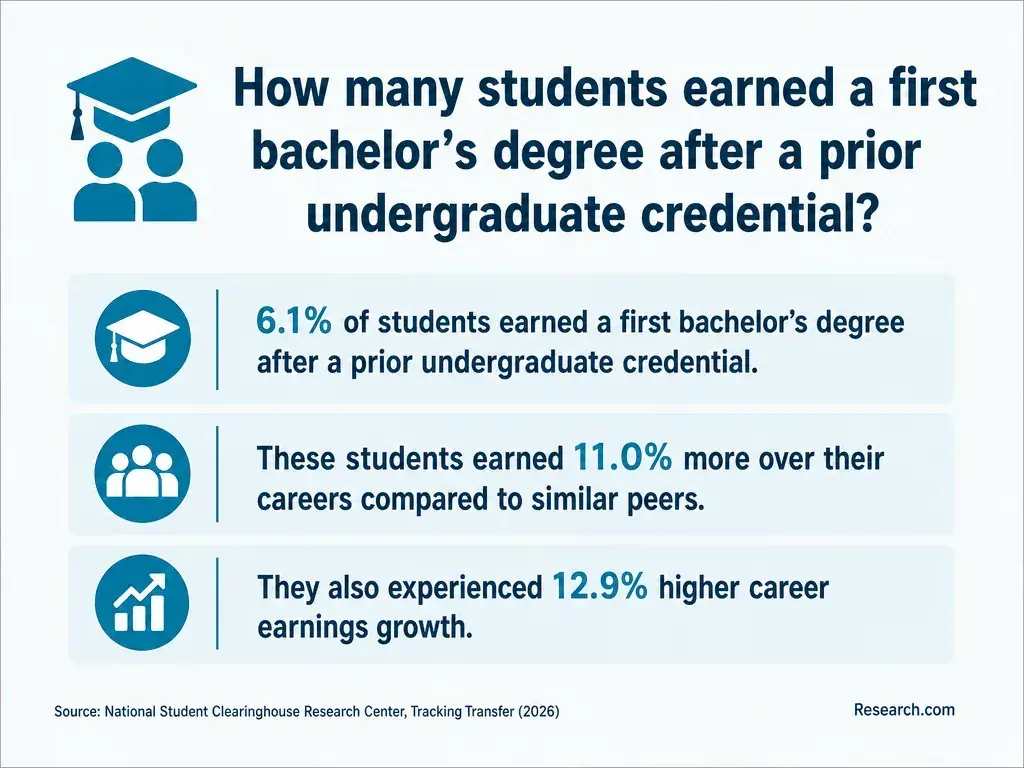
What are the costs and fastest alternatives to a second business degree?
Calculate cost from the approved remaining-course plan: tuition plus mandatory fees, books and software, any travel or proctoring charges, and potential earnings lost to study time. Multiply per-credit tuition by credits you must actually complete, then account for term-based charges and courses that may delay graduation. A business degree tuition comparison guide can help you shortlist schools, but advertised prices are not a personalized second-degree quote.
The fastest alternative depends on the missing qualification. Individual accounting or finance courses can address a narrow knowledge gap; a graduate certificate can offer structured advanced study; employer-supported projects can establish applied experience. Ask each provider for its course schedule and total charges before comparing timelines. Federal grants and loans have different eligibility rules for students who already hold a bachelor's; do not assume a second bachelor's qualifies for the same aid you received for the first.
Schools may distinguish admission to the university from admission to the business major. Expect a request for official transcripts and evidence of the completed bachelor's degree; a program may also set GPA, prerequisite, or major-entry requirements. Your statistics background may cover quantitative preparation but does not automatically replace accounting or economics prerequisites.
Before applying, ask admissions whether second-bachelor's applicants are accepted, whether the business major has separate entry criteria, and whether prerequisites can be completed after admission. Then ask the registrar or transfer office for a course-by-course evaluation. Published lists of shorter affordable business administration degree pathways are starting points, not confirmation that a school admits prior bachelor's holders or waives requirements for them.
Online delivery may reduce travel and make continued employment easier; campus study may offer easier access to scheduled recruiting, student teams, and in-person faculty support. Neither format guarantees a shorter second degree. Accounting prerequisites, upper-division course availability, group assignments, and capstone scheduling can control the timeline in either setting.
When you evaluate American online business school options, obtain sample course schedules and ask whether classes have live meetings, timed or proctored exams, required campus visits, or internships. Confirm that remote students can use career services and that required business courses - not just electives - run often enough to support your proposed finish date.
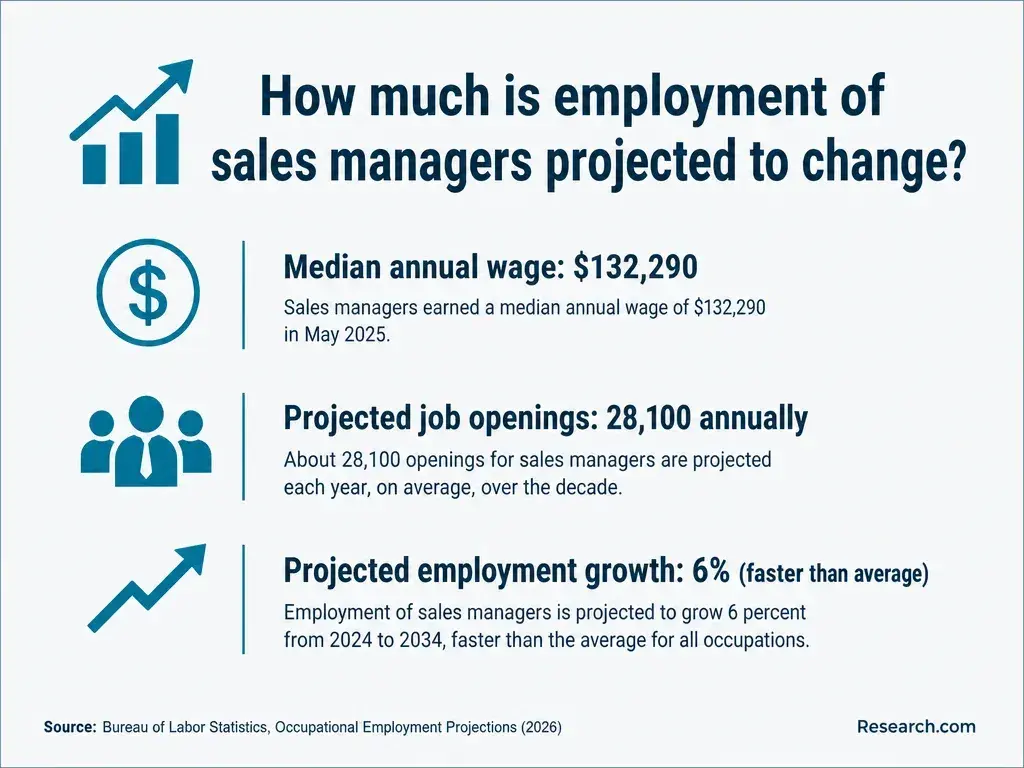
Business administration programs commonly combine financial and managerial accounting, economics, finance, marketing, organizational behavior, operations, business law, and strategy. Your statistics courses may cover quantitative requirements, but business analytics coursework can add practice framing decisions around customers, costs, and operational constraints. Review the syllabus rather than assuming a similarly named course duplicates prior learning.
Choose electives for the target function. Operations or supply chain courses may complement forecasting; finance courses may strengthen budget and financial-statement interpretation. If that function is the main goal, compare the business curriculum with budget-friendly supply chain degrees with shorter schedules, checking whether specialization would add or reduce the courses you must take. An elective cluster is not necessarily a formally awarded concentration.
Check institutional accreditation with the institution and its recognized accreditor, then confirm whether any claimed AACSB, ACBSP, or IACBE accreditation covers the business program you would enter. Institution-level accreditation and business-program accreditation describe different scopes; neither promises that your statistics courses will satisfy major requirements or that you will find a job.
Request the catalog rules for your intended enrollment term and a written second-degree audit. Ask which office approves equivalencies, substitutions, transfer appeals, and residency exceptions. Financial-aid eligibility deserves a separate check: resources on business administration tuition budgets using federal student aid can inform your questions, but the school's aid office must determine your eligibility and remaining borrowing options.
Your strongest initial opportunities may sit at the intersection of quantitative work and a business function: market research analyst, operations or supply chain analyst, financial analysis support, or project coordinator. These roles differ. Market research calls for translating customer and survey evidence into recommendations; operations work emphasizes processes, forecasts, and constraints; project coordination emphasizes schedules, stakeholders, and reporting.
Match each application to evidence of the work: a clearly explained analysis, spreadsheet model, or approved project showing the decision it informs and its limitations. For an HR-focused transition, compare the relevant coursework and entry-level duties with online human resources programs for associate degree holders, while recognizing that their transfer pathways are designed for a different academic starting point. A business degree alone does not make a new graduate an HR manager or another type of manager.
The U.S. Bureau of Labor Statistics reports a $78,760 median annual wage for market research analysts in May 2025 and projects 7% employment growth from 2025 to 2035. That occupation is one plausible fit for someone combining statistics with marketing knowledge. Its national, occupation-wide median is not a starting salary or a predicted return on a second degree; experience, industry, location, and the actual role all matter.
Evaluate a proposed degree against jobs you could realistically seek before and after completing it, rather than comparing tuition with an experienced manager's wage. If project work is your target, include tuition and aid questions for project management students in a separate pathway comparison; a project management specialist's occupation-wide pay cannot establish that another bachelor's would improve your earnings.
Which certifications or graduate alternatives can replace a second bachelor's degree?
A certificate in accounting, business analytics, supply chain, or project management can address a defined skill gap without repeating broad undergraduate study. A relevant professional certification may help where employers recognize it, but certification bodies set their own education and experience requirements. An MBA or specialized master's may suit a graduate ready for advanced study; check prerequisites, admissions expectations, total cost, and whether the curriculum supplies the introductory business knowledge you lack.
For each option, compare required courses, access to applied work, credential awarded, and the job requirement it addresses. If a second bachelor's still fits best, economical college choices for business administration majors can help build a shortlist. Make the final choice only after receiving degree audits and cost estimates based on your completed statistics degree.
Other Things You Should Know About Business Administration
Often, yes. Ask whether the school permits nondegree enrollment, whether seats are available, and whether those courses could later count toward a credential.
Usually a minor must be awarded as part of a degree under that institution's rules. Ask your original school whether any post-graduation option exists before planning around it.
Your original institution's transcript generally remains its own academic record. The second school will apply its policies when recording transferred work and calculating a new institutional GPA.
Only if the program approves it under its internship or experiential-learning rules. Existing employment by itself does not award academic credit.
- Student Eligibility for Pell Grants | ed.gov https://fsapartners.ed.gov/knowledge-center/fsa-handbook/2024-2025/vol7/ch1-student-eligibility-pell-grants
- Fast Facts: Tuition costs of colleges and universities (76) | ed.gov https://nces.ed.gov/fastfacts/display.asp
- What can I do with a major in....? | Cleveland State University https://business.csuohio.edu/student-support/what-can-i-do-with-major-in
- How Do Transfer Credits Work When You Go Back to School? | Whitworth Online https://online.whitworth.edu/news-articles/how-do-transfer-credits-work-when-you-go-back-to-school/
- Eligibility Requirements - Office of Student Financial Aid https://financialaid.iastate.edu/getting-started/qualifying-for-aid/eligibility-requirements/
- Second Bachelor's - UF Online - University of Florida https://ufonline.ufl.edu/apply/admissions-requirements/second-bachelors/
- What kind of aid am I eligible for as a second-degree student? | unc.edu https://studentaid.unc.edu/faq/what-kind-of-aid-am-i-eligible-for-as-a-second-degree-student/
- College of Business Administration - Academic Catalog https://catalog.uic.edu/ucat/colleges-depts/business-administration/
- Second Bachelor Degree | Florida Atlantic University https://www.fau.edu/admissions/transfer/second-bachelor-degree/
- Bachelor of Business Administration Concentration in Business Statistics | Southern California State University https://www.scsuniversity.edu/bachelor-of-business-administration-concentration-in-business-statistics/