2027 Educational Administration Salary Trends Report: Are Wages Keeping Up With Tuition and Inflation?

Co-Founder and Chief Data Scientist
A prospective educational administration student weighs the costs of pursuing the degree against potential future earnings. With tuition steadily climbing and inflation affecting daily expenses, understanding whether the financial return justifies the investment is crucial. Rising education costs can quickly outpace salary growth, making simple salary figures insufficient for evaluating true value. This scenario highlights the importance of analyzing long-term earning potential alongside the evolving economic landscape.
Salary increases, tuition hikes, and inflation often move at different rates, influencing purchasing power in complex ways. Prospective and recent graduates must consider how these factors interact over time rather than relying on snapshot salary numbers. This article examines salary trends, tuition costs, inflation, and their impact on return on investment, affordability, and the long-term financial value of an educational administration degree.
Key Things to Know About Educational Administration Salary Trends
- The 2024 National Education Salary Report shows median educational administration wages rising 3.2% annually, trailing inflation by 0.8%, indicating real earnings growth is constrained despite nominal gains.
- Rising tuition, now averaging a 5% annual increase, often outpaces initial salary jumps post-graduation, creating longer break-even periods and impacting net lifetime return on investment.
- Long-term earning potential heavily depends on roles in district leadership or specialized program management, where data-driven supervision skills increasingly command premium salaries above general administration positions.
- Key Things to Know About Educational Administration Salary Trends Key Things to Know About Educational Administration Salary Trends
- What Is the Current Salary Outlook for Educational Administration Graduates? Salary Outlook
- Are Educational Administration Salaries Keeping Up With Inflation? Inflation Impact
- How Do Tuition Costs Compare With Educational Administration Salary Growth? Tuition vs Salary
- Does a Educational Administration Degree Deliver a Positive Return on Investment? Degree ROI
- Which Industries Offer the Highest Salaries for Educational Administration Graduates? Which Industries Offer the Highest Salaries for Educational Administration Graduates?
- Which States and Cities Offer the Highest Pay for Educational Administration Professionals? Which States and Cities Offer the Highest Pay for Educational Administration Professionals?
- How Do Educational Administration Salaries Grow Throughout a Career? Career Growth
- How Do Educational Administration Salaries Compare With Similar Degrees? Salary Comparison
- How Is Employer Demand Affecting Educational Administration Salary Trends? Employer Demand
- How Can Students Maximize Their Lifetime Earnings With a Educational Administration Degree? Maximizing Earnings
What Is the Current Salary Outlook for Educational Administration Graduates?
The current salary outlook for educational administration graduates reflects significant variation based on career trajectory and work setting. While median annual wages for roles such as school principals and postsecondary education administrators generally fall between $85,000 and $105,000, individual earnings can diverge sharply. For instance, a graduate who becomes a principal in a large urban school district may earn near the higher end of this scale, benefiting from district budgets and leadership responsibilities. Conversely, a peer working in a smaller or rural institution might start closer to $85,000, underscoring how geographic location and institutional size directly influence salary outcomes within educational administration graduate salary trends.
Evaluating the current salary outlook for educational administrators requires considering factors beyond entry salary. Inflation rates of 4-5% annually have outpaced the more modest salary increases typically granted in education budgets, affecting real income growth. However, roles in educational administration often provide additional benefits, such as retirement plans and health insurance, which can partly mitigate stagnant salary growth. Furthermore, advancement into district-level or higher education roles frequently leads to more substantial pay increases over time-a crucial consideration for prospective students weighing the cost of their degree against long-term earning potential. This nuanced picture is essential for those exploring paths like a healthcare administration degree online or similar fields closely related to educational leadership.
Given the varied factors affecting pay, prospective and current graduates should interpret salary data alongside job demand trends and opportunities for progression rather than focusing solely on starting paychecks. Even within the same degree program, salary outcomes can diverge due to choices around sector, location, and level of responsibility. Therefore, understanding these dynamics helps frame the investment in an educational administration degree within realistic financial expectations and career goals amid ongoing economic pressures and institutional shifts.
Are Educational Administration Salaries Keeping Up With Inflation?
Wage growth for educational administration professionals has averaged about 2.3% annually, according to the U.S. Bureau of Labor Statistics, while inflation measured by the Consumer Price Index has climbed roughly twice that rate at 4.0%. This gap means that nominal salary increases do not fully compensate for rising living costs, leading to diminished real earning power. For example, an early-career school district administrator receiving a 2.5% raise may find that higher housing, food, and tuition expenses steadily erode the value of that increase. Understanding these dynamics is crucial when evaluating educational administration salary trends and inflation impact on long-term financial wellbeing.
Several factors drive whether salaries keep pace with inflation, including regional funding levels and institutional priorities. Urban districts with larger budgets may offer better wage growth, while rural or resource-constrained schools often lag behind, impacting administrators' total compensation. Additionally, stagnant or slow salary increases relative to tuition inflation create a financial strain, particularly for those balancing work with advanced degree costs. Prospective students need to consider these trade-offs carefully, and exploring flexible options like a health care administration masters degree could provide alternative pathways to leadership roles with competitive pay scales.
How Do Tuition Costs Compare With Educational Administration Salary Growth?
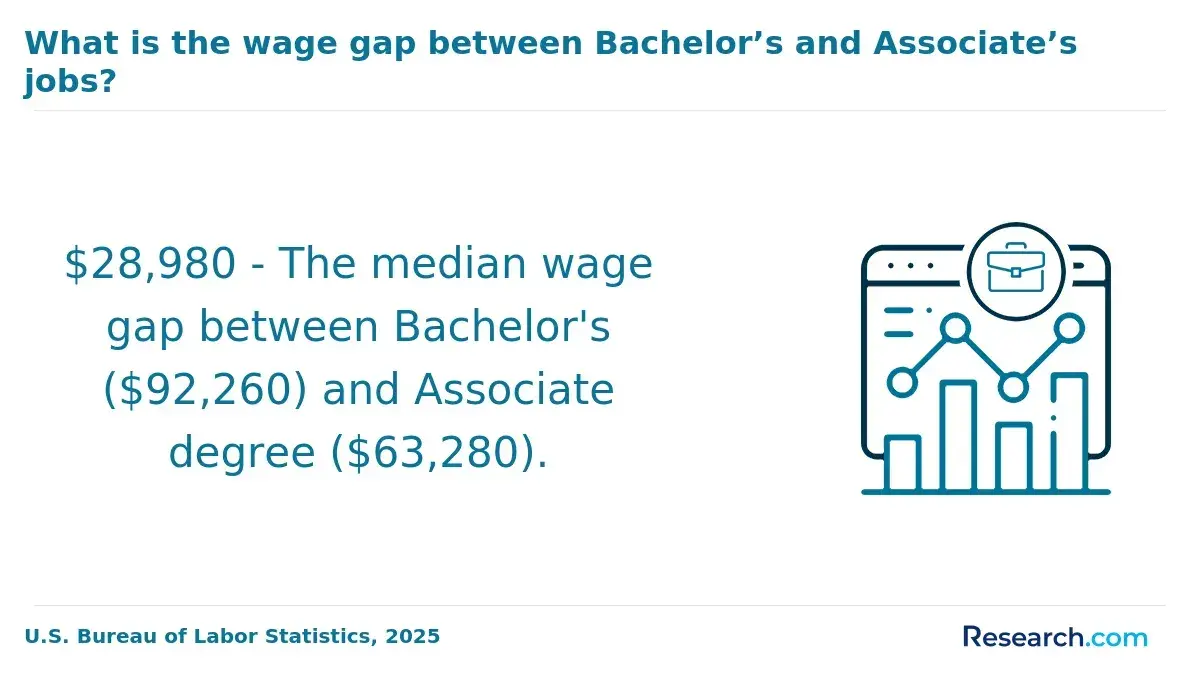
Examining tuition costs alongside salary growth offers a clearer picture of the financial value of an educational administration degree than considering either metric alone. Recent data from the National Center for Education Statistics and the U.S. Bureau of Labor Statistics show tuition at public four-year schools rising by almost 30% over the past decade, while entry-level salaries for educational administration have increased by only about 5% to 10% in five years. This gap means that even as graduates begin their careers, the growing expense of their education may not be fully offset by early salary gains, affecting their financial planning and debt management. Understanding this disparity helps prospective students recognize the importance of weighing long-term wage prospects against upfront costs rather than assuming that employment stability guarantees a proportional return on investment.
The relationship between tuition growth and salary increases is shaped by several factors, including public-sector budget limitations that restrain wage growth and inflationary pressures on educational costs. For illustration, a recent graduate who started with an entry-level salary bumping up slowly may find that the cumulative effect of rising tuition and inflation diminishes the real value of their income through the first decade in the field. Meanwhile, another individual with slower tuition debt but access to mid-career wage improvements could experience a different financial dynamic. This variability underlines the need for personalized financial strategies and realistic expectations about how long it might take for wages to catch up to educational expenses amid fluctuating economic conditions and institutional funding environments.
One educational administration graduate recalls hesitating before enrolling due to a sharp tuition increase at their chosen public university. They weighed the slow pace of salary growth reported by peers and considered how the rising cost would stretch their savings and increase loan burdens. Ultimately, they proceeded but chose a part-time schedule to maintain income flow and reduce reliance on loans. Years later, they acknowledge the economic tradeoff candidly, noting that salary growth has not matched tuition inflation, which shaped their cautious approach to further education and career advancement decisions.
Does a Educational Administration Degree Deliver a Positive Return on Investment?
Return on investment (ROI) in higher education measures whether the financial and time costs of obtaining a degree are offset by increased career opportunities, growth, and earnings over time. For those pursuing an educational administration degree, this calculation extends beyond entry-level salaries to consider long-term leadership roles, tenure-based increments, and job stability. According to recent data from the U.S. Bureau of Labor Statistics and the National Center for Education Statistics, the median annual wage for educational administrators has steadily increased but remains only moderately ahead of inflation, pointing to a modest rather than exceptional financial yield.
Consider a mid-career teacher investing several years and substantial tuition into educational administration studies, seeking district-level leadership roles. Although the degree can lead to positions with higher salaries than typical teaching roles, the rising costs of tuition-growing above 3% annually-along with delayed salary advancements mean that achieving a net positive ROI may take many years. Factors such as geographic location, availability of financial aid, and local demand for administrators heavily influence whether the long-term gains justify upfront costs. Moreover, while administrative positions tend to offer greater income stability and incremental pay tied to experience and credentials, graduates should be mindful that the financial boost tends to be incremental, requiring strategic planning rather than expecting rapid returns.
The variability in return on investment reflects broader economic conditions and individual circumstances. Research from the National Education Association confirms educational administration graduates generally have sustained career security and stable pay increases over time, but these benefits unfold gradually. For prospective students, weighing the moderate, long-term financial rewards against escalating expenses is crucial. Unlike degrees linked to fast-growing, higher-paying fields, educational administration demands a nuanced assessment where ROI hinges largely on career longevity, leadership aspirations, and personal financial strategy rather than immediate salary jumps alone.
Which Industries Offer the Highest Salaries for Educational Administration Graduates?
Graduates with a degree in educational administration face diverse career pathways, but salary potential varies widely depending on the industry. Data from the U.S. Bureau of Labor Statistics and the National Center for Education Statistics reveal that the highest-paying roles often merge educational leadership with complex organizational demands or specialized sector knowledge. Strong salary outcomes also tend to accompany positions requiring strategic oversight, regulatory compliance, or management of large teams and budgets. Realistically, earning potential can hinge on factors such as the type of institution, governance structure, and the scale of educational programs managed. Below are some of the top industries that typically offer the strongest compensation for educational administration graduates, illustrating where the most lucrative opportunities tend to lie.
- Higher Education Institutions: University administrators and deans often receive salaries above the national average due to the comprehensive responsibilities tied to managing academic programs, faculty, and institutional compliance. These roles usually demand advanced degrees and experience in policy implementation and budgeting within a sprawling organizational context.
- Private Educational Services: Private K-12 schools and specialized learning centers offer more competitive salaries to attract skilled administrators who can innovate curriculum design and ensure accreditation standards. These positions frequently reward candidates capable of improving operational efficiency and marketing educational programs in highly competitive markets.
- Government Agencies: Employment in state education departments or federal entities like the U.S. Department of Education involves managing educational policy, program evaluation, and regulatory oversight. These roles favor graduates with strong analytical skills and an understanding of public administration, often resulting in substantial compensation packages.
- Corporate Training and Development: Educational administrators within corporate sectors, especially at large companies or educational technology firms, can command salaries on par with or above academic roles. Expertise in instructional design, leadership development, and workforce education positions professionals to benefit from private-sector resources and flexible compensation models.
- Healthcare and Non-Profit Organizations: These sectors employ educational administration graduates in training departments and community outreach programs. While salaries tend to be more modest, these roles require skills in grant management, stakeholder engagement, and program evaluation, providing meaningful career avenues for those prioritizing impact over income.
The educational administration salary trends by sector clearly indicate that targeting industries strategically can enhance long-term earning potential and job stability. Prospective students and career changers should assess sector-specific demands and the qualifications valued in each field. For those exploring further academic credentials or flexible options, considering an online nutrition degree might offer complementary expertise in institutions valuing interdisciplinary knowledge or community health education programs.
Which States and Cities Offer the Highest Pay for Educational Administration Professionals?
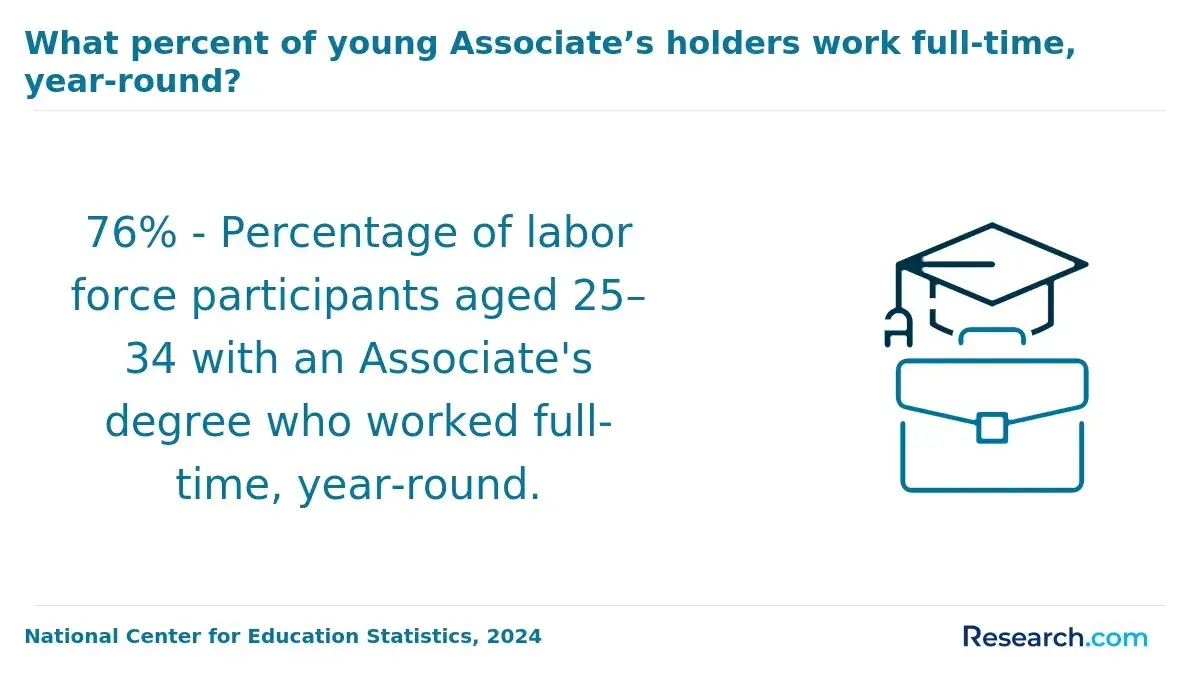
Geographic location markedly shapes the earning potential for educational administration professionals, influencing not only base salaries but also the practical value of those earnings when factoring in cost of living. In 2024, data from the U.S. Bureau of Labor Statistics and the National Center for Education Statistics highlight certain states and metropolitan areas where educational administration roles command notably higher wages, often exceeding $110,000 annually. However, elevated pay in these regions must be weighed against higher housing costs and living expenses, which can significantly reduce net financial benefit. Below are key states and cities where compensation tends to lead the field, alongside important considerations for evaluating these markets.
- California: This state consistently features among the top payers for educational administration, driven largely by its sprawling urban centers and well-funded public education systems. San Francisco, in particular, offers median salaries nearing $130,000 due to a combination of competitive district budgets and a dense concentration of prestigious institutions. Students should consider the high cost of living and housing market volatility when assessing these opportunities.
- New York: With its large network of public and private schools and universities, New York provides strong salary prospects that frequently surpass the national average by 15-20%. The state's complex educational ecosystem supports diverse roles but comes with steep urban living costs, especially in New York City.
- Massachusetts: Boston's vibrant education and tech sectors fuel demand for experienced educational administrators, elevating salaries above $115,000. The region benefits from strong institutional support but also features one of the highest housing price indexes nationally, requiring careful financial planning for newcomers.
- Washington: The Seattle metropolitan area blends a booming tech industry with a robust education system, creating lucrative leadership roles in educational administration. Median salaries reflect this demand, but rising living expenses mean real income gains can be less pronounced than headline figures suggest.
- Texas: While generally offering lower median salaries than coastal hubs, cities like Dallas and Houston are experiencing growth in educational leadership demand, thanks to expanding school districts and population increases. The comparatively lower cost of living enhances the practical value of salaries here.
- Massachusetts Suburban Areas: Outside Boston, suburban districts provide competitive pay tied to strong community support and educational investment but with somewhat lower housing costs, appealing to those seeking a balance between salary and affordability.
- Georgia: Atlanta's educational sector is rapidly growing, combining moderate salary growth with a cost of living significantly below that of Northeast and West Coast metros, offering a strategic entry point for those prioritizing long-term financial stability.
How Do Educational Administration Salaries Grow Throughout a Career?
Salary growth in educational administration typically unfolds unevenly through distinct career phases, shaped most strongly by role complexity and individual qualifications. Early-career administrators such as assistant principals often start with median salaries near $65,000 but experience gradual increases as they hone leadership skills and gain experience. By mid-career, professionals stepping into principal or district supervisor roles see median wages rise substantially, often ranging from $85,000 to $110,000, with variability rooted in district size and location, where urban and high-demand regions tend to pay more. Advanced degrees, especially doctorates, and specialized certifications can accelerate progression, yet salary growth may lag behind ever-rising education costs and inflation.
Consider two graduates with the same educational administration degree: one pursues leadership roles in large urban districts while the other remains in smaller rural schools focusing more on direct student services. Though their starting salaries may be similar, the urban district professional would likely reach six figures sooner due to higher institutional budgets and promotional opportunities. Conversely, the rural administrator's trajectory might be steadier but slower, emphasizing community impact over salary jumps. This illustrates how institutional characteristics and career path decisions, combined with continuing education and networking, strongly determine long-term earning potential beyond degree attainment alone.
One graduate reflected on her journey, recalling the difficult choice between accepting a principalship in a mid-sized district or pursuing a doctorate while continuing in a support role. Initially hesitant about delaying higher pay, she ultimately chose further study. Years later, despite early income sacrifices, she found the advanced credential opened doors to superintendent positions with salaries exceeding $130,000, validating the strategic investment despite inflation-driven tuition growth. Her experience underscores that educational administration salary growth depends not just on tenure but on deliberate professional development and navigating complex labor markets.
How Do Educational Administration Salaries Compare With Similar Degrees?
Salaries for educational administration graduates typically align with related fields but are influenced by specific roles and institutional settings. Data from the U.S. Bureau of Labor Statistics indicates a median annual wage of approximately $98,000 for educational administrators, reflecting competitive earnings relative to many education-centered roles. However, nuances appear when considering factors like sector funding and the size of institutions, which affect earning potential. For example, administrators at large universities tend to command higher salaries compared to those at elementary or secondary schools. Below is a comparison with related degrees to help clarify how educational administration salary compares in practice.
- Instructional Coordination: Median salaries typically hover around $70,000, as roles focus on curriculum development and teacher support rather than broad management responsibilities. Salary differences stem in part from narrower scopes of influence and often smaller budgets compared to educational administration.
- School Counseling: With median earnings closer to $60,000, school counselors generally earn less than educational administrators due to more specialized, student-facing roles. Their work prioritizes direct support over organizational leadership, which is reflected in compensation trends.
- Education Policy Specialists: These professionals often earn in a similar $90,000 to $100,000 range, especially those involved in curriculum development and policy analysis. Salaries depend heavily on the sector, with government and nonprofit positions sometimes offering less than higher education administration.
- Business Administration: Graduates in this field usually surpass educational administration salaries due to larger market demand and more lucrative private sector opportunities. The broader applicability of business skills often results in higher starting pay and quicker salary growth.
For those weighing long-term returns, modest but steady salary growth in educational administration-typically outpacing inflation by 1-2% annually-can justify investment despite rising tuition. Students interested in specialized roles might consider exploring school psychology programs online accredited by NASP, which intersect with education and offer distinct career pathways.
How Is Employer Demand Affecting Educational Administration Salary Trends?
Employer demand significantly shapes educational administration salary trends by intensifying competition among institutions seeking qualified leaders. With expanding educational institutions and growing operational complexities, districts often increase starting salaries and offer performance incentives to attract and retain administrators, especially amid shortages of skilled candidates. For example, a district experiencing rapid enrollment growth may raise salaries to compete for experienced administrators who can manage new technology integration and policy changes effectively, demonstrating how hiring activity directly impacts compensation strategies.
Several forces drive employer demand in this field, including regulatory changes, advancements in educational technology, and evolving leadership expectations. While strong demand can foster faster wage growth in educational administration, salaries also depend heavily on factors like professional experience, specialization, and institutional budget constraints. According to recent U.S. Bureau of Labor Statistics data, employment for educational administrators is projected to grow about 6% through 2034, faster than the average for all occupations, which supports upward pressure on wages despite broader economic challenges.
Nonetheless, salary increases often struggle to match inflation and rising tuition costs, creating a complex trade-off for those investing in an educational administration degree. This dynamic raises questions about the long-term earning potential, especially given that real wage growth remains relatively stagnant. Prospective students and career changers weighing these factors may also consider flexible pathways such as a PhD in counseling online to complement their administrative credentials and broaden career opportunities in education leadership roles.
How Can Students Maximize Their Lifetime Earnings With a Educational Administration Degree?
Students pursuing an educational administration degree can increase their lifetime earnings by aligning their education and career decisions with sectors demonstrating strong salary growth. Data from the U.S. Bureau of Labor Statistics (2024) indicates that leadership roles in higher education, government education agencies, and private consulting typically yield the highest financial returns. For example, an administrator specializing in education technology at a growing urban district may command significantly higher salaries than peers in less dynamic regions. To realize these gains, students must adopt targeted strategies that address evolving market demands and credential expectations. Below are key approaches to maximize long-term earning potential:
- Advanced Credentials: Earning doctoral degrees or certifications in educational leadership increases competitiveness and salary prospects. The National Center for Education Statistics (2024) finds doctoral holders earn 20-30% more than those with master's degrees over their careers.
- Sector Specialization: Focusing on high-demand niches such as policy development, school finance, or education technology integration can differentiate graduates and meet rising institutional needs, improving salary potential.
- Geographic Mobility: Willingness to relocate to urban districts or regions with teacher shortages allows access to higher pay and better benefits, as these areas compete for talent.
- Professional Networking: Active involvement in organizations like the American Association of School Administrators opens doors to leadership roles and consulting opportunities that enhance income.
- Leadership Roles: Pursuing roles beyond school-level administration, such as district or agency leadership, correlates with accelerated salary growth and job stability.
- Continuous Skill Development: Staying current with educational technology and policy trends ensures relevance and adaptability in a changing job market, supporting ongoing salary increases.
References
- Unlocking Your Financial Future | Tiffin University https://go.tiffin.edu/blog/power-of-education-and-earnings/
- Is College Worth it? | Return on Investment Analysis of College Degree https://educationdata.org/college-degree-roi
- Despite growth, average teacher salaries lag behind inflation https://www.k12dive.com/news/despite-growth-average-teacher-salaries-lag-behind-inflation/748534/
- Research Summary: Education and Lifetime Earnings https://www.ssa.gov/policy/docs/research-summaries/education-earnings.html
- EdD Salary - How much can you make with a Doctor of Education (EdD) degree? (2025 Update) https://www.onlineeddprograms.com/faqs/edd-salary
- Here are the top trends in higher education employment. https://hcm.sage.com/blog/5-trends-in-higher-education-employment
- Teacher Career Path: Stages, Roles, Advancement Options https://teachers-blog.com/teacher-career-path/
- Does College Pay Off? A Comprehensive Return On Investment Analysis - FREOPP https://freopp.org/whitepapers/does-college-pay-off-a-comprehensive-return-on-investment-analysis/
- Do increases in public sector wages affect inflation? :: Public Sector Economics https://www.pse-journal.hr/en/archive/do-increases-in-public-sector-wages-affect-inflation_13377/
- The price of college is rising faster than wages for people with degrees | USAFacts https://usafacts.org/articles/is-college-worth-it-the-price-of-college-is-rising-faster-than-wages-for-people-with-degrees/
Other Things You Should Know About Educational Administration
Higher tuition programs in educational administration often come with broader alumni networks and stronger connections to prestigious school districts or administrative roles. However, these potential networking benefits don't guarantee higher salaries or faster salary growth, especially in regions with limited budget increases for educational administrators. If immediate return on investment is critical, prioritizing programs with proven employer partnerships and practical internship placements may be wiser than simply choosing based on brand or tuition cost. Balancing program affordability with demonstrated career support will better manage financial risk over the degree's long horizon.
Given that base salary increases for educational administrators often lag behind tuition inflation, pursuing targeted certifications or advanced credentials that align with district priorities can help differentiate candidates in a crowded job market. However, the cost and time commitment of further qualifications must be evaluated against their likelihood of producing salary bumps or promotions. Strategically selecting certifications with demonstrated local demand and clear pathways to administrative roles can justify the investment, whereas generic or less-recognized credentials may add expense without improving earnings significantly.
Salary figures alone don't capture the increasing administrative workload and bureaucratic demands faced by educational administrators, which have intensified in recent years. As budgets tighten, administrators often take on additional responsibilities without commensurate pay increases, reducing work-life balance and job satisfaction. Prospective administrators need to consider these workload pressures when evaluating salary trends, as a seemingly stable salary might mask growing job stress and burnout risks. Opting for roles in districts known for supportive work environments may outweigh pursuing slightly higher pay in more demanding settings.
Programs featuring integrated leadership development and practical administrative experience can better prepare graduates to meet employer expectations and adapt to evolving school environments. This preparation can accelerate salary growth by positioning graduates for leadership roles sooner. While such programs may come at a premium, the focus on real-world skills and strategic problem-solving enhances career resilience amid inflationary pressure on wages. Students should prioritize these experiential components over purely theoretical curricula to maximize the long-term financial and professional returns on their investment.