2027 Educational Administration Job Market Report: Open Roles, Salary Bands, and Hiring Momentum

Co-Founder and Chief Data Scientist
Labor market patterns in educational administration increasingly reflect shifting institutional priorities and evolving regulatory frameworks rather than straightforward demand fluctuations. Open roles and salary bands mirror how school systems and educational agencies navigate budget constraints, credentialing standards, and the integration of new management technologies.
Hiring momentum signals where expertise in compliance, data-driven decision-making, and equity initiatives is becoming critical. Geographic disparities and workforce demographics further influence labor supply dynamics, revealing localized talent scarcities and areas of structural reorganization.
Student age distribution trends suggest that educational administration must adapt to diverse learner populations, highlighting the need for flexible leadership models attuned to changing accessibility and equity challenges.
Key Things to Know About Educational Administration Job Market
- Job openings in educational administration have grown modestly but remain highly regionalized, requiring candidates to weigh relocation costs against limited local opportunities for upward mobility.
- Salary bands vary significantly by district and institution type, reflecting budget constraints that often pressure employers to favor candidates with proven cost-management skills over purely academic credentials.
- Recent 2024 workforce data indicate prolonged hiring cycles, meaning candidates must plan for extended job searches and potentially unpaid internships, influencing the total cost and timing of career entry.
- Key Things to Know About Educational Administration Job Market Key Things to Know About Educational Administration Job Market
- How Strong Is Demand for Educational Administration Graduates in Today's Job Market? Demand for Graduates
- Which Educational Administration Careers Have the Most Open Job Opportunities? In-Demand Careers
- What Salary Bands Are Employers Offering Across Educational Administration Careers? Offered Salary Bands
- Which Industries Are Hiring the Most Educational Administration Graduates? Top-Hiring Industries
- How Does Hiring Demand Vary by State, Region, and City? Hiring Demand by Location
- What Skills Are Employers Prioritizing in Educational Administration Job Postings? In-Demand Skills
- Which Certifications Increase Employability and Salary Potential? High-Value Certifications
- How Do Remote and Hybrid Opportunities Affect the Educational Administration Job Market? Remote and Hybrid Opportunities
- Which Educational Administration Careers Show the Strongest Long-Term Hiring Momentum? Strongest Careers
- How Can Students Use Job Market Data to Make Better Career Decisions? Utilizing Job Market Data
How Strong Is Demand for Educational Administration Graduates in Today's Job Market?
Demand for educational administration graduates continues at a moderate pace, reflecting a steady rather than rapid expansion in opportunities. The U.S. Bureau of Labor Statistics (2024) projects employment growth near 10% over the next ten years, slightly above the average for all occupations, signaling sustainable but cautious hiring momentum.
Recent LinkedIn Workforce Reports (2024) confirm consistent job postings for educational leadership roles, though heightened competition, particularly for senior positions, requires candidates to combine academic credentials with demonstrated impact in school performance and community engagement. This growth is not uniform, as regional differences heavily influence job availability and salary potential.
Key factors driving demand include the increasing complexity of educational operations, where skills in integrating technology, ensuring regulatory compliance, and advancing equity frameworks are highly prized. Urban and suburban districts with larger student bodies tend to offer more openings and higher salaries but also demand greater qualifications, whereas rural districts may provide fewer roles but often grant more leadership autonomy.
Budget constraints and policy shifts continue to shape these dynamics, requiring candidates to align formal education with practical experience. Prospective students must carefully evaluate how the slower but steady growth of educational administration careers and available job opportunities align with their readiness to meet evolving employer expectations and navigate a competitive labor market.
For those researching related fields or career shifts, resources like the cheapest FNP programs online may offer alternative perspectives on educational ROI.
Which Educational Administration Careers Have the Most Open Job Opportunities?
Job opportunity distribution within educational administration careers is increasingly influenced by sector growth, regional staffing shortages, and rapidly evolving employer expectations. Openings are concentrated in roles that balance traditional leadership responsibilities with demands for specialized skills such as data analysis, legal compliance, and technology integration.
These shifts reflect broader labor market dynamics where districts prioritize strategic management alongside programmatic innovation. Understanding which roles have the most open job opportunities reveals underlying trends in workforce needs across school systems and districts.
- Principals and School Administrators: Representing the largest share of educational administration vacancies, these positions are driven by retirements and growing student populations, particularly in large public school districts. Employers increasingly seek candidates with strong leadership skills, fiscal management expertise, and community engagement capabilities that can address complex operational challenges.
- District Curriculum Directors: The demand for curriculum directors reflects an emphasis on policy implementation and equity-focused education. With accountability pressures mounting, districts value administrators who demonstrate expertise in data-driven program evaluation and adaptive instructional leadership aligned with state and federal standards.
- Finance Officers and Human Resources Administrators: These roles have expanded due to tighter budget controls and the need for effective human capital management. Candidates proficient in resource allocation, compliance, and strategic workforce planning are prioritized to help districts navigate fiscal constraints while meeting staffing demands.
- Directors of Student Services: Increasing legal mandates related to special education and heightened awareness of student mental health have fueled growth in positions overseeing counseling, behavioral programs, and special education compliance. Employers require administrators adept at navigating regulatory environments and coordinating multidisciplinary support services.
- Technology Coordinators and Chief Technology Officers: As schools integrate digital tools and blended learning models, these roles exhibit rising demand for leaders who can manage technology infrastructure, lead staff training, and align technological investments with instructional goals. Employers emphasize skills in cybersecurity, system administration, and educational technology innovation.
- Compliance and Policy Implementation Specialists: Reflecting a broader focus on governance and regulatory adherence, districts are hiring specialists to oversee policy compliance, equity initiatives, and data reporting. Expertise in legal frameworks and stakeholder communication is essential in this segment of the labor market.
- Regional Educational Consultants and Coordinators: Responding to differentiated regional needs and statewide reform efforts, these positions assist in program oversight and inter-district collaboration. Candidates skilled in project management and cross-sector coordination are increasingly valued in regional hubs with high educational administration job openings by region.
According to Bureau of Labor Statistics projections, principal and administrative roles in education are expected to grow approximately 8% over the next decade, outpacing average occupational growth. This trend underscores the strategic shifts driving demand in educational administration, where candidates must balance operational excellence with evolving instructional and social priorities.
Job seekers assessing career opportunities in educational administration should weigh these market realities alongside role-specific competencies. For example, while traditional leadership remains critical in principal roles, district administrators benefit from specialized knowledge in finance, policy, or technology. Aligning one's skillset with these segmented needs can significantly impact long-term employability and professional impact.
For those exploring related pathways, it is useful to understand how educational administration intersects with fields like healthcare management, where program management and compliance share similar challenges. Individuals interested in interdisciplinary perspectives may consider reviewing resources on health information management programs online for transferable insights into administration and governance in complex organizations.
What Salary Bands Are Employers Offering Across Educational Administration Careers?
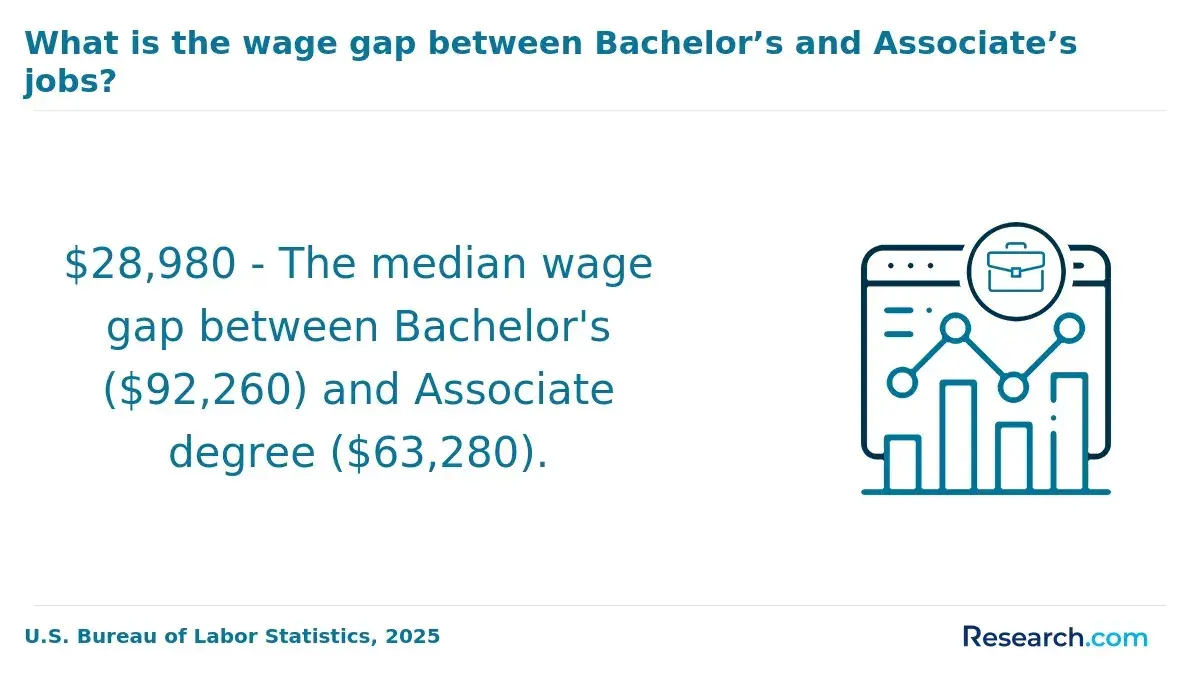
Salary ranges within educational administration roles demonstrate clear stratification, influenced heavily by the complexity and scope of responsibilities. Entry-level positions like assistant principals or administrative coordinators typically earn between $45,000 and $65,000 annually, reflecting their focus on foundational administrative tasks and limited managerial duties.
Mid-tier roles such as principals or department heads command between $70,000 and $110,000, underscoring the higher demands of staff supervision and budget oversight. At the senior level, titles including district superintendents and executive directors can earn from $110,000 up to $180,000 or more, a reflection of extensive leadership responsibilities and strategic influence, according to 2024 compensation insights from the U.S. Bureau of Labor Statistics and LinkedIn Salary data.
Variations in these salary bands are shaped by several critical factors. Specialization depth drives pay differentials, with roles requiring advanced degrees and proven leadership often rewarded at the higher end of the spectrum. Geographic disparities further influence compensation, as urban districts with higher living costs typically offer more substantial salaries than rural or smaller districts.
Additionally, the size and budget of the employing institution play a pivotal role, as larger organizations can allocate more resources toward competitive pay, particularly for senior roles managing complex compliance, multi-million-dollar budgets, and community relations. Scarcity of leadership skills and a successful track record in enhancing educational outcomes also elevate salary potential, reflecting the market's demand for experienced administrators capable of navigating evolving educational landscapes.
One educational administration graduate recalled the uncertainty during the rolling admissions cycle, feeling hesitant as she weighed whether to accept an offer early or wait for higher-ranked programs to respond. With limited feedback from programs and looming application deadlines, she spent weeks balancing the risk of losing a viable spot versus securing admission.
In the end, her decision to accept a mid-tier program's offer was influenced partly by the predictable salary trajectories she had researched, prioritizing a stable entry point into the field over uncertain prospects, illustrating how salary expectations intersect with strategic career planning during admissions decisions.
Which Industries Are Hiring the Most Educational Administration Graduates?
Demand for educational administration graduates is presently concentrated in sectors experiencing digital shifts, workforce growth, or persistent leadership shortages. These industries are not merely increasing headcount but are redefining roles to incorporate data-driven decision-making, policy adaptation, and stakeholder engagement.
The structure of hiring reflects broad economic pressures such as accountability reforms in education, expanded government program funding, and tech sector innovation, all of which elevate the need for administrative professionals adept at navigating complex organizational environments.
- Primary and Secondary Education: Public and private K-12 schools remain the largest employers due to ongoing regulatory demands and the need for effective district management. The emphasis here is on leadership skills that align with evolving accountability standards, diversity and inclusion initiatives, and crisis management capabilities. Nearly 60% of new graduates enter this sector, highlighting its central role as both an entry point and career anchor.
- Higher Education Institutions: Colleges, universities, and community colleges are expanding administrative staffs to manage increasing program complexity, student services, and compliance with federal education policy changes. Hiring often targets graduates with strengths in resource allocation, academic program oversight, and interdepartmental coordination, reflecting institutional priorities related to retention and student success outcomes.
- Government Education Agencies: Local and state education departments are investing in leadership to oversee large-scale policy implementation and implement systemic improvements. Graduates equipped with skills in strategic planning, policy analysis, and stakeholder communication are highly sought after, as these agencies respond to demands for transparency, equity, and improved educational outcomes.
- Non-Profit Education Organizations: Organizations focused on education policy, advocacy, and community programming are growing their leadership capacity to influence reform and expand access initiatives. These roles require a mix of policy expertise, program management, and the ability to engage diverse constituencies, signaling a shift toward more externally focused, impact-driven administrative functions.
- Educational Technology Companies: Edtech firms increasingly recruit educational administration graduates to lead training, implementation, and customer success efforts that translate pedagogical theory into scalable digital solutions. The trend reflects rapid digital transformation within education, with employers prioritizing skills that bridge educational content knowledge and technology deployment strategies.
According to National Center for Education Statistics data from early 2024, a significant majority of educational administration graduates find roles within traditional education settings, but the increasing presence in tech and non-profit sectors indicates growing diversification in employment pathways.
How Does Hiring Demand Vary by State, Region, and City?
Hiring demand for educational administration roles exhibits significant variation across states and regions, closely tied to differences in industry concentration, local economic conditions, and education funding priorities. States such as California, Texas, and Florida experience stronger growth in vacancies due to their large student populations and expanding school districts, fueled by rising enrollment and regulatory complexity.
Contrastingly, the Northeast presents a saturated market with steady but slow hiring growth, reflecting more mature administrative structures. The South and Southwest benefit from faster population increases and targeted K-12 investments, resulting in above-average demand.
These regional disparities align with broader patterns observed in labor market geography and highlight that workforce ecosystems influence opportunity density more than mere population counts, with 2024 U.S. Bureau of Labor Statistics data underscoring such trends in educational administration careers.
At the city level, hiring demand responds not only to population size but also to the presence of education-focused infrastructure, local employer networks, and cost-of-living dynamics. Metropolitan areas like Austin, Denver, and Charlotte, which combine fast growth and policy emphasis on education reform, typically offer more job openings for educational administration graduates but also greater competition and salary premiums that mirror higher living expenses.
Smaller cities and suburbs may have fewer roles but tend to provide greater stability and community engagement opportunities. Employer expectations for skills such as data analysis and change management shape hiring preferences, often correlating with regional workforce development initiatives.
For candidates weighing regional job opportunities and salary trends in educational administration careers, understanding how economic structures and localized talent pipelines intersect is critical to making informed decisions aligned with long-term prospects. Those exploring pathways can also consider supplemental credentials, such as the cheapest online master's in nutrition, which reflect a growing share of programs designed to diversify skillsets amid evolving employer standards.
What Skills Are Employers Prioritizing in Educational Administration Job Postings?
Employer expectations within educational administration roles are increasingly influenced by rapid technological shifts, automation of routine tasks, and the sector's growing need for multifaceted leadership. The evolving landscape demands professionals who not only understand education systems but also integrate data analysis, strategic management, and stakeholder communication.
These trends reflect a broader move toward interdisciplinary capabilities that enhance operational effectiveness and policy responsiveness.
- Strategic Planning: Beyond basic organizational skills, strategic planning is essential as institutions face complex challenges like resource constraints and policy reforms. Employers value administrators who can anticipate shifts, allocate resources effectively, and guide schools through long-term transformations, signaling a preference for forward-thinking leadership over reactive management.
- Data Literacy: With data-driven decision-making now central, proficiency in interpreting student performance metrics and educational analytics platforms significantly boosts employability. Nearly 68% of current job listings emphasize this ability, highlighting a shift where evidence-based intervention replaces intuition in improving academic outcomes.
- Leadership and Communication: Effective administrators must blend visionary leadership with practical problem-solving, managing diverse teams while navigating relationships with parents, policymakers, and community stakeholders. This skillset addresses the sector's complexity and increases a candidate's capacity to drive meaningful change.
- Financial Management: Expertise in budget oversight, grant administration, and fiscal compliance remains critical, reflecting growing scrutiny over public funding and resource optimization. This acumen signals an administrator's ability to sustain institutional viability amid tightening financial pressures.
- Regulatory Compliance: Familiarity with federal and state education laws is increasingly prioritized, as legal adherence avoids costly penalties and shapes program eligibility. Administrators who maintain up-to-date regulatory knowledge can better manage risk and support institutional integrity.
- Change Management: The necessity to lead schools through innovation efforts and reform initiatives demands skills in managing resistance, fostering buy-in, and aligning teams with new priorities. This reflects employers' focus on adaptability and transformation capacity in dynamic educational environments.
- Cultural Competence and Inclusivity: Awareness and responsive leadership regarding diverse student populations and equity issues are now fundamental. Effective administrators help cultivate inclusive climates that improve educational access and outcomes, aligning with national equity mandates and community expectations.
Which Certifications Increase Employability and Salary Potential?
Certifications in educational administration function as critical signals that validate specialized knowledge, leadership capability, and readiness to address complex school district challenges. Employers increasingly view these credentials not merely as formalities but as evidence of practical skills in policy navigation, organizational management, and emerging educational technologies.
They are strategic tools that complement formal degrees, helping candidates differentiate themselves in competitive hiring pools and influence salary negotiations by aligning with current administrative demands.
- Certified Educational Administrator (CEA): This credential is highly regarded for its focus on core administrative competencies including leadership, budgeting, and compliance. It meets direct employer expectations for candidates who can manage multifaceted district operations and often correlates with a measurable salary increase-sometimes between 12% and 18%, according to recent national data. The CEA's alignment with foundational job requirements makes it a powerful differentiator in crowded applicant pools.
- Certified Principal (NASP): Valued especially in K-12 settings, this certification signals proficiency in school leadership and regulatory adherence, which are critical in larger districts with stringent accountability standards. Its recognition by the National Association of School Principals links it to improved placement odds and can yield roughly 15% higher hiring rates in competitive job markets, addressing notable skill shortages in effective school leadership.
- Special Education Administrator Certification: Targeting niche expertise, this certification addresses growing demand for administrators skilled in inclusive education and compliance with federal special education mandates. Districts prioritizing equity and specialized program management reward these credentials with both accelerated career pathways and enhanced starting salaries.
- Educational Technology Leadership Certification: As digital tools become integral to school operations and instruction, this certification equips administrators to lead technology integration and innovation. It represents a proactive response to workforce gaps in tech-savvy leadership, often influencing hiring decisions and compensation in districts emphasizing remote learning and digital equity.
One graduate recalled applying late in the year during a rolling admissions cycle and initially hesitating to pursue additional certifications amid uncertain admission responses. After receiving acceptance, they prioritized obtaining the Certified Educational Administrator credential, recognizing from interactions with district HR that it would significantly bolster their candidacy and salary potential.
The timing of certification preparation aligned closely with job application cycles, reinforcing that strategic sequencing and readiness to acquire targeted credentials can make a tangible difference in both employability and compensation trajectories.
How Do Remote and Hybrid Opportunities Affect the Educational Administration Job Market?
Remote and hybrid opportunities are reshaping hiring trends in educational administration by prompting districts and institutions to adjust their recruitment criteria and operational models. According to recent labor market analytics, including 2024 workforce insights from LinkedIn, hybrid roles are becoming more prevalent, often requiring candidates to demonstrate proficiency in digital communication tools and autonomous task management.
While fully remote positions remain scarce due to the need for on-site leadership and direct stakeholder engagement, hybrid formats enable employers to attract a broader talent pool without fully relinquishing physical presence requirements. This shift is also subtly influencing salary structures, with some digitally advanced districts offering modest financial incentives to candidates possessing hybrid work competencies.
These adjustments reflect evolving employer priorities shaped by hybrid job opportunities for educational administration professionals, which in turn are emerging not merely as a convenience but as strategic hiring adaptations.
The broader implications of these work models include increased geographic mobility for candidates and a gradual normalization of salary differences across regions, though on-site duties continue to anchor many leadership roles. Employer expectations are increasingly centered on collaboration acumen and tech-savvy communication, pushing job seekers to cultivate hybrid-ready skill sets to remain competitive.
This trend contributes to enhanced competition for positions that blend remote flexibility with essential in-person responsibilities, effectively altering the traditional local labor market dynamics. For many professionals weighing these options against early-career realities, understanding these nuances is critical when exploring remote work trends in educational administration careers.
Those considering alternative pathways related to healthcare and administrative support might also reference guidance on how to become a medical examiner assistant, highlighting the practical interplay of education, certification, and labor demand across sectors.
Which Educational Administration Careers Show the Strongest Long-Term Hiring Momentum?
Long-term hiring momentum in educational administration careers stems from structural shifts rather than transient labor market changes. This momentum reflects enduring transformations in education systems driven by demographic trends, regulatory complexities, and technological integration.
Such forces create sustained demand for administrative roles that adapt to evolving compliance standards and operational challenges, underpinning workforce stability over time. Understanding which educational administration careers exhibit the strongest hiring momentum requires analyzing these deeper industry dynamics.
- School Principals: Principals maintain steady demand due to their essential role in overseeing school operations and responding to increasing enrollment pressures. Their responsibilities now increasingly include managing data-driven educational strategies and staff performance metrics, which align with broader accountability measures in public education systems.
- Instructional Coordinators: Growing emphasis on curriculum standards and technology integration sustains demand for instructional coordinators. They bridge policy with classroom practice, ensuring instructional quality adapts alongside educational innovations and compliance mandates, reinforcing their long-term employability.
- District-Level Administrators: Superintendents and assistant superintendents face rising complexity in managing large school districts marked by diverse student populations and regulatory requirements. Their strategic oversight, particularly in urban and suburban districts, remains critical in areas such as resource allocation, policy implementation, and community engagement.
- Special Education Administrators: The growing focus on inclusive education policies and legal mandates for special needs services underpins increased demand. These roles require both specialized knowledge and leadership to navigate evolving federal and state regulations promoting equitable access to education.
- Higher Education Administrators: Expansion of postsecondary programs and emphasis on diversity initiatives support sustained demand. Their role in managing complex enrollment systems and compliance with accreditation standards positions them well amid shifting higher education landscapes.
The U.S. Bureau of Labor Statistics projects an 8% employment growth for education administrators from 2022 to 2032, faster than the average for all occupations, highlighting structural hiring momentum. Prospective candidates should be mindful that advanced degrees such as Ed.D. or M.Ed., combined with experience in technology and policy compliance, significantly enhance competitiveness in these roles.
Job seekers exploring the long-term job growth trends for educational administration roles benefit from recognizing how evolving administrative demands intertwine with workforce sustainability. Additionally, exploring complementary credentials can be advantageous.
For example, those interested in administrative capacities within healthcare or allied fields might consider an online medical billing and coding certificate fast program to diversify their qualifications and adapt to intersecting administrative domains.
How Can Students Use Job Market Data to Make Better Career Decisions?
Students can utilize job market data from sources like labor reports, updated hiring platforms, and current salary databases (2024 and beyond) to gain a granular understanding of demand within educational administration.
These data points reveal which roles and regions offer robust hiring momentum and competitive compensation, highlighting where skills such as data management, budgeting, and regulatory compliance are most sought after. Evaluating hiring trends alongside salary bands helps clarify potential growth trajectories and the real-world value of specialized credentials versus entry-level qualifications.
When interpreting these data, students must weigh indicators like geographic demand variability, long-term stability of educational institutions, and alignment with their skill sets and interests. Overemphasizing short-term spikes in openings risks misjudging career viability, so integrating market insights with personal goals and adaptability is essential.
This balanced analysis allows for strategic planning that accounts for tradeoffs among salary expectations, leadership opportunities, and evolving sector priorities, fostering more informed decisions in pursuing educational administration pathways.
References
- Why Educational Administration Careers Matter | All Education Schools https://www.alleducationschools.com/teaching-careers/educational-administration/
- 5 Careers you can pursue with a Master’s in Educational Administration | PLNU https://www.pointloma.edu/resources/education/5-careers-you-can-pursue-masters-educational-administration
- About - Careers - Current Openings, Strategic Education, Inc. https://sei.strategiceducation.com/about/careers/current-openings/default.aspx
- Job Search, Career Advice & Hiring Resources | iHireSchoolAdministrators https://www.ihireschooladministrators.com/
- Administration Jobs in Schools & Districts https://www.educationalleadershipdegree.com/educational-leadership-jobs/
- Here are the top trends in higher education employment. https://hcm.sage.com/blog/5-trends-in-higher-education-employment
Other Things You Should Know About Educational Administration Job Market
Higher salaries in educational administration roles often come with significant tradeoffs like heavier workloads, extended hours, and higher stress. Candidates must weigh if their personal capacity and long-term work-life balance goals align with these demands. Prioritizing roles with manageable workloads that still offer competitive pay can offer better career sustainability rather than maximizing salary at the expense of burnout and job dissatisfaction.
While salary is a major factor, a mismatch with an institution's culture can lead to faster turnover and diminished job satisfaction, undermining long-term career growth. Candidates should prioritize workplaces where leadership style, decision-making processes, and values resonate with their own approach. This alignment typically results in better professional relationships, increased influence, and more sustainable career trajectories, outweighing small salary differentials.
Accepting lower-paying roles in public educational administration can be strategic if those positions provide substantive leadership experience and clear pathways to advancement. However, candidates must critically assess whether these roles offer meaningful professional development or merely maintain employment. Prioritizing positions that deliver measurable skill growth and networking opportunities is essential to leverage hiring momentum effectively rather than settling for stagnant roles.
Volatile hiring momentum means mid-career professionals face uncertainty when seeking new roles or pivots within educational administration. They should focus on enhancing transferable leadership competencies and flexibility rather than relying solely on prior experience. Proactively targeting employers with steady or growing hiring trends-while being prepared for periods of slower opportunity-can mitigate risk and support smoother mid-career transitions.