2027 Educational Administration Student Debt Report: Borrowing, Monthly Payments, and Repayment Risk

Co-Founder and Chief Data Scientist
Programs in educational administration often require extended enrollment periods due to certification, internship, and fieldwork mandates, directly affecting student borrowing decisions. Unlike other disciplines, graduates balance debt repayment with entry into a workforce marked by salary variability and fluctuating demand across public and private education sectors.
Recent data from the National Center for Education Statistics (2024) highlights that nearly 45% of educational administration students carry loans exceeding $30,000, reflecting the cost of prolonged credentialing phases. The age profile of enrollees-with many mid-career professionals seeking advancement-suggests evolving workforce needs and access challenges. This report examines borrowing patterns, monthly payments, and repayment risks faced specifically by educational administration graduates.
Key Things to Know About Educational Administration Student Debt
- Educational administration student debt averages have grown 12% since 2022, intensifying repayment timelines and requiring students to weigh longer debt periods against potential career advancement timing.
- Employers increasingly expect leadership candidates with manageable debt levels, influencing hiring decisions and long-term career stability in education administration sectors sensitive to financial risk.
- Monthly payment obligations for educational administration graduates often begin during critical early career phases, creating tradeoffs between living costs and early professional development opportunities.
- Key Things to Know About Educational Administration Student Debt Key Things to Know About Educational Administration Student Debt
- How Much Student Loan Debt Do Educational Administration Graduates Typically Have at Graduation? Average Studen Loan Debt
- What Factors Have the Biggest Impact on Educational Administration Student Loan Debt? Student Debt Key Factors
- What Is the Average Monthly Student Loan Payment for Educational Administration Graduates? Average Monthly Payment
- How Do Repayment Rates Compare Between Public and Private Institutions? Public vs. Private Institution Repayment Rates
- Do Online Educational Administration Graduates Have Different Repayment Outcomes Than Campus-Based Students? Online vs. On-Campus Student Loan Repayment
- Which Industries Provide the Best Financial Return Relative to Borrowing Costs? Which Industries Provide the Best Financial Return Relative to Borrowing Costs?
- Does Student Debt Affect Which Jobs Educational Administration Graduates Accept? Does Student Debt Affect Which Jobs Educational Administration Graduates Accept?
- What Factors Increase Student Loan Repayment Risk for Educational Administration Graduates? Loan Repayment Risk Factors
- How Can Educational Administration Students Reduce Student Loan Debt While Earning Their Degree? Tips to Reduce Student Debt
- How Should Prospective Students Evaluate Borrowing Risk Before Enrolling? Evaluating Student Debt Risk
How Much Student Loan Debt Do Educational Administration Graduates Typically Have at Graduation?
Recent data from sources like the National Center for Education Statistics and College Scorecard indicate that the typical student loan debt for educational administration graduates generally ranges between $30,000 and $60,000 at graduation. This range aligns with borrowing patterns seen in graduate degree programs, though it remains below debt averages found in fields such as law or business.
Variations within this spectrum reflect not only tuition costs but also factors like program length and whether students enroll part-time or full-time. These debt figures underscore the financial realities faced by educational administration students, often compounded by slower income growth in education leadership roles relative to other professions.
The variation in debt levels is influenced significantly by institutional choices and enrollment patterns. Graduates attending private institutions or out-of-state public universities tend to accrue higher debt due to increased tuition and fees, while scholarships and grants can offset borrowing, especially for those at public in-state schools. Additionally, part-time students, who often work concurrently, may spread borrowing over a more extended period but still accumulate comparable total debt due to longer program durations.
The financial aid landscape and cost of living also shape borrowing behaviors, contributing to disparities in typical borrowing amounts for educational administration degrees across different regions and demographic groups. Prospective students might explore alternative pathways or fields-for example, some might compare their options with easy nursing programs to get into-to weigh financial and career tradeoffs before committing substantial loans.
These debt burdens have practical implications for repayment and long-term financial health, as salaries in educational administration often lag behind those in more lucrative sectors. Reliance on income-driven repayment plans and public sector forgiveness programs adds complexity and uncertainty to managing debt, with variable eligibility and program shifts. Consequently, understanding these typical debt ranges and the factors influencing them helps graduates prepare for the fiscal challenges ahead.
What Factors Have the Biggest Impact on Educational Administration Student Loan Debt?
Student loan debt levels in educational administration programs arise from a complex interplay of institutional pricing structures and individual financial circumstances rather than a single determining factor. Institutional type, program length, and enrollment patterns fundamentally shape tuition burdens, while financial aid availability and student behavior influence actual borrowing decisions.
Disparities in these elements cause significant variation in how much debt students ultimately carry, reflecting both the systemic cost frameworks and borrowers' adaptive strategies. Recognizing these drivers is essential to understanding debt outcomes and managing repayment risks effectively.
- Institution Type and Residency Status: Public universities typically offer lower tuition compared to private institutions, but for out-of-state students, the cost advantage narrows substantially, driving higher borrowing. Since many educational administration students attend graduate programs with few direct subsidies, the combination of institution pricing and residency substantially impacts debt accumulation. This factor interacts closely with financial aid availability, often limiting grant opportunities for higher-cost programs.
- Program Length and Enrollment Mode: Extended enrollment periods, common in master's and doctoral tracks, increase tuition and living costs over time, especially for students studying part-time while working. Online and hybrid delivery options can alter fee structures and allow continued employment, potentially reducing immediate borrowing needs. However, prolonged program duration still translates to sustained expenses, amplifying cumulative debt despite flexible formats.
- Financial Aid and Institutional Support: Limited grant, scholarship, and assistantship options at the graduate level in educational administration increase dependence on loans. Reduced availability of such aid means students must fill funding gaps through borrowing, which escalates debt loads especially when combined with higher tuition or living expenses. This scarcity of non-loan support highlights the systemic constraints within affordability frameworks for this field.
- Student Financial Behavior and Demographics: Age, prior earnings, and access to employer education benefits influence borrowing patterns significantly. Older students or those with financial reserves often borrow less, mitigating debt growth despite institutional costs. Conversely, early-career students without substantial income or benefits may rely heavily on loans, reflecting diverse financial starting points that shape debt outcomes.
- Employment Outcomes and Debt Repayment Capacity: Median starting salaries for educational administration graduates hover near $60,000, presenting a constrained wage-to-debt balance for students with debt exceeding this amount. This ratio affects both borrowing willingness and repayment risk, as modest initial earnings must cover sizable loan obligations. Understanding these realistic income prospects is critical when evaluating the tradeoffs of program cost versus long-term financial sustainability.
According to the National Center for Education Statistics, educational administration graduates typically incur between $50,000 and $70,000 in student loan debt, underlining the substantial financial commitments required. Prospective students must weigh these borrowing levels against expected earnings and consider the impact of enrollment choices and aid options on monthly repayment responsibilities. Awareness of these factors offers a clearer view of economic pressures shaping educational administration student loan debt.
For those exploring accelerated options that may reduce borrowing duration and cost, reviewing an authoritative fast-track degree list can provide useful guidance on programs designed to shorten time-to-degree and potentially moderate debt exposure.
What Is the Average Monthly Student Loan Payment for Educational Administration Graduates?
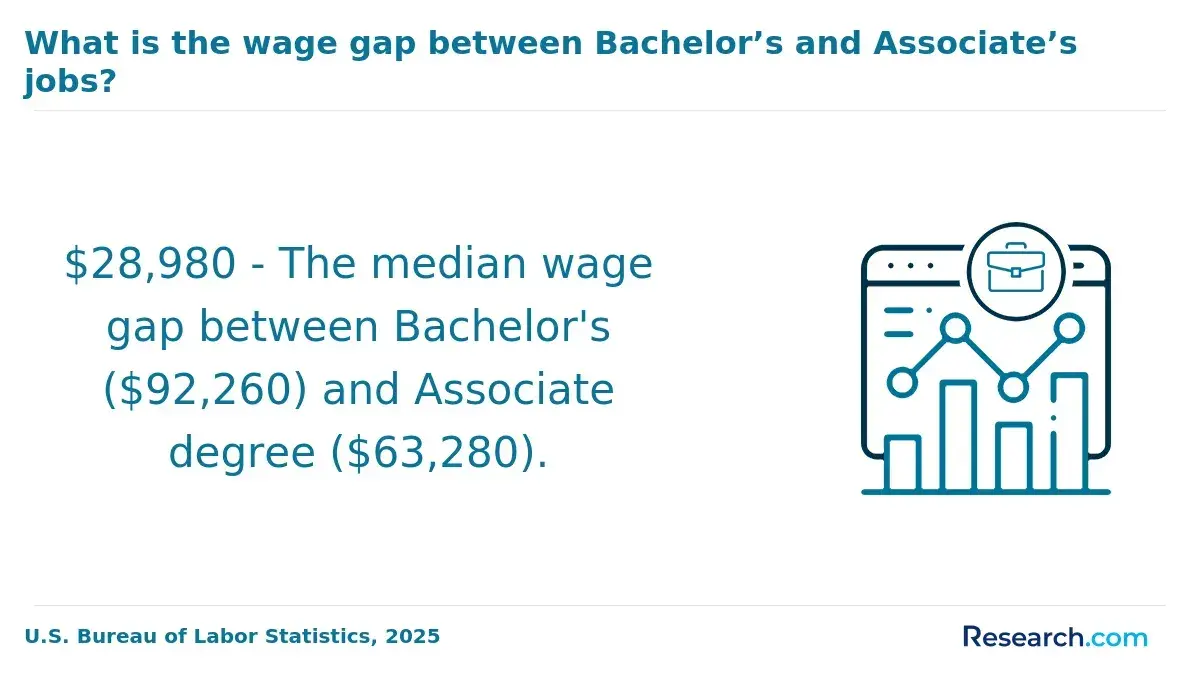
Median monthly student loan payments for graduates with degrees in educational administration typically fall between $300 and $450, based on 2024 data from the U.S. Department of Education and the Federal Reserve. This range reflects not only the balance owed but also how repayment schedules interact with post-graduation earnings. The average borrower in this field carries debt around $30,000 to $50,000, which under a standard 10-year repayment plan results in these mid-hundreds monthly payments.
However, the diversity of repayment situations means some graduates pay considerably less or more depending on their chosen plans and individual financial circumstances. Differences in monthly payments largely stem from the total borrowed amount, interest rates, and type of repayment plan selected. Income-driven repayment options, common among educational administration graduates, adjust payments according to salary, potentially reducing monthly obligations to as low as $150 but extending the repayment duration and accruing additional interest.
Furthermore, variable salary levels-often between $50,000 and $65,000 in entry-level roles-affect debt-to-income ratios and hence payment capacities. Private loans, usually carrying higher interest rates, can increase monthly payments substantially. Understanding these payment dynamics helps clarify why two graduates with similar degrees may face vastly different financial burdens post-graduation.
One graduate recalled applying late in the rolling admissions cycle and feeling hesitant about committing due to uncertainties related to financial aid and loan repayment terms. After waiting several weeks for crucial acceptance and funding decisions, they strategically deferred enrollment to better prepare financially, recognizing that delaying the start date was a necessary tradeoff. This cautious timing, while stressful, ultimately allowed more deliberate loan management and clarified repayment expectations before fully engaging with the program.
How Do Repayment Rates Compare Between Public and Private Institutions?
Recent data from the U.S. Department of Education's College Scorecard reveals a consistent gap in student loan repayment rates between graduates of public and private institutions offering educational administration programs. Approximately 52% of graduates from public universities manage to actively repay their loans within five years, compared to about 47% from private institutions. This discrepancy is significant considering the relatively narrow timeframe and underscores differences not solely attributable to graduation but to meaningful financial engagement post-degree.
Federal Reserve reports further highlight elevated delinquency and default risks among borrowers from private schools, indicating underlying financial stress that extends beyond initial repayment milestones. The core factors behind these repayment disparities relate closely to institutional pricing structures and resulting debt burdens. Public universities typically charge lower tuition, which often translates to smaller average loan amounts and a more manageable debt-to-income ratio for graduates entering educational administration fields.
In contrast, private institutions generally have higher tuition fees, leading graduates to shoulder larger debts that can constrict repayment capacity when income growth does not keep pace. Post-graduation earnings in educational administration vary but often reflect local and institutional networks; the limited access to employer-supported repayment programs among some private school graduates further exacerbates repayment challenges.
Additionally, variations in student demographics and financial aid allocations influence borrowing behavior and repayment outcomes, with loans often constituting a more significant long-term financial commitment for students at private schools. The implications extend into financial stability and perceptions of educational value, as sustained repayment difficulties may affect graduates' credit and future borrowing options, potentially diminishing career mobility.
These repayment performance trends also serve as indicators for policymakers and institutions assessing the cost-efficiency and accountability of educational administration programs. Understanding these dynamics allows prospective students to weigh not only institutional reputation but also the practical realities of financing their education relative to projected earnings and debt service capacity in their chosen career paths.
Do Online Educational Administration Graduates Have Different Repayment Outcomes Than Campus-Based Students?
Recent data from the U.S. Department of Education's 2024 cohort default and repayment rate reports indicate that graduates from public universities in educational administration programs generally exhibit higher three-year repayment rates on their federal student loans compared to those from private institutions. Specifically, this discrepancy can be measured at around 12 percentage points, highlighting a clear divide that extends beyond the delivery method of the program itself, such as online educational administration graduate loan repayment rates.
These figures reflect a complex interplay of institutional characteristics rather than a simple public-versus-private comparison, with public institution graduates typically showing more consistent repayment behavior over time. This repayment disparity is largely rooted in structural differences in tuition pricing, borrowing levels, and post-graduation employment outcomes. Public universities often have lower tuition costs and tend to serve a broader, more economically diverse student population, which generally results in lower average debt burdens.
Consequently, graduates from these institutions face less financial strain, aiding more stable repayment patterns. Private institutions, conversely, frequently charge premium tuition rates regardless of delivery method, which can lead to higher borrowing and increased repayment risk, even when employment prospects may be comparable. Factors like institutional prestige and access to career services also shape initial employment placement and income, which ultimately influence debt-to-income ratios critical to repayment outcomes.
Understanding these nuances helps frame repayment performance within broader financial and workforce realities rather than oversimplified institutional labels. These repayment dynamics carry significant implications for financial mobility and long-term debt stress among educational administration graduates. Programs demonstrating strong repayment rates tend to build reputational capital for institutional accountability and program value, potentially influencing future enrollment decisions.
For prospective students weighing their choices, it is advisable to consider not just the convenience of learning mode but also the long-term implications tied to debt management and expected earnings. This analysis aligns with trends observed in related fields, such as a degree in healthcare management, where practical outcomes similarly drive borrower behavior and repayment success.
Which Industries Provide the Best Financial Return Relative to Borrowing Costs?
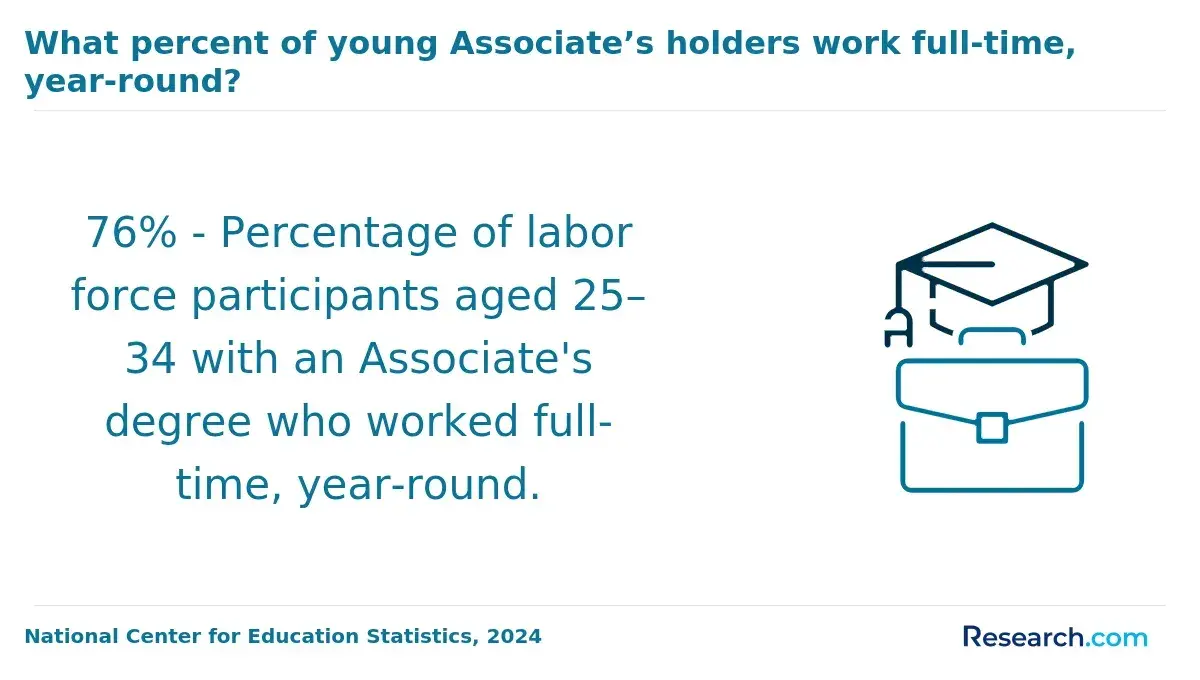
Financial return on investment for graduates with educational administration degrees varies widely by industry, shaped not only by salary levels but by borrowing amounts and career progression speed. The balance between income growth and student loan repayment burden ultimately determines whether a graduate's debt is manageable relative to their earnings. Recent data reveal that sectors differ substantially in their ability to offset typical borrowing costs, which average around $35,000, affecting early-career financial resilience and long-term debt sustainability.
- K-12 Public School District Management: Management roles in public school districts often offer median salaries between $65,000 and $85,000, reflecting stable demand and clear pathways for advancement. The relatively steady salary growth in these positions supports manageable loan repayment, especially as many districts provide loan repayment assistance or enhanced benefits that improve total compensation packages over time.
- Higher Education Administration: Administrative roles in colleges and universities feature competitive salaries and diverse advancement opportunities, which help graduates accelerate income growth. While entry-level pay may start moderate, progression to executive positions enhances repayment capacity and mitigates debt load more effectively than many nonprofit or community-based sectors.
- Educational Technology Firms: These companies often compensate above traditional education roles, capitalizing on rapid sector growth and willingness to pay premiums for candidates with adaptable administrative skills. However, success in this industry demands technical proficiency and agility beyond core educational administration preparation, which may limit access for some graduates.
- Administrative Consulting in Education: Consulting roles tailored to school systems and education providers generally offer higher earnings potential and faster career progression. The project-based and expertise-driven nature of this work can translate into improved financial returns, but also requires specialized knowledge and networking to secure steady contracts or placements.
- Nonprofit Educational Organizations: Despite a mission-driven appeal, these roles often entail lower salaries relative to average educational administration debt burdens. Graduates entering these sectors face higher risks of loan repayment challenges, with monthly payments consuming up to 15% of early-career incomes, according to National Center for Education Statistics 2024 data.
Does Student Debt Affect Which Jobs Educational Administration Graduates Accept?
Graduates with educational administration degrees often make initial job acceptance decisions heavily influenced by their student loan burdens, balancing salary requirements against monthly repayment commitments. Data from the National Center for Education Statistics in 2024 shows that about 68% of these graduates acknowledge their debt level affects which positions they pursue, frequently steering them toward roles with higher pay or more advantageous loan forgiveness options rather than purely ideal administrative placements.
The typical monthly debt repayment exceeding $350 against average starting salaries between $55,000 and $70,000 creates a significant debt-to-income ratio, prompting many to favor public sector jobs with robust benefits or to seek private sector alternatives offering better financial stability. This dynamic constrains willingness to accept lower-paying roles in smaller or under-resourced districts, even if such positions offer valuable leadership experience or align more closely with personal career goals.
Beyond immediate salary considerations, behavioral and structural factors shape employment choices differently among graduates with varying debt levels. Those carrying heavier loans tend to prioritize geographic mobility toward regions or districts providing higher salaries or established loan forgiveness programs, reducing flexibility to engage with underfunded or rural educational environments. Conversely, graduates with lower debt often exhibit more latitude for risk-taking in career planning, such as pursuing specialized or mission-driven administrative roles.
Long-term career trajectories also reflect these financial calculations, with high-debt individuals sometimes accelerating transitions to private sector education technology or corporate training roles, which can offer more predictable compensation but a departure from traditional public education leadership. Awareness of repayment risks thus introduces a conservative element in early career behavior, shaping the distribution and diversity of talent across educational administration fields nationwide.
One graduate recalled delaying acceptance of a district administrator position due to uncertainty about the timing of financial aid disbursements and cumulative debt obligations. Faced with rolling admissions and a narrow window for onboarding, they hesitated until loan repayment estimates were clarified, fearing a repayment schedule that would strain their personal finances.
Ultimately, they opted for a role in a larger, urban district known for teacher loan forgiveness programs, a decision influenced as much by financial pragmatism as by professional aspiration. This experience highlights how strategic timing and financial preparation intertwine with job choice beyond credentials or passion alone.
What Factors Increase Student Loan Repayment Risk for Educational Administration Graduates?
Student loan repayment risk among educational administration graduates stems from a combination of academic debt accumulation and post-graduation earning stability rather than any single factor. The interplay between borrowing levels, income variability, and labor market conditions creates a complex financial landscape that influences repayment capacity.
Understanding these interconnected dynamics is crucial for assessing who may face elevated challenges in meeting monthly student loan payments and repayment challenges for educational administration graduates.
- Moderate Salary Scales: Median wages for school and educational administrators tend to be moderate, often just above average compared to other professional fields. This wage structure limits disposable income, making it difficult to handle high debt relative to income, especially after completing costly or extended degree programs.
- Income Variability Based on Employment Setting: Graduates employed in smaller or less affluent school districts typically encounter lower salaries and fewer opportunities for raises, weakening their ability to generate consistent cash flow required for repayment. Such variability compounds repayment risk, particularly in regions with constrained budgets or limited job market growth.
- High Debt from Extended Education: Accumulating debt from multiple degree phases, including undergraduate and graduate schooling, elevates total loan balances. The longer the duration and the higher the program cost, the greater the risk that monthly payments become unmanageable relative to salary progression.
- Economic and Sector Instability: Public sector budget cuts or economic downturns can delay salary increases or promotions. These delays hinder repayment progress and heighten financial strain for those reliant on incremental income growth to meet rising loan obligations.
- Lack of Financial Literacy on Repayment Options: Limited awareness or utilization of income-driven repayment plans and other loan management strategies disproportionately affects repayment outcomes, as borrowers may miss opportunities to align payments with actual earnings.
Research from the National Center for Education Statistics indicates that about 40% of education-related master's degree graduates face repayment difficulties within five years of graduation. Prospective students must weigh borrowing carefully and consider funding alternatives while recognizing how career geography and labor market conditions shape long-term financial stability.
Those exploring related fields might also evaluate the pharmacist salary landscape for comparative context on income potential and repayment risk.
How Can Educational Administration Students Reduce Student Loan Debt While Earning Their Degree?
Reducing student loan debt while earning a degree in educational administration requires deliberate financial awareness, academic efficiency, and strategic use of institutional resources throughout the program. Navigating borrowing levels involves informed decisions about enrollment intensity, funding sources, and employment integration to minimize loan reliance.
Practical planning around these factors can significantly affect both immediate affordability and long-term repayment sustainability, especially given recent data from the National Center for Education Statistics showing average graduate education borrowing near $40,000 with monthly payments often exceeding $400.
- Work While Studying: Enrolling part-time or balancing employment with coursework allows students to maintain income streams that offset expenses and reduce the need for large loan amounts. Working in education-related roles provides relevant experience valued by employers while limiting new borrowing.
- Maximize Employer Tuition Reimbursement: Many school districts offer partial tuition assistance for employees pursuing advanced credentials, which directly reduces loan dependence. Leveraging these programs means strategically aligning educational goals with current employment opportunities.
- Choose Online or Hybrid Programs: Opting for online or hybrid educational administration degree formats can lower costs related to housing, relocation, and commuting. However, students should weigh cost savings against possible tradeoffs in networking and institutional support.
- Prioritize Federal Student Loans: Federal loans often offer income-driven repayment plans that help manage post-graduation monthly payments and lower default risks, making borrowing more sustainable over time.
- Seek Targeted Scholarships and Grants: Actively applying for scholarships aimed specifically at educational leadership candidates can provide critical non-repayable funding that shrinks overall borrowing needs.
Implementing strategies to minimize student loan debt in educational administration programs requires balancing realistic work-study integration, proactive financial aid planning, and academic scheduling aligned with institutional support. These approaches reflect effective ways to manage educational administration student loans during studies by reducing total borrowing and improving long-term financial outcomes.
For those exploring complementary or alternative degrees to enhance their qualifications, understanding how different program types affect borrowing is essential. Prospective students may also consider options like CAHIIM-accredited health information management programs online that present distinct cost structures and labor market dynamics relative to educational administration pathways.
How Should Prospective Students Evaluate Borrowing Risk Before Enrolling?
Evaluating borrowing risk before enrolling in an educational administration program is essential for understanding the long-term financial impact of student debt. Prospective students must balance total expected borrowing against realistic post-graduation earnings to determine if repayment obligations are manageable. Careful scrutiny of cost structures, market realities, and repayment scenarios helps avoid unsustainable debt loads that could hinder financial stability after graduation.
- Debt-to-Earnings Ratio: Calculate how the anticipated total debt compares to starting salaries in educational administration, often around $50,000 initially. Maintaining a sustainable ratio ensures that monthly loan payments remain affordable relative to income.
- Institutional Cost Transparency: Examine tuition, fees, and additional expenses to understand total borrowing requirements. Institutions vary widely, making cost comparison crucial in assessing financial exposure.
- Repayment Plan Analysis: Use federal loan calculators to model different repayment options, including income-driven plans that may lower monthly payments but increase total interest, highlighting long-term tradeoffs.
- Labor Market Demand: Research local and regional job availability for educational administrators and typical career progression timelines, as slower advancement may limit salary growth and repayment capacity.
- Alternative Funding Sources: Identify scholarships, grants, and employer tuition assistance that reduce the need for loans, improving overall borrowing risk by lowering debt burdens.
- Loan Default and Delinquency Risks: Consider historical default rates in the education field, which may signal repayment challenges and inform realistic borrowing limits.
- Long-Term Financial Goals: Assess how loan repayment fits within broader financial plans, including savings, homeownership, and retirement, to ensure borrowing does not create undue strain.
References
- Does Debt Affect Career Choice? | HESA https://higheredstrategy.com/does-debt-affect-career-choice/
- Student Loans - NerdWallet https://www.nerdwallet.com/student-loans
- What Is the Average Graduate Student Loan Debt | SoFi https://www.sofi.com/learn/content/average-graduate-student-loan-debt/
- Student Loan Guide https://www.salliemae.com/student-loan-guide/
- What is the typical debt load for graduates of four-year public universities - APLU https://www.aplu.org/our-work/4-policy-and-advocacy/publicuvalues/student-debt/
- In Debt: Student Loan Burdens Among Teachers https://learningpolicyinstitute.org/product/student-loans-among-teachers-brief
- Is Rising Student Debt Harming the U.S. Economy? | Council on Foreign Relations https://www.cfr.org/backgrounders/us-student-loan-debt-trends-economic-impact
- Private Vs. Federal Student Loans: Which Is Better In 2025? | Bankrate https://www.bankrate.com/loans/student-loans/federal-vs-private-student-loans/
- Student Debt: A Critical Challenge Facing Professionals — Department for Professional Employees, AFL-CIO https://www.dpeaflcio.org/factsheets/student-debt-a-critical-challenge-facing-professionals
- Average Student Loan Payment [2026]: Cost per Month https://educationdata.org/average-student-loan-payment
Other Things You Should Know About Educational Administration
Programs that emphasize practical leadership experience and internship opportunities often lead to better job placements with stronger salary potential, which can ease repayment burdens. Graduates from programs focused heavily on theory without corresponding applied skills may face slower career advancement, increasing repayment risk. Prospective students should prioritize programs with established employer networks and hands-on training to enhance earning prospects and reduce long-term debt stress.
Part-time students typically spread their borrowing over a longer period, which can keep immediate payments lower but may extend the overall repayment timeline and inflate total interest paid. Full-time students might accumulate more debt upfront but can enter the workforce sooner with a full credential, potentially accelerating income growth and earlier repayment. Deciding between part-time and full-time enrollment requires balancing current financial ability with expected career advancement velocity.
Refinancing can lower monthly payments if you qualify for better rates, but fixed repayment terms might reduce flexibility critical for education administrators in fluctuating public sector jobs. Income-driven repayment plans or public service loan forgiveness options are often better suited for those expecting variable salaries or longer repayment periods. Careful evaluation of future income stability versus interest savings is essential before refinancing.
Educational administration often demands extended work hours, limiting opportunities for secondary income to supplement loan payments. A high workload can increase burnout risk, making prolonged or highly burdensome debt a critical factor in job retention. Prioritizing realistic budgeting for loan repayments aligned with typical workload stress levels helps graduates avoid financial strain that might otherwise trigger career disruptions or delayed repayment.