2027 Educational Administration Career Outcomes by Degree Level Report: Pay, Employment, and Advancement Patterns

Co-Founder and Chief Data Scientist
Key Things to Know About Educational Administration Career Outcomes by Degree Level
- Master's degree holders in educational administration secure leadership roles 40% faster than those with bachelor's credentials, reflecting employer preference for advanced strategic management skills critical in evolving school systems.
- Associate-level credentials offer entry access to support roles but limit upward mobility, highlighting a tradeoff between immediate employment and slower credential progression affecting long-term career advancement.
- Doctoral programs yield niche research or policy positions, but extended time and financial investment delay workforce entry, influencing decisions for professionals weighing immediate job-market impact versus specialized expertise.
- Key Things to Know About Educational Administration Career Outcomes by Degree Level Key Things to Know About Educational Administration Career Outcomes by Degree Level
- What Career Outcomes Can Students Expect From Each Educational Administration Degree Level? Career Outcomes by Degree
- How Much Do Educational Administration Graduates Earn by Degree Level? Salary by Degree Level
- Which Educational Administration Degree Level Offers the Strongest Employment Prospects? Best Degrees for Employment
- What Entry-Level Jobs Can You Get With a Educational Administration Degree? Entry-Level Career Opportunities
- How Do Educational Administration Degree Levels Affect Career Advancement and Promotion Opportunities? Career Growth by Degree
- Is a Educational Administration Degree Worth It Based on Salary, Employment, and ROI? Salary, ROI, and Value
- How Do Associate, Bachelor's, Master's, and Doctoral Educational Administration Degrees Compare? Comparing Degree Levels
- Which Industries and Employers Hire Educational Administration Graduates by Degree Level? Which Industries and Employers Hire Educational Administration Graduates by Degree Level?
- What Skills, Credentials, and Experience Improve Educational Administration Career Outcomes? What Skills, Credentials, and Experience Improve Educational Administration Career Outcomes?
- Which Educational Administration Degree Level Is Best for Your Career Goals? Choosing the Right Degree
What Career Outcomes Can Students Expect From Each Educational Administration Degree Level?
Entry-level credentials such as certificates or associate degrees in educational administration primarily open doors to support roles like administrative assistants or coordinators, where advancement opportunities remain constrained without additional education or considerable experience. Adult learners and working professionals often use these credentials as stepping stones to transfer into bachelor's programs, since many employers value formal degree progressions tied to clear licensure paths. In contrast, a bachelor's degree broadens employment access, enabling candidates to pursue supervisory positions such as assistant principal or program coordinator, though many districts still anticipate master's credentials for formal leadership roles. Decision-makers should weigh the tradeoff between time-to-degree and immediate employability, especially given state certification mandates that sometimes restrict direct advancement beyond entry and mid-level roles without further graduate study.
Master's degrees in educational administration represent a practical alignment with licensure requirements and professional standards, creating a structured route into principalships and district-level administration roles. Working professionals aiming for sustained advancement often find that this credential facilitates clearer job security and mobility, supported by internships and fieldwork components built into many master's programs. Data from the National Center for Education Statistics (2024) shows over 60% of educational administrators hold master's degrees, reflecting employer preferences for this credential as a baseline for leadership readiness. For career-focused learners, investing the additional time and resources in graduate-level education typically yields more strategic opportunities compared to lateral moves available to those holding just a bachelor's degree.
Doctoral degrees, including Ed.D. or Ph.D. tracks, diverge by targeting policy development, higher education leadership, and research-intensive roles, demanding significant time and financial commitment but offering the highest ceilings for strategic influence and consultancy positions. For military-affiliated students or experienced educators seeking broader impact or university administration roles, the decision to pursue a doctorate must balance leadership ambitions with practical work-life constraints, as these programs often require years beyond a master's degree. Understanding these nuances in employment and advancement in educational administration degrees is critical for informed choice, especially when combined with flexible learning options or credit transfers that can accelerate timelines without compromising credential value.
Adult students might also explore credential pathways aligned with employer expectations to optimize both income potential and career trajectory within the field, comparable in strategic design to other professional tracks like affordable online nursing programs.
How Much Do Educational Administration Graduates Earn by Degree Level?
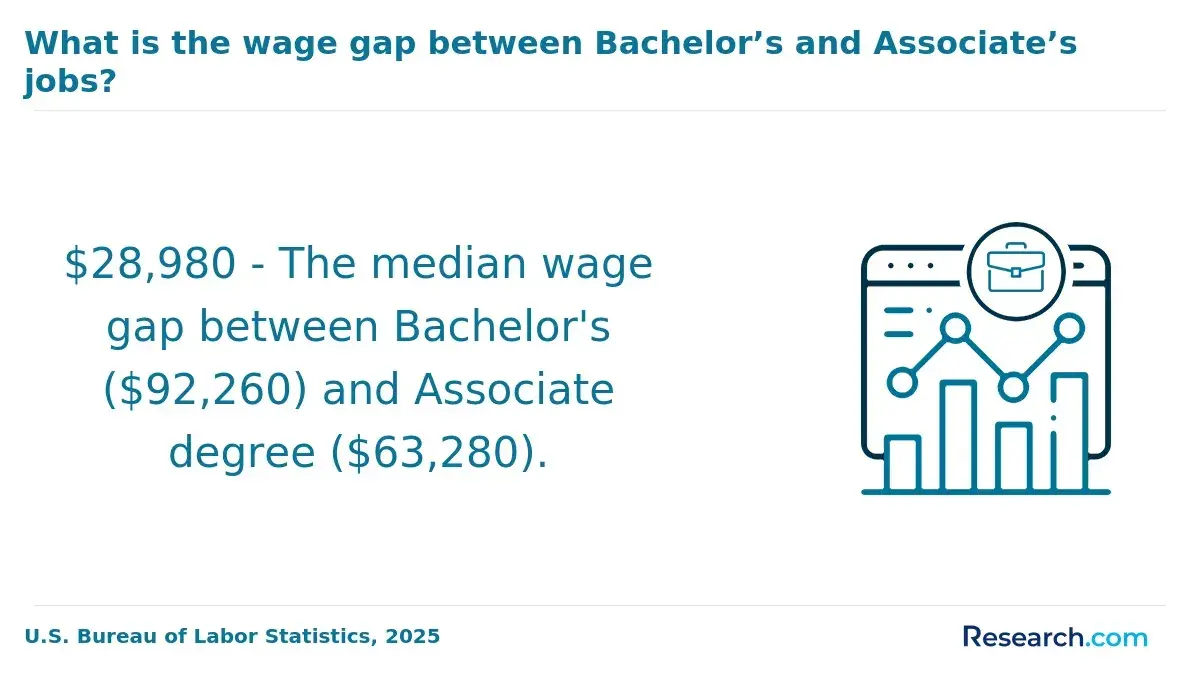
The earnings of educational administration graduates vary considerably depending on their degree level, reflecting distinct roles and licensure requirements within the field. For instance, data from the U.S. Bureau of Labor Statistics in 2024 shows that individuals with a master's degree in educational administration generally earn a median annual wage near $98,000, a steep increase compared to roughly $55,000 for those holding only a related bachelor's degree. However, this wage premium is tied closely to access to formal administrative roles that often require state certification or superintendent credentials, which bachelor's degree holders typically do not possess. Prospective students should consider not just salary differences but also the time and financial investment needed to progress from undergraduate to graduate-level preparation, as well as the potential employment volatility at certificate or associate levels, where roles tend to be entry-level and less stable.
Beyond pay, employment stability and promotion opportunities vary with credential level and context. Master's and doctoral degree holders enjoy expanded career mobility, especially in urban or well-funded districts that prioritize advanced licensure for leadership positions. Meanwhile, bachelor's graduates frequently start in assistant or coordinator roles with limited upward paths unless they pursue further credentials. Transfer credits and articulation agreements can shorten time-to-degree for working adults, influencing return on investment calculations for those weighing additional education against immediate employment needs. As one example, educational administrators working in rural or less resourced areas might face more constrained salary growth despite holding advanced degrees due to budget limitations and fewer openings.
One educational administration graduate who initially considered only a certificate program reevaluated after reviewing local job postings and employer feedback. Although the certificate pathway was quicker and less expensive, they noticed most leadership roles demanded at least a master's degree and relevant licensure. This led to hesitation about investing time and money in graduate school but also cautious optimism, recognizing the advanced credential could unlock more stable employment and salary gains in the long run. The experience underscored the importance of aligning degree decisions with realistic assessments of job market demands, licensure barriers, and personal career timelines to avoid costly surprises after completing a lower-level credential.
Which Educational Administration Degree Level Offers the Strongest Employment Prospects?
Employers and licensing bodies increasingly prioritize graduate-level credentials in educational administration due to the complexity and specialization required in leadership roles. While associate degrees and certificates might provide quicker workforce entry, these credentials often limit access to supervisory positions and command lower pay, reflecting higher unemployment rates around 38% among certificate holders compared to bachelor's graduates. For example, a candidate with only an associate degree may obtain entry-level administrative support tasks but typically will not qualify for roles demanding state licensure or extensive policy expertise, making mid-career transitions challenging without further education.
Bachelor's degrees serve as a foundational minimum for many districts and institutions, facilitating initial employment but often stalling progression beyond mid-level management unless supplemented with advanced study. By contrast, master's degrees substantially broaden occupational access and stability; according to NCES data, unemployment rates for master's holders in this field hover near 3.2%, reflecting strong employer preference for candidates with both practical internships and specialized proficiencies in data-driven decision-making and school law. Doctoral and professional degrees open paths to university leadership and superintendent roles but are less predictive of immediate job availability and tend to concentrate on research and policy rather than operational management.
Deciding whether to enter with a lower credential or delay work in favor of graduate education depends on individual circumstances and regional labor markets. For working adults, continuing toward a master's while employed can enhance promotion prospects and align with increasing degree inflation in educational administration. Conversely, those needing rapid employment might accept restricted access and advancement but should plan for eventual credential upgrades to remain competitive in evolving district requirements and employer expectations.
What Entry-Level Jobs Can You Get With a Educational Administration Degree?
Entry-level educational administration positions differ significantly depending on degree level, licensure, and practical experience. For those with bachelor's degrees, roles such as administrative assistants or program coordinators in educational nonprofits primarily focus on foundational skills like communication and organization rather than advanced administrative functions. However, many advertised positions now expect 1-2 years of experience, creating a barrier for recent graduates seeking true entry points. A graduate without certification or specific practicum exposure might find themselves in supportive roles, often in districts facing staffing shortages, where multi-tasking and self-sufficiency become crucial, especially in rural settings.
Advancing to a master's degree typically opens access to mid-level administrative jobs-assistant principal or student affairs coordinator-that require state licensure and often prior internship experience, underscoring the importance of hands-on training in employability. According to the U.S. Bureau of Labor Statistics (2024), demand in these roles prioritizes candidates with graduate credentials combined with fieldwork, reflecting the practical realities of education administration entry-level positions. Job seekers must evaluate these constraints against career stability and skill development opportunities, particularly as remote options remain minimal due to the inherent in-person nature of educational environments.
For those exploring further study or combined career pathways, including options like the best online nursing PhD programs illustrate how strategic interdisciplinary coordination can expand long-term mobility.
How Do Educational Administration Degree Levels Affect Career Advancement and Promotion Opportunities?
Holding a master's degree in educational administration significantly impacts eligibility for leadership roles such as assistant principal or principal, since many school districts require this credential as a baseline for promotion. While bachelor's degrees may suffice for entry-level supervisory positions, advanced degrees often serve as gatekeepers for higher-level management and specialized district roles, reflecting how employer expectations prioritize graduate-level preparation. Data from the National Center for Education Statistics and labor analysis by Lightcast in 2024 indicate that nearly 70% of administrative job postings favor candidates with graduate credentials, underscoring that career mobility without these credentials may slow considerably, especially for mid-career professionals. Doctoral degrees typically open pathways to district-wide leadership or educational policy roles; however, these often demand extended study and are pursued for long-term advancement rather than immediate job changes.
For working adults or transfer students, the decision to pursue a master's or doctoral degree must weigh the potential for quicker promotion against the time and financial cost, particularly when combined with state-specific licensure or certification requirements. Those with substantial experience but no advanced degree might encounter bottlenecks or certification barriers that delay leadership opportunities, while early attainment of graduate credentials can accelerate readiness for administrative responsibility. The tradeoff between practical leadership training embedded in master's programs and the broader research and policy focus of doctoral studies also influences whether further study aligns with one's career timeline and objectives.
One educational administration student working as a district coordinator faced uncertainty about committing to a master's program due to its time demands and costs. After consulting supervisors, she learned that while her current role did not require a graduate degree, advancement to assistant principal positions would almost certainly demand it. "I wasn't sure if the degree would make a difference immediately," she reflected, "but hearing from people in those roles helped me realize that without the master's, I'd likely be stuck where I am for years." This practical insight shifted her decision toward graduate study, balancing ambition with realistic expectations about promotion hurdles and credential timing.
Is a Educational Administration Degree Worth It Based on Salary, Employment, and ROI?
The value of an educational administration degree varies significantly by degree level, prior experience, and local labor market demands. While bachelor's degree holders in educational administration may enter mid-level roles with reasonable salary prospects, advancing beyond those positions typically requires graduate credentials. Employment stability is generally steady but moderately competitive; districts often prefer candidates who combine relevant administrative experience with advanced degrees and certifications, especially in regions with specific licensure requirements for roles like superintendent.
Time-to-completion and opportunity costs critically influence return on investment for educational administration careers. Master's programs typically require two to three years of study and substantial tuition investment, often accompanied by debt burdens that may limit short-term financial flexibility. Doctoral degrees open access to top-tier leadership roles but are fewer and entail extended program durations that can delay income growth. Working professionals and adult learners must weigh these factors against expected salary increments and career mobility, aligning their decisions with realistic advancement pathways and regional employment trends.
For those balancing commitments or seeking accelerated credentials, considering specialized or streamlined formats may be advantageous; for example, exploring options like the fastest psych NP program illustrates how duration impacts outcomes in related fields. Ultimately, decisions about an educational administration degree should reflect nuanced assessments of salary potential, job outlook, and individual career goals rather than assumptions of automatic value.
How Do Associate, Bachelor's, Master's, and Doctoral Educational Administration Degrees Compare?
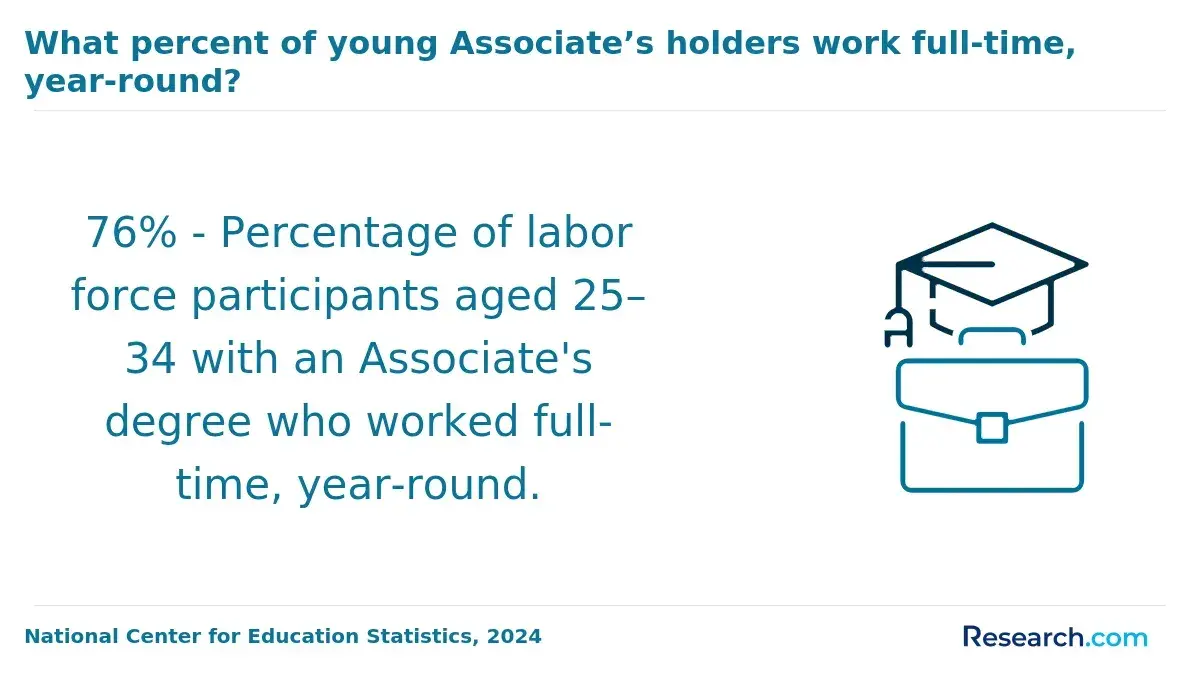
Associate degrees in educational administration primarily open doors to foundational support roles but rarely provide momentum for significant advancement or specialization. Employment rates hover around 65%, reflecting steady yet limited demand where certificate holders often compete. Students considering this level should weigh the tradeoff between quicker entry and constrained career mobility, as progression typically requires additional credentials or pivoting to bachelor's programs, which offer broader administrative opportunities and more reliable credit transfer pathways for graduate study.
Bachelor's degrees serve as the practical threshold for many operational and mid-level roles like assistant principal or program manager, with employment rates exceeding 75%. This credential grants clearer access to licensure tracks and specialization areas valued by employers, such as curriculum coordination, which enhances versatility and stability in educational institutions. However, advancing into leadership or district-level positions usually demands a master's degree, where stacking credits and focused study in policy or higher education administration translate directly into eligibility for principal licenses and improved salary prospects in a labor market projecting a 7% managerial growth through 2034.
Doctoral degrees target a narrower set of senior leadership or academic research roles and involve considerable time and financial investment, with lower completion rates reflecting those challenges. While essential for university faculty or superintendent jobs, the degree's expansive specialization may offer limited practical returns outside these top tiers, often making the master's the more strategic final step for most professionals. Decisions around pursuing doctoral study should account for how employer expectations, long-term employment patterns, and debt burden weigh against the relatively rare but prestigious leadership opportunities this level affords.
Which Industries and Employers Hire Educational Administration Graduates by Degree Level?
Employer expectations for educational administration graduates vary sharply by degree level, directly shaping hiring practices and career trajectories. Associate degree holders are predominantly hired into operational support roles like administrative assistants within K-12 public and private school settings, where strong organizational skills suffice, but licensure or advanced leadership training is generally not required. In contrast, bachelor's degrees open doors to roles such as assistant principals or educational coordinators in school districts and nonprofit agencies, though many of these positions still require or strongly prefer state certification and relevant experience. This distinction illustrates a practical tradeoff: stopping at a bachelor's degree may offer quicker entry but limits upward mobility in environments that increasingly mandate formal credentials.
Master's degrees dominate the supervisory tier of educational administration, with about 70% of school district leadership jobs requiring this level combined with licensure, according to the National Center for Education Statistics. These roles-principals, program managers, policy analysts-demand skills in organizational leadership and stakeholder management, often within public education but also expanding into consulting and specialized nonprofit sectors. Doctoral graduates typically access senior-level leadership, research, and policy development positions in universities, state agencies, and think tanks, benefiting from fewer licensure constraints but a stronger emphasis on research expertise and systemic reform leadership.
Certificate programs fill niche needs, particularly for licensure or specialized skills, catering to professionals seeking targeted advancement without full degree commitment. Deciding whether to pursue higher degrees involves balancing time and financial investment against access to leadership roles and sector-specific hiring practices.
What Skills, Credentials, and Experience Improve Educational Administration Career Outcomes?
The strongest improvements in educational administration career outcomes come from combining advanced degrees with targeted credentials and relevant practical experience. Employers consistently prefer candidates who hold a master's degree augmented by state-required administrative certification or licensure, as this combination signals preparedness for leadership roles and promotes faster advancement. Technical skills such as proficiency in data analysis, budgeting software, and digital communication tools further differentiate applicants by enabling them to manage complex organizational operations efficiently. However, soft skills like conflict resolution and collaborative leadership remain indispensable across all degree levels, supporting effective stakeholder engagement and team management in real educational settings.
Internships, apprenticeships, and supervised field placements integrated within educational programs correlate strongly with quicker employment uptake-graduates with such applied experience see about a 15% higher likelihood of securing administrative roles within two years. Portfolios including leadership projects or school improvement plans also convey practical readiness beyond academic achievements, helping address employer concerns about transition from theory to management. For adult learners, military veterans, and transfer students, stacking credentials with hands-on learning opportunities optimizes both initial employability and longer-term career mobility, though prospective candidates should weigh how extended degree timelines might delay workforce entry compared to accelerated certifications. Exploring accelerated FNP programs online offers one example of how specialized, condensed paths can supplement educational administration leadership skills development with quicker credential attainment aligned to market needs.
Which Educational Administration Degree Level Is Best for Your Career Goals?
Bachelor's degrees in educational administration generally grant access to entry-level roles such as assistant principal or administrative support, but competitive advancement often stalls without graduate credentials. Master's degrees better align with employer expectations for mid- and upper-level leadership, frequently serving as a licensure threshold and enabling specialization in areas like curriculum leadership or district management. For example, a working professional seeking to pivot into school leadership will find accelerated or part-time master's programs more accommodating than pursuing a doctorate, which requires more time, higher cost, and involves significant opportunity cost.
Doctoral-level education mainly benefits those targeting top-tier administration, policy roles, or academic research, offering greater mobility but with increased financial burdens and longer completion timelines. Employment access and advancement strongly depend on these licensure and credentialing standards, with about 68% of master's graduates improving job outcomes within two years, according to the U.S. Department of Education. Transfer credit flexibility and prior learning recognition are often more generous at the graduate level, a critical consideration for adult learners and military-affiliated students managing work and study balance.
Deciding which educational administration degree level offers the best career advancement opportunities requires weighing immediate pay and employment prospects against long-term goals and costs. Those curious about alternative accelerated pathways may explore fastest and easiest counseling degree programs for comparative insight into balancing education duration and workforce re-entry timelines.
References
- Educational Leadership: Master’s vs. Doctorate Degree - Graduate Programs for Educators https://www.graduateprogram.org/blog/masters-vs-doctorate-educational-leadership-degree/
- Business Administration Degree Salary | UE Amsterdam https://www.ue-amsterdam.com/blog/business-administration-degree-salary-how-much-can-you-earn
- Does Going to College Make Financial Sense Anymore? https://www.wealthenhancement.com/blog/is-college-worth-it-financially
- Educational Administration and Supervision. Degree — Salary, Debt & ROI | Is It Worth It? | CollegeValueRanked https://collegevalueranked.com/major/educational-administration-and-supervision
- Careers In Education Administration https://careersoutthere.com/careers-in-education-administration/
- Is College Worth it? | Return on Investment Analysis of College Degree https://educationdata.org/college-degree-roi
- 10 Reasons Why Education Helps to Advance Your Career - Insight Training https://insight.edu.au/blog/career-advancement-through-education/
- School Administrator Essential Skills – TestGorilla https://www.testgorilla.com/blog/school-administrator-essential-skills/
- 18 early career jobs that map well to education majors - College Recruiter https://www.collegerecruiter.com/blog/2025/02/28/18-early-career-jobs-that-map-well-to-education-majors
- How Professional Courses in Educational Management Transform Teaching Careers https://www.eastbridgetraining.com/blog/15-How-Professional-Courses-in-Educational-Management-Transform-Teaching-Careers-blog.php
Other Things You Should Know About Educational Administration
Program structures for educational administration degrees differ significantly, with bachelor's programs often emphasizing foundational leadership and organizational theories, while master's and doctoral programs emphasize applied research, policy, and complex management skills. This variability means that students at higher degree levels typically gain deeper strategic and analytical capabilities expected by employers for mid-to-senior leadership roles. Those pursuing a master's or doctoral degree should prioritize programs that integrate practical internships or residencies, as these experiences strongly influence immediate job readiness and networking opportunities within educational systems.
Working professionals must weigh the intensity and time demands of master's and doctoral educational administration programs against their current job and personal responsibilities. Master's programs often offer part-time or online options specifically designed for practitioners, enabling continued employment while advancing credentials. Doctoral studies require a more sustained commitment to research and may extend several years, potentially limiting work hours and escalating stress. For those balancing full-time jobs, selecting a degree level aligned with their capacity for sustained academic effort is crucial to avoid burnout and ensure successful completion.
While advanced degrees often open doors to senior administrative roles, career advancement depends heavily on institutional culture, geographic location, and existing professional networks. For many professionals, a master's degree paired with substantial experience can be more effective than a doctoral degree alone. Prioritizing degree choice requires evaluating whether the additional credential will meaningfully affect promotion timelines or if accelerating experience accumulation through on-the-job learning offers greater returns. In contexts where doctoral degrees are valued primarily for research or policy positions, a master's may suffice for most leadership tracks.
Employers in educational administration often seek a balance between formal credentials and proven leadership experience, which complicates decisions about the level of degree to pursue. Some districts or institutions institute strict credential requirements for certain roles, effectively mandating at least a master's degree, while others value demonstrated outcomes and leadership skills more than degree prestige. Prospective students should research employer preferences in their target job market and consider how their degree choice aligns with local licensure, salary tiers, and promotion criteria to optimize educational investments and avoid obtaining degrees that do not substantially enhance employability.