2027 University of Texas at Arlington Online Degree Costs Compared: Which Programs Are Most Affordable?

Co-Founder and Chief Data Scientist
A student exploring online degree options at University of Texas at Arlington may quickly face conflicting tuition rates, variable fees, and unclear program-specific cost details. Distance education pricing often includes hidden digital access charges or lab fees that inflate total expenses. These complexities make it difficult to determine if University of Texas at Arlington's offerings truly align with a tight budget, especially when national studies show that average online tuition can differ widely across institutions without corresponding increases in employment outcomes.
This article analyzes how University of Texas at Arlington's online degree costs compare across programs. It highlights which paths present the most affordable opportunities considering tuition, extra fees, and long-term value, helping students make informed, financially sound decisions.
Key Points About University of Texas at Arlington Online Degree Costs and Affordability
- The total cost of attendance at University of Texas at Arlington averages $25,265, which is lower than the total tuition cost of $34,498, reflecting living and fee expenses that shape overall affordability beyond tuition figures.
- Per-credit tuition for online programs varies by discipline, with business and healthcare fields charging higher rates than liberal arts, affecting total financial commitment based on program choice and length.
- Additional expenses like books and supplies add about $1,000, increasing upfront costs and influencing the practical return on investment for prospective distance learners evaluating affordability.
How Much Does an Online Degree Cost at University of Texas at Arlington?
Online degree costs at University of Texas at Arlington blend resident and non-resident rates, creating a layered affordability picture. For example, a Texas resident pursuing an interdisciplinary undergraduate degree might pay roughly $310 per credit plus fees, resulting in a manageable total cost. This contrasts with programs in nursing or engineering, where credit rates approach $582 and total expenses escalate quickly.
Compared to similar public universities, UTA offers competitive tuition but adds about $50 per credit in fees, which can raise the effective cost beyond sticker price. Private nonprofit and online-focused institutions often charge flat or higher per-credit rates but may provide stronger financial aid or transfer-credit flexibility. A cost-conscious learner weighing UTA must consider not only tuition but also mandatory fees, military discounts, and asynchronous program availability when prioritizing total affordability and curricular fit.
Despite an online tuition inflation trend surpassing general higher education averages by 1.7% annually per recent IPEDS data, UTA's emphasis on accredited, employer-relevant programs with accessible academic resources sustains its value proposition. Students balancing flexibility, support services, and regional employer networks may find that UTA's cost aligns with solid outcomes and a practical return on investment.
Which Online Degree Programs at University of Texas at Arlington Are the Most Affordable?
The most affordable online degree programs at University of Texas at Arlington reside in the College of Liberal Arts and the School of Social Work, where tuition rates per credit hour remain significantly lower than STEM or business fields. In-state undergraduates typically pay about $333 per credit, making associate or certificate programs with fewer credits especially cost-effective for students prioritizing upfront tuition costs.
For example, a liberal arts bachelor's degree requiring roughly 120 credit hours would result in tuition under $40,000. This upfront expense highlights a practical scenario where a resident student leverages transfer credits to reduce both time and financial investment. However, out-of-state students face more than double the per-credit rate, pushing total program costs higher and diminishing affordability unless offset by scholarships or institutional discounts.
UT Arlington's selective application of programmatic scholarships benefits high-demand fields like cybersecurity, where tuition is justified by strong employment outcomes. Budget-conscious students should weigh these financial aids alongside program flexibility, support services, and career relevance, since the lowest tuition does not always translate to best return on investment. A UPCEA study shows that online tuition affordability increasingly influences enrollment, but students must consider employability to avoid underinvesting in their future.
Ultimately, prospective students should balance cost factors with program quality and graduation pathways. Flexible scheduling and institutional discounts in liberal arts programs create more accessible options, yet evaluating long-term career potential remains crucial for meaningful decision-making beyond mere price comparisons.
How Do Online Bachelor's, Master's, and Doctoral Program Costs Compare at University of Texas at Arlington?
Online degree costs at University of Texas at Arlington reveal clear financial distinctions by degree level, impacting accessibility and long-term value depending on the learner's academic goals. Undergraduate online tuition remains the most affordable with per-credit prices around $335 for Texas residents, including mandatory fees. This affordability suits students seeking a cost-efficient path to a bachelor's degree, especially compared with graduate tuition. In contrast, master's and doctoral online degrees carry substantially higher costs driven by specialized course content, program intensity, and additional fees. A practical example illustrates this: a working professional pursuing an online master's may face nearly double the per-credit tuition versus a recent high school graduate entering an online bachelor's program. The following points detail key cost areas influencing total affordability.
- Online Bachelor's Degree Tuition: At UTA, residents typically pay about $335 per credit hour, which helps keep the overall cost of online undergraduate programs relatively moderate. This baseline tuition makes bachelor's degrees more accessible to wider demographics including first-time college students and transfer learners.
- Online Master's Degree Tuition and Fees: Graduate tuition averages $574 per credit hour for in-state students, not counting mandatory fees each term. These higher fees reflect the advanced curriculum and professional certifications offered, affecting affordability for career-focused adults seeking specialized skills.
- Doctoral Program Cost Premium: Doctoral online tuition often exceeds $700 per credit hour, reflecting the highest program costs at UTA. The expenses align with the intensive faculty expertise and research resources required. Doctoral candidates usually face the steepest financial commitment among online learners.
- Residency and Milestone Expenses: Graduate students may incur campus fees or professional service charges during residencies for exams or dissertation defenses. These added costs, uncommon in bachelor's programs, can increase total expenses and influence budgeting decisions for advanced degree seekers.
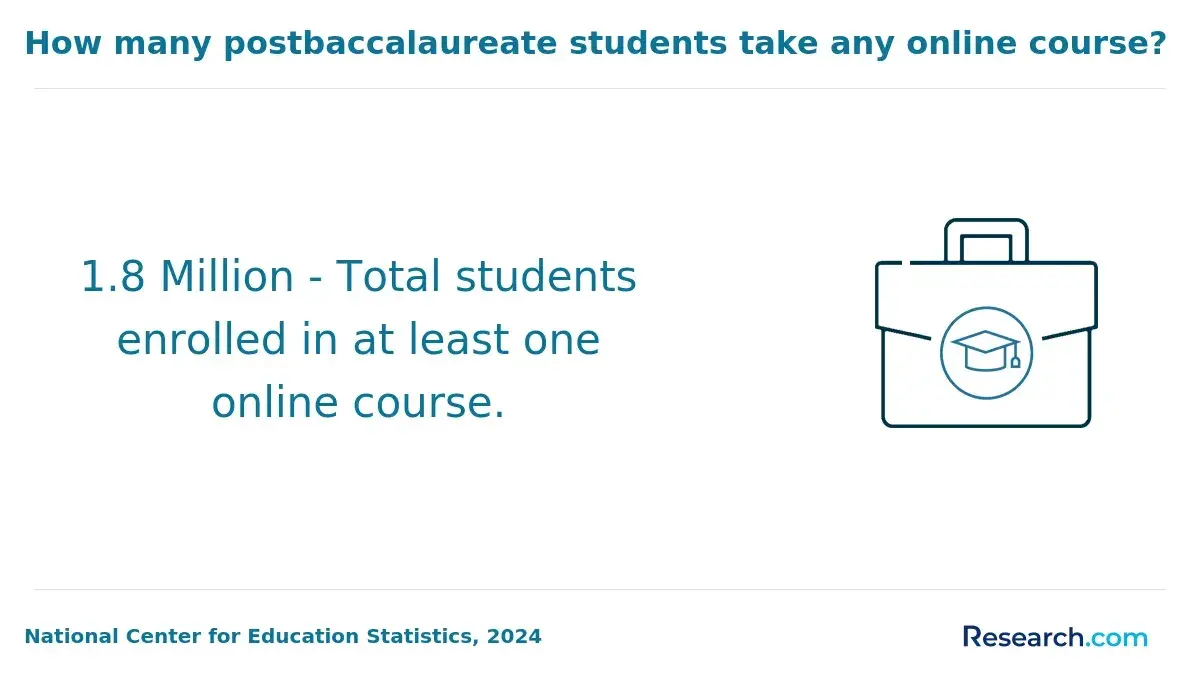
- National Graduate vs. Undergraduate Online Tuition Trends: A 2024 report from the National Center for Education Statistics shows graduate online tuition rates exceed undergraduate costs by about 50% per credit hour nationwide. This pattern, mirrored at UTA, signals prospective students should evaluate long-term returns against higher upfront payments for graduate studies.
Comparing these cost structures helps clarify which learners might find University of Texas at Arlington online degrees most affordable relative to their career stage and educational objectives. Additionally, understanding variable fees and credit requirements highlights financial differences crucial for planning. Prospective students interested in good majors in college should weigh these cost factors carefully when choosing between bachelor's, master's, or doctoral online programs at UTA.
What Is the Cost Per Credit Hour for Online Programs at University of Texas at Arlington?
Tuition at University of Texas at Arlington for online programs is structured to reflect differences in degree level, residency, and program type, affecting affordability and value for various student profiles. For instance, a Texas resident enrolled part-time in a business undergraduate online program will face a much lower per-credit charge compared to a non-resident pursuing a graduate degree in health sciences online. Such differences are crucial for students to evaluate, especially when factoring in mandatory fees and the impact of tuition rate caps on total program costs. Understanding these nuances can help students align program choice with financial strategy and career goals. The following list outlines key categories of cost per credit hour and related considerations.
- Undergraduate Resident Rate: Approximately $315 per credit hour plus mandatory fees that vary but often add $10 to $20 per credit hour. This rate is most affordable for Texas residents pursuing less specialized fields like business. It favors students who benefit from spreading tuition over many credits without additional surcharges.
- Undergraduate Non-Resident Rate: Around $1,134 per credit hour with similar fees. This steep rate significantly increases overall cost, making it less affordable for out-of-state part-time learners, especially in majors that don't align with high paying degrees.
- Graduate Resident Rate: Starts at about $563 per credit hour plus fees. It is competitive for Texas residents in fields requiring advanced credentials but becomes costly for those without financial aid or employer support.
- Graduate Non-Resident or Specialized Programs: Rates rise considerably above graduate resident pricing. Students in specialized health sciences or computing disciplines face higher tuition reflecting program complexity and market demand. These rates necessitate careful cost-benefit analysis based on career payoff.
- Tuition Caps and Part-Time Enrollment: UTA caps tuition rates for some undergraduate programs, protecting part-time students from escalating costs per credit. While this limits aggressive cost reduction, it provides consistent pricing for those balancing work and study.
Compared nationally, the average per-credit tuition for online education stands near $494 according to the CHLOE report, which also highlights the growing influence of competency-based education (CBE) models offering flat tuition irrespective of pace. This national context situates University of Texas at Arlington's traditional credit-hour pricing as standard but signals the importance of weighing per-credit rates against evolving, potentially more affordable models. Prospective students considering net cost of attendance at University of Texas at Arlington should factor these dynamics along with their residency status and program type to gauge true affordability and long-term investment value.
What Additional Fees and Expenses Should Online Students Expect at University of Texas at Arlington?
Additional fees and expenses at University of Texas at Arlington significantly affect the total cost of an online degree, often pushing the real affordability beyond base tuition rates. For example, an online business student may budget $7,000 in tuition but encounter extra charges like technology fees, digital textbook inflation, and online proctoring, substantially increasing their actual out-of-pocket costs. These expenses are not always transparent upfront yet are critical to understanding the total financial commitment involved. The following list outlines the common fees and costs that online students must anticipate and manage.
- Technology Fees: These support UTA's digital infrastructure and software licensing needed to access course materials and synchronous sessions. Typically modest, these fees vary by program but are mandatory each semester, limiting students' ability to avoid them.
- Graduation and Program-Specific Fees: Charged at program completion or tied to specialized tracks, these fees cover certification processes or additional materials. They may be higher in fields requiring extra compliance or equipment, impacting total costs especially in niche programs.
- Books and Supplies: Students should plan for approximately $1,000 spent on course materials, with an ongoing 7.5% annual increase in digital textbook prices nationally. While digital options may reduce some expenses, inflation erodes these savings over time, demanding proactive budgeting.
- Online Proctoring Charges: Mandatory for many courses, these services add $30 to $50 per exam. Such fees are often excluded from tuition estimates and can accumulate significantly, particularly for students taking multiple proctored assessments.
- Residency and Campus Visit Costs: Certain programs require occasional on-site attendance. Travel, lodging, and incidental expenses related to these visits can add unplanned financial burdens for otherwise online learners, requiring careful planning.
Does University of Texas at Arlington Offer Financial Aid, Scholarships, and Tuition Discounts for Online Students?
University of Texas at Arlington provides multiple financial aid options to online students including FAFSA-based federal aid, institutional scholarships, and tuition discounts. Pell Grants and state aid form the main federally supported resources, while employer tuition reimbursement has expanded significantly, now covering up to 25% more online learners nationwide, reflecting a growing corporate role in funding education.
Out-of-pocket costs vary widely by enrollment status, residency, and program type. For example, an in-state student enrolled full-time in engineering might reduce expenses significantly through combined Pell Grants, scholarships, and state discounts. Conversely, an out-of-state part-time student may face higher net costs unless employer tuition support or transfer credits apply.
Employer-sponsored reimbursements and military benefits further lower financial barriers but these require confirmation of eligibility and often carry renewal conditions. Online-specific tuition reductions exist but are less prominent than federal or institutional aid, making proper planning essential for realistic budgeting.
Prospective students should carefully track FAFSA deadlines, confirm their status for scholarships, and assess renewal criteria to avoid unexpected costs. Comparing the total net price, not just sticker tuition, is critical for decision-making and affordability evaluation.
One online graduate shared, "I almost dropped out because the software licensing fee wasn't in the brochure. Thankfully, after submitting my FAFSA late, I got an institutional scholarship that, combined with my employer's tuition assistance, covered most fees. It was nerve-racking getting all paperwork done in time, but these aids saved me from a big financial hit."
Do In-State and Out-of-State Students Pay Different Online Tuition Rates at University of Texas at Arlington?
The University of Texas at Arlington charges the same online tuition rate for both in-state and out-of-state students, setting a total tuition cost of $34,498 for completing an online degree. This flat-rate policy eliminates residency-based pricing differences, simplifying cost expectations for all online learners and making UTA more competitive compared to institutions that charge non-resident premiums.
This uniform pricing benefits diverse student groups, including local, nonresident, military, transfer, and working adults. Unlike many public or private universities where out-of-state learners face higher tuition, UTA's approach aligns with a 15% nationwide decline in non-resident online tuition premiums under the State Authorization Reciprocity Agreement (SARA), enhancing affordability and access. Military benefits and employer partnerships further reduce actual expenses, making degrees more attainable.
Prospective students should still examine factors beyond flat tuition. Mandatory fees, transfer credit acceptance, and financial aid-received by 91% of students-affect the net cost. Real-world scenarios include a working adult leveraging employer tuition support or a military member using veteran benefits, each seeing different effective tuition despite the flat base rate. For the most accurate comparisons, one should verify residency policies and total program costs, including hidden fees.
Verifying details is essential before enrollment. Students should review residency rules, confirm applicable fees, assess aid eligibility, and consider total costs beyond tuition. When exploring affordable pathways, also check if the chosen program fits your needs or if a more cost-effective credential, like an associates degree, aligns better with your career goals at University of Texas at Arlington or elsewhere.
How Does University of Texas at Arlington Compare to Other Universities for Online Degree Affordability?
Comparing the overall online degree value of University of Texas at Arlington against competing public, private, and nonprofit institutions reveals a strategic balance of affordability and financial support that enhances long-term return on investment. Unlike some schools that rely solely on sticker prices, University of Texas at Arlington leverages a strong financial aid presence and flexible pricing structures to reduce total program expenses significantly. This approach benefits a diverse student body, especially working adults, military personnel, and transfer students, who face varying residency and credit requirements. The following factors highlight why University of Texas at Arlington may provide a more competitive cost-to-value ratio than many peer institutions.
- Financial Aid Reach: With 91% of students receiving some form of aid, the school lowers the effective cost beyond base tuition. This level of aid deployment outpaces many comparable public universities, directly easing debt loads and improving affordability.
- Residency-Influenced Pricing: The flexible tuition rates based on residency status offer in-state students fewer upfront costs, while targeted discounts for military and adult learners make non-resident attendance more feasible than at private competitors.
- Program Credit Variability: Total expenses depend heavily on credit requirements and program type, so prospective students must compare full-program cost projections rather than per-credit fees to assess true affordability accurately.
- Competitive Tuition Policies: University of Texas at Arlington's tuition structures and aid policies align with leading public online institutions that have increased financial support, a trend noted in recent analyses of affordability in higher education markets.
- Student Support and Retention: Cost policies that address working adult needs reduce financial stress, supporting higher retention and potentially faster degree completion compared to institutions with rigid pricing.
- Career-Aligned Value: By lowering net costs through aid and discounts, the institution helps graduates enter the workforce with manageable debt, improving overall economic value relative to similarly priced or more expensive private programs.
One University of Texas at Arlington online graduate, juggling a full-time job and family obligations, shared that "I almost dropped out because the software licensing fee wasn't in the brochure, and every unexpected cost felt overwhelming." After digging into the financial aid options, they found assistance that made continuing feasible. "Compared to other schools I looked at, UTA's aid and military discounts helped me keep my debt lower while still getting the credits I needed. It wasn't perfect, but the value was clear when I saw job offers come through with salaries I could actually live on." This perspective underscores the practical impact of cost and aid balance in real student decisions and outcomes.
Which Online Degrees at University of Texas at Arlington Offer the Best Value for Money?
The University of Texas at Arlington's online degrees in engineering and computer science offer the strongest balance of affordability, academic quality, flexibility, and career payoff. These programs combine moderate credit requirements and competitive tuition costs with strong long-term earnings, making them especially attractive for students focused on return on investment. Decision-making for prospective students should weigh tuition and program length against workforce outcomes. Below are key value factors and career outcomes for selected online degrees at UTA.
- Computer Engineering Alumni Salaries: Graduates of this program see top median salaries, around $71,966, providing substantial earnings relative to program costs. This appeal suits students targeting high-paying tech roles soon after graduation.
- Computer Science Earnings-to-Debt Ratio: The earnings-to-debt ratio of 3.61x indicates robust payoff potential, reflecting both affordable tuition and strong labor market demand for graduates with programming and system design skills.
- Flexible Credit Policies: UTA's online programs allow extensive credit transfer, enabling students to shorten time-to-degree and reduce total expenses, which is crucial for working adults balancing education and job responsibilities.
- Business Degrees' Mid-Level Salaries: Accounting and Finance online degrees offer median salaries near $50,000, balancing moderate tuition with viable career paths in finance and corporate sectors, suitable for students valuing stable, long-term employment.
- Lower ROI in Communication Fields: Degrees like Journalism and Radio, Television, and Digital Communication have significantly lower median salaries (below $30,000), which may limit affordability for cost-conscious students despite potentially lower program costs.
- Workforce Demand in STEM Fields: According to College Scorecard data, high-ROI online pathways often link to STEM roles, reinforcing the value of UTA's technical degrees for students seeking strong job market relevance and overall return on investment.
- Access to 2 Year Degrees: Students beginning with 2 year degrees can leverage efficient transfer policies to progress into higher-earning online bachelor's programs, reducing upfront cost and risk.
What Is the Return on Investment of an Online Degree From University of Texas at Arlington?
The return on investment (ROI) of an online degree from University of Texas at Arlington stands out due to its balance of manageable costs and competitive post-graduation earnings. With median graduate earnings around $63,199 and an earnings-to-debt ratio of 3.61x, this upfront expense often translates to meaningful financial gain over time. For example, a STEM graduate leveraging transfer credits can reduce debt while capitalizing on higher wage premiums compared to peers.
University of Texas at Arlington online alumni typically experience accelerated career progression relative to comparable digital learning models. The combination of tuition, mandatory fees, and completion costs remains a critical factor; when paired with financial aid, this can substantially lower the debt burden. The ROI edge is especially pronounced in high-yield majors like business and STEM fields, which offer stronger lifetime earnings potential versus other programs.
Recent research from Georgetown CEW underscores that online graduate degrees can yield a positive net present value (NPV), especially for those who complete programs within expected timelines. This highlights the importance of program duration and affordability in shaping career mobility outcomes for distance learners pursuing University of Texas at Arlington online degrees.
Prospective students should carefully evaluate these dynamics against their career goals and finances. For certain demographics, including those exploring affordable education options such as the best online college for military spouses, University of Texas at Arlington online degree ROI presents a pragmatic, data-driven case.
What Do Graduates Say About the Cost and Value of University of Texas at Arlington Online Degrees?
- Zoey: "When I researched the online programs at the University of Texas at Arlington, I quickly realized that the sticker tuition price wasn't the whole story. Factoring in mandatory fees and the cost of required textbooks pushed the total expense higher than I initially expected. However, the ability to transfer in previously earned credits significantly lowered my overall cost and shortened my time to graduation, making the program much more affordable in the long run. Studying online here gave me the flexibility to work part-time while still progressing steadily, and after graduating, I found that employers recognized the program's accreditation, which helped me enter the workforce more confidently."
- Daisy: "I carefully compared the tuition and fees per credit hour across several online programs at the University of Texas at Arlington before committing. It became clear that while some programs advertised a lower cost per credit, they often required more credits or had less generous transfer policies, which ended up increasing the total cost and length of the degree. The program I chose struck a good balance, offering clear financial aid options and the ability to enroll part-time, which was essential given my work schedule. Completing my degree online here allowed me to build the skills needed for a career transition without overwhelming debt, even if the upfront numbers initially seemed daunting."
- Delilah: "I approached my decision to enroll in the University of Texas at Arlington's online degree with a pragmatic mindset, focusing heavily on the total cost rather than just the advertised tuition rates. I learned that residency requirements affected tuition differently depending on my circumstances, and the sequence of courses meant that I couldn't accelerate as quickly as I hoped without additional fees. Despite some hidden costs, the academic support and quality of instruction made the investment worthwhile. Now that I'm working full-time in my field, the online degree's reputation and comprehensive curriculum have proven to be a solid foundation for career advancement."
Other Things You Should Know About University of Texas at Arlington Degrees
The modular semester schedule used by University of Texas at Arlington means courses may be shorter but often more intensive, requiring more focused time commitment. This can reduce living expenses for some students who complete credits faster, but it may also affect those balancing work and family by increasing short-term strain. Students should weigh the potential time savings against the financial and personal stress of condensed coursework when assessing affordability.
Majors with specialized online tracks, such as engineering or nursing, often demand higher fees due to resource needs but can boost employability in tightly regulated or technical fields. Conversely, humanities or business degrees may have lower upfront costs but could require additional certifications post-graduation for better job prospects. Prospective students should match program costs with realistic career pathways to ensure affordability aligns with their intended professional flexibility and advancement.
Indirect costs like technology fees, course materials, and exam proctoring fees can impact affordability. Prospective students should budget for these expenses alongside tuition, as they vary by program, ensuring they have a comprehensive understanding of the total financial commitment.
Online students should budget for university fees, course materials, and any proctored-exam charges. At UT Arlington, mandatory fees can apply even to online enrollment, and textbook costs often add several hundred dollars per course unless digital materials are included.
References
- UTA to Cover Tuition, Fees for Eligible Undergrads with Family Incomes Under $85K - Greater Arlington Chamber Of Commerce https://www.arlingtontx.com/blog/uta-to-cover-tuition-fees-for-eligible-undergrads-with-family-incomes-under-85k/amp/
- How to Pay In-State Tuition at Out-of-State Colleges https://www.fastweb.com/financial-aid/articles/how-to-pay-in-state-tuition-at-out-of-state-colleges
- UT-Arlington to cover tuition, fees for eligible undergrads with families incomes under $85K | Fort Worth Report https://fortworthreport.org/2022/03/17/ut-arlington-to-cover-tuition-fees-for-eligible-undergrads-with-families-incomes-under-85k/
- Client Challenge https://www.statesman.com/projects/2025/texas-a-m-ut-austin-roi-college-university-ranking/
- Best Online Degrees in Texas - 2026 Comparison | Nexford University https://www.nexford.edu/insights/best-online-degrees-in-texas
- Does College Pay Off? A Comprehensive Return On Investment Analysis - FREOPP https://freopp.org/whitepapers/does-college-pay-off-a-comprehensive-return-on-investment-analysis/
- UT Arlington Tuition and Financial Aid https://www.prepscholar.com/sat/s/colleges/UT-Arlington-tuition-financial-aid
- Online Courses from University of Texas at Arlington https://www.edx.org/school/utarlingtonx
- The Value of a College Education | Wentworth https://wit.edu/about/return-on-investment