2027 Rasmussen University Online Medical Billing and Coding Certificate: Cost, Admissions, Curriculum, and Career Paths

Co-Founder and Chief Data Scientist
Facing a decision about enrolling in an online medical billing and coding certificate program at Rasmussen University involves balancing factors like cost, curriculum relevance, and career prospects. With online postsecondary enrollment up 18% since 2020 according to the National Center for Education Statistics, flexibility remains a critical concern for adult learners managing work and family commitments.
Prospective students must consider whether Rasmussen's program aligns with employer expectations in health information management and if the curriculum equips them for certification exams. This article examines the cost, curriculum, admissions process, and career outcomes to help clarify if this credential supports long-term professional goals effectively.
Key Points About Rasmussen University's Medical Billing and Coding Certificate Program
- Open admission policy allows broad access to the program, but this inclusivity means students must self-assess readiness for a field that demands attention to detail and regulatory knowledge.
- The $26,622 tuition reflects a significant investment that students should weigh against potential entry-level salaries and job market competition in medical billing and coding roles.
- National accreditation and employer recognition support credible workforce entry, yet graduate success depends heavily on skills application and ongoing professional development beyond certification.
What can students expect from Rasmussen University's online Medical Billing and Coding Certificate curriculum?
Rasmussen University's online Medical Billing and Coding Certificate curriculum aligns closely with national standards but emphasizes applied skills necessary to meet employer expectations around accuracy and compliance. For example, students might be tasked with coding a series of hospital discharge records, requiring them to select appropriate ICD, CPT, and HCPCS codes while avoiding common pitfalls that cause reimbursement denials.
This real-world approach ensures learners engage with both technical codes and regulatory nuances that shape daily operations in healthcare billing offices. The following highlights core components of Rasmussen University's online medical billing and coding certificate coursework details:
- Medical Terminology and Anatomy: Early coursework demands grasping foundational medical language and body systems, underpinning effective communication and precise code assignment, essential for avoiding costly claim errors.
- Coding Systems and Applications: Students study ICD, CPT, and HCPCS coding standards with practical exercises simulating claim submissions. Mastery in this area is critical for performing accurate documentation and efficient reimbursement processing in fast-paced clinical environments.
- Health Records and Compliance: Training covers electronic health records (EHR) management alongside healthcare laws and regulations. Understanding these components aids in safeguarding patient data and ensuring billing practices meet compliance metrics found in diverse healthcare settings.
This curriculum integrates theory with hands-on practice to prepare students for certification exams like the Certified Coding Associate (CCA) or Certified Professional Coder (CPC), credentials widely respected by healthcare employers. For those considering entry through FAFSA-approved online certificate programs, Rasmussen offers a structured pathway attentive to both workforce readiness and evolving industry standards.
What are Rasmussen University's admission requirements for online Medical Billing and Coding Certificate program?
Rasmussen University's admission process for its online Medical Billing and Coding Certificate prioritizes foundational academic credentials over standardized tests or extensive supplemental materials. This approach emphasizes accessibility but requires applicants to present clear evidence of their educational background, which can be crucial when seeking employment in healthcare administration roles.
For instance, a working adult with a high school diploma but no recent standardized testing could gain entry without barrier. However, they must ensure their documentation clearly verifies prior education to satisfy both the institution and future employers.
Typical requirements for prospective students include: 1. High school diploma or equivalent 2. Official transcripts from high school and any previous colleges attended 3. Proof of English language proficiency (if applicable) 4. A completed application and application fee 5. Resume (optional but recommended)
- High school diploma or equivalent: Proof of completed secondary education is essential to establish baseline academic readiness. This documentation confirms foundational skills necessary for the program's technical content and employer expectations in health information management.
- Official transcripts: Transcripts serve as verifiable records of academic achievement and are required to assess eligibility. They help admissions officers confirm completion of prerequisite education without relying on test scores.
- Standardized test scores: Not required. Rasmussen University's open admission policy excludes SAT, ACT, or GMAT scores, widening access but potentially requiring applicants to emphasize other qualifications during job searches.
- Transfer credits: Accepted on a case-by-case basis. Students with prior college coursework should proactively consult admissions to determine if credits may accelerate certificate completion, though detailed conditions are not explicitly provided.
- Supplemental materials: Letters of recommendation, resumes, or portfolios are not mandatory but can support applications by evidencing relevant experience or motivation, especially when academic records alone may not fully demonstrate suitability.
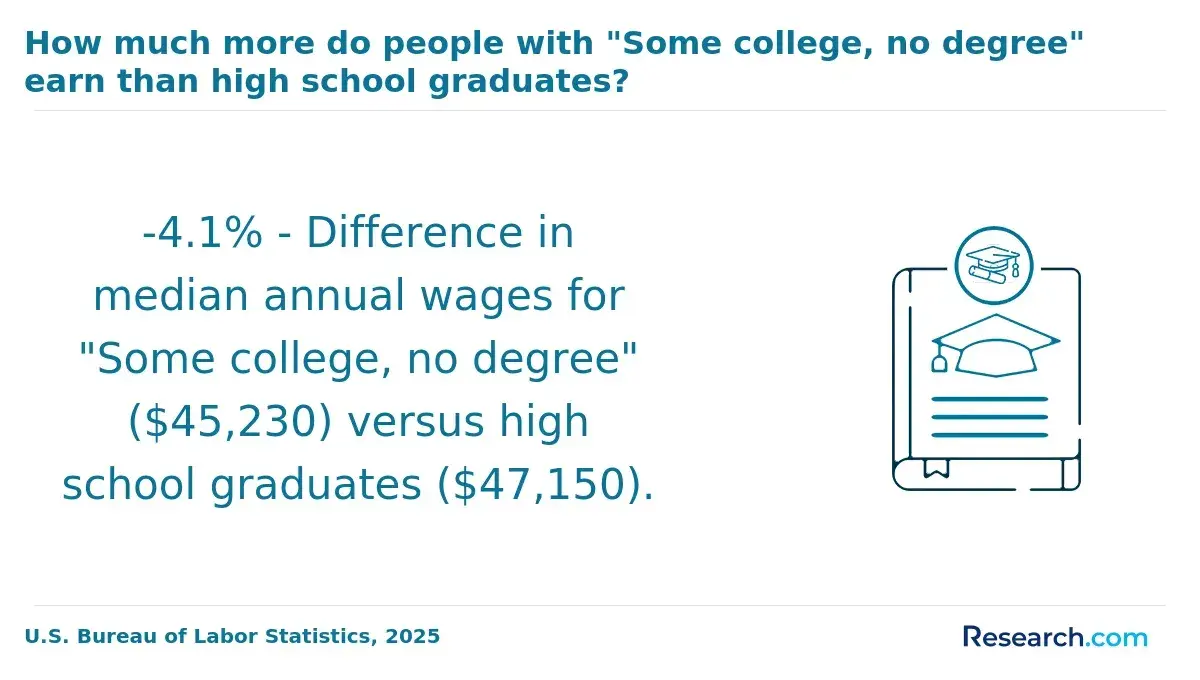
Is it difficult to get admitted to Rasmussen University's online Medical Billing and Coding Certificate program?
Admission difficulty for medical billing and coding certificate programs is generally low compared to many healthcare credentials, reflecting steady demand but limited competitive pressure. Most programs prioritize foundational skills and readiness over rigorous academic screening, which allows a wider range of applicants to enter the field without barriers like standardized test scores or extensive prerequisites.
This lack of competitiveness can ease entry for individuals shifting careers or seeking quick credentialing but may also mean programs vary significantly in quality and industry connections.
Rasmussen University's online Medical Billing and Coding Certificate aligns with this trend, featuring an open admission policy that avoids SAT or ACT requirements, enhancing accessibility. The program's overall acceptance rate is relatively high, signaling minimal barriers to entry beyond basic eligibility.
Such an approach supports rapid enrollment but should be weighed against employer expectations for verified competency and practical experience when assessing program fit for long-term career impact.
One graduate described the admissions process as unexpectedly straightforward, recalling, "I hesitated at first, worried about meeting entry standards since I was changing fields late and hadn't taken recent tests. Completing the application was quick, and the lack of testing requirement relieved a lot of immediate pressure. That made me focus sooner on learning skills rather than jumping through hoops, which helped with balancing work and study."
This experience illustrates how open enrollment can benefit motivated candidates needing flexible timing and direct access to credentialing.
What is the cost of attending an online Medical Billing and Coding Certificate program at Rasmussen University?
When evaluating the cost of attending the online Medical Billing and Coding Certificate program at Rasmussen University, a key consideration is the base tuition and fees totaling $10,899. This figure excludes ancillary expenses such as books and housing, which students should estimate at around $360 annually. It's important to note that the total annual cost, including room and board if applicable, can reach approximately $26,622, a significant factor for those budgeting beyond just tuition.
Comparatively, Rasmussen's tuition fees for the online medical billing and coding certificate position it within a competitive range nationally. Many similar programs vary widely in cost due to factors such as geographic location, institutional type, and additional fees. Rasmussen's flat-rate tuition regardless of the student's location, with no added technology fees for online learners, contrasts with programs that increase fees based on residency or delivery methods.
This pricing approach influences decisions for students weighing the program's affordability against the potential return on investment. Particularly when considering that the Federal Scorecard data lists total attendance costs for in-state students living on campus at about $24,056, the online option can deliver cost efficiencies without sacrificing access or structure.
Examining these costs in the context of actual workforce demands and credential recognition remains essential for prospective students.
Students comparing this program to other options should factor in how costs align with labor market realities, given the expanding demand across healthcare systems for certified medical coders. For those prioritizing cost-effectiveness and flexibility, Rasmussen's pricing and program design can be practical, though exploring the most lucrative college majors data may also inform longer-term career planning.
Are there financial aid options for online Medical Billing and Coding Certificate students at Rasmussen University?
Financial aid availability for online medical billing and coding certificate students at Rasmussen University plays a critical role in shaping whether prospective learners can realistically pursue credentialing given out-of-pocket costs. While federal aid is foundational for many, students relying solely on loans face debt considerations that can affect long-term financial stability, especially in a field with moderate salary prospects.
Balancing these aid options against program costs and future earnings potential requires careful examination. Below are key financial support avenues to consider.
- Federal Aid: Eligible students can apply via FAFSA for grants and subsidized loans that often have lower interest rates and flexible repayment terms, but maintaining satisfactory academic progress is essential to remain qualified.
- Institutional Scholarships: Rasmussen offers scholarships that vary by merit or enrollment status, aiming to reduce direct expenses; however, these are competitive and typically require updated application submissions each academic year.
- Veteran Benefits: Military service members and veterans can leverage GI Bill® benefits, which can substantially offset tuition costs but require eligibility verification tied to service records and education plans.
- Employer Tuition Reimbursement: Working students may access employer-sponsored programs to defray fees, though coverage limits and approval processes differ widely across employers and may mandate grade requirements.
- Emergency and Payment Plans: Rasmussen provides institutional aid options including short-term emergency funds and structured payment plans to assist students managing immediate financial difficulties without incurring high-interest debt.
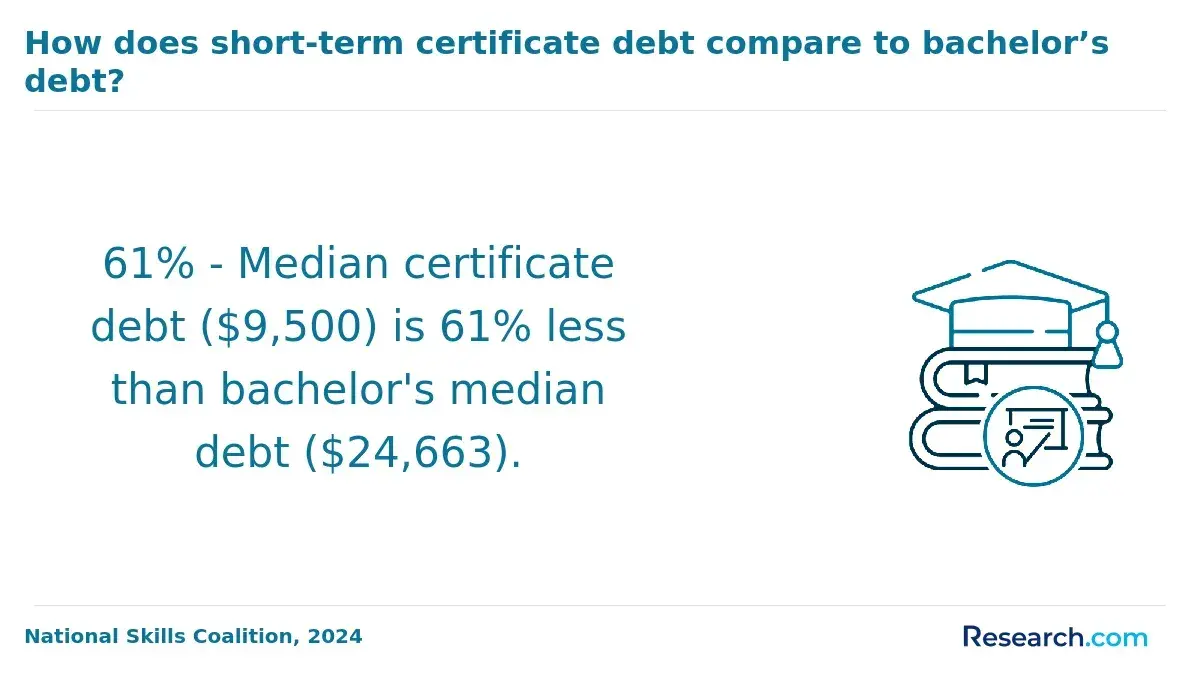
What learning resources are available to online Medical Billing and Coding Certificate students at Rasmussen University?
Access to diverse and targeted learning resources is essential for students in an online medical billing and coding certificate program to navigate the complexities of healthcare administration and meet employer expectations. Without robust support, learners can struggle to master the detailed coding systems and billing protocols critical for job readiness and certification exam success.
Practical application hinges on not just content, but also on how easily students can obtain help and engage with relevant materials under the constraints of remote study. The resources available at Rasmussen University aim to address these operational challenges across technical, academic, and professional domains. Below are key components of the support framework that shape student experiences and outcomes.
- Digital Infrastructure: A comprehensive online platform provides seamless access to course materials, interactive assignments, and coding simulations, supporting consistent engagement despite the remote format.
- Technical Support: Dedicated personnel assist with software and connectivity issues, minimizing downtime and ensuring students can focus on learning rather than troubleshooting technology barriers.
- Academic Assistance: Tutoring and writing help are available to clarify complex billing rules and strengthen documentation skills, which are essential for accurate coding and reimbursement processes.
- Virtual Library: Access to specialized medical and billing resources enhances research capabilities and deepens understanding of regulatory standards and industry updates.
- Career Services: Resume reviews, interview coaching, and connections to job boards or internships aid in translating educational attainment into workforce entry, addressing a frequent gap between training and employment.
Does Rasmussen University's online Medical Billing and Coding Certificate program have in-person clinicals or practicums?
In-person clinicals or practicums serve as critical experiential components for many healthcare training programs by providing hands-on patient interactions. However, for medical billing and coding, the functional skill set centers on administrative accuracy and coding proficiency rather than direct patient care. This distinction shapes workforce expectations and industry standards, where the necessity of in-person practicums varies.
Rasmussen University's online medical billing and coding certificate program aligns with a growing share of programs that do not require clinical or practicum hours, reflecting the administrative focus of this specialization rather than clinical immersion.
Rasmussen's medical billing and coding certificate program does not require any onsite practicum or clinical participation. Instead, the curriculum emphasizes simulated billing exercises, coding assignments, and comprehensive coursework to validate competency.
This absence of mandatory in-person clinical experience offers flexibility for students who cannot commit to onsite scheduling or relocation, a frequent barrier for adult learners or those balancing work and family.
The program's approach prioritizes practical coding skills and insurance processing knowledge through online modalities while preparing candidates for certifications such as the Certified Professional Coder (CPC).
This structure contrasts with programs incorporating in-person practicums for applied experience but may limit direct exposure to physical healthcare environments. For prospective students evaluating online medical billing and coding certificate practicum details at Rasmussen, the tradeoff involves balancing convenience and accessibility with real-world clinical exposure.
For those primarily focused on coding accuracy and reimbursement processes, Rasmussen's format caters effectively to career-entry prerequisites. Students seeking broader clinical interaction could consider alternative pathways or supplement this training with practical experience.
For students researching pathways in healthcare administration, comparing such program elements in cost and delivery alongside outcome metrics can guide investment decisions. More comprehensive data on affordability and value is available through resources like cheapest online master's, which contextualize education choices beyond clinical requirements.
What careers can graduates of online Medical Billing and Coding Certificate at Rasmussen University secure?
Graduates of the online Medical Billing and Coding Certificate at Rasmussen University often find marketability tied to specific healthcare administrative roles that demand precise coding and billing expertise. The value of this certificate is significantly linked to how well it prepares students for real-world tasks that support revenue cycles and compliance in medical settings.
For example, employers in hospitals and insurance companies may prioritize candidates with industry-recognized certifications due to rising regulatory scrutiny and reimbursement complexities. Choosing this program requires weighing the steady demand for these roles against the challenge of mastering detailed coding systems. Below are key positions commonly accessible to graduates, illustrating practical outcomes for job seekers in this space.
- Medical Billing Specialist: Responsible for managing patient billing accounts and pursuing unpaid claims, this role is essential for maintaining healthcare provider cash flow, often earning competitive salaries based on experience and setting.
- Medical Coder: Focuses on analyzing clinical records to assign diagnostic and procedural codes accurately, which is critical for correct insurance reimbursements and audit readiness.
- Health Information Technician: Maintains and organizes comprehensive health records, blending clerical duties with regulatory knowledge to ensure data accuracy and accessibility.
- Insurance Claims Analyst: Examines claims for eligibility and consistency, resolving discrepancies that can delay or deny payments, often requiring strong analytical skills.
Given the growing emphasis on compliance and efficient billing in healthcare, these roles represent viable job opportunities for Rasmussen University medical billing and coding certificate graduates. Understanding this context aids prospective students in evaluating the practical return on their educational investment. For those interested in flexible learning pathways, best online self-paced colleges offer additional program options aligned with evolving workforce demands.
What is the salary outlook for online Medical Billing and Coding Certificate graduates?
The salary outlook for graduates of the online Medical Billing and Coding Certificate from Rasmussen University suggests a stable but modest return relative to other fields. Graduates typically enter entry- to mid-level administrative roles managing billing and records, where the median annual salary of around $42,125 modestly exceeds the general alumni median of $39,080.
This indicates that while the certificate can lead to reasonable starting pay, it does not position holders among the higher-earning tiers within healthcare or technology sectors.
From a financial perspective, medical billing and coding certificate holders earn more than some public health-related degrees but fall short compared to more technical fields such as computer science or systems analysis. This salary positioning reflects the administrative nature of the work and the limited immediate leverage for rapid income growth without additional specialization or credentials.
Consequently, students weighing the salary outlook for Rasmussen University Medical Billing and Coding Certificate graduates should consider this certificate as a practical foundation rather than a path to top-tier compensation.
Employers often expect proficiency with coding software and knowledge of healthcare billing regulations, which positions graduates well for steady employment but typically within constrained pay scales.
For those interested in exploring alternatives or advanced credentials, related competency-based master's degrees can provide pathways to higher earning potential and broader healthcare roles. The medical billing and coding certificate salary potential in the US aligns with consistent demand but limited salary escalation in administrative support roles.
How do you know if Rasmussen University's online Medical Billing and Coding Certificate program is the right choice for you?
Deciding whether Rasmussen University's online Medical Billing and Coding Certificate fits your needs requires a nuanced evaluation of your learning preferences, career objectives, and ability to manage the program's structure alongside real-life demands. Matching your personal circumstances with key program features will highlight both opportunities and limitations. Consider these critical criteria to guide this alignment.
- Curriculum Relevance and Depth: Assess the scope of coding systems covered, such as ICD-10, CPT, and HCPCS, and whether practical skills for insurance claims processing are taught. Verify that course content meets industry standards to prepare you effectively for employer expectations.
- Flexibility and Course Delivery: Determine if the program's asynchronous format supports your schedule, especially if you juggle work or family. Understand the tradeoff between self-paced study and the availability of live sessions or instructor interaction.
- Support Services and Community: Evaluate the accessibility of faculty feedback, peer engagement, and career resources. Such support often influences persistence and quicker transition into employment, which is vital in competitive healthcare administration roles.
- Career Placement Assistance: Investigate the strength and reach of the school's job placement services to gauge how actively they connect graduates to medical billing opportunities.
One former student shared that initially, the abundance of online options felt overwhelming, but prioritizing programs that balanced thorough industry-aligned content with flexible pacing helped narrow the choice. They appreciated Rasmussen's mix of structured modules and community forums as it allowed steady progress without sacrificing interaction.
Still, they noted moments of doubt about managing deadlines while working full-time, emphasizing that honest self-assessment of workload capacity and motivation levels was key before enrolling.
What Graduates Say About Rasmussen University's Medical Billing and Coding Certificate Program
- Layla: "When I enrolled in the medical billing and coding certificate at Rasmussen University, I quickly realized the program's focus on real-world coding scenarios was crucial. The hands-on practice with coding systems and the emphasis on claim workflows made it easier to communicate confidently with employers, many of whom value demonstrated skills over formal licensure. While I initially faced stiff competition for remote positions, the practical knowledge I gained helped me build a solid portfolio, which ultimately opened doors to contract work that fits my schedule."
- June: "Studying medical billing and coding at Rasmussen University gave me the flexibility I needed to transition careers without putting my life on hold. The coursework was detailed and tough, especially balancing diagnostic coding with insurance regulations, but it prepared me well for the realities of the field. I found that employers heavily prioritize certification and experience through internships, so I made sure to pursue those opportunities as part of the program, which accelerated my entry into a rewarding but sometimes salary-capped role in healthcare administration."
- Adeline: "Enrolling in Rasmussen University's medical billing and coding certificate program was a pragmatic decision after I weighed the pros and cons of pursuing full licensure. The classes gave me a clear understanding of insurance processes and compliance, which proved useful when applying for entry-level billing jobs. I noticed many employers were more interested in candidates who could demonstrate hands-on coding accuracy and adaptability, rather than just credentials. This practical edge helped me secure a position, though I've also seen that advancement often means additional certifications or pivoting toward related fields."
Other Things You Should Know About Degrees
The medical billing and coding certificate program at Rasmussen University is designed with full-time and part-time online students in mind, offering asynchronous coursework that allows flexibility in when students engage with materials. However, while the pacing is adjustable, the program still requires consistent weekly time commitments and adherence to deadlines, which means students need strong time-management skills to avoid falling behind.
Those balancing significant work hours or caregiving responsibilities may need to plan their schedules carefully or consider whether the expected workload fits their capacity before enrolling.
Rasmussen's program covers current coding systems such as ICD-10, CPT, and HCPCS, but the rapidly changing nature of medical technology and insurance processes means ongoing education after graduation is often necessary.
The program provides a foundation but may not fully encompass the latest software platforms used in certain employer settings. Prospective students should weigh whether they can supplement this certificate with additional training on specific electronic health record (EHR) systems or advanced coding tools commonly sought by employers.
While the program prepares students to sit for nationally recognized professional certifications like the Certified Professional Coder (CPC) exam, Rasmussen does not guarantee exam pass rates or provide guaranteed exam vouchers as part of the certificate. Students should confirm if the curriculum aligns closely with their target certification's criteria and be prepared to invest time in self-directed study or additional prep courses outside the certificate.
Prioritizing this preparation is essential, as certifications heavily impact job competitiveness in medical billing and coding roles.
References
- What Is Medical Billing and Coding? A Complete Guide to the Basics https://www.rasmussen.edu/degrees/health-sciences/blog/what-is-medical-billing-and-coding/
- What is Medical Billing and Coding? - AAPC https://www.aapc.com/resources/medical-billing-and-coding-training
- RU Ready to Start Your Next Chapter? https://rasdevlab.com/home-finder.html
- What to Consider When Choosing a Medical Billing and Coding Program | Miller-Motte College https://www.miller-motte.edu/blog/healthcare/what-to-consider-when-choosing-a-medical-billing-and-coding-program/
- Home - Welcome to Online Learning Support - RasGuides at Rasmussen University https://guides.rasmussen.edu/onlinelearning
- Financial Aid Overview and Scholarships https://www.medicalbillingandcoding.org/resources/financial-aid/
- 2025-2026 Catalog https://rasmussen.dcatalog.com/v/2025-2026-Catalog/
- Medical Billing and Coding (Voucher Included) https://tcathartsville.edu/business-industry/medical-billing-and-coding-voucher-included
- Medical Billing and Coding Undergraduate Certificate | DeVry https://www.devry.edu/online-programs/undergraduate-certificates/medical-billing-and-coding.html
- School of Health Sciences | Rasmussen University https://corporate.rasmussen.edu/guild/health-sciences/