2027 Can You Earn a Degree Faster at Northwestern University as an Adult Learner?

Co-Founder and Chief Data Scientist
Adult learners returning to higher education often wonder if enrolling in an online program at Northwestern University means a faster path to finishing their degree. Many have accumulated prior college credits or possess relevant work experience but face hurdles in transferring those credits efficiently. With 45% of U. S. adult learners now prioritizing schools that recognize professional experience for academic credit, the ability to accelerate time to graduation is a critical factor that shapes enrollment decisions.
This article examines how Northwestern University accommodates transfer credits, evaluates professional experience, and structures flexible course schedules for adult students. It offers a detailed analysis of strategies and potential tradeoffs, helping readers make informed decisions about whether they can realistically shorten their degree timeline at Northwestern University.
Key Points About Faster Degree Completion at Northwestern University
- Northwestern University accepts extensive transfer credits and professional experience, enabling adult learners to reduce their total required coursework and accelerate degree completion within the online program framework.
- The online format accommodates working adults by balancing professional obligations with academic progress, contributing to a 96% graduation rate that reflects effective student support and pace control.
- Graduates report earnings 5.96 times their educational debt, indicating that expedited completion can enhance return on investment by entering or advancing in the workforce sooner with a Northwestern degree.
Can adult learners at Northwestern University realistically complete their degrees quickly?
Adult learners at Northwestern University can realistically shorten their degree completion time by up to one to two years compared to traditional timelines. Online accelerated programs often allow degree completion in 18 to 24 months. Transfer credits and professional certifications can reduce time by 25% to 30%, depending on institutional credit evaluation policies.
For example, a working professional with relevant certifications might apply previous college credits and experience, finishing a bachelor's degree in three semesters instead of six. Flexible scheduling and recognition of experiential learning also support this pace. A 2024 study on adult learner completion trends highlights that such approaches significantly boost graduation rates and speed across non-traditional programs, improving practical outcomes.
Northwestern University allows some course overloading or extra credit projects, but policies vary by program, limiting how aggressively students can accelerate. Balancing workload with life and work commitments is essential, as overly rapid progression risks academic quality. Online students should evaluate administrative options like transfer credit appeals and credit-by-exam carefully.
Completion timelines differ widely based on structural requirements of Northwestern University's various degree programs. More rigid curricula offer less flexibility, while professionally oriented degrees with experiential credit recognition enable faster paths. The key is combining institutional policies with realistic personal pacing to maintain quality without sacrificing speed.
Does Northwestern University have specific admission requirements for adult learners?
Northwestern University does not have admission requirements specifically designed for adult learners, which poses a significant barrier for those aiming to accelerate their degrees. Unlike many institutions that incorporate recognition of professional experience, Northwestern adheres to a stringent standard favoring formal academic preparation.
For example, an adult learner with substantial career experience but limited recent academic records will face challenges in meeting transfer credit policies, especially since only Advanced Placement (AP) credits are recognized and dual credit is excluded.
Below is a closer examination of key admission requirements impacting adult students at Northwestern University. These admission criteria illustrate how adult learners must carefully navigate the process and plan realistically to speed up degree completion.
- Transfer Credit Policy: Northwestern only accepts transfer credits during the fall term, and even then, strictly limits recognition to formal AP credits. This restricts the possibility to leverage prior coursework or alternative credentials, making it essential for adult learners to have completed college-preparatory coursework with documented secondary school transcripts.
- Academic Preparation Verification: Adult applicants must supply high school completion proof such as a GED or equivalent. This is necessary because the university prioritizes verified academic foundations over experiential credentials.
- Testing Requirements: TOEFL scores are required when applicable to demonstrate English proficiency. Additionally, assessments like Wonderlic or WISC-III are recommended, supporting evaluation of cognitive readiness beyond transcripts.
- Recommendation Submissions: Applicants need to provide recommendations which play a key role in assessing non-academic traits. This adds an evaluative layer beyond grades but still relies on traditional measures rather than competency-based evaluation.
Although recent trends emphasize flexible, competency-based assessments for adult learner admissions across higher education, Northwestern University's policy remains traditional.
For many adult students exploring whether to pursue faster 1-year master's programs online, this rigid admission framework underscores the necessity of early and formal academic preparation rather than reliance on professional experience or non-credit learning.
Ultimately, the 7% acceptance rate reflects the competitive and selective admissions climate that adult learners must confront.
Are there executive programs at Northwestern University for mid-career professionals?
Northwestern University offers executive programs specifically for mid-career professionals seeking to accelerate their degree completion. These executive tracks benefit adult learners by combining hybrid formats with weekend intensives, enabling them to balance full-time work while progressing faster. For example, a finance manager enrolled in an Executive MBA can leverage weekend sessions to minimize workplace disruption and immediately apply new skills.
This model differs notably from traditional online tracks, which often emphasize asynchronous coursework but may lack cohort interaction and peer networking. Executive programs focus on leadership and finance disciplines that align with employers' growing demand for advanced skills, highlighted by a 13.5% rise in executive-level enrollments nationwide.
This trend reflects increased employer investments in upskilling seasoned professionals, making Northwestern's offerings relevant for workforce advancement.
Although these programs accelerate skill acquisition, they may not significantly shorten total degree time unless transfer credits and prior learning are optimized. Adult learners exploring accelerated degree options for working professionals in Illinois should weigh these factors carefully. Strategic credit evaluations remain crucial to reducing time-to-degree beyond what accelerated formats alone offer.
Those interested in fast completion paths can also consider fastest associates degree online resources to complement executive education options. Aligning program formats with personal schedules and employer expectations is vital for practical advancement rather than assuming a faster graduation timeline by default.
How can credit transfers affect the time-to-graduation for adult learners at Northwestern University?
Credit transfers at Northwestern University can reduce time-to-graduation for adult learners, but only when the transferred coursework aligns precisely with degree requirements. For instance, an adult student returning after years in the workforce can shorten their academic journey by transferring completed courses that fulfill core major or general education requirements. However, many Northwestern programs have strict course sequencing and hidden prerequisites, which can restrict the usefulness of some transfer credits.
According to a 2024 national study, students whose transferred credits align with degree plans graduate on average 1.4 semesters earlier, underscoring the importance of credit applicability over mere credit accumulation.
Below are the primary ways credit transfers can accelerate graduation timelines at Northwestern University.
- Reduction in Required Courses: Transferring applicable credits directly reduces the number of courses adult learners must complete, allowing them to focus on advanced or specialty classes sooner.
- Alignment with Core Major Requirements: Credits that meet essential major prerequisites avoid the need to retake foundational classes, streamlining progression within demanding academic programs.
- Flexibility for Work and Life Balance: By trimming academic load, transferred credits enable adult students to better juggle studies with professional and personal obligations, sustaining steady momentum.
- Potential Limitations from Sequential Coursework: Strict program sequences can offset credit benefits when transferred courses do not satisfy early prerequisite demands, requiring careful academic advising.
Can professional certifications and training be converted into credits at Northwestern University?
Northwestern University does allow adult learners to convert professional certifications and training into academic credits to accelerate their degree completion. This option hinges on the relevance of those credentials to specific degree requirements. A growing national trend shows 62.7% of adult learners use Prior Learning Assessment to reduce their time-to-degree, emphasizing the practical impact of credit conversions.
However, eligibility varies by program, as Northwestern carefully evaluates whether certifications align with course competencies. Some professional credentials might not qualify if they do not map clearly onto the curriculum goals. Adult learners must consider how their individual professional background fits into this framework when exploring credit transfer options for their degree.
Examples of professional certifications that Northwestern may accept for credit transfer include credentials commonly recognized as industry standards. These represent verified knowledge in areas that overlap with academic coursework. The following list outlines several types of certifications that often qualify and why they hold academic credit value:
- Project Management Professional (PMP): This certification validates expertise in managing projects and aligns with coursework in business and organizational leadership.
- Certified Public Accountant (CPA): Recognized in accounting and finance, the CPA credential certifies mastery of accounting principles that correspond to advanced academic classes.
- Cisco Certified Network Associate (CCNA): This credential covers foundational networking skills relevant to computer science and information technology programs.
- Information Technology Infrastructure Library (ITIL) Training: ITIL certification demonstrates understanding of IT service management frameworks, which parallels certain coursework in IT administration.
- Registered Nurse (RN) Advanced Certifications: These credentials reflect clinical expertise critical to healthcare programs increasingly in demand across medical delivery systems.
Adult learners evaluating how to convert training and certifications to college credits at Northwestern University should also review prestigious online universities for complementary pathways. Understanding these options helps optimize degree completion strategies with a nuanced view of credit transfer policies and practical applicability to workforce goals.
Does Northwestern University have competency-based education programs for adult learners?
Northwestern University does not offer competency-based degree programs for adult learners. Its degree pathways focus on conventional credit accumulation with structured schedules rather than direct-assessment or skill-based pacing. Adult learners aiming to leverage professional competencies for accelerated completion will find no explicit CBE programs here, unlike models found at other institutions.
Adult learners at Northwestern University can potentially shorten time to degree by transferring credits or applying prior learning assessments. However, the lack of competency-based degree programs means these options depend heavily on individual credit acceptance policies and course availability. Flexible graduate programs do exist but do not replace the competency-based approaches some adult learners seek for faster completion.
Direct-assessment models have grown by 12.5% nationally, reflecting employer demand for skills rather than seat time, a trend Northwestern's offerings do not directly address. For adult learners wanting to compare alternatives, exploring fast track career programs at other institutions may provide clearer pathways to leverage prior experience and accelerate earning a degree.
Does Northwestern University run a continuous school calendar that eliminates summer breaks?
Northwestern University does not operate a continuous school calendar that eliminates summer breaks. Instead, it follows a traditional academic calendar with distinct fall, winter, spring, and optional summer terms. For adult learners eager to accelerate their degree, this structure requires strategic use of summer sessions, which may be optional or mandatory depending on the program.
In practice, an adult learner working full-time might find limited summer course options compared to other terms, impacting their ability to fully leverage nontraditional scheduling. These constraints mean students must plan carefully around available terms instead of relying on uninterrupted enrollment to shorten their studies.
Research on U.S. higher education shows a 15% increase in adult learner retention and degree completion at institutions offering continuous enrollment, highlighting the potential benefits of such calendars. Northwestern's standard calendar lacks this flexibility, so adult students dependent on employer schedules must navigate more complex tradeoffs when accelerating their education.
Academic term lengths at Northwestern may also vary by program design. Some professional and online programs integrate summer terms as required components, offering accelerated paths. Understanding these variations is essential for adult learners to effectively use summer courses and transfer credits to reduce time to degree completion.
What are the challenges of faster degree completion for adult learners at Northwestern University?
Accelerating degree completion at Northwestern University requires navigating a series of structural and practical challenges that often complicate faster graduation for adult learners. The institution's credit load caps and strict transfer evaluations limit how much prior learning can shorten the path, forcing many to face unexpected additional courses.
Combined with rigid class schedules, these constraints complicate balancing work, family, and study. A 2024 national study found 38.7% of non-traditional students in accelerated courses withdrew early due to academic stress, underscoring the intense pressure adult learners encounter.
Below are key challenges these students must manage to pursue an accelerated degree.
- Credit Load Caps: Northwestern restricts the maximum credits per term, slowing acceleration despite motivation. Learners must carefully plan course sequences and use transfer credits early to avoid bottlenecks.
- Transfer Credit Evaluation: Rigorous assessment often denies full credit for professional experience or prior coursework. This can result in unexpected classes that lengthen time-to-degree.
- Fixed Scheduling Constraints: Many programs require attendance at set class times, limiting flexibility for adults balancing jobs and family. Overloading courses to finish faster risks burnout and poor grades.
- Academic Rigor in Accelerated Pace: Condensed courses increase cognitive load and stress, with a notable withdrawal rate tied to academic pressure. Adult learners need targeted academic support and realistic pacing.
- Financial Aid Eligibility Complexity: Stricter aid rules for accelerated formats can disrupt continuous funding if enrollment standards aren't consistently met, delaying progress.
- Risk of Overextension: Trying to accelerate too aggressively can lead to course failures or retakes, ultimately costing more time and money.
- Limited Online or Competency-Based Options: Compared to fully flexible programs, Northwestern's traditional pacing may not align with adult learners' need for asynchronous or competency-based acceleration.
How can Northwestern University students leverage school resources to fast-track their degree?
Adult learners at Northwestern University can significantly reduce their time to degree by strategically leveraging key institutional resources designed to acknowledge prior learning and accelerate academic progress. For example, a working professional returning after several years can partner with an advisor to assess transferable credits and apply relevant work experience toward degree requirements, minimizing redundant coursework.
The following list outlines primary university support mechanisms that help maintain momentum and fast-track degree completion.
- Specialized Academic Advising: Advisors experienced with non-traditional students evaluate transfer credits and professional experience eligibility. This targeted guidance helps learners avoid repeating content and align remaining coursework with career goals efficiently.
- Dedicated Success Coaches: Coaches provide personalized study strategies and workload management advice, which is essential for online learners balancing work and family responsibilities. Their support decreases the likelihood of delays due to overextension.
- Tutoring Services and Writing Centers: These resources improve mastery of challenging subjects and writing skills on demand, preventing setbacks like repeated courses or extended study periods that slow progress.
- Fast-Track Credit Review: Northwestern's streamlined credit review process prioritizes timely assessment, allowing qualified students to bypass foundational classes and focus on advanced coursework sooner.
- Flexible Scheduling Options: Course schedules designed for adult learners often include evening or weekend classes and accelerated terms, enabling concentrated effort over shorter timespans.
- Professional Experience Assessment: The university recognizes specific experiential learning, granting credit where appropriate to reduce course loads and shorten degree timelines.
- Online Program Support: Online learners benefit from tech resources and virtual engagement opportunities that sustain academic involvement remotely and reduce interruptions.
Data indicates proactive advising models like Northwestern's increase course completion rates by 23.7% among adult online students, underscoring the practical value of these resources in speeding degree attainment. However, accelerated paths may increase workload intensity and limit experiential learning opportunities that employers value. Adult learners must balance these tradeoffs carefully.
Integrating credit transfer options for working professionals with strategic use of university resources can help adult learners at Northwestern University earn a degree faster while preserving quality and real-world relevance.
For those considering doctoral pathways, programs offering a doctorate without dissertation represent an additional acceleration opportunity, aligning with the broader trend toward flexible, competency-based education formats.
What are the career advantages of earning a degree from Northwestern University on a shorter timeline?
Earning a degree faster at Northwestern University offers tangible career advantages that extend beyond mere timeline compression. For example, a mid-career professional aiming for a managerial role may complete their degree several semesters earlier by leveraging transfer credits and professional experience recognition. This acceleration reduces the time away from the workforce, preserving income flow and positioning the individual for earlier promotions.
A 2024 national survey found that 67% of employers view accelerated graduate credentials favorably when combined with strong skills, underscoring the real-world value of such programs.
The following key career advantages illustrate why a shortened degree timeline can maximize outcomes for adult learners at Northwestern University.
- Quicker Market Reentry: Accelerated degree completion minimizes interruptions in employment, allowing adult learners to return to work or advance their careers sooner. This reduces opportunity costs and helps maintain steady income streams while avoiding accumulated student debt.
- Enhanced Career Mobility: The ability to upskill or pivot careers rapidly helps professionals stay relevant in evolving industries. Northwestern's flexible scheduling supports continuous employment, enabling learners to respond to shifting job demands without extended leave.
- Leverage of Transfer Credits: Recognition of prior coursework and professional experience streamlines the academic path. This reduces redundant learning, allowing adult learners to focus on new competencies aligned with career goals, thus improving the return on investment.
- Improved Employer Perceptions: Employers increasingly accept accelerated degrees as credible when paired with verifiable skills and performance. This alignment boosts employability and salary potential by validating both knowledge and work readiness.
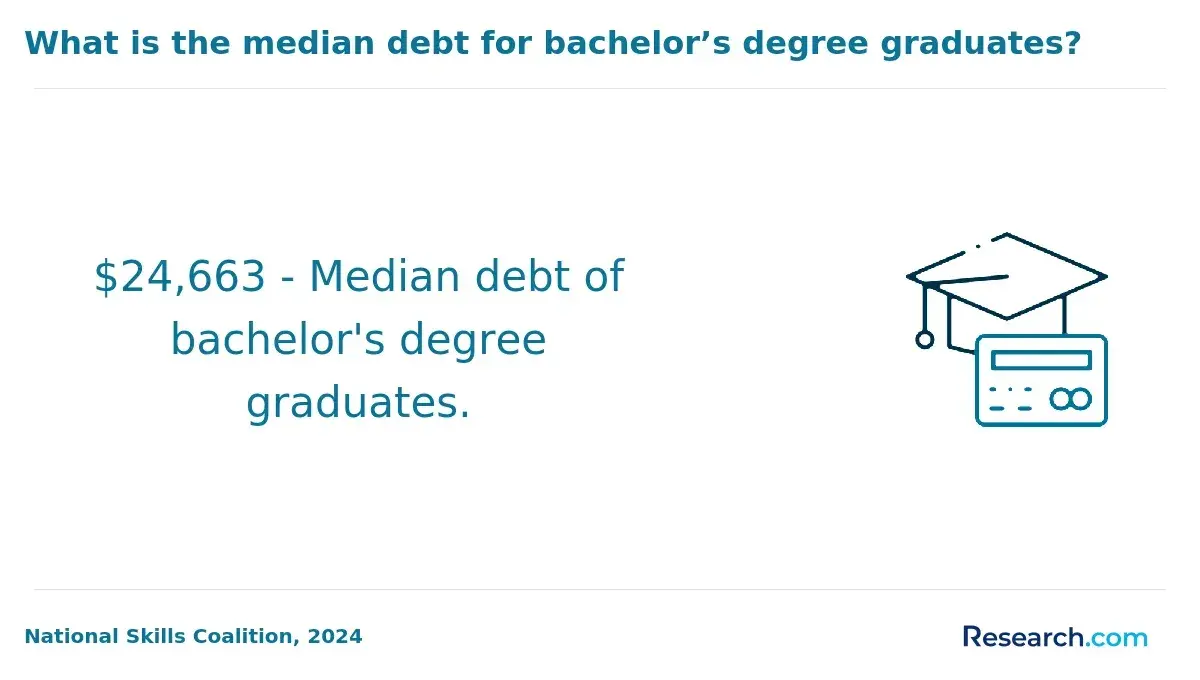
- Strategic Debt Management: Fewer semesters translate to decreased tuition and fees, directly lowering overall debt burden. For a median graduate debt around $15,000, this financial relief can significantly improve long-term career financial outcomes.
What Graduates Say About Being an Adult Learner at Northwestern University
- Harper: "Opting for Northwestern University's online degree program as an adult learner was a calculated decision rooted in managing my full-time job and family responsibilities. The ability to accelerate my degree by transferring previously earned credits and utilizing portfolio assessments of my work experience was pivotal in shortening my timeline. Navigating the test-optional admissions process eased what could have been a major barrier, allowing me to focus on courses rather than admissions stress. After graduating, the faster completion directly translated to a promotion and salary review sooner than I initially anticipated."
- Keiko: "When I enrolled at Northwestern University, I was particularly mindful of the challenges adult learners face when balancing education with ongoing professional commitments. The program's flexibility allowed me to convert several years of specialized industry experience into academic credit, which sped up my progress significantly. I was cautious at first about the true benefit of accelerating my degree timeline, but post-graduation, I found that this approach helped me enter new roles ahead of my peers and justified the time investment by expanding my career options more rapidly. The test-optional policy also simplified re-entry into academia, which was a relief."
- Kylie: "Completing my degree through Northwestern University's online platform allowed me to take charge of my educational path in a way that traditional undergraduate timelines never could accommodate. By strategically leveraging credit-by-exam options and transferring prior coursework, I compressed what many consider a four-year commitment into under two years. While the fast pace demanded intense discipline, it unquestionably accelerated my time to workforce re-entry, opening doors for consulting projects that recognized my credentials immediately. The streamlined admissions process, including test-optional policies, was a practical bonus that minimized administrative hurdles."
Other Things You Should Know About Northwestern University Degrees
Program pacing flexibility is critical for adult learners balancing work and personal commitments while trying to complete their degree faster. Northwestern University's online programs vary in how much control students have over enrollment intensity, with some allowing accelerated courses in shorter terms or heavier credit loads per quarter. Prospective students should prioritize programs with explicit options for compressed terms or self-paced modules to maximize acceleration without overwhelming their schedule.
Faster degree completion options often involve a denser workload, which can limit opportunities for deep engagement or practical application of material. At Northwestern University, maintaining academic rigor in accelerated online courses remains a priority, meaning learners must manage significant weekly commitments to achieve speed. Adult learners should weigh whether the expedited path might reduce chances for experiential learning or networking opportunities that enrich both understanding and career prospects.
Yes, the class format plays a significant role. Synchronous courses require attendance at set times, which can restrict flexibility and abbreviate the ability to take additional classes simultaneously. Asynchronous classes offer more freedom, enabling students to allocate study hours around jobs or family, thereby potentially speeding up progression. Adult learners should prioritize asynchronous or hybrid models to better juggle responsibilities and optimize their study schedules.
References
- How to get into Northwestern: Admission Requirements 2023 https://www.collegeessayguy.com/blog/how-to-get-into-northwestern
- The Benefits of Competency-Based Education for Adults https://evolllution.com/opinions/the-benefits-of-competency-based-education-for-adults
- Adult learner programs at UNW | Minnesota Private Colleges https://www.mnprivatecolleges.org/colleges/university-northwestern-st-paul/adult-learners
- Students are speeding through their online degrees in weeks, alarming educators https://www.themorningsun.com/2026/05/22/students-are-speeding-through-their-online-degrees-in-weeks-alarming-educators/
- Best Advice for Going Back to School as an Adult https://www.straighterline.com/blog/degreecompletion-best-advice-for-adults-going-back-to-college
- Explore Online Executive Education Programs from Kellogg School of Management at Northwestern University | edX https://www.edx.org/executive-education/kellogg
- Kellogg School of Management Expands Executive Education Programs to Meet Global Demand https://www.prnewswire.com/news-releases/kellogg-school-of-management-expands-executive-education-programs-to-meet-global-demand-302783481.html
- Transferology for Northwestern University School of Professional Studies | Transferology https://www.transferology.com/school/spsnorthwestern
- New program lets college students set the pace https://www.theadvertiser.com/story/blogs/education/2016/11/22/new-program-lets-college-students-set-pace/93812682/
- Finding the 'sweet spot': 4 tips for moving classes online quickly https://www.highereddive.com/news/finding-the-sweet-spot-4-tips-for-moving-classes-online-quickly/574124/