2027 Best Online Exercise Science Degrees for Sports Performance Facility Careers

Co-Founder and Chief Data Scientist
Securing a sports performance facility role demands more than passion; it requires specialized knowledge and credentials that align with employers' evolving standards. Yet, balancing rigorous academics with full-time work or family duties often forces many aspiring professionals to hesitate or delay enrollment.
Recent data from the National Center for Education Statistics shows a 17% rise in adult learners enrolling in online programs since 2023, signaling a shift toward flexibility as a critical factor in education and career planning. This article evaluates top online exercise science degrees designed to meet these demands, helping candidates select programs that optimize practical career entry and advancement in sports performance settings.
Key Things You Should Know
- Data from the U.S. Bureau of Labor Statistics shows exercise science roles tied to sports performance facilities grew 8% from 2022-2024, signaling rising employer demand for integrated biomechanics and nutrition expertise, pressuring candidates toward multidisciplinary skill sets.
- PayScale reports median salaries for exercise science graduates in sports facility roles in 2024 hover near $50K, but upward mobility depends heavily on certifications beyond degrees, emphasizing cost-benefit tradeoffs in pursuing advanced, non-degree credentials.
- National Center for Education Statistics indicates online exercise science degree completion averages 5% longer than in-person, challenging working professionals balancing career pivots with program duration and tuition inflation pressures in 2023-2026.
What is an online exercise science degree focused on sports performance facilities?
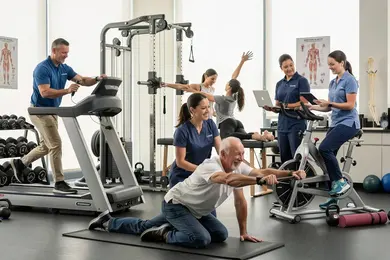
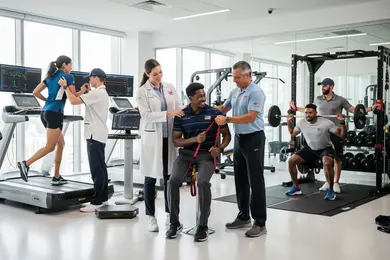
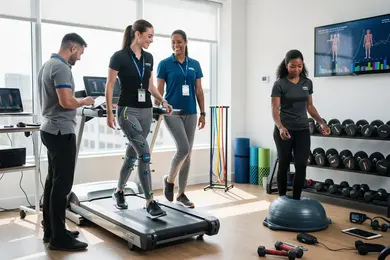
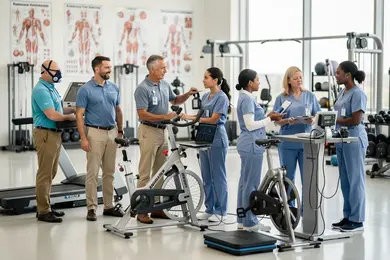
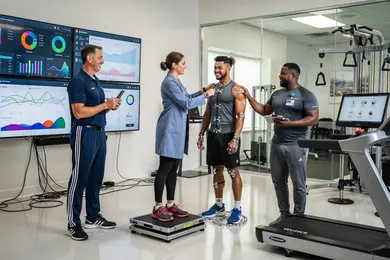
Online exercise science degree programs focused on sports facility management prioritize applied knowledge in biomechanics, exercise physiology, nutrition, and strength conditioning. This specialization directly addresses employer demands for outcome-oriented roles such as exercise physiologists and strength coaches in competitive sports environments. Graduates must navigate program variations, especially concerning the availability and quality of hands-on clinical experiences, which are crucial for meeting hiring standards in professional sports settings.
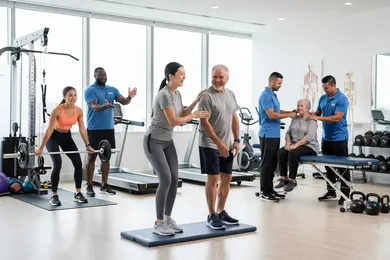
Real-world application demands that specialists, for instance in collegiate athletic programs, adapt evidence-based training protocols across multiple sport disciplines while objectively tracking athlete progress via performance metrics. Managing sports performance facilities also requires oversight of both operational logistics and tailored conditioning regimens, demanding a balance of scientific rigor and individualized client care.
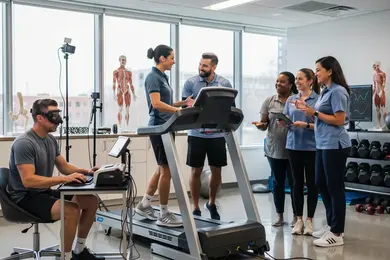
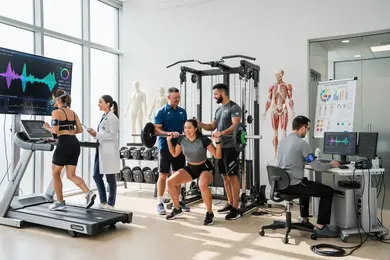
Key practical considerations when selecting an online exercise science degree for sports performance careers include accreditation status, internship access at relevant sports facilities, and exposure to current technologies like motion capture and muscle activation analysis. Graduates with these credentials can expect a median salary near $71,000 by 2026 in fitness and performance roles, though supplemental certifications remain essential for competitive employability.
Understanding the athletic director education requirements is also important for those looking to move into sports facility leadership, linking foundational exercise science knowledge with administrative expertise.
How do online exercise science programs compare to campus-based options for this field?
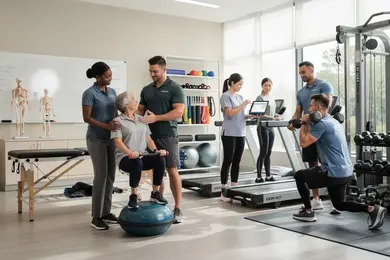
Online exercise science degree benefits for sports performance careers come with a significant practical tradeoff: while theoretical knowledge is effectively conveyed through virtual labs and simulations, the tactile skills essential for roles involving physiological testing and biomechanical assessments typically require in-person experience. For instance, a student completing an online program may need to arrange an external practicum to meet many employers' and certification boards' requirements, which can complicate timely entry into sports facility jobs.
Campus vs online exercise science programs for sports facility jobs presents distinct scenarios. Campus-based degrees offer integrated access to hands-on labs, supervised clinical hours, and networking with local facilities, streamlining job preparedness. Conversely, online students gain flexibility critical for those balancing work, family, or remote locations but often must independently secure face-to-face internships that meet diverse state and facility standards.
Decision-makers evaluating these pathways should consider:
- Immediate availability of applied practical experiences versus schedule flexibility
- Institutional assistance in clinical placement and credential validation
- Employer preference for graduates with documented onsite practicum hours
- Compliance with state licensure and certification mandates tied to physical internships
With workforce demand for exercise physiologists growing 10% between 2024 and 2034, aligning experiential elements early is crucial. Prospective students can learn more about comparative career pathways at jobs for environmental science majors.
Which online exercise science degrees are accredited and recognized for sports performance careers?
Employment prospects for graduates hinge almost entirely on program accreditation, with regional and CAAHEP approval becoming essential filters for those targeting strength and conditioning roles in elite sports. Candidates possessing recognized online exercise science programs for sports performance facility jobs secure not only eligibility for respected certifications like those from the NSCA but also practical experience through mandatory supervised clinical components embedded in accredited curricula. This combination directly impacts hiring decisions in competitive NCAA or professional sports environments where employers prioritize verifiable competency and adherence to national curriculum standards.
Consider a working professional aspiring to enter a strength and conditioning role at an NCAA Division I facility. Without a degree from a CAAHEP-accredited pathway, their access to necessary supervised practical training and subsequent certification pathways is limited, restricting upward mobility in the field.
The labor market reflects this selective demand: median salaries for strength and conditioning coaches hover around $60,000 annually, with top earners exceeding $80,000, correlating with the graduate's accreditation background and readiness for certification exams. Those without accreditation face barriers not only to advanced roles but also to sustaining employment in high-level performance settings.
Institutions delivering these online exercise science degrees via large public universities typically integrate theoretical and clinical training to meet workforce requirements.
Students should also assess financial considerations in relation to program value and outcomes; comprehensive analyses of comparable degree costs, such as the cost of computer science degree, underscore the importance of evaluating returns on investment when selecting educational routes.
What courses and specializations prepare students to work in sports performance facilities?
A practical career move into sports performance roles requires coursework focused on biomechanics, exercise physiology, and motor learning-content vital for real-world assessment and improvement of athletic output. Specialized strength and conditioning classes address program design, essential for adapting training regimens in settings like collegiate athletics or professional training centers. This approach embodies the operational challenges faced by sports facility professionals charged with measurable athlete development.
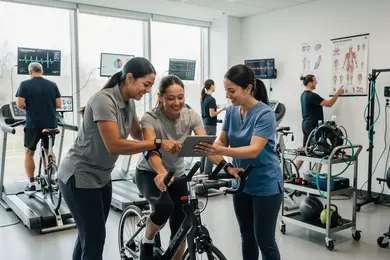
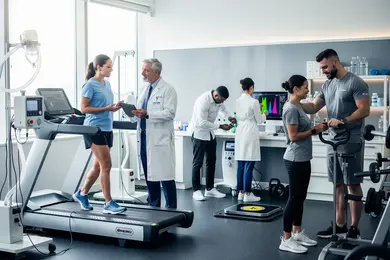
Online exercise science courses for sports performance careers increasingly combine traditional topics with nutrition and sports psychology to fine-tune recovery and mental toughness strategies, which are significant for sustained high-pressure competition. Advanced kinesiology labs enhance applied competencies in motion analysis, a skill set often demanded by employers investing in technological tools for injury prevention and performance diagnosis.
Specializations in exercise science for sports facility jobs often emphasize certification tracks aligned with credentials such as the Certified Strength and Conditioning Specialist (CSCS) or Performance Enhancement Specialist (PES), reflecting employer expectations for verified expertise. Rehabilitation-focused students gain practical knowledge supporting accelerated return-to-play outcomes, a necessary partnership with healthcare providers in many facility roles.
Cost and program length vary substantially; leading online bachelor's degrees charge between $260 and $500 per credit, with total tuition ranging from $15,000 to over $60,000. Candidates must evaluate affordability against curriculum depth and credential opportunities. For example, those targeting elite youth sports roles might value embedded internships and certification prep over broader coursework.
Students weighing program options might also consider affordability data in adjacent fields, such as the library degree rankings, to benchmark cost-effectiveness and funding strategies in education pathways.
What admission requirements and prerequisites do online exercise science programs typically have?
Admission into online exercise science programs revolves less around clinical experience at the outset and more on foundational academic readiness. Candidates must present at minimum a high school diploma or equivalent, often accompanied by completed prerequisite courses in biology, chemistry, and math to ensure capacity for rigorous scientific material. This prerequisite framework is pivotal, as gaps-especially in chemistry or anatomy-can delay progression, extending time to complete both theory and essential practical training.
While standardized test scores like the SAT or ACT have become optional or waived by some programs, maintaining a GPA between 2.5 and 3.0 remains a common benchmark. Applicants with associate degrees or prior credits can benefit from advanced standing, expediting their degree path.
Practical experience, such as volunteering or working in fitness centers, though not required, substantially increases competitiveness by aligning applicant profiles with employer expectations in sports performance careers. Students should also recognize that online study demands a strong commitment to self-directed learning and reliable technology access to handle interactive coursework and local clinical placements.
From a workforce perspective, those completing an online BS in exercise & sport science earn about $71,000 annually on average, per Methodist University's 2025 data, exceeding the typical occupational median. This earning potential reflects employers' preference for graduates who blend solid scientific grounding with demonstrated practical skills acquired through well-structured programs.
How long do online exercise science degrees take and what do they cost?
Completing an online exercise science degree within a standard timeframe is critical when considering workforce readiness, especially for roles demanding clinical or sports performance expertise. Bachelor's programs typically span four years but can be accelerated to three for full-time students transferring credits or managing intensive course loads. Associate degrees, which usually take two years, serve more as preliminary credentials and often lack the depth expected by many employers.
Costs vary dramatically depending on institution type and residency, with public universities charging $10,000 to $25,000 annually for in-state students and private schools often exceeding $35,000. Since tuition is frequently assessed per credit hour ($300-$600), part-time enrollment or repeated courses can inflate total expenses, especially for working professionals balancing job demands with study commitments.
From 18 online sports science degrees in North America to 30 globally listed for 2025 by Educations.com, availability is rising-but so is variability in program rigor and alignment with employer expectations. Graduates with accredited degrees plus hands-on internship experience profile better for facility or clinical roles. Those weighing accelerated programs must also factor in financial aid options, job placement statistics, and practicums tied to certification requirements, as these elements influence employability more than tuition alone.
What jobs can you get in sports performance facilities with an online exercise science degree?
The practical value of an online exercise science degree hinges on its alignment with sports performance specialization and direct workforce demands. Sports performance facilities seek candidates for roles such as strength and conditioning coaches, athletic trainers, and rehabilitation coordinators who combine theoretical knowledge with applied skills in human physiology and biomechanics. Over half of online programs offering exercise science provide focused tracks that prepare students for these roles, reflecting market pressure for specialized expertise.
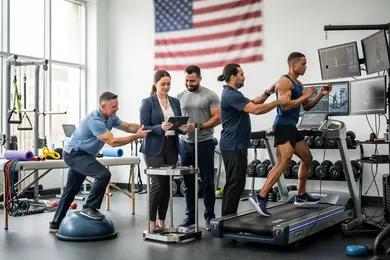
Consider that strength and conditioning coaches must design targeted training plans to boost athlete power while minimizing injury risk-tasks that require more than just general degree knowledge and often certification. Athletic trainers add value by managing both injury prevention and acute care in collaboration with medical teams. Performance specialists require strong biomechanics acumen to interpret data from technology like motion capture or force plates. Without such specialized training, entry-level graduates typically face limited job prospects restricted to generic fitness coaching rather than elite or clinical sports settings.
Students should weigh tradeoffs: programs lacking embedded practicums or industry connections frequently hinder readiness for real-world expectations where hands-on experience and recognized certifications (e.g., CSCS, ATC) are prerequisites. Employment in this sector demands that candidates demonstrate measurable impact in athlete development, reinforcing the importance of degrees that incorporate applied components and bridge academic theory with workplace skills.
How much do sports performance facility professionals with exercise science degrees typically earn?
Salaries for exercise science graduates in sports performance facilities commonly range from $45,000 to $70,000, but context matters heavily. Entry-level roles in smaller or regional centers typically start near $45,000, while larger, specialized facilities and collegiate programs may offer $65,000 or more. This variability often hinges on geographic location, facility prestige, and the employee's certifications or specialty knowledge.
Facilities requiring exercise science or kinesiology degrees reflect a stronger baseline for salaries compared to non-degree holders, yet compensation adjusts based on certifications like CSCS or expertise in biomechanics and nutrition. For example, an elite athlete conditioning center will pay a premium over a general community fitness facility.
Long-term growth depends on further specialization and continuing education, with professionals who obtain advanced credentials often seeing 15-30% salary increases within five years. Without such investment, salaries frequently plateau between $50,000 and $60,000.
Prospective students must consider educational costs, regional living expenses, and the types of facilities where they are most likely to secure employment. Aligning coursework and certifications closely with employer expectations is essential to enhancing both earning potential and job stability over time.
What is the job outlook and demand for exercise science graduates in sports performance settings?
Employment for exercise physiologists is expanding at an above-average rate, projected to grow 11% from 2022 to 2032 according to the U.S. Bureau of Labor Statistics. The strongest opportunities concentrate in urban areas with professional sports teams and elite training centers, shaping a competitive applicant pool that prioritizes candidates with hands-on skills in biomechanical analysis, athlete-specific conditioning, and evidence-based recovery methods.
Graduates from fully online exercise science programs now constitute a significant portion of applicants-as highlighted by OnlineU's 2026 rankings-but this trend introduces challenges. Employers typically expect measurable improvements in athlete outcomes supported by practical experience, often requiring additional certifications and demonstrated interdisciplinary communication with coaches and medical staff.
Students face a critical tradeoff: online curricula offer scheduling flexibility but often limit immersive practicum and local networking essential for placement in sports performance roles. Programs that integrate structured internships and facilitate connections with local sports organizations better position graduates to meet workforce demands.
Key considerations for prospective professionals include:
- Prioritizing applied learning environments that foster real-world skills over purely theoretical instruction
- Securing credentials beyond the degree to validate competency in evolving athlete development metrics
- Understanding regional market variances where urban elite facilities drive employment growth
How do certifications and licensing work for sports performance and strength conditioning roles?
Certification-particularly the Certified Strength and Conditioning Specialist (CSCS) credential from the National Strength and Conditioning Association-is often the non-negotiable baseline for employment in sports performance roles. This credential requires a bachelor's degree in exercise science or a closely related field and passing a comprehensive exam on exercise physiology, program design, and safety. Without it, access to collegiate or professional sports programs is severely limited due to strict organizational compliance standards.
Licensing requirements differ by state and role, especially for those conducting physical assessments or rehabilitation. Athletic trainers and physical therapists often face additional restrictions, prompting the need for thorough verification of jurisdiction-specific regulations before entering clinical or hospital-affiliated positions.
Certification timelines also impact workforce entry. Candidates must log supervised practical hours and prepare for costly exams, creating delays that often result in stronger salary positions. For example, NCAA Division I strength coaches with CSCS credentials can earn 20-30% more than uncertified counterparts based on recent salary data.
Financially, tuition rates vary widely. Military personnel pursuing exercise science degrees may find substantial savings-such as $250 per credit hour at American Military University compared to $360 elsewhere-reducing debt and expediting certification eligibility.
These intertwined certification, licensing, and financial factors demand strategic consideration for those targeting credentialed roles within sports performance and strength conditioning.
Other Things You Should Know About Exercise Science
Yes, many employers in sports performance recognize the value of online exercise science degrees, especially when they are from accredited institutions. Online programs provide flexibility and often cover the same curriculum as traditional degrees, preparing graduates effectively for career demands in 2027.
Look for regional accreditation, plus programmatic accreditation from the Commission on Accreditation of Allied Health Education Programs if the degree includes allied health coursework. Accreditation matters for graduate admission, employer screening, and certification eligibility. In 2027, many Certified Strength and Conditioning Specialist candidates also need an accredited bachelor’s degree.
Employer perception depends heavily on program accreditation, the inclusion of practical training, and the institution's reputation rather than delivery format alone. Online degrees from reputable, accredited colleges with comprehensive labs and internship opportunities tend to be accepted on par with traditional degrees. However, some smaller or highly competitive sports performance facilities may prefer candidates with in-person training experience. Candidates should ensure their online program meets rigorous practical and academic standards to maximize employability.
National certifications often hold more weight with employers than the degree itself in sports performance settings. Certifications such as strength and conditioning credentials supplement the degree by proving specialized, job-ready skills. Students should plan to earn relevant certifications either during or immediately after their degree to improve job prospects and starting salary potential. Prioritizing accredited certifications that align with facility needs is essential for advancing in this competitive field.
References
- ESSA's career guide for Accredited Exercise Physiologists https://www.essa.org.au/Web/Web/Resources/Tools-and-templates/ESSA-AEP-Guide.aspx
- Exercise science: What exactly is it? https://www.scienceforsport.com/exercise-science/
- Strength & Conditioning Coach Certification - Elevate Your Fitness Career https://plyofitacademy.com/blog/strength-conditioning-coach-certification-elevate-your-fitness-career
- What studies should I do to work in sports? - INSEEC https://www.inseec.com/en/guides/orientation-guide/what-studies-should-i-do-to-work-in-sports/
- University of Central Arkansas | UCA https://uca.edu/exss/careerprospects/
- How to start a career in strength and conditioning coaching | Achievable https://achievable.me/exams/cscs/resources/how-to-start-a-career-in-strength-and-conditioning-coaching/
- What Is Required to Be a Strength and Conditioning Coach? | ISSA https://www.issaonline.com/blogs/strength/what-is-required-to-be-a-strength-and-conditioning-coach
- CSCS Certification | Certified Strength & Conditioning Specialist https://www.nsca.com/certification/cscs/
- Understanding Level 2 S&C Certification | IUSCA https://www.iusca.org/post/why-get-level-2-certified-in-s-c
- NASM Performance Enhancement Specialization (PES) | Athletic Performance https://www.nasm.org/products/performance-enhancement-specialist