2027 Best Online Forensic Science Degrees for Medical Examiner Support Roles

Co-Founder and Chief Data Scientist
Facing a staffing shortage in medical examiner support, many forensic science professionals encounter rigid academic schedules that complicate timely credentialing and limit on-the-job upskilling. With over 45% of adult learners enrolled in online programs according to the National Center for Education Statistics, flexibility has become a decisive factor for those balancing career demands and continuing education. This shift signals a growing preference for accessible, competency-based online degrees designed to uphold forensic rigor while accommodating nontraditional students.
This article evaluates the best online forensic science degrees tailored for medical examiner support roles, focusing on program structure, practical integration, and workforce alignment to guide strategic educational choices.
Key Things You Should Know
- Online forensic science degrees for medical examiner support roles often omit essential hands-on autopsy and toxicology lab modules, creating a tradeoff between rapid credentialing and real-world procedural competence, according to 2024 workforce skill gap analyses from the Bureau of Labor Statistics.
- Employers in forensic pathology adjacencies prioritize candidates with integrated internship or fieldwork validated by state medical examiner offices, with 68% of surveyed agencies in 2024 explicitly requiring such experience for technical roles, shaping hiring pipelines.
- Program cost and duration disparities sharply influence career entry timing; data from the National Center for Education Statistics show that accelerated online forensic science degrees under 18 months yield 22% faster employment placement but at a 35% tuition premium versus standard-length programs.
What is an online forensic science degree for medical examiner support roles?
Online forensic science degree programs for medical examiner support focus heavily on practical competencies rather than theory alone. These programs train students in evidence analysis, crime scene processing, and death investigation protocols specifically to assist pathologists and coroners. However, the requirement of in-person practicums or internships to fulfill accreditation and employer standards presents logistical complexities, often requiring coordination with local forensic laboratories or medical examiner offices.
The blend of virtual labs and simulated casework equips students to meet strict chain-of-custody requirements and laboratory technology proficiency, but hands-on experience remains indispensable. Graduates often enter forensic support roles, such as forensic technicians assisting with biological sample processing or autopsy support under remote oversight. This positions them within a workforce poised for 27% growth between 2022 and 2032, reflecting judicial systems' increasing dependence on forensic evidence.
For prospective forensic science education for medical examiner assistance careers, evaluating program alignment with regional licensing and employer expectations is critical. This includes mastery of forensic-specific software and the balance between theoretical coursework and mandated field hours, which influence credential recognition and employability.
Deciding on this pathway requires weighing reduced travel and scheduling flexibility against the necessity to secure compliant internships. For those assessing similar forensic roles, insights into the profiler job reveal comparable demands for specialized training and field adaptability.
Which accreditation matters for forensic science programs?
Employers in medicolegal death investigation increasingly demand graduates from accredited forensic science programs in the United States due to escalating staffing shortages and the need to minimize onboarding delays. Regional institutional accreditation alone does not satisfy these demands because it lacks forensic-specific training assurances. FEPAC accreditation ensures candidates have participated in validated curriculum standards with practical exposure, such as hands-on autopsy observation and casework simulation, which non-accredited programs often omit.
This distinction significantly affects job eligibility and workforce integration. For example, many state death investigation boards limit licensing to graduates from FEPAC-accredited forensic science programs, which directly impacts whether a candidate can sit for official exams. Without proper accreditation, students may graduate faster but face hurdles like limited job postings, longer training periods, and lower initial salaries, reducing alignment with labor market realities.
Key considerations when choosing a forensic science degree include:
- Accreditation status tied to certification and licensing eligibility
- Depth of forensic-specific laboratory and toxicology training
- Practical opportunities for medical examiner support skills
Those weighing career options beyond this field can explore roles by reviewing jobs for environmental science majors, highlighting how educational accreditation impacts diverse forensic and scientific paths.
How do online and campus forensic science programs compare?
Deciding between campus and online forensic science degree programs requires weighing practical skill acquisition against flexibility. Campus offerings deliver critical hands-on labs, including crime scene simulations, autopsy observations, and controlled substance handling-essential for roles like medical examiners or forensic toxicologists that demand employer-verified applied expertise. Employers consistently expect graduates, especially in positions such as crime scene investigators and DNA analysts, to demonstrate competencies forged through physical lab access and supervised internships.
Online forensic science degree programs comparison shows that remote formats increasingly integrate virtual simulations and limited in-person residencies to address these gaps. They appeal to professionals balancing current employment and education, reducing geographic and scheduling barriers. However, candidates targeting forensic drug chemistry or toxicology should note that missing accredited lab components may complicate credentialing or state certification.
Hiring managers in forensic science support roles, with average salaries reported between $96,728 and $107,582 by Pace University in 2025, prioritize verified practical experience allied with theory. For example, in New York the forensic chemist salary average reaches $121,341, underlining the premium on technical skills largely developed through campus experiences. Students relying solely on online degrees must pursue external internships or state-approved lab opportunities to remain competitive within this workforce context.
Career goals, time constraints, and employer locale often dictate pathway suitability. Campus routes better serve those aiming for high-security labs or medical examiner offices, while online pathways fit working professionals needing flexibility but require strategic supplementation of applied experience. For parallel insights on flexible education options, consider reviewing computer science degrees online for comparison in similarly complex STEM fields.
What courses are included in forensic science curricula?
The practical demands of forensic science degree courses in medical examiner support require a curriculum that balances scientific rigor with legal acumen. Employers expect immediate operational readiness, particularly in differentiating causes of death through microscopic examination and chemical assays. This focus means core forensic science curriculum for medical examiner roles must integrate coursework in forensic biology, chemistry, pathology, and human anatomy to ensure competency in trauma analysis and decomposition.
Beyond laboratory skills, students encounter forensic toxicology and criminalistics, including ballistics, fingerprinting, and trace evidence, all crucial for supporting medico-legal investigations. Legal studies addressing evidence handling and testimony preparation are equally important, preparing graduates to meet courtroom standards. Forensic photography training also plays a key role in documenting scenes effectively for legal proceedings.
The inclusion of data management and forensic databases reflects the rising reliance on digital tools in casework, particularly where state and federal forensic repositories are involved. This digital competence often distinguishes candidates in a competitive market.
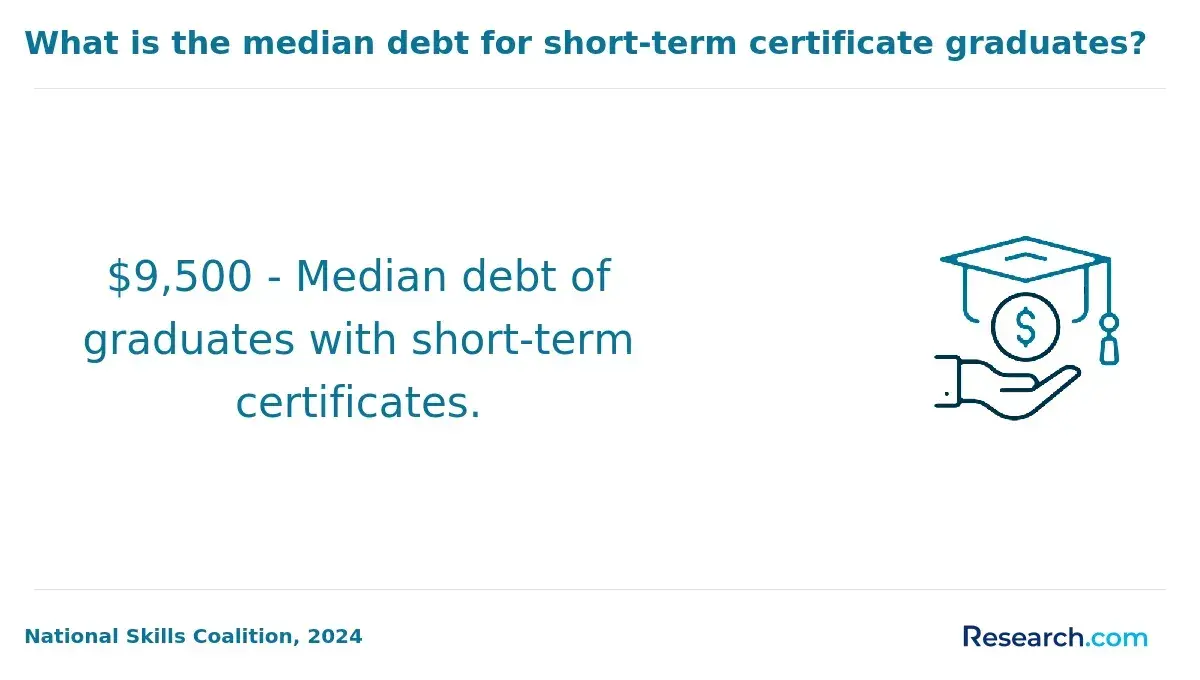
Costs for such programs vary significantly; Learn.org's 2025 data reports that the total tuition for an online bachelor's in crime scene investigation ranges from $20,000 to $60,000, which correlates with mid- to high-five-figure starting salaries. Prospective students should weigh this investment against employability outcomes. For cost comparisons in related fields, see average cost of MLIS degree US.
What admissions requirements do these programs usually have?
Admission to online forensic science programs geared toward medical examiner support hinges heavily on candidates' established STEM foundation rather than mere credential accumulation. A bachelor's degree in biology, chemistry, criminal justice, or related fields with a GPA commonly between 2.5 and 3.0 typically serves as the baseline. Programs often enforce prerequisite coursework-such as anatomy, physiology, microbiology, and organic chemistry-to ensure incoming students have precise technical knowledge necessary for hands-on forensic tasks.
Applicants should anticipate submitting evidence of their quantitative and analytical proficiency through letters of recommendation and personal statements emphasizing their alignment with medical and legal forensic applications. While GRE scores increasingly become optional, their relevance persists in advanced degree tracks. Online forensic programs face inherent hurdles in enabling access to internships or lab work, critical components for real-world readiness; proof of completed professional exposure or equivalent experience is frequently mandated.
For working professionals transitioning into this field, some programs factor in paramedical or law enforcement experience as partial substitutes for traditional prerequisites, expanding accessibility but also demanding clear documentation of relevant skills. Logistical challenges, including requirements for regional campus visits or clinical practica, influence program suitability for remote students, underscoring the importance of weighing practical constraints against educational offerings.
As reported by ForensicScienceOnline.org, the population of accredited online and hybrid forensic science programs has exceeded 80, signaling growth but also rising competitiveness and evolving admission standards that prioritize applied science competencies over purely academic credentials.
How long does an online forensic science degree take?
Completing an online forensic science degree demands a clear understanding of how program length directly impacts both skill acquisition and employability in medical examiner support roles. Associate degrees require about 2 years and primarily prepare candidates for entry-level lab assistant jobs but do not meet requirements for specialized forensic tasks. Bachelor's degrees, lasting 3 to 4 years, are essential for roles such as DNA analysis and toxicology, where employers expect advanced technical expertise and hands-on laboratory skills.
Professionals balancing work and study face additional time considerations. Asynchronous programs provide flexibility but require disciplined time management, whereas synchronous formats can enforce stricter timelines, potentially affecting the total duration. Extensive lab or practicum components can extend completion times, particularly when local facilities are unavailable, posing significant challenges for fully online students.
Positions commanding salaries near or above $100,000-like toxicologists or senior DNA analysts-demand bachelor's or master's level education, per Pace University 2025 data. Choosing shorter programs risks insufficient preparation, limiting access to these higher-paying roles. Effective decisions involve weighing program length against practical training rigor and expected workforce outcomes.
- Associate degrees: ~2 years, suitable for entry-level.
- Bachelor's degrees: 3-4 years, necessary for specialized roles.
- Master's degrees: 1.5-2 years post-bachelor's, relevant for advanced responsibilities.
- Program format and lab access can affect actual duration.
Consider fully online bachelor's programs with embedded lab training to meet market demands for certified competence within manageable timeframes and realistic professional constraints.
How much do online forensic science degrees cost?
When evaluating online forensic science degrees, cost disparities often reflect tangible workforce tradeoffs, influencing whether candidates optimize for accelerated entry or manageable debt. Public institutions offering in-state tuition generally provide the most affordable options, with rates near $300 per credit hour, while private or out-of-state students may face fees exceeding $600 per credit. This difference matters for professionals balancing education expenses with employment prospects, especially since many forensic roles concentrate in high-cost urban hubs like New York City, which employs over 800 medical examiner support staff.
Beyond tuition, programs that include laboratory work or mandatory paid internships add layers of costs such as materials and travel. While accelerated tracks can reduce time-to-employment, they often come with higher per-credit costs, forcing candidates to weigh upfront spending against potential salary gains. Federal aid and employer tuition support can alleviate costs but rarely cover them entirely, requiring careful assessment of total loan burden versus expected forensic or pathology-related income.
Geographic factors further complicate ROI calculations. Relocating to centers with dense forensic operations may increase living expenses despite lower tuition elsewhere. Employers in these markets frequently prioritize candidates with accredited degrees featuring practical experience, underscoring the importance of selecting programs that blend hands-on skills with theoretical knowledge to align with hiring standards.
What jobs support medical examiners after graduation?
Entry-level forensic science jobs immediately following graduation commonly involve specialized support roles such as forensic technicians, autopsy assistants, death investigators, and forensic laboratory analysts. These positions are critical in managing evidence collection, case documentation, and processing biological samples, which frees medical examiners to concentrate on detailed pathology work. For example, forensic technicians maintain chain-of-custody records and prepare bodies for examination, directly influencing case turnaround and legal reliability.
The career path into forensic pathology requires significantly more time and educational commitment-typically a minimum of 12 years post-high school, according to ForensicsColleges.com-and is not feasible for many graduates. As a result, many professionals build expertise within support roles, which present practical entry points with undergraduate degrees and forensic certifications. These roles often include tracking death scene data, scheduling investigative follow-ups, and assisting with court testimony preparations, linking law enforcement with medical examiners while avoiding the extensive medical training demand.
Employers prioritize candidates who can maintain workflow efficiency under high caseload pressures, especially in busy jurisdictions. Thus, prospective forensic science graduates must weigh starting immediately in these technical support positions versus pursuing the long-term, resource-intensive path to become board-certified forensic pathologists. Programs balancing hands-on technical skills with foundational forensic knowledge offer the broadest practical workforce adaptability.
What salary can medical examiner support careers pay?
Salary outcomes for medical examiner support roles tightly correlate with education, technical specialization, and geographic location. Entry-level forensic science technicians often find starting salaries near $45,000, typically within smaller or rural jurisdictions where the complexity of casework and available funding limit wage growth. However, federal agencies and urban crime labs that require advanced credentials in DNA analysis or toxicology command salaries approaching or exceeding $75,000. This reflects a labor market segmented by both expertise and institutional rigor.
Employers increasingly insist on a minimum bachelor's degree, supplemented by internships or post-graduate certificates to rise above the entry-level salary band. About 70% of medical examiner offices emphasize degree qualifications as a baseline, raising the barrier for direct entry from unrelated lab roles.
Key tradeoffs influence career decisions: metropolitan wages are often higher but offset by steep living costs, while municipal offices may offer quicker hiring but lower salaries and fewer specialized duties. Mastery of evolving forensic technologies and complex casework is essential to access top-tier wage brackets, especially when competing against candidates with strong technical certifications and applied experience.
This dynamic creates a practical challenge for prospective students weighing cost versus expected salary growth. The median wage near $61,000 (U.S. Bureau of Labor Statistics, 2024) highlights moderate income potential, but with sharp variance reflecting location and technical focus. Preparing for federal or state lab roles demands navigating a more rigorous hiring process, whereas local offices may provide more immediate but limited advancement opportunities.
- Entry-level salaries start around $45,000 in smaller jurisdictions.
- Advanced analysts with DNA/toxicology expertise can earn $75,000 or more.
- 70% of employers require at least a bachelor's degree.
- Federal/state labs offer higher pay but have more demanding hiring procedures.
- Urban wages rise alongside living costs, impacting net salary.
What certifications help graduates qualify for these roles?
Medical examiner support roles demand certifications that directly impact candidate competitiveness and eligibility. The American Board of Medicolegal Death Investigators (ABMDI) and the International Association for Identification's Certified Crime Scene Investigator (CCSI) credentials serve as baseline requirements in many jurisdictions. For example, without ABMDI certification, candidates often struggle to move beyond basic administrative or entry-level laboratory roles, as employers prioritize proven expertise in death investigation protocols and evidence handling.
Specialized certifications, such as those from the American Society for Clinical Pathology (ASCP) in forensic biology or toxicology, further distinguish candidates by demonstrating technical proficiency in analyzing biological samples or interpreting toxicology reports. These distinctions matter most in regions with complex drug-related death cases, where employers expect nuanced chemical analysis knowledge.
Online forensic science programs vary widely in accreditation and focus areas, affecting graduates' access to credentialing pathways. Accreditation by bodies like the Forensic Science Education Programs Accreditation Commission (FEPAC) is a critical consideration, as it influences eligibility for licensing and certification exams. Students ignoring accreditation risk investing time and money without gaining the necessary foundation for professional certification.
Practical workforce expectations include up to 12 months post-degree devoted to preparing for and completing certifications. Without this investment, graduates typically face limited job prospects, reinforcing that formal education alone falls short without aligned certification and state licensure where required.
Other Things You Should Know About Forensic Science
Online forensic science degrees often require hands-on or field experience through internships or lab work, but these can vary significantly in availability and quality. Programs partnered with local medical examiners' offices or forensic labs provide better access to relevant practical settings, which employers prioritize highly. When choosing a program, prioritize those with structured, supervised practicum components that fit your schedule, as purely theoretical online programs may weaken your readiness for support roles in medical examiner offices.
Yes. The program should come from an institution accredited by a regional accreditor such as SACSCOC, HLC, NECHE, MSCHE, NWCCU, or WSCUC. Many employers also prefer forensic science coursework that includes anatomy, pathology, toxicology, and 120 semester credits for a bachelor’s degree.
Advancing your forensic science education online allows flexibility but may delay exposure to complex, hands-on problem-solving scenarios that accelerate skill development in support roles. Employers often favor candidates who combine advanced degrees with real forensic lab experience, so plan to supplement online studies with local internships or volunteer work. Prioritize programs that actively facilitate connections to forensic environments to maintain competitive advancement potential while studying remotely.
Forensic science programs designed for medical examiner support roles often include intense lab simulations and time-sensitive case studies demanding consistent engagement. Programs that allow self-paced progression risk creating gaps in practical skills mastery, while accelerated tracks may overwhelm working students balancing jobs. Select a program with a balanced workload and clear schedule expectations to maintain steady progress without sacrificing depth of learning or professional responsibilities.
References
- How To Become a Forensic Scientist: Requirements & Steps https://www.forensicscolleges.com/blog/htb/how-to-become-forensic-scientist
- Admissions Requirements https://www.aacom.org/become-a-doctor/apply-to-medical-school/admissions-requirements
- Admissions Criteria https://ed.wum.edu.pl/pl/admissions-criteria
- How to Become a Medical Examiner | Forensic Medicine at PCOM https://www.pcom.edu/academics/programs-and-degrees/forensic-medicine/news/how-to-become-a-medical-examiner.html
- How to become a Forensic Pathologist? – The education, career, and job duties https://www.umhs-sk.org/blog/how-to-become-a-forensic-pathologist
- Medical School Requirements in 2025: The Definitive Guide — Shemmassian Academic Consulting https://www.shemmassianconsulting.com/blog/medical-school-requirements
- Medical Examiner Jobs (with Salaries) - SEEK https://au.seek.com/medical-examiner-jobs
- Train to become a medical examiner https://www.rcpath.org/profession/medical-examiners/train-to-become-a-medical-examiner.html
- 10 Certifications That Make You a Strong Candidate - United Staffing Solutions https://www.unitedstaffingsolutions.net/2025/12/11/10-certifications-that-make-you-a-strong-candidate/
- CourseCareers https://coursecareers.com/blog-posts/best-certifications-start-a-career