2027 Marine Science Master's Programs With Bridge or Foundation Courses

Co-Founder and Chief Data Scientist
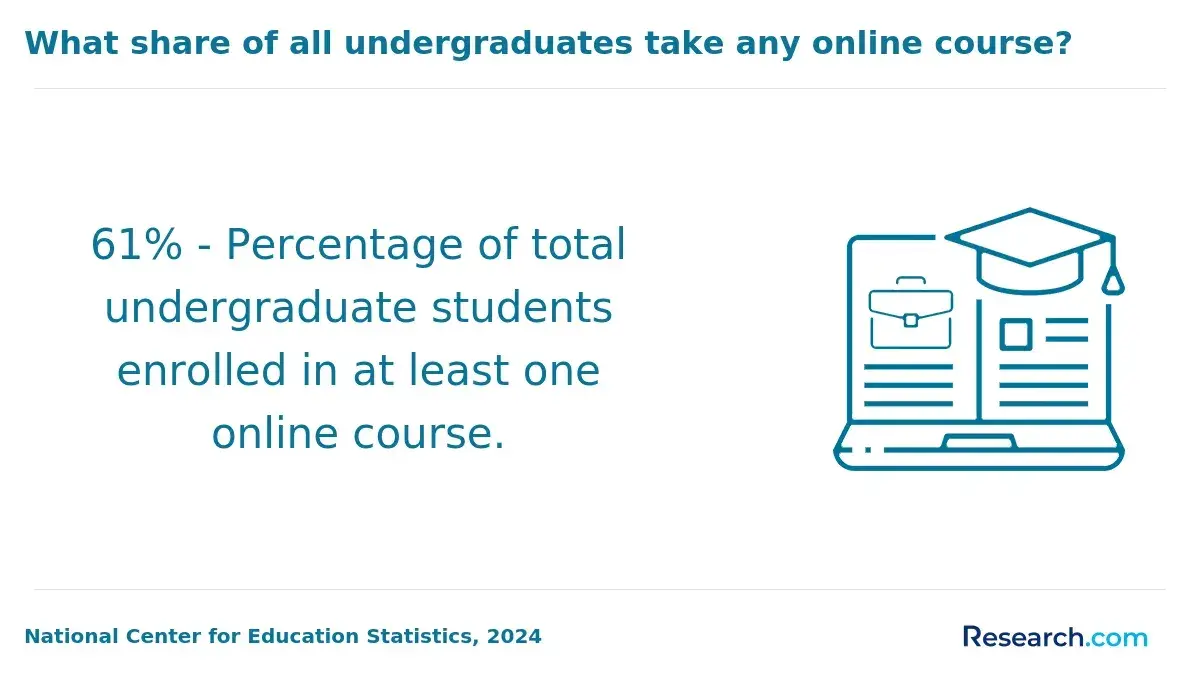
Prospective students without a marine science background often face complex hurdles when applying to master's programs requiring specific prerequisites. Bridge or foundation courses within these programs can alleviate this barrier by embedding essential undergraduate content into the curriculum. With over 45% of graduate students in STEM-related fields enrolling part-time or through flexible formats according to the National Center for Education Statistics in 2024, such integrated pathways cater to career changers and working professionals seeking efficiency without sacrificing rigor. Understanding admission conditions, prerequisite credit loads, and financial aid eligibility reveals critical tradeoffs that influence long-term career mobility and return on educational investment.
Key Things to Know About Marine Science Master's Programs With Bridge or Foundation Courses
- Bridge courses often require 12-18 prerequisite credits, extending program duration; this tradeoff delays workforce entry but ensures foundational knowledge employers expect in research and applied roles.
- Conditional admission enables students without direct marine science backgrounds to enter graduate studies sooner, yet some employers may view this path as less rigorous, influencing early career mobility.
- According to recent NCES data, 40% of STEM master's enrollees are adult learners, reflecting increased demand for flexible, integrated programs that reduce costs and time lost from employment.
What Are Marine Science Master's Programs With Bridge or Foundation Courses, and Who Are They Designed For?
Marine Science master's programs with bridge or foundation courses fundamentally differ from traditional master's routes by embedding prerequisite knowledge within the graduate curriculum itself. This design removes the conventional admissions barrier where applicants must already hold specific undergraduate coursework in marine science. For professionals switching careers, graduates from adjacent fields, or full-time workers unable to pause for additional degrees, this integrated approach offers a critical shortcut. Instead of pursuing separate post-baccalaureate certificates or a whole second bachelor's degree-which can be financially prohibitive and time-consuming-these programs fold essential foundational training directly into the master's timeline.
Consider a recent biology graduate aiming to pivot into marine science research. Without prior marine coursework, typical master's admissions would require this student to earn prerequisite credits externally. Enrolling instead in a marine science master's program with bridge courses allows concurrent or staggered completion of those foundational subjects alongside core graduate work, preventing delays in degree progress. Employers valuing timeliness and interdisciplinary readiness increasingly recognize credentials from these pathways, balancing practical preparation with advanced marine expertise.
- Purpose: To overcome prerequisite gaps and streamline access to graduate marine science training for students lacking direct undergraduate alignment.
- Target Students: Career changers, professionals needing flexible schedules, and recent graduates from related but non-marine disciplines.
- Program Structure: Foundation courses precede or run alongside core master's classes, often extending total program length by one to two semesters to accommodate prerequisite completion.
- Academic Sequencing: Some require full foundation course completion before core classes; others support concurrency to maintain momentum through curriculum.
- Institutional Adoption: Increasingly common in accredited universities, reflecting workforce diversification and demand for accessible marine science graduate education.
- Benefits: Reduced redundant coursework and financial burden compared to second degrees, and better alignment with career changers' time constraints.
Which Accredited U.S. Universities Offer Marine Science Master's Programs With Built-In Bridge or Foundation Courses?
Choosing a marine science master's program with built-in bridge or foundation courses significantly affects a candidate's ability to transition smoothly into advanced study without costly delays. For career changers or professionals balancing work, the tradeoff between integrated prerequisite acquisition and program length or cost can determine employability timelines and financial feasibility.
Programs incorporating foundation components are predominantly found at regionally accredited public universities, select private nonprofit institutions, and increasingly within online or hybrid models tailored for flexibility. This distribution reflects both geographic and institutional priorities-coastal public universities often emphasize access and inclusivity through conditional admissions, while private and online providers leverage specialized partnerships or asynchronous formats to serve diverse student needs.
- Public Universities: The University of South Florida, Oregon State University, and the University of New Hampshire feature marine science master's programs embedding remedial or foundational coursework. These institutions typically offer structured conditional admission allowing students to complete prerequisite deficiencies concurrently with graduate studies.
- Private Nonprofit Universities: The University of Miami, Woods Hole Oceanographic Institution (via partnerships), and the College of Charleston provide integrated prerequisite options within their graduate marine science coursework. Their programs often blend research intensity with foundational skill development but require direct admissions inquiries to confirm bridge course availability and policies.
- Online-Focused and Hybrid Institutions: Oregon State Ecampus, Florida International University Online, and the University of New England offer flexible master's pathways including mandatory or elective foundation modules. These cater to working professionals needing asynchronous schedules without adding separate, non-credit courses.
Prospective students should verify program legitimacy and current foundation course structures through official university sites supplemented by regional accreditation bodies such as SACSCOC, NWCCU, or NEASC, and data from IPEDS. Relying solely on third-party or aggregator platforms risks encountering outdated or misleading information, as program prerequisites and bridge course offerings frequently evolve. Direct communication with program admissions offices is essential to clarify conditional versus full admission, prerequisite credit load, financial aid options, and the potential impact of these factors on time-to-degree and post-graduation employment prospects. This due diligence ensures alignment between individual backgrounds and program requirements, optimizing outcome reliability within the competitive marine science job market.
What Specific Bridge or Foundation Courses Are Commonly Required Before Full Admission to a Marine Science Master's Program?
Bridge or foundation courses before full admission to a marine science master's program often serve as essential academic leveling tools, particularly for applicants transitioning from unrelated or adjacent undergraduate disciplines. These prerequisite courses shape not only the time-to-degree but also the financial and workload commitments students must navigate. For example, a non-STEM career changer who must complete calculus, chemistry, and introductory marine biology before starting graduate coursework faces a significantly extended timeline and increased education costs compared to a biology major with closer alignment. Knowing which courses will be required is crucial for informed decision-making in this context.
The specific marine science prerequisite courses for conditional admission are not uniform-they depend heavily on an applicant's academic background, institutional focus, and program accreditation requirements. Programs usually determine foundational needs via transcript evaluation, placement tests, or standardized assessments. Prospective students should explicitly inquire about these methods during admissions, as misunderstanding the process can lead to unexpected bridge course demands later.
- Discipline-Specific Core Courses: Essential subjects such as introductory marine biology, oceanography, marine chemistry, and ecological principles provide foundational knowledge critical for graduate-level marine science study.
- Supporting STEM Subjects: Courses in general chemistry, physics, calculus, statistics, and occasionally computer science or GIS support quantitative and technical analysis skills needed for research.
- Graduate Academic Readiness: Scientific writing, research methods, and quantitative analysis courses often prepare students for the communication and data challenges typical of marine science graduate work.
- Custom Determination: The extent and type of bridge courses vary significantly based on the applicant's undergraduate discipline, with environmental science or biology majors generally requiring fewer prerequisite credits than those without any STEM background.
- Conditional vs. Full Admission: Many programs grant conditional admission contingent on completing requisite bridge courses within the early stages of the graduate program, influencing eligibility for financial support and progression speed.
- Program Variation Impact: The breadth of required preparatory coursework can range from a handful of credits to more than a full academic year, directly affecting total tuition, time to credential, and work-life balance for students.
Concurrently, working professionals balancing employment may find programs with flexible bridge course options more accessible, avoiding separate post-baccalaureate pathways. Understanding these dynamics helps candidates realistically assess the tradeoffs of various master's pathways and avoid surprises that affect their overall marine science career trajectory. For a deeper understanding of credential impacts and workforce alignment in a related analytical field, exploring CCS medical coding may offer useful parallels on specialization demands and credentialing processes.
How Do Bridge or Foundation Courses in Marine Science Master's Programs Differ From a Traditional Post-Baccalaureate or Second Bachelor's Degree?
Choosing a pathway into marine science graduate study requires understanding how bridge or foundation courses embedded within a master's program contrast with pursuing a post-baccalaureate certificate or a second bachelor's degree. These routes vary sharply in duration, cost, financial aid eligibility, credential value, and flexibility-factors critical to career changers, recent graduates from related fields, and working professionals.
- Program Structure: Master's programs with built-in bridge courses integrate prerequisite content into the graduate curriculum, offering conditional admission without a full undergraduate background in marine science. By comparison, post-baccalaureate certificates focus solely on prerequisite coursework completed before a traditional master's program, while second bachelor's degrees require finishing a full undergraduate curriculum from scratch.
- Time to Credential: Embedded bridge courses often condense the pathway, enabling completion within two to three years by overlapping foundation and graduate-level courses. Post-baccalaureate certificates add semesters that lengthen the total timeline beyond three years, and second bachelor's programs typically demand three to four years full-time study.
- Cost and Financial Aid: Integrated master's programs usually qualify for federal financial aid throughout, improving affordability for many. Post-baccalaureate certificates seldom meet aid eligibility as they are classified as non-degree coursework, and second bachelor's degrees often lack graduate-level funding benefits while requiring greater time and expense.
- Credential Recognition: Earning a master's with integrated bridge courses results in a single, widely recognized graduate degree valued by employers and licensing boards. Post-baccalaureate certificates document prerequisite mastery but do not confer degrees, and second bachelor's degrees may offer limited career leverage for advanced roles.
- Flexibility for Working Adults: Bridge-integrated programs tend to offer more options for part-time and online study, accommodating professionals' schedules better than certificates or second bachelor's tracks, which often necessitate full-time, on-campus attendance.
- Admission Competitiveness: Highly selective master's programs may favor applicants with completed post-baccalaureate certificates over bridge components, as some admissions committees perceive separate prerequisite completion as more rigorous.
Mapping each option's total credit requirements, expected duration, costs, and financial aid opportunities is essential before choosing. For those balancing work or aiming for faster credentialing, integrated bridge programs typically provide the most streamlined, financially viable path. Conversely, applicants targeting elite programs or needing stronger prerequisite preparation might find post-baccalaureate certificates more strategic despite added time and expense. Second bachelor's degrees rarely emerge as the most practical route unless foundational knowledge is severely lacking and other options are unavailable.
A graduate who entered a marine science master's program through an integrated bridge course recalled hesitating to commit at first because the conditional admission deferred clarity about full acceptance until foundation courses were completed. During a rolling admissions cycle, they tracked prerequisite credits carefully while juggling work, feeling uncertain how delays might impact graduation timing. Ultimately, the bridge model's flexibility allowed part-time pacing and avoided the risk of extended, costly certificate programs. However, the applicant acknowledged that for peers aiming at the most competitive programs, completing a separate certificate beforehand might have strengthened their applications and reduced admission uncertainty.
What Are the Admission Requirements for Marine Science Master's Programs That Include a Bridge or Foundation Component?
Admission requirements for marine science master's programs with bridge or foundation components are intentionally more adaptable than those of traditional programs that insist on completed prerequisites beforehand. This flexibility allows individuals without a marine science background-such as career changers or those with related but distinct degrees-to enter graduate study without the barrier of separate undergraduate coursework. However, this inclusivity brings tradeoffs in academic pacing; students often face accelerated bridge curricula to build foundational skills quickly, demanding significant self-discipline and readiness.
- Undergraduate GPA Thresholds: Programs typically expect a minimum GPA in the range of 2.7 to 3.0, sometimes placing additional weight on recent science or quantitative coursework performance to gauge aptitude.
- Required Documents: Applicants must provide transcripts, statements of purpose, recommendation letters, and often resumes that highlight relevant professional or research experience, reflecting the value placed on diverse backgrounds.
- Standardized Test Policies: GRE requirements are frequently waived or optional, recognizing work experience and varied academic histories as sufficient indicators of potential success.
- Professional Experience Requirements: While not universally mandatory, practical experience in scientific or related roles can strengthen an application by demonstrating transferable skills and motivation.
- Conditional Admission: This model requires satisfactory completion of bridge courses with set benchmarks before full master's enrollment, often limiting immediate access to financial aid and credit portability.
- Direct Admission to Combined Pathway: Here, students are fully admitted into an integrated program from the start, smoothing financial aid eligibility and creating a cohesive study plan without interim academic status.
Non-traditional students should recognize that while these programs are designed for their profiles, success hinges on preparedness in quantitative reasoning, scientific literacy, and time management. Choosing between conditional and direct admission routes significantly affects academic standing and funding opportunities, so aligning program structure with individual work-life balance and career timelines is critical for sustainable progress toward marine science credentials.
What Is the Minimum GPA Requirement for Marine Science Master's Programs With Bridge or Foundation Courses, and How Does Prior Academic Background Affect Eligibility?
Minimum GPA requirements for marine science master's programs with bridge or foundation courses tend to reflect their dual mission: maintaining academic rigor while accommodating students without direct marine science backgrounds. Candidates with undergraduate majors adjacent to marine science, such as biology or environmental science, often benefit from more flexible GPA evaluations, as their prior coursework aligns better with program expectations. In contrast, those from unrelated disciplines face more stringent GPA thresholds and prerequisite demands, highlighting the tradeoff between accessibility and preparedness.
- Minimum GPA Requirements: Most accredited programs featuring bridge components expect a minimum undergraduate GPA around 3.0 on a 4.0 scale. Some institutions may admit candidates with GPAs as low as 2.7 if supplemented by strong recommendations, professional experience, or exceptional application materials, representing a practical compromise for non-traditional applicants.
- Impact of Academic Background: Eligibility often depends on how closely an applicant's prior study matches marine science prerequisites. Applicants with degrees in related natural sciences may see their GPA weighted less heavily, as bridge courses can fill specific gaps, whereas those from non-science fields must demonstrate higher academic readiness or extensive professional experience to offset deficiencies.
- Comparison with Standard Programs: Compared to traditional marine science master's programs, bridge-integrated programs generally have more lenient GPA cutoffs. This reflects the academic support built into these programs but still requires evidence of capacity for graduate work through prior performance or compensatory efforts.
- Conditional Admission & Alternatives: Applicants near or below minimum GPA thresholds might be offered conditional admission, contingent on successful completion of foundation courses or post-baccalaureate credits. Some also strengthen their profiles by pursuing targeted coursework or leveraging relevant professional roles before formally applying.
For those exploring pathways that meld foundational education with graduate credentials without pausing a career, understanding these factors is critical. Additionally, similar considerations affect admission to other fields requiring bridge structures, such as medical assistant programs that accept financial aid, where balancing prior academic performance and professional experience shapes eligibility.
How Many Additional Credit Hours Do Bridge or Foundation Courses Add to a Marine Science Master's Program, and How Does This Affect Total Cost and Time-to-Degree?
Bridge or foundation courses in marine science master's programs typically add between 9 and 18 credit hours beyond the core graduate requirements, reflecting differences in program design and expected student preparation. This range stems from whether bridge courses are integrated into the degree or mandated as separate prerequisites due to accreditation standards and assumptions about applicants' prior science background.
Each additional credit hour directly increases tuition costs, often significantly. For instance, at $700 per credit, 12 bridge credits can raise expenses by $8,400 compared to a program requiring only 6 bridge credits, which adds $4,200. Beyond tuition, extended credit requirements lengthen the time-to-degree, especially impacting part-time students juggling work. This lengthening incurs indirect costs such as lost earnings, sustained living expenses, and delayed professional entry, which frequently exceed tuition differences alone.
Applicants should calculate total program costs by adding bridge and core credits rather than focusing on per-credit tuition rates alone. Clarifying whether bridge credits apply toward the degree or remain non-degree prerequisites is essential for accurate financial and timeline planning.
- Primary Delivery Formats: Predominantly online or hybrid to support working professionals.
- Admission Requirements: Options include conditional admission contingent on prerequisite completion or full admission with embedded foundation courses.
- Financial Aid Eligibility: Generally available for all credits counting toward the degree.
- Credential Recognition: Same master's degree awarded regardless of bridge course status when included in total credits.
A graduate recalled that during their rolling admissions cycle, uncertainty about the exact number of required bridge credits delayed their enrollment decision. They had to weigh whether to accept conditional admission with several non-degree prerequisites or wait for full admission into a program embedding foundation courses, knowing each path altered both cost and duration. This hesitation reflected the practical challenge of managing limited resources while ensuring timely transition into the marine science workforce.
What Types of Students Are Best Suited for Marine Science Master's Programs With Bridge or Foundation Courses?
Students best suited for marine science master's programs with bridge or foundation courses are those who require conditional admission options in marine science master's programs that integrate prerequisite leveling within a single degree. This pathway suits non-traditional applicants for marine science graduate programs who hold strong academic records in related fields like biology or environmental science but lack the marine science-specific coursework typically required for direct admission. For example, a recent biology graduate aiming to shift into marine science research may find this structured, flexible program essential to acquiring both foundational knowledge and graduate-level rigor without prolonged interruption to their career trajectory.
- Academic Background: Ideal candidates often present a strong undergraduate GPA in disciplines adjacent to marine science but require prerequisite foundation courses to bridge gaps in marine-specific content.
- Graduate Aptitude: These students demonstrate readiness for the demands of graduate coursework, capable of assimilating new scientific paradigms essential for advanced marine science study.
- Professional Motivation: Candidates have clear, goal-driven reasons for transitioning into marine science, whether for research, conservation, policy, or industry roles, and are committed to fulfilling extended curriculum requirements.
- Flexibility and Resources: They possess the necessary financial stability and scheduling adaptability to manage the longer time-to-degree and additional costs inherent in bridge programs, often balancing work or family obligations.
- Less Suitable Students: Applicants with substantial prior marine science coursework or those targeting highly selective programs without bridge options may face redundant coursework or restricted admissions, making direct-entry routes or post-baccalaureate certificates more efficient alternatives.
Considering that many employers in marine science fields increasingly value demonstrable expertise alongside formal credentials, undertaking a combined foundation and master's program can be a strategic but resource-intensive choice. Recharge your decision-making with an honest self-assessment of your academic background, career timeline, financial runway, and long-term goals before committing to bridge-integrated pathways. For career changers constrained by time or looking for integrated credentials while working-similar to pathways seen in healthcare professions like functional medicine nurse practitioner roles-marine science bridge programs offer vital options but require careful financial and personal planning.
Are Bridge or Foundation Courses in Marine Science Master's Programs Offered Fully Online, On-Campus, or in a Hybrid Format?
Accessibility and educational outcomes in marine science master's programs hinge heavily on how bridge or foundation courses are delivered. Working professionals, career changers, and recent graduates often face tradeoffs between flexible scheduling and hands-on training essential for practical competency. For instance, a non-traditional student balancing a full-time job might select a fully online asynchronous format to maintain workflow continuity but may later encounter difficulties if the master's core curriculum demands in-person residencies or labs.
- Fully Online Asynchronous: Many programs offer bridge courses entirely online with asynchronous lectures to maximize flexibility and geographic reach; however, these can challenge learners who need real-time interaction or structured pacing.
- Synchronous Live-Online: Some programs provide live, instructor-led sessions via video conferencing, offering interactive engagement but requiring scheduled attendance that may be difficult for working adults.
- Hybrid Formats: Combining online coursework with occasional on-campus residencies or lab sessions balances flexibility with crucial hands-on experience, meeting the rigorous practical demands of marine science.
- On-Campus Requirements: Programs mandating full or partial on-site attendance for bridge courses ensure depth in laboratory and fieldwork but reduce geographic accessibility and increase costs due to travel and housing.
Significantly, the delivery format for bridge courses in marine science master's programs online availability does not always mirror that of the core curriculum, leading to unexpected scheduling or residency requirements for students who anticipated a fully remote path. This disconnect can impose logistical and financial burdens, particularly on those relying on flexibility.
Given that foundational instruction quality-especially practical lab and fieldwork components-directly affects preparedness for advanced coursework, candidates must critically assess if online bridge courses sufficiently develop necessary technical skills. Employers increasingly expect tangible, field-ready competencies that hinge on effective experiential training during these early program stages.
Prospective students should explicitly query programs about format specifics for each phase to align expectations with realities, ensuring the chosen pathway supports their professional obligations and long-term goals within marine science graduate programs. For related insights and details on graduate admissions challenges in adjacent fields, consider reviewing how hard is it to get into speech pathology grad school.
What Is the Average Cost of the Bridge or Foundation Component in Marine Science Master's Programs, and How Does It Affect Total Program Investment?
The bridge or foundation component in marine science master's programs often represents a critical financial juncture for prospective students, especially those shifting careers or lacking direct prerequisites. Programs commonly price these foundational credits variably-either matching the per-credit cost of core master's courses, offering reduced rates, or charging flat fees-directly influencing total program investment. For example, a candidate unable to pause their career may prefer integrated bridge courses despite a higher sticker price, valuing streamlined tuition billing and continuous financial aid eligibility. Conversely, completing prerequisites separately at a post-baccalaureate level could reduce tuition but risks fragmenting educational continuity and delaying graduate progression, affecting timely workforce entry.
The bridge phase cost typically falls between $3,000 and $12,000, depending on credit requirements and institutional policies. When combined with core master's tuition, total expenses often exceed $30,000, a figure competitive against sequential credentialing options like separate post-baccalaureate or second bachelor's degrees. However, this does not always reflect the full financial burden; additional mandatory fees such as technology access, lab or practicum charges, and proctoring services frequently increase the effective cost.
Prospective students should request a comprehensive cost breakdown, including all hidden fees, to realistically assess total debt and ROI. Comparing integrated bridge programs against alternatives-such as standalone certificate plus master's or post-baccalaureate plus master's pathways-enables tailored choices aligned with financial constraints and career timelines.
- Pricing Models: Bridge credits billed at full master's per-credit rates, reduced rates, or flat fees affect affordability and financing options.
- Cost Range: Foundation component costs range roughly from $3,000 to $12,000, impacting total program investment beyond core master's tuition.
- Hidden Expenses: Technology, materials, proctoring, and practicum fees can add hundreds to thousands of dollars, inflating bridge cost estimates.
- Cost Comparison: Integrated programs may streamline financial aid but are costlier upfront than external prerequisite courses priced at post-baccalaureate rates.
- Advisory: Detailed, full-pathway cost assessments are essential to weigh total expenses and identify the best financial and academic fit.
What Graduates Say About Marine Science Master's Programs With Bridge or Foundation Courses
- Louie: "With a full-time job and family responsibilities, I had very limited time to invest in additional coursework, so I chose a master's program with bridge courses that offered a flexible pace. It was a tough balance, but completing those foundation courses allowed me to build a portfolio quickly enough to land a valuable internship. While I'm still competing with licensure holders for certain positions, having practical skills and a strong portfolio has opened doors I wouldn't have otherwise found."
- Zamir: "I had a career shift in mind but was cautious about the financial strain of going back to school full-time. The bridge program's blended format helped me gain core marine science knowledge without quitting my job, which was critical for me. After graduation, I secured a remote role in environmental consulting, though I've noticed salary growth is somewhat capped without additional certifications or licensing in the field."
- Matthew: "After finishing my master's with foundation courses, I soon realized employers prioritized hands-on experience and internships over just the degree or licensure. I dedicated extra hours to securing fieldwork opportunities during the program, which paid off with a well-rounded portfolio that differentiated me in a competitive job market. The workload was intense, but that practical edge made my transition into the workforce smoother, even if it meant slower career progression initially."
Other Things You Should Know About Marine Science Degrees
Most programs require students to demonstrate strong mastery of foundational subjects through minimum grade thresholds, often a B or higher, to progress into advanced marine science coursework. Falling short can delay graduation or result in academic probation, which is especially crucial for students balancing bridge courses with professional responsibilities. Prospective students should prioritize programs with clear, published progression criteria and consider their capacity to handle a steep learning curve early on, as underperformance in foundational coursework can undermine confidence and extension of time to degree completion.
Financial support for bridge or foundation coursework is often less comprehensive than for standard graduate courses and may not qualify for the same scholarships or assistantships. Employer tuition benefits typically cover the entire program but can require proof that bridge courses count toward degree credit, which is inconsistent across institutions. Students should perform detailed cost-benefit analyses upfront, factoring in potential out-of-pocket bridge course expenses and verifying financial aid eligibility to prevent unexpected financial burdens during this preparatory phase.
Graduates holding master's degrees that include bridge coursework routinely face scrutiny regarding whether the foundation courses are part of a fully accredited graduate credential. While the degrees themselves are generally recognized if granted by accredited institutions, some employers and licensing boards may question the candidate's undergraduate preparation and maturity in core marine science competencies. Applicants should seek programs with transparent accreditation and strong industry partnerships and be prepared to explain how the integrated coursework ensures competency equivalency compared to traditional pathways.
References
- M.S. & Ph.D. Degrees https://www.vims.edu/education/graduate/admissions/degree_options/m.s._ph.d_degrees/
- Master of Science in Marine Sciences Admissions https://www.une.edu/cas/marine/graduate/ms-marine-sciences/admissions
- Marine Sciences M.S. https://catalog.csustan.edu/preview_program.php
- What Are the Best Schools to Study Marine Biology? https://www.scubadiving.com/best-schools-study-marine-biology
- MSSEP Admissions Requirements https://www.maritime.edu/undergraduate-programs/marine-science-safety-environmental-protection/admissions-requirements
- Marine Biology Degree Programs in the U.S. | MarineBio Conservation Society https://www.marinebio.org/careers/us-schools/
- 7 Classes That All Aspiring Marine Biologists Should Take https://www.seamester.com/blog/7-high-school-classes-that-all-aspiring-marine-biologists-should-take/
- Going to grad school for masters unrelated to bachelors https://talk.collegeconfidential.com/t/going-to-grad-school-for-masters-unrelated-to-bachelors/1723454
- Marine Studies https://www.uaf.edu/academics/programs/masters/marine-studies.php
- Average Cost of a Master's Degree: 2025 Analysis https://educationdata.org/average-cost-of-a-masters-degree