2027 Online Forensic Science Degrees With Forensic Toxicology Concentrations

Co-Founder and Chief Data Scientist
Professionals seeking specialization in forensic toxicology face critical timing and accessibility challenges, especially when balancing fieldwork demands and advancing technical expertise. A 2024 Department of Education report notes that over 45% of graduate-level enrollees prefer online formats, reflecting a shift toward flexible delivery that accommodates full-time employment and geographically dispersed candidates. This trend matters because forensic toxicology roles increasingly require both advanced credentials and practical experience, restricting traditional campus-based participation.
Online programs offering focused tracks provide essential options without compromising workforce engagement. This article evaluates current online forensic science degrees with forensic toxicology concentrations to help candidates identify pathways suited to their career progression and resource constraints.
Key Things You Should Know
- Specialized forensic toxicology tracks in 2026 online forensic science degrees average 18 months longer to complete due to advanced lab simulation modules, increasing direct costs by 20% compared to generalist programs, impacting budget-conscious candidates.
- Employers increasingly demand combined toxicology and data interpretation skills; 72% of forensic labs now prefer graduates with interdisciplinary expertise, pressing students toward dual-focus curricula to enhance immediate job market competitiveness.
- State-level certification variability restricts transferability of online forensic toxicology credentials, with 30% of graduates facing additional state exams or validations, complicating cross-jurisdictional employment and career mobility nationwide.
What is an online forensic science degree with a forensic toxicology concentration?
A degree in forensic science with a forensic toxicology specialization offers expertise crucial for analyzing toxic substances in various contexts, including criminal investigations and medical examiner cases. However, candidates pursuing distance learning forensic science programs with toxicology focus must recognize that virtual labs and remote simulations cannot fully replicate hands-on experience, often necessitating internships or local lab partnerships to build essential practical skills.
This specialization demands fluency in both laboratory methods and the legal protocols for evidence chain-of-custody and admissibility, a combination that remains a strict hiring criterion. The 13% projected job growth for forensic science technicians from 2024 to 2034 signals steady demand, but forensic toxicology positions remain competitive and niche, requiring continuous certification and proficiency testing to maintain employability.
Employers expect graduates to complement toxicology knowledge with interdisciplinary skills in biochemistry and criminalistics, favoring those who strategically network and secure relevant experience during their studies. Working professionals should weigh the flexibility of online programs against the logistical need to acquire physical lab time and the timing pressures of certification processes.
For individuals evaluating career pivots, understanding actual workforce demands is critical. Job seekers may benefit from reviewing information such as forensic profiler salary trends to gauge long-term employment viability and compensation prospects within forensic domains.
How does an online forensic toxicology concentration differ from a general forensic science program?
An online forensic toxicology concentration narrows the educational focus to chemical analyses essential for detecting drugs, poisons, and toxins-an operationally distinct path from a broader forensic science program that touches on fingerprint analysis, trace evidence, and crime scene investigation. This specialized track demands advanced courses in biochemistry, pharmacology, and toxicological instrumentation. For students weighing online forensic toxicology degree differences, it means gaining skills directly aligned with toxicology lab work and medical examiner roles, rather than generalist forensic tasks.
Employers hiring in forensic toxicology prioritize hands-on ability interpreting drug metabolism and chromatographic results related to impaired driving or overdose cases. This emphasis creates a clear workforce distinction: toxicology concentration graduates typically feed into medical legal death investigation teams or private drug testing firms, while general forensic science program alumni enter roles focused on evidence processing and crime scene operations.
The 2024 median annual wage of $67,440 for forensic science technicians masks variation by specialization, with toxicology positions often requiring certifications or relevant lab experience that command premium salaries. Online toxicology tracks use virtual labs, placing the onus on students to secure internships for practical mastery. Prospective students face a tradeoff: specialized toxicology knowledge yields focused job prospects but fewer roles overall, whereas broader forensic science programs offer versatility yet may necessitate further specialization for toxicology careers.
For those exploring education strategies, comparing costs and program types is vital. Resources like the cheapest masters in data science can offer perspectives on affordability, useful for prospective students balancing financial constraints with career aims in specialized forensic fields.
Are online forensic science degrees with toxicology concentrations accredited and widely respected?
Online forensic science degrees with toxicology concentrations vary significantly in credibility, depending chiefly on their accreditation. Only programs from regionally accredited institutions recognized by the U.S. Department of Education or the Council for Higher Education Accreditation meet workforce and regulatory expectations. The reputation of online forensic science degrees in toxicology hinges on these credentials, influencing employer trust and eligibility for federal financial aid.
Beyond accreditation, practical training is a decisive factor. Employers-especially crime labs and government agencies-prioritize candidates who bring verified hands-on experience such as lab practicums, internships, or partnerships with forensic facilities. Programs lacking robust experiential components often result in graduates relegated to technician roles without specialization, limiting upward mobility and courtroom credibility.
The financial upside is tangible for those completing rigorous, accredited training: top forensic science technicians in toxicology can exceed $110,710 annually. For many professionals pivoting into this field, combining an accredited online degree with relevant certifications, such as those from the American Board of Forensic Toxicology, amplifies employability and respectability.
Evaluating curricula should focus on presence of courses in analytical chemistry, pharmacology, and evidence handling, alongside access to advanced virtual labs. It is also prudent to compare forensic tracks with other disciplines; for example, those interested in health sciences may find value in a nutrition degree online, which likewise demands rigorous scientific grounding but leads to distinct career pathways.
What curriculum and lab or practicum requirements are typical in forensic toxicology online programs?
Online forensic toxicology coursework requirements frequently challenge students to balance theoretical rigor with hands-on laboratory skill development. Programs pair advanced courses in analytical chemistry, biochemistry, pharmacology, and forensic toxicology with case-based exercises focusing on sample collection, chain of custody, and quantitative analysis. This mix aligns with the practical realities of roles in medical examiner offices and private labs, where proficiency with instrumentation directly impacts employability.
One substantial hurdle in most programs is navigating the lab and practicum components, which typically demand 100 to 200 hours of supervised, real-world lab experience. Many online offerings mitigate this through hybrid formats, local partnerships, or virtual lab simulations, but fully remote students often face logistical difficulties scheduling accredited practicum opportunities. This tradeoff can delay program completion or strain work-life balance, underscoring the importance of evaluating a program's in-person practicum access and documented employer connections.
Employment projections suggest steady openings, with about 2,600 new forensic science technician roles nationwide over 2024-2034, yet competition remains steep. Candidates with documented lab experience, especially in instrumental analysis and quality control, consistently outpace peers holding solely coursework-based credentials. Those weighing this pathway might also consider complementary credentials, such as an MLIS degree online, to diversify their expertise within forensic contexts.
How do online forensic toxicology programs compare to campus-based options in cost and flexibility?
Choosing between online and campus-based forensic toxicology programs involves balancing flexibility against hands-on skill acquisition. While online options accommodate work and family commitments, they often lack direct access to specialized lab equipment critical for developing practical competence. For example, a working professional pivoting into forensic science may gain convenience but still needs local lab internships to meet competency requirements, frequently adding unanticipated costs and logistical challenges.
Campus programs generally embed supervised laboratory training and instrumentation access within their curriculum, aligning more closely with employer expectations for demonstrable applied skills. This distinction affects readiness for technical roles in forensic laboratories or medical examiner offices where proficiency with toxicological analyses is essential.
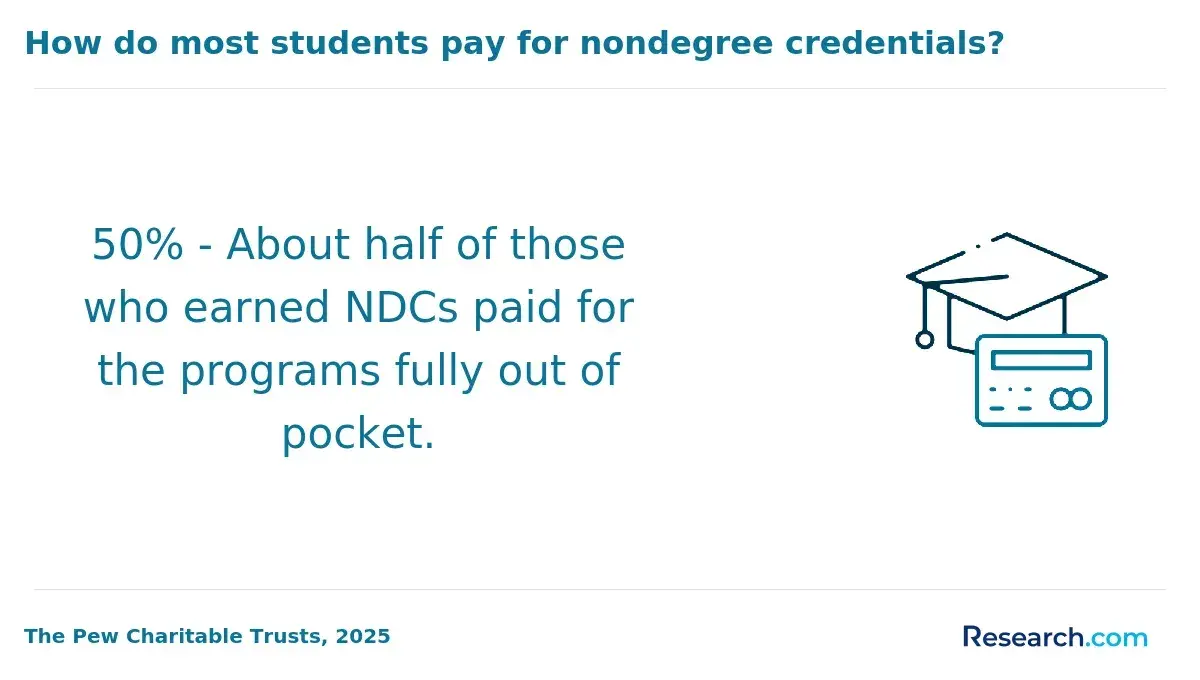
From a cost perspective, online study mitigates expenses like housing and commuting, yet tuition variation and potential external lab fees complicate the financial equation. Students must weigh immediate affordability against the necessity of acquiring verifiable lab experience, which influences employability in a field projected for modest growth compared to broader clinical laboratory careers.
Practical considerations include:
- Online students often need to secure local lab placements independently.
- Campus candidates benefit from integrated lab access but may incur higher upfront costs.
- Employers prioritize candidates with tangible laboratory skills over credentials alone.
The U.S. Bureau of Labor Statistics projects only 2% growth for clinical laboratory technologists and technicians through 2034, contrasting with relatively better prospects for forensic science technicians. Prioritizing programs with rigorous applied components strengthens long-term career viability in forensic toxicology.
What are the admission requirements for online forensic science degrees focused on toxicology?
Admission to online forensic science degrees specializing in forensic toxicology demands more than baseline academic credentials; a relevant undergraduate degree with a minimum 3.0 GPA and demonstrated competence in organic chemistry and biochemistry form the essential foundation. Many programs, including those fully online, require official transcripts and professional references that communicate clear career intentions. Hands-on laboratory experience is often a decisive factor for employers in forensic labs and medical examiner offices, positioning internships or prior work in toxicology testing facilities as critical preparatory steps before enrollment.
Applicants without direct lab exposure face a practical barrier that online programs alone rarely overcome, due to the necessity of realistic toxicology practice. Consequently, students must confirm access to lab simulations or local partnerships and ensure flexible course scheduling, especially when balancing full-time employment. Some programs also still request GRE scores, primarily from candidates with unconventional backgrounds.
Admission committees are increasingly scrutinizing analytical writing and critical thinking abilities, aligning selection with workforce demands for professionals who not only execute rigorous data analysis but also communicate complex findings persuasively to legal stakeholders. The tradeoff for prospective students lies in navigating rigorous prerequisites and practical training requirements that directly impact employability and long-term career trajectories in forensic toxicology.
- Relevant undergraduate degree with GPA ≥ 3.0
- Proven proficiency in organic chemistry and biochemistry
- Hands-on lab experience preferred or required
- Access to lab simulations or local toxicology facilities
- Potential GRE requirement for some applicants
- Emphasis on analytical writing and critical thinking
How long do online forensic toxicology degree programs usually take to complete?
Completion time for online forensic toxicology degrees varies between 2 and 4 years, but the choice of program level and pacing directly impacts workforce integration and earning potential. Bachelor's degrees, the baseline credential for most forensic toxicology roles, normally require 4 years full-time. However, part-time formats extend this to 5 or 6 years for working professionals, increasing the risk of delayed labor market entry and slower income growth. Accelerated options exist but demand intensive commitments that may not suit those balancing employment.
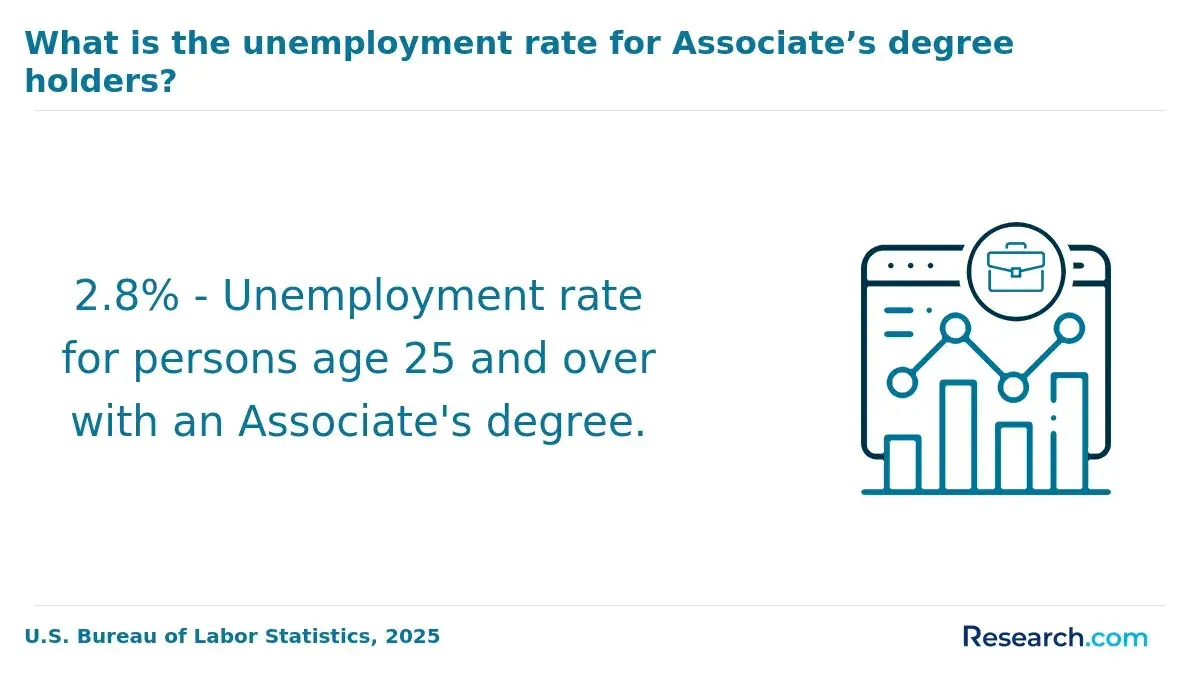
Associate degrees take about 2 years but seldom suffice for specialized forensic toxicology roles without further bachelor's-level study. Conversely, master's degrees add 1.5 to 2 years beyond undergraduate training, targeting advanced laboratory or research careers but require prior relevant education.
Employers predominantly prefer candidates with bachelor's or higher, correlating with the field's 2024 mean annual wage of $75,260 for forensic science technicians reported by the Bureau of Labor Statistics. Full-time programs enable faster workforce entry but limit concurrent employment, which many students rely on to fund education and gain practical experience.
Some curricula include on-site lab or practicum components, complicating scheduling for remote students and potentially extending degree timelines. Practical tradeoffs, such as stretching program length to maintain employment or opting for accelerated study with fewer experiential opportunities, significantly influence employability and salary trajectory.
What forensic toxicology careers can you pursue with an online forensic science degree?
A degree focused on forensic toxicology positions graduates for specialized roles requiring expertise in drug and poison analysis within legal contexts. Employers heavily prioritize candidates who combine academic knowledge with hands-on experience in sophisticated instruments like gas and liquid chromatography, essential for interpreting toxicological results in court settings. Obtaining full-time laboratory experience is not optional but critical-most forensic toxicologist positions demand certification eligibility criteria, including at least three years of relevant professional practice.
Entry-level roles, commonly titled forensic toxicology analyst or technician, typically emphasize sample handling, standardized testing protocols, and quality assurance rather than independent case interpretation. These positions serve as practical stepping stones, but candidates must be deliberate in pursuing assignments involving complex cases rather than routine screenings to ensure meaningful skill development and career progression.
Beyond crime labs and medical examiners' offices, forensic toxicologists may transition into pharmaceutical or regulatory environments, yet these pathways often require additional credentials or substantive industry experience. This reality underscores the necessity for continuing education and cross-disciplinary training for sustained employability across sectors.
Prospective students should carefully weigh the challenge of securing internships or forensic lab placements immediately after graduation, as these experiences directly affect board certification timelines and long-term employability. Early immersion in cases demanding analytical rigor substantially improves credential advancement prospects compared to roles limited to routine testing.
- Specialized expertise in analytical instrumentation and case interpretation
- Three years of full-time lab experience required for certification eligibility
- Entry-level technician positions focused on protocol-driven tasks
- Need for strategic job selection to ensure skill complexity
- Additional credentials often needed for pharmaceutical and regulatory roles
What salary ranges and job outlook can graduates in forensic toxicology expect?
Salary trajectories in forensic toxicology vary widely and often hinge on workplace sector, geographic location, and accumulated expertise. Entry-level roles, particularly at municipal or state government labs, generally start in the mid-$40,000 range with modest advancement prospects unless augmented by higher qualifications or specialized certifications.
In contrast, senior positions within federal agencies such as the DEA or FBI or in private industry, especially pharmaceutical or bioforensic companies, can surpass $100,000 annually. These roles typically demand not only strong technical skills in drug analysis but also managerial duties or niche expertise.
The market remains competitive and relatively static due to flat public sector funding and limited openings. Yet, sustained pressures from opioid-related investigations maintain baseline demand, favoring candidates who complement toxicological knowledge with quantitative lab proficiency or legal acumen.
- Geographic mobility increases earning potential, with urban and federal jobs outpacing rural ones.
- Advanced degrees and certification credentials correlate with better job placement and higher salaries.
- Networking within forensic and legal sectors improves employment chances.
- Adaptability to evolving instrumentation and analytical techniques is essential for career sustainability.
A pragmatic path for students or professionals aiming to pivot into forensic toxicology involves critically assessing these factors to ensure credentials align with targeted roles and realistic salary expectations.
How can students evaluate and choose a reputable online forensic toxicology program?
Choosing an online forensic toxicology program without verifying accreditation and curriculum alignment can restrict employment prospects in specialized roles such as forensic toxicologist or toxicology analyst. Regional accreditation is essential to ensure that academic standards meet employer expectations and that coursework covers core concepts like analytical chemistry, toxicokinetics, and toxicology's legal framework. Programs lacking these explicit components often leave graduates underprepared for technical demands.
Practical laboratory experience is a decisive factor. Fully online offerings that omit synchronous labs or local partnerships for hands-on training can delay job readiness, particularly since roles often require proficiency in chromatographic and spectrometric methods validated through supervised practice. For example, a graduate issued a toxicology analyst role without demonstrated lab competence may face additional on-the-job training, prolonging entry into the workforce.
Faculty expertise matters beyond credentials. Instructors actively engaged in forensic toxicology research or consulting can provide current industry insights and professional networks critical for employment. Alumni employment rates and certification achievements are practical metrics to assess a program's workforce relevance.
Program diversity, exemplified by the University of Florida's suite of four master's programs and six graduate certificates in forensic science, reflects employer demand for specialized knowledge and varied entry points into the field. However, students must also evaluate technology infrastructure and support services that enable flexible yet rigorous skill development, helping mitigate the risk of investing time in coursework lacking career impact.
Other Things You Should Know About Forensic Science
Online programs often incorporate virtual labs and simulations, which can only partially replicate the tactile experience of hands-on laboratory work. Many employers prioritize candidates who have completed in-person practicums or internships to demonstrate proficiency with real lab equipment and procedures. When choosing a program, prioritize those that require or facilitate local lab placements or collaborations to ensure you gain practical experience necessary for forensic toxicology roles.
Employers focus less on the mode of education and more on demonstrable skills, certifications, and lab experience. However, on-campus students often have easier access to direct mentorship and professional networking, which can affect early career opportunities. Online students should proactively seek internships and professional affiliations during their studies to match these advantages and improve employability.
Many 2027 online forensic science programs with forensic toxicology concentrations require a short laboratory residency or practicum for skills such as chain of custody, instrument handling, and toxicology sample analysis. Programs often list 1 to 2 campus visits or an approved local lab placement in the curriculum.
References
- How to Become a Forensic Toxicologist - Education & Licensure https://www.forensicscolleges.com/blog/htb/how-to-become-a-forensic-toxicologist
- Best Forensic Accounting Degrees Online | Accounting.com https://www.accounting.com/degrees/forensic-accounting/bachelors/best-online-programs/
- Online Forensic Science Degree https://www.aiuniv.edu/degrees/criminal-justice/bachelors-forensic-science
- The Forensic Science Jobs You Can Pursue with Qualifications https://www.stonebridge.uk.com/blog/distance-learning/the-forensic-science-jobs-you-can-pursue-with-qualifications/
- Forensic Biology and Toxicology https://www.murdoch.edu.au/course/undergraduate/mj-fbtc
- Best Forensic Science Master's Degrees Online https://www.onlinemastersdegrees.org/best-programs/criminal-justice/forensic-science/
- Compare Forensic Scientist Schools & Training Programs https://www.criminaljusticeprograms.com/specialty/forensic-science-degrees/
- Ohio’s First Forensic Toxicology Master’s Program Opens for Enrollment at UToledo | UToledo News https://news.utoledo.edu/index.php/04_06_2026/ohios-first-forensic-toxicology-masters-program-opens-for-enrollment-at-utoledo
- Online Master's Degree in Forensic Medicine and Toxicology https://www.familymedacademy.com/course/online-master-in-forensic-medicine-and-toxicology
- Forensic Toxicology https://online.utoledo.edu/programs/forensic-toxicology/index.html