2027 Best Value Online Marine Science Master's Degrees: Affordable Accredited Programs with the Highest ROI

Co-Founder and Chief Data Scientist
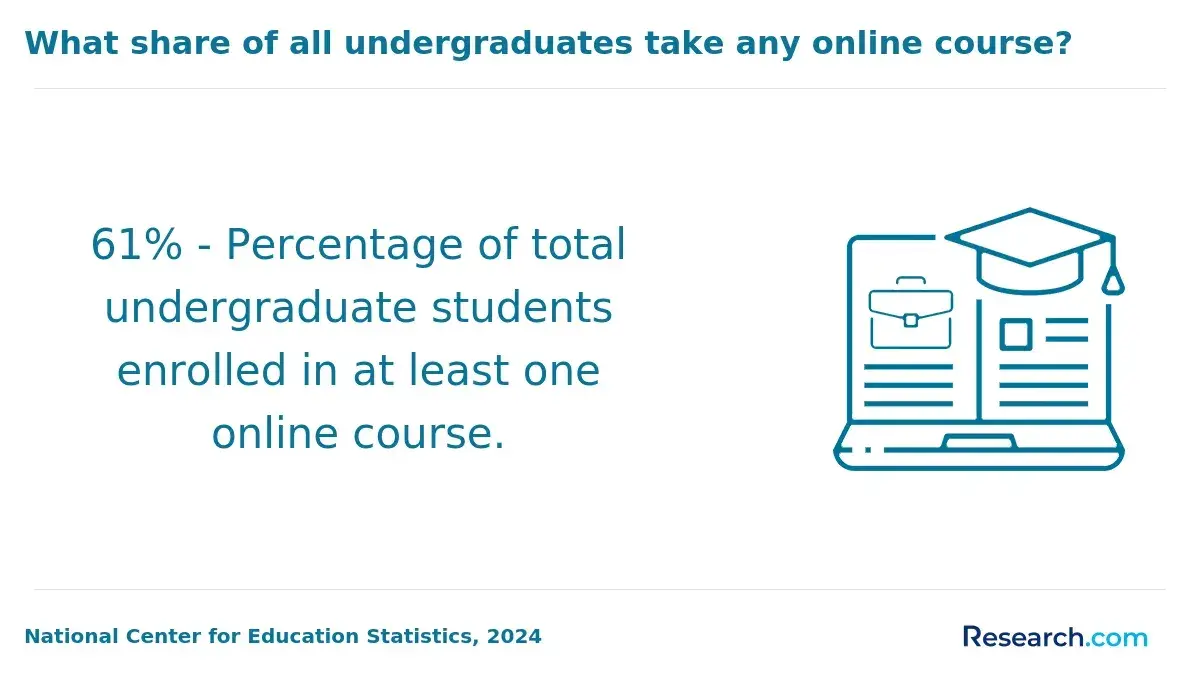
Navigating the landscape of online marine science master's degrees presents a challenge: finding programs that combine affordability, accreditation, and strong career returns. With 2024 data from the National Center for Education Statistics revealing a 12% growth in adult learners enrolling in online graduate programs, the demand for accessible, credible options grows. This trend reflects shifting workforce needs and time constraints faced by professionals and career changers. Understanding how to evaluate program quality alongside financial and professional outcomes is essential when committing to a costly graduate degree. This guide offers an analytical framework to identify online marine science master's programs that maximize investment value.
Key Things to Know About the Best Value Online Marine Science Master's Degrees
- Affordability often requires balancing lower tuition against less personalized mentorship, affecting networking opportunities crucial in marine science's collaborative research environments.
- Regional and national accreditation signals academic rigor; employers increasingly prioritize candidates from accredited programs for compliance with evolving environmental regulations.
- With a 22% rise in adult online learners noted by the National Center for Education Statistics, flexible online marine science programs improve access but may extend time to degree, impacting career reentry timing.
What Are the Best Value Online Marine Science Master's Programs in the U.S.?
Best value in an online marine science master's program means more than just the lowest tuition; it requires balancing affordable cost with regional accreditation, robust graduation rates, and clear salary gains after graduation. For students navigating limited time and financial resources, this blend indicates a program's ability to deliver credible credentials while improving workforce outcomes-a critical consideration for first-generation graduates and career-changers seeking measurable returns on their investment. For example, a working professional debating between a $15,000 asynchronous degree and a nearly $40,000 hybrid program must weigh how delivery format affects flexibility alongside how program reputation impacts job prospects in specialized coastal or marine biotech sectors.
- Institution: Texas A&M University-Corpus Christi
- Estimated Total Tuition: $15,000
- Delivery Format: Asynchronous
- Differentiator: Combines robust Gulf Coast research opportunities with a fully online adaptable schedule.
- Institution: University of North Carolina Wilmington
- Estimated Total Tuition: $24,000
- Delivery Format: Mostly asynchronous with periodic synchronous sessions
- Differentiator: Strong alumni networks in coastal resource management and environmental consulting.
- Institution: Oregon State University
- Estimated Total Tuition: $28,500
- Delivery Format: Fully asynchronous
- Differentiator: Emphasizes interdisciplinary coastal ecosystem science with nationally ranked faculty.
- Institution: Nova Southeastern University
- Estimated Total Tuition: $33,000
- Delivery Format: Synchronous evening classes with recorded options
- Differentiator: Integrates applied marine biotechnology with occupational-focused curriculum.
- Institution: University of Miami
- Estimated Total Tuition: $39,500
- Delivery Format: Hybrid synchronous and asynchronous
- Differentiator: Access to cutting-edge oceanographic research and Miami's extensive marine science industry connections.
- Accreditation: All listed programs hold regional accreditation recognized by the U.S. Department of Education, ensuring degree legitimacy and quality standards.
- Graduation Rates: Typically range between 75-90%, reflecting consistent student progression and program support.
- Post-degree Salary Lift: Graduates commonly experience a 20-35% salary increase within three years, attributable to specialized marine science expertise and relevant practical skills.
- Data Sources: Tuition and outcome statistics are drawn from IPEDS, institutional reports, and verified graduate employment surveys for the current academic year.
- Delivery Flexibility: Programs emphasize asynchronous formats to accommodate working students, with some incorporating live sessions to enhance interaction and networking.
Particularly for underrepresented groups and those balancing work and study, selecting an affordable accredited online marine science graduate degree with high ROI can determine whether academic and professional goals align realistically with personal constraints. Transparent outcome data, drawn from reputable sources, should factor heavily into this decision. For those interested in exploring interdisciplinary health fields alongside marine science, resources on a healthcare administration degree online accredited illustrate parallel affordability and accreditation issues faced by online graduate students.
What Accreditations Should an Online Marine Science Master's Program Have?
Choosing an online marine science master's program without scrutinizing its accreditation can severely limit your career options and financial support eligibility. For example, students who enroll in a program lacking regional accreditation may face hurdles transferring credits or securing jobs, especially in competitive or public sector roles where accreditation signals institutional quality.
Marine science master's programs typically adhere to a two-tier accreditation framework. The first and essential layer is regional accreditation from one of seven recognized agencies like the Higher Learning Commission (HLC), Southern Association of Colleges and Schools Commission on Colleges (SACSCOC), or Middle States Commission on Higher Education (MSCHE). This accreditation ensures the institution meets broad academic standards, enabling access to federal financial aid and simplifying credit transfer. Employers also prefer degrees from regionally accredited institutions, interpreting them as credible and rigorous.
The second, programmatic accreditation, is less common for marine science but may exist through affiliations with related scientific or professional bodies. Unlike fields with specialized accreditors such as AACSB for business or ABET for engineering, marine science often depends more on the institution's overall reputation and faculty expertise. Checking for professional endorsements or partnerships with recognized scientific organizations can provide additional assurance of program quality.
Red Flags: Programs with only national accreditation typically target vocational training and lack the comprehensive recognition needed for academic and career mobility. Avoid institutions claiming accreditation from bodies unrecognized by the U.S. Department of Education or CHEA, as this often indicates substandard programs or diploma mills.
Checklist for Prospective Students:
- Regional Accreditation: Is the school regionally accredited by a recognized agency like HLC or SACSCOC?
- Programmatic or Professional Endorsements: Does the marine science master's program have relevant programmatic or professional affiliations?
- Credit Transferability: Are credits from this program transferable to other accredited institutions?
- Verification Documentation: Can the institution provide official proof of its accreditation status?
How Much Does an Online Marine Science Master's Degree Cost on Average?
The total cost of an online marine science master's degree typically falls between $15,000 and $60,000, shaped by factors like institutional type and fee structures. Public universities generally charge $400 to $900 per credit hour, with many offering flat tuition rates that disregard residency status-though where residency fees apply, in-state tuition may be 30-50% lower than out-of-state rates. Private and nonprofit institutions often price credits between $800 and $1,500, pushing overall expenses higher. These cost ranges underscore critical budget considerations for working professionals and first-generation students balancing education with financial constraints.
- Tuition Range: Public average: $15,000-$30,000 total; Private/Nonprofit average: $30,000-$60,000 total.
- Residency Impact: Many public programs waive in-state/out-of-state distinctions online, but where applicable, residency can influence costs substantially.
- Mandatory Fees: Technology, library, and service fees often add $100-$300 per term, increasing the final price beyond base tuition.
- Thesis or Capstone Fees: Additional charges, sometimes several hundred to over a thousand dollars, apply for program completion requirements.
- Proctoring Costs: Exam monitoring services typically incur $50-$100 per test, commonly excluded from published tuition estimates.
- Residency Requirements: Some degrees mandate brief on-campus sessions or fieldwork, introducing travel and lodging expenses.
These elements frequently produce discrepancies between advertised tuition and out-of-pocket expenses, emphasizing the need for transparent budgeting. Choosing between public and private pathways involves tradeoffs between affordability and program features that affect career trajectories. Prospective students should also consider how these financial factors intersect with their employment benefits, tuition reimbursement options, and long-term salary impacts when assessing the best value online marine science master's degree cost. For those seeking accelerated options that may reduce overall time and expense, consulting a comprehensive accelerated degree program guide could reveal additional savings and time efficiencies.
What Is the Return on Investment (ROI) of an Online Marine Science Master's Degree?
The financial return on investment (ROI) of an online marine science master's degree hinges on whether the salary gains after graduation sufficiently outweigh the program's total cost. ROI is commonly calculated as the difference between post-degree and pre-degree salaries, divided by the cost of the degree, expressed as a percentage or payback period. Median earnings for marine science positions, such as marine biologists or environmental specialists, often rise from about $48,000 before the degree to approximately $68,000 or higher after, based on data from authoritative sources like the Bureau of Labor Statistics and PayScale. However, this increase varies considerably depending on several crucial factors that affect the degree's financial viability.
- Existing Experience: Candidates with substantial prior work in related fields might encounter smaller salary uplifts, diminishing pure financial ROI but potentially achieving longer-term career stability or advancement.
- Institution Prestige: Degrees from well-recognized universities can open doors to higher-paying roles and influential professional networks, enhancing ROI beyond simple salary figures.
- Regional Demand: Geographic factors matter; coastal areas rich in marine research opportunities generally offer stronger wage growth than inland regions.
- Specialization: Concentrating on niche fields like ocean engineering or aquaculture may improve job prospects and salaries, altering ROI outcomes significantly.
Non-financial returns also carry weight. For many, the degree facilitates career pivots, unlocks promotion paths, and improves job security amid growing workforce competition-elements that often motivate first-generation students and career changers to invest despite uncertain monetary payback.
One recent graduate shared that navigating admissions was unexpectedly tense due to the program's rolling review process. Despite early application submission, delays in feedback forced them to weigh alternative plans amid uncertainty, prolonging the decision timeline. This experience underscored how strategic timing and persistence in application preparation is critical, as the financial investment hinges not only on tuition but also on how swiftly one can enter the workforce with enhanced credentials.
What Are the Admission Requirements for an Online Marine Science Master's Program?
Admission expectations for online marine science master's programs reflect the field's technical complexity and the competitive nature of graduate education. Candidates must often balance academic rigor with relevant experience to demonstrate readiness for advanced study and employability post-graduation. For example, applicants with borderline GPAs might offset this through strong professional experience or research involvement, which admissions committees weigh carefully against standard thresholds.
- Undergraduate GPA: A minimum of 3.0 on a 4.0 scale is common, though some programs adjust this based on applicant background and cohort goals.
- Letters of Recommendation: Typically two to three are required, coming from academic advisors or professionals who can speak to the applicant's research skills and potential for graduate-level work.
- Statement of Purpose: This essay must clearly articulate career objectives, research interests, and alignment with the program's offerings, adding context to quantitative application components.
- Resume or CV: Updated documents should emphasize relevant internships, fieldwork, or employment that reveal practical skills and commitment to marine science.
- Prerequisite Coursework: Foundational classes in biology, chemistry, ecology, or environmental science are standard prerequisites; some programs also require demonstrated quantitative skills in math or statistics due to the discipline's data-driven nature.
- Test Requirements: Many institutions have moved toward test-optional policies for GRE or GMAT scores, but submitting strong results can still influence admissions, especially in competitive STEM environments.
- Quantitative Competency: Comfort with data analysis and computational methods is increasingly important, reflecting workforce demands for technically proficient graduates.
Prospective students should apply broadly across reach, match, and safety programs since criteria vary widely among accredited institutions. This approach mitigates the risk of overreliance on a narrow set of schools, balancing ambition with pragmatic enrollment chances and the pursuit of programs offering meaningful career returns.
What Is the Minimum GPA Requirement for a Marine Science Master's Program?
Meeting the minimum GPA requirement for online marine science master's programs is a crucial yet nuanced step that directly affects both admission prospects and long-term academic investment. Most accredited programs set a minimum undergraduate GPA between 2.75 and 3.0, a threshold designed to confirm basic academic readiness. However, competitive programs often expect GPAs of 3.2 or higher, reflecting that minimum eligibility does not guarantee admission in this specialized field. For example, a working professional with a 2.8 GPA may qualify for consideration but face steeper competition when competing against candidates closer to or above a 3.5 GPA.
- Minimum GPA: Most accredited online marine science master's programs typically require a minimum undergraduate GPA of 2.75 to 3.0 to be considered for admission, ensuring a foundation of academic capability.
- Competitive GPA: Many programs admit primarily those with GPAs of 3.2 or higher, indicating a distinction between eligibility and competitive standing.
- GPA Waivers: Several programs allow applicants to substitute GPA requirements with significant professional experience, portfolios, or qualifying standardized test scores, broadening access, especially for career changers.
- Conditional Admission: Applicants below the GPA threshold may receive provisional acceptance, contingent on subsequent academic performance or supplementary evidence such as strong recommendation letters.
- Holistic Review: GPA is one factor among many-including relevant experience and motivation-that admissions committees weigh, avoiding rigid cutoff policies.
Knowing these distinctions is vital when assessing the typical GPA cutoff for accredited marine science graduate degrees in the US, as it shapes realistic expectations and planning. For those balancing work and study or coming from nontraditional backgrounds, understanding waiver options and conditional pathways can be decisive. Considering the broader academic profile alongside GPA aligns with employer practices valuing applicable expertise over numerical thresholds alone. Students pursuing programs should compare these GPA considerations with other factors like affordability and career returns to maximize their education's value.
For individuals weighing healthcare-related science education, there is a similarly detailed landscape to navigate-many seek guidance when exploring degrees like a online dietician program, where GPA and experiential backgrounds also heavily influence admission and outcomes.
What Financial Aid Options Are Available for Online Marine Science Master's Students?
Financial aid for online marine science master's students involves navigating options that differ significantly from undergraduate funding, demanding strategic decisions with real financial consequences. Graduate-level federal aid mainly includes Direct Unsubsidized Loans and Graduate PLUS Loans, both accruing interest during study-making careful repayment planning essential. Contrary to some expectations, federal grants like Pell Grants are almost never accessible for graduate students, which can leave first-generation applicants unprepared for the ensuing debt. Securing institutional scholarships or fellowships specific to marine science programs is often unpredictable, requiring early and targeted applications. Meanwhile, working professionals may offset costs through employer tuition reimbursement, though this benefit depends on negotiated agreements and continued employment conditions. Graduate assistantships remain an option in some online programs but are typically limited compared to on-campus offerings. External scholarships offered by marine science associations also reward proactive candidate research but tend to be highly competitive.
- Federal Loans: Primarily Direct Unsubsidized and Graduate PLUS Loans with accruing interest that must be considered in long-term financial planning.
- Institutional Scholarships and Fellowships: Vary widely by program; often merit- or need-based but require early and well-prepared applications.
- Employer Tuition Reimbursement: Available for professionals with qualifying employment; securing pre-approval is critical to avoid unexpected costs.
- Graduate Assistantships: Limited availability in online programs but can provide stipends or tuition waivers if awarded.
- External Scholarships: Offered through industry associations, these require timely and competitive applications aligned with marine science disciplines.
Applicants should apply early through FAFSA, noting that Expected Family Contribution calculations have shifted to a Student Aid Index, influencing eligibility. Additional strategies include researching discipline-specific funds, negotiating aid packages where possible, and investigating state grants or loan repayment programs tailored to marine science careers. Decisions about timing and aid packaging substantially impact overall debt and career flexibility post-graduation.
One online marine science master's graduate recalled hesitating during the program's rolling admissions period, uncertain whether to commit before the potential availability of institutional scholarships was confirmed. A delay in financial aid office responses complicated planning, prompting the student to submit an earlier FAFSA and aggressively pursue external scholarships as a contingency. This cautious approach allowed them to secure partial employer tuition reimbursement and a modest fellowship that, combined with loans, made degree completion feasible without excessive debt. The experience highlights how timing, communication gaps, and a multi-pronged funding strategy critically shape affordability for graduate students, especially those balancing work and education.
How Long Does It Take to Complete an Online Marine Science Master's Degree?
Completion timelines for an online marine science master's degree reflect significant variation, with distinct implications for career planning and financial investment. Full-time enrollment generally yields a degree in 18 months to 2 years, balancing steady credit accumulation with course availability. Part-time students, who constitute the majority of online graduate learners, typically extend this timeframe to 2.5-4 years, trading speed for flexibility to maintain employment or manage family responsibilities. Such duration differences directly influence workforce reentry and salary progression, underscoring how crucial it is to align program pace with personal and professional priorities.
- Full-Time Enrollment: Most full-time students finish their marine science master's programs in about 18 months to 2 years, assuming steady progress through required credits and course availability.
- Part-Time Enrollment: Representing the majority of online graduate learners, part-time students often take between 2.5 and 4 years, allowing flexibility but extending total program length.
- Credit Hour Requirements: Programs usually demand between 30 and 45 credit hours, with completion time influenced by how many credits a student takes per semester.
- Transfer Credits: Some institutions accept credits from prior graduate coursework, potentially shortening completion time if policies align with the student's academic history.
- Program Structure: Cohort-based scheduling can limit flexibility and extend duration if specific courses are offered only once a year, while self-paced tracks may enable accelerated progress.
- Accelerated Options: Certain accelerated programs claim completion in as little as 12 months, but fast-track does not necessarily compromise quality; accreditation and employer recognition remain more critical indicators of program value.
- Thesis or Capstone: Requiring a thesis or capstone typically adds one or two semesters, depending on individual pacing and faculty guidance, impacting overall timeline and workload.
Given the average duration of accredited online marine science master's programs in the US, prospective students should scrutinize how each factor fits their career timeline. A recent survey of graduate enrollment trends highlights that over 60% of online master's students choose part-time study specifically to accommodate ongoing employment, reinforcing the practical necessity of longer timelines for many. Additionally, examining curricular sequencing is vital since rigid cohort models can delay graduation and affect timely career advancement.
For those navigating options beyond traditional pacing, comparing related programs such as nursing pathways reveals similar tradeoffs-as outlined comprehensively in the Chamberlain vs Capella RN to BSN program analysis-where time-to-completion influences both cost and professional outcomes.
What Specializations or Concentrations Are Available in Online Marine Science Master's Programs?
Choosing a specialization within online marine science master's programs significantly impacts employability and salary outcomes because employer demand varies sharply across marine science graduate concentrations in the United States. For example, a graduate focusing on marine conservation may find more opportunities with government agencies and NGOs, whereas those specializing in marine biotechnology might target private sector roles in pharmaceuticals or industrial applications. Some programs offer a generalist track with electives, but many require committing to a concentration upon admission, so early alignment with career goals is crucial to avoid costly course corrections.
Common specializations available across accredited online marine science master's degree specializations include:
- Marine Ecology: Study of marine organisms and their interactions within ecosystems.
- Oceanography: Focus on physical, chemical, and geological processes in ocean environments.
- Marine Conservation and Policy: Emphasis on protecting marine biodiversity and influencing environmental regulations.
- Fisheries Science and Management: Management of fish populations and sustainable harvesting practices.
- Coastal Zone Management: Strategies for sustainable use and protection of coastal areas.
- Marine Biotechnology: Exploration of marine organisms for biomedical and industrial applications.
- Marine Geology and Geophysics: Investigation of seafloor structures and geological processes.
- Marine Environmental Chemistry: Analysis of pollutants and chemical cycles affecting marine habitats.
Prospective students should research job postings in their target roles to identify which specializations consistently appear in employer requirements, as not all concentrations carry equal labor market weight. Consultations with alumni and program advisors are valuable for understanding which concentrations deliver better employment rates and salary growth. Those seeking options that balance accessibility and program reputation might also explore the easiest audiology programs to get into as a comparative benchmark for identifying pathways with practical admissions strategies.
Accrediting Bodies: Regional accreditors such as the Southern Association of Colleges and Schools Commission on Colleges (SACSCOC) or the Middle States Commission on Higher Education (MSCHE) oversee most accredited programs.
Program Outcomes: Data on graduate employment rates and salary ranges by concentration represent critical benchmarks for evaluating program ROI.
Industry Alignment: Curricula designed with input from marine science employers tend to prioritize in-demand skills and practical applications.
Admission Requirements: Many programs expect a relevant undergraduate degree and sometimes require work experience or prerequisite coursework in natural sciences.
Financial Aid Availability: Scholarships, assistantships, and employer tuition reimbursement can offset costs significantly.
How Do Online Marine Science Master's Programs Compare to On-Campus Programs in Quality and Recognition?
Employer surveys from 2024 show most hiring managers view marine science master's degrees through the lens of institutional reputation, not delivery method. This means that a degree from a regionally accredited institution holds equivalent value regardless of whether it was earned online or on-campus, so long as the diploma does not label the credential as "online." For working professionals or career changers, this equivalence offers flexibility without necessarily compromising recognized quality. However, when it comes to practical training and networking, on-campus programs often retain distinct advantages that can influence job placement, especially in applied fields requiring hands-on experience.
For example, graduates who participated in on-campus programs frequently report easier access to direct lab work and face-to-face practicum opportunities, which are crucial for certain marine science specializations. On-campus cohorts also benefit from more organic networking through campus events and established recruiting pipelines. Conversely, top online programs have responded by incorporating hybrid residencies, virtual networking platforms, and employer partnerships that replicate some, but not all, of these benefits.
- Accreditation: Regional accreditation remains the definitive marker ensuring credential parity between online and traditional degrees from the same institution.
- Employer Perception: SHRM and industry surveys confirm hiring managers prioritize the institution's credibility over degree modality, focusing on knowledge and skills demonstrated.
- Networking: While in-person students access richer face-to-face interactions, select online options facilitate structured virtual networks and intensive live residencies to build professional connections.
- Practical Experience: Direct access to labs and fieldwork is typically more accessible on-campus; leading online programs strategically arrange local practica or hybrid sessions to meet applied training demands.
- Program Evaluation: Prospective students should prioritize researching specific institutional outcomes by reviewing alumni career trajectories, including LinkedIn employment patterns, rather than solely comparing online vs. in-person labels.
What Graduates Say About the Best Value Online Marine Science Master's Degrees
- Louie: "Balancing a full-time job and family commitments, I needed a program with flexibility and a realistic timeline. Choosing an affordable, accredited online marine science master's allowed me to gain relevant skills without relocating or quitting work. While I didn't land my dream researcher role immediately, the internships I completed helped me transition into a coastal conservation technician position, which provides solid experience and room for growth."
- Zamir: "With a limited budget and no prior science background, I debated whether to pursue marine science or a more traditional field. The program's strong focus on practical skills and portfolio development convinced me to enroll despite uncertainty about industry hurdles. Employers in my region prioritize hands-on experience over advanced degrees, so completing internships alongside coursework was crucial. Now, I'm working remotely as an environmental data analyst, which wasn't my initial plan but fits my career goals and work-life balance."
- Matthew: "After switching careers from business, time constraints and workload were daunting challenges throughout the program. I chose this particular master's because of its affordable tuition and accreditation, which eased concerns about entering a competitive job market. Post-graduation, I found that certifying in specialized software was more valuable to employers than just the degree alone. Though salary advancement is gradual without licensure, the experience I gained positioned me well for consulting roles in marine resource management."
Other Things You Should Know About Marine Science Degrees
Graduates from these programs often find roles in environmental consulting, marine resource management, or research institutions, but the variation in outcomes is large due to program reputation and network strength. Programs that incorporate applied projects or internships tend to yield better job placement because employers value hands-on experience. Job competition remains stiff, especially for federal or research positions, so prioritizing programs with strong employer ties and clear career-support services can improve long-term ROI.
Beyond tuition, students should anticipate expenses such as specialized lab equipment for home use, software licenses for data analysis, and potentially travel for required fieldwork or practicums. Some schools charge additional fees for technology support or proctored exams, which can add up. Assessing these extra costs early and comparing programs on total expenses rather than sticker price is crucial because underestimating these can significantly affect overall affordability and financial stress.
In 2027, employer tuition reimbursement improves the value of online marine science master's programs by reducing personal financial burden, enabling students to pursue advanced education without incurring significant debt. This financial support can enhance return on investment as graduates may advance to higher-paying roles within marine science fields.
Balancing academic rigor with practical training is key. If your goal is to enter research or policy roles, selecting a program with faculty actively involved in marine science work and opportunities for original research is essential. For industry-focused careers like environmental consulting, prioritize programs with applied coursework and connections to local agencies or companies. Consider the time commitment and whether part-time or self-paced options fit your work-life balance, as these impact your ability to complete the degree efficiently without career interruption.
References
- Master of Science in Biological Sciences and Marine Sciences Costs https://www.une.edu/sfs/graduate/costs/master-science-biological-sciences-and-marine-sciences-costs
- Costs & Financial Aid https://www.vims.edu/education/graduate/funding/
- Is Grad School Worth It? A Comprehensive Return on Investment Analysis - FREOPP https://freopp.org/whitepapers/is-grad-school-worth-it-a-comprehensive-return-on-investment-analysis/
- Academic Institutions and Graduate Programs - Marine Mammal Commission https://www.mmc.gov/resources/career-resources/academic-institutions/
- Average Cost of a Master's Degree: 2025 Analysis https://educationdata.org/average-cost-of-a-masters-degree
- Top 5 Master Programs in Marine Sciences • Blue-Jobs • The online platform to find a job in marine sciences https://blue-jobs.com/2024/06/12/top-5-master-programs-in-marine-sciences/
- moolahSPOT https://www.moolahspot.com/local/browse.cfm
- Funding Your Online Master’s Degree: How to Pay Less with Financial Aid https://www.onlinemastersdegrees.org/financial-aid/
- Admissions https://www.uvi.edu/academics/science-math/departments/bio-sciences/marine-envir-science/masters-marine-envir/entry-requirements.html
- MSc International Marine Science https://www.hw.ac.uk/online/study/postgraduate/international-marine-science