2027 Job Placement Rates for Marine Science Master's Graduates: Employment Outcomes

Co-Founder and Chief Data Scientist
Graduates of marine science master's programs face varied employment prospects shaped by sector demand, regional opportunities, and the value of practical experience such as internships. While some coastal regions report higher placement rates due to concentrated industry hubs, others present stiffer competition and slower employment timelines.
A recent labor report highlights a 15% annual growth in marine environmental roles, emphasizing how program concentration influences access to these expanding fields. This dynamic demands prospective students assess how geographic factors, specialized training, and employer recognition affect not only time to employment but also long-term career viability in an evolving job market.
Key Things to Know About the Job Placement Rates for Marine Science Master's Graduates
- Graduates focusing on coastal ecosystem management show faster placement due to high demand in environmental agencies, but this specialization limits positions primarily to specific geographic regions, requiring relocation tradeoffs.
- Employers report stronger hiring preferences for candidates with marine policy or data analysis concentrations, linking these skills to strategic decision-making roles that support long-term career growth.
- Completion of internships embedded in programs correlates with 30% higher employment rates within six months, highlighting timing-sensitive access issues that adult learners must weigh against work-life balance constraints.
What Are the Typical Job Placement Rates for Marine Science Master's Graduates?
Job placement rates for marine science master's graduates cannot be understood without recognizing the significant variability in how institutions define and measure employment outcomes.
Typically, placement metrics fall into three categories: full-time employment directly related to marine science, any form of employment regardless of relevance, and continued education such as doctoral programs.
These distinctions have real consequences for graduates deciding whether a particular program's claims align with their career goals, especially since regional labor markets and sector-specific demand often shape actual job opportunities.
For example, a graduate in California might find more full-time field-related roles due to the state's extensive coastal research infrastructure, while graduates in other regions may see inflated placement rates that include unrelated part-time jobs or further education, which do not guarantee immediate workforce integration in marine science.
- Full-Time Field-Related Employment: This is the most meaningful measure for those seeking careers explicitly in marine science, but reported rates can be modest-often ranging near 50-70% in leading programs-reflecting the competitive and specialized nature of the sector where jobs in research, conservation, or consulting require both advanced expertise and relevant experience.
- Any Employment: Some programs report placement rates exceeding 80% or even 90% by including part-time or unrelated jobs, which may mislead prospective students about direct career impacts but still signal general workforce attachment for adult learners balancing multiple priorities.
- Continued Education: Inclusion of graduates pursuing Ph.D. studies or certifications broadens outcome definitions and acknowledges vocational pathways that emphasize research or specialized skills development, as found even in many online pharmacy degree programs, yet it also means immediate job market engagement might be delayed.
- Data Variability and Scrutiny: Because placement rates can vary by program concentration, internship access, and employer connections-factors especially relevant in the geographically and sectorally diverse U.S. market-reviewing methodology notes in job placement statistics for marine science master's programs by region is essential for accurate interpretation.
How Does Marine Science Master's Graduate Employment Compare to the National Average?
Marine science master's graduates often face a more constrained job market than the broader population of graduate degree holders, reflecting the specialized nature of the field rather than a shortfall in graduate quality.
This specialization means employment rates for marine science graduates generally align with, but can lag behind, national averages within six months to a year after graduation, especially where local industry demand and program focus limit opportunities.
Contextualizing these employment outcomes against data from the Bureau of Labor Statistics and National Center for Education Statistics reveals several nuanced factors:
- Field Demand: Marine science's niche scope within environmental and earth sciences translates to fewer immediate openings compared to general graduate degrees, although government, research, and conservation roles provide relatively stable long-term prospects.
- Credential Specificity: The technical and certification-heavy nature of many marine science programs enhances employer trust but restricts graduates to industry-specific roles, unlike broader degrees that open more varied job pathways.
- Regional Labor Markets: Graduates located near coastal research centers or federal facilities tend to secure employment faster, while those in inland or less marine-focused areas may face delayed placement.
- Data Definitions: Differing criteria between BLS and NCES around employment-including full-time versus part-time status and relevance of job field-complicates direct comparisons and should caution readers against oversimplified interpretations.
- Industry and Employer Expectations: Hands-on experience such as internships or fieldwork substantially influence hiring decisions, often outweighing the credential itself in determining job readiness.
Which Industries and Sectors Hire the Most Marine Science Master's Graduates?
Employment for marine science master's graduates tends to cluster in several key sectors, reflecting the specialized yet adaptable nature of their training.
While government and research institutions represent major employers, graduates must weigh the tradeoffs between deep specialization-often requiring thesis completion-and broader skill sets that enable crossover into private or emerging industries.
This dynamic shapes career flexibility and influences how quickly graduates find relevant roles.
- Government Agencies: Federal and state entities, including environmental and regulatory bodies like NOAA, commonly employ marine science graduates, particularly those with focused research experience. These roles emphasize policy development, resource management, and conservation enforcement, rewarding scientific rigor.
- Education and Research Institutions: Employment in academia, governmental labs, and nonprofit centers often depends on thesis work and regional proximity to marine research hubs. These positions prioritize analytical expertise and contribute to innovation in marine science fields.
- Private Consulting: Firms specializing in environmental assessment, infrastructure, and compliance offer practical applications of marine science knowledge. Graduates aiming for applied project management or field-based work often find these roles suitable for leveraging interdisciplinary skills.
- Nonprofit Organizations: Graduates engaged in community outreach, policy advocacy, or ecosystem protection frequently join conservation nonprofits, where interdisciplinary collaboration and communication skills are valued.
- Technology and Data Analytics: A smaller yet growing segment hires graduates for roles involving marine data modeling, GIS, and remote sensing. These employers typically seek candidates with combined technical and research capabilities.
- Healthcare and Finance: Less common paths involve environmental health or sustainability-driven investments, requiring interdisciplinary expertise beyond classical marine science training.
Overall, the leading employers of marine science master's degree holders concentrate in government and research-focused sectors, signaling a marketplace where scientific proficiency remains critical.
However, the degree's value and employability diversify when graduates complement their specialization with technical skills or interdisciplinary experience.
Prospective students considering geographic job markets, program concentration, and thesis involvement should factor these variables into decisions about educational pathways and career goals. For those balancing application costs with quality programs, exploring online colleges with free applications may be a practical option.
What Types of Job Titles Do Marine Science Master's Graduates Most Commonly Hold?
The job titles most frequently held by marine science master's graduates serve as practical indicators of how the degree functions in diverse career pathways. Early-career graduates often gain roles centered on technical support and fieldwork, reflecting employer demand for hands-on expertise immediately post-graduation.
Meanwhile, those with prior experience commonly leverage the degree for advancement into leadership or specialized policy positions, illustrating the degree's dual role as both an entry credential and a professional enhancement.
- Marine Science Technician: Predominantly an entry-level position occupied by recent graduates, this role involves direct involvement in data collection, laboratory analysis, and equipment maintenance, often within government bodies, environmental consultancies, or NGOs.
- Research Assistant: Frequently a first step in a research-focused trajectory, this title encompasses responsibilities such as data processing, experiment support, and contributing to scientific documentation, aiding transition toward independent research or doctoral study.
- Environmental Consultant: Suited for graduates integrating scientific knowledge with regulatory frameworks and business practices, this role demands applied expertise to guide industries through environmental compliance and impact assessments.
- Marine Resource Manager: Typically held by those with several years of professional background, this mid- to senior-level position entails overseeing conservation initiatives and managing protected marine zones, highlighting career progression post-degree.
- Policy Analyst - Marine Affairs: This title points to a cross-disciplinary application of marine science, focusing on shaping or evaluating maritime policies, often within government or advocacy organizations, moving beyond field science into governance.
Using these titles as benchmarks offers insight into sector expectations and role availability, aiding graduates' job search strategies.
Titles also reveal tradeoffs in career focus-technical operative roles versus strategic leadership positions-each carrying different wage profiles and advancement prospects influenced by location, sector, and internship experience.
One marine science master's graduate recalled navigating a rolling admissions cycle that extended unexpectedly, limiting their ability to secure funding or finalize job applications promptly.
This uncertainty shaped a cautious approach to applying, ultimately emphasizing the value of early preparation and responsive decision-making when targeting these common roles, especially amid variable employer timelines and market fluctuations.
How Soon After Graduation Do Marine Science Master's Graduates Typically Find Employment?
Graduates of marine science master's programs typically encounter a variable job placement timeline shaped by program design and labor market conditions, making it critical to differentiate between receiving a job offer and actually starting work.
The period from graduation to offer acceptance ("time-to-offer") generally spans three to twelve months, reflecting that some candidates secure positions while still enrolled, which can skew reported placement statistics earlier than the experience of those who begin searching post-graduation.
- Time-to-Offer: This represents when a graduate formally accepts employment, a milestone some programs highlight within six months to one year, but real-world waiting periods often extend beyond this due to notice requirements and contract negotiations.
- Time-to-Start: Actual employment commencement frequently occurs weeks or months after the offer, influenced by logistical factors such as project cycles, fieldwork timing, or employer onboarding delays.
- Pre-Graduation Search: Programs that include graduates with contingent offers accepted before degree completion inherently report faster placement, potentially misleading those who defer job seeking until after graduating.
- Measurement Window: The choice of tracking job placement at three, six, or twelve months post-graduation greatly impacts perceived success rates; shorter windows may overstate rapid employment, while longer spans provide a more nuanced understanding of graduate transition.
- Contextual Drivers: Hiring speed varies by geographic region, sector, and specialization. Those with internships or hands-on research experience tend to have expedited placement, while niche fields and competitive markets often require longer search times, underscoring the importance of aligning program focus with career goals.
What Is the Average Salary for Marine Science Master's Graduates in Their First Job?
Starting salaries for marine science master's graduates vary significantly, influenced more by external conditions than the degree alone. Entry-level marine science master's salary by industry sector reveals that private environmental consulting and resource management firms frequently offer salaries above government research or nonprofit conservation roles.
This divergence reflects employer willingness to pay for applied expertise versus largely grant-funded or mission-driven roles.
Regional differences create another practical consideration. Coastal states with dense marine trade and research infrastructures tend to provide higher compensation than inland areas, where marine science job markets are less active.
Graduates must weigh geographic preferences against salary and job availability, recognizing some regions reward specialized skillsets with better pay and faster job placement.
Program selectivity and focus also shape earning potential. Degrees from highly selective institutions or those offering concentrations in emerging subfields align with employer demands, improving starting salary prospects.
This is particularly critical for career changers entering marine science without prior field experience, as their salary trajectory often begins lower and depends heavily on demonstrated expertise and internship experience.
Prospective students should interpret salary data cautiously, cross-referencing multiple sources such as the BLS, NACE surveys, and professional benchmarks in marine science rather than relying solely on median salaries published by academic programs.
These figures often reflect a narrow subset of graduates disclosing compensation and may skew wage expectations.
- Industry Sector: Compensation varies markedly, with private sector roles generally surpassing public and nonprofit salaries.
- Geographic Region: Coastal employment hubs with vibrant maritime economies usually offer higher starting wages.
- Program Selectivity and Concentration: Graduates from selective programs or thriving subfields command better entry salaries.
- Career Background: Career changers versus career advancers experience different salary patterns based on prior experience and specialization.
- Data Source Variability: Consult multiple salary data sources instead of relying solely on program-published medians to form realistic expectations.
For those in related health fields weighing degree options, programs like an online bachelor's in kinesiology illustrate the broader trend of specialized credentials attracting variable salaries linked to sector demand and geographic market dynamics.
How Do Marine Science Master's Program Rankings Affect Graduate Employment Outcomes?
High program rankings in marine science master's degrees often create assumptions about better job prospects, but empirical evidence suggests these rankings are an unreliable proxy for graduate employment outcomes.
While accreditation and association rankings highlight academic prestige and research productivity, they rarely capture how well graduates connect with employers or secure meaningful work. Factors such as proximity to coastal research hubs and marine industries often offer stronger advantages by granting students easier access to internships and local hiring networks.
Programs embedded within active professional communities and employer partnerships provide more direct recruitment pipelines, which can outweigh ranking prestige.
- Ranking Limitations: Ranking systems prioritize scholarly output rather than career placement metrics, so top-ranked schools don't always translate to faster job acquisition or higher starting salaries.
- Location: Being near marine science industry clusters enhances practical opportunities and local labor market relevance, which heavily influence employment success.
- Alumni Networks: Robust alumni engagement frequently drives referrals and mentorship beyond what rankings reflect.
- Employer Partnerships: Graduates from programs with established ties to government, NGOs, or private sector firms often benefit from direct hiring channels.
- Program Concentrations: Specialized training in demand-driven subfields can increase employability regardless of institutional rank.
- Outcome Data: Transparent placement statistics and median salary figures deliver actionable insight superior to ranking-based assumptions.
- Internship Experience: Hands-on fieldwork profoundly impacts employer perceptions and positions graduates competitively.
One graduate recalled applying late in rolling admissions after hesitation about waiting for results from highly ranked schools. Their eventual enrollment in a less-renowned program located near a major marine research center proved instrumental.
The program's strong employer partnerships and frequent internship placements helped secure employment quickly, highlighting how practical connections and timing often outweigh prestigious rankings in real-world career trajectories.
What Role Does Geographic Location Play in Marine Science Master's Graduate Job Placement?
Geographic location is a decisive factor in marine science master's graduate job placement, shaping how quickly and effectively graduates transition into relevant employment.
Data from the Bureau of Labor Statistics (BLS) and program-specific reports consistently show that proximity to metropolitan hubs and coastal regions with active marine industries provides graduates with superior access to employer networks, internships, and recruitment events.
For instance, graduates enrolled near major marine research centers or coastal cities experience expedited hiring processes due to embedded local connections and frequent on-campus recruiting.
Graduates relocating to regions distant from their programs often face delays in landing jobs, reflecting the difficulty of penetrating unfamiliar labor markets without established professional networks.
This geographic mismatch can lower placement rates and extend job search periods, highlighting a significant trade-off between academic choice and employment strategy. Salary outcomes also vary by location; coastal metropolitan areas tend to offer higher starting pay but may offset net benefits because of elevated living costs and intense competition.
Students flexible in their geographic preferences can strategically select marine science master's programs aligned with target job markets, leveraging regional employer reputations and internship opportunities.
Conversely, those committed to working within a limited area should prioritize programs with proven, localized employer partnerships to enhance their career sustainability.
- Access: Graduates attending programs near key marine research centers, government bodies, or private employers benefit from frequent on-campus recruitment and targeted internships that smooth their entry into the workforce.
- Networks: Strong alumni and employer networks in metropolitan employment hubs foster connections that improve hiring outcomes, especially for graduates who intend to stay in the same region.
- Trade-Offs: Relocating graduates often encounter delayed employment due to weaker local networks and less familiarity with new regional job markets.
- Salary Outcomes: While metropolitan coastal areas generally offer higher salaries, these gains may be offset by greater living expenses and competition.
- Geographic Flexibility: Students open to relocation should align their program choice with their target job market to maximize employer engagement and regional reputation.
- Local Commitment: Those fixed to one region should focus on programs with strong local employer ties to optimize job placement and build enduring careers.
The importance of geographic factors extends to program admissions timing as well. Enrollment surges often occur in regions where marine science master's programs align closely with local employment opportunities, reflecting labor market demands and influencing student decisions.
These dynamics emphasize that strategic program selection based on location is as crucial as curricular quality for securing meaningful post-graduate outcomes.
As a resource, those exploring embedded professional pathways might also review a 12 month FNP program online to understand how program length and structure interplay with employment timing and regional placement advantages in related fields.
How Do Internship and Practicum Experiences Influence Marine Science Master's Employment Rates?
Internship and practicum experiences directly enhance employment rates for marine science master's graduates by bridging theory and practice in ways purely academic coursework cannot.
Graduates who complete structured, supervised fieldwork placements emerge with relevant hands-on skills, professional references, and employer contacts that facilitate faster job placement and often higher initial salaries.
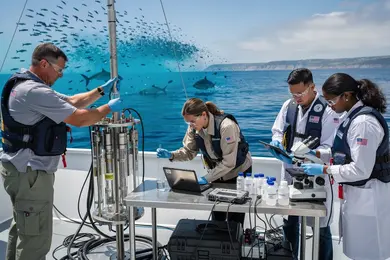
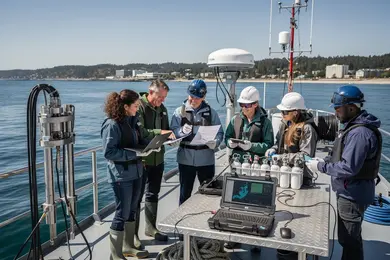
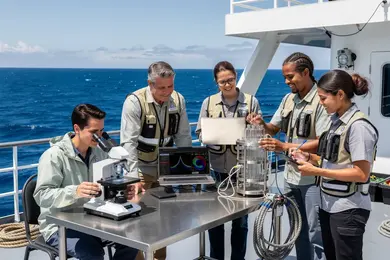
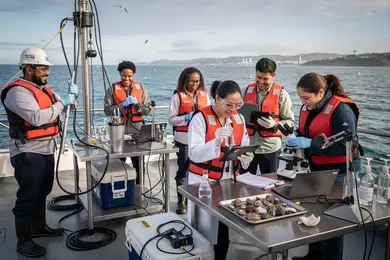
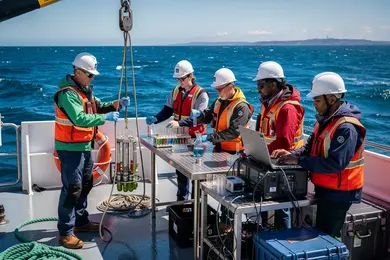
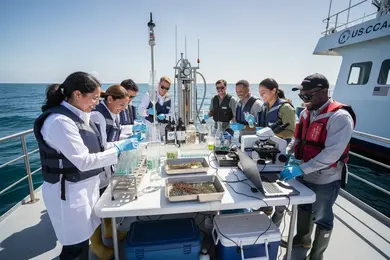
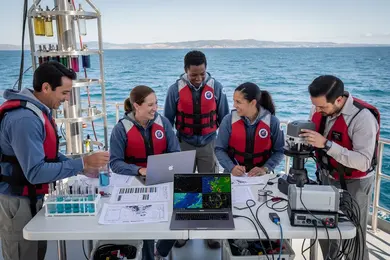
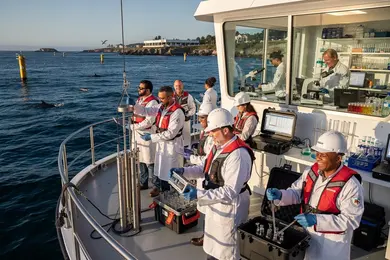
For example, a student completing a practicum in coastal resource management within a state environmental agency gains both sector-specific expertise and insider connections that translate into tangible job offers upon graduation.
Evaluation of marine science programs should therefore go beyond whether an internship or practicum is required to how well these experiences are integrated within curricula.
Thesis track, professional track, and hybrid programs differ in experiential learning emphasis, with professional and hybrid pathways often embedding applied projects or assistantships directly linked to employer needs, especially in specialized sectors such as fisheries or environmental consulting.
Connections to local or regional employers further align placements with demand, strengthening graduates' employment prospects.
- Structured Integration: Systematic supervision, clear learning objectives, and employer engagement differentiate impactful internships from ad hoc work assignments, directly influencing job placement metrics.
- Sector Alignment: Practicums targeting specific marine science subfields improve marketability by matching graduate skills to regional labor demands.
- Professional Networking: Internships expand access to mentors, references, and hidden job markets-critical advantages in fields where formal recruitment is limited.
- Comparative Outcomes: Graduates without practical experience generally face longer job searches and reduced salary negotiation leverage.
- Program Variation: Professional and hybrid master's programs often outperform thesis-only tracks in employment outcomes due to embedded experiential components.
Beyond marine science, those exploring credentials in related professions may also consider online healthcare degrees, which share similar demands for applied practice and field exposure to improve employment results.
Considering the delivery format of marine science master's programs:
- Delivery Format Costs: Synchronous live-online programs often have higher per-credit tuition due to the need for advanced scheduling, live session technology, and institutional support, while asynchronous programs benefit from scalability and lower fixed costs.
- Student Scheduling Impacts: Synchronous formats impose stricter time commitments, which can challenge working adults balancing employment or family, potentially extending time-to-degree and increasing total expenditures.
- Hybrid Format Expenses: Hybrid models may introduce additional indirect costs such as travel, accommodation, or childcare for on-campus sessions, influencing overall affordability despite comparable tuition.
- Long-Term Cost Efficiency: Choosing a format aligned with personal schedules and learning preferences often leads to more consistent progress and earlier program completion, enhancing cost-effectiveness over time.
What Career Services and Job Placement Support Do Marine Science Master's Programs Offer?
Robust career services in marine science master's programs often dictate the practical outcomes graduates experience, particularly in competitive labor markets where employer expectations and industry requirements vary widely.
Students shifting from unrelated fields or entering scarce, high-demand niches within environmental sectors find that engaged career infrastructure can markedly reduce job search duration and enhance placement quality.
For example, a recent entrant to a coastal resource management role noted faster hiring due to direct program contacts, underscoring the value of tailored support. The depth of employer engagement and alumni networks frequently differentiates programs that merely offer credentials from those that drive sustainable career trajectories.
Typical offerings that constitute effective career services include:
- Career Advising: Individualized guidance balancing academic backgrounds with sector-specific job market realities, improving candidates' positioning for roles in government agencies, NGOs, or private firms.
- Employer Recruiting Events: Both virtual and face-to-face opportunities that streamline access to hiring managers, which can be decisive in time-sensitive placements.
- Alumni Mentorship Platforms: Structured connections with graduates providing insight into sector-specific workplace expectations, which recent surveys link to improved early-career salary ranges in marine science roles.
- Resume and Interview Coaching: Critical support that hones technical communication and interdisciplinary articulation, skills highly prized in ecological consulting and research-based jobs.
- On-Campus Recruiting Partnerships: Collaborations with marine research institutions and environmental consultancies that facilitate internships and direct hires, often translating to above-average placement rates.
Prospective students should prioritize transparency by requesting quantifiable data-such as the percentage of students actively using career services, participating in recruiting events, and obtaining employment through program-linked contacts-rather than relying on generic program descriptions.
Evidence from labor market analytics suggests that programs lacking these metrics often correlate with longer post-graduation unemployment periods, a significant consideration for those balancing return-on-investment with career timeline constraints.
What Graduates Say About the Job Placement Rates for Marine Science Master's Graduates
- Louie: "Balancing a full-time job while pursuing my marine science master's stretched my time thin, so I opted for a program that offered extensive remote coursework. This decision allowed me to maintain income while building a portfolio focused on underwater habitat analysis. Ultimately, that portfolio was what helped me secure a research technician role, even though I realized later that the lack of on-site internships limited my network expansion."
- Zamir: "I faced budget constraints that forced me to choose a local marine science program over a more prestigious, expensive option. It was a tough choice, but prioritizing affordability meant I could graduate debt-free and pursue unpaid internships that employers here clearly valued more than formal licensure. Although I initially struggled to break into top-tier labs, those internships eventually opened doors to a coordinator position focused on coastal conservation projects."
- Matthew: "After switching careers in my 30s, I enrolled in a marine science master's program knowing the workload would be intense alongside family commitments. I focused on gaining certifications and hands-on experience through a challenging summer fieldwork internship rather than purely academic research. This practical approach landed me a stable role with a consulting firm, though I recognized that without an advanced degree combined with research publications, upward mobility in academia remained limited."
Other Things You Should Know About Marine Science Degrees
Employment outcomes significantly differ based on a graduate's specialization within marine science. Graduates focused on coastal management or environmental policy often face more competition and slower job placement due to fewer specialized roles, while those in oceanographic data analysis or marine biology tend to see faster and higher rates of employment.
This variation stems from industry demand patterns; technical and research-heavy concentrations align more closely with government, academic, and private sector needs. Prospective students should prioritize specializations with robust job market data and consider how their skill sets match employer expectations in their desired sector.
Employers in the marine science industry generally value master's degrees for the specialized knowledge and research skills graduates bring. These degrees signify a higher level of expertise, which is particularly important for roles that require complex problem-solving and data analysis. Graduates from programs with strong industry connections tend to fare better in hiring outcomes.
On-campus marine science programs tend to have stronger job placement outcomes compared to fully online options, largely due to greater access to hands-on fieldwork, laboratory experience, and in-person networking with faculty and industry professionals. Employers in this field often prioritize practical experience and local industry connections, which on-campus programs facilitate more effectively.
However, well-structured online programs with integrated internship opportunities can mitigate this gap. Prospective students should carefully evaluate whether the program's experiential components meet regional employer expectations before choosing an online option.
Students should ask programs for detailed, recent employment data disaggregated by specialization, geographic region, and sector to understand how the degree aligns with their career goals. It's crucial to inquire about the percentage of graduates who secure relevant employment within six months and the nature of those roles compared to industry standards.
Additionally, questions about the availability and quality of internships, employer partnerships, and alumni outcomes help assess true job market readiness. Prioritizing programs that provide transparent, granular placement data empowers students to make more informed decisions based on realistic career trajectories.
References
- Master Research Internships: an opportunity worth taking, the feedback of a student - SEA-EU https://sea-eu.org/master-research-internships-an-opportunity-worth-taking-the-feedback-of-a-student/
- 10 Jobs You Can Get With a Marine Biology Degree https://www.seamester.com/blog/10-jobs-you-can-get-with-a-marine-biology-degree/
- Top 5 Master Programs in Marine Sciences • Blue-Jobs • The online platform to find a job in marine sciences https://blue-jobs.com/2024/06/12/top-5-master-programs-in-marine-sciences/
- Marine research for students https://www.meere-online.de/en/topics/marine-sciences/translate-to-english-angebote-der-meeresforschung-fuer-studierende
- How to become a marine biologist? | Conservation Careers https://www.conservation-careers.com/how-to-become-a-marine-biologist/
- Top 15 Highest Paying Marine Biology Jobs in 2025 (UK & US Salaries Guide) https://apexlearning.org.uk/highest-paying-marine-biology-jobs-2026/
- 10 careers you can have with a Marine Science degree - SAMS UHI Student Blog https://blog.sams.ac.uk/10-careers-you-can-have-with-a-marine-science-degree/
- Study Marine Science - Experience, Job Opportunities, Salary + Survey https://jobtensor.com/uk/Studies/Marine-Science