2027 Data Analytics Degree Enrollment Trends by Age Group: Traditional Students vs Adult Learners

Co-Founder and Chief Data Scientist
The surge in demand for data analytics professionals has reshaped enrollment patterns across age groups, reflecting shifts in workforce needs and educational accessibility. Traditional students often enter programs directly from high school to build foundational skills, aligning with employers' expanding reliance on entry-level analytics roles.
In contrast, adult learners typically pursue data analytics degrees for career transitions or skill upgrades, driven by credential inflation and evolving technical requirements. Recent labor data shows a 28% projected growth in data analytics jobs through 2030, intensifying competition and influencing enrollment choices. The age distribution highlights differing access points and motivations, signaling a profession adapting to both emerging talent and reskilled practitioners.
Key Things to Know About Data Analytics Degree Enrollment Trends by Age Group
- Enrollment by traditional-age students is declining slightly as adult learners aged 30+ increase, reflecting a workforce pivot toward upskilling amidst evolving employer demand for practical data analytics experience over formal credentials.
- Employers increasingly favor candidates with demonstrable project-based experience, meaning older students often benefit more from applied programs than younger peers focused on theory, influencing hiring from different age cohorts distinctly.
- Adult learners face higher opportunity costs and access barriers, as 2024 data shows a 15% enrollment drop in purely in-person programs, signaling shifting preferences toward hybrid models balancing cost and time constraints.
- Key Things to Know About Data Analytics Degree Enrollment Trends by Age Group Key Things to Know About Data Analytics Degree Enrollment Trends by Age Group
- Which Age Groups Represent the Largest Share of Data Analytics Students? Students by Age Group
- Why Do Traditional Students Choose Data Analytics Degree Programs? Traditional Students
- Why Do Adult Learners Return to School for a Data Analytics Degree? Adult Learners
- How Do Academic Goals Vary Between Younger and Older Data Analytics Students? Academic Goals by Age Group
- How Do Financial Concerns Differ Between Traditional Students and Adult Learners? Financial Concerns by Age Group
- What Challenges Do Adult Learners and Traditional Students Face While Earning a Data Analytics Degree? Student Challenges by Age Group
- How Does Age Affect Data Analytics Degree Student Retention? Age and Student Retention
- Which Data Analytics Specializations Are Most Popular Among Adult Learners? Top Specializations for Adult Learners
- How Does Age Affect Job Opportunities for Data Analytics Graduates? Impact of Age in Job Opportunities
- What Do Current Data Analytics Enrollment Trends Reveal About Future Demand? What Do Current Data Analytics Enrollment Trends Reveal About Future Demand?
Which Age Groups Represent the Largest Share of Data Analytics Students?
Data analytics programs attract individuals across various life stages, yet enrollment consistently centers around particular age brackets shaped by career entry points, financial capacity, and educational design. This age distribution reflects the interplay between workforce demands and higher education accessibility rather than mere academic preference.
Recognizing these dynamics is crucial for prospective students evaluating the practical outcomes connected to their chosen pathways.
- Ages 18-24: This group constitutes the largest share of data analytics degree enrollment due to the traditional post-secondary education model. Most students in this range enter programs immediately after high school, integrating data analytics coursework within structured four-year degrees or early graduate studies. Their capacity for full-time study and access to campus resources further solidify their dominance in enrollment figures.
- Ages 25-34: Representing a vital segment of adult learners, this group often enrolls through flexible options like part-time degrees, certificates, or online programs. Motivated by career shifts or skill upgrades, they balance professional responsibilities while targeting competencies aligned with current employer demands. Enrollment here reflects a strategic adaptation to workforce needs rather than initial academic pursuit.
- Ages 35-44: Although smaller in size, learners within this age band frequently engage in specialized or executive-level data analytics formats. Their participation usually aligns with mid-career advancement objectives or pivoting into analytics roles, often requiring accessible programs tailored for experienced professionals juggling multiple commitments.
- Ages 45 and older: This group exhibits modest enrollment but is noteworthy for prioritizing upskilling and reskilling to remain competitive. Financial and time constraints typically guide their preference for online or condensed course models, emphasizing practical skills over comprehensive degree frameworks.
National enrollment data consistently highlight that these demographic trends stem from economic realities and life responsibilities, influencing program structure and student engagement. Adult learners' growing presence in data analytics programs responds to evolving labor market pressures, while traditional students primarily leverage foundational curricula to launch their careers.
For those evaluating options, understanding how age-related factors affect educational accessibility and outcomes is essential to align their choice with long-term professional goals and personal circumstances. The dominance of the 18 to 24 age group within Data Analytics degree enrollment trends by age group in the United States underscores established educational pathways.
Meanwhile, a rising focus on flexible learning formats accommodates adult learners. Those interested in pursuing the easiest online bachelor's degree should consider how these age-driven enrollment patterns correlate with access and program design.
Why Do Traditional Students Choose Data Analytics Degree Programs?
Traditional students often select Data Analytics degree programs due to a combination of academic interest in quantitative and technical skills and the perceived value of these degrees as signals of workforce readiness. Many are drawn by the clear alignment between these programs and early career exploration opportunities, especially in fields that emphasize data-driven decision-making. The structured curricular pathways allow them to build foundational competence while positioning themselves competitively for entry-level roles.
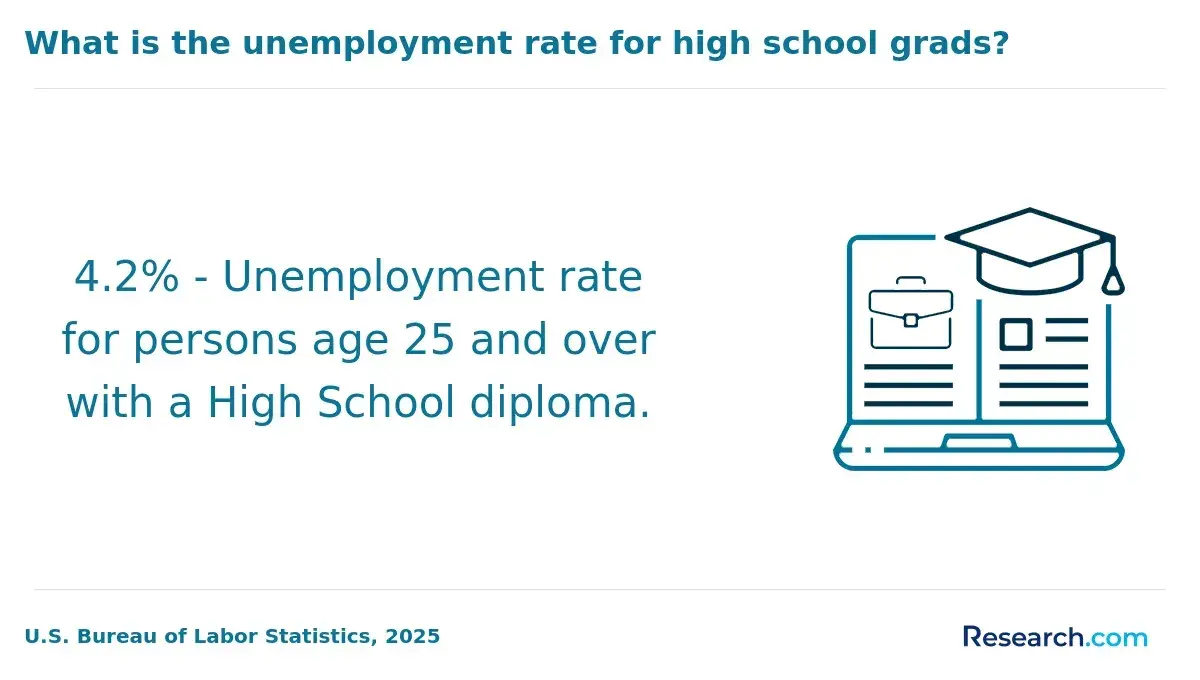
According to a 2024 report from the National Center for Education Statistics, over 45% of recent high school graduates entering STEM majors cite strong job market demand as a key motivation, reinforcing how enrollment decisions intersect with practical career planning. Deeper factors influencing the choice of Data Analytics among traditional students include university recruitment strategies that target high-achieving high school graduates and the role of guidance counselors who increasingly promote programs linked to stable, well-remunerated employment sectors.
Exposure to Data Analytics concepts through early college coursework or secondary education electives also shapes student preferences, embedding awareness of the field's relevance before formal enrollment. This enrollment pattern reflects college enrollment trends for younger Data Analytics learners, which, combined with the perceived job market stability, encourage the selection of programs with accessible internship opportunities and clear employer connections.
For students seeking flexible alternatives or career changes, online routes such as those offered by the cheapest criminal justice degree online programs represent a parallel but distinct pathway with different motivational dynamics.
Why Do Adult Learners Return to School for a Data Analytics Degree?
Adult learners pursuing a Data Analytics degree are primarily driven by the need to navigate career transitions that require updated technical competencies and analytical proficiency. Many seek to improve their marketability for higher-paying roles or to shift into sectors where data-driven decision-making is integral. This demographic often faces credential inflation, making formal education in analytics essential for wage progression and leadership opportunities that were less accessible without this specialized skill set.
Additional factors influencing adult enrollment include increasing employer support through tuition reimbursement and widespread availability of flexible, online Data Analytics programs. These accommodations help balance education with work and family commitments, addressing barriers that historically limited adult participation. Moreover, rapid industry evolution compels mid-career professionals to update their skill portfolios continually, particularly in applied analytics and data interpretation.
The growing presence of adult learners in Data Analytics programs impacts curricular design, emphasizing applied projects and real-world data scenarios over purely theoretical content. This shift underlines a broader trend towards competency-based education and influences peer learning dynamics, as diverse life and work experiences contribute to richer classroom engagement.
According to the National Center for Education Statistics, nearly half of postbaccalaureate enrollments in data-related fields are from students aged 25 or older, reflecting a significant reshaping of program accessibility and workforce development priorities.
How Do Academic Goals Vary Between Younger and Older Data Analytics Students?
Traditional-age students pursuing data analytics degrees generally approach their studies with an exploratory mindset, prioritizing broad foundational knowledge that supports entry-level employment or further academic pursuits. Their academic goals often include mastering diverse subfields such as machine learning and data visualization, which reflect a desire to remain flexible in a competitive job market.
Emphasizing internship opportunities and academic research, these students seek environments that foster networking and comprehensive skill-building, recognizing that early career stages require adaptability and a wide-ranging skill set. According to the 2024 National Center for Education Statistics report, about 60% of these students focus mainly on quickly entering the workforce with foundational competencies.
Conversely, adult learners in data analytics programs tend to pursue highly targeted educational objectives aligned closely with existing career responsibilities or upcoming role changes. Their priorities are shaped by immediate workplace demands, emphasizing technical skill upgrades, relevant certifications, and pragmatic learning formats like part-time or online classes that accommodate work-life balance.
A 2024 EDUCAUSE Horizon Report reveals that 72% of adult students prefer applied, real-world projects over theoretical coursework, reflecting their focus on credential completion and tangible employer expectations rather than broad academic exploration. This demographic's academic strategies often involve deliberate planning to bridge specific skill gaps or achieve promotions, making educational choices tightly integrated with professional advancement plans.
An adult learner returning to school shared that their application process was marked by uncertainty and timing challenges, particularly due to a rolling admissions system that complicated deciding when to apply. Balancing job commitments and family obligations made preparation sporadic, leading to hesitation about submitting materials too early or too late.
Eventually, securing a spot brought relief after months of strategically weighing application deadlines and potential financial aid options, underscoring how older students must navigate additional layers of planning and real-world constraints compared to their younger counterparts.
How Do Financial Concerns Differ Between Traditional Students and Adult Learners?
Traditional students pursuing a data analytics degree generally depend heavily on a mix of family support, federal financial aid, and student loans, which frames their financial concerns around tuition affordability and future debt obligations. Many in this group live in campus-centric settings, making their spending and borrowing patterns mainly short-term, focused on balancing immediate living expenses against the long-term impact of educational debt.
According to the National Center for Education Statistics, about 70% of full-time undergraduates utilize federal aid, underscoring structured borrowing as a core component of their financial strategy. This reliance influences how they weigh program costs, prioritizing tuition affordability and manageable repayment plans within the larger context of starting their careers and navigating early financial independence, shaping how financial concerns influence enrollment in data analytics programs.
Adult learners, often juggling family responsibilities, existing debts, and work commitments, face a more complex set of financial pressures that extend beyond tuition. Their decision-making incorporates opportunity costs such as lost wages when reducing work hours or attending classes, alongside childcare and household expenses, which amplify their sensitivity to flexible funding options, including employer tuition reimbursement and part-time study models.
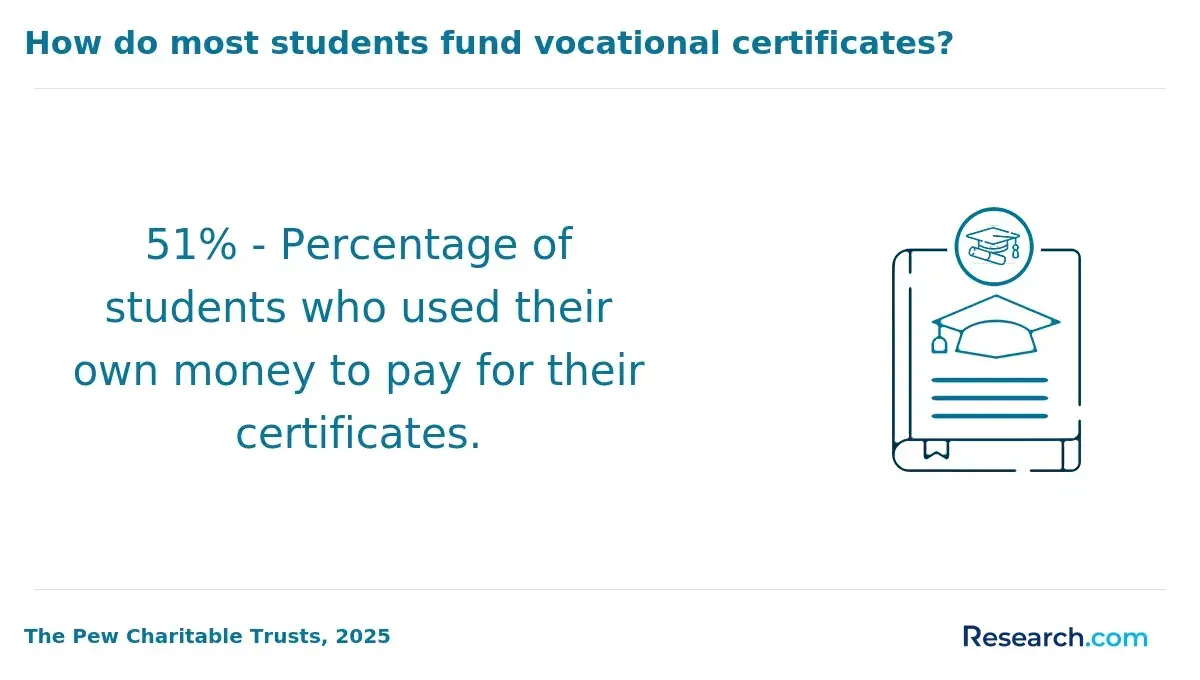
As noted by recent research, 42% of adult learners consider the return on investment when selecting programs, compared to 28% of traditional students, highlighting a pronounced focus on the longer-term career and income implications of their educational choices. This dynamic drives many adult students toward online formats or shorter, more intensive programs like 6-week certification programs online, allowing them to maintain employment and reduce opportunity costs.
These differing financial priorities directly influence enrollment patterns and program selection within the data analytics field. While traditional students might prioritize cost and campus experience, adult learners factor in accessibility, time flexibility, and employer support to optimize ROI, often selecting online or hybrid models that accommodate complex life circumstances.
Ultimately, these distinctions shape not only who enrolls but also persistence and completion outcomes, emphasizing how financial behavior and lifecycle economic planning are pivotal in understanding enrollment decisions for traditional versus adult learners pursuing data analytics.
What Challenges Do Adult Learners and Traditional Students Face While Earning a Data Analytics Degree?
Traditional students pursuing a data analytics degree often confront challenges rooted in adjusting to the formal academic environment and managing time within a structured schedule. Many are building foundational skills in mathematics and analytics, which requires developing discipline and adapting to coursework that balances theory with applied technical tools.
Time management can be constrained by social and developmental demands common during young adulthood, and while these students typically have recent exposure to formal education, they may lack practical experience applying complex software or coding languages essential to data analytics. The 2024 National Center for Education Statistics data highlights that just 15% of traditional students work full-time, allowing more focus on studies but also revealing potential difficulties in transitioning from academic learning to workforce expectations.
Adult learners face distinctly different pressures as they juggle full-time employment-experienced by 42% according to recent statistics-with family and caregiving responsibilities, which intensify time scarcity and stress. Returning to academia often means overcoming technological challenges, including adapting to new remote learning formats and software updates, with studies indicating that 38% of adult learners report difficulties in these areas.
Financial constraints are more acute for many adult students who rely on employer tuition assistance or personal savings, making them vulnerable to disruptions if employment circumstances shift. Their prior workplace experience can offer valuable context but requires significant relearning or updating of technical skills to meet current data analytics standards, complicating the balance between professional obligations and academic progress.
Institutions increasingly recognize these divergent needs by expanding flexible scheduling, online course offerings, and targeted advising to support retention and completion. Tailoring educational supports acknowledges that while traditional students benefit from structured environments and skill-building, adult learners require adaptable delivery modes and resources that accommodate complex life responsibilities.
This differentiation in support structures is vital given evidence linking higher dropout rates among adult data analytics students to external pressures, underscoring how programs must evolve to address the full spectrum of learner experiences and lifecycle challenges in this technically demanding field.
How Does Age Affect Data Analytics Degree Student Retention?
Younger data analytics students often struggle with retention due to the multifaceted transition from high school to higher education, which demands rapid academic adaptation and self-directed learning skills. Many face distractions outside the classroom, unclear career motivations, and financial instability, all of which can undermine persistence.
The pressure to balance social life, academic expectations, and sometimes part-time work creates competing demands that reduce focus and engagement early in their programs. National Center for Education Statistics data from 2024 notes that traditional students' first-year retention rates average about 65%, reflecting these pervasive challenges.
In contrast, adult learners in data analytics programs usually pursue education with clearer objectives tied to career advancement or skill upgrading, which bolsters their commitment and retention rates, often reaching around 75%. However, their progress can be hindered by limited time availability due to full-time jobs, family caregiving, and other personal responsibilities.
This demographic also encounters gaps in contemporary technological skills, requiring additional training or support not always available through conventional academic scheduling. Institutions that implement flexible course delivery and tailored services tend to enhance persistence among adult students, highlighting the importance of aligning program structures with diverse life circumstances.
A graduate recalled navigating the admissions process while managing a full-time job and family obligations, noting, "Waiting for the rolling admissions decision was stressful because I wasn't sure when to arrange my schedule, and any delay risked missing critical work deadlines."
"I had to prepare all my materials early but hold off on enrolling until I had formal approval, which meant balancing uncertainty with urgency. Once accepted, the relief was immediate, but it underscored how timing and readiness affect adult learners differently from younger peers who might have more flexible schedules."
Which Data Analytics Specializations Are Most Popular Among Adult Learners?
Adult learners enrolling in data analytics degree programs prioritize specializations that offer direct applicability to their current or desired roles, emphasizing quicker workforce integration and measurable career gains. These professionals often have established industry experience and seek to upskill with practical competencies that translate into salary advancement or smooth transitions to adjacent sectors.
This pattern reflects a pragmatic approach to specialization choice, favoring areas that complement existing skills while aligning tightly with employer demands in competitive markets. The 2024 National Center for Education Statistics report highlights that adults aged 25 and older most frequently select fields with clear utilization pathways, underscoring labor market alignment as a dominant factor in their decision-making.
- Business Analytics: Adult learners favor this specialization because it leverages managerial or industry experience, enhancing their ability to interpret data for strategic decision-making. This focus supports roles with direct ROI impact, appealing to professionals aiming for leadership or performance-driven functions.
- Data Visualization: This area attracts those who need to translate complex datasets into accessible formats across cross-functional teams. The skill set bolsters collaboration and storytelling with data, critical for roles bridging technical and business stakeholders.
- Applied Statistics: Chosen for its emphasis on quantitative rigor applied in real-world contexts like quality control and risk management, this specialization suits adults targeting industries where analytical precision informs operational decisions.
- Healthcare Data Analytics: Increasing demand across healthcare systems drives adult learners to this specialization, enabling transitions into a sector favoring data-driven patient outcomes and operational efficiencies.
- Marketing Analytics: Professionals with backgrounds in sales or marketing upskill through this specialization to quantify campaign effectiveness and customer insights, supporting career changers aiming for metric-driven roles.
This enrollment preference is notably distinct from traditional students, who gravitate toward emerging fields such as machine learning or AI-focused analytics that often require lengthier and more technically demanding upskilling paths. Adult learners instead prioritize pragmatic choices informed by immediate employability and relevance to their professional trajectories, aiming to maximize return on investment and workforce readiness.
Identifying top data analytics certification programs for working professionals often involves understanding how these specialization trends reflect adult learner priorities. Similarly, those seeking the best data analytics specializations for career changers should consider how these focus areas align with transferable skills and market demand.
For professionals exploring educational options tailored to adult learners, flexible, accessible formats ranked among the easiest MBA programs to get into also influence specialization choice, given the need to balance upskilling with work and life commitments.
How Does Age Affect Job Opportunities for Data Analytics Graduates?
Younger data analytics graduates generally find job opportunities focused on entry-level positions designed to build foundational skills and accommodate high adaptability to rapidly evolving technologies. Employers frequently tap into internship pipelines and campus recruitment to attract these candidates, who often range from 18 to 24 years old, aligning with traditional enrollment patterns.
According to 2024 data from the U.S. Bureau of Labor Statistics, this group benefits from labor market structures that prioritize early-career learning and progression, though they face heavy competition in roles intended for initial professional development. Such hiring patterns reflect a lifecycle orientation favoring recent graduates with limited work history but strong potential for growth, which is a critical aspect when examining job opportunities for data analytics graduates by age group.
Conversely, older data analytics graduates, often adult learners returning to education for career transitions or advancement, encounter a mixed landscape shaped by their prior work experience and transferable skills. While they might bypass some entry-level barriers by presenting industry knowledge and analytical maturity, persistent employer concerns about salary expectations and cultural fit can hinder opportunities, factors noted in a 2024 Pew Research Center study on hiring biases.
For these graduates, targeted networking, continuous learning, and leveraging programs such as a geoscience online degree demonstrate how adult learners can offset perceived age-related limitations and align with evolving career paths. Understanding these dynamics is essential within career advancement trends for adult data analytics learners, emphasizing how workforce segmentation drives real hiring outcomes beyond educational credentials alone.
What Do Current Data Analytics Enrollment Trends Reveal About Future Demand?
Rising enrollment in data analytics degree programs reflects an evolving recognition of its career value among both traditional students and adult learners. Growth in adult learner participation-over 15% in two years, according to the National Center for Education Statistics 2024 report, signals increasing demand for adaptable, flexible credentials suited to mid-career shifts and skill upgrades.
This demographic shift suggests students prioritize programs that balance foundational theory with applicable skills, emphasizing practical outcomes over purely academic exploration. Specialization preferences and online program availability also highlight a market-driven realignment where learners seek targeted competencies addressing real-world challenges rather than broad, generalized curricula.
These enrollment patterns correspond closely with labor market signals showing heightened employer demand for candidates who combine technical proficiency with applied problem-solving abilities. Industries experiencing rapid digital transformation and workforce shortages drive expanded program capacity and diversification, encouraging universities to integrate competency-based learning models.
Consequently, program growth will likely favor specializations aligned with emerging technologies and sector-specific data applications, positioning data analytics degrees as critical pipeline components for workforce readiness in dynamic economic contexts.
References
- Big Data Analytics in Education Market https://market.us/report/big-data-analytics-in-education-market/
- Going Back to School as an Adult: 2025 Trends & Stats - EWU https://online.ewu.edu/degrees/going-back-to-school-adults/
- 5 Business Analytics Trends to Watch for in 2025 and Beyond - The Quantic Blog https://quantic.edu/blog/2025/02/10/5-business-analytic-trends-to-watch-for-in-2025-and-beyond/
- The Role of Data Analytics in Managing Student Success and Retention https://www.quadc.io/blog/the-role-of-data-analytics-in-managing-student-success-and-retention
- The Rise of Data Science and Data Analytics Programs https://encoura.org/resources/wake-up-call/the-rise-of-data-science-and-data-analytics-programs
- How Women Can Restart Their Career In Data Analytics https://shecancode.io/how-women-can-restart-their-career-in-data-analytics/
- Predictive Analytics for Student Retention | Further https://further.ai/blog/using-predictive-analytics-to-improve-student-retention
- The Rise of Data Science and Data Analytics Programs https://www.encoura.org/resources/wake-up-call/the-rise-of-data-science-and-data-analytics-programs/
Other Things You Should Know About Data Analytics
Adult learners typically benefit more from programs emphasizing practical, hands-on skills because these align closely with immediate workplace demands and career transitions. Programs with strong experiential learning components, like real-world projects and internships, often yield better employment outcomes for adults seeking career advancement. While a theoretical foundation is important, adult learners should weigh the tradeoff between in-depth theory and applied skills based on their career goals and current professional context.
Employers increasingly value both formal degrees and industry-recognized certifications in data analytics, but adult learners may find certifications more immediately marketable given their shorter time and cost commitments. Conversely, traditional students often pursue full degrees that provide a more comprehensive education, positioning them for entry-level roles with upward mobility. Adults should carefully assess whether their goals prioritize quick skill validation or long-term educational credentials, as this choice impacts program selection and future career flexibility.
Traditional students typically benefit from peer interaction with similarly aged classmates, fostering collaborative learning and networking opportunities that align with common career stages. In contrast, adult learners often experience more diverse cohorts in age and work background, which can enrich discussions but may also slow down group dynamics due to varied skill levels and different life priorities. Adult learners should consider whether program structures support inclusive engagement and provide tailored support to leverage this diversity effectively.