2027 Highest-Paying Marine Science Master's Specializations Ranked

Co-Founder and Chief Data Scientist
Salary variation across marine science master's specializations often reflects differences in industry demand, technical expertise, and credentialing hurdles rather than inherent program prestige. Specializations tied to emerging environmental regulations or advanced technological applications typically command premium compensation due to workforce scarcity and complex skill requirements. Meanwhile, roles concentrated in specific geographic areas or sectors may offer variable pay linked to regional market dynamics and organizational funding. Compensation also corresponds with advancement opportunities and leadership expectations, influencing long-term earning trajectories. This article analyzes how these structural and labor market factors shape salary outcomes, providing a practical framework for evaluating marine science master's specializations beyond surface-level earnings.
Key Benefits of the Highest-Paying Marine Science Master's Specializations
- Specializations with strong quantitative modeling demands align with increasing employer preference for data-driven decision making, reflecting a workforce trend toward candidates proficient in advanced analytics within marine ecosystems.
- The intensive lab and fieldwork required in certain specializations create practical barriers, limiting access for students unable to commit sustained in-person time, thus affecting enrollment diversity and long-term talent pipeline robustness.
- A 2024 industry report highlights ecosystem restoration expertise as a key growth area, signaling that graduates with this specialization face expanding opportunities, although tradeoffs include navigating evolving regulatory frameworks and interdisciplinary role expectations.
What Are the Top-Paying Careers for Marine Science Master's Graduates?
Salary potential for master's graduates in marine science varies significantly based on specialization, with compensation reflecting alignment to labor market demand, technical expertise, and the strategic value of skills within industry sectors. Differences in pay often stem from the economic pressures shaping offshore industries, ongoing technological innovation, stringent regulatory requirements, and roles demanding high-impact decision-making and operational leadership rather than degree attainment alone.
- Ocean Engineer and Marine Technology Specialist ($90,000-$120,000): These roles command the highest salaries due to their critical involvement in designing, deploying, and maintaining underwater systems like remotely operated vehicles (ROVs). Data from the U.S. Bureau of Labor Statistics emphasize how this specialization's blend of engineering and marine science meets a scarcity of professionals capable of supporting offshore energy, defense, and deep-sea research infrastructure, placing practitioners in high demand with technical leadership responsibilities.
- Marine Environmental Consultant ($80,000-$110,000): Reflecting increased environmental regulation and climate impact mitigation, professionals in this space command premium pay. Their expertise navigating complex EPA standards and assisting both private and public sectors in compliance and risk assessment underpins higher compensation, with Glassdoor data showing competitive salaries aligned with the urgency of ecological stewardship and statute adherence.
- Marine Biotechnologist and Pharmacology Researcher ($75,000-$105,000): Leveraging marine organisms for biomedical and industrial applications, specialists in this field benefit from significant biotech investment and interdisciplinary collaboration. The PayScale reports highlight elevated earnings linked to the innovative, IP-driven nature of marine biotechnology and the high barriers to entry, including specialized lab techniques and regulatory approval pathways.
- Fisheries Science Manager ($70,000-$95,000): Organizational leadership in sustainable fisheries involves not only biological expertise but also complex policy negotiation and resource economics. This role's compensation reflects the dual pressure of ecosystem conservation and commercial viability, with analysis from Lightcast indicating increasing employer demand for managers who can balance ecosystem health with regulatory and industry requirements.
- Marine Geospatial Analyst ($70,000-$95,000): Specialists who combine geographic information systems (GIS) with marine data support critical decision-making in spatial planning, resource management, and environmental monitoring. Employment data reflect a strong premium for professionals able to integrate multidisciplinary datasets for actionable insights in government and corporate sectors.
- Marine Policy Advisor ($70,000-$95,000): This role commands salaries tied to expert interpretation of complex maritime laws and interagency coordination. Industry reports show that marine policy advisors often influence regulatory frameworks and compliance strategies, which justifies compensation linked to their impact on conservation and resource exploitation balance.
- Marine Science Data Analyst ($65,000-$90,000): Increasingly vital for interpreting large datasets from oceanographic sensors and models, these analysts bridge domain expertise and data science. PayScale data illustrate growing investment in this role due to the premium on evidence-based environmental management and predictive analytics within marine research and industry applications.
- Marine Environmental Compliance Specialist ($65,000-$85,000): Focused on ensuring adherence to local, national, and international marine regulations, these professionals face challenging environments in project oversight and reporting. Higher salaries correspond to the complexity and regulatory risk associated with coastal development and marine resource exploitation.
- Coastal Resource Manager ($60,000-$85,000): Responsible for balancing ecological preservation with economic development in coastal zones, this specialization requires interdisciplinary expertise and stakeholder engagement. Compensation levels reflect the strategic importance of maintaining productive, resilient coastal environments within shifting climate conditions.
- Marine Biology Academic and Research Scientist ($50,000-$75,000): While foundational to marine science knowledge, academic-focused positions generally offer lower starting salaries due to extended career progression and reliance on grant funding. These roles entail long-term commitment to research and teaching, with compensation figures drawn from NCES and university salary surveys illustrating slower financial growth relative to industry-aligned specialties.
These distinctions in pay affirm that mastering advanced technical proficiencies, navigating regulatory complexity, and assuming leadership in operationally critical environments substantially enhance earning potential for marine science master's graduates. Professionals prioritizing applied sectors like ocean engineering, environmental consulting, and biotechnology increasingly capitalize on market demands shaped by innovation, compliance costs, and resource management challenges. Prospective students should therefore assess the interplay of specialization rigor, industry dynamics, and long-term viability rather than rely on generic degree categories when measuring salary and career expectations within marine science.
For graduates considering career pivots or supplementary certifications, related fields such as a medical billing and coding certificate demonstrate how cross-disciplinary credentials might complement marine resource management in health or administrative sectors, although these typically align outside the highest marine science salary tiers.
Which Industries Pay the Highest Salaries for Marine Science Master's Graduates?
Salary variation for graduates holding a master's in marine science reflects broader economic and operational realities rather than the credential itself. The highest compensation aligns with sectors where marine science expertise mitigates significant financial, environmental, or regulatory risks, often within industries possessing high revenue potential and complex technical demands. As a result, marine science specialists frequently see their value amplified in industries facing stringent compliance pressures, volatile markets, or niche technological challenges.
Below is a ranked analysis of the top-paying industries for marine science master's graduates, grounded in 2024 labor market data and sector-specific workforce dynamics.
- Petroleum and Energy Sector (Approx. $90,000-$130,000): This sector leads in salary levels due to the critical role marine scientists play in offshore drilling impact assessments, environmental compliance, and risk management. High profit margins in oil and gas allow companies to invest heavily in specialized environmental expertise to avoid costly fines and operational delays. According to the U.S. Bureau of Labor Statistics, marine science roles tied to this industry benefit from premium compensation owing to the sector's exposure to regulatory scrutiny and ecosystem risks.
- Environmental Consulting Firms (Approx. $70,000-$110,000): Consulting remains a lucrative path driven by demand from government agencies and private developers undergoing complex permitting processes. PayScale reports salaries here reflect not only scientific acumen but also project management and certification credentials that add client value. The competitive market for consultants capable of delivering actionable, regulatory-compliant studies sustains above-average pay.
- Marine Technology and Maritime Logistics (Approx. $65,000-$95,000): Specialists in marine robotics, data analytics, and environmental monitoring are increasingly essential as digital tools reshape ocean management. Growth in this niche benefits from rapid innovation and a limited talent pool, pushing salaries higher. Industry analyses from Lightcast highlight how technological adaptation in marine sectors correlates directly with rising demand for technically skilled marine scientists.
- Government Agencies (NOAA, EPA, State Environmental Departments) (Approx. $60,000-$85,000): Federal and state roles offer stable compensation packages with mid-level salaries but notable job security and benefits. These positions center on large-scale research and policy implementation rather than immediate revenue generation, explaining their moderate pay scale. However, the strategic importance and influence of these jobs confer long-term career capital, as confirmed by Glassdoor salary and employment trend reviews.
- Offshore Renewable Energy (Approx. $65,000-$90,000): Expanding offshore wind and tidal power installations demand marine science expertise to assess ecological impacts, site suitability, and compliance. The sector's nascent but rapidly growing nature involves complex environmental permitting, resulting in competitive salaries reported in recent McKinsey workforce studies.
- Marine Conservation Nonprofits and NGOs (Approx. $50,000-$75,000): These organizations typically have tighter budget constraints, which limit salary ceilings despite the high social impact and technical knowledge required. Nonetheless, roles that secure grant funding and specialist partnerships can occasionally command elevated compensation levels, as noted in specialized PayScale survey subsets.
- Academic and Research Institutions (Approx. $45,000-$70,000): Salary limitations reflect dependence on grant funding and institutional budgets, which can fluctuate significantly. Tenure-track or research-focused positions reward scholarly productivity and external funding ability more than immediate financial returns. The BLS notes entry-level salaries here tend to trail industry peers but offer prestige and intellectual freedom.
- Fisheries and Aquaculture Industry (Approx. $50,000-$80,000): Marine scientists supporting sustainable fisheries management and aquaculture work experience moderate salary levels influenced by regional industry size and investment. Regulatory oversight and sustainable practice certification efforts add incremental financial support detailed in Robert Half's workforce surveys.
- Maritime Insurance and Risk Assessment (Approx. $60,000-$85,000): This niche leverages marine science for evaluating ecological risks associated with shipping, offshore infrastructure, and marine liabilities. Compensation levels reflect the specialized nature and strategic importance of accurate environmental risk modeling demanded by insurers, as described in Lightcast and industry risk assessments.
- Coastal Urban Development and Infrastructure (Approx. $55,000-$80,000): Marine scientists advising on habitat restoration, erosion control, and regulatory compliance for urban waterfront projects find increasing demand in this sector. PayScale notes competitive salary ranges tempered by project-based contracts and regional market differences.
Which Marine Science Specializations Have the Strongest Job Outlook?
Job outlook assessments reflect evolving workforce demands influenced by technological advances, regulatory shifts, and economic priorities rather than static degree popularity. The strongest marine science specializations align closely with emerging industry needs where innovation, policy expansion, and skill shortages converge to boost employment opportunities.
- Oceanographic Data Science and Remote Sensing: This specialization benefits significantly from the integration of advanced data analytics, machine learning, and satellite technologies into ocean monitoring and maritime security. According to 2024 data from the U.S. Bureau of Labor Statistics and Glassdoor Economic Research, demand is rising rapidly as agencies and private firms invest in digital transformation, making these roles relatively automation-resistant and highly prized for their cross-sector applicability.
- Marine Renewable Energy: The accelerating deployment of offshore wind, tidal, and wave energy projects drives one of the fastest employment growth rates in marine science. Workforce research highlights significant industry urgency to recruit experts adept at navigating both environmental and engineering challenges, which sustains strong salary prospects despite the technical complexity and evolving regulatory landscape involved.
- Marine Ecology and Conservation: Steady labor market expansion here is propelled by intensifying global efforts to preserve biodiversity and mitigate climate change impacts. Stability in jobs arises from increasing roles in environmental consulting and public agencies, although salary growth tends to lag behind tech-focused fields. The tradeoff involves balancing less volatility with moderate income progression and a requirement for hands-on ecosystem expertise.
- Fisheries Science and Aquaculture: Although job growth is comparatively slower, this field maintains consistent demand due to ongoing food security concerns and sustainable resource management needs. Labor market evaluations show resilience against automated substitutes but modest financial upside. Graduates must be prepared for a career often defined by regulatory complexity and diverse sectoral applications, from research to policy enforcement.
A professional who transitioned into oceanographic data science recalls initially hesitating due to the steep learning curve in computational methods. The urgency of gaining skills in machine learning became clear as employers increasingly prioritized candidates who could handle large-scale ocean data integration. Over time, this specialization not only offered competitive starting salaries but also access to interdisciplinary projects, alleviating earlier concerns about limited traditional marine science roles. The blend of technical challenge and expanding job openings made the pivot a pragmatic and ultimately rewarding decision.
Which Marine Science Master's Specializations Have the Best Long-Term Salary Growth?
Long-term salary growth in marine science master's specializations hinges less on initial pay and more on factors like career ceilings, scarcity of advanced expertise, leadership transition rates, and shifting industry priorities. Certain specializations begin with modest salaries but experience accelerated wage appreciation as demand structurally expands and senior roles become tightly contested.
- Marine Environmental Policy and Management: This specialization registers strong compounded salary growth due to increasing government and NGO investment in climate resilience and blue economy governance. As environmental regulations intensify, experts adept in legal, economic, and ecological interfaces advance rapidly into decision-making roles. Labor market analyses consistently highlight a leadership pipeline bottleneck, which boosts remuneration for seasoned professionals with combined science-policy skills.
- Marine Biotechnology and Bioinformatics: Growth in this area is propelled by ongoing innovation in marine-derived drug development and biomaterials. Workforce data reveal that as biomedical applications expand into coastal industry hubs, individuals adept at bioinformatics command rising compensation, especially when transitioning into research management or commercial product roles resilient to automation.
- Offshore Renewable Energy Sciences: As energy policies pivot toward sustainable sources, specialists integrating marine environment knowledge with engineering increasingly fill high-impact infrastructure and environmental assessment positions. This sector demonstrates a salary growth trajectory tied to rapid project expansion and the need for mid-to-upper level technical leads, supported by data showing sustained sector hiring and leadership wage premiums.
In contrast, traditional marine biology or oceanography tracks tend to face limited long-term salary growth due to fluctuating research funding and slower private sector integration. Those exploring pathways for graduate studies should weigh these dynamics against their own career goals and labor market realities, similar to considerations seen in fields like medical coder salary trajectories where specialization depth influences career income evolution.
What Skills Lead to the Highest Salaries in Marine Science Careers?
Salary levels in marine science careers depend far more on specialized competencies than on degree titles alone. Mastery of certain strategic skills consistently unlocks access to senior positions, accelerates promotion timelines, and opens doors to higher-paying sectors within the discipline.
- Advanced Data Analysis and Modeling: Proficiency in managing complex datasets and developing predictive models drives higher pay by supporting critical research and policy decisions. According to PayScale and BLS data, professionals applying statistical and computational techniques to areas like climate impact modeling or fisheries yield optimization command premium salaries due to the technical complexity and decision-making authority involved.
- GIS and Remote Sensing Expertise: Skills in spatial data interpretation for environmental monitoring and resource management are scarce and highly valued. Government and private employers reward these capabilities with elevated compensation because they underpin essential operational insights in habitat mapping and environmental change tracking, as supported by recent labor market analyses.
- Programming and Software Development: Competence with tools such as Python, R, and MATLAB enhances salary potential by enabling automation and real-time monitoring systems. This technical versatility meets the rising demand for multidisciplinary expertise, a trend documented in 2024 workforce reports highlighting its impact on both efficiency and innovation.
- Project Management and Leadership: Managing budgets, regulatory compliance, and stakeholder communications translates into salary gains by qualifying professionals for leadership roles. McKinsey and Glassdoor research emphasize how overseeing applied research and conservation initiatives elevates compensation through increased responsibility and organizational impact.
- Marine Policy and Regulatory Acumen: Deep knowledge of environmental laws and negotiation skills drives higher earnings primarily in consultancy and advisory capacities. The ability to navigate complex regulatory frameworks adds strategic value to government and NGO clients, which correlates with higher pay scales according to industry compensation surveys.
One professional specializing in marine science recalls grappling with uncertainty during the rolling admissions process for a master's program. After submitting materials early, the wait extended longer than anticipated, leading to hesitation about committing to any offer without a clear timeline. This delay affected financial and career planning, underscoring how timing and preparatory strategy can critically influence graduate education decisions, especially when aiming to align skill development with timely market demands.
Which Certifications Increase Salary Potential After Graduation?
Certifications serve as strategic labor market signals in marine science careers, often accelerating salary growth by unlocking specialized roles, enhancing credibility in competitive hiring pipelines, and shortening the time to promotion in technical or leadership tracks. For master's graduates, targeted certifications validate advanced expertise and meet specific employer demands, directly influencing compensation.
- Certified Professional Environmental Auditor (CPEA): This credential notably benefits those in environmental compliance and assessment roles, where regulatory scrutiny and sustainability goals are increasing. Workforce data indicate professionals with CPEA certification earn 10% to 15% higher salaries than uncertified peers, reflecting its role in signaling both technical proficiency and familiarity with evolving environmental standards, which government and private marine resource management firms prioritize.
- Certified Marine Environmental Scientist (CMES): Recognized by marine research institutions and environmental policy organizations, this certification enhances salary potential by facilitating movement into senior technical and managerial positions. According to PayScale, CMES holders have median salaries approximately 12% higher than non-holders, though attaining this certification requires substantial field experience and a comprehensive applied research portfolio, factors that may delay immediate salary increases.
- Certification in Maritime Safety and Security Management (IMO): Particularly relevant for marine science professionals eyeing maritime operations or offshore energy sectors, this credential aligns with strict regulatory frameworks. Glassdoor Economic Research shows a 15% to 20% salary uplift for those combining IMO certification with marine science qualifications. Its value lies in meeting operational safety standards and regulatory compliance, though it demands ongoing education and periodic renewal to retain its market edge.
Different certifications also suit various specialization paths, underlining the need for candidates to weigh preparation time, costs, and long-term professional development. For those exploring advanced degrees in related fields, options like a PhD in healthcare management may offer complementary leadership and regulatory expertise applicable in environmental health sectors, broadening career trajectories.
The highest-paying marine science master's certifications typically combine technical rigor with regulatory or managerial competencies, boosting employability in niche market segments while aligning with employer preference for certified, experienced professionals.
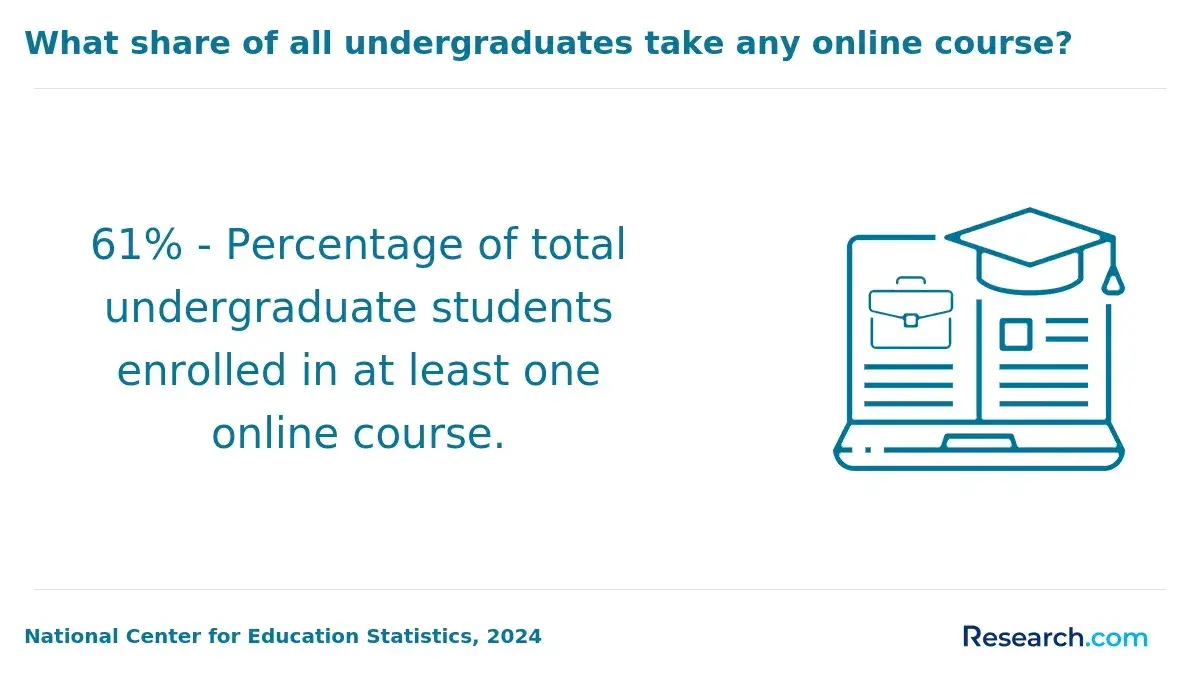
How Do Online and Campus Specialization Salaries Compare?
Salary differences between online and campus master's specializations in Marine Science are influenced less by delivery format itself and more by the quality of program design, particularly the integration of hands-on research, fieldwork, and internship opportunities. Employer recognition increasingly favors accredited programs that replicate real-world lab and project experiences regardless of mode. However, programs emphasizing extensive faculty mentorship, advanced technical skill development, and immersive cohort interactions often enable campus graduates to access slightly higher earnings early on due to deeper workforce integration and more direct access to institutional resources.
Professionals pursuing online degrees frequently balance part-time study with employment, which can slow initial salary growth compared to campus peers engaged full-time and benefiting from immediate internship placements or structured networking within their specialization's sector. This pacing impacts early-career wage trajectories even though comparable mid-career salaries may narrow as online students accrue experience. Data from the U.S. Department of Education in 2024 shows median starting salaries in marine science specialties with applied focus vary by less than 5% between online and traditional formats, highlighting how experiential learning and connections rather than format alone drive compensation patterns.
Employer attitudes often reflect nuance: some sectors, such as environmental consulting and governmental agencies, show growing neutrality toward online credentials when applicants demonstrate equivalent technical competence. Online programs with strong industry partnerships and project-based curricula can rival campus-based offerings by providing relevant skill-building aligned with market demands. Ultimately, salary trajectories depend significantly on specialization intensity, access to opportunity networks, and program design rather than delivery mode, making these tradeoffs critical for students prioritizing long-term career and earnings potential in Marine Science.
Which Specializations Are Best for Career Advancement Among Working Professionals?
Career advancement for working professionals pursuing a master's in marine science depends largely on selecting specializations that directly integrate with promotion pathways, leadership roles, and high-responsibility functions within their industries. Certain specializations enable faster transitions into managerial or senior technical positions by aligning educational outcomes with employer demand and organizational structures that reward expertise and cross-functional capabilities.
- Marine Policy and Management: This specialization stands out for professionals targeting leadership tracks within government agencies, nonprofits, and consulting firms where regulatory expertise, resource governance, and stakeholder negotiation are critical. According to labor market insights from the U.S. Bureau of Labor Statistics, roles involving environmental regulation and policy administration often lead to mid- and upper-level management faster due to the complexity and legal accountability embedded in these positions.
- Ocean Engineering: Integrating engineering skills with marine science, this specialization supports rapid vertical growth into senior technical roles, especially in sectors like offshore energy and maritime defense. Market data from Lightcast indicates ocean engineering graduates command some of the highest starting salaries and benefit from robust upward mobility, driven by continuous demand for infrastructure innovation and technical project leadership.
- Marine Biotechnology: While more research-intensive, this path facilitates advancement primarily through specialization in R&D leadership and biotech entrepreneurship. Glassdoor Economic Research highlights that professionals with marine biotech expertise transition into senior scientific or management posts within private-sector innovation hubs, enabled by their niche technical proficiency and grant-driven funding models.
Are the Highest-Paying Marine Science Specializations Also the Most Stressful?
The highest-paying marine science master's specializations often correlate with elevated stress levels due to the significant responsibility scale, regulatory exposure, and time-sensitive decision-making they demand. Roles in marine geophysics, ocean engineering, and policy advisory require managing complex technical projects that directly influence resource management and infrastructure development under tight deadlines. The interplay between compensation and stress in these positions is tied to performance-based accountability and critical stakeholder impact, not just workload volume. This relationship reflects labor market structures where higher salaries compensate for increased cognitive, emotional, and physical demands, highlighting why certain specializations with peak earnings also carry elevated pressure, which is a key stress factor in top-paying marine science careers.
However, stress levels vary widely across industries and roles even within the same specialization. Factors such as organizational support, automation of routine tasks, team collaboration, and career stage significantly mediate workload intensity and burnout risk. For example, marine biotechnology positions may offer lucrative salaries yet provide structured environments that reduce unpredictable stressors. Evaluating long-term sustainability requires weighing salary potential alongside work-life balance and employer expectations. As recent data show, individual workplace culture can heavily influence stress outcomes. Prospective professionals should also consider practical resources like the how much do DNP nurses make studies to benchmark compensation against stress and career demands when selecting a specialization aligned with their tolerance and goals.
How Can Students Align Specialization Choices With Long-Term Career Goals?
Choosing a specialization within a marine science master's program is a strategic career decision that extends far beyond academic interest. Specialization choices can significantly shape career trajectory, salary potential, and leadership opportunities depending on their alignment with industry demand and personal career direction. Effective alignment enhances employability and supports sustained career growth in a dynamic labor market.
How to choose marine science master's specializations for career growth requires understanding that today's specialization decisions impact long-term outcomes, not just immediate job placement.
- Evaluate Labor Market Demand Trends: Use data from sources like the U.S. Bureau of Labor Statistics and industry reports to identify which specializations offer growing opportunities. Prioritizing fields such as marine biotechnology or coastal resilience planning can improve job stability and salary prospects over time.
- Map Specialization Skills to Career Paths: Analyze how specific skills from your specialization translate to roles across sectors, including government, private industry, or nonprofits. For example, skills in oceanographic data analysis open doors beyond academia into energy and environmental technology industries.
- Prioritize Skill Transferability: Focus on competencies that remain valuable amid evolving environmental and technological landscapes, such as quantitative analysis, technical aptitude, or interdisciplinary communication. Broadly transferable skills provide resilience if industry demands shift.
- Balance Short-Term Access with Long-Term Growth: Some specializations offer easier entry into the workforce but slower salary growth. Others may limit initial options but lead to niche expertise commanding higher long-term compensation and leadership roles.
- Consider Lifestyle and Workload Implications: Evaluate the demands of fieldwork, geographic mobility, and workload tied to each specialization. Sustainable careers balance professional growth with personal well-being and long-term job satisfaction.
Aligning specialization choices with long-term marine science career goals requires integrating these factors into a coherent decision framework. For those exploring related environmental career routes, consulting resources on the best online EHS programs may provide additional insights into complementary fields and pathways.
What Graduates Say About the Highest-Paying Marine Science Master's Specializations
- Louie: "Completing my master's specialization in marine science gave me a solid foundation, but I quickly realized employers were more interested in hands-on experience and a strong portfolio than just the degree. Internships during the program were crucial for landing a position, as many roles prioritize practical skills over licensure. Navigating early career choices meant balancing remote work flexibility with the need to build substantial field experience."
- Zamir: "I entered the workforce confident due to the technical knowledge gained through my marine science specialization, but I was surprised by the slow salary growth without additional certifications. Advancement often depended on licensure or specialized credentials, which I hadn't pursued initially. That reality pushed me to reassess my goals and consider further credentialing to improve my prospects and move beyond entry-level roles."
- Matthew: "The program's focus on research methodologies helped me pivot into environmental consulting rather than the traditional marine biology path. Though competition for classic field scientist jobs remains stiff, the flexibility to work in consulting and policy roles remotely has made a big difference. Understanding industry hiring realities early allowed me to carve out a niche and avoid overspecializing too soon."
Other Things You Should Know About Marine Science Degrees
The distribution of practical experience significantly influences job prospects, as some high-paying specializations require extensive hands-on fieldwork while others emphasize lab-based research. Specializations with demanding fieldwork components often lead to roles requiring physical endurance and adaptability but may limit opportunities if you prefer controlled environments. Conversely, lab-focused tracks can position graduates well for analytical or technical jobs but might narrow exposure to broader ecological contexts, affecting versatility in certain employers' eyes. Prioritizing programs that match your preferred working conditions can improve long-term employment stability and satisfaction.
Highly specialized programs usually offer deeper expertise that aligns with specific industry sectors or research domains, often resulting in higher starting salaries. However, this focus may limit flexibility if career goals evolve or if economic shifts reduce demand for that niche. Broad interdisciplinary programs provide diverse skills and adaptability but can dilute mastery, potentially lowering initial salary offers in competitive subfields. Students should weigh their certainty about career direction against the need for versatility, with a slight preference for specialization if aiming for the highest immediate earnings in targeted roles.
The top-paying specializations in marine science for 2027 include Marine Biotechnology, Ocean Engineering, and Coastal Zone Management. These fields are in high demand due to technological advancements and growing environmental concerns, offering lucrative salary opportunities for master's graduates.
Employers in high-paying marine science sectors often favor candidates with proven research competency, but the preferred nature of that experience varies. Applied specializations typically require demonstrable skills in deploying technologies or managing real-world projects, aligning with operational or consulting roles. Theoretical tracks emphasize modeling or data analysis, suiting research institutions or policy development positions. Selecting a specialization aligned with the dominant employer demand in your target sector can substantially enhance hiring prospects and initial compensation.
References
- How to Choose the Right Specialisation for Your Career Goals https://www.unicaf.org/how-to-choose-the-right-specialisation-for-your-career-goals/
- How to become a marine biologist? | Conservation Careers https://www.conservation-careers.com/how-to-become-a-marine-biologist/
- Top 16 Best Paying Marine Biology Jobs in 2026: Complete Career Guide for UK Professionals https://nextgenlearning.org.uk/highest-paying-marine-biology-jobs-2026/
- Top 10 Highest Paying Marine Biology Jobs 2025 (Inc Salaries) | Nexford University https://www.nexford.edu/insights/highest-paying-marine-biology-jobs
- More than a Hobby: Marine Science Career Development through the Lens of Social Cognitive Career Theory | Current: The Journal of Marine Education https://current-journal.com/articles/10.5334/cjme.83
- Study Marine Science - Experience, Job Opportunities, Salary + Survey https://jobtensor.com/uk/Studies/Marine-Science
- 10 careers you can have with a Marine Science degree - SAMS UHI Student Blog https://blog.sams.ac.uk/10-careers-you-can-have-with-a-marine-science-degree/
- Top 5 Master Programs in Marine Sciences • Blue-Jobs • The online platform to find a job in marine sciences https://blue-jobs.com/2024/06/12/top-5-master-programs-in-marine-sciences/
- 10 Jobs You Can Get With a Marine Biology Degree https://www.seamester.com/blog/10-jobs-you-can-get-with-a-marine-biology-degree/
- Frequently Asked Questions https://www.marinecareers.net/frequently-asked-questions