2027 Science Degree Enrollment Trends by Age Group: Traditional Students vs Adult Learners

Co-Founder and Chief Data Scientist
Enrolling in science degree programs frequently reflects workforce demands shaped by stringent licensing and credentialing standards. Traditional students, typically aged 18 to 24, navigate curricula aligned with early career entry, while adult learners often balance reskilling amid economic disruptions and shifting industry requirements. Notably, employment projections show a 7% growth for science-related occupations through 2030, intensifying competition for roles that mandate robust technical portfolios and practicum experience.
The higher incidence of adult learners enrolling part-time suggests barriers tied to program accessibility and professional obligations. This age-diverse enrollment signals evolving educational models responding to complex labor market dynamics within the science sector.
Key Things to Know About Science Degree Enrollment Trends by Age Group
- Traditional college-age students dominate enrollment in science degrees, reflecting early workforce entry priorities, but this trend may limit adult learners' access to foundational lab experiences critical for advanced roles.
- Employers increasingly value applied research experience in science graduates; younger students benefit from integrated internships, while adult enrollees often face challenges securing these, impacting career trajectory.
- Adult learners enrolling in science face higher cumulative costs due to prolonged program durations and fewer full-time study options, necessitating strategic planning around timing and resource allocation.
- Key Things to Know About Science Degree Enrollment Trends by Age Group Key Things to Know About Science Degree Enrollment Trends by Age Group
- Which Age Groups Represent the Largest Share of Science Students? Students by Age Group
- Why Do Traditional Students Choose Science Degree Programs? Traditional Students
- Why Do Adult Learners Return to School for a Science Degree? Adult Learners
- How Do Academic Goals Vary Between Younger and Older Science Students? Academic Goals by Age Group
- How Do Financial Concerns Differ Between Traditional Students and Adult Learners? Financial Concerns by Age Group
- What Challenges Do Adult Learners and Traditional Students Face While Earning a Science Degree? Student Challenges by Age Group
- How Does Age Affect Science Degree Student Retention? Age and Student Retention
- Which Science Specializations Are Most Popular Among Adult Learners? Top Specializations for Adult Learners
- How Does Age Affect Job Opportunities for Science Graduates? Impact of Age in Job Opportunities
- What Do Current Science Enrollment Trends Reveal About Future Demand? What Do Current Science Enrollment Trends Reveal About Future Demand?
Which Age Groups Represent the Largest Share of Science Students?
Science programs attract learners at various stages of life, yet enrollment tends to concentrate within certain age groups due to differences in career timelines, financial readiness, and educational access. These age patterns reflect broader labor market entry points, the timing of career shifts, and structural factors shaping academic pathways rather than just individual academic preferences.
Evaluating science degree enrollment by age group in the US offers insight into how workforce needs and educational infrastructure interact to influence student composition.
- Ages 18-24: This group represents the largest segment of science students, typically enrolling as full-time, first-time college attendees progressing directly from high school. Their dominance is linked to conventional academic trajectories that align with employer expectations for recent graduates to fill entry-level scientific roles requiring up-to-date technical knowledge.
- Ages 25-34: Adult learners in this bracket often balance education with work and family, entering science programs as part-time or nontraditional students. This segment's growth is driven by career pivots and the pursuit of upskilling, reflecting shifting workforce demands and increasing demand across healthcare systems and technical industries.
- Ages 35 and older: Although smaller in number, these students contribute to diversity and adaptability within science programs. Their enrollment is frequently facilitated by flexible program delivery options such as online courses, including pathways like online SLP master's, allowing them to accommodate external responsibilities while addressing evolving career goals.
Patterns in science degree enrollment highlight practical tradeoffs between immersive campus experiences common for younger students and the real-world expertise adult learners bring. While traditional students benefit from lab work and peer collaboration, adult learners often leverage workplace problem-solving skills, making them valuable candidates despite challenges like managing time and finances.
Understanding these enrollment demographics enables prospective science students to assess how their life stage and workforce timing influence academic and career outcomes.
Why Do Traditional Students Choose Science Degree Programs?
Traditional students often choose science degree programs due to a combination of genuine academic interest and the signaling value such degrees provide in early career planning. These programs offer a structured pathway to explore complex problem-solving and innovation, appealing to students aiming to enter competitive technical fields.
Their enrollment decisions frequently reflect a strategic alignment with labor markets where STEM credentials are seen as reliable indicators of employability. According to the National Science Foundation's 2024 Science and Engineering Indicators, nearly 60% of traditional undergraduates pursuing science fields cite career opportunities and interest in innovation as primary motivators, underscoring this practical dimension of their choice.
Deeper factors influencing these students include targeted university recruitment strategies and the role of guidance counselors who emphasize science as a pathway to stable employment and well-defined career trajectories. Exposure to science subjects in secondary schooling and early college coursework often cements both interest and confidence in pursuing these programs.
The perception that science degrees enhance job market stability and open doors to internships or research opportunities further solidifies enrollment motivation. For those considering advanced study options like a doctorate in leadership online, these early academic decisions can steer specialization choices and long-term career development within the science workforce.
Why Do Adult Learners Return to School for a Science Degree?
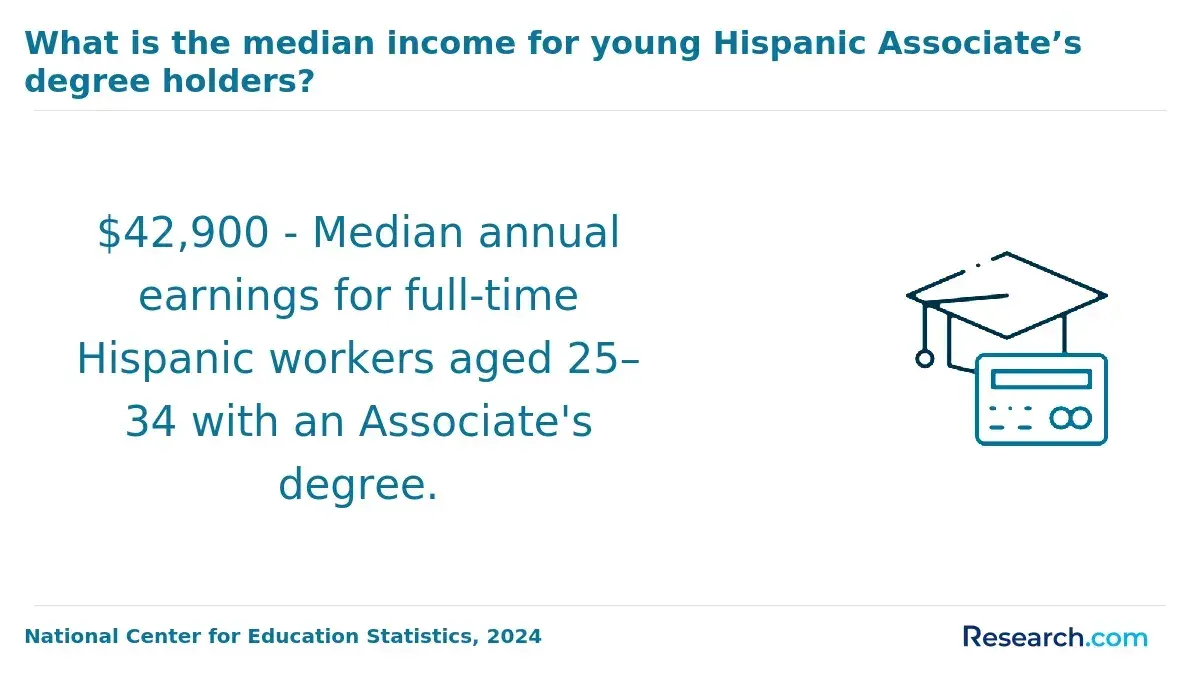
Adult learners frequently return to school for a science degree driven by specific workforce imperatives rather than traditional academic pursuits. These motivations often revolve around strategic career repositioning, such as moving into emerging fields or securing higher salaries that require updated credentials. According to the National Center for Education Statistics 2024 report, over 40% of science degree enrollments by adults aged 25 and older are explicitly linked to advancing or shifting careers.
Beyond initial career incentives, a variety of practical factors shape adult enrollment decisions. Employer-sponsored tuition assistance programs increasingly support workforce reskilling, enabling many adults to engage in part-time or online science programs that accommodate their professional and personal obligations.
The rising complexity and specialization within science-related industries prompt ongoing need for updated technical proficiencies and certifications, impacting adults' choices to re-enter higher education. Consequently, program flexibility and alignment with current industry demands influence enrollment patterns more than institutional prestige or traditional campus experiences.
How Do Academic Goals Vary Between Younger and Older Science Students?
Younger science students, generally aged 18 to 24, often engage with their studies as a platform for broad academic grounding and exploration. Their priorities typically include building foundational knowledge, sampling diverse scientific fields, and preparing for graduate programs or entry-level research and technical roles. This cohort tends to value theoretical understanding combined with extracurricular opportunities such as internships to strengthen future employability.
According to a 2024 National Center for Education Statistics report, approximately 72% of these traditional-age students aim to secure credentials that facilitate progression to advanced study or professional schools. In contrast, science students aged 25 and older approach education with immediacy tied to practical outcomes in their current careers or anticipated job transitions.
Their focus is often on acquiring specific, marketable skills and completing credentials that directly impact promotion prospects or enable lateral moves within professional sectors. These learners frequently navigate balancing course demands with work and family, favoring programs that offer flexibility and relevance to their present roles. The same 2024 NCES data indicates that 65% of adult learners enroll in science programs to address defined workplace needs rather than exploratory academic interests.
One adult learner reflected a common challenge during the application process: initially hesitant about enrolling due to uncertainty about schedule flexibility, they delayed submitting materials while weighing work commitments and family obligations. The rolling admissions timeline added tension, as submitting too early without confirming course availability risked unnecessary disruption, yet waiting meant less time to prepare for the semester-start.
Ultimately, the decision hinged on balancing readiness with urgency, illustrating how adult students' academic goals intertwine deeply with life's practical constraints and timing considerations.
How Do Financial Concerns Differ Between Traditional Students and Adult Learners?
Traditional students in science degree programs usually depend on family contributions, scholarships, and federal student loans to finance their education. Their financial concerns revolve primarily around covering tuition and living expenses while balancing part-time employment, with many accepting debt under the assumption that it will be deferred or manageable after graduation.
This group tends to have greater tolerance for student debt, viewing it as an investment whose payoff occurs during early career stages. The dynamic funding patterns and financial challenges for traditional vs adult science students create distinctly different education financing behaviors shaped by their relative income dependence and longer-term lifecycle planning.
In contrast, adult learners managing science degrees face immediate financial pressures, including lost wages if reducing work hours and ongoing family expenses that limit borrowing capacity. Many adult learners leverage employer tuition assistance or personal savings, aiming to minimize debt and avoid disrupting steady income streams.
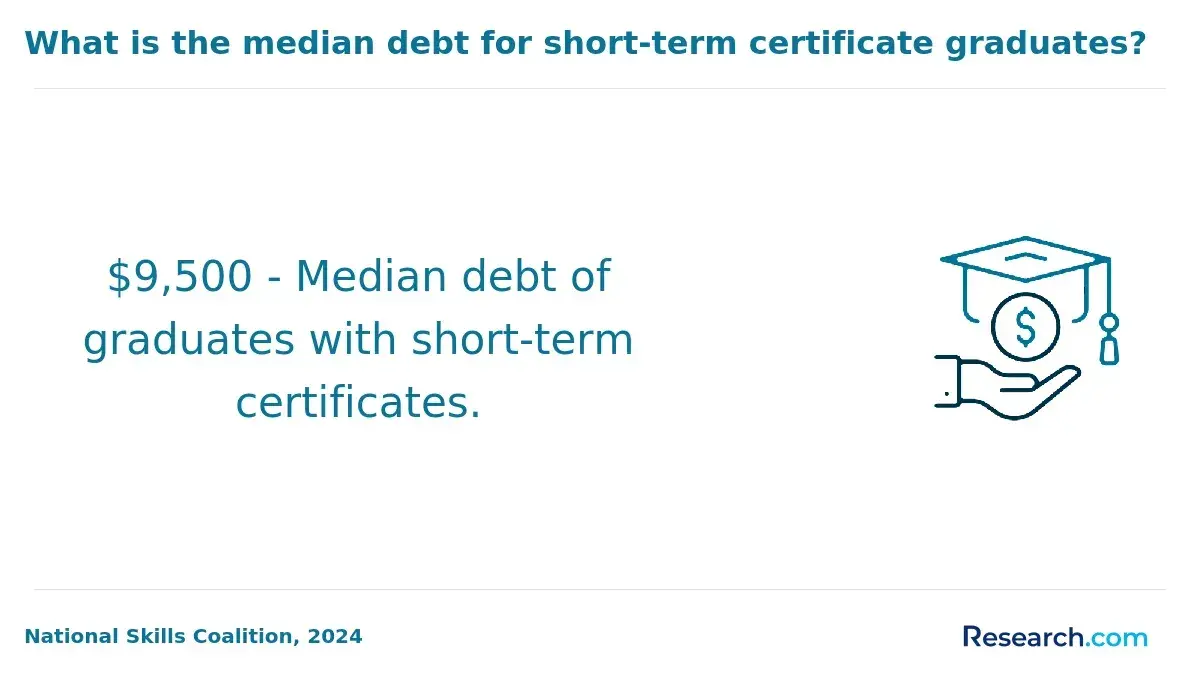
The opportunity cost of returning to school is significant, influencing decisions toward flexible, accelerated programs and clear short-term return on investment. According to the Lumina Foundation's 2024 Adult Learner Study, 72% of adult science students cite managing tuition alongside household costs as a major concern, reflecting a financial calculus that factors in both current obligations and career risk mitigation.
These financial differences heavily influence enrollment patterns and program selection, with traditional students often prioritizing institutions offering robust financial aid, whereas adult learners favor flexible schedules and programs designed for efficient completion, such as online formats. The interplay between immediate affordability, program accessibility, and career outcomes is a determinant in education choices, where adult learners especially evaluate options that align with employer expectations and workforce demands.
Prospective students exploring options might find tailored pathways like an accelerated paralegal program online illustrative of emerging models addressing these pressures, underscoring the evolving landscape of tuition funding differences between younger and adult science learners.
What Challenges Do Adult Learners and Traditional Students Face While Earning a Science Degree?
Traditional students pursuing a science degree often grapple with the transition into a highly structured academic environment that demands rapid mastery of foundational principles alongside rigorous coursework. Many within the 18 to 24 age bracket must develop effective time management skills while adjusting to the academic culture and expectations of higher education.
The relative lack of professional experience means these students face pressure to quickly build competencies both theoretical and practical, with nearly 40% reporting elevated stress related to lab work and complex material, according to the National Center for Education Statistics (2024). This adjustment phase can shape their persistence and success, as they navigate institutional demands and begin to form professional identities.
Adult learners in science, often balancing education with full-time employment and family obligations, confront markedly different challenges shaped by their life circumstances. Managing limited study hours amid work and caregiving duties significantly impacts their pacing through degree requirements. A 2024 Pew Research Center report notes that 55% of adult students identify time constraints as their primary obstacle, with financial pressures exacerbating delays in degree completion since many face restricted access to traditional funding sources.
Additionally, returning to academic settings may require re-acclimation to study norms and scientific methodologies, while translating prior work skills into relevant credentials introduces further complexity. To address these distinct needs, many institutions increasingly tailor support services, incorporating flexible scheduling, online coursework, and personalized advising designed to reconcile varying demands.
Such adaptations acknowledge that educational pathways in science are not uniform and must consider the interaction between learner life stage, resource availability, and professional goals. Effectively bridging these gaps enhances program accessibility and completion rates, allowing diverse student populations to meet evolving employer expectations and the practical realities of the science workforce.
How Does Age Affect Science Degree Student Retention?
Younger science students often face retention challenges grounded in their adjustment to collegiate academic demands and fluctuating motivation during critical early semesters. Many struggle with transitioning from structured high school environments to autonomous university settings where they must manage rigorous coursework alongside emerging social and personal responsibilities. The engagement gap often arises from limited clarity about long-term goals, compounded by unfamiliarity with academic support resources, which are crucial for persistence.
According to the National Center for Education Statistics in 2024, retention for traditional college-age science students typically rests near 75% after the first year, reflecting these adjustment dynamics. Adult learners in science programs confront a different retention landscape shaped by greater clarity of purpose but constrained by external obligations such as full-time employment, caregiving, and less flexible schedules.
While their motivation often stems from concrete career objectives, these students can face obstacles in academic preparedness, especially with evolving technology and updated foundational knowledge gaps. Institutional support designed without these nuances risks alienating older students who require more adaptable delivery modes and targeted services. Data indicates adult learner retention after the first year hovers around 60%, underscoring the tension between professional priorities and academic demands inherent in this demographic.
One recent science graduate recalled applying amid rolling admissions with considerable uncertainty due to balancing work and family. Though hesitant about enrolling immediately without firm assurances about part-time scheduling and credit transfer, the student delayed application until receiving detailed program information late in the cycle. This waiting period introduced stress but ultimately ensured alignment with personal constraints, illustrating the critical role timely, transparent communication plays in supporting nontraditional candidates navigating science degree pathways.
Which Science Specializations Are Most Popular Among Adult Learners?
Adult learners pursuing science degree specializations typically focus on areas with direct links to career mobility, skill updating, and tangible salary advancement. Their selections often reflect the need for streamlined, practical credentials that enable workforce transitions or reinforce established professional expertise. This orientation contrasts with traditional students' preferences, favoring programs aligned with immediate employment outcomes or in-demand technical competencies.
In the landscape of science degree specializations preferred by adult learners, several fields stand out for their alignment with workforce reskilling and career reinvention pathways:
- Health Sciences: Including nursing, public health, and biomedical sciences, this specialization attracts the largest share of adult learners due to ongoing demand in healthcare systems and relatively flexible programs that accommodate working professionals. Approximately 38% of science degrees awarded to adults fall into health-related fields, reflecting strong labor market alignment and opportunities for salary advancement.
- Environmental Science: Driven by sustainability priorities and regulatory roles in both private and public sectors, adult learners choose environmental science to leverage their experience into emerging policy and compliance careers. It offers a balance of scientific knowledge and applied skills that fit cross-industry transitions, often supported by growing online offerings such as an environmental engineer degree online.
- Information Technology and Computer Science: These fields are increasingly popular as digital transformation reshapes industries. Adult learners often pursue data analytics, cybersecurity, or software development credentials to update or pivot their skill sets rapidly, matching the tech sector's dynamic hiring demands.
- Applied Sciences and Interdisciplinary Specializations: Focused on technical competence with immediate practical application, these areas appeal to adult students intent on quick integration into technical roles without extensive research commitments, contrasting with pure sciences that generally entail longer, research-oriented programs.
How Does Age Affect Job Opportunities for Science Graduates?
Younger science graduates, typically aged 18 to 24, generally have broader access to entry-level positions and internships, benefiting from employer preferences that favor recent academic experience and the potential for longer tenure. Early-career hiring patterns prioritize these candidates for hands-on roles that emphasize adaptability and technical training, as reflected in the 2024 U.S. Bureau of Labor Statistics report showing approximately 78% of science-related internships and fellowships are awarded to individuals under 25.
This demographic advantage aligns with labor market expectations that emphasize continuous upskilling and rapid technological adaptation, making the timing of degree completion critical for initial job placement. For students evaluating pathways, including accelerated options like an MPA one-year program structure in related fields, timing and network access may significantly influence employment outcomes.
Conversely, adult learners entering science fields later, often 25 and older, encounter a different set of opportunity dynamics shaped by prior work experience and career transition goals. While these candidates can leverage transferable skills and mature professional competencies suited for specialized or leadership roles, they may also face employer concerns regarding the return on investment given higher salary expectations and shorter tenure.
Nevertheless, sectors valuing interdisciplinary problem-solving and project management increasingly recognize the distinct advantages adult learners bring. Understanding the impact of age on career outcomes for science graduates requires recognizing how workforce segmentation and hiring structures differently weight experience and educational timing across these age demographics.
What Do Current Science Enrollment Trends Reveal About Future Demand?
Shifts in enrollment trends within science degree programs reveal evolving perceptions of the field's career value and academic interest. Notably, adult learner enrollment has increased by approximately 15% over the past three years, reflecting a growing recognition among mid-career individuals of the need for updated technical skills and expedited paths to workforce reentry.
This contrasts with relatively stable or slightly declining enrollment among traditional college-age students, whose engagement often centers on foundational knowledge and longer educational timelines. These divergent patterns imply a bifurcated demand for science education, where flexible, accelerated programs must coexist with comprehensive, research-focused tracks to address diverse learner priorities and career timelines.
Enrollment trends correspond closely with labor market signals underscoring employer demand for adaptable, interdisciplinary skills and ongoing workforce development. Industries facing technological change and talent shortages increasingly value practical experience combined with targeted upskilling, driving adult learners' rising participation. Meanwhile, traditional student enrollment maintains the pipeline for research and innovation roles that require extended academic preparation.
This dynamic influences how institutions may expand science programs, emphasizing specialization development and modular curricula aligned with sector growth areas such as healthcare and environmental sciences. Understanding these enrollment behaviors is essential for forecasting program evolution that meets both immediate workforce needs and long-term sectoral advancements.
References
- Rebound or Mirage? Unpacking the Latest International Enrollment Trends https://encoura.org/resources/wake-up-call/rebound-or-mirage-unpacking-the-latest-international-enrollment-trends
- The Future of Student Demand: Shifting Trends - Gray DI https://www.graydi.us/blog/graydata/the-future-of-student-demand-google-searches-reveal-shifting-trends
- The State of Higher Ed: Enrollment Research Insights, Projections, and Winning Strategies https://www.rize.education/blog/state-of-enrollment
- For Adult Learners, College Means More Than Just Jobs and Wages https://www.higheredtoday.org/2024/11/22/college-means-more-adult-learners/
- 2026 Higher Education Trends https://www.deloitte.com/us/en/insights/industry/articles-on-higher-education/2026-higher-education-trends.html
- AI's Impact on Graduate Jobs: A 2025 Data Analysis | IntuitionLabs https://intuitionlabs.ai/articles/ai-impact-graduate-jobs-2025
- Adult students present unique challenges for two-year colleges https://www.ruffalonl.com/adult-students-present-unique-challenges-two-year-colleges/
- Traditional Vs. Non-Traditional Students in Higher Education https://moderncampus.com/blog/traditional-vs-non-traditional-students-in-higher-education.html
- Most Popular College Majors Statistics https://www.collegehelpguide.com/research/most-popular-college-majors/
Other Things You Should Know About Science
Traditional students often benefit from full-time, immersive science programs designed for rapid progression, which align with their fewer outside commitments. Adult learners typically need flexible pacing due to work and family obligations, making part-time, evening, or online options essential. Programs that fail to accommodate these pacing differences risk higher dropout rates among adult learners or reduced depth of engagement for traditional students balancing accelerated tracks.
Accelerated programs offer adult learners faster completion, which can speed workforce re-entry or promotion, but often at the cost of increased workload and less time to assimilate complex scientific concepts. Extended timelines reduce stress and allow for assimilation of technical material but can prolong financial and personal commitments, delaying career impact. Adult learners should weigh these options based on their capacity to manage academic rigor alongside life responsibilities and the urgency of career goals.
Traditional students typically experience curricula rich in theoretical foundations preparing them for graduate education or research careers, which often requires prolonged study duration and academic intensity. Adult learners generally favor applied learning that directly translates into workplace skills due to immediate employment needs, preferring hands-on labs and industry partnerships. Programs emphasizing applied competencies tend to enhance adult learner retention and job placement, while theory-heavy tracks may better serve younger students targeting specialized fields.