2027 Science Degree Completion Time Report: How Long Students Actually Take to Graduate

Co-Founder and Chief Data Scientist
Many science students encounter unforeseen challenges that extend their degree completion beyond standard timelines. Factors such as the need to balance demanding lab work with part-time employment, shifts in research focus, and varying availability of specialized faculty significantly affect progress. A 2024 National Center for Education Statistics report highlights a steady rise in transfer credits and interruptions related to employment, complicating traditional degree trajectories. These interruptions often necessitate careful course planning and can delay graduation. Understanding these dynamics is crucial for prospective and current science students, transfer students, and education planners. This article examines actual completion patterns and identifies key influences shaping science degree timelines.
Key Things To Know About Science Degree Completion Time
- Tracking the exact timeline for your degree lets you build a strategic runway toward specialized professional roles like environmental scientist, chemist, or biological technician. Knowing when you will complete your coursework ensures you can time the job market perfectly and hit hiring windows for lab or fieldwork positions as soon as you finish.
- Anticipating your graduation timeframe allows you to confidently map your entry into a stable economic sector where the median annual wage stands at $78,980. Pinpointing this exact window helps you project your educational costs and accurately measure when you will begin yielding a high return on investment.
- Discovering your specific completion window helps you evaluate if an online format is right for you, as these distance-learning options frequently offer self-paced or accelerated tracks. This flexibility lets you balance professional commitments while potentially moving through the required credits faster than a traditional classroom setting allows.
- What Is the Average Graduation Time for Science Students? Average Graduation Timeline
- What Factors Have the Biggest Impact on Graduation Speed? Graduation Timeline Factors
- How Does Full-Time Versus Part-Time Enrollment Affect Graduation Timelines? Full-Time vs. Part-Time Graduation Timeline
- Do Online Science Students Graduate Faster Than Campus-Based Students? Do Online Science Students Graduate Faster Than Campus-Based Students?
- How Many Months or Years Can Transfer Credits Save? How Many Months or Years Can Transfer Credits Save?
- Do Accelerated Science Programs Significantly Reduce Completion Time? Accelerated Program Timeline
- Which Science Program Requirements Most Often Extend Graduation Timelines? Factors Extending Graduation Timeline
- Does Taking Longer to Graduate Increase the Cost of a Science Degree? Impact on Program Cost
- Does Graduating Faster Improve Career Prospects? Impact on Career Prospects
- Which Scheduling Mistakes Commonly Delay Graduation? Mistakes to Avoid
What Is the Average Graduation Time for Science Students?
The average time to graduate from science degree programs often extends beyond the traditional four years associated with full-time study. Recent data from 2024 suggest that most science students complete their degrees within approximately 4.5 to 5 years, reflecting the complexity and rigorous demands inherent in these curricula. Part-time students, including working adults balancing employment, typically require a longer adjustment period, adjusting pacing to accommodate external responsibilities. These typical science degree completion timelines illustrate how academic progress rarely follows a uniform schedule, shaped instead by practical considerations and curricular intensity.
Variations in graduation timelines stem primarily from program structure and enrollment patterns. Science degrees frequently incorporate extensive laboratory requirements, research projects, and internships, all of which can extend time to completion, especially when sequencing or course availability limits scheduling flexibility. Transfer students face added challenges integrating credits and course equivalencies, often prolonging their timelines, while students navigating complex prerequisite chains or changing majors encounter further delays. Enrollment format also plays a role; students in online or hybrid models may accelerate or slow progress depending on how programs accommodate course loads and experiential components. For those interested in exploring faster completion options, some consider accelerated EdD programs as examples of tailored pathways designed to reduce time-to-degree in specific contexts.
These extended timelines have practical implications for academic planning, financial costs, and workforce entry. Understanding that science degree completion rarely fits neatly into a four-year framework helps educators and students set realistic expectations and strategize course loads to optimize progression. Longer degree durations may affect early career earnings and job market timing, yet employers often value depth of mastery over speed. Therefore, thoughtful navigation of program demands and personal circumstances remains critical for aligning educational investment with professional objectives in the evolving landscape of science education.
What Factors Have the Biggest Impact on Graduation Speed?
Graduation speed for science degrees is shaped by a complex interaction of academic planning, program design, personal circumstances, and institutional policies. No single factor determines how quickly students finish; instead, these variables overlap and influence each other, creating unique completion timelines. Awareness of these influences allows students to make more informed choices about enrollment status, workload distribution, and program structure, especially regarding the enrollment status impact on science master's degree completion.
- Enrollment Status and Course Load: Full-time enrollment typically accelerates graduation timelines due to consistent, heavier credit loads each semester, while part-time status often prolongs completion as students balance reduced credit hours with external obligations. This variation is crucial in science programs where sequence-dependent labs and lecture courses leave little flexibility to stretch out semesters without delaying progress.
- Program Structure and Course Availability: Rigid curriculum sequencing and limited course offerings can bottleneck progression, especially when required lab sessions or prerequisite sequences are offered only once per academic year. Institutions with restrictive scheduling inadvertently extend time to degree, forcing students to pause or reconfigure their academic plans.
- Academic Preparedness and Advanced Credits: Students entering with relevant high school coursework, prior college credits, or completion of Advanced Placement (AP) and International Baccalaureate (IB) science classes reduce redundancy by bypassing foundational courses. This head start not only shortens timelines but also frees up room in the curriculum to explore internships or research opportunities, which are often pivotal for scientific employability.
- Employment and External Responsibilities: Nearly 30% of science undergraduates work more than 20 hours per week, a reality that extends average graduation timelines by roughly 1.5 years, according to the Education Data Initiative. Juggling jobs or family duties reduces available study time and forces students to lower credit loads or take breaks, illustrating the significant tradeoff between financial necessity and academic speed.
- Transfer Credits and Institutional Compatibility: Transfer students frequently encounter delays due to credit transferability issues and mismatched curricula, which can add one to two semesters to completion. Navigating differing degree requirements or re-taking similar courses requires strategic planning to avoid prolonging time to graduation, particularly when transfer policies are opaque or inconsistently applied.
These systemic and behavioral factors interlock to produce the varied graduation rates and timelines observed within science master's programs. Students weighing enrollment options or designing their path should consider these dynamics carefully. Additionally, those interested in flexible or accelerated pathways might explore offerings such as CACREP online counseling programs, which reflect a growing adoption of adaptable academic formats in higher education.
How Does Full-Time Versus Part-Time Enrollment Affect Graduation Timelines?
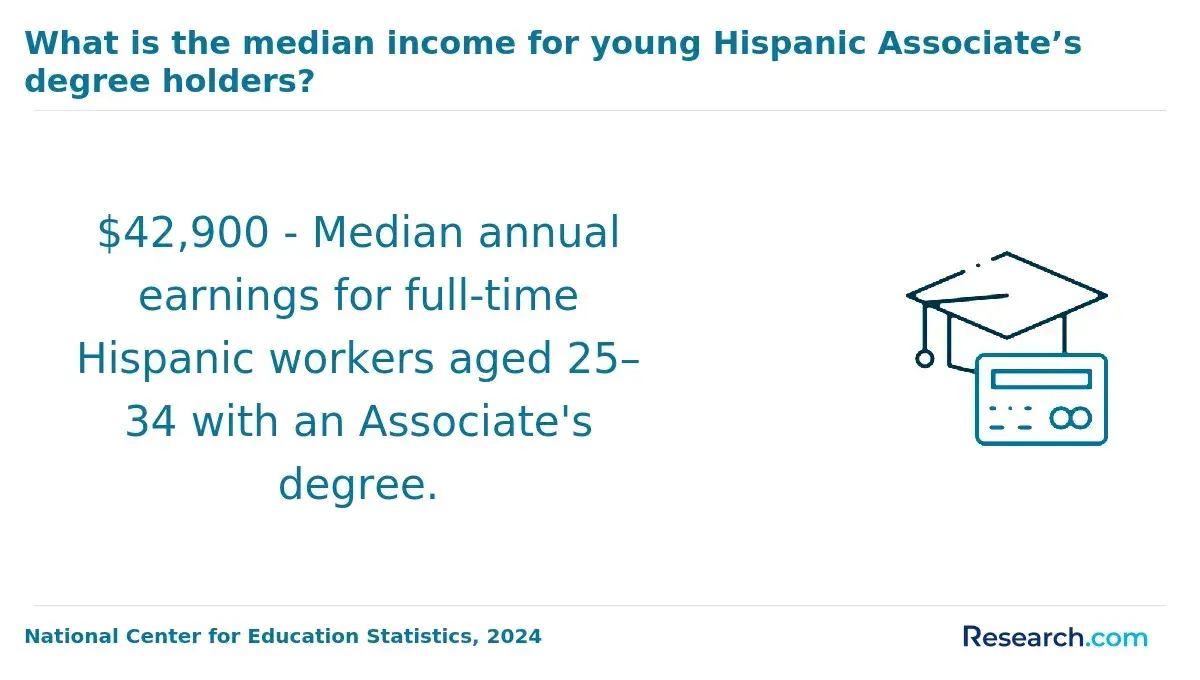
Graduation timelines in Science degree programs diverge significantly between full-time and part-time students, largely due to differences in course load and academic pacing. Full-time students, typically enrolling in 12 to 15 credit hours per semester, can usually complete their degrees within four to five years, following curriculum sequences designed for steady progression. In contrast, part-time students often extend their studies beyond six years, reflecting the challenges of balancing fewer credits per term with program requirements that rely heavily on tightly sequenced lab and lecture courses. Recent 2024 data from the National Student Clearinghouse Research Center highlight lower graduation rates within six years for part-time enrollees, emphasizing how enrollment intensity directly correlates with completion speed in Science disciplines.
Several structural and personal factors contribute to these divergent timelines. Science curricula often mandate prerequisite chains that limit when students can take certain courses, reducing flexibility for those not attending full time. Part-time students frequently face conflicts between work, family obligations, and academic scheduling, which slows momentum and can disrupt sequential learning critical to Science fields. Additionally, the availability of targeted academic advising and institutional support adapted to part-time formats varies widely, influencing students' ability to plan effectively. Program delivery formats that do not accommodate part-time pacing exacerbate delays by restricting access to required courses and labs within suitable semesters.
Enrollment status also carries long-term implications beyond graduation dates. Extending degree completion can delay entry into Science-related careers, affecting lifetime earnings and professional development. Employers in technical and scientific sectors often interpret timely graduation as an indicator of perseverance and capacity to manage demanding workloads. For students balancing external responsibilities, the tradeoff between flexibility and accelerated academic progress requires careful financial and personal planning, as part-time enrollment sacrifices speed for adaptability but may impact the trajectory of workforce integration and advancement opportunities.
Do Online Science Students Graduate Faster Than Campus-Based Students?
While some data indicates that online science students may complete their degrees slightly faster than those attending traditional campuses-averaging about 4.2 years versus 4.5 years-this difference is not uniform across all programs or disciplines. The perception that online formats inherently accelerate graduation overlooks important variations in course design, student demographics, and institutional policies. Certain science fields requiring extensive lab work or in-person practicums can diminish the pace advantage online learners sometimes enjoy, making completion timelines highly dependent on the nature of the curriculum and degree requirements.
The primary drivers behind graduation speed differ notably between online and campus-based students. Online learners often benefit from more flexible scheduling, including year-round course availability and self-paced options, which can shorten degree duration if students leverage these to carry heavier or continuous workloads. Conversely, campus programs frequently follow rigid semester calendars with fixed class times, which may extend completion for students balancing part-time enrollment or mandatory internships. Additionally, student resilience and self-direction play a critical role; online formats demand disciplined time management as they lack many in-person support mechanisms that can aid persistence and timely graduation on campus.
Choosing between modalities involves tradeoffs beyond just potential time savings. The flexibility of online science programs can better accommodate working adults or students with complex personal responsibilities, but also places greater pressure on self-motivation and consistent progress. Campus students may face longer enrollment periods due to structured lab requirements and fewer start dates, but benefit from direct access to faculty and peer networks that can support academic momentum. These factors ultimately influence when graduates enter the workforce, affecting early career trajectories especially in highly technical or laboratory-intensive science fields.
One recent graduate recalled that waiting on admission decisions during rolling application review created uncertainty that influenced whether to enroll online or on-campus. The student hesitated after realizing that enrolling at a campus program would require waiting several months for the next cohort, risking further delays. By contrast, an online option allowed more immediate start dates but demanded clearer upfront planning to manage accelerated pacing. The tradeoff between timing and preparation underscored the complexity of deciding how modality impacts the overall length and quality of the science degree experience.
How Many Months or Years Can Transfer Credits Save?
Transfer credits can shorten the total time to complete a science degree by several months to over a year, depending primarily on the volume and relevance of previously earned coursework. The average months saved with transfer credits in science programs typically range from 6 to 18 months, according to data from education research sources. However, these savings are not uniform; they depend on how well prior courses align with the specific curriculum and requirements of the receiving institution's program. Transfer credits from accredited community colleges or comparable four-year schools often provide the most significant reductions when foundational science courses overlap closely with degree prerequisites.
The actual impact of transfer credits hinges on multiple institutional and academic factors. These include accreditation compatibility between sending and receiving institutions, course equivalency evaluations, and limits on the total number of transferable credits allowed by degree residency policies. Strict sequencing and core course requirements in many science disciplines, such as biology or chemistry, can also restrict how much time is saved even when credits are accepted. Furthermore, some institutions enforce policies that prioritize recent or major-relevant coursework, which constrains the degree pathway flexibility available to transfer students. This complex interplay explains why the transfer credits impact on science degree completion time can differ so widely among students and schools.
From a practical perspective, transfer credits influence academic planning and often reduce the overall financial burden by shortening enrollment duration, but they also require careful coordination to avoid delays related to prerequisite chains or course availability. Effective use of transfer credits demands attention to how remaining coursework is sequenced to meet degree progression strategies. For working adults or those balancing other commitments, understanding these institutional rules is critical to making informed decisions. Pursuing aligned fields, such as those covered in business administration courses online, alongside science studies may offer additional transfer opportunities that affect completion timelines.
Do Accelerated Science Programs Significantly Reduce Completion Time?
Accelerated science programs aim to condense traditional degree schedules by intensifying course loads, compressing curricula, or using continuous enrollment models. These programs target a reduction in the time needed to graduate, often attempting to move students through what typically requires four to five years in as few as three. The structural design involves tighter sequencing of classes and eliminating typical breaks between terms, enabling students to progress more rapidly through required credits.
Whether these programs truly lessen completion time depends on several critical factors. The increased pace demands heavier credit loads per term, which may challenge students' ability to maintain academic performance. Additionally, prerequisite chains and fixed internship or capstone requirements often remain unchanged, constraining flexibility and potentially limiting acceleration. Institutional policies on credit transfer and course availability also influence how smoothly students can navigate the compressed timeline, which means that nominal reductions in total time may not always translate into actual earlier graduation dates.
These time savings carry notable trade-offs affecting workload intensity and scheduling flexibility. The compressed nature of accelerated programs can create heightened stress and lessen opportunities for experiential learning, which many science employers prioritize. This can impact the depth of skill mastery and potentially lead to burnout, requiring students to adjust their plans midstream. Consequently, the practical benefit of finishing sooner must be weighed against how the increased demands affect learning outcomes and well-being.
One graduate from an accelerated science program recalled the tension of deciding when to submit an application during a rolling admissions cycle. Initial hesitation stemmed from uncertainty about finishing prerequisite courses on time, creating pressure to balance preparation with the need to act quickly. Despite submitting paperwork close to the deadline, final enrollment confirmation arrived late, complicating summer planning and leading to a frantic adjustment of both personal and academic calendars. This experience highlights how, beyond program structure, timing and administrative factors can also influence the perceived and actual benefits of accelerated formats.
Which Science Program Requirements Most Often Extend Graduation Timelines?
Extended graduation timelines in science programs often stem not from sheer credit volume but from embedded curriculum requirements designed to ensure rigorous training and professional readiness. These components, while essential to maintaining academic standards and workforce alignment, introduce complex scheduling demands and reduce flexibility in course sequencing. The result is a structured pace that many students must navigate, influencing overall program duration beyond a typical four-year path.
- Laboratory and Research Coursework: Intensive lab sessions require fixed, scheduled blocks that limit the number of concurrent courses students can handle. Unlike lectures that offer timing flexibility, lab work consumes significant weekly hours and cannot be accelerated, often forcing students to lower their credit load per term.
- Capstone Projects and Independent Research: Scientific degree pathways frequently mandate extended research commitments such as senior theses or multi-semester projects. These demand out-of-class time for experiments and data analysis, contributing to an average delay of 1 to 2 semesters as reported by labor market analytics tracking science education progression.
- Sequential Course Prerequisites: Foundational and prerequisite requirements create academic bottlenecks by restricting enrollment to later-term courses until earlier classes are completed. This sequencing complicates scheduling, especially if key courses are offered infrequently or if students switch majors, resulting in forced pauses that extend time to degree.
- Internship and Co-op Requirements: Practical workplace experiences are often integral to science curricula, valued by employers for skills development. However, participation in internships frequently requires reducing academic loads or pausing coursework, with about 25% of science students experiencing an average one-semester delay due to these commitments.
- Transfer Credit Evaluations: Transfer students face additional hurdles as institutions rigorously assess course equivalency. The intricate nature of science curricula often means some credits do not transfer, requiring retaking courses or completing supplemental work, thereby adding unforeseen semesters.
Does Taking Longer to Graduate Increase the Cost of a Science Degree?
Taking longer than the typical timeframe to complete a science degree generally increases the total tuition and associated costs, especially when institutions charge per semester or credit hour. Extended enrollment often leads to additional semesters of tuition, fees, and potentially higher educational expenses overall. Financial aid structures may be time-limited or contingent on full-time status, so students who extend their studies beyond standard terms risk losing scholarships, grants, or subsidized loans. This dynamic directly impacts the overall cost of earning a Science degree, as more terms in enrollment delay degree completion and add incremental expenses. The impact of extended graduation time on science degree expenses also encompasses opportunity costs, as delayed workforce entry affects lifetime earnings, a consideration critical in fields where the median annual wage ranges widely but can be substantial according to labor market analyses.
However, the degree to which longer timelines raise costs depends on tuition pricing models and enrollment patterns. Some programs use flat-rate tuition for full-time semesters, which can contain costs if students maintain a full course load, while part-time enrollment often triggers pro-rated charges that extend total expenses. Employer tuition assistance, flexible pacing policies, or transfer credit acceptance can buffer financial impacts, allowing some students to stretch out their education without proportionate cost increases. Additionally, choices about course load adjustments indirectly influence total expenses by controlling how many terms are required. Prospective and current students weighing options like a mathematics online degree should consider these operational factors carefully, as real-world cost implications vary based on institutional policies, student behavior, and the financial aid framework surrounding their program of study.
Does Graduating Faster Improve Career Prospects?
Graduating faster from a science degree can provide an initial timing advantage by allowing students to enter the workforce earlier, potentially gaining early job experience and progressing sooner than peers who take a more traditional timeline. However, employer evaluation rarely emphasizes graduation speed alone; hiring competitiveness in science jobs often hinges on demonstrated competencies, research involvement, and practical skills rather than just how quickly the degree was completed. The impact of faster graduation on science jobs in the US must therefore be seen in the context of these broader qualifications and labor market realities.
The real determinants of whether an accelerated completion leads to improved career prospects include the depth and relevance of internships, co-op participation, and the strength of a candidate's portfolio, alongside networking and professional certifications. Employers prioritize candidates who have aligned their skill development with industry demands and technological trends, making practical experience and reputation of the institution meaningful signals beyond the diploma date. This interplay influences long-term employability more than purely finishing early, as labor market entry timing is just one element among several that constitute career readiness.
Students weighing the career benefits of graduating with a science degree early must consider trade-offs between finishing quickly and gaining experiential depth, such as research projects or hands-on technical work, which are crucial in competitive science fields. Balancing these factors affects not only immediate job search outcomes but also future advancement opportunities. For those exploring flexible pathways, including online learning options like an instructional design masters online, understanding how timing interacts with skill accumulation and market alignment is essential for realistic planning and sustainable career growth.
Which Scheduling Mistakes Commonly Delay Graduation?
Graduation delays in science degree programs frequently stem from preventable scheduling and enrollment mistakes rather than academic difficulty alone. These challenges affect students across associate to doctoral levels and persist in both full- and part-time formats. Institutional course sequencing, prerequisite chains, and limited-term offerings combine with student choices to create progression bottlenecks that extend time to degree. Recognizing these patterns is crucial for maintaining steady academic momentum and minimizing excess semesters.
- Misjudging Prerequisite Sequencing: Science curricula often require courses in strict order, with many prerequisites only available in alternating semesters. Underestimating this sequencing complexity leads to delayed enrollment in essential classes, creating cascading postponements beyond typical timelines.
- Overloading Electives Over Core Requirements: Prioritizing unrelated electives can reduce available slots for major-specific credits, slowing progress. Students may inadvertently extend their program by filling schedules with non-major courses at the expense of science-required classes that are more tightly scheduled.
- Transfer Credit Misalignment: Transferring students frequently encounter credit equivalency issues where accepted credits fail to satisfy science program foundations. This mismatch forces retaking course elements or adding semesters to complete missing content, disrupting otherwise planned timelines.
- Part-Time Enrollment Without Strategic Planning: Balancing external commitments often leads science students to enroll part-time, sometimes without accounting for minimum credit thresholds needed for timely progression. This reduces term credit loads and extends overall completion periods.
A 2024 analysis by the National Center for Education Statistics found that 42% of science degree completers exceeded six years to graduate, reflecting how institutional policies and student scheduling interplay to slow degree attainment. Proactive planning that aligns course availability with degree requirements remains essential to prevent these common enrollment pitfalls.
Other Things You Should Know About Science
Programs with mandatory co-op or internship placements often extend graduation timelines by at least a semester, but these experiences add substantial practical value. While some students may view the delay as a setback, gaining hands-on skills can enhance employability significantly. Prioritizing programs with integrated experiential learning makes sense if timely graduation is less critical than securing stronger job prospects immediately post-degree.
Choosing a narrow specialization early can streamline course selection and reduce total semesters, but potentially limits exposure to diverse scientific fields. Conversely, breadth can lengthen degree duration but may improve adaptability in rapidly evolving job markets. For students targeting highly technical roles, early focus minimizes time-to-degree; those uncertain about career paths might accept a longer timeline in exchange for broader preparation.
While taking extra courses each term can shorten graduation time, it often comes at the cost of deeper understanding and higher stress. In science disciplines, where mastery of complex concepts and lab skills is critical, overloading risks burnout and lower academic performance. Prioritizing a balanced course load usually yields better learning retention and stronger foundational skills, which are more valued by employers than mere speed of graduation.