2027 Digital Photography Careers That Reward Strong Visual Storytelling and Business Skills

Co-Founder and Chief Data Scientist
Choosing a digital photography career is no longer just about taking strong images; it is about telling stories clients can use, pricing work profitably, and adapting to AI-assisted creative tools. The U. S. Bureau of Labor Statistics reported a $42,520 median annual wage for photographers in May 2024, but earnings vary widely by specialty, market, and business model. This guide is for students, career changers, and working creatives who want to compare training paths, costs, roles, salary potential, and practical next steps before investing in a photography program or business.
Key Things You Should Know
- Digital photography careers are strongest when technical camera skills are paired with visual storytelling, client communication, marketing, pricing, and rights-management knowledge.
- According to BLS May 2024 wage data, photographers had a $42,520 median annual wage, while adjacent creative roles such as art directors and film/video editors typically showed higher median pay because they require broader production or leadership responsibilities.
- A certificate or associate degree can support entry-level and freelance work, while a bachelor's degree may make more sense for students targeting art direction, commercial media, higher-level brand content, or graduate study.
What are the most in-demand digital photography careers that value visual storytelling and business skills?
The most in-demand digital photography careers are those that help organizations communicate clearly through images. Digital photography now overlaps with ecommerce, social media, journalism, events, advertising, real estate, education, nonprofit storytelling, and video production. Employers and clients often look for photographers who can plan a shoot, understand an audience, manage digital files, edit efficiently, deliver consistent brand assets, and explain the business value of the images.
The table below compares common photography-related career directions by the type of storytelling and business skill each one rewards. Use it to identify which path fits your interests before choosing a school, certificate, or portfolio strategy.
| Career direction | What the work emphasizes | Business skills that matter most | Best fit for |
| Commercial and advertising photographer | Product, lifestyle, food, fashion, and brand campaigns | Client proposals, usage licensing, budgeting, creative briefs, production planning | Photographers who like controlled shoots and brand storytelling |
| Editorial or documentary photographer | News, magazines, long-form visual essays, nonprofits, and community stories | Pitching, research, ethics, captions, deadlines, rights management | Story-driven photographers who can work quickly and accurately |
| Wedding, portrait, and event photographer | Personal milestones, families, corporate events, school portraits, and celebrations | Sales, scheduling, customer service, package pricing, referrals | People-oriented photographers who are comfortable running a small business |
| Real estate and architectural photographer | Residential listings, commercial properties, interiors, hospitality, and development projects | Fast turnaround, client retention, add-on services, local marketing | Photographers who like repeat clients and location-based work |
| Content creator or social media visual producer | Short-form visual campaigns, reels, product launches, influencer content, and branded storytelling | Analytics, platform strategy, audience targeting, sponsorship negotiation | Photographers who enjoy hybrid photo, video, and marketing work |
For most people, the smartest choice is not simply the role with the most appealing title. It is the role where your personality, market, portfolio, and willingness to sell your services align. A shy but technically excellent photographer may do well in product photography, while a highly social photographer may thrive in weddings, portraits, or events.
Current trends are also reshaping demand. AI tools can accelerate culling, background cleanup, image organization, and first-pass editing, but they do not replace trust, direction, taste, ethics, or the ability to create original images under real client constraints. Photographers who understand both creative judgment and business outcomes are better positioned than those who only know camera settings.
What degree or training pathways prepare you for professional digital photography careers?
Professional digital photography does not require one universal degree, but structured training can shorten the learning curve and help students build a portfolio with feedback. The right pathway depends on your target role, budget, prior experience, and whether you want employment, freelance work, or a business.
The table below summarizes common training routes and when each one tends to make sense. It is especially useful if you are comparing a short skills-based route against a full degree.
| Pathway | Typical focus | When it makes sense | Potential limitation |
| Certificate or short-term program | Camera operation, lighting, editing software, portfolio basics | You want targeted skills quickly or already have a degree in another field | May offer less general education, theory, and career support |
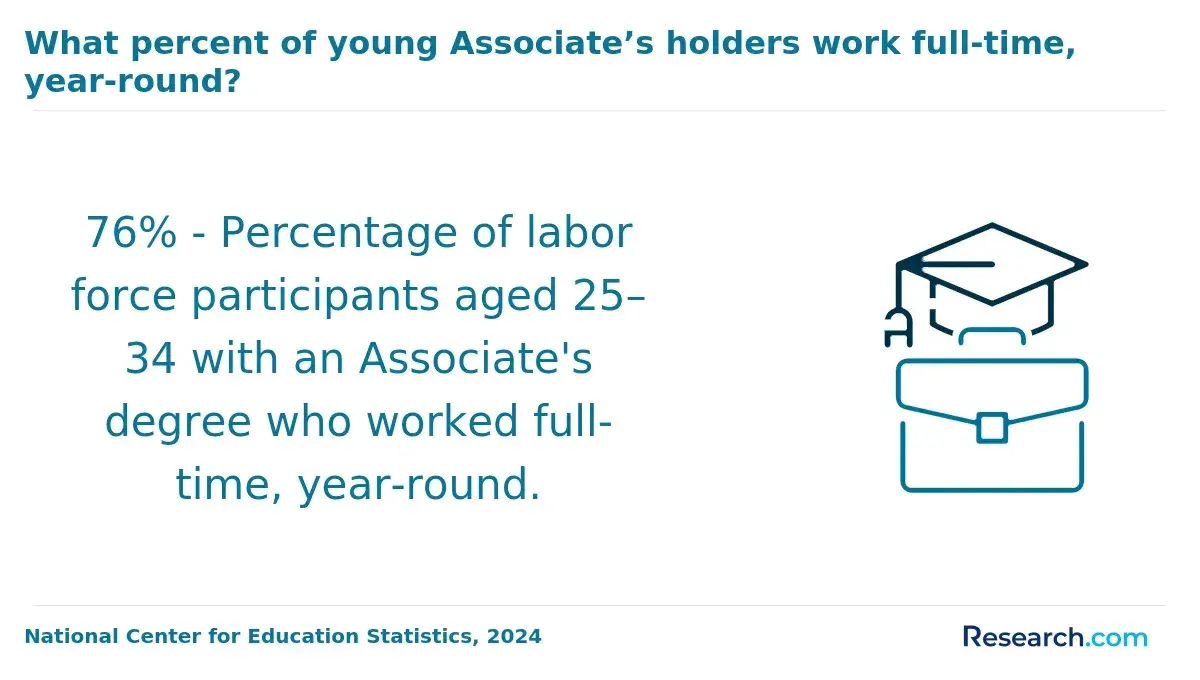
| Associate degree | Technical photography, digital imaging, studio work, composition, basic business | You want a lower-cost academic credential and may transfer later | May not be enough for art direction or higher-level media management roles |
| Bachelor's degree | Advanced visual storytelling, media history, studio practice, business, portfolio development | You want broader creative career options, internships, or graduate school preparation | Usually takes longer and costs more than certificates or associate programs |
| Workshops, mentorships, and apprenticeships | Specialized techniques, assistant experience, client workflow, field practice | You want hands-on exposure with working professionals | Quality varies and may not provide financial aid or transferable credit |
Students should also think about complementary skills. Commercial photographers increasingly benefit from web content, analytics, brand strategy, and ethical use of generative tools. If you want to move toward creative technology, automation, or AI-assisted media workflows, researching a bachelor applied artificial intelligence pathway can help you understand how technical degrees connect with visual industries.
Before enrolling, compare the credential with your actual goal. A certificate may be enough if you want to launch a local portrait business and already understand sales. A bachelor's degree may be more valuable if you want to compete for art department roles, teach later, or work in organizations that use degree screens for creative positions.
How do online digital photography programs compare to campus-based options for aspiring photographers?
Online and campus-based digital photography programs can both work, but they serve different learning styles. Photography is hands-on, so the real question is not whether a program is online or in person; it is whether the format gives you enough critique, equipment access, portfolio structure, and professional feedback.
The comparison below highlights trade-offs that matter when evaluating program format. Use it to decide whether flexibility or studio immersion should carry more weight in your search.
| Factor | Online digital photography programs | Campus-based digital photography programs |
| Flexibility | Often better for working adults, parents, military students, and career changers | Usually better for students who can attend scheduled studio and lab sessions |
| Equipment access | Students may need to own or rent more gear | May provide studios, lighting kits, printers, labs, and checkout equipment |
| Critique experience | May use video critiques, discussion boards, and uploaded portfolios | Often provides live critiques and peer feedback in studio settings |
| Networking | Depends heavily on virtual events, instructors, and local self-directed outreach | Can provide easier access to campus shows, local internships, and student crews |
| Best fit | Self-directed learners with access to subjects, locations, and basic gear | Students who want structured studio time and in-person creative community |
If you are comparing photography degrees online, look beyond tuition and check how the program handles critiques, capstone projects, software access, internships, and portfolio reviews. A low-cost online program can be a smart choice when it has strong faculty feedback and clear deliverables, but it may be frustrating if you need intensive studio guidance.
Choose campus-based study if you learn best by watching demonstrations, using shared lighting equipment, and collaborating with other creatives. Choose online study if you need schedule control and can create your own shooting opportunities. Either way, your portfolio will matter more than the delivery format alone.
What should you look for in an accredited digital photography program in the United States?
Accreditation matters because it affects financial aid eligibility, transfer credit, employer confidence, and graduate school options. In the United States, students should first confirm that the institution is accredited by an agency recognized by the U.S. Department of Education or the Council for Higher Education Accreditation. Program-level art or design accreditation can be useful, but institutional accreditation is the baseline to verify.
The most important checks are practical, not cosmetic. Before you apply, review the following areas so you do not mistake attractive marketing for a strong program.
- Confirm institutional accreditation through the school's official accreditation page and a recognized accreditation database.
- Review the photography faculty's current work, industry experience, exhibition record, client work, or publication history.
- Ask whether students receive structured portfolio reviews, not just grades on individual assignments.
- Check whether the curriculum includes business practices such as contracts, licensing, pricing, taxes, client communication, and marketing.
- Look for access to professional tools, including studio lighting, color-managed editing labs, digital asset management systems, and current software.
- Ask about internships, assistantships, local employer relationships, alumni outcomes, and student exhibition opportunities.
Common mistakes include choosing a school because of camera gear alone, assuming a famous art brand automatically produces better outcomes, or ignoring transfer policies. Another red flag is a program that promises unrealistic earnings or suggests that a degree alone will make someone a successful freelancer. Photography outcomes depend on portfolio quality, location, business effort, specialization, and client relationships.
A good accredited program should help you answer three questions: what kind of photographer you are becoming, how your portfolio proves it, and how you will find paying work after graduation. If the school cannot explain those connections clearly, keep comparing options.
What core courses and technical skills are typically taught in digital photography degree programs?
Digital photography degree programs typically combine creative development, technical fluency, critique, and professional practice. The goal is not only to teach students how to make an image, but also how to make the right image for a story, audience, publication, campaign, or client.
The table below groups common courses and skills by what they prepare you to do professionally. This helps you see whether a curriculum is balanced or too narrowly focused on software and camera basics.
| Course or skill area | What students usually learn | Why it matters professionally |
| Digital camera systems | Exposure, lenses, sensors, file formats, focus systems, and camera workflow | Creates technical control across different assignments and lighting conditions |
| Lighting and studio practice | Natural light, strobes, continuous lights, modifiers, metering, and set safety | Supports portraits, products, fashion, food, and commercial production |
| Composition and visual storytelling | Sequencing, framing, color, narrative structure, and audience interpretation | Helps images communicate ideas rather than simply look polished |
| Digital editing and post-production | RAW processing, retouching, color correction, compositing, output, and archiving | Improves consistency and prepares files for print, web, and client delivery |
| History, theory, and ethics | Visual culture, representation, documentary ethics, copyright, and consent | Reduces legal and ethical risk while strengthening creative judgment |
| Business of photography | Contracts, estimates, invoices, licensing, taxes, marketing, and client workflow | Turns creative skill into sustainable paid work |
Strong programs also teach digital asset management, backup strategy, metadata, color calibration, print production, and basic video. These skills matter because clients expect fast delivery, consistent quality, and organized archives, especially for ongoing brand work.
AI is becoming part of the workflow, but students should treat it as a production tool rather than a substitute for authorship. Ethical programs should discuss disclosure, copyright uncertainty, model releases, synthetic imagery, and when heavy manipulation changes the meaning of a photograph.
What admission requirements and portfolio expectations do digital photography schools usually have?
Admission requirements vary by school and credential level. Certificate programs may be open admission or require only basic application materials, while selective bachelor's programs often ask for a portfolio, personal statement, transcripts, and sometimes an interview.
Portfolio expectations can feel intimidating, but schools usually want evidence of potential more than professional polish. The list below shows what applicants should prepare and why each item matters.
- A focused image selection that shows composition, light, timing, and curiosity rather than many unrelated snapshots.
- A short artist or personal statement explaining what you photograph, why it matters to you, and what you hope to learn.
- Evidence of experimentation, such as portraits, documentary work, product images, landscapes, or staged concepts.
- Basic technical consistency, including properly exposed files, intentional cropping, and clean presentation.
- Academic materials such as transcripts, proof of graduation or GED completion, and any required standardized or placement information.
- Transfer documentation if you have prior college credits, military training, or completed art coursework.
Applicants should avoid submitting only heavily filtered social media images, images copied from trends without personal direction, or portfolios with unclear authorship. If you used AI-assisted tools or compositing, be transparent about your process. Faculty reviewers are often more interested in your decisions than in a flawless final surface.
A practical preparation plan is to build a small portfolio around two or three themes. For example, you might submit a portrait series, a documentary neighborhood sequence, and a controlled product study. This gives reviewers a clearer sense of your range and your ability to develop an idea over several images.
How long do digital photography programs take, and what do they typically cost?
Digital photography program length and cost depend on credential level, enrollment intensity, institution type, residency status, transfer credits, and equipment needs. The cheapest program is not always the best value if it lacks critique, portfolio development, or career support, but a high tuition price also does not guarantee strong outcomes.
For tuition context, the College Board's 2024 pricing data reported average published tuition and fees of $4,050 for public two-year in-district students and $11,610 for public four-year in-state students for the 2024-25 academic year. Those figures are useful benchmarks, but photography students should also budget for equipment, software, printing, storage, travel, and exhibition costs.
The table below gives typical timeline and cost considerations by program type. Use it as a planning framework rather than a quote, because schools set their own tuition and fees.
| Program type | Common full-time length | Major cost drivers | Best value when |
| Certificate | Several months to 1 year | Tuition, camera gear, editing software, printing, workshops | You need targeted skills and can build business experience independently |
| Associate degree | About 2 years | Tuition, general education, studio fees, equipment, portfolio materials | You want an affordable start and possible transfer to a bachelor's program |
| Bachelor's degree | About 4 years | Tuition, housing, fees, labs, software, equipment, internships, final portfolio | You need broader creative training, networking, internships, or advanced career options |
| Part-time or online study | Varies by course load | Per-credit tuition, technology, self-funded gear, longer time in school | You must keep working and can manage assignments independently |
To control costs, compare total cost of attendance, not tuition alone. Ask whether the school provides equipment checkout, Adobe or editing software access, printing credits, transfer credit evaluation, scholarships, work-study, and internship support. A program that costs more upfront may be more affordable in practice if it reduces gear purchases or helps you graduate faster.
What are the primary job roles and career paths for graduates of digital photography programs?
Graduates of digital photography programs can pursue direct photography roles, hybrid content roles, or broader creative production jobs. The best path depends on whether you want to work for yourself, join an organization, or build toward leadership in media and marketing.
The career paths below show how photography training can translate into different work settings. They also show why business skills can be just as important as visual talent.
| Career path | Entry point | Possible advancement | What helps you move up |
| Freelance or small business photography | Assistant, second shooter, local portrait work, event coverage | Studio owner, specialized commercial photographer, high-end event photographer | Referrals, pricing discipline, contracts, client experience, repeatable workflow |
| Commercial media and brand content | Junior photographer, content assistant, studio assistant | Lead photographer, content producer, creative manager, art director | Portfolio specialization, campaign thinking, video skills, team collaboration |
| Editorial and documentary work | Freelance contributor, photo assistant, community publication work | Photo editor, documentary producer, visual journalist, nonprofit storyteller | Strong captions, ethics, research, pitching, narrative sequencing |
| Real estate and architecture | Listing photographer, floor plan or virtual tour assistant | Architectural specialist, hospitality photographer, media package provider | Fast delivery, drone awareness, local SEO, client retention |
| Education, museums, and cultural organizations | Lab assistant, archive assistant, teaching assistant, gallery support | Instructor, curator-adjacent roles, visual collections manager | Advanced study, exhibition record, archival skills, public communication |
Some photographers increase their marketability by pairing photography with language, writing, marketing, or international content skills. For example, students interested in bilingual media, travel storytelling, or brand communication for Spanish-speaking audiences may compare a Spanish online degree with photography training to build a more specialized profile.
A practical early-career strategy is to choose one primary specialty and one adjacent skill. For example, a portrait photographer might add short-form video, while a product photographer might add ecommerce image standards. Trying to market yourself as every kind of photographer can make your portfolio less memorable.
What salary ranges and earning potential can digital photographers expect in different specialties?
Photography income varies because many professionals are self-employed, work project to project, or combine multiple revenue streams. Salary data is still useful, but readers should treat it as labor-market context rather than a promise of what any individual program graduate will earn.
The table below uses U.S. Bureau of Labor Statistics May 2024 wage data for selected photography and adjacent creative occupations. It helps show why some graduates stay in photography while others move into editing, content production, art direction, or marketing-related creative roles.
| Occupation | Median annual wage, May 2024 | How it relates to digital photography |
| Photographers | $42,520 | Core role for portrait, commercial, editorial, event, and independent photography work |
| Film and video editors and camera operators | $70,980 | Relevant for photographers who add motion, editing, and production skills |
| Graphic designers | $61,300 | Relevant for visual professionals who combine photography with layout, branding, and digital design |
| Art directors | $111,040 | Relevant for experienced creatives who guide campaigns, visual concepts, and teams |
Specialty makes a major difference. Wedding and portrait photographers may earn through packages, prints, albums, and repeat family clients. Commercial photographers may charge creative fees, production fees, licensing fees, and day rates. Real estate photographers often rely on volume, turnaround speed, and add-on services such as virtual tours or drone imagery where legally permitted.
To evaluate earning potential, ask schools and mentors about local market demand, typical assistant rates, portfolio expectations, and business training. A technically strong photographer who cannot estimate jobs, negotiate usage rights, or manage client expectations may leave money on the table.
How is the job outlook for digital photography careers as media and marketing evolve?
The job outlook for digital photography is mixed: visual content demand remains strong, but competition is high and many clients now expect hybrid photo, video, social, and editing skills. BLS employment projections released for the 2024-34 period indicate photographer employment is expected to grow about as fast as the average for all occupations. For readers, that means photography is not disappearing, but it is not a low-competition field either.
Several trends affect whether this path is worth pursuing. Brands need steady visual content for ecommerce and social platforms; AI-assisted editing is speeding up production; smartphones have reduced demand for basic image-making; and clients increasingly expect photographers to understand audience, campaign goals, and measurable deliverables. The photographers most likely to adapt are those who can solve communication problems, not just deliver files.
Use the following steps to make a stronger career decision before you commit money to a program or gear purchase.
- Choose a target specialty before choosing a program, because commercial, editorial, portrait, and real estate photography require different portfolios.
- Compare at least three programs on accreditation, critique quality, business courses, equipment access, internship options, and total cost.
- Build a small test portfolio and ask working photographers or faculty for feedback before applying to selective programs.
- Interview local photographers about pricing, seasonality, client expectations, and common beginner mistakes in your region.
- Plan a business foundation early, including contracts, bookkeeping, licensing, insurance, file backups, and marketing channels.
- Track AI and platform changes, but focus on skills that are harder to automate: directing people, interpreting briefs, ethical judgment, lighting, and relationship-building.
If you are unsure whether you want a creative freelance market or a more structured technical occupation, compare photography with other hands-on career routes such as autopsy tech. The point is not that one is universally better, but that each has different training timelines, work environments, emotional demands, income patterns, and risk levels.
Digital photography is worth pursuing if you are willing to develop both creative and commercial discipline. It may be a poor fit if you want guaranteed income immediately, dislike client communication, or expect technical skill alone to create a stable career. The smartest path is to match your education investment to a specific marketable specialty and build a portfolio that proves you can deliver real-world results.
Other Things You Should Know About Digital Photography
Not always. Many beginners can start with an entry-level interchangeable-lens camera or even use school-provided equipment. Before buying expensive gear, ask whether the program offers camera, lens, lighting, and studio checkout access.
Copyright registration is essential for freelancers because it lets them sue for infringement in U.S. federal court and seek statutory damages if the work is registered before, or within three months of, publication. The U.S. Copyright Office handles registration, and each image or group of related images must be filed correctly.
Yes, if the images show strong composition, timing, storytelling, and intention. However, degree programs and clients may also expect evidence that you can control exposure, lighting, lenses, editing workflow, and file quality with professional tools.
References
- What Can You Do With a Photography Degree? https://pnca.willamette.edu/academics/bfa/photography/career-options
- 5 Steps to Becoming a Professional Photographer https://www.tafecourses.com.au/resources/photography-careers/
- Should you Study Photography at College or are There Better Options Now? https://digital-photography-school.com/should-you-study-photography-at-college-or-are-there-better-options-now/
- Photography Course Toronto: Online Training vs In-Person School Comparison https://www.canadianphotographyschool.ca/blog/photography-course-toronto-online-vs-inperson-comparison/
- Online Photography Degree and Certificate Programs | Sessions College https://www.sessions.edu/digital-photography-info/
- How Much Do Photographers Make | Full Frame Insurance https://www.fullframeinsurance.com/blog/how-much-do-photographers-make
- What is a Photographer? - Career Insights | Teal https://www.tealhq.com/career-paths/photographer
- The Photography Institute https://www.thephotographyinstitute.com/us/en/blog-salary
- Photography School, Degree, and Career Guide | All Art Schools https://www.allartschools.com/photography/
- The School of Photography - Courses, Tutorials & Books https://www.theschoolofphotography.com/