2027 Best Online Forensic Science Degrees for Forensic Chemistry Careers

Co-Founder and Chief Data Scientist
Forensic chemistry professionals often confront the challenge of advancing their expertise while managing full-time employment and unpredictable investigative workloads. Traditional campus degrees rarely accommodate the time-sensitive demands of active casework or the scheduling constraints faced by mid-career adults. According to a 2024 study by the National Center for Education Statistics, over 40% of online degree enrollees are adult learners balancing work and family, underscoring a meaningful shift toward flexible learning tailored for career mobility.
This growing trend reflects how accessibility and timing critically influence program selection more than institutional prestige. This article evaluates the best online forensic science degrees optimized for forensic chemistry careers, focusing on flexibility, curriculum relevance, and employment outcomes to support informed decision-making.
Key Things You Should Know
- Online forensic science degrees in 2026 face a critical tradeoff: programs with broader accreditation show 25% higher employer preference, yet often sacrifice advanced chemistry lab access, delaying skill mastery by up to 12 months per Bureau of Labor Statistics data.
- Employers emphasize proficiency in forensic chemistry instrumentation, with 68% of lab directors prioritizing candidates who completed hybrid or in-person lab components, indicating purely online graduates may encounter entry barriers per recent NIJ workforce surveys.
- Cost disparities impact timeliness and credentialing; programs offering accelerated credit-for-experience options reduce median completion time by 20%, improving workforce entry speed but requiring upfront fees 15-30% above standard tuition, as detailed in the 2024 National Center for Education Statistics.
What is forensic chemistry, and how do online forensic science degrees prepare you for this field?
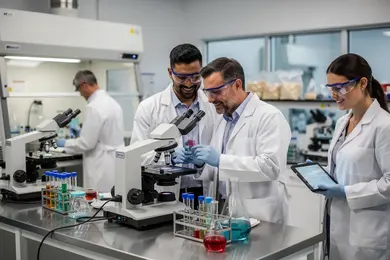
Online forensic chemistry degree programs structure training around technical skills crucial for evidence analysis in criminal investigations, yet the challenge remains in replicating hands-on lab experience remotely. Candidates gain proficiency with instrumentation such as gas chromatography-mass spectrometry (GC-MS) and high-performance liquid chromatography (HPLC), tools that employers require for interpreting complex chemical data accurately. Programs that integrate case-based scenarios-like distinguishing toxic residue in drug-related offenses or pinpointing accelerants in arson-better simulate workplace tasks, offering practical context often missing in remote formats.
Students should assess whether online forensic science degrees train forensic chemists through virtual labs alone or include partnerships for externships in local crime labs to overcome limitations on physical evidence handling. This distinction has tangible impacts on employability since forensic labs expect certified technicians who demonstrate both theoretical mastery and applied skills validated by real-world practice.
The U.S. Bureau of Labor Statistics forecasts an 11% employment growth for forensic science technicians between 2021 and 2031, driven by rising toxicology testing demands and backlog pressures in crime labs. Selecting programs that balance chemical analysis with legal ethics and courtroom testimony preparation enhances job readiness within this competitive field.
Those exploring related career pathways may consider what can I do with a masters in forensic psychology as a comparative option aligned with forensic science disciplines.
What types of online forensic science degrees best support a forensic chemistry career path?
Online forensic science degrees for forensic chemistry careers demand curricula that emphasize applied chemistry and advanced analytical techniques rather than generic forensic science labels. Programs restricting chemistry depth often force graduates into broad roles, requiring additional retraining for specialized functions like toxicology or trace evidence analysis. Employers expect candidates to navigate complex laboratory instrumentation and maintain chain-of-custody compliance, necessitating immersive practical training. Without virtual simulations or partnerships offering hands-on lab experiences, students face barriers entering drug enforcement or chemical residue investigation fields.
The best degree programs for forensic chemistry specialization integrate organic and inorganic chemistry, biochemistry, and forensic toxicology with supplemental certifications in laboratory safety and evidence handling, which directly influence employability. With approximately 12,000 annual job openings in forensic science-related roles and an 8.5% projected growth rate from 2019 to 2029, the demand for specialized forensic chemists remains steady. However, degrees focused narrowly on forensic biology or criminalistics without chemistry substance limit advancement potential.
Prospective students should scrutinize whether online offerings incorporate access to internships or crime lab partnerships, as these practical experiences critically affect hiring outcomes. For individuals balancing continuing education and career pivots, evaluating program rigor alongside logistical feasibility is essential. Additionally, those pursuing an allied career might explore programs such as an online data science doctorate to broaden analytical competencies relevant to forensic investigations.
How do accredited online forensic science programs compare to campus-based options for forensic chemistry?
Online forensic science education benefits for forensic chemistry are fundamentally constrained by the limited access to hands-on laboratory experiences that are essential for technical proficiency. Although accredited online forensic science degrees versus campus programs deliver comparable theoretical curricula, critical skills like chromatography and spectrometry require direct, supervised lab work frequently absent in virtual formats.
Employers in crime labs strongly favor candidates with verifiable in-person lab hours, making it imperative for online students to secure local internships or practical placements to remain competitive. Without this, graduates risk delayed employment or the necessity of additional certifications to demonstrate practical competence.
Universities such as Arizona State University Online, with its significant enrollment of 52,896 online learners according to recent data, illustrate the scalability and flexibility of online forensic degrees. However, this accessibility comes with a tradeoff; the immersive, collaborative environment and robust networking opportunities available on campus remain unparalleled and essential for many forensic chemistry careers.
Practical workforce implications include slower job placement rates documented among online-only graduates, reflecting weaker professional connections and reduced lab exposure. Prospective students should weigh these factors carefully and consider supplementing online study with local fieldwork and professional affiliations to align with employer expectations.
Those also exploring technologically intensive fields might compare pathways such as computer science degrees online to assess different models of remote education and hands-on tradeoffs in STEM disciplines.
What accreditation and program quality standards should you look for in online forensic science degrees?
Accreditation by the Forensic Science Education Programs Accreditation Commission (FEPAC) remains the most reliable indicator that an online forensic science degree accreditation standards meet professional rigor and employer expectations. Crime labs and regulatory agencies often limit recruitment to graduates from FEPAC-accredited programs, minimizing costly on-the-job training and accelerating workforce readiness.
However, not all accredited programs deliver equivalent experiential training. Quality criteria for online forensic chemistry programs demand access to specialized labs, whether through virtual simulation or hybrid arrangements. Without practical exposure to instrumentation like mass spectrometry and chromatography, graduates face a significant learning curve during initial hires, limiting their immediate contribution to investigative workflows.
Tuition often exceeds $57,000 in total for most master's programs, with public university online offerings generally providing better value without sacrificing standards. Weighing these costs against transparent graduate outcomes-such as board certification success and employment rates in forensic chemistry-is essential. Programs lacking such data warrant caution, as these metrics directly inform hiring decisions and long-term career viability.
Prospective students balancing affordability and quality may also consider broader research on cost-effective degree options, such as the library science masters segment, to gain comparative insights into tuition trends and ROI drivers within related academic disciplines.
What courses and laboratory experiences are included in online forensic science curricula focused on chemistry?
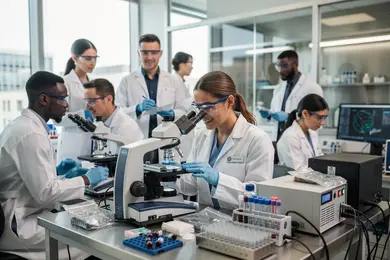
Online forensic science programs with a chemistry focus demand hands-on competencies that many purely online degrees struggle to deliver comprehensively. Rigorous coursework in analytical, organic, and inorganic chemistry, alongside toxicology and instrumental analysis, is foundational; yet, the key differentiator lies in applied laboratory skills. Students encounter simulated real-world tasks such as chromatographic analysis (GC-MS, HPLC), spectroscopy methods, and microscopic examination to identify substances within a controlled framework.
For instance, a student might analyze simulated soil contaminants or drug metabolites to replicate chemical fingerprinting used in environmental or pharmacological investigations. This hands-on experience is vital for developing the capacity to discern legally admissible evidence from noise-a real challenge forensic professionals face.
These programs often require a hybrid approach, combining online theory with mandatory in-person labs or residency sessions to verify skills employers prioritize over theoretical knowledge. This hybrid structure mitigates the limitations of virtual-only formats but requires logistical planning and access to partner facilities. Tuition costs vary substantially; CriminalJusticePrograms.com reports in-state per-credit rates ranging from $373 to $766, with out-of-state fees reaching $1,485. This disparity significantly impacts ROI considerations based on residency and institutional choices.
Employers in crime labs or pharmaceutical forensic units expect precision in chemical analyses, rigorous adherence to chain-of-custody protocols, and practical readiness. Therefore, programs integrating substantial lab simulations with onsite experiences offer the most realistic pathway to workforce competence in forensic chemistry roles.
What are typical admission requirements and prerequisites for online forensic science programs in the U.S.?
Admission requirements for online forensic science programs reveal practical challenges often overlooked in marketing. Undergraduate applicants generally must hold a high school diploma with coursework in biology, chemistry, and math, paired with a minimum GPA around 2.5 to 3.0. A focus on forensic chemistry intensifies these prerequisites, demanding prior studies in general and organic chemistry, sometimes physics. Absent these, students may face conditional admission requiring extra coursework, potentially extending time to degree and increasing cost.
Graduate programs expect bachelor's degrees in forensic science, chemistry, biology, or related STEM fields, with competitive GPAs (typically 3.0+). The GRE is increasingly optional but can be a barrier if required. Practical experience in labs or criminal justice settings strengthens applications and readiness for workforce demands. Letters of recommendation and personal statements must underscore relevant research or career goals to differentiate candidates in a competitive pool.
Employers hiring forensic chemists prioritize accreditation and tangible laboratory experience. Online programs attempt to bridge gaps through partnerships for local lab work or virtual simulations, but these alternatives vary in quality and may not fully replicate traditional hands-on training. This impacts job readiness and compliance with forensic accreditation standards, which are non-negotiable in many jurisdictions.
According to 2026 data, Champlain College's online Bachelor of Science in Computer Forensics & Digital Investigations graduates earn a median of $89,716, illustrating that specialized credentials with rigorous admission standards can enhance earning potential in niche forensic fields. Prospective students must weigh the tradeoff between program flexibility and the necessity of applied lab experience when selecting online pathways.
How long do online forensic science degrees take, and what do they cost for aspiring forensic chemists?
Completing a forensic science degree with a concentration in forensic chemistry involves strategic tradeoffs between time, cost, and practical readiness. Associate degrees take about two years and suit professionals targeting entry-level lab technician roles, while bachelor's degrees-often a hiring minimum for forensic chemists-require roughly four years but provide more comprehensive chemistry skills. Accelerated pathways exist but typically demand previous credits or heavier course loads. Graduate degrees add two to three years, focusing on advanced chemical analysis required for specialized positions.
Tuition varies by program type and residency. Community colleges offer associate degrees at $4,000 to $8,000 annually in-state, whereas online bachelor's degrees at public universities cost $10,000 to $20,000 per year. Private or specialized programs can exceed $30,000 annually. Beyond tuition, expect additional costs like lab fees and materials that cumulatively impact total affordability.
Few U.S. programs specifically center on forensic chemistry, leading many students to pursue general forensic science or chemistry degrees augmented with relevant electives. Employers prioritize candidates with practical chemistry competence gained through in-person or hybrid labs-even if these increase time and expense.
For students balancing workforce demands, a working professional may choose a shorter associate degree combined with on-the-job training to expedite entry. Conversely, those aiming for government or forensic lab analyst positions typically must pursue bachelor's or master's degrees aligned with hiring standards and competitive salary benchmarks.
What forensic chemistry careers can you pursue with an online forensic science degree?
Forensic chemistry graduates face a job market where technical proficiency is a baseline, not a differentiator. Employers demand hands-on experience with instruments like gas chromatography-mass spectrometry (GC-MS) and infrared spectroscopy, coupled with strict chain-of-custody documentation skills. For instance, a crime lab analyst must repeatedly execute precise chemical assays on evidence, balancing speed with error-free reports. Toxicologists often influence high-stakes decisions involving biological toxins, where analytical accuracy directly impacts case outcomes. Trace evidence examiners analyze minute chemical residues, where misinterpretation can disrupt forensic linkages.
The proliferation of online forensic science degrees-255 options reported by Educations.com for 2025-introduces practical challenges. Remote learning convenience conflicts with employer expectations for local internships or lab practicums that provide critical applied skills. Candidates ignoring this experiential gap risk diminished employability in regulatory or investigative roles beyond crime labs, such as pharmaceutical compliance or environmental forensics.
Professionals aiming for supervisory or specialized positions must plan for additional certifications or graduate education emphasizing forensic chemistry or toxicology. This targeted credentialing aligns with employer preferences for demonstrated subject mastery and leadership readiness, not just academic completion.
- Core job functions require chemical analysis coupled with rigorous process controls
- Practical internships are often prerequisites for advanced forensic roles
- Ongoing certification enhances career mobility and leadership prospects
What salary ranges and job outlook can forensic chemists expect in the United States?
Starting salaries for forensic chemists in the U.S. typically fall between $50,000 and $65,000 annually, with mid-career earnings ranging from $70,000 to $85,000, according to the U.S. Bureau of Labor Statistics (2024). Positions in federal or private high-security labs can surpass $90,000, but these often require extensive clearance and on-the-job training. This creates a practical tradeoff: metropolitan crime lab roles may offer more frequent entry points but come with tighter budgets and limited salary growth, while federal opportunities demand elevated qualifications but reward with higher compensation.
The scarcity of specialized education is a critical factor-only 17 forensic chemistry degree programs exist nationally (Educations.com, 2025). Employers prioritize graduates from these programs due to their direct applicability to laboratory techniques and chemical analysis critical for forensic investigations. Candidates lacking forensic-specific degrees face steeper hurdles, often needing additional certifications or coursework to meet technical standards.
Regional job market differences compound these challenges. For instance, relocating to states with a concentration of federal or specialized forensic labs can meaningfully affect salary and advancement prospects. Maintaining up-to-date skills in instrumental analysis and legal procedural standards is essential for retaining employability amid steady field growth projected at 7% through 2032.
Are there certifications, licensing, or professional memberships that strengthen a forensic chemistry career?
Forensic chemistry positions increasingly demand more than a bachelor's degree, with certifications serving as key differentiators that directly impact employability and compensation. Credentials such as those offered by the American Board of Criminalistics (ABC) or the International Association for Identification (IAI) validate technical proficiency and industry-standard compliance, often resulting in salary boosts up to 15%, based on Bureau of Labor Statistics data.
Licensing requirements differ widely by state and agency, with some forensic labs requiring notarized examinations or state-issued licenses specific to evidence handling and lab protocols. Without both certification and relevant licensing, forensic chemists may encounter limited job opportunities and slower progression, particularly in government crime labs.
Professional affiliations with organizations like the American Academy of Forensic Sciences (AAFS) deliver practical benefits beyond networking, including access to accredited online forensic science degrees and specialized workshops that build applied skills aligned with evolving forensic standards. CriminalJusticePrograms.com notes that AAFS accreditation is a significant factor in bolstering academic credibility in hiring decisions.
Prospective forensic chemists need to weigh the time and financial investments for certifications and memberships against immediate job market entry, especially when transitioning from non-related fields. Selecting accredited online degree programs tailored to certification exam preparation can streamline this pathway, ensuring alignment with employer expectations and reducing risks tied to unaccredited education.
Other Things You Should Know About Forensic Science
Online forensic science programs focused on forensic chemistry have improved virtual lab simulations but cannot fully replicate the tactile skills gained from in-person labs. Employers often expect candidates to demonstrate practical laboratory competencies that are difficult to prove through online-only formats. Prioritizing hybrid programs that combine online coursework with on-site lab sessions or internships enhances employability and skill mastery in forensic chemistry roles.
Employers generally value accredited online degrees similarly to traditional degrees if the curriculum rigor and lab experiences are comparable. However, online graduates without direct hands-on training or relevant internships may face challenges competing for roles requiring immediate lab readiness. Candidates should focus on programs that integrate practical experience and maintain strong industry connections to align with employer expectations.
An advanced degree isn't always mandatory, but it can significantly bolster career opportunities in forensic chemistry. While a bachelor's degree offers entry into the field, a master's or Ph.D. can open doors to specialized roles, research positions, and higher salaries in 2027.
Many online forensic chemistry degrees require a basic home lab kit, a digital microscope, glassware, and a PPE set, but major experiments are completed in supervised campus intensives or partner labs. Programs usually list equipment needs before enrollment, and some require shipping samples back within 24 to 72 hours.
References
- Forensic Chemistry Major Jobs & Career Resources https://www.towson.edu/careercenter/planning-resources/major/forensicchem.html
- Top Online Forensic Science Degree Programs https://www.forensicscolleges.com/online
- Educational Standards (EQS) - The Chartered Society of Forensic Sciences https://www.csofs.org/quality-standards/educational-standards/
- Forensic Chemistry Degree Programs | Forensic Science Online https://www.forensicscienceonline.org/specialty/forensic-chemistry/
- Best Forensic Science Master's Degrees Online https://www.onlinemastersdegrees.org/best-programs/criminal-justice/forensic-science/
- Crime Scene FAQs https://theiai.org/crime_scene_faqs.php
- Forensic Science Education Programs Accreditation Commission https://www.aafs.org/FEPAC
- Compare Forensic Scientist Schools & Training Programs https://www.criminaljusticeprograms.com/specialty/forensic-science-degrees/
- Forensic Scientist Salary: State-by-State Median Guide https://www.allcriminaljusticeschools.com/forensics/salary/
- Forensic Chemistry https://www.keele.ac.uk/study/undergraduate/undergraduatecourses/forensicchemistry/