2027 Online Forensic Science Degrees With the Most Flexible Enrollment Paths

Co-Founder and Chief Data Scientist
Forensic science professionals frequently face urgent demands to upgrade skills without interrupting active casework or employment. Balancing hands-on lab requirements with unpredictable schedules complicates returning to school, especially as 45% of adult learners in STEM fields report enrollment inflexibility as their top barrier, according to the National Center for Education Statistics. This rigidity not only delays career advancement but also narrows hiring pools at agencies needing adaptable, credentialed specialists.
Flexible online programs have shifted access by accommodating variable timelines and work commitments, directly responding to evolving workforce constraints. This article identifies online forensic science degrees with the most adaptable enrollment models to help candidates optimize timing, access, and career mobility amid practical constraints.
Key Things You Should Know
- Annual wage growth in forensic science roles lags STEM counterparts by 12%, influencing candidates toward accelerated online programs despite limited hands-on training, often trading lab experience for degree speed and cost efficiency.
- Employers increasingly require state-recognized certification despite flexible online degree formats; 67% of surveyed forensic labs in 2024 favor graduates with hybrid practicum components, creating a tension between accessibility and credential robustness.
- Online forensic science programs averaging $450 per credit offer broad geographic access but impose delayed workforce entry by 6 to 9 months compared to intensive onsite tracks, impacting short-term earning potential and career pivot timing.
What are the most flexible online forensic science degrees?
Flexibility in online forensic science degree programs is a strategic consideration that impacts career continuity and financial investment. Programs blending asynchronous coursework with minimal on-site requirements appeal to working professionals and caregivers by minimizing schedule disruptions. However, when programs require fixed in-person labs or clinical internships, students often face difficult tradeoffs such as relocating or unpaid leave, unless local or virtual alternatives are offered. These constraints are crucial when evaluating most flexible online forensic science degree programs.
Employment outcomes further influence degree value. Data from OnlineU shows 12 bachelor's degrees in forensic science with median alumni salaries exceeding $60,000 within three years, reaching as high as $89,716. This affirms the importance of selecting degrees that integrate practical skill development, particularly in applied digital forensics or crime scene analysis, which frequently use online simulations aligned with employer expectations.
From a workforce lens, hiring managers prioritize demonstrable skills with forensic technologies and precise documentation. Programs that establish partnerships for local practicums ease geographic limits but require students to proactively coordinate placements and deadlines. Conversely, 100% remote degrees may restrict hands-on experience depth, affecting prospects in technician roles. Students assessing online forensic science degrees with flexible enrollment options must weigh these operational realities against their specialization goals and personal constraints. Those interested in affordability and program options can explore more details on the online bachelor's degree in forensic science.
How do online forensic science programs compare with campus programs?
Online forensic science degree flexibility compared to campus programs often trades direct lab exposure and in-person mentorship for increased accessibility and adaptability. Employers emphasize physical lab skills and courtroom experience for many forensic roles, which campus-based programs better provide. Conversely, niches such as cyber forensics and digital investigations naturally align with online education, relying heavily on virtual tools rather than hands-on labs.
Champlain College's online BS in Computer Forensics & Digital Investigations demonstrates market viability, with graduates earning a median of $89,716, the highest among tracked online forensic programs. This highlights how online pathways in specific digital investigative fields can yield competitive compensation despite the lack of traditional lab components.
Working professionals benefit from the flexibility of online programs to pivot careers or relocate, yet they must consciously supplement their studies with internships or virtual simulations to address practical skill gaps-an expectation particularly enforced by federal and law enforcement hiring managers.
Decision-makers and candidates must weigh:
- Online programs' convenience and wider access against limited physical lab training
- Matching online learning with certifications in cybersecurity or data analytics to enhance employability
- The necessity to acquire supplemental real-world field exposure to meet employer standards in physical forensic disciplines
For individuals considering expanding technical expertise, exploring the data science learning path may offer complementary analytical skills increasingly valued across forensic domains.
What accreditation should an online forensic science degree have?
Choosing an online forensic science degree without regional accreditation recognized by the U.S. Department of Education can severely limit credit transferability and employer recognition. Specialized accreditation by the Forensic Science Education Programs Accreditation Commission (FEPAC) plays an essential role in validating program quality, ensuring rigorous curriculum, qualified faculty, and sufficient lab resources. Graduates from FEPAC-accredited programs face fewer hiring barriers, particularly with government agencies and forensic laboratories where such credentials often form baseline requirements for forensic analyst positions.
Programs lacking this specialized accreditation may offer lower tuition-ranging from $8,000 to $24,780 annually in 2026 per OnlineU rankings-but this cost saving risks long-term limitations in employability and certification eligibility. For working professionals, prioritizing flexible forensic science programs with supervised lab components aligned with accreditation standards is crucial. Some online degrees rely on asynchronous coursework with minimal hands-on experience, often necessitating in-person residencies or internships to meet competency benchmarks.
When evaluating online forensic science degree accreditation agencies, consider programs with FEPAC accreditation or strong ties to national forensic boards. This alignment reduces costly supplementary training and provides a curriculum that reflects evolving forensic methodologies and legal expectations.
For those weighing degree options, the challenge extends to balancing affordability against practical employability. Individuals seeking to pivot into forensic science might also explore complementary fields-such as computer science-by reviewing accelerated online alternatives, including the accelerated computer science degree online, which may offer transferable analytical skills applicable in digital forensics specialties.
What courses are in an online forensic science curriculum?
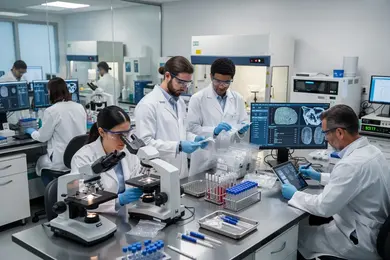
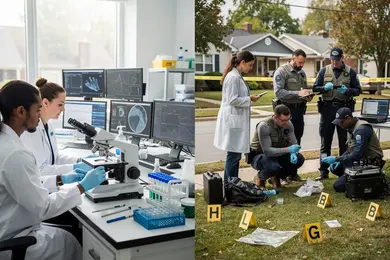
Choosing an online forensic science degree program requires balancing technical training with practical workforce demands, particularly for those pursuing flexible online forensic science study programs while working. Core courses integrate biology, chemistry, and criminal justice, emphasizing skills like DNA analysis, toxicology, and crime scene investigation. Distinct roles emerge within the field: crime lab analysts typically focus on detailed substance and evidence testing, while field investigators prioritize preservation and chain of custody integrity.
Laboratory techniques in microscopy, chromatography, and spectroscopy are essential, as is growing digital forensics expertise to address cyber-related crimes. Ethics and legal procedure courses are vital to prepare professionals for courtroom testimony and maintaining evidential standards under scrutiny. For instance, applying knowledge in homicide or drug investigation contexts reveals the operational realities students must master beyond theory.
Employment growth projections for biological scientists, a closely related occupation, remain modest with a 1.2% increase and median salaries near $98,920, highlighting competitive hiring landscapes. Programs that include biostatistics and data interpretation respond to employer preferences for analysts capable of supporting investigations with quantitative insights. This alignment with measurable competencies often distinguishes graduates in recruitment processes.
Students evaluating options should note the availability of online exercise science degrees as an example of structured, flexible curricula in related science fields, providing a comparative framework for program design and student experience. Selecting a comprehensive forensic science degree courses online directly impacts readiness to meet both fieldwork and analytical expectations.
What admission requirements do online forensic science programs usually set?
Admission to online forensic science programs often hinges on more than a bachelor's degree; specific coursework in biology, chemistry, or statistics is frequently required to meet employer expectations for foundational knowledge. Graduate programs typically request transcripts, recommendation letters, and statements of purpose, with some requiring relevant professional experience. Notably, the GRE is increasingly waived to prioritize practical skills aligned with workforce demands.
Working professionals benefit from programs offering flexible enrollment models, such as allowing minimal credit hours per term. For example, the University of Florida permits zero credits per semester except the final term, enabling students to balance unpredictable schedules common in law enforcement or shift work without risking academic overload.
Career changers must confirm all prerequisites through transcripts or bridge courses before enrollment, since forensic roles-especially lab analyst or digital forensics positions-demand clear alignment between education and job competencies. Criminal background checks also affect admission timing and eligibility due to the sensitive nature of the field.
Trade-offs between admission timing and course load flexibility directly influence time-to-degree and employer sponsorship feasibility. Programs with rolling admissions and minimal per-term credit requirements support continuous employment and reduce attrition risks. Prospective students should weigh these operational features carefully, as they impact both educational completion and workforce integration in forensic science.
How long does an online forensic science degree take?
Time-to-completion for an online forensic science degree directly impacts employability and skill acquisition, demanding careful planning based on career goals and existing knowledge. A standard bachelor's degree usually requires four years, matching traditional cadences but offering flexibility for employed students. Accelerated tracks can halve this duration to around two and a half years if students enroll year-round and manage heavy course loads, enabling rapid workforce entry but often limiting lab experiences vital for practical competence.
Part-time schedules extending beyond five years accommodate working adults but introduce challenges: prolonged educational investment and potential skill atrophy in fast-evolving forensic methods. Professionals transitioning from unrelated fields may spend additional time completing foundational science courses, affecting total duration and readiness.
Employers typically expect at least a bachelor's degree for entry-level forensic technician roles, making streamlined programs attractive for those prioritizing speed. However, accelerated online pathways frequently reduce hands-on components, a critical tradeoff when compared to traditional or hybrid programs offering richer practical training.
Institutional scale, such as Arizona State University Online's 52,000 enrollees in 2026, illustrates growing support for diverse pacing needs but underlines the necessity of aligning program choice with personal and market realities. For learners weighing accelerated versus traditional paths, the key consideration remains balancing faster credentialing with adequate skill development tailored to forensic science's technical demands.
How much do online forensic science degrees cost?
Cost remains a decisive factor when selecting an online forensic science degree, especially considering the significant variation in tuition based on institution type and residency. Public universities offer in-state rates generally between $10,000 and $20,000, making them cost-effective relative to private or out-of-state options that often surpass $30,000. Certificate and associate programs, starting around $5,000, lack the comprehensive career leverage provided by bachelor's or master's degrees.
From a workforce perspective, accredited bachelor's degrees have become a baseline requirement for forensic and cyber-forensic roles. Employers prioritize graduates who combine recognized credentials with demonstrable skills, which often necessitates a degree that balances cost with academic rigor.
Return on investment is tangible: degrees priced near $30,000 that yield median alumni earnings exceeding tuition by at least $20,000 annually can offset costs in under two years. However, students must factor in indirect expenses-software fees, lab equipment shipments, and time commitments-that vary widely. Flexible payment models like pay-per-course or subscriptions can ease immediate financial burdens but may increase total program expenses.
- In-state public tuition ($10,000-$20,000) generally offers better ROI for residents
- Private and out-of-state programs often increase both cost and time to recoup investment
- Accredited bachelor's degrees remain essential for credible entry into the field
- Non-tuition expenses and course delivery format significantly impact overall affordability
Strategic decisions should emphasize programs with transferable credits and flexible pacing to reduce both duration and cumulative cost. This analysis aligns with findingsand takes into account real-world employer expectations that prioritize validated credentials over faster but less comprehensive options.
What jobs can you get with a forensic science degree?
Forensic science graduates face specialized labor markets shaped by technical demands and evolving crime challenges. Positions like digital forensic examiners require not only data recovery expertise but also familiarity with legal standards, while forensic biologists emphasize DNA analysis in controlled lab environments.
Employers prioritize targeted specializations over generalist degrees, necessitating prudent program selection aligned with market needs. The 2025 distance-learning catalog documents 15 online forensic science tracks, including digital forensics, forensic biology, and crime scene investigation, illustrating the fragmented nature of employability pathways.
Entry-level roles almost universally demand certifications or internships, particularly in technology-driven disciplines. Advancement into supervisory or forensic management roles generally requires documented field experience and nuanced understanding of procedural protocols.
Key tradeoffs students must consider include:
- Crime scene investigators confront unpredictable schedules and emotionally charged environments.
- Forensic biologists and toxicologists operate within stable lab settings but must master strict procedural accuracy.
- Continuous skills updating is indispensable across all specializations to stay relevant amid technological changes.
Graduates often navigate a bifurcated career landscape balancing practical training, credentialing hurdles, and real-world pressures that distinctly shape employability and professional longevity within forensic science.
What salary can forensic science graduates expect?
Salary outcomes for forensic science graduates vary significantly based on experience, employer type, and specialization, with median annual wages near $61,920 according to the U.S. Bureau of Labor Statistics (2024). Entry-level roles, especially in smaller jurisdictions, typically start around $45,000, while seasoned professionals in federal agencies or specialized labs command salaries exceeding $90,000. This disparity reflects the premium placed on technical skills like forensic chemistry and DNA analysis versus more generalist roles such as crime scene technicians.
Employers prioritize candidates who combine formal education with relevant laboratory experience, certifications, and proficient case documentation capabilities-factors that strongly influence salary progression. For working professionals, pursuing a part-time or asynchronous master's program, such as a 34-credit concentration offered online by Texas Tech University, enables skill enhancement without interrupting income flow. Such flexibility frequently facilitates promotions that yield 10-20% salary increases within three to five years.
Consider a forensic analyst who continues full-time employment while completing an online master's: advanced qualifications can enable a transition into supervisory roles, with starting salaries near $75,000 annually. Delaying further education risks slower salary growth as workplace technology and industry standards evolve. Geographic factors also shape earning potential, as metropolitan areas with more forensic laboratories tend to offer both higher wages and greater mobility.
Ultimately, professionals must weigh immediate income needs against long-term financial gains; asynchronous graduate programs provide a strategic path to credentialing, balancing workforce demands and verifiable pay outcomes.
Do forensic science careers require certification or licensing?
Licensing requirements in forensic science vary widely, often placing greater emphasis on demonstrable skills and relevant experience rather than formal credentials. In practice, forensic roles such as crime scene technicians rely heavily on accredited coursework coupled with internships or field experience rather than formal state certification. For instance, a municipal crime scene technician may qualify based on hands-on work and completion of practitioner-led programs without a license, reflecting a pragmatic hiring approach that favors applied readiness.
Conversely, professionals in specialized domains-such as forensic toxicologists or DNA analysts within government laboratories-frequently pursue certifications from recognized bodies like the American Board of Criminalistics or the International Association for Identification. These credentials address stricter regulatory standards and serve as a competitive advantage for mid- to senior-level positions.
When selecting educational pathways, prospective students should prioritize programs integrating mandatory internships and real-world practicum components to build practical competencies aligned with workforce needs. This strategy compensates for the broad lack of licensure mandates and positions candidates to meet employer expectations more effectively.
Key considerations include:
- Choosing accredited forensic science programs with supervised fieldwork
- Understanding certifications pertinent to specific forensic niches
- Planning ongoing professional development to sustain credentials and skills
These factors critically influence employability and career sustainability, especially where standard licensure is absent but market demands for validated expertise persist.
Other Things You Should Know About Forensic Science
Online forensic science programs often offer asynchronous courses, allowing students to complete assignments at their convenience. Many programs also provide part-time enrollment options and support services such as academic advising and career counseling, making it easier for students to manage work and study commitments simultaneously.
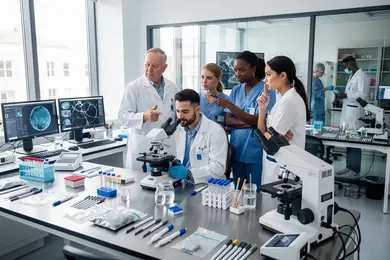
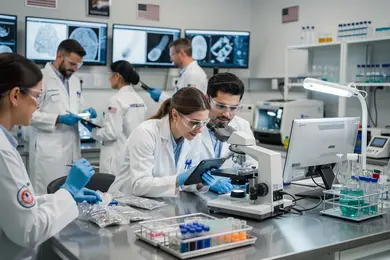
Hands-on lab work is essential in forensic science education due to the technical skills required in evidence analysis and testing. Online programs vary in how they handle this; some offer virtual labs or require occasional on-site residencies, while others partner with local facilities for practical training. When choosing a program, prioritize those that provide tangible lab experience or facilitate access to real-world equipment, as pure virtual simulations often fall short of employer expectations. Graduates lacking sufficient lab proficiency may face challenges during job entry or when seeking certification.
Employers often scrutinize online forensic science degrees for the extent of practical training and academic rigor. Graduates from programs lacking clear evidence of lab work or internships may encounter skepticism, especially from agencies with strict accreditation preferences. Choosing programs with established partnerships for internships or that hold reputable regional or program-specific accreditation reduces this concern. Candidates without direct, supervised laboratory or field experience often require longer on-the-job training, delaying full competency.
Most online forensic science degrees require at least 1 to 2 in-person lab courses, plus a supervised capstone or practicum. Programs often expect 3 to 6 laboratory credit hours in chemistry, biology, or evidence analysis, completed through a local partner site, campus intensive, or approved criminalistics lab.
References
- Top Forensic Science Colleges & Universities https://www.forensicscolleges.com/
- Certification https://www.criminalistics.com/certification.html
- What job can I get with a degree in Medical, Molecular or Forensic Science? https://www.murdoch.edu.au/news/blogs/blog-posts/campus-and-community/what-job-can-i-get-with-a-degree-in-medical-molecular-or-forensic-science
- Best Forensic Science Master's Degrees Online https://www.onlinemastersdegrees.org/best-programs/criminal-justice/forensic-science/
- Forensic Sciences Careers https://www.dea.gov/careers/forensic-sciences
- Careers in Forensic Science https://www.aafs.org/careers-forensic-science
- Careers in Forensic Science https://www.tarrantcountytx.gov/en/medical-examiner/programs/forensic-science-careers/forensic-science.html
- Top Forensic Science Career Guide | Forensic Science Online https://www.forensicscienceonline.org/top-careers/
- Online Forensic Science Degree https://www.aiuniv.edu/degrees/criminal-justice/bachelors-forensic-science
- 2025 Most Popular Online Forensic Science Degrees https://www.onlineu.com/degrees/forensic-science