2027 Highest-Paying Jobs After RN to BSN

Co-Founder and Chief Data Scientist
Navigating career advancement after obtaining an RN can be a complex challenge, especially when balancing work, family obligations, and education. With 60% of adult learners enrolling in online programs as of 2024 according to the National Center for Education Statistics, the growing preference for flexible, remote RN to BSN Programs reshapes access but also raises questions about employer recognition and job market impact.
Many nurses struggle to identify which degree pathways lead to significantly higher salaries amid shifting healthcare demands. This article will clarify the highest-paying job opportunities available after completing RN to BSN Programs and guide decisions to maximize career mobility and economic return.
Key Things You Should Know
- BSN-educated nurses earn a median wage premium of 18% versus ADN holders, but time invested in RN to BSN programs delays earning higher pay by 1.5 to 2 years, impacting cumulative income growth.
- Employers increasingly mandate or prefer BSN credentials-70% of U.S. hospitals reported this for nurse hiring in 2025-shaping RN to BSN utility as a gatekeeper for leadership and specialized roles.
- Regional labor markets show wide BSN salary variance, with urban teaching hospitals offering up to 25% more than rural systems, requiring candidates to weigh geographic cost-of-living adjustments in program choice.
What are the highest-paying nursing roles you can pursue after an RN to BSN?
Advanced nursing roles with the highest compensation following an RN to BSN degree require purposeful specialization and often graduate education. The highest-paying nursing careers after RN to BSN completion are dominated by positions like Certified Registered Nurse Anesthetist (CRNA), which commands an average salary of $248,320 per year in 2025. This reflects not only critical perioperative and anesthesia responsibilities but also the entry barriers, including the need for critical care experience and competitive program admission.
Other top nursing roles with RN to BSN degree pathways, such as Family Nurse Practitioner (FNP), Psychiatric Nurse Practitioner (PMHNP), Nurse Midwife (CNM), and Clinical Nurse Specialist (CNS), show variable salary ranges from approximately $90,000 to over $120,000, with differing education lengths and certification requirements. Employers prioritize clinical hours and certification readiness, underscoring that salary increases are closely tied to specialization rather than the BSN credential alone.
Deciding between these roles involves evaluating workforce demand, licensing variations, and educational investment, especially when considering graduate-level degrees like MSNs or DNPs. Prospective students should also examine practical program choices, including Capella university nursing accreditation, to ensure alignment with employer expectations and sustainable career pivots.
How does earning a BSN impact your salary compared with remaining an RN?
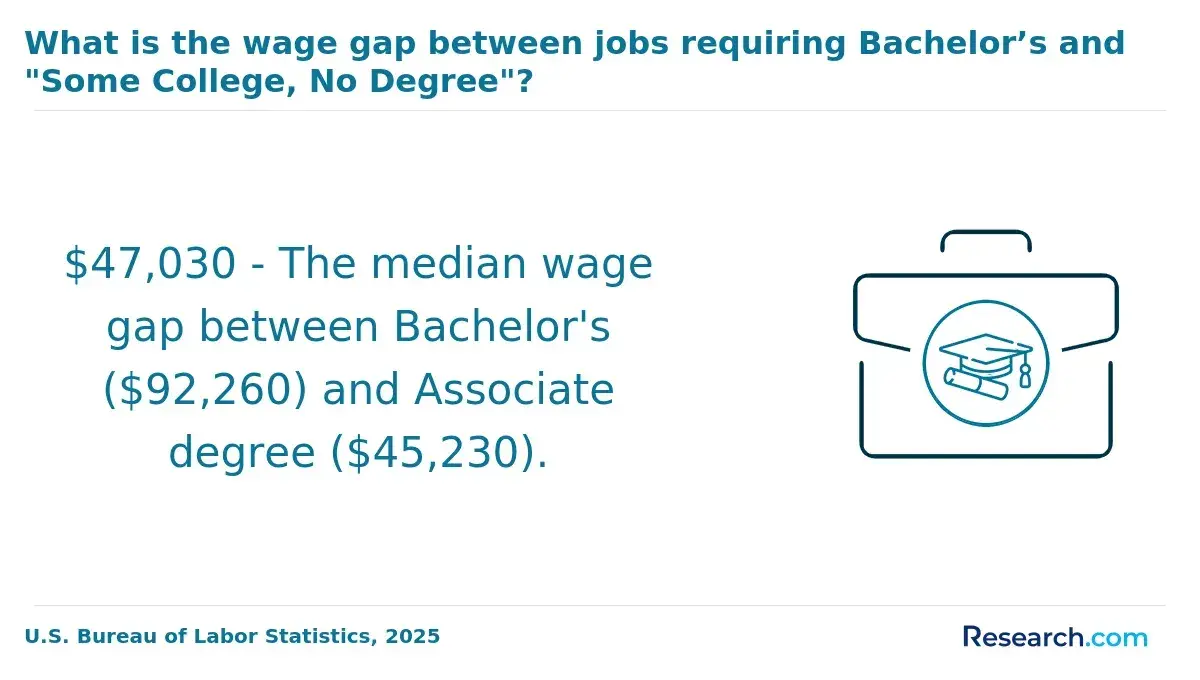
Salary distinctions between RN and BSN nurses in the United States often reflect more than just credential differences-they reveal significant workplace expectations and advancement constraints. Bedside RNs with an associate degree typically earn about $75,000 annually, while BSN-prepared nurses see a 10% to 25% salary increase, ranging from mid-$80,000s to low-$90,000s depending on region and setting. This gap is largely due to BSN-trained nurses' expanded clinical skills and readiness for leadership or specialty positions that associate-degree holders cannot access.
For those assessing how earning a BSN degree influences nursing salary, a critical factor is the pathway it creates toward advanced practice roles. Nurse practitioners, for example, average around $140,000 annually but require a BSN as a prerequisite before graduate education. This makes RN to BSN programs essential for nurses targeting higher compensation and clinical autonomy beyond bedside care.
However, completion comes with tradeoffs: balancing one to two years of coursework alongside work, tuition costs, and potential time away from hands-on practice. Employers increasingly mandate BSN credentials for promotion eligibility, which pressures working RNs to upgrade or risk salary stagnation. The degree also broadens options outside direct care, such as case management or informatics, where broader educational credentials translate to competitive wages. Prospective students should weigh employer tuition support and net financial gain carefully. Those interested in accelerated academic progress might explore specialized BSN to MSN online programs that build on the BSN foundation to fast-track clinical careers.
Which industries and practice settings offer the best pay for BSN-trained nurses?
BSN-trained nurses face distinct compensation dynamics depending on the practice setting and geographic location. Hospitals in metropolitan areas pay top salaries, particularly for specialized fields like critical care, oncology, and emergency medicine, where advanced clinical skills meet complex patient demands. Large health systems frequently add differential pay for night shifts and patient acuity, boosting overall income but often capping upward mobility. The best paying nursing specialties for BSN graduates emerge sharply in the travel nurse sector, where projected 2026 salaries range from $110,000 to $160,000 annually due to urgent nationwide shortages and flexible, short-term assignments across regions.
Outpatient surgical clinics and ambulatory care centers represent another niche where BSN nurses can earn more by providing perioperative support or delivering advanced patient education. Federal agencies such as the Department of Veterans Affairs and the Indian Health Service also offer competitive salaries combined with substantial benefits, although these roles usually require geographic flexibility and specific role commitments.
Long-term care and home health settings generally offer lower wages but opportunities for advancement into leadership or case management roles post-BSN. Meanwhile, nurse informatics positions within healthcare technology firms or expansive hospital networks reward data analytics competency alongside clinical expertise. This diverse wage landscape means that decisions around employment require weighing stability against earning potential and mobility. Job seekers exploring RN to BSN programs should factor in these industry-specific compensation realities and consider how advanced certification can unlock specialized practice settings that pay more. Prospective students can also review nursing online programs to find flexible pathways aligned with their career goals and market demands.
What advanced career pathways become accessible after completing an RN to BSN program?
Advancing to a BSN credential markedly shifts a nurse's role into higher-responsibility positions, such as nurse administrators and managers, where oversight complexity and regulatory compliance demand that BSN level rigor. Nurse administrators can expect an average salary of $140,970 per year in 2025-2026, reflecting a tangible financial benefit correlated with advanced preparation. This wage premium results from expanded duties that often include quality assurance, staff coordination, and patient outcome management, responsibilities typically reserved for those with BSN qualifications.
Healthcare leadership opportunities for RN to BSN graduates are practical career pivots, where critical thinking, communication, and leadership skills become essential workforce traits. For instance, in hospital units stretched thin by staffing shortages, nurse managers effectively juggle resource allocation and multidisciplinary team coordination to maintain care standards. These real-world demands underline why employers expect BSN-prepared nurses to step into such leadership roles.
The scope for specialized clinical positions also widens, including pathways in public health nursing, clinical nurse specialties, and nurse education, areas requiring competencies often absent from associate degree programs. Balancing professional demands with continuing education remains a challenge; thus, flexible, accredited RN to BSN programs are crucial for working nurses aiming to sustain employability and eligibility for graduate studies. For those seeking options beyond clinical leadership, pathways like DNP online no clinicals offer alternatives that complement the RN to BSN route without additional bedside requirements.
How do experience, location, and specialization affect BSN nurse earning potential?
Years of clinical experience significantly enhance the earning potential of BSN nurses by enabling access to higher-paying leadership or specialized roles. For example, a BSN nurse with over a decade in critical care typically surpasses median salary benchmarks, while an entry-level BSN graduate often remains confined to general bedside care with limited salary growth. Employers prioritize proven clinical skills and the ability to manage complex cases when determining compensation.
Geographic location introduces notable salary variability tied to cost of living, state budgets, and healthcare market dynamics. Urban centers such as New York City and San Francisco tend to pay 15%-25% above national averages, compensating for expensive living costs and competitive hiring. In contrast, rural or less competitive regions often offer lower salaries even for experienced nurses, forcing candidates to consider location strategically when pursuing RN to BSN programs and beyond.
Specialization drives the largest income disparities. Careers in nursing informatics, for example, are projected to yield around $115,000 annually, due to the premium on healthcare data expertise. Meanwhile, fields like nurse anesthesia or nurse practitioner roles command higher wages but demand additional certification and credentialing beyond a BSN. These specializations can restrict geographic mobility and require time and financial investment in further education.
What are the typical job duties and work environments for top-paying BSN roles?
Top-paying BSN roles demand specialized skill sets shaped by distinct operational environments and real-world constraints. Nurse researchers, earning around $116,840 annually, navigate complex clinical trials through protocol development, data integrity management, and collaboration with regulatory bodies. Their effectiveness hinges on advanced statistical expertise and working within rigidly controlled settings like medical centers and pharmaceutical firms.
Contrasting this, nursing managers and clinical nurse specialists split their focus between direct patient oversight and administrative challenges such as staff coordination, protocol enforcement, and interdisciplinary communication-often under intense clinical pressure. These roles typically occur in critical care units or outpatient clinics, requiring adaptability and acute clinical judgment.
Nurse informatics and healthcare quality improvement professionals blend technical fluency with clinical insights to optimize electronic health records and workflow. Their daily tasks involve ongoing IT collaboration within large hospital systems or insurer operations, demanding negotiation between clinical priorities and technological implementation.
This distribution of responsibilities illustrates a key tradeoff for graduates of RN to BSN Programs: roles steeped in research or informatics may reduce physical strain but increase sedentary, administrative demands, while leadership positions involve sustained patient-facing pressures and logistical complexity.
What additional certifications or graduate degrees boost income for BSN-prepared nurses?
Advanced certifications and graduate degrees provide BSN-prepared nurses with clear pathways to higher earnings by qualifying them for specialized, higher-responsibility positions that often come with better compensation. For example, obtaining a Certified Case Manager (CCM) credential allows nurses to move into case management roles, where the 2025 BSN career salary survey from Widener University reports average annual salaries near $74,840-well above many bedside RN to BSN programs graduates' starting pay. This certification shifts focus from direct patient care to care coordination, resource management, and complex discharge planning, reflecting a distinct pay-grade elevation tied to administrative expertise.
Graduate degrees such as an MSN or DNP unlock roles like Nurse Practitioner (NP), Clinical Nurse Specialist (CNS), or Nurse Educator. In states with strict scopes of practice, NPs typically earn between 20% and 40% more than BSN-holding RNs lacking these advanced credentials. These degrees also position nurses for leadership or policy roles that offer significant salary gains but require considerable time and financial investment.
Specialty certifications in oncology, critical care (CCRN), or perioperative nursing communicate advanced skill sets valued by employers aiming to reduce liability and improve outcomes. However, the upfront costs, clinical hours, and exam preparation can delay immediate wage growth during credentialing.
Careful evaluation of regional demand, employer preferences, maintenance costs, and time investment is essential to ensure income growth strategies in RN to BSN programs translate into sustainable career gains rather than short-term tradeoffs.
How do online and campus RN to BSN programs differ for career and salary outcomes?
Choosing between online and campus RN to BSN programs hinges on nuanced tradeoffs in career trajectory rather than salary differences alone. Campus programs typically offer direct clinical networking and faculty access, facilitating pathways into specialized roles like nurse educators or clinical managers that often command higher starting pay in settings valuing face-to-face experience. Conversely, online programs provide flexibility crucial for working nurses who need to maintain income while advancing their credentials, although this format may pose challenges in fields where in-person clinical exposure remains a hiring preference.
Specialized sectors such as legal nursing illustrate how BSN-prepared nurses capitalize on analytical skills and clinical knowledge without the necessity of traditional clinical internships. For example, Widener's 2025 data indicate legal nurse consultants earn an average salary of $77,083, a figure less dependent on program delivery mode than on demonstrable expertise.
Professionals targeting hospital leadership should consider programs with embedded mentoring and peer collaboration typically stronger on campus. Those pursuing consultancy or telehealth roles may find online programs offer the scale and scheduling adaptability needed to succeed. Both paths demand proactive networking and self-discipline to offset format-specific limitations. Decisions must also reflect employer preferences, licensing restrictions, and individual schedules. Alumni salary trends confirm that clinical specialization and experience usually outweigh the mode of instruction in shaping earnings.
What BSN-focused roles have the strongest job outlook and long-term demand?
BSN-focused roles with the most robust employment prospects concentrate on leadership, education, and specialized clinical functions. Clinical nurse educators exemplify this trend, with data from Louisiana Online's 2024 nursing salary review indicating average annual earnings of $105,074. This figure signals that nurses leveraging BSN credentials toward educational roles can access six-figure incomes, driven by healthcare systems' urgent need to efficiently train staff amid ongoing workforce shortages and regulatory pressures.
Positions such as nurse administrators, clinical nurse specialists, and nurse informaticists remain in demand due to increasing healthcare complexity and digital transformation. For example, a clinical nurse educator in a major urban hospital may design onboarding programs that shorten orientation by 20% while enhancing competency evaluations. This role demands expertise beyond bedside care, including curriculum development, accreditation management, and leadership skills acquired primarily through BSN-level education.
Employers increasingly favor BSN-prepared nurses for roles extending into policy implementation, quality assurance, and interdisciplinary coordination. These roles typically offer greater job stability and upward mobility but require sustained commitment to professional development and proficiency with healthcare technology integration. Holding BSN credentials combined with documented educational or managerial experience is increasingly crucial for entering these competitive positions.
How should you evaluate RN to BSN programs to maximize future salary and advancement?
Choosing an RN to BSN program requires prioritizing curriculum specialization that clearly aligns with salary growth and occupational mobility. For example, pharmaceutical or medical device nursing tracks demonstrate measurable wage premiums, with average earnings near $88,900 and experienced nurses earning beyond $160,000 annually. Programs that embed sector-specific certifications or clinical rotations offer tangible returns by preparing nurses for higher-paying, niche roles rather than generic clinical pathways.
Accreditation status and partnerships with respected healthcare employers remain critical filters. Employers in specialized nursing spheres prefer graduates from regionally accredited institutions linked to research hubs or pharmaceutical firms, which can drastically streamline hiring access and boost initial compensation. This connection often outweighs lower tuition costs when calculating program value over time.
Online delivery formats must be evaluated against the necessity of hands-on clinical practicums, particularly for technical fields like medical device nursing. The advantage of remote coursework is contingent on established, effective clinical placements that validate skill competency. Without these, program convenience risks disconnect from real-world demands and employer expectations.
Graduate outcome data segmented by nursing sectors offers practical evidence of program effectiveness. Job placement rates and starting salaries in pharmaceutical or medical device nursing disciplines reveal a program's capacity to support career pivots or targeted advancement. Absence of robust tracking signals possible limitations in long-term earning potential. Decision-making should weigh total investment against career-aligned specialization and employer networks, as these factors drive sustainable salary progression beyond tuition sticker shock.
Other Things You Should Know About RN to BSN Programs
Most RN to BSN programs take 12 to 24 months when pursued part-time while working. Choosing the program length requires weighing your current workload and personal responsibilities, as shorter programs may demand more intensive study and less flexibility. If maintaining full employment is critical, prioritize programs offering asynchronous coursework and longer completion windows to balance clinical hours and work stress.
Not all RN to BSN programs carry the same weight in the job market. Employers often prioritize accredited programs recognized by bodies like CCNE or ACEN and programs linked to reputable healthcare systems. When selecting a program, prioritize those with strong clinical partnerships and proven graduate job placement rates to maximize employability and salary prospects after completion.
Online RN to BSN programs accredited by recognized agencies deliver comparable credentials to on-campus equivalents, but not all employers view them equally. Programs that incorporate rigorous clinical components and active faculty engagement tend to lead to better outcomes and employer acceptance. For career advancement, prioritize hybrid or well-established online programs with mandatory clinical rotations rather than fully self-paced options lacking direct oversight.
Yes. A BSN can meet the education requirement for charge nurse, nurse supervisor, and many nurse manager roles. Hospitals and health systems often list a BSN as preferred or required for leadership tracks, and some organizations use it for advancement into director-level positions.
References
- How Do Nurses Navigate Career Advancement? | NursingEducation https://nursingeducation.org/insights/career-advancement/
- What to Consider When Exploring Nursing Careers Across Europe and the United States https://www.conexusmedstaff.com/blog/what-to-consider-when-exploring-nursing-careers-across-europe-and-the-united-states
- BSN Nurse Salary: How Much Do RNs Earn With a Degree? https://betternurse.org/bsn-nurse-salary/
- What is the Job Outlook for Nurses? | University of Bridgeport https://www.bridgeport.edu/news/what-is-the-job-outlook-for-nurses/
- Nursing Career Paths [Infographic] https://nursinglicensemap.com/blog/nursing-career-pathways/
- How a BSN Degree Can Impact Salary https://everynurse.org/how-bsn-degree-impact-salary/
- The Impact of Education on Nursing Practice https://www.aacnnursing.org/news-data/fact-sheets/impact-of-education-on-nursing-practice
- What Is an RN to BSN Degree? (Program Benefits & Curriculum) https://www.allnursingschools.com/bsn/rn-to-bsn/
- BSN vs. ADN Salary: How Much More Can a BSN Nurse Earn? https://www.wanderly.us/blog/bsn-nurse-salary/
- BSN vs RN: What Is the Difference? https://nightingale.edu/blog/rn-vs-bsn.html