2027 MSN Careers in Public Health Nursing

Co-Founder and Chief Data Scientist
Balancing advanced clinical responsibilities with the urgent demand for public health expertise strains many practicing nurses weighing an msn amid evolving workforce expectations. As the US Bureau of Labor Statistics projects a 12% growth in public health nursing roles through the decade, access to flexible, accredited msn programs increasingly determines who can capitalize on these openings without sacrificing work-life stability. Recent National Center for Education Statistics data reveals a 28% rise in online graduate nursing enrollments, signaling a structural shift toward modular, asynchronous formats designed for adult learners juggling multiple commitments. This trend reshapes timing, cost, and career mobility calculations for prospective students.
This article evaluates msn career pathways in public health nursing to clarify program structures, workforce demand, and strategic enrollment options aligned with practical professional advancement.
Key Things You Should Know
- MSN public health nursing programs require 2-3 years full-time, with tuition averaging $45,000 nationally, creating a significant upfront investment that delays workforce reentry amid a projected 15% nurse shortage growth by 2032 (BLS).
- Employers increasingly prioritize MSN-prepared nurses with dual clinical and epidemiological expertise, reflecting a shift toward integrated care models that reduce community health costs by 20%, demanding strategic specialization choices.
- Graduates face tradeoffs between broad public health roles and specialized certifications, with data from the AACN showing a 25% salary premium for nurse epidemiologists versus stagnant wages in generalist nursing leadership roles.
What is public health nursing and how does an MSN prepare you for this role?
Achieving an msn in public health nursing demands navigating a complex intersection of clinical expertise, policy knowledge, and community-focused leadership. Unlike bedside care, these roles require proficiency in epidemiology, health disparity reduction, and strategic program management. For instance, an msn-prepared nurse working in rural health departments may spearhead vaccination initiatives tailored to limited-resource settings, while in urban areas they often manage chronic disease programs serving underserved populations. These practical challenges include mastering healthcare regulations, leading multidisciplinary teams, and securing sustained funding.
Employers now increasingly require an msn for public health nursing roles due to the sector's escalating complexity. Registered nurses with this credential earned a median wage of $93,600 in May 2024, almost double that of the overall workforce, indicating the premium on advanced skills. Nonetheless, candidates must weigh the longer education and tuition costs against the expanded opportunities for leadership, policy influence, and research. Without the additional training, nurses risk remaining in restricted clinical tracks with limited advancement potential.
Strong programs feature internships in public health agencies, rigorous data analytics components, and flexible scheduling to accommodate working professionals. Graduates must rapidly integrate clinical agility with strategic problem-solving, especially as public health emergencies become more frequent. For those exploring expedited options, accelerated PMHNP programs online offer a potential pathway to faster entry into specialized practice.
Evaluating msn careers in public health nursing roles requires insight into the real-world tradeoffs between educational investment, skill acquisition, and market demand for advanced nursing expertise.
What career paths can you pursue with an MSN in public health nursing?
Public health nursing roles requiring an msn involve a shift from direct patient care to strategic community impact, aligning with advanced epidemiology, policy, and management competencies. Employers prioritize candidates who can navigate interdisciplinary collaboration and sophisticated data analytics to address population-level health challenges amid complex social determinants.
A common transition is for hospital nurses to move into local health departments, where day-to-day responsibilities include program coordination and grant management-skills often undeveloped in clinical roles but essential post-msn. Clinicians focusing on public health nursing career opportunities in the United States should consider tradeoffs such as reduced procedural nursing in favor of broader advocacy and policy engagement.
Registered nurse employment is projected to grow 5% from 2024 to 2034, creating roughly 189,100 annual openings. However, those with an msn in public health nursing must differentiate themselves with specialized expertise to secure advanced positions in government agencies or NGOs.
Program selection demands scrutiny: curricula emphasizing leadership, informatics, and health equity enhance marketability. Students weighing their options may explore nursing schools that don't require TEAS to reduce entry barriers and avoid redundant standardized testing during their educational pathway.
Those pursuing advanced public health nursing roles with an MSN degree should anticipate ongoing education to adapt to evolving health crises and shifting workforce expectations.
What are the education and licensing requirements to become a public health nurse?
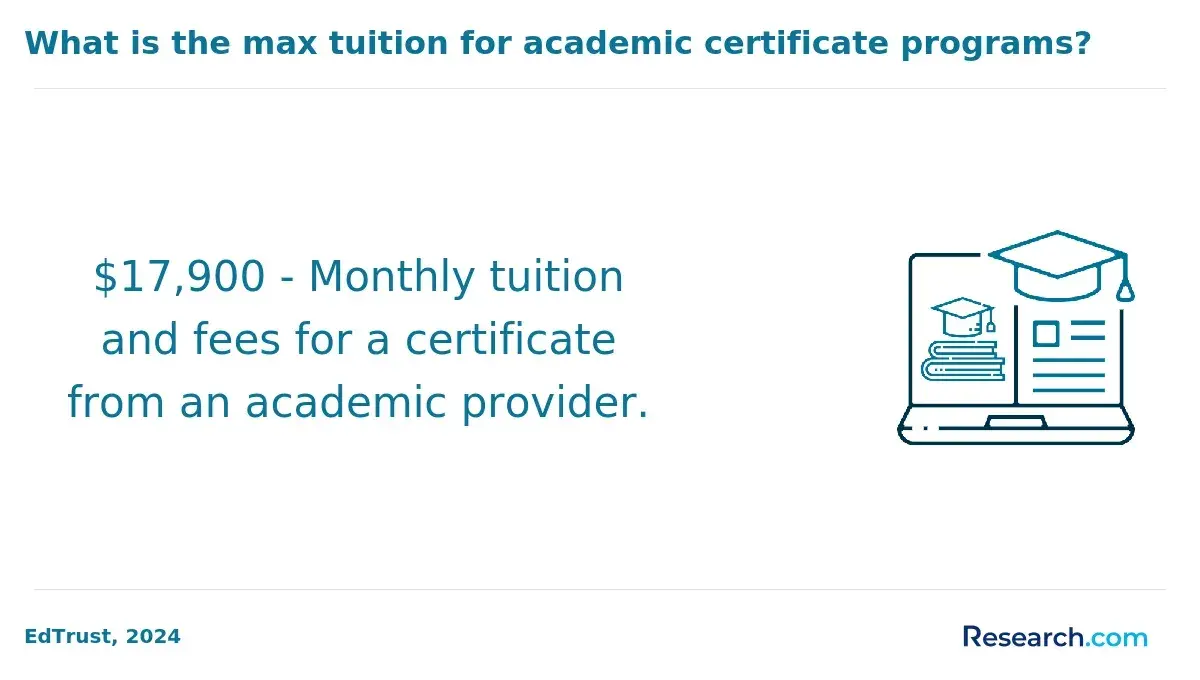
Meeting the public health nursing education requirements in the United States in 2026 involves navigating a multi-step pathway that combines licensure and advanced academic credentialing with practical tradeoffs. Obtaining an RN license requires passing the NCLEX-RN following completion of a BSN. Progression to an msn degree with a public health focus is non-negotiable for candidates seeking government or large healthcare roles, as employers expect this credential for specialized community health competencies.
The licensing process for public health nurses with an msn degree goes beyond RN certification. Many states require additional public health nursing or advanced practice certification, mandating clinical hours and specialty exams within 1 to 2 years after earning the msn. This presents a timing pressure that impacts workforce re-entry and candidate readiness in jurisdictions with stringent regulatory frameworks.
Practical considerations influence the route and duration for many nurses. Those beginning with an associate degree must complete RN-to-BSN and BSN-to-msn bridge programs, potentially adding 3 to 5 years versus direct BSN-MS pathways. Part-time or online programs offer flexibility, but asynchronous coursework can limit clinical placement opportunities, a critical component for public health specialization. Continuing education is mandatory for license maintenance, implying ongoing resource commitments.
With the healthcare labor market expecting 1.9 million annual openings between 2024 and 2034, making informed choices about program format and timing directly affects competitiveness. Nurses seeking efficient progression might evaluate the best value nursing education online WGU options to support strategic advancement within public health nursing education requirements in the United States.
How do online MSN public health nursing programs compare to campus-based options?
Selecting an online MSN public health nursing program versus a campus-based alternative involves critical tradeoffs directly impacting clinical readiness and employability. Employers in urban public health settings typically favor graduates from campus programs due to structured clinical rotations, immediate faculty oversight, and local networking that foster leadership capacities. Conversely, rural or federal agencies may accept online program graduates if clinical hours meet licensure requirements, reflecting a nuanced landscape in hiring preferences aligned with geographic and operational differences.
Online MSN public health nursing program advantages and drawbacks hinge on the student's ability to independently secure quality clinical placements and navigate timing demands to avoid delays in graduation. This format benefits working professionals who must remain employed or cannot relocate but risks less supervised skill acquisition and requires proactive planning.
Practical tradeoffs include:
- Campus-based programs integrate clinical rotations, reducing the administrative burden on students.
- Online programs demand self-directed clinical site procurement and may slow skill mastery due to limited immediate supervision.
- Competition for 40% projected growth in APRN employment intensifies the advantage of experiential learning and networking gained from campus settings.
- Online formats expand geographic access but shift responsibility for clinical coordination to the student.
Deciding between formats depends on current employment status, geographic flexibility, and the capacity to manage clinical requirements independently. Candidates can explore options like the shortest PMHNP certificate program for efficient progression within specialized tracks.
What should you look for in accreditation and program quality for MSN public health nursing?
Accreditation from the Council on Education for Public Health (CEPH) or the Commission on Collegiate Nursing Education (CCNE) is a strategic filter separating programs that meet rigorous, competency-aligned standards from those that risk underpreparing graduates. Employers consistently prefer candidates from accredited msn public health nursing programs because these graduates demonstrate verified proficiency in evidence-based practices across clinical, community, and policy contexts. For professionals targeting leadership roles in government or nonprofit sectors, the distinction lies in programs emphasizing population health analytics, health equity, and policy advocacy-areas central to CEPH protocols.
Program outcomes such as certification pass rates above 85% for the Public Health Nurse-Board Certified credential and timely job placement matter significantly. Clinical fieldwork in diverse settings-including urban clinics and rural health departments-builds real-world adaptability, particularly necessary as public health emergencies demand flexible, rapid responses. Lower-cost, nonaccredited programs often lack these practical and career support dimensions, leading to longer unemployment or underemployment despite lower tuition.
When considering cost relative to return on investment, it's critical to assess salary growth trends and job market absorption. Public health nurse salaries have increased by approximately 10% over five years, exceeding $60,000 annually, but considerable variance exists depending on time-to-employment and program resources. Integrated employer partnerships and career services embedded in accredited programs help compress these time lags, enhancing long-term career trajectory and financial viability.
What courses and practicum experiences are typically included in MSN public health nursing programs?
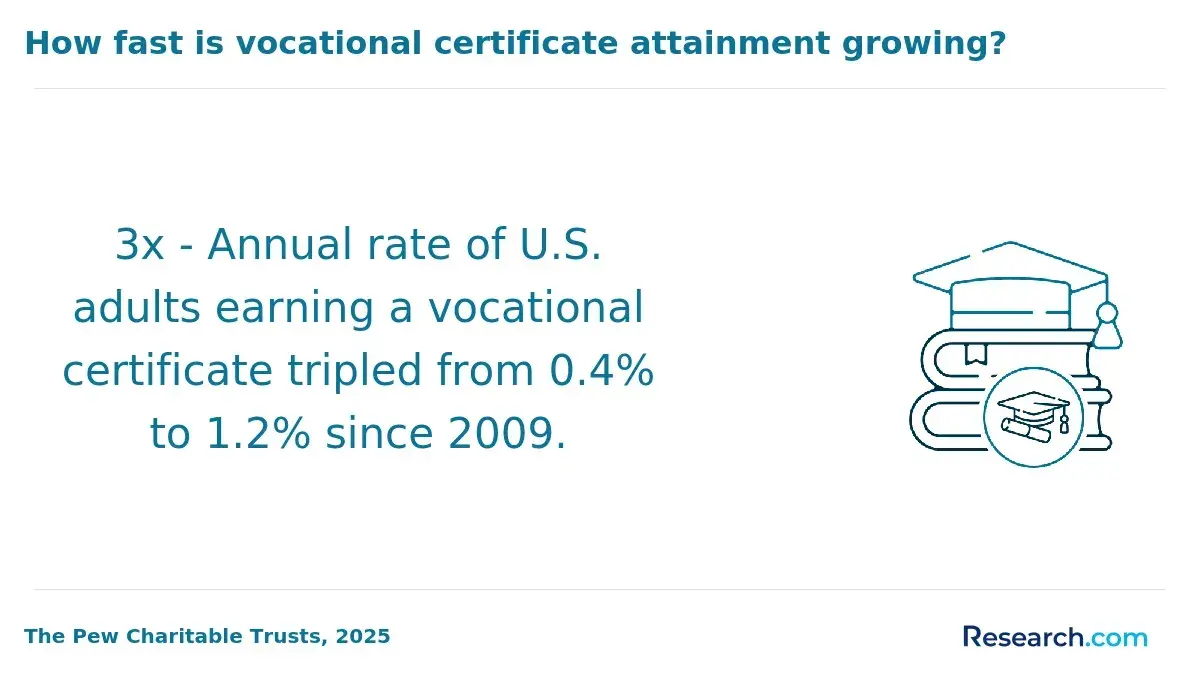
Selecting an MSN public health nursing program requires scrutiny beyond curriculum titles, focusing on how well theoretical coursework integrates with substantial practicum experiences. Core classes typically cover advanced epidemiology, biostatistics, health policy analysis, environmental health, and community assessment, creating a foundation for data-driven intervention design and evaluation. However, graduates face a labor market that prioritizes candidates with practical, hands-on exposure to complex community settings.
Practicum mandates of 300 to 500 hours in environments such as local health departments or community clinics expose students to challenges like managing disease outbreaks and delivering education to underserved populations. For example, resource constraints in rural health agencies demand adaptive problem-solving skills that go beyond classroom theory. This real-world training substantiates employability more than coursework alone, especially as Canada's Job Bank projects a strong labor shortage for public health nurses through 2033, a trend mirrored in many U.S. regions with aging workforces.
Decision-makers should also evaluate how programs balance leadership development-including policy advocacy and organizational management-with epidemiological rigor. A robust practicum aligned with specific career targets is vital to avoid generic rotations that dilute public health focus and weaken long-term job prospects.
- Strong analytical coursework combined with immersive practicum experiences is essential for workforce readiness.
- Flexibility in applying evidence-based practices under fiscal constraints reflects true field readiness.
- Programs must ensure practicum placements correspond to targeted employer expectations to maximize return on investment.
What admission requirements and prerequisites do MSN public health nursing programs have?
MSN public health nursing programs require an active RN license and a BSN to ensure candidates possess foundational clinical and leadership competencies. For those without a BSN-holding only an RN diploma or associate degree-the pathway often involves bridge courses or RN-to-MSN tracks, which extend time and increase costs. Employers hiring MSN-prepared nurses expect documented clinical experience, typically one to two years, across varied healthcare environments to support effective public health practice.
Programs usually mandate prerequisites like statistics, microbiology, anatomy, physiology, and community health basics, reflecting the multidimensional skill set needed in this sector. The academic threshold often includes at least a 3.0 cumulative GPA in undergraduate work, a concrete metric reflecting readiness for graduate-level demands. Beyond academics, admissions emphasize professional recommendations and personal statements that demonstrate a clear commitment to public health objectives.
Balancing clinical hours and practicums is a significant challenge for working nurses, especially given projections of nurse shortages exceeding 70,000 full-time RNs by 2025, which elevates demand for MSN holders to fill leadership and advanced care roles. International students must navigate credential evaluations and sometimes additional standardized testing, which can delay admissions. Early planning for prerequisite completion, licensure validation, and comprehensive clinical documentation is essential to avoid enrollment barriers and unplanned financial strain.
How long do MSN public health nursing programs take and what do they cost?
Completing MSN public health nursing programs--including the fastest PMHNP program--requires careful balancing of time, cost, and career commitments. Full-time students typically spend 18 to 24 months on coursework, but many professionals rely on part-time schedules extending beyond three years to accommodate work and family responsibilities. For example, a nurse working full-time at a public health department might select evening or weekend classes stretched over multiple years to maintain steady income, which reduces immediate financial pressure but lengthens program completion.
Program costs vary significantly, with annual tuition ranging from $15,000 to $45,000. Total expenses including fees and materials can reach $70,000 to $90,000. Working nurses must weigh these tuition fees against potential lost wages if they cut back hours. Financial aid options like scholarships and employer tuition reimbursement offer relief but require proactive planning and enrollment before aid is confirmed, adding logistical complexity.
Beyond cost and duration, employer expectations often emphasize clinical experience alongside academic knowledge. Programs with structured clinical placements improve employability, responding to a workforce of nearly 5.9 million active RNs according to the NCSBN. The added value of the msn credential manifests in salary increases typically between 15% and 25% over bachelor-prepared nurses, particularly in public or global health roles.
Online and hybrid program formats expand geographic accessibility and reduce commuting expenses but demand strong self-management and reliable technology-factors that influence completion rates differently across socioeconomic groups. Students must calculate cumulative investment against long-term career stability and market demand to execute a strategic, sustainable transition.
What salary ranges and benefits can MSN-trained public health nurses expect?
Public health nurses with an msn frequently face significant geographic and institutional variance in compensation, with salaries typically ranging from $70,000 to $110,000 annually. Median wages hover around $85,000 in community and public health nursing roles, but urban centers and federal agencies tend to offer salaries exceeding $100,000, particularly for supervisory or specialized positions.
Key workforce dynamics shape these figures:
- Employers in large metropolitan health departments and federal agencies often bundle comprehensive health benefits, retirement options, paid leave, and student loan repayment incentives.
- Smaller or rural health districts may compensate with loan forgiveness and flexible scheduling rather than base salary, reflecting staffing challenges and retention priorities.
- The sizable talent gap-illustrated by over 310,000 public health nurse openings-creates leverage for signing bonuses, relocation support, and continuing education funding targeted at msn-prepared nurses entering roles focused on epidemiology, disease prevention, or policy implementation.
However, transitioning from clinical acute care to public health nursing often involves tradeoffs, including reduced overtime availability and differing stressors related to community engagement. For prospective candidates, securing 2-3 years of field experience alongside the degree is critical to access top salary tiers. Initial placements typically start near $65,000, underscoring the importance of targeted job selection to optimize return on educational investment and align with long-term career objectives.
What is the job outlook for public health nurses with an MSN and where is demand highest?
Public health nurse positions requiring an msn concentrate heavily in regions with pressing community health issues, notably rural areas and underserved urban centers facing opioid crises or significant preventable disease burdens. These roles demand proficiency beyond clinical skills-specifically expertise in epidemiology, health policy, and interagency coordination-to navigate complex social determinants and fragmented public health infrastructure.
The projected growth in employment for public health nurses reflects the elevated emphasis on preventative care and population health management. Wage increases, such as the 2.8% rise to a $29.00 average hourly wage in 2025, suggest employers value advanced qualifications despite broader healthcare labor competition. However, top-tier compensation and leadership roles typically require substantial prior clinical experience combined with policy fluency, narrowing access for newer professionals.
Geographic flexibility notably expands opportunities, as states with sizeable rural populations frequently face acute public health staffing shortages. Candidates must be prepared for a blend of duties, including grant writing, administrative coordination, and direct community engagement, which dilute time available for clinical interventions.
Key considerations for those pursuing an msn in public health nursing include:
- Targeting regions with demonstrable health crises to maximize job availability
- Building practical skills in epidemiology and policy to meet employer expectations
- Weighing the necessity of extensive clinical experience against career entry timelines
- Anticipating administrative responsibilities that balance hands-on nursing work
Other Things You Should Know About MSN
The practical return on an MSN depends on your career goals and current position. For nurses targeting leadership, policy, or advanced community health roles, an MSN opens doors that experience alone cannot, often leading to higher salaries and greater responsibility. However, the program's cost and two-year commitment demand clear prioritization since some public health nursing positions accept candidates with a BSN and relevant experience. If immediate employment or local job availability is critical, gaining on-the-job experience first may be advisable before committing to a full MSN.
In 2027, MSN-prepared public health nurses typically engage in community health assessments, program development, policy advocacy, and health education. They also partake in interdisciplinary collaborations to address public health issues, ensuring that community health strategies are evidence-based and culturally appropriate.
Balancing a full-time job with an MSN program involves managing demanding clinical hours, academic deadlines, and often unpaid practicum placements. Many programs expect upwards of 15-20 hours of study weekly, on top of existing professional responsibilities. Prioritize programs with flexible scheduling, part-time options, or strong online components if maintaining employment is essential. Without such accommodations, student burnout and delayed graduation are common outcomes that directly affect career momentum.
Yes. Most MSN public health nursing programs include a supervised practicum or fieldwork experience, usually 100 to 300 clinical hours. Students complete placement in community agencies, health departments, or nonprofit settings, working under a licensed preceptor and faculty oversight.
References
- Public Health (MSN) https://www.commonwealthu.edu/academics/programs/nursing-public-health-msn
- NHS Public Health Nurse: Pay Bands, Salary, Progression & How to Become (2026/27) | NHS Pay Calculator https://www.nhspaycalculator.co.uk/nhs-roles/public-health-nurse
- An MSN Degree Can Boost Your Knowledge and Earnings https://www.allnursingschools.com/msn/salary/
- In-Person vs. Online Nursing Programs https://www.chamberlain.edu/blog/in-person-vs.-online-nursing-programs
- All Public Health RN to MSN Programs | RNtoMSN.org https://www.rntomsn.org/programs/public-health/
- How much do public health nurses make in The USA? | Shiftmed Blog https://www.shiftmed.com/professionals/blog/how-much-do-public-health-nurses-make/
- Master of Science in Nursing Public & Population Health https://online.worcester.edu/programs/nursing/msn-public-health/
- How to Become a Public Health Nurse https://www.publichealthdegrees.org/careers/public-health-nurse/
- Getting Through the Gate: MSN Admission Requirements and What You Need to Know https://yourhealthmagazine.net/article/healthcare-careers/msn-admission-requirements/
- How to Choose the Right Online MSN Program https://www.edumed.org/articles/how-to-choose-the-right-msn-program/