2027 Music Education Degree Completion Rates by Format: Online, Hybrid, and Campus Programs Compared

Co-Founder and Chief Data Scientist
Completion rates vary notably among these formats, reflecting real differences in student experience and outcomes. Understanding how format influences persistence and success is crucial for aligning educational choices with career goals. This article compares online, hybrid, and campus music education degree completion rates, explores key factors affecting student success, and helps identify the format best suited to support degree completion and professional advancement.
Key Things to Know About Music Education Degree Completion Rates by Format
- Online music education programs show a 15% lower completion rate than campus-based ones in 2024, reflecting challenges in sustaining student engagement without structured in-person support, impacting persistence.
- Hybrid formats yield a 10% higher completion rate over fully online models, indicating that integrating in-person components improves skill mastery and accountability, essential for performance-based learning.
- Studies from 2024 highlight that campus programs foster stronger peer networks critical for career entry, meaning completion rates correlate with long-term employability due to immersive professional environments.
- Key Things to Know About Music Education Degree Completion Rates by Format Key Things to Know About Music Education Degree Completion Rates by Format
- How Do Completion Rates Compare Across Online, Hybrid, and Campus Music Education Programs? Completion Rate Comparison
- What Factors Have the Greatest Impact on Music Education Degree Completion? Degree Completion Factors
- Which Music Education Degree Format Is Hardest to Complete? Completion Difficulty
- How Does Each Music Education Learning Format Affect Student Success? How Does Each Music Education Learning Format Affect Student Success?
- How Does Enrollment Status Affect Music Education Completion Rates? How Does Enrollment Status Affect Music Education Completion Rates?
- Can Transfer Credits Improve Music Education Degree Completion? Transfer Credits
- What Student Support Services Improve Music Education Completion Rates? Student Support Services
- How Do Music Education Completion Rates Affect Career Outcomes? Impact on Career Outcomes
- How Should Students Choose the Best Music Education Learning Format? Choosing the Best Format
- What Are the Long-Term Pros and Cons of Each Music Education Learning Format? Learning Format Pros & Cons
How Do Completion Rates Compare Across Online, Hybrid, and Campus Music Education Programs?
Completion rates in music education degree programs should be viewed as reflections of student circumstances rather than simple indicators of program quality. Variations often arise because students in each format-online, hybrid, or campus-differ in their backgrounds, motivations, and external demands. For example, traditional campus programs showing higher six-year completion rates benefit from a cohort often enrolled full-time and immersed in structured academic communities, which contribute to sustained engagement and persistence over time. This distinction is crucial when comparing music education degree completion rates by format to avoid overgeneralizing program effectiveness based on raw percentages alone.
Differences in graduation success in online, hybrid, and campus music programs frequently stem from factors like work commitments, enrollment load, and support availability. Fully online students often juggle greater personal responsibilities and less direct interaction with instructors, which can limit immediate feedback and peer collaboration. Hybrid models offer more flexibility, combining digital learning with in-person sessions, which supports students balancing academic and personal schedules but may still pose challenges for those needing more campus-based resources. Regardless of format, effective time management and motivation remain paramount for successful completion.
Prospective students should integrate these differences with their own learning preferences, available study time, and career objectives when selecting a program. Comparing completion rates can aid decision-making but must be balanced against individual needs and constraints. For instance, a working professional seeking accelerated progression might explore options like the accelerated ma program framework adapted to music education, which emphasizes focused effort in a condensed timeline. Ultimately, aligning format choice with personal circumstances improves the likelihood of finishing a degree while positioning oneself effectively in the music education field.
What Factors Have the Greatest Impact on Music Education Degree Completion?
Degree completion in music education hinges on a nuanced interplay between personal readiness, academic background, and program-specific structures rather than sheer motivation alone. Students who are self-driven but lack institutional support or time management skills often face barriers to finishing their degrees. The variability in learning formats further complicates this dynamic, making it essential to consider multiple practical factors together. Below are key influences that strongly affect whether a student will complete a music education program.
- Academic preparedness and foundational knowledge: Students entering with a solid grasp of music theory and pedagogical principles are more likely to sustain progress and graduate. Those with gaps in their academic readiness-especially in core subjects-struggle to keep pace, increasing dropout risk. Strengthening skills through pre-enrollment coursework or bridge programs can significantly enhance persistence.
- Institutional support and faculty engagement: Access to responsive advisors and mentors directly impacts students' ability to navigate challenges, particularly in online and hybrid settings. Campus students often benefit from face-to-face interactions that boost motivation and offer immediate feedback. Seeking active communication channels and utilizing academic advising can improve outcomes across all formats.
- Time management and self-regulation skills: Balancing professional, familial, or other commitments is especially difficult for online and hybrid learners. Strong self-discipline correlates with a roughly 30% higher completion rate among remotely studying students according to recent Education Advisory Board data. Developing structured study routines and goal-setting habits is crucial to managing these demands effectively.
- Financial affordability and aid availability: The cost burden influences persistence, with online formats often providing lower tuition but reduced support structures. Students facing financial stress may find it harder to maintain focus, making scholarship applications or institutional aid critical to continuing enrollment and reducing dropout risk.
- Program format and learning environment fit: The suitability of online, hybrid, or campus formats depends on individual learning preferences and life circumstances. For example, a teacher pursuing a degree remotely might thrive with flexible scheduling but require extra discipline, whereas an on-campus student benefits from direct ensemble participation that enriches practical skills and peer support.
- Peer support and community engagement: Active involvement in cohorts and ensembles increases student retention by fostering a sense of belonging and shared purpose. This factor is especially evident in campus programs, where immersive experiences support persistence, but can be cultivated in online settings through virtual groups and synchronous activities.
- Prompt feedback and academic advising responsiveness: Timely instructor feedback and structured mentoring can raise completion rates by up to 20% in hybrid and online programs as indicated by Council for Higher Education Accreditation findings. Proactively seeking feedback and academic counseling helps students adjust learning strategies and stay on track.
Consider the case of a working parent enrolled in a hybrid music education program. Without solid time management and consistent advisor contact, competing responsibilities may cause gradual disengagement. However, by leveraging institutional support and maintaining a disciplined study schedule, this student can overcome barriers common to online and hybrid learners and successfully complete the degree. This example underscores how multifactored influences drive outcomes beyond motivation alone, making careful evaluation of personal circumstances alongside CCS medical coding the program environment essential for prospective students.
Which Music Education Degree Format Is Hardest to Complete?
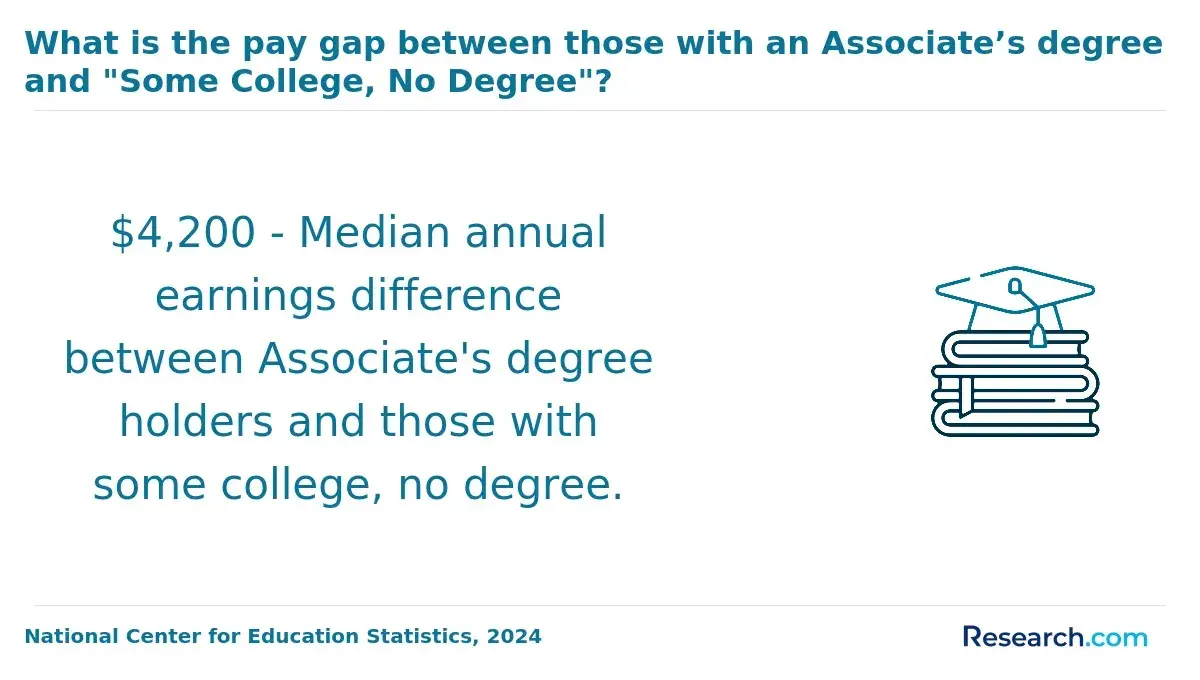
Completion rates for music education degrees vary significantly between formats, with purely online programs facing the greatest challenges. A 2024 report from the National Center for Education Statistics reveals that online students complete their degrees at rates 15-20% lower than those in traditional campus settings. The lack of immersive, hands-on practice-vital to mastering instruments and ensemble skills-often hinders remote learners, who must independently manage motivation and engagement. Hybrid programs partially bridge this gap by offering periodic in-person instruction, blending flexibility with critical face-to-face interaction, which generally results in completion rates closer to those seen in on-campus cohorts.
Campus-based degrees maintain the highest persistence largely due to daily access to rehearsals, real-time mentorship, and performance opportunities, fostering accountability and peer support. However, these programs demand considerable time and financial resources, sometimes making them less accessible for students balancing work or family commitments. This tradeoff means that while campus formats may be less difficult to finish for those prioritizing immersive experiences, hybrid and online formats serve students needing flexibility but potentially at the cost of slower progress or higher attrition.
Reflecting on the decision between formats, a recent graduate recalled hesitating between an online program and a hybrid option that required weekend campus visits. Initially drawn to online study for convenience, they quickly realized that lacking regular ensemble rehearsals and instructor feedback led to slipping motivation. Switching to the hybrid format introduced a manageable balance: in-person sessions reinforced their skills and accountability, while online coursework accommodated their work schedule. This adjustment was critical in overcoming the isolation common in online study and ultimately completing the degree as planned.
How Does Each Music Education Learning Format Affect Student Success?
Student success in music education degree programs depends less on the mode of delivery itself and more on how well the format fits individual learning styles, time availability, and life obligations. A learner juggling family responsibilities may thrive in a hybrid setting that balances flexibility with some direct interaction. Conversely, students seeking intensive mentorship and peer engagement might find campus programs more conducive. Understanding these dynamics is essential to anticipating completion rates and long-term skill development. Below are key factors illustrating how various formats shape academic outcomes.
- Engagement Opportunities and Peer Interaction: Campus formats excel in providing direct, day-to-day contact with faculty and classmates, which enhances motivation and skill refinement. Students who benefit from real-time feedback and collaborative music practice often complete their degrees at higher rates in in-person settings.
- Flexibility for Non-Traditional Students: Hybrid and online programs open doors for working adults, parents, or geographically distant learners by allowing asynchronous course work. This flexibility supports persistence for those balancing commitments, though it often requires disciplined time management.
- Access to Performance Practice: Music education heavily relies on hands-on experiences. Campus settings and hybrid models with in-person components facilitate live ensemble participation and recital opportunities, while fully online programs must compensate with virtual collaborations, which can be less effective for skill mastery.
- Academic Support Availability: Immediate access to tutoring, advising, and feedback is more readily available on campus, aiding students who need regular guidance. Online students may face delays or limited availability, though institutions with strong virtual advising frameworks report improved student persistence.
- Community and Networking: The immersive campus experience nurtures professional connections and peer networks vital for career entry. Hybrid programs maintain some of these benefits, whereas online formats often require extra effort to build social capital.
- Impact of Enrollment Trends: According to the National Center for Education Statistics (2024), campus music education programs consistently see higher degree completion rates than fully online formats, with hybrid programs showing intermediate success. This pattern reflects the tradeoffs between accessibility and engagement inherent in each delivery method.
How Does Enrollment Status Affect Music Education Completion Rates?
Enrollment status stands as one of the most pivotal factors influencing music education degree completion rates, yet its effect hinges on more than just course load. Individual circumstances such as work commitments, family responsibilities, and learning preferences shape whether full-time or part-time enrollment better supports a student's success. Rather than assuming more credits always speed completion, prospective students must assess sustainability and support systems. Below are key ways enrollment status impacts the likelihood of finishing a music education degree.
- Consistent Academic Momentum: Full-time enrollment fosters sustained engagement with coursework and reduces gaps between semesters, helping students maintain focus and continuity. This steady pace benefits learners who thrive on routine but may overwhelm those balancing other obligations.
- Time Intensity and Immersion: Full-time study provides an immersive environment, critical in fields like music education where daily practice and ensemble participation enhance skill development. Students able to commit heavily to their studies gain an edge, especially in campus settings.
- Variable Completion Rates by Format: Part-time students often show greater variability in completion, particularly in fully online programs where a lack of immediate academic support can hinder progress. Hybrid models partly offset this by mixing remote flexibility with periodic on-campus engagement, improving accountability.
- Logistical Challenges for Part-Time Students: Campus-based part-time learners frequently face scheduling conflicts with rehearsals or performances, which can delay degree completion. Recognizing these hurdles aids students in choosing enrollment formats aligning with their external commitments.
- Completion Rate Disparity: Data from the National Center for Education Statistics and Council of Graduate Schools indicates full-time music education students complete degrees at rates 20-30% higher than part-time peers. Awareness of this gap is essential for informed decision-making.
- Support Structures Mitigate Risks: Part-time students committed to hybrid programs with robust academic advising and peer interaction can defy typical trends, completing successfully by leveraging structured support that compensates for reduced campus time.
- Real-World Scenario: Consider a working parent pursuing music education part-time online; despite flexibility, limited access to immediate faculty feedback may slow progress. Compared to a full-time campus student fully immersed in performance ensembles, their completion timeline and outcomes likely differ significantly. Choosing the right balance is key.
Prospective students comparing online, hybrid, and campus formats should also explore how RN to BSN online programs structure course loads and support mechanisms, as these may offer transferable insights into managing enrollment status risks while pursuing demanding degrees such as music education.
Can Transfer Credits Improve Music Education Degree Completion?
Transfer credits can significantly influence the pace and likelihood of completing a music education degree, but their impact varies depending on several key factors. For students with prior college coursework, military training, or professional instruction, accepting transfer credits often reduces repetitive courses, allowing a more direct path to graduation. However, this advantage depends on how well transferred credits align with the program's specialized and sequenced curriculum, especially in core subjects like music theory, pedagogy, and practicum experiences.
Consider a student who has completed introductory music theory and general education courses at a community college before enrolling in an online music education program. If the institution recognizes those credits, the student may enter with a substantial head start, cutting down time and tuition costs. Yet, if the credits don't fully satisfy essential prerequisites or core requirements, the anticipated acceleration may be limited or nonexistent. This reality underscores that transfer credits are not a universal shortcut but a potential tool whose effectiveness hinges on institutional policies and curricular compatibility.
Recent data from the National Center for Education Statistics reveals a clear correlation: students entering music education programs with more transfer credits tend to graduate faster and at higher rates, particularly in flexible learning formats like online and hybrid models. Programs that accept a broad range of transfer credits report up to a 15% increase in graduation rates compared to those with stricter transfer regulations. This suggests that accommodating prior learning can lower dropout risk and improve completion timelines.
However, prospective students should carefully evaluate how transfer credits will impact their degree completion plans. This means obtaining an official credit evaluation from the program, reviewing detailed course equivalencies, and comparing the number of credits still needed against their planned enrollment intensity. If significant core courses remain that must be taken sequentially, the time saved by transfer credits may be marginal.
Ultimately, while transfer credits often enhance degree completion prospects, especially in online and hybrid programs, they represent only one factor among many-including academic advising quality, program structure, and student engagement-that influence successful graduation outcomes.
What Student Support Services Improve Music Education Completion Rates?
Completion rates for music education degrees vary notably by delivery method, with student support services playing a central role in bridging challenges unique to each format. Data from the National Center for Education Statistics (NCES) and the Postsecondary Education Data System (IPEDS) in 2024 show that programs investing in personalized advising, timely academic interventions, and career guidance report significantly higher persistence and graduation metrics. This evidence underscores that successful degree completion often hinges on how well institutions tailor support to the online, hybrid, or campus learning context.
Key student support services linked to improved completion rates in music education include:
- Targeted academic advising: Personalized guidance responsive to individual progress helps students navigate complex curricula and make informed course selections. This is especially impactful in hybrid and campus formats where schedules and performance requirements can be demanding.
- Real-time tutoring and mentoring: Access to immediate academic help, whether in-person or virtual, sustains motivation and addresses skill gaps promptly, reducing dropout risks in all settings but critical for students managing rigorous performance benchmarks.
- Peer support networks: Structured communities-online forums or study groups-mitigate isolation, which is a pronounced challenge in fully online programs. These networks promote collaboration and reinforce learning outside formal instruction.
- Learning analytics and progress monitoring: Integrated tracking tools enable advisors to intervene proactively when students struggle, a practice especially effective in hybrid models that combine asynchronous and synchronous learning.
- Access to specialized facilities and resources: On-site practice labs and instrument availability enhance technical skill development and boost engagement in campus programs, which is less replicable remotely.
- Career counseling embedded in curriculum: Connecting academic progress to employability encourages sustained commitment and clarifies the practical value of the degree, enhancing persistence across formats.
- Flexible scheduling and support frameworks: Accommodations that allow students to balance music rehearsals, coursework, and personal obligations foster retention, particularly among hybrid learners juggling both in-person and virtual demands.
One online music education graduate recalled moments early in the program when doubts surfaced about managing time between family commitments and demanding coursework. Having access to responsive chat advising and a virtual practice coordinator made a discernible difference, allowing for quick adjustments to study plans and technique coaching. This support alleviated feelings of isolation and kept motivation intact, turning near dropouts into milestones towards degree completion. Their experience highlights that even with technology mediating much of the interaction, timely and personalized support can be decisive in navigating the intricate path of an online music education degree.
How Do Music Education Completion Rates Affect Career Outcomes?
Degree completion in music education programs directly shapes career trajectories by aligning credentials with labor market demands. Graduates with a bachelor's degree tend to experience better long-term earnings and job stability compared to non-completers. However, the format-online, hybrid, or campus-based-can affect persistence and completion rates, which in turn influence career success. For instance, a student balancing work and family may prefer online study but could face challenges completing clinical practice components crucial for certification. Below are key ways completing a music education degree impacts career outcomes.
- Credential attainment as a gateway to licensure and employment: Completing a bachelor's degree is often legally required for K-12 teaching certification and securing teaching roles. Without this credential, candidates face significant barriers, limiting employability in public school systems where formal qualifications are enforced.: Degree completion unlocks official licensure pathways essential for employment. Students who persist benefit from a credential that meets state mandates, thereby improving job prospects, especially for those focused on classroom teaching careers.
- Stronger network development and practical experience through campus and hybrid programs foster higher completion and career readiness: Programs incorporating in-person ensembles, practicums, and mentorships promote engagement and persistence. Graduates frequently report better professional connections, supporting promotions and leadership roles in education and related fields.
- Completion correlates with higher earnings and graduate study enrollment: Data from recent labor market analyses show bachelor's degree holders in music education earn notably more than non-completers and are likelier to enter advanced certification or master's programs. This enhances long-term growth potential, especially for roles such as curriculum specialists or university instructors.
- Online formats provide flexibility but pose retention challenges impacting career outcomes: Nontraditional students gain access to programs otherwise out of reach, yet lower hands-on practice and engagement can reduce completion rates. This tradeoff highlights the importance of choosing a format aligned with individual circumstances to sustain momentum toward graduation.
- Completion enhances versatility beyond traditional teaching roles within education and the broader music profession: Graduates gain credentials that open doors not only in schools but also in community music organizations, private instruction, and administrative positions.
Those comparing formats for a music education degree should weigh how each influences persistence, leveraging information about behavioral analysis degree program outcomes as a reference point for understanding credential relevance and program design. Recognizing the interplay between degree completion and career success is critical for strategic educational planning.
How Should Students Choose the Best Music Education Learning Format?
Selecting the best music education program format requires weighing how personal circumstances intersect with the demands and structures of online, hybrid, or campus learning. Recent 2024 higher education research highlights that students juggling work commitments or family responsibilities often benefit from flexible online options, though these come with higher attrition due to less direct engagement. Hybrid models offer a viable middle ground by combining online flexibility with purposeful face-to-face sessions, while campus programs provide immersive environments conducive to networking and mentorship. Deciding among these formats hinges on a clear-eyed assessment of one's motivation, accountability needs, and career objectives. Key factors to consider include:
- Work and Family Commitments: Students with full-time jobs or caregiving duties often find online formats more manageable. However, limited hands-on opportunities can affect skill development and completion rates, so realistically evaluating one's ability to stay engaged remotely is critical.
- Self-Regulation and Motivation Levels: Online learning rewards highly self-motivated individuals capable of managing time and tasks independently. Those needing structured accountability should lean towards campus or hybrid models where scheduled interactions reinforce progress.
- Hands-On Instruction Needs: Music education demands practical skill-building which campus and hybrid formats better facilitate through direct practice and immediate feedback. Students must assess how much in-person guidance they require for mastery.
- Networking and Career Opportunities: Campus programs enable broader professional connections, important for launching a music education career. Hybrid formats can also cultivate adaptable skills valued in diverse educational settings.
- Program Completion Statistics: Data from the National Center for Education Statistics indicate higher degree completion rates among students who balance engagement with flexibility. Hybrid models often show stronger persistence than purely online options.
- Long-Term Goals Alignment: Students should align learning format choice with career goals-whether credentialing quickly via formats similar to 12-month accelerated nursing programs online for non nurses or building deep performance expertise through immersive campus experiences.
- Financial Investment Capacity: Campus programs generally require greater financial and time commitments. Prospective students must realistically appraise their resources to avoid dropout due to unsustainable pressures.
What Are the Long-Term Pros and Cons of Each Music Education Learning Format?
Completion rates and long-term outcomes for music education degrees vary notably by format, influenced by student circumstances and program design. Campus-based programs offer immersive experiences with higher persistence, while online formats provide flexibility but face challenges in hands-on skill development. Hybrid models present a middle ground, blending onsite engagement with online convenience. Consider these essential long-term factors when choosing a pathway.
- Completion and Persistence Rates: Campus programs generally show higher completion (around 75%) due to structured schedules and immediate faculty access, benefiting students who thrive with routine. Online programs see lower rates (near 55%) linked to reduced social interaction, while hybrids record moderate success (65-70%), balancing flexibility and accountability.
- Flexibility for Life Responsibilities: Online music education suits those balancing work or family by offering asynchronous learning. Campus formats demand physical presence, challenging for nontraditional students. Hybrids require careful coordination but allow partial flexibility.
- Quality of Practical Skill Development: In-person settings promote ensemble work and instrumental practice crucial for music educators. Online programs may initially limit these, though emerging technologies are improving virtual collaboration.
- Networking and Mentorship Opportunities: Campus environments foster peer and faculty relationships vital for career advancement. Hybrid programs retain this advantage partially; fully online paths may limit informal mentorship.
- Career Readiness and Employability: Graduates from hybrid and campus formats report stronger readiness due to hands-on experience; online graduates sometimes face early-stage challenges in demonstrating practical skills but benefit over time from flexible learning and tech literacy.
References
- What Can You Do with a Music Education Degree? - NAfME https://nafme.org/blog/what-can-you-do-with-a-music-education-degree/
- Education - Music - Secondary https://www.ualberta.ca/en/undergraduate-programs/bachelor-of-music-education-music-secondary.html
- Academic Catalog 2025-2026 https://catalog.concordiacollege.edu/arts-sciences/music/music-education-major-bm/
- News Archive https://www2.naz.edu/news/archive/2026/February/921/nazareth-launches-online-music-education-master-s-degree
- Making Music Education Fun | Bach to Rock https://www.bachtorock.com/music-education/
- Art Is Not Extra: How Music Education Fuels Academic Success - Guitar Center Music Foundation https://guitarcenterfoundation.org/2025/11/05/art-is-not-extra-how-music-education-fuels-academic-success/
- Music Education Statistics and Facts|Children's Music Workshop https://www.childrensmusicworkshop.com/advocacy/factsandstatistics/
- Exploring the Relationship between Music Learning and Student Educational Performance https://esiculture.com/index.php/esiculture/article/view/1135
- Start Your Music Journey: Best Beginner Instruments for Lessons https://mmamusic.com/start-your-music-journey-best-beginner-instruments-for-lessons/
- Pros and Cons of Music Lessons in School https://www.highschoolofglasgow.co.uk/hsog-glasgows-leading-private-school/advantages-and-disadvantages-of-music-lessons-in-school
Other Things You Should Know About Music Education
Online programs often offer greater flexibility but typically require stronger self-discipline because students manage their learning pace independently. This can increase risks of delay or dropout if the student lacks time-management skills or motivation. Campus programs, by contrast, provide fixed schedules and in-person accountability that can improve timely completion, especially for hands-on music instruction that benefits from immediate feedback and peer interaction.
Music education degrees demand significant practical work, which can be challenging to replicate fully online. Hybrid programs often mitigate this by blending flexible online theory courses with in-person performance and ensemble components, which supports skill acquisition and engagement. Students strongly committed to mastering live performance skills should prioritize formats that embed in-person practical application to enhance their likelihood of completing the program successfully.
While more employers accept online credentials today, some school districts still prefer candidates who have graduated from campus or hybrid programs, associating these formats with stronger practical training. This perception can indirectly affect a graduate's motivation to complete certain program formats. Students aiming for traditional K-12 teaching roles should weigh these preferences and consider hybrid or campus options if they want smoother hiring pathways and less concern over credential scrutiny.
Campus programs often offer concentrated schedules with immediate access to tutors, ensembles, and facilities, which can help manage workload spikes but also intensify short-term pressure. Online programs spread coursework over longer periods but might require students to seek external resources proactively, making workload management less structured. Those who prioritize structured support and consistent immersion in music settings should lean toward campus or hybrid formats to offset potential burnout and increase completion chances.