2027 Do Online Forensic Accounting Programs Offer Weekly Start Dates? Enrollment Calendar & Start Options

Co-Founder and Chief Data Scientist
Choosing an online forensic accounting program is not only about curriculum, tuition, or school reputation. For many working adults, the first practical question is simpler: when can you start? A program with weekly, monthly, rolling, or term-based start dates can change how quickly you begin coursework, use financial aid, transfer credits, and move toward a credential.
Weekly start dates can be especially useful for professionals who cannot wait for a traditional fall or spring term. Recent data shows a 25% increase in enrollment for programs offering rolling or weekly start dates, particularly among adult learners balancing jobs and family commitments. In forensic accounting, a field growing 11% faster than average job markets, flexible calendars may help students build investigative accounting skills sooner while keeping education compatible with work and family obligations.
This guide explains how online forensic accounting enrollment calendars usually work, what can delay a start date, how transfer and financial aid processing affect timing, and when weekly starts are helpful—or less valuable than they appear.
Key Things to Know About Online Forensic Accounting Program Enrollment
- Many online forensic accounting programs offer weekly or rolling start dates, allowing students to begin courses any week instead of waiting for traditional semester terms.
- These flexible calendars differ from fixed academic schedules by enabling working adults and career changers to enroll without delay, supporting continuous enrollment and progress.
- Enrollment in forensic accounting online programs has increased by over 25% in recent years, driven by demand for adaptable scheduling that fits diverse student needs.
Do Online Forensic Accounting Programs Offer Weekly Start Dates?
Some online forensic accounting programs offer weekly start dates, but they are not universal. More commonly, schools use rolling admissions, monthly starts, or several short terms throughout the year. The key difference is that weekly-start programs let admitted students enter the next available course quickly, while term-based programs require students to wait for the next scheduled session.
Programs designed for working adults and career changers are more likely to use flexible calendars because they rely on shorter, modular courses rather than traditional full-semester pacing. Forensic accounting enrollment calendars and start options at institutions like the University of Massachusetts Lowell and the University of North Carolina Wilmington show how modular online formats can create more entry points. These courses commonly run in blocks typically ranging from four to eight weeks, which makes frequent enrollment easier to manage than in a conventional semester system.
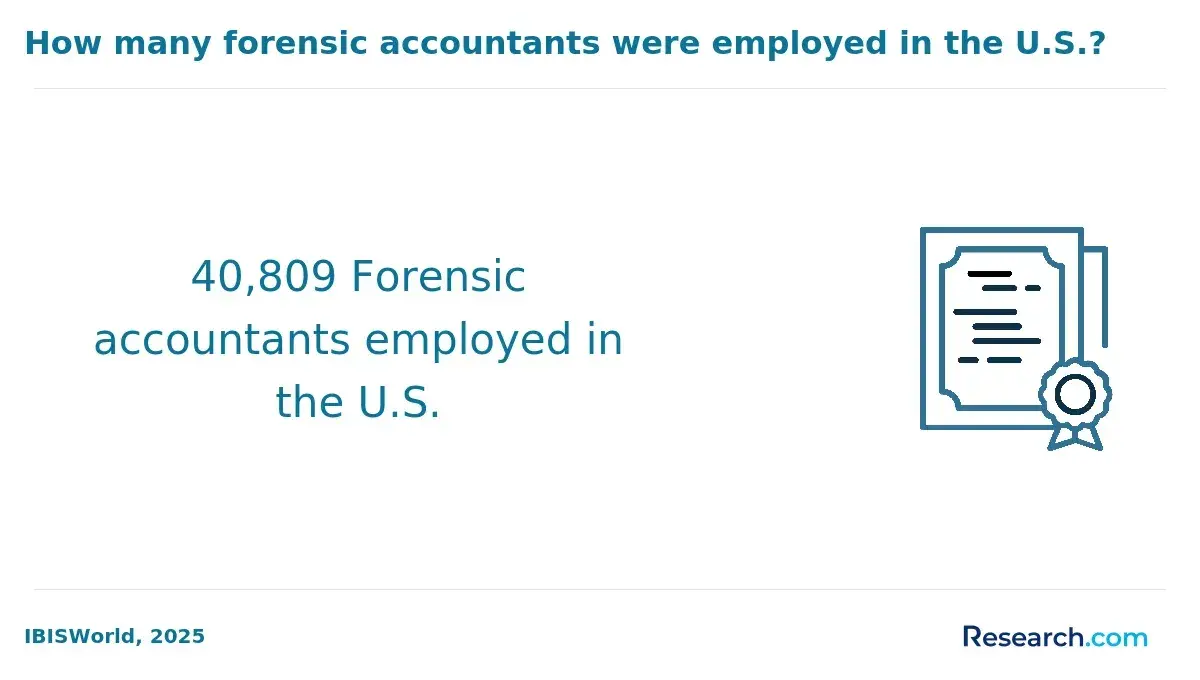
Data from the National Center for Education Statistics shows that enrollment in online programs with rolling admissions has risen over 30% in recent years. At the same time, the Bureau of Labor Statistics forecasts a 4.6% growth in accounting jobs through 2034, while IBISWorld notes a 5.3% employment growth in forensic accountants. Together, these trends help explain why more schools are offering enrollment options that reduce waiting time for career-focused students.
Still, “weekly start” should be checked carefully. In some programs, students can apply at any time but may only begin certain core forensic accounting courses on fixed dates. Before enrolling, ask whether weekly starts apply to the full program, only to general business courses, or only to orientation. Similar flexibility trends can also be seen in online doctoral programs in education, where adult learners often prioritize speed, predictability, and calendar flexibility.
What Does the Enrollment Calendar Look Like for Online Forensic Accounting Programs?
An online forensic accounting enrollment calendar usually falls into one of three models: weekly starts, monthly starts, or term-based starts. Each model affects how quickly a student can begin, how courses are sequenced, and how predictable the academic schedule feels. Online enrollment in business-related fields like forensic accounting has increased nearly 12% over the past five years, making flexible calendar design more important for schools competing for adult and part-time learners.
| Calendar model | How it works | Best fit | Potential drawback |
| Weekly starts | New students may begin at frequent weekly entry points after admission clearance. | Working adults who want to start as soon as documents, aid, and advising are complete. | Not every course may be available every week. |
| Monthly starts | Programs open new sessions once each month or on a similar recurring cycle. | Students who want flexibility but also prefer more structured planning. | A missed deadline can still create a wait before the next intake. |
| Term-based starts | Students begin at fixed academic terms, often several times a year. | Learners who value cohort interaction, predictable deadlines, and set course sequences. | Less useful for students who need to begin immediately. |
- Multiple start dates: Many schools offer weekly, monthly, or term-based entry points. Weekly starts provide the most flexibility, but monthly or multi-term calendars are more common.
- Modular course structure: Online forensic accounting courses are often divided into shorter modules, allowing students to focus on one subject area at a time and manage coursework around professional obligations.
- Year-round enrollment: Some programs operate throughout the year, which can reduce long gaps between courses and help students maintain momentum.
- Course sequencing rules: Even if admission is rolling, advanced forensic accounting, fraud examination, audit, analytics, or capstone courses may have prerequisites that limit when they can be taken.
Students comparing flexible online degrees should also examine affordability alongside the calendar. For example, those concerned about tuition and accounting-related pathways may find it useful to compare options for the most affordable accounting degree online while reviewing forensic accounting start-date policies.
Prospective students interested in flexible online options might also explore related fields such as MSW accelerated programs, which similarly use accommodating enrollment calendars for adult learners.
Do Admission Requirements Delay Start Dates for Online Forensic Accounting Programs?
Yes. Even when a program advertises weekly or rolling starts, admission requirements can delay the actual first class date. A student is usually not cleared to register until the school has reviewed academic records, confirmed prerequisites, evaluated transfer credits, and resolved any required documentation.
- Transcript verification: Institutions typically need 5 to 10 business days to process academic records. If a previous college is slow to send transcripts, a weekly start date can be missed.
- Prerequisite course completion: Some forensic accounting programs require prior coursework in accounting, auditing, business law, statistics, or related areas. If prerequisites are missing, students may need to complete them before entering core courses.
- Transfer credit evaluation: Schools often review course descriptions, grades, credit hours, and institutional accreditation before approving transfer credits. This review can extend admission by several weeks, especially when documentation is incomplete.
- Standardized test requirements: Although less common in forensic accounting programs, some schools may request standardized test scores. Pending scores can prevent final admission clearance.
- Conditional enrollment: Programs with weekly starts sometimes allow conditional enrollment while documents are being reviewed. This can help students begin sooner, but students should confirm whether aid, transfer credits, and prerequisite decisions are final before committing.
The best way to avoid start-date delays is to request transcripts early, submit all documents in one complete application, and ask an admissions advisor which items must be finalized before registration. Students should also ask whether the advertised weekly start applies to their intended degree level, concentration, and first required course.
Do Online Forensic Accounting Programs Offer Immediate Enrollment for Transfer Students?
Immediate enrollment may be possible for transfer students, but it depends on how quickly the school can evaluate prior credits and confirm that prerequisites have been met. Transfer students often have an advantage because they may already hold general education or accounting credits, but they can also face delays if previous coursework does not align cleanly with the new program.
- Transfer credit evaluation: Schools review transcripts and supporting documents to determine course equivalency. Missing syllabi, unclear course titles, or credits from institutions with different academic systems can slow the process.
- Application review process: Some online programs have streamlined admissions teams that can review transfer applications quickly. Others require department-level approval before credits can be applied to forensic accounting requirements.
- Prerequisite completion: Transfer students may be admitted to the university but blocked from certain forensic accounting courses until prerequisite accounting, audit, or business courses are complete.
- Flexible start dates: Rolling admissions or weekly start sessions can help transfer students begin promptly once records are cleared. However, a flexible calendar does not eliminate course-sequencing rules.
Transfer applicants should ask for a preliminary credit review before enrolling if possible. They should also confirm how many credits will apply to the major, not just to general electives, because unused transfer credits may not shorten the degree timeline.
Does Financial Aid Processing Affect Start Dates for Online Forensic Accounting Programs?
Yes. Financial aid processing can affect when a student begins an online forensic accounting program, especially if the student needs grants, loans, or scholarships confirmed before registering. On average, financial aid processing takes two to four weeks, and verification requirements can lengthen the timeline. Approximately 67% of online learners rely on some form of financial aid, so aid timing is a practical enrollment issue rather than a minor administrative detail.
- Grant, loan, and scholarship processing: Students may need to complete aid applications, submit institutional forms, accept award offers, and meet enrollment requirements before funds are authorized.
- Verification delays: If a student is selected for verification, the school may request additional documentation to confirm financial information. This can delay disbursement and, in some cases, registration clearance.
- Weekly or rolling start options: Flexible calendars can help students begin after aid is approved instead of waiting for a traditional semester. However, students should not assume they can start before financing is finalized.
- Out-of-pocket risk: Students who register before aid is complete should ask whether they are responsible for tuition if aid is delayed, reduced, or denied.
Before choosing a start date, ask the financial aid office three questions: when aid will be packaged, when funds will be disbursed, and whether the program’s short course terms affect aid eligibility. Short modules can be convenient, but they may have specific enrollment-intensity requirements for aid purposes.
Do International Students Have Different Start Date Options for Online Forensic Accounting Programs?
International students may have different practical start-date options than domestic students because their applications often require extra documentation and review. Even in fully online programs, schools may need time to evaluate international credentials, confirm English-language requirements, and address regulatory questions. International participation rose by 4.5% during the previous year's enrollment, according to Open Doors, which has increased demand for clearer and more flexible scheduling.
- Visa and regulatory requirements: Some international students may need visa guidance or confirmation that an online program meets their situation. This can require earlier planning than domestic enrollment.
- Credential evaluation: International transcripts may need third-party evaluation or additional institutional review before admission and transfer credit decisions are final.
- Time zone and academic calendars: Students studying from outside the United States should check whether live sessions, exams, group work, or faculty meetings are scheduled at workable times.
- Application and document review: Language proficiency records, translated transcripts, financial documentation, and identity documents can add steps before a student is cleared to begin.
- Flexible start date availability: Weekly start options remain uncommon but are gradually increasing. Many schools instead offer several fixed start dates or rolling admissions, which still provide more flexibility than a traditional academic calendar.
International applicants should apply earlier than the advertised start date suggests. A weekly start is useful only after all required documents are accepted, technology access is confirmed, and any time-zone expectations are manageable.
Do Online Forensic Accounting Programs Allow Late Registration?
Some online forensic accounting programs allow late registration, but policies vary widely. A flexible online calendar may create more entry points, yet that is different from letting students join a course after it has already started. Because forensic accounting coursework can involve case analysis, audit evidence, fraud investigation methods, and group discussion, joining late can create academic pressure.
- Institutional policies: Some schools require students to register before the first day of class. Others permit a short late-registration period or direct late applicants to the next weekly or monthly start.
- Coursework and participation: Late registrants may need to catch up on readings, lectures, discussion boards, quizzes, or early assignments quickly. This can be difficult in accelerated courses.
- Flexible calendars: Programs with rolling or weekly starts often avoid true late registration by placing students into the next available session instead of adding them to a course already underway.
- Limitations and challenges: Late entry can reduce interaction with classmates and make group projects harder to join. In forensic accounting, where applied analysis and collaboration can matter, this can affect learning quality.
- Support services: Advising, orientation modules, tutoring, and technical support can help late registrants transition, but students should still confirm whether missed work can be made up without penalty.
If you miss a deadline, ask whether it is better to register late or wait for the next start date. In many accelerated online programs, waiting one short cycle may be less risky than beginning behind.
Do Weekly Start Dates Shorten the Time to Complete an Online Forensic Accounting Degree?
Weekly start dates can reduce waiting time before the first course, but they do not automatically shorten the total time to complete an online forensic accounting degree. Completion speed depends more on course load, prerequisite rules, course availability, transfer credits, and whether the program allows continuous enrollment. Accelerated online learning models have led to about a 15% increase in graduation rates among adult learners compared to traditional formats, but students still need a realistic plan.
- Accelerated course sequencing: Some programs use condensed course timelines or focused modules that allow students to move faster through requirements. This can reduce the typical two-year timeline to as few as 12 to 18 months.
- Modular and self-paced formats: Flexible formats may let motivated students progress more quickly, especially when they can handle heavier workloads without employment or family conflicts.
- Continuous enrollment: Weekly or rolling starts can reduce downtime between courses. This matters most when required courses are offered frequently and can be taken in a logical order.
- Prerequisite and practicum limitations: Degree programs may require specific sequencing, capstone projects, or applied work that must be completed in order. These requirements can limit acceleration even when the calendar is flexible.
The strongest completion plan combines a flexible start date with a clear course map. Ask the program for a term-by-term schedule showing when every required forensic accounting course is available, how prerequisites work, and whether any courses are offered only during certain sessions.
For those comparing flexible degree options, resources such as online EMBA program guides may offer additional context on accelerated models worth considering alongside forensic accounting studies.
How Do Schools Prepare Students for Their First Week of Online Forensic Accounting Classes?
Strong online forensic accounting programs prepare students before coursework begins. This matters because the first week often sets expectations for technology use, academic workload, instructor communication, and time management. Students who are returning to school after time away may need especially clear onboarding.
- Orientation modules: Schools commonly provide tutorials on the learning management system, course expectations, academic policies, and assignment submission procedures.
- Technology setup: Students may receive help desk support or walkthroughs for required software, accounting tools, data analysis platforms, video conferencing, and secure testing systems.
- Academic advising: Advisors help students choose an appropriate first course load, understand prerequisites, and build a sequence that fits work and family responsibilities.
- Learning platform navigation: Early training reduces confusion about discussion boards, gradebooks, deadlines, file uploads, and instructor announcements.
- Faculty communication: Welcome messages, introductory videos, and syllabus reviews can clarify how students should ask questions and what response times to expect.
- Early engagement strategies: Practice assignments and introductory discussion forums help students test the online environment before graded work becomes more demanding.
Students should use the first week to confirm all login credentials, download required materials, review the syllabus, map weekly deadlines, and contact instructors immediately if anything is unclear. Forensic accounting courses can become technical quickly, so unresolved access problems or missed early assignments can create avoidable stress.
For prospective students curious about career outcomes, forensic accounting aligns with some of the highest paying bachelor degrees, making effective early support particularly important for students who want to turn enrollment flexibility into steady academic progress.
What Are the Pros and Cons of Weekly Start Dates for Online Forensic Accounting Programs?
Weekly start dates are valuable when they help students begin at the right time, not merely the fastest time. They can reduce waiting, improve access for working adults, and support continuous progress. However, they may also weaken cohort connection, complicate advising, or create confusion if not all courses are available every week.
Pros
- Increased flexibility: Weekly start dates allow students to enroll close to the time they are ready, which is helpful for adults managing work, family, and financial obligations.
- Continuous progression: Students may avoid long gaps between admission and the first course, helping them maintain momentum toward degree completion.
- Better access for working adults: With 56% of online forensic accounting students aged 25 or older, frequent start options can make enrollment more realistic for career changers and professionals.
- Faster response to career goals: Students who need new accounting, fraud examination, or audit skills for a current job may prefer not to wait for a traditional semester.
Cons
- Reduced cohort engagement: When students start at different times, it may be harder to build study groups, peer networks, or a consistent class community.
- Advising difficulties: Advisors must support students entering at many points, which can make individualized course planning more complicated if staffing is limited.
- Inconsistent course availability: A school may offer weekly starts for the program but not for every core course, which can still create scheduling gaps.
- Risk of rushed enrollment: Students may start quickly without fully confirming tuition, financial aid, transfer credit, accreditation, or workload expectations.
Weekly start dates for online forensic accounting programs have grown in response to demand for flexible scheduling. According to the CHLOE 10 report, enrollment in online education programs is expected to increase by 88% in the next three years. That growth makes calendar flexibility important, but students should still evaluate academic quality, faculty support, cost, and course availability before enrolling.
A useful comparison point for students exploring flexible online pathways is the list of easy degrees to get online, which can help clarify how convenience, workload, and career value differ across programs.
What Graduates Say About Their Online Forensic Accounting Program Enrollment Calendar & Start Options
- : "When I discovered that the online forensic accounting program I enrolled in offered weekly start dates, it immediately fit into my chaotic schedule. The cost was very reasonable, around $15,000 for the entire program, which really made pursuing my passion possible without breaking the bank. Since graduating, I have already landed a job in a specialized financial crime unit, and I credit this flexible program for giving me the necessary skills and credentials. — Joey"
- : "Choosing an online forensic accounting degree with weekly start dates was a thoughtful decision born from balancing work and study. Although the program cost about $18,000, I viewed it as a long-term investment that has since opened doors to consulting opportunities and enhanced my professional credibility. Looking back, the structure and affordability truly allowed me to deepen my expertise while managing my personal commitments. — Morgan"
- : "Enrolling in an online forensic accounting degree that offered a weekly start date was essential for me since I needed to start quickly without waiting for a traditional semester. The overall cost, approximately $16,500, was competitive compared to other programs, and the return on investment has been undeniable. Today, I apply the advanced investigative accounting techniques I learned daily, which has significantly propelled my career forward in corporate audit roles. — Hudson"
Other Things You Should Know About Forensic Accounting Degrees
Many programs accept up to 9 graduate credits, usually with a minimum grade of B or better, if the courses come from a regionally accredited institution. Programs often review syllabi before approval, and transfer limits can reduce the number of required credits for graduation.
In 2027, many online forensic accounting programs offer flexible course scheduling options. While not all schools offer weekly start dates, many provide multiple start dates throughout the year, allowing working professionals to select one that suits their schedule.
Part-time students in online forensic accounting programs starting in 2027 will find various accommodations. These often include flexible start dates, asynchronous course formats, and customizable study schedules, allowing students to balance education with other commitments.
References
- Forensic Accounting | LSFL | London School of Finance and Law - Course Finder https://courses.lsfl.org.uk/forensic-accounting/
- Forensic Accounting Master's Degree Online - Murray State https://onlinedegrees.murraystate.edu/programs/business/mpa/accounting-forensics/
- Forensic Accounting Degree - OnlineDegree.com https://www.onlinedegree.com/article/forensic-accounting-degree/
- FAFSA Guide for Business Schools | Accounting.com https://www.accounting.com/resources/fafsa-guide/
- Online Forensic Accounting Degree | Programs & Career Options https://www.learnhowtobecome.org/best-online-bachelors-in-forensic-accounting-degree-programs/
- Forensic Accounting https://programsandcourses.anu.edu.au/2025/course/busn8067/first%20semester/4158
- Forensic Accounting and Fraud Investigations https://www.algonquincollege.com/online/program-info/forensic-accounting-and-fraud-investigations/
- Is Forensic Accounting a Good Career? How to Join This Lucrative Field https://learn.neumann.edu/neuperspectives/is-forensic-accounting-a-good-career-how-to-join-this-lucrative-field
- Master's in Forensic Accounting Online | Stevenson University https://www.stevenson.edu/online/academics/online-graduate-programs/forensic-accounting/
- AICPA. (2025). AICPA 2025 Trends Report. https://www.aicpa-cima.com/professional-insights/download/2025-trends-report
- Hood, D. (2026. January 2). Accounting in 2026: The year ahead in numbers. Accounting Today. https://www.accountingtoday.com/list/accounting-in-2026-the-year-ahead-in-numbers
- Simunich, B., Garrett, R., Fredericksen, E. E., Gay, K. (2025). CHLOE 10 | Meeting the Moment: Navigating Growth, Competition, and AI in Online Higher Education, 2025. Quality Matters. https://qualitymatters.org/qa-resources/resource-center/articles-resources/CHLOE-10-report-2025
- IBISWorld. (2025, October). Forensic Accounting Services in the US - Employment (2002–2031). https://www.ibisworld.com/united-states/employment/forensic-accounting-services/4791/
- Zippia. (2025, January 8). Forensic accountant demographics and statistics in the US. https://www.zippia.com/forensic-accountant-jobs/demographics/#degree-level-types
- BLS. (2025, August 28). Occupational projections and worker characteristics. Employment Projections. https://www.bls.gov/emp/tables/occupational-projections-and-characteristics.htm