2027 How to Compare Online Digital Photography Degrees by Transfer Friendliness

Co-Founder and Chief Data Scientist
Transferring into an online digital photography degree can save time, but only if your credits actually count toward graduation. College Board reported average published tuition and fees of $11,610 for in-state public four-year colleges in 2024-25, so every lost course can raise your total cost.
This guide is for students with prior college credits, military learning, studio coursework, or professional photography experience. You'll learn how to compare accredited programs, read transfer policies, evaluate online formats, and choose the option that preserves the most usable credit for your career goals.
Key Things You Should Know
- Transfer-friendly online digital photography degrees usually accept regionally accredited general education credits, evaluate studio or media courses individually, and publish clear maximum transfer-credit limits before enrollment.
- Cost depends on usable credits, not just tuition: with 2024-25 average published tuition and fees at $11,610 for in-state public four-year colleges and $43,350 for private nonprofit four-year colleges, losing credits can materially change ROI.
- The U.S. Bureau of Labor Statistics reported a 2024 median annual wage of $42,520 for photographers and projected 4% employment growth from 2023 to 2033, so portfolio quality, business skills, and specialization matter as much as the degree title.
How do online digital photography degrees compare with campus programs for transfer students?
Online digital photography degrees and campus programs can both be transfer-friendly, but they handle learning evidence differently. Campus programs may have stronger studio access and face-to-face critique, while online programs often give transfer students more scheduling flexibility and clearer degree-completion pathways.
For transfer students, the best format is not automatically online or campus. It is the format that accepts the most applicable credits, offers the courses you still need on a predictable schedule, and supports the kind of portfolio you want to build.
The comparison below shows the major decision points transfer students should weigh before choosing a format.
| Comparison factor | Online digital photography degree | Campus digital photography degree | What transfer students should check |
| Credit evaluation | Often centralized through registrar and admissions systems, with course-by-course review for major credits | Often includes department review for studio, darkroom, and critique-based courses | Whether major credits count as requirements or only electives |
| Learning format | Asynchronous lectures, digital submissions, virtual critique, remote portfolio review | In-person labs, studio lighting, print labs, critiques, exhibitions | Whether online critiques and production assignments match your learning style |
| Scheduling | Usually better for working adults, parents, military learners, and students outside the school's region | Often tied to daytime studio blocks, campus facilities, and fixed cohort schedules | Whether required upper-division courses are offered often enough to avoid delays |
| Equipment access | Student usually supplies camera, software, storage, lighting, and printing access | School may provide labs, studios, printers, scanners, and checkout equipment | Total equipment cost, not only tuition |
| Networking | Digital critique groups, faculty mentoring, online exhibitions, remote internship support | Campus galleries, local arts networks, studio collaborations, regional internships | Whether the program supports your target market or specialty |
If you already have many general education credits, an online bachelor's completion program may be the fastest route. If most of your previous coursework is hands-on studio work, a campus or hybrid program may evaluate it more favorably, especially when faculty want to compare syllabi, assignments, and portfolio evidence.
A common mistake is choosing the program with the lowest advertised tuition before confirming how credits apply. A low-cost online program can become expensive if transferred photography courses count only as free electives and you must retake major requirements.
What makes an online digital photography degree transfer-friendly between accredited U.S. colleges?
A transfer-friendly online digital photography degree is one that reduces friction between your previous learning and your new degree plan. It should have recognized accreditation, transparent transfer maximums, a clear portfolio-review process, and advisors who can show how credits apply before you commit.
Most U.S. bachelor's degrees require about 120 semester credits, though exact totals vary. Transfer friendliness depends on how many of your credits fulfill general education, major, elective, and residency requirements rather than simply how many appear on your transcript.
Look for these indicators before applying, because they usually determine whether a program works well for transfer students.
- Regional institutional accreditation: This is the baseline for federal financial aid eligibility and for smoother transfer between U.S. colleges.
- Published transfer-credit limits: Strong programs state how many credits they may accept from two-year colleges, four-year colleges, exams, military learning, or prior learning assessment.
- Major-course review by faculty: Photography, digital imaging, lighting, video, design, and visual storytelling courses often need department evaluation rather than automatic transfer.
- Degree audit before enrollment: A useful school can show which requirements are complete, which are pending, and which credits count only as electives.
- Reasonable residency requirement: Many schools require students to complete a minimum number of credits at the degree-granting institution, so a high transfer total does not always mean a short path to graduation.
- Support for nontraditional learners: Adult, military, and working students benefit from flexible start dates, part-time pacing, and advisors who understand transfer credit documentation.
Veterans and active-duty learners should pay particular attention to military transcript evaluation and residency rules. The same comparison mindset used when reviewing best military-friendly online cybersecurity degrees can help photography students ask sharper questions about credit for military training, deployment interruptions, and online student support.
The main red flag is vague language such as "credits may transfer" without a written degree audit. Before paying a deposit, ask for a program-specific estimate that separates accepted credits from credits that actually reduce the number of courses you must still take.
How can you evaluate accreditation and credit transfer policies for digital photography programs?
Accreditation and transfer policy review should come before portfolio excitement, course catalogs, or tuition comparisons. Accreditation affects financial aid, graduate school options, employer perception, and whether your future credits are likely to transfer again if your plans change.
Institutional accreditation is different from program reputation. A college can be accredited while a specific photography program varies widely in faculty expertise, equipment expectations, transfer review quality, and career support.
Use this step-by-step process to evaluate accreditation and transfer rules before you enroll.
- Verify institutional accreditation: Confirm that the college is accredited by an agency recognized by the U.S. Department of Education or the Council for Higher Education Accreditation.
- Check federal aid eligibility: If you plan to use grants, loans, or veterans benefits, make sure the program and institution meet the relevant eligibility rules.
- Request a written transfer evaluation: Ask for a degree audit that shows how each completed course applies to general education, major, concentration, electives, and remaining credits.
- Compare syllabi, not just course titles: A course called "Digital Photography I" may transfer differently depending on assignments, credit hours, software, critique structure, and learning outcomes.
- Ask who decides major equivalencies: Registrar offices may handle general credits, but photography faculty often decide whether studio or portfolio courses satisfy major requirements.
- Confirm appeal options: Strong transfer policies explain how to submit syllabi, portfolios, catalogs, or faculty letters if a course is denied.
Because schools use different credit systems, ask how quarter credits convert to semester credits. Also ask whether older digital media courses expire for major credit, since software, camera workflows, and file-management standards change quickly.
A practical question to ask is: "If I transfer these credits, what is the fewest number of terms I can complete the degree in without course overload?" That answer is more useful than a simple count of accepted credits.
What prior credits, portfolios, or experiences typically qualify for transfer into photography degrees?
Digital photography programs may accept several types of prior learning, but each type is evaluated differently. General education credits often transfer more easily than major credits, while portfolios and professional experience usually require more documentation.
The table below summarizes common transfer sources and how they are typically treated. Use it to predict which credits are likely to shorten your degree and which may need extra review.
| Prior learning source | Typical transfer use | Documentation usually needed | Transfer risk level |
| General education courses | English, math, social science, humanities, science, and communication requirements | Official transcript and catalog description | Low if taken at an accredited college |
| Introductory photography courses | Lower-division major requirements or studio electives | Transcript, syllabus, project list, and sample images | Moderate because outcomes vary by program |
| Digital imaging and editing courses | Photo editing, color correction, workflow, or visual media requirements | Syllabus showing software, assignments, and technical outcomes | Moderate to high if the course is old or software-specific |
| Art, design, or media courses | Visual foundations, design electives, media production, or liberal arts electives | Transcript, course description, and sometimes portfolio evidence | Moderate |
| Professional photography experience | Prior learning assessment, elective credit, or portfolio placement | Portfolio, client work, résumé, business records, publications, or supervisor letters | High because many schools limit experiential credit |
| Military or workplace training | Electives, technology credits, or communication-related requirements | Joint Services Transcript, ACE recommendations, certificates, or training records | Moderate depending on school policy |
Portfolio review is especially important for transfer students whose strongest evidence is creative work rather than traditional coursework. A strong portfolio can sometimes support placement into advanced courses, but it may not always award credit.
Prepare a focused transfer portfolio before contacting schools. Include 12 to 20 images that show technical range, consistent editing, lighting control, composition, visual storytelling, and at least one cohesive series. Add short captions explaining the assignment or client context, camera and lighting choices, editing workflow, and your role in the final image.
A common mistake is submitting only favorite images without context. Faculty reviewers need evidence that your work meets course outcomes, not just that it looks polished.
How do curriculum and course equivalencies affect transferring into an online digital photography major?
Course equivalency is where many transfer plans succeed or fail. A school may accept a course as credit but decide it does not match the required course in the digital photography major.
Digital photography degrees commonly combine technical photography, visual foundations, digital workflow, critique, art history, business practices, and portfolio development. Transfer students should compare learning outcomes, not just names, because upper-division requirements often build on specific sequencing.
The following curriculum areas deserve close review because they often determine whether you can enter the major smoothly or must repeat prerequisites.
- Camera and exposure foundations: Programs may require proof of manual exposure, lens selection, file formats, metering, and RAW workflow before allowing advanced courses.
- Lighting and studio practice: Courses with studio lighting, flash, modifiers, product setups, portrait lighting, or location lighting may be hard to replace with general media courses.
- Digital post-production: Schools may look for current editing, color management, retouching, asset organization, and non-destructive workflow outcomes.
- Visual design and critique: Composition, color theory, typography, visual culture, and critique participation may be required even for technically skilled photographers.
- History and theory: Art history, photography history, media studies, and visual ethics can affect whether a degree is considered academically complete.
- Capstone or portfolio sequence: These courses usually must be completed at the new institution because they represent final program assessment.
Students coming from broader digital media programs should also compare whether their credits support photography, animation, interactive media, or design pathways. If your interests lean toward visual storytelling in games or interactive environments, comparing a game development degree may clarify whether photography is the right major or a supporting skill.
The smartest transfer strategy is to ask for a course map that shows prerequisites by term. Even if you transfer many credits, missing one prerequisite can delay graduation if it is offered only once per year.
What admission requirements do online digital photography programs have for transfer applicants?
Transfer admission requirements for online digital photography programs vary, but most schools evaluate academic readiness, credit history, and creative preparation. Some programs are open to students with broad college credit, while others require a portfolio before admission to the major.
Admissions rules are not the same as transfer-credit rules. You can be admitted to the university and still wait for a separate decision about major placement, portfolio acceptance, or studio-course equivalency.
Expect to prepare the following materials when applying as a transfer student.
- Official transcripts: Schools usually require transcripts from every college attended, even if you do not expect all credits to transfer.
- Minimum GPA evidence: Many programs set a minimum cumulative GPA or require good standing at the last institution attended.
- Portfolio submission: Selective programs may request digital images, artist statements, project descriptions, or a themed body of work.
- Course syllabi: Photography, design, video, and media courses often need syllabi to determine equivalency.
- Personal statement: Some programs ask why you are transferring, what you want to study, and how online learning fits your goals.
- Technology readiness: Online students may need a DSLR or mirrorless camera, editing software, reliable internet, storage, and calibrated display access.
Ask whether portfolio review happens before or after general admission. If it happens after admission, you may not know your true remaining degree length until the department finishes its review.
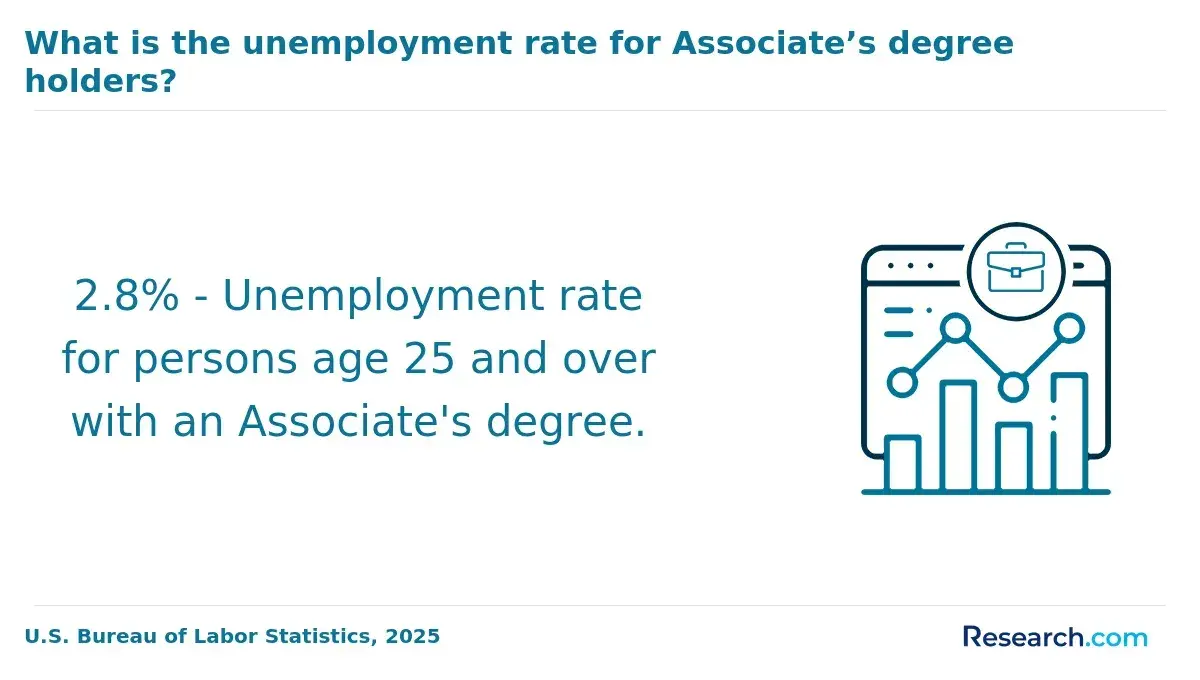
One avoidable mistake is assuming an associate degree automatically completes the first two years of a bachelor's degree. It may satisfy general education through an articulation agreement, but specialized photography prerequisites may still remain.
How do program length, tuition, and financial aid change when you transfer photography credits?
Transfer credits can shorten program length and reduce tuition, but only when they apply to required courses. Accepted elective credits may help you reach total credit requirements, while unmatched major credits may do little to shorten the path.
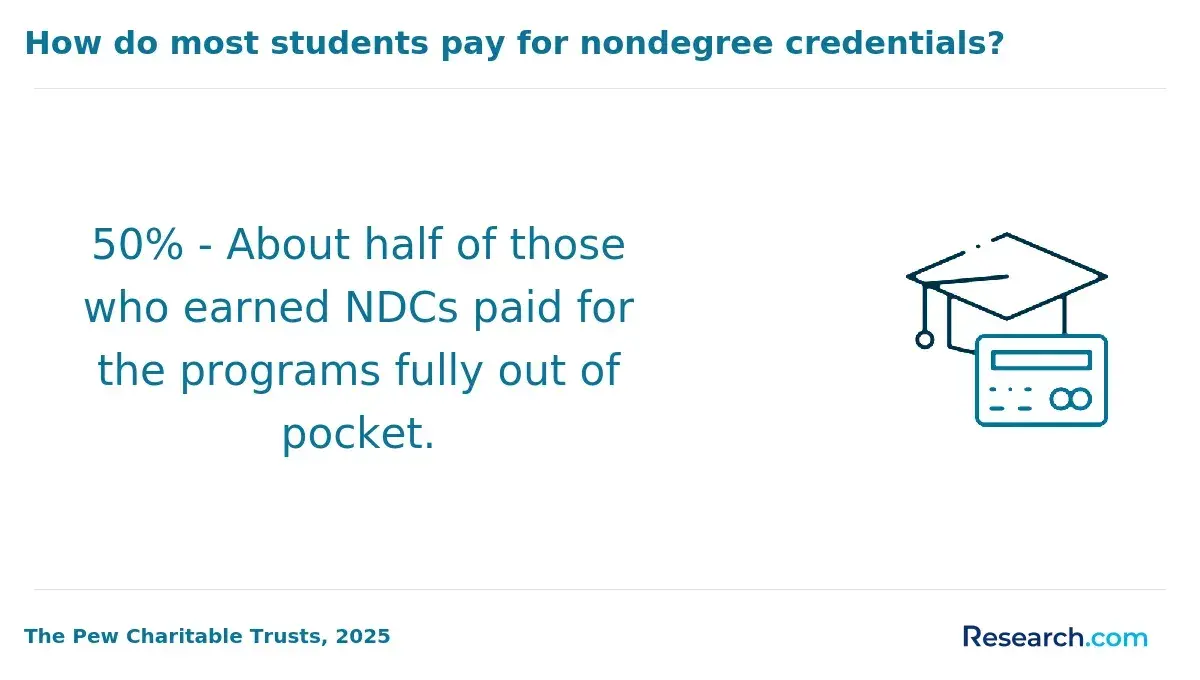
Cost comparisons should include tuition, fees, software, equipment, printing, portfolio hosting, hard drives, travel for optional residencies, and the opportunity cost of extra terms. The 2024-25 maximum Federal Pell Grant is $7,395, which can help eligible undergraduate students, but it may not cover full annual costs at many four-year institutions.
The table below shows how different transfer scenarios can affect time and cost planning. It does not predict a specific bill; it shows the planning logic students should use.
| Transfer situation | Likely effect on timeline | Likely cost impact | Best-fit student |
| Most general education complete | May allow faster entry into major courses | Can reduce lower-division tuition if credits apply cleanly | Students with an associate degree or broad college credits |
| Many photography courses transfer as electives | May still require retaking major foundations | Savings may be smaller than expected | Students changing schools with different studio sequences |
| Major prerequisites accepted | Can shorten time to upper-division work | Often produces the strongest tuition savings | Students with matching syllabi and strong portfolios |
| Prior learning credit awarded | May reduce elective load | Can help, but assessment fees may apply | Experienced professionals with documented work |
| Few credits apply to the degree | Timeline may be close to first-year entry | Higher total cost despite transfer admission | Students changing fields or coming from unaccredited coursework |
To compare programs financially, ask each school for the net price after transfer credits, scholarships, grants, employer benefits, veterans benefits, and required fees. Do not compare only per-credit tuition because a higher per-credit program may cost less overall if it accepts more major credits and offers required courses more frequently.
Full-time enrollment may speed completion but can reduce working hours. Part-time enrollment may protect income but extend technology costs, subscription fees, and time before career advancement. The better choice depends on your cash flow, financial aid eligibility, and how quickly you need a completed credential.
How should you compare online and campus digital photography curricula and learning formats?
Online and campus photography curricula should be compared by outcomes, not convenience alone. The right program should help you build a professional-level portfolio, receive meaningful critique, understand visual ethics, and learn the business realities of creative work.
Online learning has improved for photography because students can submit high-resolution files, join live critiques, use cloud-based editing workflows, and build digital portfolios. Still, campus programs may offer stronger access to studios, printers, lighting equipment, galleries, and local arts communities.
Use the following questions when comparing learning formats, because they reveal whether the program can support your actual creative development.
- Critique quality: Are critiques live, recorded, written, peer-based, faculty-led, or a mix of formats?
- Portfolio development: Does the curriculum require a cohesive final portfolio, website, artist statement, and career-ready presentation?
- Software expectations: Are students trained in current editing, cataloging, retouching, color management, and output workflows?
- Equipment requirements: Will you need to buy camera bodies, lenses, lighting kits, tablets, monitors, printers, or calibration tools?
- Specialization options: Does the program support portrait, commercial, documentary, fine art, fashion, sports, product, real estate, or multimedia photography?
- Faculty relevance: Do instructors have current creative practice, publication history, exhibitions, client work, or industry experience?
- AI and ethics coverage: Does the program address AI-assisted editing, synthetic images, copyright, consent, attribution, and disclosure?
AI is changing photography workflows through image culling, retouching, noise reduction, generative backgrounds, and metadata automation. Students who want to work at the intersection of image-making and machine learning may want to compare photography programs with degrees in AI, especially if their long-term goal is creative technology rather than client photography.
A strong online program should not feel like a correspondence course with uploaded assignments only. It should provide structured feedback, faculty access, peer critique, technical troubleshooting, and clear expectations for professional presentation.
What digital photography careers, salaries, and job outlook can degree holders expect?
A digital photography degree can support careers in commercial photography, portraiture, product photography, photo editing, media production, visual content creation, documentary work, real estate imagery, and arts entrepreneurship. However, photography is portfolio-driven, so the degree is usually one part of a broader career strategy.
The U.S. Bureau of Labor Statistics reported a 2024 median annual wage of $42,520 for photographers and projected 4% employment growth from 2023 to 2033. That median includes a wide range of workers, so income can vary significantly by market, specialization, client base, experience, and whether the photographer is employed or self-employed.
The table below outlines common career directions and how a degree may support each path. Use it to connect program features with realistic job goals.
| Career path | Typical work | Degree features that help | Important limitation |
| Commercial photographer | Product, advertising, food, fashion, brand, and corporate imagery | Studio lighting, client briefs, retouching, business courses, portfolio sequencing | Client acquisition and reputation strongly affect income |
| Portrait or event photographer | Family, school, wedding, senior, corporate, and event photography | Lighting, posing, workflow, contracts, customer communication | Many roles are freelance or small-business based |
| Photo editor or digital imaging specialist | Image selection, retouching, color correction, file management, publishing support | Post-production, color management, media ethics, software training | Employers may prioritize technical tests and portfolio samples |
| Documentary or editorial photographer | News, nonprofit, cultural, sports, travel, or long-form visual storytelling | Visual narrative, ethics, history, captioning, multimedia skills | Competition can be high and assignments may be irregular |
| Content creator or visual media specialist | Photography, short-form video, social media assets, brand storytelling | Multimedia production, marketing basics, analytics awareness, portfolio website | Roles often require both creative and business skills |
Students who want higher-level brand, analytics, or leadership roles may eventually pair photography experience with business training. For example, a master's in marketing can make sense for photographers moving toward creative direction, content strategy, or brand management rather than full-time image production.
This degree is usually worth considering if you need structured critique, a credential for media or education-adjacent roles, and time to build a strong portfolio. It may be less suitable if you already have a strong client base, need only a narrow technical skill, or would benefit more from a short certificate, workshop, or business course.
How do certifications, professional memberships, and continued education support photography graduates?
Certifications, memberships, and continuing education can help photography graduates stay current, especially because camera systems, editing tools, AI workflows, client expectations, and online marketing practices evolve quickly. They are not always required, but they can strengthen credibility in specific niches.
Professional development is most useful when it supports a clear goal. A wedding photographer, museum imaging technician, commercial retoucher, and drone photographer may need very different credentials.
Consider the following options after or during your degree, depending on your target market.
- Software certifications: Editing and digital imaging credentials can help demonstrate technical readiness for retouching, media production, or in-house content roles.
- Drone certification: Commercial drone photography in the U.S. generally requires compliance with Federal Aviation Administration rules, including the appropriate remote pilot certification when applicable.
- Professional memberships: Photography associations can provide competitions, critiques, networking, insurance resources, contracts, and continuing education.
- Business education: Short courses in contracts, pricing, taxes, client communication, licensing, and marketing can be valuable for self-employed photographers.
- Workshops and portfolio reviews: Targeted workshops can update specific skills faster than a full degree, especially in lighting, printing, documentary practice, or retouching.
- Graduate study: An MFA or related graduate degree may be useful for teaching, fine art practice, research, or advanced studio development, but it is not necessary for many client-based photography careers.
The most common mistake is collecting credentials without a market strategy. Before paying for any certificate or membership, ask whether it helps you get better clients, qualify for a job, improve your workflow, meet a legal requirement, or build a stronger portfolio.
Graduates should also keep an updated digital portfolio, a clear licensing policy, backup systems, and a documented workflow. In many photography careers, professionalism is judged not only by image quality but also by reliability, file delivery, communication, and ethical use of subjects and images.
Other Things You Should Know About Digital Photography
In 2027, many online digital photography degrees provide access to virtual labs and software that mimic high-end cameras. These programs often recommend starting with a basic camera, as technical skills learned can later be applied to more advanced equipment.
Yes, many online programs start with visual foundations, camera basics, editing, and critique. Beginners should choose a program with structured feedback, technical support, and introductory design coursework rather than a program that assumes prior studio experience.
A certificate can be better if you need a narrow skill such as lighting, editing, drone work, or business setup. A degree is usually better if you want broader visual education, a college credential, transfer options, and a guided portfolio sequence.
Many transfer-friendly programs accept ACE-evaluated military training, plus CLEP or DSST scores if the credits match degree requirements. Schools usually cap transfer credit at 60 to 90 semester hours for a bachelor’s degree and may require official score reports and course descriptions for review.
References
- Photographers: Salary, career path, job outlook, education and more - RaiseMe https://www.raise.me/careers/media-and-communication/photographers/
- Should you Study Photography at College or are There Better Options Now? https://digital-photography-school.com/should-you-study-photography-at-college-or-are-there-better-options-now/
- FULL-TIME | WINNIPEG LOCATIONS PROPF-CT Professional Photography https://catalogue.rrc.ca/Programs/WPG/Fulltime/PROPF-CT/PrinterFriendly
- Art School: Digital Photography https://www.yorkcollege.ac.uk/study/art-school-digital-photography
- Accreditation and Transfer of Credit | Council for Higher Education Accreditation https://www.chea.org/accreditation-and-transfer-credit
- What's the Outlook for Photographer Jobs? | All Art Schools https://www.allartschools.com/photography/outlook-photography-jobs/
- Online Photography Degree and Certificate Programs | Sessions College https://www.sessions.edu/digital-photography-info/
- NYIP Offers New Professional Photography Certification (CPP) https://www.nyip.edu/photo-articles/news/nyip-adds-photography-certification-to-online-photography-course-offerings
- Online High School Course | Digital Photography https://www.excelhighschool.com/online-course/digital-photography/
- Qualifications https://rps.org/qualifications/