2027 Best Geoscience Degrees for Working Adults

Co-Founder and Chief Data Scientist
Many working adults struggle to balance career demands with pursuing higher education in geoscience fields like environmental studies or geological engineering. The U. S. Bureau of Labor Statistics projects a 6% growth in geoscience-related jobs from 2022 to 2032, emphasizing rising demand for skilled professionals. However, the lack of flexible and accredited degree programs poses a barrier for full-time employees seeking advancement.
This article explores top geoscience degrees designed for working adults, focusing on program flexibility, accreditation, and career outcomes to help readers identify options that align with their professional goals and schedules.
Key Things to Know About Geoscience Degrees for Working Adults
- Many geoscience programs offer flexible scheduling with evening, weekend, or asynchronous online classes to accommodate full-time working adults effectively.
- Hybrid formats combining online and in-person coursework optimize learning while allowing professionals to maintain employment and family commitments.
- Accelerated degree pathways and dedicated support services help working adults complete geoscience degrees faster, aligning with industry demands and career advancement goals.
What Are the Best Geoscience Degrees for Working Adults?
The best Geoscience degrees for working adults vary based on factors such as schedule flexibility, career alignment, and return on investment. A notable trend is the rise in adult learners enrolling part-time or online, increasing the availability of programs suited to balance work and study. These options support professionals seeking to advance without disrupting their full-time employment.
Several geoscience specializations stand out for their practical focus and adaptable formats. Consider these options:
- Environmental Geoscience: Offers applied knowledge in sustainability and environmental regulations, often delivered online or in hybrid formats. This makes it ideal for professionals aiming to improve expertise without interrupting their careers.
- Geographic Information Systems (GIS): Emphasizes spatial data analysis and mapping skills through flexible curricula that align well with full-time employment, fitting the needs of working adults seeking career growth.
- Hydrogeology: Concentrates on groundwater resource management, with evening or weekend courses frequently available to accommodate varied work schedules.
- Geophysics: Involves exploration of subsurface materials and energy exploration, typically offering part-time study options tailored to employed students.
These programs deliver job-relevant content and flexibility, making them among the top online geoscience degrees for working adults. For additional education options focusing on flexible course delivery, professionals might also explore msw programs online that accommodate busy schedules and career demands.
What Are the Admission Requirements for Working Adults in Geoscience Degree Programs?
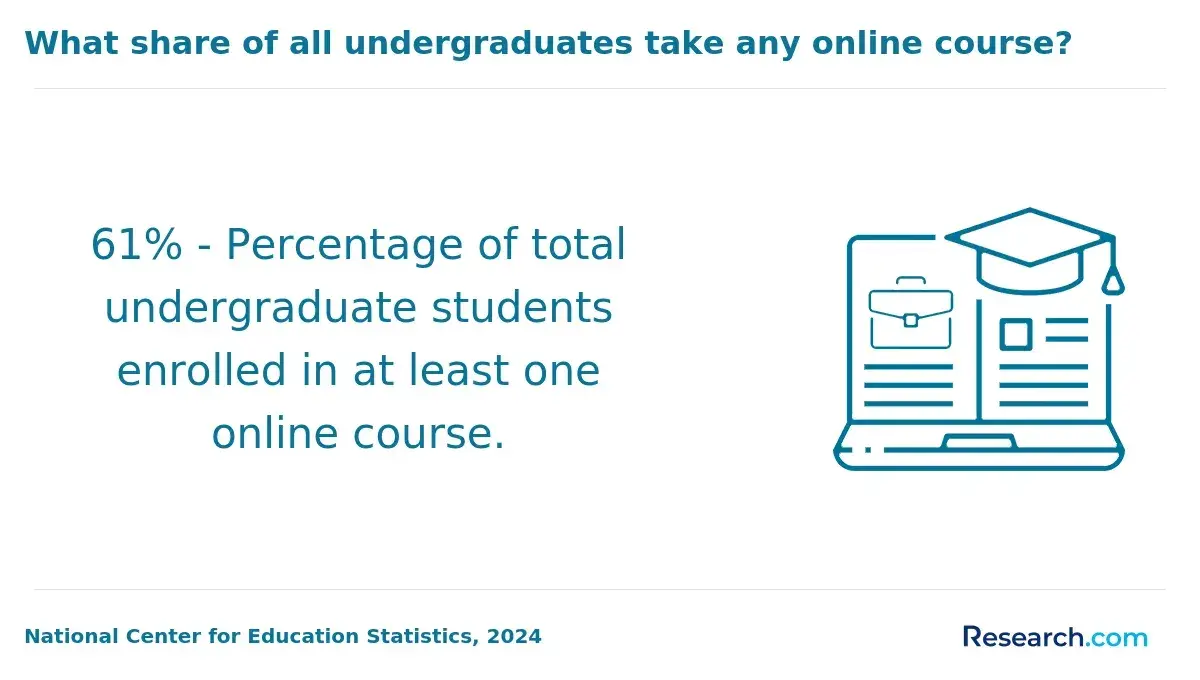
Admission requirements for working adults applying to geoscience degree programs often differ from those tailored to traditional students because adult learners typically balance employment, family, and studies. This need for flexibility is evident as nearly 40% of graduate students enroll part-time, signaling a clear trend toward accommodating diverse schedules. These variations aim to support career advancement while recognizing professional experience.
Common admission considerations for working adults in geoscience degree programs admission criteria for professionals include:
- Prior Work Experience: Relevant industry or research experience can sometimes be used to fulfill or supplement academic prerequisites, reflecting practical knowledge and skills acquired outside the classroom.
- GPA Expectations: While some programs set a minimum GPA, many place stronger emphasis on professional accomplishments and demonstrated potential to succeed in graduate-level coursework.
- Standardized Test Waivers: Several programs waive GRE or other examination requirements for applicants with significant work history or advanced degrees, reducing barriers for experienced professionals.
- Professional Recommendations: Letters from employers or colleagues who can attest to the applicant's abilities and work ethic often carry considerable weight in the admissions process.
- Flexible Enrollment Options: Offering evening, weekend, or fully online classes tailored for working adults helps accommodate their busy schedules and enhances accessibility.
For those comparing options, flexible program delivery is increasingly important. Some aspiring students also explore related fields and alternatives such as online business degree programs that fit their career goals while managing work commitments effectively.
What Coursework Is Required in Geoscience Degree Programs for Working Adults?
Geoscience degree programs for working adults are designed to balance career relevance, practical skills, and flexible learning options, often incorporating online or hybrid formats. Reflecting a growing trend, more than 40% of adult learners in geoscience-related programs pursue their degrees remotely, making flexibility essential. These programs include essential geoscience coursework for working adults that supports immediate application and career advancement.
Key courses commonly required in geoscience degree programs for working adults include:
- Environmental Geology: Focuses on earth processes and their impact on environmental sustainability. This course is vital for professionals working in environmental consulting and regulatory agencies, helping them apply mitigation strategies effectively.
- Geographic Information Systems (GIS): Covers spatial data analysis and mapping tools critical for resource management, urban planning, and disaster response. Mastery of GIS enhances skills for data-driven decision-making roles.
- Mineralogy and Petrology: Studies minerals and rocks, foundational for careers in natural resource exploration, mining, and geological surveying.
- Geophysics: Introduces techniques such as seismic and magnetic methods used to investigate subsurface conditions. These skills are applicable to engineering, environmental assessments, and energy sectors.
- Field Methods and Data Analysis: Offers hands-on training in fieldwork and statistical data analysis, ensuring graduates can effectively collect and interpret geoscientific data in professional contexts.
Curriculum requirements in these programs are frequently tailored to accommodate working professionals seeking flexible schedules without compromising on comprehensive knowledge. For adult learners interested in expanding their qualifications beyond geoscience, exploring options like an online masters degree psychology may also provide complementary career opportunities.
Breakdown of Public Fully Online Title IV Institutions

The time it takes for working adults to finish a geoscience degree depends on a range of individual factors. Data shows that many adult learners require four to six years, longer than the typical four-year timeline for full-time students, as nearly 60% extend their studies to balance work and education.
Several elements contribute to this variation:
- Program format: Online and hybrid courses offer greater flexibility, enabling students to adjust their pace based on personal schedules, which can either reduce or extend time to completion depending on their availability.
- Course load: Many working students opt for part-time enrollment, taking fewer classes each semester and lengthening the degree timeline compared to full-time study.
- Prior credits: Transferring credits from previous academic work or relevant certifications can lessen the required coursework, helping some learners finish sooner.
- Work schedule: Job demands, such as irregular shifts or overtime, often limit study hours and can slow progress toward degree requirements.
- Accelerated options: Intensive summer courses or fast-track programs present opportunities to complete degree requirements more quickly for motivated students.
When asked about his experience completing an online geoscience degree while working full time, a professional shared that managing deadlines alongside work commitments was "stressful but rewarding." He emphasized the importance of strong time management, noting that "balancing late-night study sessions and project submissions with job responsibilities really tested my discipline." Despite the challenges, he found that the program's flexibility allowed him to adapt when unexpected work demands arose, ultimately making the extended timeline worthwhile for advancing his career.
Working adults pursuing a geoscience degree often face unique financial challenges since many juggle full-time jobs alongside their studies. Notably, more than 40% of undergraduates now enroll part-time, which impacts both costs and program duration. Several elements influence how much a geoscience degree will ultimately cost for these students.
Key factors affecting tuition and expenses include:
- Tuition Per Credit: Many programs bill per credit hour, so the price per credit significantly affects overall expenses. Taking fewer credits each term may lower short-term costs but can increase total tuition over time.
- Program Length: Part-time enrollment often extends the time needed to complete a degree. This means that while monthly costs may be manageable, the cumulative tuition and fees can add up over multiple years.
- Additional Fees and Materials: Beyond tuition, students should budget for lab fees, technology charges, and textbooks, which can collectively cost several hundred dollars annually.
- Online vs. On-campus Format: Online programs frequently offer lower tuition and reduce or eliminate commuting and housing costs, providing essential savings for working adults.
- Cost-Saving Options: Financial assistance, including employer tuition reimbursement, scholarships geared toward adult learners, and federal aid, play a vital role in reducing out-of-pocket expenses.
Financial aid plays a vital role for students balancing careers, studies, and personal commitments, as it helps alleviate financial pressure and supports sustained academic progress. Several financial assistance alternatives specifically cater to adults pursuing a Geoscience degree while maintaining full- or part-time employment.
Key options include the following:
- Federal Aid: This encompasses Pell Grants and low-interest federal student loans designed to offer manageable repayment options. Qualification depends on submitting the FAFSA and demonstrating financial need, making these resources accessible to many working adults.
- Employer Tuition Support: Some employers offer tuition reimbursement or assistance to encourage skill enhancement tied to job performance. Typically, recipients must stay employed for a certain period after finishing courses to benefit fully.
- Adult Learner Scholarships: Various nonprofits and foundations grant scholarships tailored for non-traditional students returning to education later in life, often considering merit or financial circumstances.
- State and Private Grants: These grants provide no-repayment funding opportunities aimed at part-time students or those in career-focused tracks, helping cover tuition or materials.
- Flexible Payment Plans: Many institutions offer installment-based tuition payment arrangements that help smooth out financial demands without piling on extra costs.
In a conversation with a professional who earned a Geoscience degree while working full-time, she described the balancing act as "challenging but rewarding." She recalled feeling "overwhelmed at times" but said that setting realistic goals and gaining approval for employer tuition aid made a big difference. "The upfront paperwork was a hurdle, but once I understood the process, everything fell into place." She also emphasized how payment plans provided peace of mind, allowing her to focus on studies without constantly worrying about immediate tuition bills. Her experience highlights how navigating various aid options requires persistence but can ultimately create opportunities for career growth and personal fulfillment.
Balancing coursework with full-time jobs and personal life presents significant challenges for adults pursuing a geoscience degree. Comprehensive support services play a vital role in easing these pressures and helping students maintain steady academic progress.
- Academic Advising: Tailored guidance assists students in choosing courses strategically and mapping out their degree plans to avoid unnecessary setbacks, ensuring a clear path to graduation.
- Flexible Scheduling: Offering evening, weekend, or asynchronous classes accommodates varying work shifts and family responsibilities, making it easier for students to engage consistently with their studies.
- Online Learning Support: Providing dedicated technical assistance and educational resources for virtual coursework helps learners stay connected and effectively absorb material outside traditional classrooms.
- Cohort-Based Learning: Forming peer groups fosters collaboration and reduces isolation, creating a supportive environment that enhances motivation and commitment throughout the program.
- Career Services: Linking academic achievements with professional growth opportunities assists students in aligning their education with career advancement and successful transitions within geoscience fields.
Accreditation for geoscience programs confirms that they meet established academic standards, ensuring quality education. This recognition is vital for working adults, as it influences employer acceptance, financial aid opportunities, and overall program reliability. Studies show a steady rise in adult enrollment in graduate programs, highlighting growing interest in flexible learning options that support career development. Accredited programs often feature vetted curricula, experienced faculty, and resources tailored to adult learners balancing work and study.
For working professionals, accreditation preserves a geoscience degree's long-term credibility, making it easier to transfer credits across institutions and fulfill certification or licensure requirements. These factors are crucial in technical fields where professional credentials impact career growth. Additionally, accredited degrees help maintain their value in competitive job markets by aligning with industry standards. This validation supports adults seeking sustained advancement and recognition in geoscience careers.
Salary growth is a crucial motivator for working professionals pursuing a geoscience degree, as it directly impacts long-term financial stability and career satisfaction. In the United States, individuals with a geoscience degree typically earn between $60,000 and $100,000 annually, though this range varies based on experience and specialization.
- Industry Demand: Sectors such as energy, environmental consulting, and natural resource management often seek qualified geoscientists, which drives competitive wages. High demand can lead to better salary offers for those holding relevant degrees.
- Role Advancement: Earning a geoscience degree can open doors to supervisory or specialized technical positions that tend to pay more than entry-level roles. Career advancement opportunities frequently correlate with higher income potential.
- Employer Policies: Some organizations have formal policies that tie salary increases or promotions to educational attainment. Professionals with a degree may benefit from preferential consideration for raises or advanced roles in such workplaces.
- Years of Experience: Experience continues to be a significant factor in salary levels, as seasoned geoscientists often command higher pay than those new to the field.
- Specialization: Focusing on niche areas like hydrogeology, environmental geophysics, or petroleum geology can lead to premium compensation, reflecting the specialized skills needed in these fields.
When combined with professional experience and targeted skills, a geoscience degree can be a strategic investment for working adults. Flexible and accredited programs, including those offering an accelerated bachelors degree, provide valuable pathways to balance education with full-time employment while enhancing career prospects and salary benefits for working adults.
A Geoscience degree can significantly enhance career opportunities for working adults by enabling them to qualify for higher-level, more specialized, or leadership-oriented roles rather than remaining in entry-level positions. This academic credential deepens scientific knowledge and technical skills, positioning professionals for advancement within their fields.
Several advanced roles illustrate the types of career opportunities with a geoscience degree for adults. These roles typically require a combination of professional experience and enhanced academic expertise.
- Geological Project Manager: This role involves overseeing geological surveys and field operations while managing budgets and teams. Professionals leverage their geoscience knowledge to ensure project goals align with environmental standards, blending leadership with technical proficiency.
- Environmental Consultant: Providing expert advice on land use, contamination, and sustainability, this position benefits from a geoscience background that enables professionals to accurately interpret environmental data and recommend effective mitigation strategies, thus enhancing their credibility in consulting roles.
- Hydrogeologist: Specializing in groundwater resources and contamination, hydrogeologists require a strong grasp of water systems and regulatory frameworks. A geoscience degree qualifies adults for this specialized scientific work vital to public health and resource management.
- Energy Resource Analyst: Focused on analyzing geological data related to oil, gas, or renewable energy, this role demands expertise in assessing resource potential and environmental impact. Geoscience graduates secure strategic positions within the evolving energy sector.
- Geoscience Department Lead: Senior professionals with advanced credentials often manage scientific teams, direct research projects, and shape organizational strategies. This leadership capacity reflects significant career progression supported by a geoscience degree.
Working adults aiming to access these high paying geoscience jobs for working adults often pursue flexible, accredited programs designed to fit full-time employment schedules. For those seeking affordable educational paths, exploring online colleges with financial aid can provide valuable options.
What Graduates Say About Their Geoscience Degrees for Working Adults
- Louise: "Choosing to enroll in an online geoscience program while working full-time was a challenge I eagerly accepted. The flexibility allowed me to balance work and study without compromising either, and with the average cost being reasonable compared to traditional programs, it felt like a smart investment. Completing my degree opened new doors in environmental consulting, significantly advancing my career."
- Kenneth: "Reflecting on my journey, pursuing a part-time geoscience degree was both a financial and personal commitment. At roughly $15,000 to $25,000 in total, the program was affordable enough for a working professional like me. Graduating has given me greater confidence and credibility in the field, enhancing my role in mineral exploration projects."
- Gerard: "From a professional standpoint, undertaking a geoscience degree while employed was a strategic move. The cost-effectiveness of online learning made it feasible, especially since it did not require sacrificing my income. Earning this degree has directly contributed to my promotion and expanded responsibilities in geological data analysis."
Other Things You Should Know About Geoscience Degrees
Many online geoscience degrees require 1 to 3 field camps or a capstone field course totaling about 40 to 120 supervised hours. Programs with licensure or applied geology tracks may require field mapping, lab work, or employer-approved experience documented by the department.
Online Geoscience degrees often combine virtual simulations, local field experiences, and collaborative projects to facilitate fieldwork training for working adults. Programs might coordinate with nearby institutions or offer summer workshops to provide practical field exposure while maintaining a flexible schedule suited for busy professionals.
Yes, many institutions offer credit transfer options for working adults pursuing a Geoscience degree. Previous coursework, professional certifications, and relevant work experience may be considered for credit transfers. It is advisable for students to check with individual universities to learn about their specific credit transfer policies and requirements.
- What do Geoscientists Do? https://serc.carleton.edu/sage2yc/careers/overview.html
- Environmental Geoscience with a Year of Study Abroad (BSc) - Study - Cardiff University https://www.cardiff.ac.uk/study/undergraduate/courses/course/environmental-geoscience-with-a-year-of-study-abroad-bsc
- Earth and Environmental Science https://ees.acadiau.ca/faqs.html
- Main navigation https://careersportal.ie/careers/detail.php
- GEMS - Home https://gems-program.org/
- Funding your degree https://www.geolsoc.org.uk/Geology-Career-Pathways/University/Funding-your-degree.html
- Geoscience https://www.csc.edu/academics/geoscience/
- Earthworks https://www.earthworks-jobs.com/
- Geoscience - 5 Ways to Explore and Improve Your Career Options https://scitech.viu.ca/earth-science/geoscience-5-ways-explore-and-improve-your-career-options
- Geoscience | University College Cork https://www.ucc.ie/en/ck404/geoscience/