2027 Sustainability Degree Careers Ranked by Salary, Growth, and Work-Life Balance

Co-Founder and Chief Data Scientist
Choosing a career in sustainability often presents a challenge-candidates must balance salary expectations, growth potential, and work-life balance without clear guidance. In fact, the Bureau of Labor Statistics projects a 10% growth in sustainability-related jobs over the next decade, highlighting its expanding but diverse landscape. This variability complicates decision-making for students, recent graduates, and professionals seeking stable, rewarding roles. This article analyzes sustainability degree careers ranked by salary, career growth outlook, and work-life balance-offering a comprehensive assessment to help readers identify the most promising paths aligned with their goals and lifestyle priorities.
Key Things to Know About Sustainability Degree Careers Ranked by Salary, Growth, and Work-Life Balance
- Sustainability careers vary widely in salary-from environmental consultants earning around $60,000 annually to renewable energy managers exceeding $100,000, reflecting sector-specific demand and expertise levels.
- Employment growth in sustainability fields is projected at 8-11% over the next decade-faster than average-with green technology and corporate social responsibility roles leading expansion.
- Work-life balance scores are highest in policy analysis and education sectors, while field-based and project management roles often involve longer hours and more travel commitments.
How Are Sustainability Degree Careers Evaluated and Ranked Across Salary, Growth, and Work-Life Balance?
Evaluating sustainability degree careers requires a three-pillar framework that offers a deeper perspective than salary alone. This approach considers salary, career growth, and work-life balance, each providing essential insight into the overall quality of career paths within the sustainability sector. Together, these dimensions present a more complete view of professional opportunities available to those seeking a sustainability degree.
- Salary: Median wage data is sourced from the Bureau of Labor Statistics (BLS) Occupational Employment and Wage Statistics, reflecting typical earnings for sustainability-related roles and establishing a baseline for financial expectations in the US market.
- Career Growth: This dimension relies on BLS ten-year employment projections, highlighting anticipated demand and advancement opportunities for sustainability professionals as industries increasingly embrace sustainable practices.
- Work-Life Balance: Measured using a composite of data from the American Time Use Survey, Glassdoor employee reviews, and industry-specific workforce satisfaction studies, it captures qualitative factors such as flexibility, stress levels, and average hours worked-important metrics for long-term well-being.
The rankings serve as a decision-making tool rather than a rigid hierarchy. Individuals prioritizing different aspects-whether income, advancement prospects, or lifestyle flexibility-may find that their optimal career path deviates from the highest overall ranking.
Careers analyzed include environmental consultant, renewable energy project manager, sustainability analyst, corporate social responsibility (CSR) manager, and urban planner specializing in sustainable development. This analysis provides an evidence-based, comparative look into the salary comparison for sustainability degree careers in the US and integrates career growth and work-life balance metrics for sustainability professionals.
Those exploring educational pathways can also consider programs like the easiest online masters degree to advance their qualifications within this evolving field.
Which Sustainability Degree Career Paths Offer the Highest Starting and Mid-Career Salaries?
Several career paths in sustainability stand out for offering the highest starting and mid-career salaries, reflecting strong demand and the specialized nature of the roles. These fields attract competitive compensation due to factors such as technical expertise requirements, regulatory complexity, and the increasing economic importance of sustainable business practices-key considerations for those seeking top-paying sustainability degree career paths in the United States.
- Environmental Engineer: Environmental engineers rank highly for both median starting and mid-career salaries. New graduates typically begin with salaries around $65,000 annually, while seasoned professionals with over ten years of experience can earn over $102,000. The compensation premium is driven by high barriers to entry-requiring engineering credentials and professional licensure-and the critical role these engineers play in designing sustainable infrastructure and pollution control systems.
- Energy Manager: Entry-level energy managers start at approximately $60,000, with mid-career earnings reaching $95,000 and up. These professionals command higher pay due to their expertise in energy efficiency, cost reduction, and regulatory compliance, skills that directly impact a company's bottom line. The growing emphasis on renewable energy and carbon footprint reduction further enhances demand and salary potential.
- Environmental Scientist: Median starting salaries hover near $55,000, increasing to around $90,000 mid-career. The pay gap reflects both the technical knowledge needed for environmental assessments and the shortage of qualified professionals in many regions. Environmental scientists working in private sectors or consulting firms often earn more than those in government roles, highlighting the employer type's influence on compensation.
- Sustainability Consultant: Starting salaries for sustainability consultants are generally around $58,000, with mid-career salaries exceeding $92,000. These roles require broad expertise in sustainability strategies across industries, and professionals benefit from the economic value generated by cutting costs and improving corporate responsibility-a key motivator for elevated pay scales.
- Urban Planner with Sustainability Focus: Entry-level planners begin at roughly $52,000, while those with more than ten years of experience may earn upwards of $88,000. The salary premium here stems from strong growth in sustainable urban development and a moderate shortage of planners skilled in integrating environmental considerations with city infrastructure.
Regional salary variation is significant across these roles, with higher pay generally found in urban centers and states with progressive sustainability policies. Moreover, private-sector employers and larger organizations tend to offer better compensation packages compared to public agencies or smaller entities. Readers interested in detailed geographic insights should consult the section devoted to location-based salary differences.
This ranking offers a clear view of the highest starting and mid-career salaries for sustainability degree holders, aiding recent graduates evaluating job offers and mid-career professionals considering a strategic pivot. For those seeking cost-effective educational pathways to enter these fields, options like cheap online colleges can provide valuable alternatives without sacrificing quality or future earning potential.
What Do the Bureau of Labor Statistics Job Growth Projections Reveal About the Future of Sustainability Degree Careers?
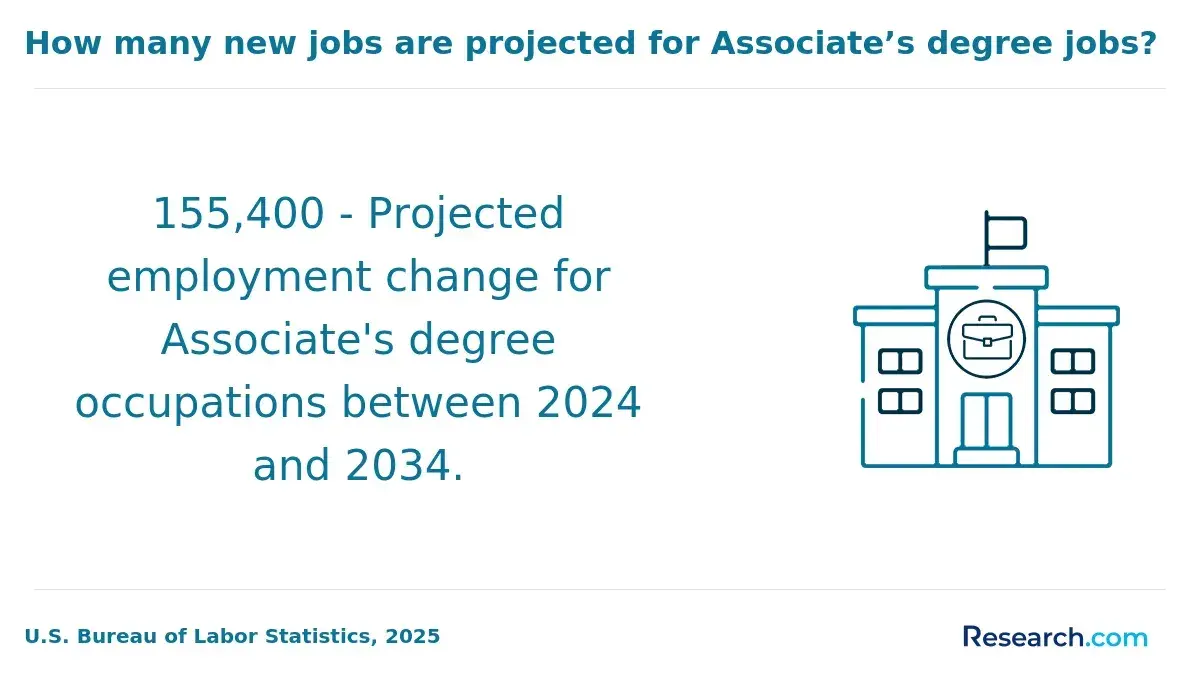
The Bureau of Labor Statistics' ten-year projections reveal varied growth trends across careers available to sustainability degree holders, with the national average employment increase around 5% serving as a reference point.
- Renewable Energy Technicians: Anticipated to expand rapidly due to growing investments in clean energy technologies like solar and wind, supported by environmental policies and global climate initiatives.
- Environmental Scientists and Specialists: Expected to grow steadily above average, driven by tighter environmental regulations and rising demand for sustainability compliance amid increasing population and environmental challenges.
- Urban and Regional Planners: Benefit from ongoing urbanization and the emphasis on sustainable city planning, including smart growth and climate resilience strategies that create new job opportunities.
- Conservation Scientists and Foresters: Growth is stable but slower compared to other fields, influenced by fluctuating public conservation funding and land management priorities tied to political decisions.
- Environmental Engineers: Positioned for modestly above-average growth as industries integrate greener technologies and regulatory pressures around pollution control intensify.
- Sustainability Analysts and Consultants: Emerging with strong growth prospects due to corporations' increased focus on ESG reporting and sustainable business practices.
- Environmental Compliance Inspectors or Specialists: Facing flat or slow growth, professionals in these roles may sustain career momentum through diversification, such as adopting compliance technologies or expanding expertise into risk management and sustainability strategy.
It's essential to note that these projections reflect broad national patterns-local job markets, state policies, and industry sectors can significantly alter growth trends. Exploring these nuances will be important for candidates evaluating specific geographic or sector opportunities ahead.
A professional who pursued a degree in sustainability shared insights on navigating these career prospects. He described the challenge of selecting a concentration given varying growth predictions but emphasized how staying adaptable was critical. "When I started, I was unsure which path to follow-renewable energy seemed promising, but I also wanted to keep doors open in consulting," he recalled. He highlighted the importance of gaining diverse skills and staying informed about policy changes. "The projections helped me focus on areas with real momentum, but I learned firsthand that flexibility and continuous learning make the biggest difference." This perspective underscores the value of a strategic approach amid evolving sustainability career landscapes.
Work-life balance in sustainability degree careers is assessed through multiple measurable indicators-average weekly hours, schedule predictability, availability of remote or hybrid work, paid time off (PTO) norms, and employee-reported satisfaction from sites like Glassdoor, Indeed, and Payscale. This approach forms a robust way of measuring work-life satisfaction in sustainability career paths across various roles.
Each major sustainability career path exhibits a distinct work-life profile based on data from the BLS American Time Use Survey, workforce reports, and employer review aggregators. For example, environmental engineers typically work about 40-45 hours weekly with a relatively steady schedule, while renewable energy project managers often experience variable hours but benefit from hybrid work flexibility.
Work-life balance also fluctuates by employer type, industry sector, and career stage. Early-career sustainability consultants or urban planners may encounter heavier workloads and less predictable hours as they develop their skills. Mid-career professionals usually report better satisfaction due to increased schedule control and benefit negotiations.
- Average Hours: Most sustainability roles involve 40 to 50 hours weekly, influenced by project timelines and sector demands.
- Schedule Predictability: Stable in government and academia; more variable in consulting and startups.
- Remote Work: Common in research, policy, and analysis, providing greater flexibility.
- Paid Time Off: Larger employers typically offer more generous PTO than smaller firms.
- Employee Satisfaction: Satisfaction correlates with employer size and sector stability.
Treating work-life balance as an active career design variable empowers individuals to choose roles and employers aligned with their lifestyle preferences, thereby promoting long-term career sustainability. For those exploring academic options, considering accredited online colleges may also provide flexibility crucial for balancing work and personal life.
An equal-weight model balancing salary, growth potential, and work-life balance provides a comprehensive perspective on sustainability career options, reflecting the priorities of a typical career-focused graduate. This approach recognizes that some roles excel in pay but have tougher schedules, while others trade off income for stability and advancement. The top careers based on this composite ranking include:
- Environmental Engineer: Leading the list by combining high compensation with robust job growth and a reasonable work-life balance. The position's technical nature and growing infrastructure demands ensure competitive earnings and career opportunities.
- Urban Planner: Offering moderate pay but exceptional growth prospects and a strong balance between professional demands and personal life, often supported by stable public sector roles.
- Renewable Energy Consultant: Characterized by solid wages alongside superior growth metrics and decent lifestyle balance, ideal for those attracted to the expanding clean energy field.
- Sustainability Analyst: Though earning moderate salaries, this role excels in growth and work-life balance, allowing analysts to influence corporate strategies without excessive overtime.
- Environmental Scientist: Provides good salary and growth opportunities paired with a fair balance, frequently within government or nonprofit sectors focusing on sustainable practices.
- Corporate Social Responsibility Manager: Higher pay and strong growth counterbalanced by average work-life balance, reflecting leadership responsibilities and strategic influence.
- Sustainability Educator or Trainer: Lower salary contrasted by outstanding work-life balance and steady growth, attracting those prioritizing lifestyle and meaningful impact.
Individuals emphasizing income might elevate Environmental Engineer or CSR Manager roles in their personal rankings, while those valuing predictable schedules and personal time may lean toward Urban Planner or Sustainability Educator. Adjusting these weights helps align career decisions with personal values beyond the composite score.
A professional established in the field after completing a sustainability degree shared her experience, noting that early career choices involved weighing not just financial rewards but also job satisfaction and time for family. She recounted how her initial role required balancing project deadlines with continuous learning, often pushing her work-life limits. Over time, she intentionally sought positions offering greater schedule flexibility and growth potential, which enhanced her overall well-being and commitment to sustainability goals. Reflecting on her journey, she emphasized that understanding the holistic nature of these careers helped her navigate transitions and find a fulfilling long-term path.
Choosing a specialization within sustainability can drastically impact salary, career advancement, and work-life balance. Data from the U.S. Bureau of Labor Statistics and professional salary surveys reveal that experts in niche areas usually experience clearer career paths compared to generalists.
- Environmental Engineering: Known for high salaries owing to technical demand.
- Growth: Employment is expected to rise steadily due to infrastructure improvements and regulatory needs.
- Work-Life Balance: Often challenging because of long hours and strict project deadlines.
- Entry Path: Graduate studies in engineering and professional engineer licensure are typical requirements.
- Renewable Energy Management: Blends sustainability knowledge with business, offering competitive and expanding salary opportunities.
- Growth: Rapid expansion driven by the shift to clean energy.
- Work-Life Balance: Generally moderate hours, especially in consulting or corporate settings.
- Entry Path: Certifications like Certified Energy Manager enhance job prospects.
- Corporate Sustainability Strategy: Promising for career growth, especially at firms targeting ESG integration.
- Salary: Starts moderate but rises substantially in leadership roles.
- Work-Life Balance: Better than technical roles but includes intense periods during reporting.
- Entry Path: MBA or sustainability-focused graduate degrees combined with relevant experience are common.
- Environmental Policy and Advocacy: Slower salary increases but high job satisfaction and stable hours.
- Growth: Moderate, linked to government and nonprofit funding.
- Work-Life Balance: Favorable with predictable schedules.
- Entry Path: Advanced degrees in public policy or environmental law plus internships are typical.
- Corporate Social Responsibility Reporting: Rising demand due to evolving ESG rules.
- Salary: Mid-range that grows with experience in compliance and reporting.
- Growth: Fast, fueled by regulatory and shareholder expectations.
- Work-Life Balance: Generally good, with some deadlines during reporting cycles.
- Entry Path: Certifications in sustainability accounting and communication skills help.
Specializing early influences long-term salary levels, advancement potential, and lifestyle. While deep expertise can lead to higher pay and defined career steps, generalists with broad strategic capabilities may surpass specialists at senior ranks. Sustainability occupations overall are projected to grow 8% from 2022 to 2032-faster than average-making both expert and versatile skills valuable in this evolving space.
Employer Confidence in Online vs. In-Person Degree Skills, Global 2024

Geographic factors greatly influence salary, career growth, and work-life balance for graduates with a sustainability degree across the United States. Regional economies, industry hubs, and living costs create distinct opportunities and challenges from coast to coast.
- Northeast: Known for higher median salaries in sustainability roles, largely driven by corporate headquarters and government environmental agencies in cities like Boston and New York City. Despite premium pay, elevated living expenses often reduce overall purchasing power. Employment growth remains steady but work-life balance can suffer due to longer commutes and competitive markets.
- Southeast: Offers moderate salaries with expanding roles in renewable energy and conservation. Metro areas such as Atlanta and Charlotte provide increasing job prospects paired with lower housing costs and improved work-life balance compared to Northeastern cities.
- Midwest: Presents lower median salaries that are balanced by affordable living. Chicago and Minneapolis show strong employment gains, especially in manufacturing and urban planning. Work-life balance benefits from reduced commute times and community-oriented environments.
- Southwest: Markets like Austin and Phoenix experience rapid sustainability job growth, influenced by tech and energy sectors. Salaries vary, but moderate living costs and favorable climate contribute to attractive work-life balance.
- West: West Coast cities including Seattle, San Francisco, and Los Angeles offer the highest nominal wages, particularly in clean technology and consulting. However, high housing and tax burdens often negate financial advantages. Urban congestion can challenge work-life balance.
Large metropolitan areas typically yield higher wages, yet mid-tier cities often generate stronger net financial outcomes after factoring in cost of living. Remote and hybrid work models are increasingly decoupling pay from location-allowing some sustainability professionals to earn salaries benchmarked to costly markets while residing in more affordable regions. Incorporating geographic strategy into career planning involves balancing salary potential, job growth outlook, and personal priorities such as commute, community ties, and housing affordability. The ideal location depends on individual sustainability career paths and lifestyle goals.
Several key differences define public sector sustainability careers salary growth and work-life balance compared to opportunities in the private sector. At the salary level, private sector sustainability roles usually pay higher base salaries across entry, mid, and senior positions. However, when the total compensation package is considered, including defined-benefit pensions, eligibility for student loan forgiveness programs, and often more comprehensive health insurance coverage, government roles become highly competitive. These benefits provide significant long-term financial security for professionals prioritizing stability over immediate income.
- Salary: Private sector roles lead in base pay but do not capture the full total compensation advantage found in public sector benefits-which can narrow the apparent salary gap substantially.
- Growth: Public sector sustainability career advancement and lifestyle comparison reveal targeted hiring increases within federal and state agencies such as the Environmental Protection Agency and Departments of Energy and Transportation. Policy-driven priorities in environmental protection, climate adaptation, and infrastructure renewal fuel these expansions. Conversely, private sector growth thrives in renewable energy, corporate social responsibility, and environmental consulting-industries driven more by market demands and corporate sustainability commitments than by policy.
- Work-Life Balance: Public sector roles often offer greater schedule predictability, more generous leave policies, and higher employee satisfaction, especially at mid and senior levels. Private employment varies widely-some firms promote flexibility and wellness, while others, especially in consulting or energy fields, tend to have longer hours and elevated stress. Within both sectors, balance heavily depends on specific roles, agency or firm culture, and career stage.
For students and professionals exploring these career paths, advancing through a masters in organizational leadership online program can provide strategic skills to navigate and excel in sustainability roles across both sectors.
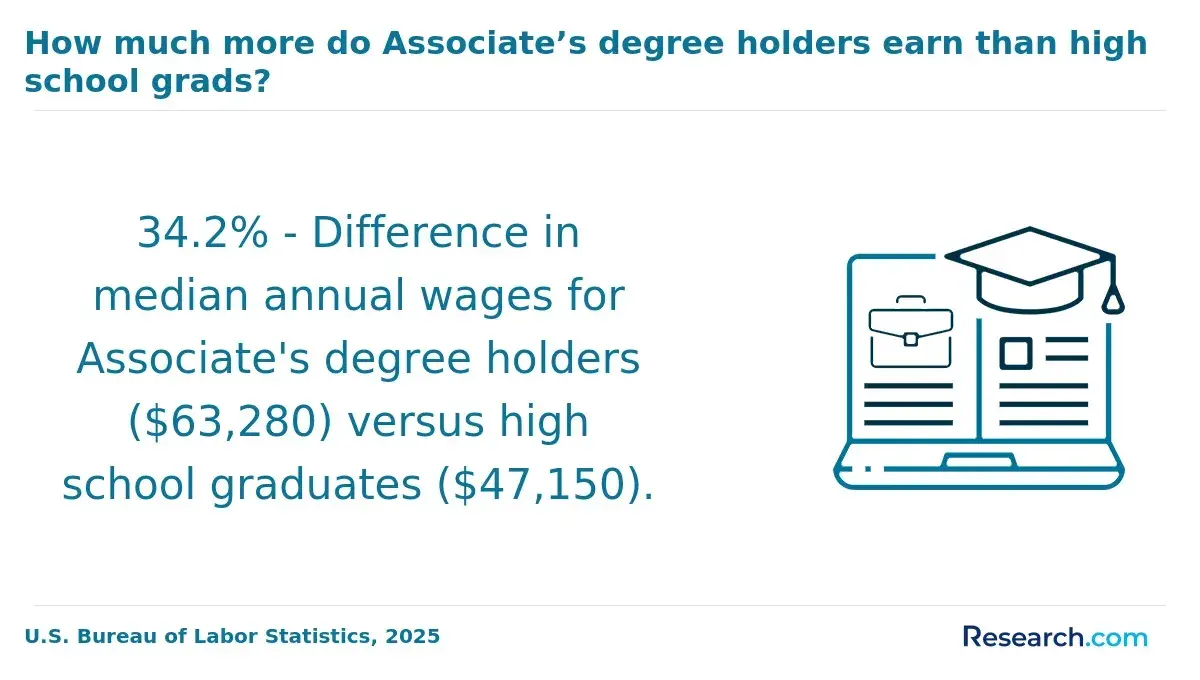
Advanced degrees and certifications significantly impact salary, career growth, and work-life balance for sustainability professionals. According to data from the National Association of Colleges and Employers (NACE) and the U.S. Bureau of Labor Statistics (BLS), higher educational attainment typically brings increased salary premiums and broader career opportunities.
- Master's Degrees: These usually offer a 15-25% salary premium over bachelor's holders and require 1-3 years of study with moderate financial investment. Professionals with a master's degree often unlock management positions, advanced research roles, and specialized consulting jobs inaccessible without this credential. Choosing a relevant program, such as art therapy masters programs, can further tailor skills to niche sustainability sectors. This credential supports strategic salary growth and rapid career advancement.
- Doctoral Degrees: Offering the highest long-term salary potential and accelerated career growth, doctoral degrees span 4-6 years beyond a master's. Graduates often enter academia, policy development, or high-level research requiring deep expertise. While these roles bring greater autonomy and influence, intense workloads may reduce work-life balance despite increased pay. This path suits professionals prioritizing maximum career growth.
- Professional Certifications: Credentials like LEED Accredited Professional or ISSP Sustainability Professional enhance niche skills with lower time and cost investments. They yield immediate marketability, often leading to salary increases and roles with more flexible schedules. Certifications benefit those aiming to improve salary and maintain a balanced lifestyle without extensive academic commitments.
- Work-Life Balance Considerations: Advanced degrees can open senior roles offering schedule control and improved balance. Conversely, some top-tier positions involve high responsibility and long hours, which may strain work-life harmony despite higher salaries. Certification-focused professionals often enjoy predictable hours and less pressure, aligning well with balance-focused career goals.
- Strategic Investment: Sustainability professionals should avoid indiscriminate credential accumulation. Instead, aligning advanced education and certifications with specific career goals-whether salary maximation, career growth acceleration, or balanced lifestyle-ensures optimal return on investment. Understanding each credential's benefits enables informed decisions that support sustainable career satisfaction.
- Remote Work Availability: Careers like environmental consulting, sustainability analysis, and policy advising often provide 40-60% remote or hybrid options, offering significant location flexibility. In contrast, roles involving hands-on tasks-such as sustainability engineering, field technician jobs, and environmental science-generally demand on-site presence due to the nature of their work.
- Salary Considerations: Positions eligible for remote work tend to have salaries on par with in-person roles. Geographic arbitrage allows professionals living in lower-cost areas to benefit from higher market wages, increasing their effective earnings. However, some employers apply location-based pay adjustments, which can reduce compensation for remote employees outside expensive urban centers. Specialized remote roles in sustainability often maintain competitive pay reflecting their expertise.
- Career Growth Dynamics: Reduced visibility in remote roles can hinder rapid advancement for some, yet many companies have integrated hybrid and remote setups, particularly within data analysis, policy, and corporate sustainability sectors. These arrangements minimize location-based barriers, supporting stable career development. Conversely, onsite roles may provide more direct mentorship and collaborative opportunities, potentially accelerating promotion.
- Work-Life Balance: Remote and hybrid work bring benefits like eliminating commutes, flexible hours, and increased autonomy, generally boosting satisfaction. However, blurred lines between professional and personal time and expectations of constant availability may create challenges, especially for those without dedicated workspaces or prone to overworking. According to a 2023 American Time Use Survey, sustainability professionals with remote options report 25% higher work-life balance satisfaction compared to fully on-site counterparts.
Several sustainability career paths stand out for offering a well-rounded combination of competitive salary, growth potential, and positive work-life balance. These roles recurrently score highly on employee satisfaction surveys from Glassdoor, PayScale's Work-Life Balance Index, and align with steady demand growth reported by the Bureau of Labor Statistics.
- Environmental Consultant: Often employed by consulting firms or government agencies, these professionals benefit from project-based work and flexible schedules-including remote and hybrid options-that support autonomy and favorable balance. High salaries reflect specialized expertise, while growth is propelled by increasing corporate and regulatory sustainability initiatives.
- Energy Analyst: Typically found in utilities, renewable energy companies, or government sectors, energy analysts have structured hours with opportunities for telecommuting. Their focus on data and strategic planning usually limits overtime, providing moderate to high pay and stable industry expansion thanks to clean energy efforts.
- Sustainability Coordinator: Present in diverse industries like education and manufacturing, these coordinators generally work regular business hours managing well-defined responsibilities. Though salary growth may be moderate, opportunities for career advancement in sustainability leadership support long-term development without sacrificing balance.
- Urban Planner with Sustainability Focus: Often employed by municipal planning departments or private firms, this role offers consistent work hours, extensive benefits, and a public-sector stability that promotes work-life harmony. Rising demand for sustainable urban development ensures steady career prospects without compromising personal time.
It is essential to recognize that the perceived balance in these roles depends greatly on management, workplace culture, and personal boundaries-meaning experiences vary widely. Use these rankings as a guide when researching employers rather than definitive assurances of lifestyle. Notably, jobs integrating sustainability principles are growing 8% faster than the average for all occupations, underscoring expanding opportunities across well-compensated, balanced careers.
What Graduates Say About the Sustainability Degree Careers Ranked by Salary, Growth, and Work-Life Balance
- Tony: "Pursuing a sustainability degree has been a game-changer for me. The salary potential in this field can be quite rewarding, especially as you gain experience, which really motivated me to push harder. What stands out most is the day-to-day work-life balance-it's refreshing to find a career that not only challenges you but also offers time to recharge. I've come to appreciate the long-term career growth opportunities as organizations increasingly prioritize environmental responsibility."
- Denver: "Reflecting on my journey in sustainability, I'd say the career path offers a unique blend of meaningful work and steady advancement. Salary growth may start modest but tends to improve significantly as you specialize or move into leadership roles. The work-life balance varies depending on the role but generally supports a healthy lifestyle, which I value deeply. Long-term, the demand for sustainability experts seems only set to expand, making this a practical and hopeful career choice."
- Kai: "From a professional standpoint, sustainability careers rank high when considering key indicators. Salary expectations align well with many STEM fields, though passion often drives this choice over pay alone. The daily work-life balance is excellent, with many jobs offering flexibility and remote options. Most importantly, the future holds strong long-term growth as businesses and governments firmly commit to sustainable practices, making this an industry with lasting relevance."
Other Things You Should Know About Sustainability Degrees
In 2027, entry-level sustainability careers generally offer lower salaries and limited growth opportunities compared to senior-level roles. However, they often provide a healthier work-life balance. Senior-level positions yield higher salaries and more opportunities for career advancement, but may involve more demanding work schedules and responsibilities.
Sustainability professionals working in private sector industries like energy, manufacturing, or technology often earn higher salaries and experience faster career growth compared to those in nonprofit or public sectors. However, public and nonprofit jobs may offer better work-life balance due to more predictable hours and less pressure for revenue generation. Each sector presents unique trade-offs between pay, advancement opportunities, and lifestyle.
Early career choices-such as selecting industries with strong sustainability commitments or roles involving project management-can set the foundation for higher salaries and leadership tracks. Gaining diverse experiences through certifications or cross-disciplinary work also enhances growth potential. Graduates should weigh opportunities that balance skill development and workload to maintain work-life harmony as they advance.
The most common credentials are LEED Green Associate, LEED AP, and ISSP Sustainability Associate or Certified Sustainability Professional. Employers also value GRI, SASB, and ISSB-related reporting training for ESG and sustainability analyst roles. Many postings ask for one credential plus 1–3 years of relevant internship or project experience.
- CIPD | Flexible and hybrid working practices in 2025 https://www.cipd.org/en/knowledge/reports/flexible-hybrid-working/
- Top 6 Careers in Sustainability - S U M A S https://sumas.ch/careers-in-sustainability/
- How to create and maintain a sustainable work-life balance | Whole Life Balance - Sally Anne Carroll, PCC https://www.wholelifestrategies.com/blog/creating-and-maintaining-a-sustainable-work-life-balance
- A comprehensive guide to green jobs and careers https://www.csrjobs.club/blog-article/a-comprehensive-guide-to-green-jobs-and-careers/r/recVPKtnGUjnZ9Ml1
- The Future of Work : Exploring the Impact of Remote and Hybrid Work Models on Employee Productivity and Well-Being https://journalcenter.org/index.php/BIJMT/article/view/4724
- Sustainable Learning: The Green Jobs Market Landscape https://encoura.org/resources/wake-up-call/sustainable-learning-the-green-jobs-market-landscape
- Top 10 Careers as a Certified Sustainability Professional | NREP https://www.nrep.org/blog/top-careers-in-sustainability
- Sustainability Jobs: Discover the Top 10 Most In-Demand for 2025 https://enable.green/news/the-top-10-most-in-demand-sustainability-jobs-in-2025/
- Sustainability jobs: Best careers for master's graduates https://www.mla.ac.uk/blog/sustainability-jobs-best-careers-for-masters-graduates/
- Why geographers are employable https://www.rgs.org/choose-geography/choose-a-career-with-geography/why-geographers-are-employable