2027 Most Recession-Resistant Careers You Can Pursue With a Sustainability Degree

Co-Founder and Chief Data Scientist
As economic downturns tighten job markets, sustainability graduates face uncertainty about which roles endure beyond fiscal challenges. Despite growing environmental urgency, only select career paths remain resilient during recessions-making competition fierce.
Recent data show that employment in green energy and environmental compliance sectors is projected to grow 8% faster than the national average even in slow economies. This growth highlights the importance of specialized skills like policy analysis and eco-innovation to stand out in these fields. This article explores the most recession-resistant careers for sustainability graduates and reveals strategies to navigate and thrive in a shifting job landscape.
Key Points About Recession-Resistant Sustainability Careers
- Jobs in renewable energy project management show strong resilience-demand grows as companies invest in green infrastructure regardless of economic downturns.
- Environmental compliance specialists remain essential, ensuring businesses meet evolving regulations, with employment projected to grow by 12% through 2030.
- Sustainability consultants benefit from expanding corporate responsibility trends, securing roles in diverse industries even amid recessions due to continuous operational risk assessments.
What is the employment outlook for graduates of Sustainability?
The employment outlook for graduates holding sustainability degrees in the United States remains strong, with sustained growth and resilience even in fluctuating economic conditions. Job roles such as environmental consultants, renewable energy analysts, and sustainability coordinators are projected to expand by about 12% over the next decade, significantly outpacing the national average job growth rate of 6%.
Below are key factors behind this positive sustainability career growth and job demand trends:
- Regulatory Pressure: Increasing environmental regulations compel corporations to hire sustainability experts to comply with new standards, ensuring steady demand.
- Clean Energy Shift: The global move toward clean energy investments creates consistent opportunities in emerging renewable sectors that rely on skilled sustainability professionals.
- Corporate Responsibility: Growing emphasis by consumers and investors on social responsibility motivates businesses to integrate sustainability practices to stay competitive.
- Specialized Skill Set: Sustainability-related occupations have lower-than-average unemployment rates, offering graduates a buffer against recession due to their unique expertise.
This favorable outlook highlights promising, recession-resistant career paths for those pursuing a degree in sustainability, contributing not only to environmental progress but also enduring job market stability. For those interested in affordable educational options, programs like the cheapest online MSW illustrate how accessible advanced degrees can be in related fields offering stable futures.
What are the most recession-resistant careers for Sustainability degree graduates?
Certain roles within sustainability and adjacent industries offer natural protection against economic downturns due to their essential functions or regulatory requirements. In fact, sustainability-related jobs have experienced a 5% growth rate during recent recessions, outperforming many general job markets.
Below are five top recession-proof jobs for sustainability graduates that consistently demonstrate resilience.
- Environmental Compliance Specialist: These professionals ensure companies adhere to government environmental regulations. Because non-compliance can result in severe fines or operational stoppages, organizations prioritize retaining these roles even when budgets tighten.
- Energy Auditor: Energy auditors assess buildings and systems to identify efficiency improvements. Their cost-saving recommendations are especially critical during economic slowdowns, making this role indispensable for reducing operational expenses.
- Corporate Social Responsibility (CSR) Manager: CSR managers design and implement ethical, sustainable business strategies. Increased investor and consumer demand for transparency and accountability means companies continue investing in CSR, safeguarding brand reputation and long-term revenue even in recessions.
- Waste Management Coordinator: Overseeing waste disposal and recycling programs, this role supports essential public health and legal compliance. The foundational nature of waste management services guarantees steady demand despite economic challenges.
- Renewable Energy Project Manager: These managers handle the development of clean energy initiatives. As governments strengthen commitments to renewable energy goals, funding for such projects is often protected from budget cuts, providing job stability.
Career paths in sustainability during economic downturns often benefit from regulatory mandates, cost-saving imperatives, or social accountability pressures that make layoffs difficult or counterproductive. For those aiming at long-term stability, focusing on roles embedded in essential operations or government frameworks enhances job security.
Developing skills in compliance, efficiency enhancement, or stakeholder engagement further increases resilience in the job market.
Individuals exploring the most recession-resistant careers for sustainability graduates may also consider related fields. For example, pursuing a family therapy degree provides an alternative but equally stable career option, reflecting the broad range of pathways where sustainability expertise and social impact intersect.
In which industries can Sustainability degree holders find work?
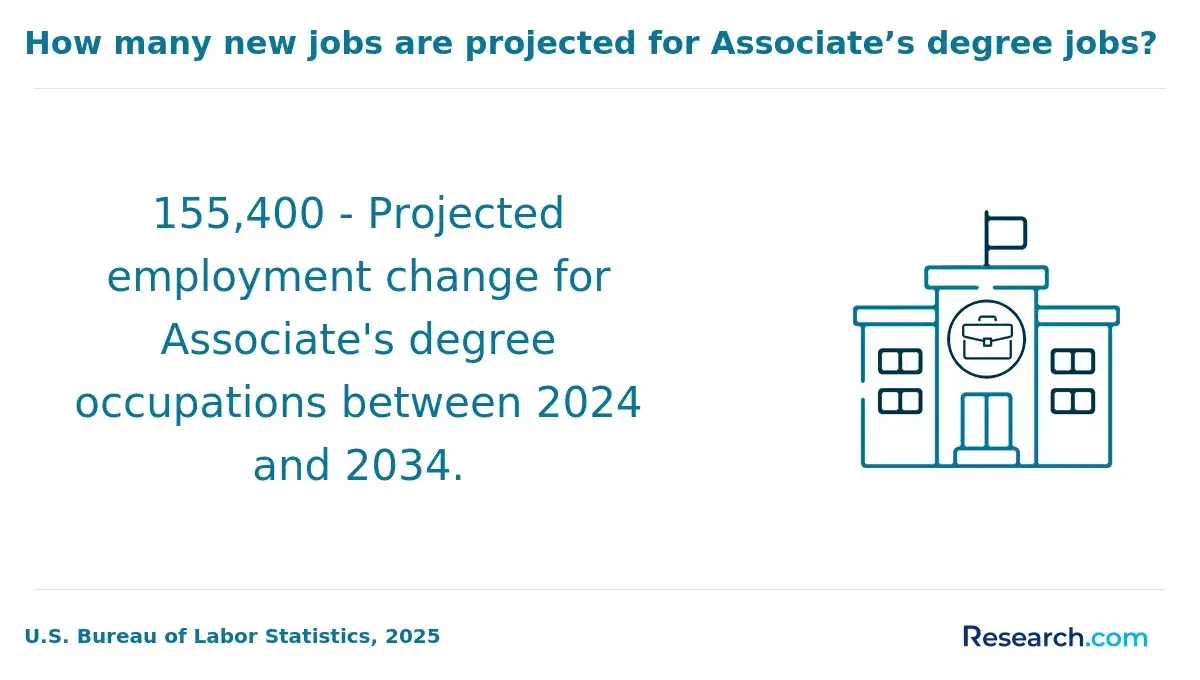
Graduates with a sustainability degree often find career opportunities beyond the sustainability sector itself, extending into various fields that remain stable during economic downturns. Research indicates that nearly 80% of sustainability graduates secure roles in industries less affected by recessions within two years of graduation.
Below are key industries where these graduates apply their expertise.
- Renewable energy: Sustainability skills are essential in roles such as environmental analysts and project managers who ensure energy initiatives comply with ecological standards and help meet growing demands for clean energy solutions.
- Public sector: Government agencies offer consistent employment through funded environmental programs. Graduates contribute as policy developers or environmental inspectors focused on urban planning, conservation, and waste management.
- Healthcare: Hospitals and healthcare systems prioritize sustainability coordinators and facility managers to improve energy efficiency, reduce waste, and promote eco-friendly procurement strategies aligned with public health goals.
- Manufacturing: Companies embracing green production and circular economy concepts rely on sustainability graduates for supply chain analysis, compliance oversight, and product lifecycle assessments to balance resource use with regulatory demands.
One professional who earned an online degree in sustainability shared that finding a stable position required persistence and adaptability. Initially surprised by the variety of sectors open to graduates, he explained how navigating applications across industries-from municipal roles to energy firms-felt challenging but rewarding.
"Each interview deepened my understanding of how sustainability fits uniquely within different fields," he recounted. He emphasized that the most valuable skill was the ability to translate sustainability principles into practical solutions that various employers could implement regardless of their sector. This flexibility ultimately confirmed his path and opened doors beyond traditional expectations.
Sustainability roles within public institutions typically offer greater job security than their private sector counterparts. Funding from government sources, academia, or non-profits tends to be more stable, helping these positions withstand economic downturns.
For example, sustainability analysts in public organizations often retain steady employment during recessions due to ongoing environmental mandates and public programs. Additionally, these roles might present clear advancement opportunities through promotions or tenure, especially in educational settings.
Conversely, private sector sustainability jobs are more susceptible to market fluctuations. Companies might reduce sustainability initiatives when facing financial challenges, which can impact job stability.
However, these positions often provide quicker career progression and chances to lead innovative projects, particularly in fast-growing industries like renewable energy and circular economy ventures.
Ultimately, individuals pursuing a sustainability career should consider their tolerance for risk and career priorities. Those valuing job stability and consistent growth may lean toward public sector roles, while those seeking dynamic environments with potential for rapid professional advancement might prefer the private sector despite its volatility.
Geographic location significantly influences job stability for sustainability graduates, as some areas serve as central hubs for industries tied to this field. The following states are known for offering strong, recession-resistant career prospects in sustainability.
- California: Home to a vast renewable energy sector and strict environmental policies, California benefits from a diverse economy that rapidly incorporates sustainability across technology, agriculture, and manufacturing. This drives demand for experts in resource management and environmental compliance.
- Colorado: With a thriving clean energy market and supportive government incentives, Colorado prioritizes low-carbon innovations. Opportunities abound in environmental consulting, energy evaluation, and sustainable urban development thanks to its focus on conservation and energy advancements.
- Massachusetts: Known for its concentration of research centers and green tech startups, Massachusetts excels in promoting carbon reduction initiatives. This environment fosters growth in roles involving policy assessment, sustainable design, and climate resilience analysis.
Employment in sustainability-related fields is projected to expand significantly faster than average job growth, underscoring its resilience even amid economic challenges. These trends highlight how expertise in sustainability has become vital across industries adapting to environmental regulations and climate change.
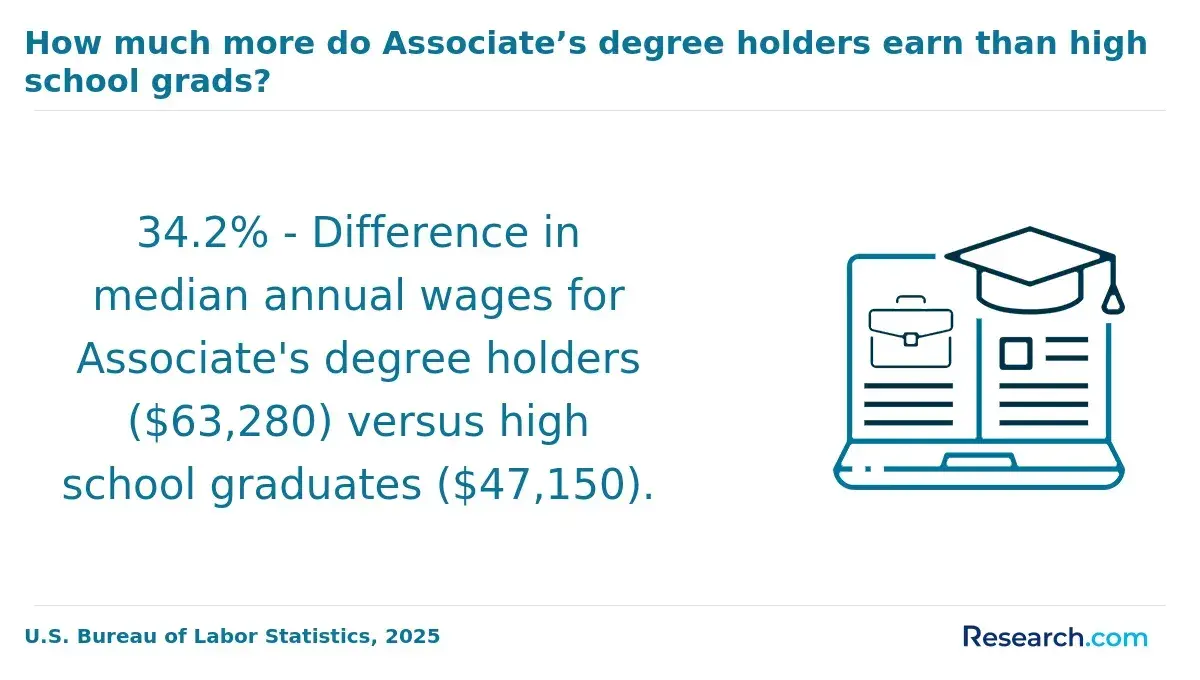
Post-graduate credentials and continuing education often serve as a layoff shield by validating specialized, high-demand expertise in sustainability careers. Research shows that roles requiring advanced certifications have a 15% higher retention rate during recessions.
Below are some leading certifications that enhance job security and open doors to resilient opportunities.
- Certified Energy Manager (CEM): This globally recognized credential focuses on energy management and efficiency, equipping professionals with skills sought after across industries committed to reducing operational costs. CEM holders often pursue careers in energy consulting, facility management, and corporate sustainability roles.
- LEED Accredited Professional (LEED AP): Signaling expertise in green building and sustainable design, this certification benefits those working as sustainability consultants, architects, or urban planners. The ongoing investment in green construction keeps this credential in demand despite economic fluctuations.
- WELL Accredited Professional (WELL AP): Emphasizing human health and wellness in the built environment, WELL AP prepares candidates for roles such as sustainability program managers and environmental health specialists by focusing on employee wellbeing initiatives.
- ISO 14001 Lead Auditor: This credential certifies expertise in environmental management systems, a key compliance area. Professionals with this certification are positioned for roles in environmental auditing and compliance, fields that maintain steady demand.
For current or prospective students considering recession-resistant sustainability certifications, exploring relevant online MFT programs can provide flexible pathways to bolster qualifications. Incorporating these certifications can significantly enhance career stability and growth in sustainability-focused industries.
Continuously developing new competencies can make sustainability professionals less vulnerable during economic reorganizations. Expanding expertise in specific areas strengthens their position in the job market.
Below are essential skills for sustainability graduates to improve their career longevity and adaptability.
- Data Analysis and Environmental Modeling: Expertise in analyzing environmental data with tools like GIS and remote sensing supports accurate forecasting and informed decision-making. These skills are vital for roles involving environmental assessment and policy development.
- Regulatory Knowledge and Compliance: A strong grasp of environmental laws and regulations helps reduce organizational risk and establishes professionals as reliable compliance advisors-especially valuable in industries facing strict legal oversight.
- Project Management: The ability to coordinate interdisciplinary projects, manage budgets, and communicate with stakeholders ensures efficient execution of sustainability initiatives. This competency is sought after in corporate responsibility and consulting roles.
- Renewable Energy and Circular Economy Expertise: Familiarity with renewable technologies and sustainable production methods enables work across sectors that prioritize innovation and resilience, from energy companies to manufacturing firms.
- Communication and Stakeholder Engagement: Clear communication with diverse audiences-including executives, communities, and regulators-facilitates collaboration and broad support for sustainability goals, enhancing project success and professional value.
Over 60% of sustainability career skills in demand for job retention now involve a mix of these cross-functional abilities, reflecting their relevance for stable employment. Building this combination allows professionals to shift between roles like environmental consultancy, corporate responsibility, and policy advising-fields known for resilience in downturns.
Those seeking to complement their sustainability degree with additional education might consider options like an affordable psychology degree online to strengthen interpersonal and organizational capabilities.
School prestige often plays a significant role in helping sustainability graduates secure stable positions, especially in competitive job markets. Employers may perceive candidates from highly reputable institutions as better prepared due to rigorous curricula and access to specialized resources.
This perception can lead to preference in hiring for roles tied to recession-resistant sectors like renewable energy, environmental consulting, and corporate sustainability strategies.
Graduating from a well-regarded school also offers networking advantages that extend beyond the classroom. Access to alumni networks, industry partnerships, and career services can open doors to exclusive internships and job opportunities not widely available.
These connections often provide early insights into emerging sustainability careers and trends, positioning graduates to take advantage of sector growth even in economic downturns.
Yet, students from any accredited sustainability program can remain competitive through proven performance and skill demonstration. Practical experience, relevant certifications, and a strong portfolio can offset the absence of institutional prestige.
Ultimately, employers value candidates who can deliver measurable impact and adapt to evolving challenges in sustainability-driven careers.
Proactively preparing for a career is vital for aligning academic knowledge with the dynamic demands of the sustainability sector, enhancing both employability and job stability. Approaching career readiness with clear strategies helps students gain a competitive edge in this evolving field.
Consider the following essential steps:
- Hands-On Experience: Pursue internships, cooperative education, or consultative projects that provide real-world exposure. These opportunities allow students to demonstrate practical problem-solving and industry-relevant skills beyond theoretical coursework.
- Focused Skill Development: Build expertise in areas like data analysis, regulatory compliance, and stakeholder communication. Targeted skill growth makes candidates adaptable to various roles and sectors within sustainability.
- Certification Attainment: Obtain recognized credentials such as LEED or ISO 14001 to validate professional readiness. Certifications underscore a commitment to standards that many employers prioritize.
- Active Networking: Engage with professionals in environmental fields through events and online platforms to access mentorship, job leads, and industry insights. Strong connections often open doors to career opportunities.
- Leadership Participation: Join sustainability-focused student groups or community initiatives to refine teamwork and leadership capabilities. Extracurricular involvement signals enthusiasm and initiative to potential employers.
When asked how sustainability students can best meet job market expectations, a professional who completed an online bachelor's program shared, "Balancing coursework with part-time internships was challenging but crucial-it gave me confidence to discuss real projects in interviews." He recalled navigating moments of self-doubt yet found that actively seeking mentors and feedback helped him refine his skills.
"The most important part," he noted, "was staying adaptable and open to learning, especially since this field constantly evolves." This experience illustrates how persistence and practical engagement can prepare graduates for successful transitions into sustainability careers.
Careers in sustainability, especially recession-resistant roles, tend to offer average annual salaries between $65,000 and $90,000, surpassing national averages in fields requiring comparable education. Positions such as environmental consultants, renewable energy project managers, and corporate sustainability analysts often fall within this range.
This competitive financial outlook reflects the growing focus on sustainable practices across industries and the rising demand for professionals equipped to address environmental challenges.
Among recession-proof sustainability career salaries, roles tied to renewable energy and environmental consulting offer some of the most lucrative incomes, while positions in corporate sustainability or resource management generally provide stable yet more moderate pay.
Despite these variations, each career path remains anchored by consistent demand due to evolving regulations and corporate commitments to sustainability. Job security in this sector is enhanced by its clear recession-resistant qualities.
Income in sustainability degree jobs may fluctuate based on factors like industry sector, company size, geographic location, and credentials earned. Advanced certifications-such as LEED accreditation or Certified Energy Manager (CEM)-can yield salary premiums, bonuses, or faster wage growth, bolstering long-term financial rewards.
For students seeking to optimize career pathways, exploring specialized fields or gaining additional qualifications can be crucial. Those interested may also consider related fields, where knowledge gained from sustainability programs complements opportunities in sectors like architecture programs.
What Graduates Say About Their Career After Getting a Degree in Sustainability
- Tony: "Choosing to study sustainability was driven by my passion for creating long-lasting environmental impact. The degree equipped me with critical skills in resource management and policy analysis, which proved invaluable when seeking roles less affected by economic downturns. Today, my background in sustainability not only makes me confident in my job security but also allows me to contribute meaningfully to green initiatives within my industry."
- Denver: "Reflecting on my journey, pursuing a sustainability degree was initially about understanding global challenges from an ecological perspective. The program's interdisciplinary approach prepared me with both technical knowledge and strategic thinking, key qualities employers value especially during economic uncertainties. This foundation has empowered me to thrive in a recession-resistant career, focusing on energy efficiency and corporate responsibility."
- Kai: "My decision to study sustainability came from a desire to make a tangible difference in how businesses operate sustainably. The degree's emphasis on innovation and practical solutions prepared me to adapt in a rapidly shifting job market. Securing a recession-resistant position in sustainable urban planning has been a rewarding outcome that reflects the real-world relevance of my education."
Other Things You Should Know About Sustainability Degrees
Roles focused on compliance, environmental regulations, and renewable energy management tend to be less affected during recessions. These positions are essential because organizations must meet legal standards and pursue cost-saving energy alternatives regardless of economic conditions. Jobs in waste management and resource efficiency also maintain demand during downturns due to ongoing regulatory oversight and operational needs.
Government policies play a significant role in sustaining demand for sustainability professionals. Regulatory frameworks, incentives for clean energy, and environmental protection laws create continuous funding and job opportunities. Even in economic slowdowns, policy commitments to climate goals ensure ongoing work in sectors like emissions monitoring, sustainable urban planning, and conservation programs.
Employers often ask for a bachelor’s degree in sustainability or environmental science plus knowledge of ISO 14001, greenhouse gas accounting, or ESG reporting. For regulated roles, certifications such as LEED Green Associate or GRI training strengthen applications and show familiarity with audit and reporting standards.
Roles in renewable energy management, environmental compliance, and waste management typically offer high job security during economic downturns in 2027. The stability is due to ongoing demand for eco-friendly practices and stringent regulations that often intensify during tough economic periods.
- Best Recession Proof Degrees https://www.academicinfo.net/educational-resources/best_recession_proof_degrees/
- 3 types of recession-proof skills and how to develop them | edX https://www.edx.org/resources/how-to-future-proof-your-skills
- Why College Towns Usually Rebound Quickly (And 5 Great Ones to Check Out) - Livability.com https://livability.com/topics/where-to-live-now/why-college-towns-usually-rebound-quickly-and-5-great-ones-to-check-out
- 10 green jobs with strong growth potential | U.S. Green Building Council https://www.usgbc.org/articles/10-green-jobs-strong-growth-potential
- Do you have a recession-proof green career? https://eco.ca/blog/how-recession-proof-is-your-green-career/
- The 11 Highest-Paying Careers in Sustainability https://www.sustainabilitydegrees.com/blog/highest-paying-careers-in-sustainability/
- How sustainability professionals can thrive in a tough job market https://trellis.net/article/how-sustability-professionals-thrive-tough-job-market/
- Sustainable Careers: The Most In-Demand Green Jobs in 2025 https://www.fotisia.com/blog/4.html
- Contact https://prospectus.ie/sustainability-in-a-recession-navigating-challenges-embracing-opportunities/