2027 Environmental Science Master's Degree vs Graduate Certificate: Which Is Better?

Co-Founder and Chief Data Scientist
Choosing between an environmental science master's degree and a graduate certificate often poses a challenge for professionals seeking career advancement or entry into the field. A master's degree typically requires two years and a higher financial investment, while a graduate certificate offers a quicker, more affordable route-usually completed within a year. Employment outcomes differ significantly; recent data show that graduates with a master's in environmental science earn a median annual salary 25% higher than those holding only a graduate certificate.
This article examines cost, time, admissions, employer recognition, salary impact, and career utility to help readers make a well-informed choice.
Key Things to Know About Which Is Better: A Environmental Science Master's Degree or a Environmental Science Graduate Certificate
- Environmental science master's degrees typically require 2-3 years and higher tuition-often exceeding $30,000-while graduate certificates take under a year and cost substantially less.
- Admission to master's programs generally demands a strong academic record and GRE scores, whereas certificates have more accessible entry, broadening options for career-changers.
- Employers recognize master's degrees as qualifying for advanced roles, with graduates earning on average 20% more than certificate holders-reflecting greater salary impact and career utility.
What Is the Difference Between a Environmental Science Master's Degree and a Environmental Science Graduate Certificate?
An environmental science master's degree is a comprehensive graduate-level program requiring 30 to 45 credit hours. It covers a broad curriculum, including advanced scientific principles, research methods, policy analysis, and often involves a thesis or capstone project. This degree aims to develop deep expertise, critical thinking, and prepare students for leadership roles in research, policy, or management within environmental sectors. The time and cost requirements for environmental science master's degree versus graduate certificate programs vary significantly-with master's degrees generally taking 1.5 to 2 years full-time.
By contrast, an environmental science graduate certificate is a shorter, focused credential typically requiring 12 to 18 credit hours. It concentrates on specific skill sets or topical knowledge such as environmental data analysis, sustainability practices, or regulatory frameworks, without the comprehensive academic or research components of a master's. A common misconception is that a certificate is simply a shortened version of the master's degree, but it actually serves targeted professional development rather than a broad academic foundation.
This guide examines how these credentials differ in employer recognition, salary impact, admission requirements, and career utility-ensuring prospective students make informed decisions grounded in evidence rather than prestige bias. For example, exploring the easiest online degrees can inform options for flexible study paths.
Comparing time and cost requirements for environmental science master's degree versus graduate certificate programs is critical for both recent undergraduates and working professionals weighing their next step. Understanding these distinctions aligns academic choices with real-world career impact.
What Are the Typical Admission Requirements for a Environmental Science Master's Program Compared to a Environmental Science Graduate Certificate?
Admission requirements for an environmental science master's program tend to be more rigorous and selective than those for an environmental science graduate certificate, reflecting the greater depth and commitment involved. For applicants navigating the environmental science master's program admission criteria, understanding how these differ is essential to choosing the right next step.
- Undergraduate GPA: Master's programs usually require a minimum GPA-commonly around 3.0 on a 4.0 scale-to confirm academic competence. Graduate certificates often have more flexible or unspecified GPA thresholds, welcoming a broader range of academic backgrounds.
- Prerequisite Coursework: Applicants to master's degrees typically must complete foundational courses in biology, chemistry, or statistics to ensure preparedness for advanced study. In contrast, graduate certificate programs often have fewer or no prerequisite courses, making them accessible to career changers or professionals upgrading skills.
- Standardized Tests: Many master's programs traditionally required GRE scores, though this is becoming less common; where needed, competitive results strengthen applications. Certificate programs rarely demand standardized tests, reducing barriers to entry.
- Letters of Recommendation: Strong recommendations that attest to academic potential and relevant experience are a mainstay of master's admissions. Certificates may request letters but seldom require them, simplifying the process.
- Personal Statements: Detailed personal statements explaining academic interests and career goals are typically mandatory for master's programs. Certificate applicants often face simpler or no essay requirements, speeding up admissions.
These contrasts matter because master's programs build on a solid academic foundation and often prepare students for research or specialized professional roles. Meanwhile, an environmental science graduate certificate can serve as an academic on-ramp-offering exposure to graduate-level coursework and helping students strengthen their applications if they do not yet meet master's program standards. This route is ideal for those seeking quicker skill upgrades or exploring environmental science fields before committing to a full degree.
For career-changers or working professionals, certificate programs can provide targeted skill expansion more rapidly than master's degrees-and can complement credentials like the marriage and family therapy certification in demonstrating professional development.
What Is the Minimum GPA Requirement for a Environmental Science Master's Program?
The minimum GPA required for master's programs in environmental science generally falls between 3.0 and 3.5 on a 4.0 scale, varying by institution. These thresholds serve as a baseline for academic readiness rather than an actual admissions target. Highly selective, research-focused programs often list minimum GPAs near 3.3 or higher but typically admit students with stronger academic records. Conversely, programs with a professional or open-enrollment focus may accept applicants closer to-or occasionally below-the 3.0 floor, balancing GPA with experience or other factors.
Some schools offer conditional admission to candidates whose GPAs fall slightly below stated minimums, requiring satisfactory performance during initial courses or additional preparation. This approach allows flexibility but demands academic improvement and commitment.
A professional who completed an environmental science master's shared that despite initially worrying about meeting GPA requirements, his practical experience and strong recommendation letters were vital in securing admission. "I was relieved when they offered conditional acceptance, which pushed me to excel in my early classes," he said. Navigating those first semesters was challenging, but the support and clear expectations helped him stay focused. This balance of academic and real-world strengths ultimately proved crucial in advancing his career goals.
How Long Does It Take to Complete a Environmental Science Master's Degree Versus a Environmental Science Graduate Certificate?
Completing an environmental science master's degree full-time generally takes about two years. Part-time study extends that period to three or four years, while some accelerated programs enable completion in 12 to 18 months, though these are rare due to program intensity. This range reflects the extensive coursework, research commitments, comprehensive exams, and often a thesis or capstone component required.
- Graduate Certificate Duration: Graduate certificates in environmental science focus on delivering skills quickly, usually within six months to one year full-time. Part-time formats may stretch to two years, catering to professionals who need flexibility while balancing work and life demands.
- Program Structure: Master's programs demand 30 to 45 credits and include rigorous academic milestones that add to the total time-to-completion. By contrast, graduate certificates require approximately 12 to 18 credits, involve coursework exclusively, and omit thesis or comprehensive exams, facilitating faster graduation.
- Career Considerations: Professionals often navigate time investment versus career needs-master's degrees offer deeper expertise and broader credentialing, while certificates provide swift upskilling for immediate application. Weighing these options is crucial based on career urgency and advancement goals.
- Life Circumstances: Employment status, family responsibilities, and financial considerations heavily influence feasible timelines. Those without heavy outside commitments may pursue the master's degree, whereas those balancing work or caregiving duties often opt for certificates to limit disruption.
- Academic and Career Alignment: To make an informed decision grounded in realistic completion expectations, prospective students should assess how the environmental science master's degree time to complete compares with the duration of environmental science graduate certificate programs, ensuring their choice aligns with personal and professional circumstances.
Students interested in broader human resources or interdisciplinary environments might also explore programs such as masters human resources for complementary skills enhancing career flexibility.
How Much Does a Environmental Science Master's Degree Cost Compared to a Environmental Science Graduate Certificate?
Tuition for an environmental science master's degree varies significantly based on the type of institution. Public in-state students generally pay between $15,000 and $30,000 for the full program, while out-of-state public tuition typically doubles or triples those costs, landing between $30,000 and $60,000. Private schools command higher fees-usually $40,000 to $80,000 or more. In contrast, graduate certificates in environmental science cost notably less-typically $5,000 to $15,000-since they require fewer credits and have shorter durations.
Cost Drivers: The higher price for master's degrees stems primarily from greater credit requirements-usually 30 to 45 credits compared to 12 to 18 for certificates-and longer programs that often last two years. Additional institutional expenses such as lab access, faculty research involvement, and comprehensive student support add to master's costs, distinguishing them further from certificates financially.
Financial Aid: Master's students frequently benefit from a wider range of financial aid, including assistantships, fellowships, and employer tuition assistance, which substantially reduce net expenses. Conversely, graduate certificates rarely qualify for such funding, leaving most certificate students to cover the full sticker price or depend on employer reimbursement plans.
Hidden Costs: The investment in a master's program also includes indirect costs-like lost wages due to reduced work hours or temporary career breaks during study-that are rarely factored into sticker prices. Certificates, with their shorter timelines and flexible scheduling, minimize income disruption but may not carry the same weight in career advancement.
Return on Investment: Evaluating total cost requires considering net price after aid along with opportunity costs rather than just tuition figures. Students should leverage free online calculators to estimate ROI tailored to their personal financial and career goals, ensuring informed decisions.
She recalled, "Choosing the master's was intimidating because the price tag felt huge, and I knew I'd have less time for work. But the assistantship I earned eased the financial pressure, and the hands-on research shaped my understanding like nothing else could. The process was demanding-balancing classes with part-time work was tough-but looking back, the degree opened doors that a certificate alone wouldn't have. It wasn't just about the tuition; it was an investment in becoming a confident environmental professional."
How Does Earning a Environmental Science Master's Degree Affect Salary Compared to a Environmental Science Graduate Certificate?
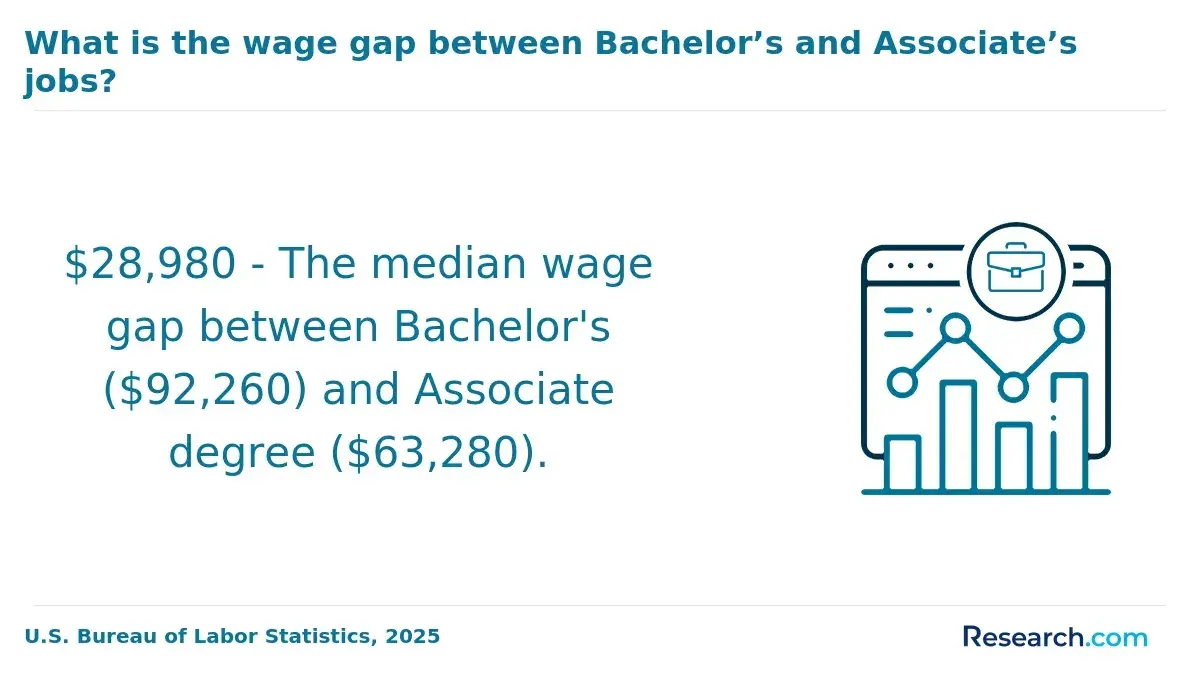
Data from the Bureau of Labor Statistics, NACE, and Georgetown University highlights notable differences in median earnings for environmental science professionals holding master's degrees versus graduate certificates. The salary advantage for master's holders typically ranges from 15% to 30%, varying by job role and data source.
- Salary Premium: Master's degree recipients generally earn higher median wages-especially in specialized sectors such as environmental consulting, regulatory agencies, and research organizations.
- Industry Impact: Advanced credentials drive bigger pay gaps in industries valuing deep technical knowledge and leadership skills.
- Employer Type: Compensation differences skew larger at federal agencies and major corporations, particularly for senior or managerial roles requiring extensive expertise.
- Career Tracks: Targeted certificates in areas like GIS, sustainability management, or environmental compliance can yield salaries comparable to or surpassing some master's holders at early or mid-career stages.
- Return on Investment: While master's degrees typically command higher wages, their longer completion time and greater expenses warrant consideration. Graduate certificates offer quicker, cost-effective routes to specialized skills with a favorable ROI for those changing careers or seeking rapid advancement.
- Senior-Level Roles: Master's credentials remain essential for leadership and research positions, driving stronger long-term salary growth.
In 2024, employers increasingly prioritize hybrid skillsets, further elevating the value of both advanced degrees and specialized graduate certificates in the environmental science workforce.
Which Environmental Science Career Paths Favor a Master's Degree Over a Graduate Certificate?
Certain career tracks within environmental science distinctly favor a master's degree over a graduate certificate due to the advanced expertise and qualifications these roles demand. Positions involving leadership, complex research, or licensure often require or strongly prefer candidates with a master's degree-reflecting its broader and deeper academic foundation.
- Leadership Roles: Many environmental management and policy-making positions-such as program directors or sustainability managers-expect a master's degree as a baseline. This credential signals a comprehensive understanding of environmental systems, regulatory frameworks, and organizational dynamics that graduate certificates typically do not provide.
- Research-Intensive Positions: Jobs in environmental consulting, scientific research, and academia frequently require the theoretical depth and methodological rigor found in master's programs. These roles demand skills in data analysis, experimental design, and grant writing-areas covered extensively in master's curricula but only touched on in certificate programs.
- Licensed Professions: Certain careers, including environmental engineers and specialists working in compliance or remediation, require licensure or certification where a master's degree is often mandated by licensure boards. This educational threshold ensures candidates meet regulatory and professional standards.
- Career Advancement: Many environmental science career ladders set a master's degree as a minimum criterion for promotion into senior or specialized roles. Employers view the full degree as evidence of sustained academic achievement and readiness for higher responsibility.
According to the U.S. Bureau of Labor Statistics, employment in environmental science occupations requiring a master's degree is projected to grow 11% through 2032-faster than average-highlighting increasing demand for advanced qualifications. Individuals targeting these career pathways should plan accordingly, factoring licensure or promotion requirements into their credential decisions to secure leadership roles and competitive advantage.
Which Environmental Science Career Paths Favor a Graduate Certificate Over a Master's Degree?
Certain career paths within environmental science favor a graduate certificate over a master's degree because employers often prioritize specific applied skills or technical expertise over a broader academic preparation. These targeted credentials enable individuals to develop niche competencies more quickly and cost-effectively-offering distinct advantages in various environmental science graduate certificate career advantages.
- Technical Specialization: Roles such as environmental data analysts, GIS technicians, and environmental compliance coordinators emphasize proven skills in specialized tools or regulatory frameworks. Certificates focusing on geospatial analysis, compliance, or data management are frequently preferred by employers who seek practical expertise aligned with daily job duties.
- Rapid Skill Enhancement: Professionals holding a bachelor's or master's degree in related fields frequently pursue graduate certificates to close specific skill gaps like environmental risk assessment or sustainability reporting. This path allows a focused, time-efficient upgrade without the extended curriculum of a master's program.
- Career Changers: Individuals transitioning into environmental science from unrelated fields find graduate certificates offer a faster route to entry-level positions by satisfying foundational knowledge requirements while minimizing costs and time.
- Employer Recognition: Hiring managers in public sector and consulting areas-particularly those involved with permitting, compliance, or environmental monitoring-sometimes regard graduate certificates as equivalent or preferable to master's degrees when the certification matches the job's specialized requirements.
For those exploring career opportunities with environmental science graduate certificates, these credentials represent a strategic way to enhance employability and meet employer expectations in targeted roles. For further insight into jobs for environmental science majors, detailed job posting data and employer surveys reveal that certificates can provide superior value in contexts emphasizing applied skills rather than academic breadth.
Is a Environmental Science Graduate Certificate Stackable Toward a Master's Degree?
Stackable credentials enable coursework from a graduate certificate to count toward a related master's degree program-transforming the certificate from a final qualification into a strategic step within a broader academic path. In environmental science, some accredited universities have published policies permitting graduate certificate credits to directly transfer into a master's degree within the same or closely related fields. This approach supports stacking environmental science credentials for graduate degree completion and offers flexibility for students seeking tailored educational routes.
Key points include:
- Institutional Policy: Each university uniquely determines stackability, meaning not all environmental science programs accept certificate credits for master's degrees. Checking specific program guidelines is critical.
- Grade Requirements: Typically, only courses with a minimum grade-often a B or higher-qualify for stacking to maintain academic rigor in the master's curriculum.
- Time Limits: Credits usually must be applied within a set timeframe, such as five years, ensuring alignment with curriculum updates.
- Program Alignment: The certificate and master's degree must be offered by the same institution or through formal partnerships within related environmental science disciplines.
- Risk Mitigation: Starting with a graduate certificate offers a lower-risk entry point to test academic demands and financial commitment before pursuing a full master's program.
- Verification: Prospective students should always confirm stackability directly with a program's graduate admissions office because policies vary widely.
For recent undergraduates exploring further credentials or career changers looking for faster paths, understanding whether an environmental science graduate certificate is stackable toward a master's degree program can clarify academic and career planning. For those weighing broader bachelor's options, consulting resources about the easiest bachelor's degree may also be useful in parallel career decisions.
How Do Employers in the Environmental Science Field Perceive a Master's Degree Versus a Graduate Certificate?
Employers in environmental science assess master's degrees and graduate certificates quite differently-based on the industry, role, and credential issuer's prestige. According to insights from the NACE Job Outlook Report, the Council of Graduate Schools, and LinkedIn Talent Insights, hiring managers apply varying standards when reviewing applicants holding these credentials.
- Industry Preference: Tech and consulting sectors often favor graduate certificates, valuing the up-to-date, specialized skills they signify in fast-evolving environmental technologies. In contrast, regulated industries such as government, environmental compliance, and academia typically regard a master's degree as the preferred qualification because of its comprehensive depth.
- Role Suitability: Master's degrees are generally seen as essential for research-intensive or policy-related positions-highlighting advanced expertise and sustained academic commitment. Graduate certificates tend to be accepted more readily for entry-level, technical, or project-focused roles where practical skills are prioritized.
- Institutional Reputation: The credibility of the awarding institution heavily influences employer perceptions. A graduate certificate from a highly regarded, accredited university can sometimes carry more weight than a master's degree from a lesser-known school.
- Career Alignment: Prospective candidates should align their credential path with their career objectives and target sector. While certificates offer quicker skill acquisition, they might limit progression in certain fields-realistic expectations help in choosing the best fit.
Can a Environmental Science Graduate Certificate Help Someone Transition Into the Field From a Different Background?
Professionals transitioning into environmental science from different fields often find graduate certificates an efficient credential option. These programs offer a quicker, more affordable route compared to master's degrees-allowing learners to gain essential knowledge and practical skills without the extensive time investment of full graduate study.
- Speed: Certificate programs demand fewer credits and often finish in under a year, helping career changers enter the workforce promptly.
- Cost-Effectiveness: Tuition fees are generally lower, easing financial strain for working adults balancing multiple commitments.
- Career-Focused Curriculum: Many certificates feature hands-on projects designed to build applied skills and subject-specific portfolios, enhancing real-world relevance.
- Stackable Credentials: Coursework may transfer toward a master's degree later, providing flexibility for continued education.
- Career Services: Certificate programs increasingly include networking and job support targeted at individuals new to environmental science.
Nevertheless, certificates alone may not suffice for those targeting advanced or specialized career paths-these often require the comprehensive training and recognition a master's degree confers. Research-intensive roles and leadership positions typically value the deeper expertise associated with master's credentials.
To maximize employability, certificate holders should complement their studies with applied experience such as internships, volunteer work, or portfolio projects. This combined strategy enhances visibility to employers and accelerates successful career shifts into environmental science.
What Graduates Say About Which Is Better: A Environmental Science Master's Degree or a Environmental Science Graduate Certificate
- Marjorie: "Choosing between the environmental science master's and the graduate certificate was a tough decision, but I found that cost really tipped the scales for me. The certificate was significantly more affordable-which mattered as I wasn't ready for a big financial commitment-but the master's degree offered more comprehensive career utility that ultimately opened better job prospects. From my experience, if you're looking to invest for the long term, the master's is undoubtedly worth it."
- Casey: "Reflecting on my journey, the time-to-completion was the biggest factor that swayed me toward the environmental science graduate certificate. It was a faster path-just a year compared to two or more for a master's-allowing me to re-enter the workforce quickly. However, I noticed that employer recognition leaned heavily in favor of the master's degree, which gave me pause about future salary impact. In the end, it depends on your current career stage and goals."
- Walter: "Professionally speaking, admission requirements were a key consideration for me when comparing the environmental science master's and the certificate program. The master's had more stringent prerequisites, which meant more upfront preparation but also a stronger foundation that employers respect. While the certificate was quicker to get through, the master's degree carried more weight in salary discussions and career advancement-making it a smarter choice for those ready to commit."
Other Things You Should Know About Environmental Science Degrees
Online environmental science master's programs generally offer more comprehensive training with deeper theoretical and research components, which tend to be recognized more widely by employers and academic institutions. Graduate certificates, while valuable for skill enhancement, are shorter and more specialized-often viewed as supplementary credentials rather than replacements for degrees. Both can be accredited and rigorous, but a master's degree typically holds greater weight in the job market and for advanced study opportunities.
Accreditation is crucial for both credentials as it ensures program quality and credibility. For master's degrees, regional accreditation of the institution is essential, particularly for those planning to pursue doctoral study or seek federal financial aid. Graduate certificates should also come from accredited schools to ensure employer recognition and transferability of credits. Without accreditation, either credential risks being undervalued in the environmental science job market.
A master's degree is the standard prerequisite for admission into most environmental science doctoral programs, providing the necessary research experience and academic preparation. In contrast, a graduate certificate is unlikely to fulfill doctoral program requirements on its own, though it can strengthen a master's application or serve professionals seeking continuing education. Those aiming for a Ph.D. should view the certificate as a stepping stone rather than a terminal qualification.
References
- Maximize your Career with a Master's in Environmental Practice https://eco.ca/blog/maximize-your-career-advancement-with-a-masters-in-environmental-practice/
- New: Environmental Sciences Graduate Certificate https://www.etamu.edu/programs/environmental-science-graduate-certificate/
- Master’s Degree in Environmental Science – Earn a Masters in Environmental Science or Explore Environmental Science Masters Programs at UT San Antonio https://future.utsa.edu/programs/master/environmental-science/
- Navigating Career Transitions: How to Switch to a Job in Environmental Science https://www.michaeldesafey.com/navigating-career-transitions-how-to-switch-to-a-job-in-environmental-science/
- What Can You Do With an Environmental Science Degree? https://willamette.edu/academics/college/environmental-science/career-options
- Admission Requirements & Deadlines - Environmental Science (M.S.) https://www.towson.edu/fcsm/departments/environsci/grad/science/admission.html
- Student Opportunities | NAU Earth Sciences & Sustainability Programs https://ses-nau.org/student-opportunities/
- Landmark Education https://landmarkedu.com/graduate-certificate-in-environmental-science