2027 Online Art History Master's Curriculum Breakdown: Core Courses & Specializations

Co-Founder and Chief Data Scientist
Online art history master's programs demand more than academic planning; they require strategic navigation of curriculum design to align with evolving workforce dynamics. Course selection impacts employability by shaping specialization depth and certification relevancy, while also dictating workload intensity and progression flexibility.
The 2024 shift toward interdisciplinary roles in museum curation and digital heritage management emphasizes adaptability, revealing tradeoffs between narrow expertise and broader marketability. Sequencing constraints may delay access to emerging fields, while gaps between theory and applied skills challenge professional readiness. This article critically examines how curricular frameworks, core requirements, and specialization pathways influence practical outcomes for prospective art history professionals.
Key Things to Know About Online Art History Master's Curriculum
- Core courses often balance art theory with contextual history, but narrowing focus early can limit exposure to diverse methodologies, affecting flexibility in interdisciplinary roles.
- A 2024 survey found 63% of cultural sector employers favor candidates with specializations aligned to digital curation or museum studies, underscoring workforce demand for niche expertise.
- Extended core requirements increase tuition and lengthen completion time, disproportionately impacting working professionals managing career transitions or balancing part-time study with employment.
What Core Courses Are Included in an Online Art History Master's Program?
The structure of core courses in an online art history master's program signals how a curriculum balances foundational knowledge with the practical demands faced by professionals in museums, galleries, and academia. These courses often create a rigorous sequence that may challenge working professionals and career changers to manage workload and timing, yet they also establish essential analytical frameworks employers expect for advanced roles.
Understanding this balance can clarify how core study supports specialization without sacrificing critical interdisciplinary breadth.
- Survey of Art Historical Periods: This course typically spans major epochs such as Ancient, Medieval, Renaissance, Baroque, and Modern art, providing a chronological and thematic framework. It equips students with the broad historical literacy necessary for specialization, ensuring an ability to contextualize artworks within cultural and stylistic developments critical for curatorial and educational tasks.
- Methods and Theories in Art History: Central to most core curricula, this course delves into research methodologies, theoretical frameworks, and critical analysis techniques. It forms the basis for advanced scholarly work and supports the transition from descriptive to interpretive skills, which are vital for producing publishable research or developing museum exhibitions.
- History of Visual Culture: Going beyond traditional art history, this course incorporates interdisciplinary insights from cultural studies, anthropology, and digital humanities. Such coverage aligns with observed enrollment trends in interdisciplinary humanities, reflecting employer demand for professionals versed in diverse analytical tools and adaptable to evolving digital platforms.
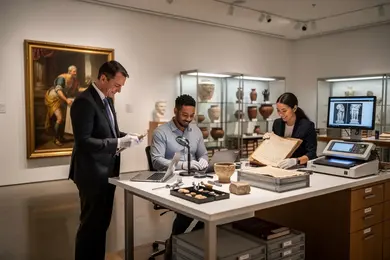
- Conservation and Provenance Studies: Addressing practical and ethical challenges, this coursework prepares students for roles involving artifact preservation, authentication, and cultural property management. It supports career paths that require applied problem-solving in museums and cultural heritage organizations, where understanding material conditions and legal contexts is increasingly important.
- Academic Writing and Thesis Preparation: These seminar-style courses focus on developing clear, persuasive scholarly communication and presentation skills. By guiding students through thesis projects, this element reinforces critical writing competencies and professional articulation that employers in both academic and public-facing art history roles often prioritize.
Programs that effectively integrate these core components reflect a nuanced appreciation for workforce realities and the specialized knowledge required for career readiness. For students evaluating curriculum options, noting the presence and sequencing of these subjects can predict how well a program equips them both for deep disciplinary expertise and for navigating broader industry demands.
Those balancing graduate study with professional or personal responsibilities may especially weigh how foundational courses like these structure time commitment and skill development.
These core courses are rarely isolated academic checklists; instead, they operate as a scaffold supporting diverse career trajectories in art history. For learners interested in fast-track or more flexible models, exploring options like the easiest EDD programs may provide useful comparators regarding curriculum design and pacing, even if outside the art history field.
What Specializations Are Available in Online Art History Master's Programs?
Choosing a specialization in online art history master's programs is a strategic decision that significantly shapes skill development, employability, and long-term career trajectories. Specializations are not merely academic labels but reflect focused training aligned with evolving employer demands, workload intensity, and the breadth or narrowness of professional opportunities each path entails.
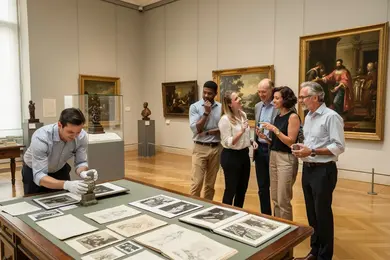
- Museum Studies and Curatorial Practice emphasize hands-on skills such as exhibition design, collection management, and archival research essential for roles in museums, galleries, and auction houses. Though critical, purely online formats can limit access to robust internships, reducing practical experience and potentially weakening competitiveness in a field that prioritizes onsite engagement.
- Global and Regional Art History specialization targets geographic or cultural traditions like Renaissance and Baroque, Asian, or African and African American art history. This pathway appeals to academic and cultural institutions seeking expertise in particular narratives but risks restricting job flexibility without supplemental analytical or interdisciplinary skills.
- Digital Art History and Visual Culture Studies develop technical competencies in digital archiving, GIS mapping, and visual data analysis. Reflecting a 15% increase in market demand reported by the American Art Historians Association in 2024, this specialization prepares graduates for interdisciplinary roles that value digital fluency but requires ongoing technical adaptation.
- Individualized and Interdisciplinary Concentrations offer flexibility to combine diverse methods and interests. While appealing for career changers and researchers with evolving goals, these self-directed tracks demand strong institutional support and validation to ensure labor market credibility and effective professional positioning.
Ultimately, prospective students must critically assess how specialization choices interact with internship feasibility, employer preferences, and practical skill application-factors pivotal to real-world readiness and post-degree employment outcomes in online art history education.
Can Students Choose Electives Outside Their Specialization?
In most online art history master's programs, elective choices outside a student's specialization are controlled by rigid curriculum frameworks that prioritize core coursework sequencing and maintain strict credit limits for exploratory classes. Access to out-of-specialization electives typically requires advisor approval and may be further restricted due to course capacity or program designs that emphasize depth in areas like Renaissance art or museum studies.
Data from the National Center for Education Statistics (2024) indicates that approximately 62% of humanities graduate programs permit a modest elective window-usually capped at 6 to 9 credits-for broader academic engagement, underscoring the balance institutions try to maintain between specialization and flexibility. This setup often means that students must navigate prerequisite requirements and institutional policies carefully to integrate these electives without extending their time to degree completion.
Choosing electives outside one's specialization carries strategic tradeoffs with tangible career implications. While diversifying coursework can foster interdisciplinary skills attractive in fields such as digital curation or cultural policy, spreading focus too broadly may undermine the deep expertise recruiters typically seek for specialist art history roles.
Overextension through elective exploration risks delaying graduation or diluting a coherent academic narrative, which can impact job readiness post-degree. For working professionals or career changers, controlled elective flexibility offers a pragmatic path to augment their backgrounds with complementary knowledge without compromising core mastery, but it requires deliberate planning to ensure these choices align with both academic standards and labor market realities.
A student in an online art history master's program recalled how the rolling admissions process affected their elective planning; uncertain about acceptance timelines, they hesitated to finalize their out-of-specialization course selections, fearing delays or misalignment with degree requirements. After receiving admission slightly later than expected, they adjusted quickly but found limited elective seats available, prompting a strategic reshuffling of classes.
This experience highlighted the importance of early communication with advisors and flexible contingency planning when navigating elective options under time-sensitive conditions, particularly for those balancing professional commitments alongside graduate study.
How Are Online Art History Master's Courses Delivered?
Online art history master's course delivery predominantly utilizes asynchronous methods, allowing students to access recorded lectures, readings, and multimedia content at their convenience. This format supports deep engagement with complex visual and theoretical material central to art history, enabling learners to analyze images and texts on their own schedule.
Less frequent but strategically scheduled synchronous sessions facilitate live discussions, peer critiques, and guest speaker interactions, essential for developing critical thinking through real-time scholarly exchange. Many programs adopt hybrid models to blend flexibility with collaborative elements, reflecting the growing trend noted by the National Center for Education Statistics where nearly 75% of humanities graduate students prefer hybrid or fully asynchronous online formats.
For working professionals or career changers enrolled in flexible online art history master's program formats, managing time effectively becomes crucial as asynchronous learning demands significant self-discipline. Synchronous participation, while limited, requires coordination across various time zones or work commitments, introducing potential barriers to consistent engagement.
Programs structured around concentrated seminar-style courses or research-intensive specializations expect students to balance independent project work with scheduled interactions, which can challenge those without established study routines. Such delivery methods shape not only the student workload but also the ability to maintain steady progress and cultivate the research skills favored by academic and curatorial employers.
Tradeoffs in course delivery also affect skill development and program outcomes, as greater flexibility may come at the expense of spontaneous intellectual exchange and mentorship typically found in in-person settings. Digital tools like virtual museum tours partially mitigate this gap but cannot fully replicate hands-on object analysis valued in some professional paths.
Students grappling with the delivery structure often find it necessary to adopt proactive engagement strategies to meet program milestones. Those comparing degree formats, including fields like social work masters programs, should weigh how delivery design influences both learning consistency and employability trajectories.
Which Core Classes Are Considered the Most Challenging?
Core classes that students commonly find most demanding in online art history master's programs center on advanced theory, historiography, and the extensive study of global art movements. These courses require mastery of abstract intellectual frameworks, rigorous critical analysis, and the ability to synthesize diverse, often fragmented sources across historical contexts. The workload is compounded by expectations to engage with primary archival materials, often necessitating proficiency in additional languages and specialized research methodologies.
Such structural challenges stem not merely from content volume but also from the necessity to integrate complex theoretical concepts with precise academic writing and source interpretation.
These difficulties carry significant implications for student progress and workforce readiness. According to a 2024 report by the National Association of Graduate Art History Programs, 62% of students rate theory and historiography courses as their greatest obstacle, highlighting a pervasive barrier that can delay degree completion or limit specialization options.
For example, working professionals who enter these programs without a solid preparatory background in research methods may struggle to balance coursework demands, potentially impacting their ability to meet employer expectations for analytical rigor in museums or cultural institutions. Effectively navigating these challenging core classes requires strategic planning and targeted skill development to align academic achievement with longer-term career objectives.
One student recalled debating whether to defer enrollment after encountering the rolling admissions timeline. With a full-time job and limited research experience, they hesitated to begin the program without first completing a summer preparatory course in art theory, fearing that jumping directly into the demanding core coursework would lead to poor performance and slow progress. This cautious approach bought them extra time to build foundational skills, reflecting how strategic timing during admissions can directly affect success in facing the program's toughest requirements.
Do Online Art History Master's Programs Require Internships or Practicums?
The inclusion of internships or practicums in online art history master's programs varies, often reflecting each institution's program design, accreditation standards, and specialization focus. Many programs-especially those emphasizing museum studies, curatorial practice, or digital humanities-integrate these experiential components either as optional or required elements to provide practical skills alongside theoretical coursework.
Approximately 35% of accredited online master's in art history experiential learning requirements include some form of internship or practicum, typically oriented toward archival research or gallery management. However, a sizable portion of programs serving academic or research-focused students emphasize methodologies and historiography without mandating hands-on placements, allowing completion solely through remote theoretical coursework.
For working professionals or career changers balancing education with employment, internship or practicum requirements introduce significant scheduling and logistical considerations that can affect time-to-completion and workload. Availability and quality of placement sites often vary by region, sometimes limiting the depth of experiential learning in fully online formats. Programs addressing these challenges may offer virtual practicums or localized partnerships, but such alternatives might not replicate the networking or hands-on expertise gained through in-person experiences.
This variability impacts job readiness: employers frequently seek candidates with direct exposure to museum environments or digital collections, making the presence or absence of practicums a strategic factor for students targeting positions in cultural institutions. Those evaluating program options should weigh the tradeoffs in practical engagement carefully, as illustrated by parallels in programs like the LMFT online program, which also balances experiential requirements against flexibility for professionals.
Which Courses Are Required for Professional Certification Exams?
Online master's programs in art history commonly design their curricula to align tightly with the competencies tested in professional certification exams by bodies such as the Association of Art Museum Curators and the American Alliance of Museums. Required coursework often corresponds directly to exam domains, including art historical research methods, conservation principles, and ethical stewardship of collections.
Programs map these foundational subjects to established professional standards, ensuring candidates acquire both theoretical knowledge and applied skills that certification frameworks emphasize. Specializations like museum studies and provenance research are incorporated purposefully to cover critical legal and curatorial competencies frequently assessed in certification criteria, reflecting a strategic effort to streamline eligibility through course selection.
Failing to complete specific required courses or substituting electives that do not map clearly to certification competencies can delay qualification and increase preparation burdens, reducing the efficient progression toward credentialing. For example, a student choosing to skip museum management may face extended study time or need additional non-degree coursework before exam eligibility.
Recent data from the National Center for Education Statistics highlight that over two-thirds of certified professionals attribute their success to specialized coursework in cultural heritage management, underscoring the practical importance of targeted concentrations. Consequently, curriculum decisions have tangible effects on readiness and employability in certification-dependent roles, particularly for working professionals who must balance time investments with precise credentialing pathways within the art history field.
Do Specialization Requirements Extend Graduation Timelines?
Specialization requirements within online Art History master's programs are often structured around additional courses, prerequisite sequences, and integration of capstone or thesis projects that build upon the core curriculum. Depending on how a program sequences these specialization tracks, students may either complete them alongside their general requirements or face extended timelines if prerequisite chains and limited course availability create scheduling constraints.
The National Center for Education Statistics (NCES) data from 2024 shows that about 35% of students in specialized master's degrees experience delays of one or more semesters due to these added demands. Programs that allow flexible credit overlap or offer rolling course schedules tend to support more on-time graduations, while rigid course sequences can force students to pause or stretch their studies.
Real-world implications of specialization tracks include potential bottlenecks when key specialization electives or research seminars are only offered infrequently, restricting timely enrollment. For example, a working professional pursuing a specialization requiring a research-intensive capstone may find their graduation delayed by up to a year if prerequisite seminars are only available once annually, forcing a pause in progress despite completing core requirements.
Limited substitution options for specialization electives further constrain scheduling flexibility, compelling some students to extend their studies to maintain full-time status or balance work-study commitments. Such timing delays may increase overall tuition and postpone entry or advancement in professional roles, underscoring the practical need to evaluate specialization offerings carefully in relation to career timelines and resource availability.
How Do Art History Specializations Affect Career Opportunities?
Specializations within an online art history master's program operate as critical signals in the job market, directly influencing how recruiters assess candidates. Employers interpret the focus of coursework, applied projects, and technical competencies to determine a candidate's suitability for specific roles, making concentrations like museum studies or digital curation especially meaningful.
This targeted expertise can differentiate applicants in areas such as cultural heritage management or academic research, reflecting the impact of art history concentrations on job prospects. According to data from the National Center for Education Statistics in 2024, graduate students with focused humanities specializations achieve a 23% higher placement rate in relevant roles within two years than those with more generalized credentials.
However, selecting a specialization presents tradeoffs that affect career flexibility and entry-level opportunities. Narrow concentrations may restrict transitions between sectors, while broader curricula can allow richer adaptability but might limit access to highly specialized roles. For example, a graduate concentrating in conservation may gain direct entry to preservation labs but encounter greater challenges moving into gallery curation without additional qualifications.
Prospective students, especially career changers and working professionals, should weigh these dynamics carefully, considering long-term career trajectories rather than purely current market trends or the structure of core coursework. Those evaluating art history master's specializations should also explore interdisciplinary options, such as pairing online programs with related fields like graphic design degree online to enhance versatility and market relevance.
How Should Students Compare Online Art History Master's Curriculum?
Comparing online art history master's curriculums requires assessing how program structures balance foundational depth with specialization to meet differing professional objectives. These design choices directly affect job readiness, completion time, and the feasibility of managing workload alongside other responsibilities, making curriculum differences a crucial evaluative factor rather than a matter of simple preference.
- Core Course Composition - Examine how programs sequence foundational courses covering methodologies, critical theory, and global movements. A curriculum with rigorous core offerings provides essential analytical skills but may extend time-to-completion or demand heavier early workloads.
- Specialization Depth - Evaluate whether specializations such as contemporary art or museum studies offer substantial, practice-oriented content. Programs with deep, focused tracks better prepare students for niche roles but may limit elective variety.
- Elective Flexibility - Consider the availability of electives allowing exploration beyond core and specialization areas. Flexible options enable customization to evolving career goals but can dilute thematic coherence if too broad.
- Delivery Format Structure - Look for how asynchronous, synchronous, or hybrid delivery impacts pacing and engagement. Structured formats with live components may foster interaction but challenge working professionals balancing time constraints.
- Internship or Practicum Integration - Prioritize curricula incorporating hands-on experiences such as digital cataloging or museum internships, which align with employer preferences valuing applied skills and digital fluency.
- Certification and Career Alignment - Assess if the curriculum aligns with recognized certifications or industry standards, enhancing employability in competitive creative sectors.
- Course Progression Sequencing - Analyze if the curriculum builds from foundational mastery to advanced specialization in a coherent progression that supports cumulative skill development and timely graduation.
Many employers now prioritize candidates with practical project experience, as highlighted by a 2024 report from the National Center for Education Statistics, reinforcing the value of applied learning components in curriculum design. For students balancing work and study, understanding these nuances can clarify tradeoffs between rigorous preparation and scheduling flexibility.
Those comparing programs should also consider how offerings fit their professional timelines, potentially informed by benchmarking against models like 1 year MBA programs in USA.
How to compare online art history master's curriculums effectively depends on scrutinizing these operational details rather than relying on promotional summaries or superficial features.
What Graduates Say About Online Art History Master's Curriculum
- Derrick: "After completing my master's core courses in art history, I quickly learned that despite strong academic credentials, employers highly valued a well-rounded portfolio and direct experience through internships. Navigating the job market, I prioritized hands-on projects and curatorial assistant roles over certifications, which opened doors to more practical positions. While licensure wasn't mandatory, I noticed a clear trade-off between portfolio development and formal credentials when aiming for higher-tier museum roles."
- Arjun: "Studying art history online gave me the flexibility to balance work and education, which was crucial since I was switching careers midstream. The program's focus on remote-accessible projects suited my situation perfectly, allowing me to enter specialized roles in digital archives sooner than I anticipated. That said, I encountered some limitations in salary growth initially, as employers still leaned heavily on traditional licensure for senior curator positions, pushing me to consider additional certifications down the line."
- Elias: "Reflecting on my journey through the art history specialization, I found that succeeding in this field required more than just academic knowledge. Employers consistently ranked portfolios and internship experience above diplomas alone, and competition for coveted positions was intense. While the theoretical aspect of the program was solid, I quickly realized that strategic networking and gaining practical exposure were essential to making headway in such a niche and experience-driven industry."
Other Things You Should Know About Art History Degrees
Opting for a narrow specialization can enhance expertise in a specific area, which may appeal to niche employers such as museums or academic institutions with focused collections. However, it limits exposure to wider art historical contexts, potentially restricting versatility in job markets where multidisciplinary knowledge is important. For professionals aiming at broader strategic roles or interdisciplinary projects, a balanced curriculum with multiple complementary concentrations might yield better long-term career flexibility.
Assessment in online art history master's programs often relies heavily on research papers, visual analysis essays, and occasionally proctored exams. Unlike face-to-face programs, students may have fewer opportunities for portfolios or in-person presentations, which can affect how skills are demonstrated to prospective employers. Prospective students should weigh how well their chosen program's assessment style aligns with their professional goals, especially if they need to showcase communication or curatorial abilities in hybrid or hands-on roles.
Incorporating digital methodologies like GIS mapping, 3D modeling, or database curation is increasingly valued by employers in museums, archives, and cultural institutions. Students focusing on practical skill development should thus prioritize programs embedding these tools alongside traditional scholarship. Conversely, those aiming for purely academic or theoretical careers might deprioritize digital integration in favor of more intensive historiographical training. Aligning curriculum digital offerings with specific career objectives can significantly impact employability and future adaptability.
References
- Mome https://mome.hu/en/study
- Careers in Art History - For Art History https://forarthistory.org.uk/careers-in-art-history/
- 10 Best Online Masters In Art & Art History | BestCollegeReviews.org https://www.bestcollegereviews.org/best-online-masters-in-art-art-history/
- Best Master’s Degrees in Art History Online - 2025 https://www.onlinemastersdegrees.org/best-programs/history/art-history/
- Master of Arts in Art History https://www.acmfrance.org/academics/graduate/maah
- Digital Art History – online https://www.st-andrews.ac.uk/subjects/art-history/digital-art-history-online/
- The Art Institute https://www.theartinstitute.co.uk/ie/en/blog-art-history-graduates-1
- How Long Does It Take to Get Your Master's Degree? The Reality Behind Graduate School Timelines · Answers to Common Questions https://iask.ai/answers/how-long-does-it-take-to-get-your-masters.html