2027 Cost per Credit for Online Global Security Master's Programs: Tuition Comparison Guide

Co-Founder and Chief Data Scientist
Choosing an online global security master's program often begins with comparing per-credit costs, yet the published tuition rate rarely tells the full story. Differences in mandatory fees, residency requirements, and financial aid opportunities all shape the true expense. Additionally, navigating accreditation and licensure standards is crucial, as some employers and licensing bodies treat online degrees differently.
According to the National Center for Education Statistics, over 40% of graduate students now enroll exclusively online in 2024, underscoring the rising demand for flexible admission pathways. This guide dissects these financial and structural variables to empower more informed decisions on program affordability and professional value.
Key Things to Know About the Cost per Credit for Online Global Security Master's Programs
- Per-credit tuition varies significantly between public, private, and for-profit institutions, creating tradeoffs between upfront cost savings and long-term credential recognition essential for workforce mobility in global security roles.
- Hidden fees and mandatory costs often inflate the real price beyond advertised per-credit rates; understanding these is critical since workforce transitions depend on precise budgeting for full program completion.
- With 41% growth in adult online learners reported by the National Center for Education Statistics in 2024, financial aid strategies must be tailored to time constraints and residency policies affecting access and enrollment timing.
What is the average cost per credit hour for online global security master's programs, and how does it compare across institution types?
Focusing on the average cost per credit hour provides a more actionable metric than total program tuition when evaluating online global security master's programs, especially for self-funded or cost-conscious students balancing work and study. Because program lengths differ-some requiring as few as 30 credits and others exceeding 45-the per-credit cost lets candidates compare educational value with far greater nuance than a raw tuition figure, which can obscure the impact of variations like additional practicum requirements or elective flexibility.
For instance, a working professional might choose a slightly higher per-credit program if it offers accelerated completion, minimizing total time away from employment despite the initial sticker shock.
Data from the Integrated Postsecondary Education Data System (IPEDS) reveals distinct pricing tiers tied to institution type. Public universities typically offer the most affordable per-credit rates-often ranging from $400 to $700 for in-state students-making them appealing for residents who can leverage state support.
Out-of-state learners at these institutions, however, frequently encounter surcharges between 20% and 50%, which can significantly raise effective costs and complicate budget planning. Private nonprofit schools generally set higher per-credit costs, commonly between $800 and $1,200, reflecting higher operating expenses and more comprehensive academic resources.
Private for-profit programs' costs can be comparable or even exceed private nonprofits but are often less predictable due to bundled fees and aggressive marketing that may mask true expenses.
Several critical factors create divergence between advertised tuition per credit and the actual financial burden students incur:
Residency Status: Out-of-state premiums at public institutions can reshape budget feasibility, deterring non-residents unless offset by aid or reciprocity agreements.
Program-Level Fees: Specialty courses in global security require labs, software licenses, or simulation tools, pushing up the all-in cost beyond base credit charges.Institutional
Pricing Models: Some schools compress fees into per-credit charges, while others itemize costs like exams or technology separately, forcing careful total cost estimation.
Therefore, this comparison guide systematically unpacks tuition starting with per-credit rates segmented by public, private nonprofit, and for-profit classifications. It then layers in contextual variables such as ancillary program fees, residency pricing distinctions, and the impact of financial aid before addressing accreditation type and licensure relevance, which are pivotal for employer recognition and professional credentialing.
Finally, it integrates credit hour requirements to estimate total program cost. Evaluating per-credit costs alongside total tuition clarifies tradeoffs where programs with higher per-credit rates may require fewer credits or offer superior financial aid, ultimately shaping a student's net investment and career pathway.
This approach equips prospective students-including working professionals, recent graduates, and first-generation online learners navigating complex financial and professional landscapes-to make decisions firmly grounded in economic and workforce realities, not just advertised price tags.
Prospective students uncertain about navigating these complexities might also explore options like an accelerated online bachelor's degree in psychology to build foundational skills efficiently before advancing to specialized graduate studies in global security, exemplifying how tuition comparison intersects with broader educational planning.
How many credit hours are typically required to complete an online global security master's program, and how does that affect total tuition?
The total credit hours required for an online global security master's program significantly influence its overall cost and, by extension, the financial return on investment for prospective students. Selecting a program with fewer credits might reduce tuition but also limit practical exposure, while more extensive credit requirements often enhance specialized skills sought by employers.
Most programs demand between 30 and 60 credit hours, a range shaped by accreditation standards, the inclusion of thesis versus non-thesis tracks, and mandatory practicum or internship components. These variations critically multiply the per-credit tuition to produce very different total costs, making per-credit rates alone an unreliable comparison metric.
- Credit Hour Range: Accelerated or coursework-only programs may require as few as 30 credits, whereas programs mandating research or practical experience often exceed 60 credits, extending both duration and tuition.
- Practicum and Internship Fees: Many global security degrees include fieldwork or internships carrying additional fees beyond per-credit charges. These can be flat rates or per-credit surcharges, substantially increasing the all-in tuition obligation.
- Total Tuition Impact: The final cost is a product of credit hours times the per-credit price plus any compulsory fees. For instance, a 36-credit program at $600 per credit with a $1,200 practicum fee totals $22,800, whereas a 48-credit program at $500 per credit with no extra fees reaches $24,000-highlighting that higher credit load can outweigh lower per-credit rates.
- Cost Comparison Advice: Candidates should multiply total credit requirements by per-credit cost and add mandatory fees to estimate true cost accurately. This formula guards against being misled by seemingly low per-credit tuition when overall investment could be higher.
Which online global security master's programs offer the lowest cost per credit hour among accredited institutions?
Cost per credit hour varies considerably among accredited online global security master's programs, significantly shaping affordability and access for self-funded working professionals or recent graduates.
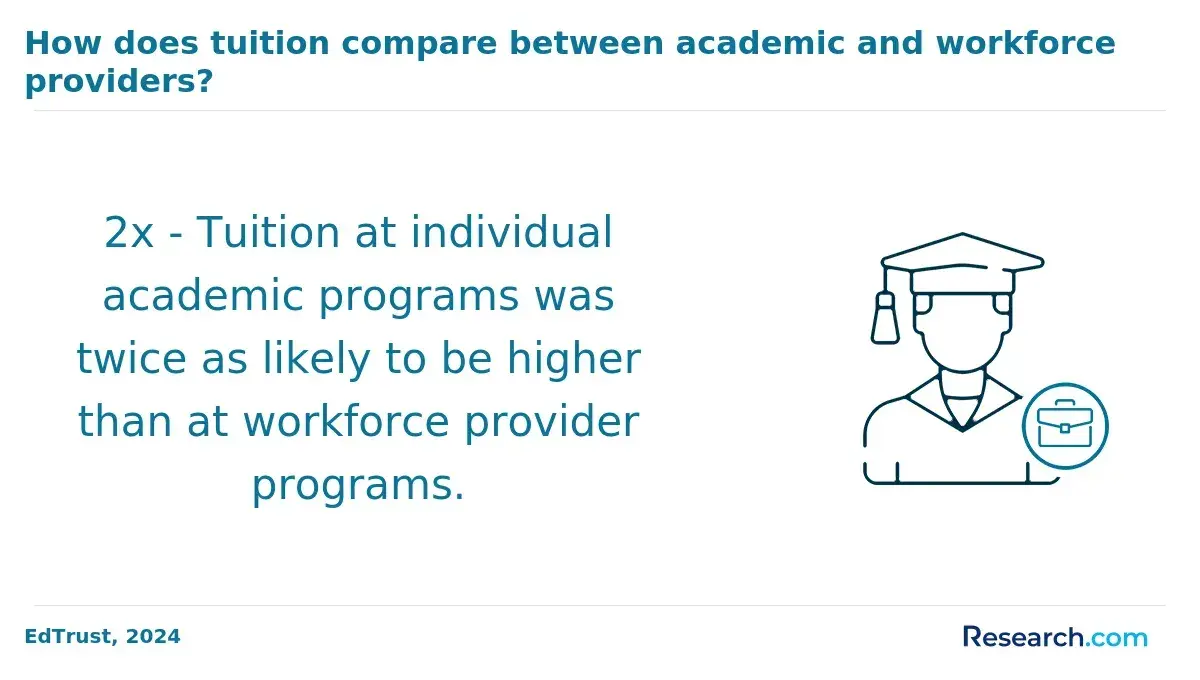
For instance, Fort Hays State University offers one of the lowest rates at approximately $305 per credit for a 33-credit program totaling just over $10,000; however, mandatory student and course fees of $100-$150 each semester and limited enrollment windows require careful budgeting and planning.
University of Texas at San Antonio charges about $350 per credit over 36 credits, with an estimated $12,600 tuition plus roughly $200 per semester in technology and student services fees, all irrespective of residency, which may appeal to students balancing work and study remotely.
Eastern Kentucky University's rate at around $385 per credit for a 33-credit program results in an estimated tuition of $12,705 but mandates a minimum six-credit enrollment each term, potentially impacting those seeking flexible pacing. Bellevue University's $520 per credit for 36 credits reflects a higher sticker price near $18,720, though some fees are included; its rolling admissions enable entry at various points, a practical advantage for non-traditional students.
Meanwhile, American Public University System charges $450 per credit for graduate-level homeland security studies similar to global security, totaling $16,200 for 36 credits, with mandatory online fees and cohort-based pacing that may affect time-to-completion.
These figures do not fully capture hidden costs like mandatory fees or enrollment conditions that influence total financial commitment, underscoring the importance of comprehensive cost evaluation beyond per-credit comparisons. Prospective students should confirm the latest tuition with institutions and consider accreditation, licensure implications, and market recognition to verify that low per-credit cost aligns with educational and career value.
Exploring payment options and aid strategies can further optimize investment. Those reviewing accessible tuition data might also review related fields such as LPC online programs to understand cross-disciplinary cost and credential considerations.
How do in-state vs. out-of-state tuition rates apply to online global security master's programs, and which schools offer flat tuition regardless of residency?
Online global security master's programs historically followed the same residency-based tuition models as their on-campus counterparts, charging higher rates for out-of-state students even when courses were delivered entirely online. This approach imposed substantial financial burdens on candidates living beyond state lines, often doubling or tripling the per-credit cost without offering additional campus resources. Recognition of these inequities has led several public universities to adopt uniform tuition pricing that disregards residency, simplifying cost planning and widening access for remote learners.
Such flat-rate tuition eliminates the geographic penalty inherent in traditional pricing and better aligns with workforce realities where employers prioritize skills over location of study. Yet, this uniform approach remains uneven, with many programs still levying disparate fees based on in-state or out-of-state status. These differences can critically shape a student's total investment, influencing program choice especially for those funding their education independently or balancing financial constraints with long-term career objectives.
Residency verification policies and participation in interstate compacts like WICHE or SREB can moderate these disparities but require students to navigate complex procedural requirements that may delay enrollment or affect eligibility. Given fluctuations in tuition rules and incomplete transparency in program materials, prospective students should confirm current residency policies directly with bursar or financial aid offices to avoid unexpected costs.
- University of Arkansas: Offers a uniform online graduate tuition rate, removing out-of-state cost premiums and reflecting state efforts to broaden remote learning access.
- Mississippi State University: Charges a single per-credit rate for all online enrollees, supporting enrollment beyond its traditional regional boundaries.
- University of Denver: Maintains consistent pricing across residency statuses for its online professional master's degrees, enhancing financial predictability.
- Arizona State University: Implements a flat tuition rate for online master's programs regardless of domicile, promoting equitable financial access.
- University of Central Florida: Applies standardized tuition for online global security master's students, simplifying nationwide cost expectations.
An online global security graduate recalled delaying their application submission due to uncertainty over out-of-state tuition costs and the timing of financial aid offers amid rolling admissions. This pause complicated alignment with employer-sponsored tuition reimbursement deadlines but ultimately paid off when the bursar clarified a flat tuition policy applicable regardless of residency.
This experience highlighted how ambiguities in tuition structures and communication gaps can exacerbate stress and financial risks, emphasizing the importance of early, direct engagement with program finance offices to secure a clear, reliable budget forecast before committing to enrollment.
What mandatory fees are added to per-credit tuition for online global security master's programs, and how much do they increase the real cost?
Relying on advertised per-credit tuition alone when evaluating online global security master's programs leads to underestimating the true financial commitment. Mandatory fees-often overlooked or separately itemized-can add substantially to overall costs and complicate direct tuition comparisons.
For professionals balancing tight budgets, ignoring these fees risks unexpected expenses that disrupt financial planning during career transitions.
- Technology Fees: Charged by most programs to cover virtual learning platforms and online support, these fees typically range from $100 to $500 per semester, steadily increasing cumulative expenses over multiple terms.
- Program Fees: Certain institutions impose additional charges tied to specialized content delivery, expert guest lectures, or academic resources specific to global security. These may appear as flat fees per course or term, totaling several hundred to over a thousand dollars across the program.
- Student Services Fees: These funds sustain essential online learner services like career counseling and library access. Although modest per semester, they aggregate over time and are mandatory.
- Graduation Fees: Often forgotten in early budgeting, these $100-$300 fees are required before degree conferral and can affect timely graduation if unpaid.
- Practicum or Clinical Fees: Less common in global security but present in select programs to support simulations or capstone projects, these fees cover additional materials or software and represent another incremental cost.
In practice, mandatory fees for accredited online global security master's programs frequently add 5% to over 15% onto tuition costs, with some exceeding 10% solely in hidden fees. These charges are often segregated in fee schedules or ancillary documents, making proactive disclosure requests essential.
Prospective students should calculate an all-inclusive cost per credit-including prorated fees rather than just tuition rates-to obtain a realistic financial comparison. This approach prevents budgeting surprises and better informs enrollment decisions aligned with long-term career and financial goals in the global security field.
How do online global security master's program costs compare between public and private universities?
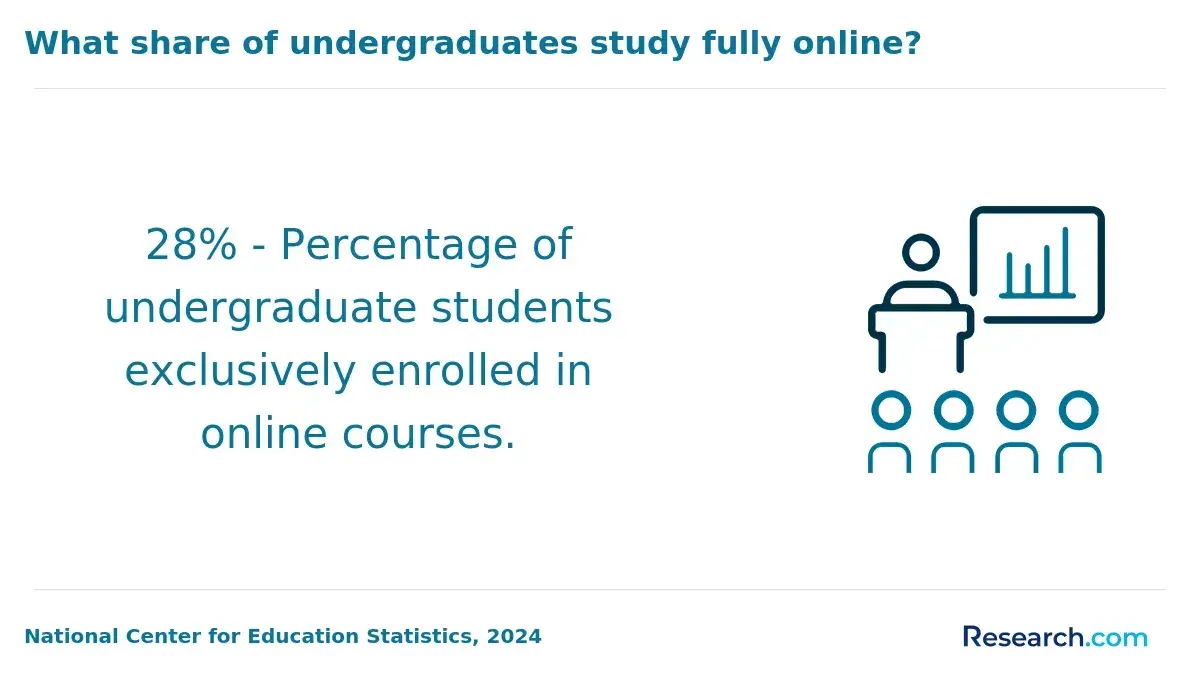
Cost comparisons between public and private universities for online global security master's programs reveal important tradeoffs that go beyond simple tuition figures. Public universities often benefit from state subsidization, tuition caps, and economies of scale, resulting in lower per-credit costs particularly for in-state students.
However, out-of-state tuition fees can reduce this advantage, making total program costs less predictable. Conversely, private nonprofit and for-profit institutions typically charge higher per-credit rates but compete by offering smaller cohort sizes, better faculty-to-student ratios, enhanced career services, and stronger employer brand recognition-assets that may justify the premium for those prioritizing networking or specialized guidance.
- Public University Pricing: Usually more affordable per credit due to legislative tuition limits and state funding; ideal for budget-conscious students with residency flexibility but may incur higher fees for out-of-state enrollees.
- Private University Pricing: Higher per-credit rates reflect independent pricing structures and investments in personalized student services, appealing to learners seeking intensive engagement and recognized institutional prestige.
- Return on Investment Factors: The elevated price at private providers often aligns with career support quality and employment outcomes important in competitive global security sectors.
- Accreditation and Licensing: Validating program accreditation and licensure eligibility is vital across institution types to ensure graduates hold degrees that meet employer and regulatory standards.
- Hidden Costs and Financial Aid: Total program affordability depends on mandatory fees, technology expenses, and differential financial aid accessibility, all critical considerations when estimating all-in tuition costs.
For working professionals transitioning into global security or recent graduates evaluating online global security master's program tuition comparison between public and private universities, weighing per-credit cost against total program value is essential. Those contemplating location constraints or first-generation barriers must also assess how financial aid and institutional reputation impact both cost and employability.
When building a comprehensive tuition strategy, including an assessment of accreditation and licensure, students will clear the path toward a professionally viable credential rather than simply the lowest sticker price. Prospective students can also explore accredited bookkeeping courses for comparable insights into credential verification and program quality.
Are there online global security master's programs with tuition locked in at enrollment, and how does tuition lock affect long-term cost planning?
Locking in tuition rates can be a critical factor for candidates funding online global security master's programs, particularly those enrolled part-time or over multiple years. Without a fixed per-credit rate, students risk facing incremental tuition increases annually, which often accumulate unnoticed until program completion, jeopardizing their long-term financial plans. Tuition lock policies, when offered, typically freeze the per-credit fee at enrollment, shielding students from such hikes and allowing precise budgeting in advance.
However, these policies differ widely in scope and conditions. Some programs guarantee rates per cohort, maintaining cost stability through graduation, while others reset tuition annually or for a set number of semesters. Crucially, continuous enrollment is often required to retain the locked rate; interruptions or delayed semesters may trigger a reset to higher current prices. This stipulation particularly impacts working professionals balancing education with employment or personal commitments.
For part-time students, who are especially vulnerable to tuition inflation due to extended program timelines, a lock can mean significant savings and reduce the risk of unexpected debt. Before relying on such assurances, prospective students should insist on written confirmation of the lock and clarify terms that could negate it. This diligence is essential for an accurate cost comparison when assessing multiple online global security programs with varying tuition structures.
- Coverage: Tuition locks may apply per cohort, per academic year, or a fixed number of semesters.
- Conditions: Continuous enrollment is typically required to maintain the locked rate.
- Financial Impact: Locks help part-time students avoid unexpected tuition inflation.
- Verification: Students should get the tuition guarantee in writing and confirm terms directly with the program.
An online global security master's graduate recalled hesitating on an offer from a program with a tuition lock because the rolling admissions process extended beyond their planned start term. Concerned that delaying enrollment might forfeit the locked rate, they worked quickly to complete prerequisites and secure financing.
Their decision to confirm the lock's conditions in writing proved crucial; a brief enrollment gap would have voided the rate guarantee, increasing their total cost significantly. This experience illustrates the practical importance of understanding how tuition lock policies interact with admission timing and personal readiness when planning multi-year education expenses.
What financial aid, scholarships, and employer tuition benefits are available to reduce the net cost of an online global security master's degree?
Reducing the net cost of an online global security master's degree depends heavily on navigating a fragmented financial aid landscape that often disfavors remote learners. For example, graduate assistantships typically offering tuition remission and stipends prioritize on-campus candidates, leaving many online students without this key aid source.
Consequently, rigorous comparison of net costs-factoring in accessibility restrictions-is crucial for cost-conscious decision-making.
Federal Student Loans: Most graduate students rely on unsubsidized federal loans, which provide fixed interest rates and flexible repayment options but accrue interest during enrollment, increasing long-term debt. These loans seldom cover total expenses, requiring careful budgeting to avoid financial strain.
Graduate Assistantships: Although beneficial for reducing out-of-pocket tuition, assistantships are frequently limited to campus-based cohorts. Online learners should confirm eligibility, as programs vary widely, with many restricting these awards to traditional enrollment.
Institutional Scholarships: Merit and need-based scholarships are scarcer at the master's level than undergraduate, and online students often face additional competitive disadvantages. Prospective students should request specific scholarship timelines and apply early, as enrollment data show that graduate program application volumes peak in traditional academic cycles when these funds are typically awarded.
Professional Association Awards: Several global security-related organizations offer competitive grants tied to professional experience or membership, directly lowering net tuition. Engaging with relevant associations aligned to career goals can yield impactful financial support.
Employer Tuition Reimbursement: For working professionals, employer tuition reimbursement can substantially offset costs when thoughtfully negotiated. Many employers cap assistance, but up to $5,250 annually may be excluded from taxable income under IRS rules, amplifying value. Entering global security fields with strong employer demand offers leverage to negotiate or maximize these benefits within employment contracts.
Given these complexities and the critical importance of employer tuition reimbursement benefits for global security graduate degrees, applicants should contact financial aid offices for customized net cost estimates rather than relying on published tuition. Evaluating actual out-of-pocket expenses across programs ensures decisions are grounded in practical affordability rather than misleading sticker prices. Working professionals and recent graduates, including those balancing remote learning and career transitions, benefit most from this approach.
For context on admission competitiveness and alternative graduate pathways, consider resources on the easiest MBA to get into, which illustrate strategic program selection aligned with career and financial goals.
How does the cost per credit for online global security master's programs differ by delivery format-synchronous, asynchronous, or hybrid?
Per-credit costs for online global security master's programs vary notably by delivery format, shaped by institutional infrastructure and operational demands rather than mere tuition strategy. Synchronous formats generally command higher per-credit rates due to real-time instructional technology, live scheduling complexities, and ongoing faculty engagement.
For working professionals, these formats may also impose rigid time commitments that can extend time-to-degree, increasing overall financial outlay despite a potentially lower sticker price per credit.
Institutional Investment: Synchronous programs incur greater expenses related to live-stream platforms, dedicated faculty hours coordinating real-time sessions, and IT support, which collectively drive tuition upward relative to asynchronous models.
Scalability: Fully asynchronous offerings leverage pre-recorded lectures and modular content, enabling institutions to spread fixed costs across larger cohorts and reduce per-credit prices. This structure often benefits students who require scheduling flexibility without sacrificing content quality, aligning with workforce needs for asynchronous global security master's courses.
Hybrid Complexities: Hybrid models blend online and limited campus presence, reflecting facility use and administrative coordination. While sometimes more affordable than full-time campus programs, these can involve indirect costs like travel, lodging, and childcare, which inflate total expenditure beyond nominal per-credit tuition.
Fit and Efficiency: Choosing a delivery format aligned with one's schedule and learning preferences is crucial. Faster program progression through a format that fits personal circumstances can provide better cost efficiency than opting solely for the lowest per-credit rate, especially for self-funded students balancing family and work obligations.
Employer Perceptions and Accreditation: Accreditation parity across formats remains critical in ensuring equivalence in employer and licensing evaluations. Prospective students should focus on how delivery format impacts practical employability and not just upfront costs.
For those comparing options, the tuition differences between synchronous and asynchronous global security master's courses should be weighed alongside these operational and indirect cost factors, providing a realistic all-in expense estimate. Similarly, those exploring allied programs such as a library science masters may find analogous considerations in delivery format affecting investment returns.
What is the minimum GPA requirement for global security master's program admission, and how does selectivity relate to per-credit cost?
The minimum GPA requirement for admission to online global security master's programs typically centers around a 3.0 undergraduate GPA, but this baseline masks important nuances that affect both admissions outcomes and tuition cost strategies. Some programs set thresholds as low as 2.75, often weighing relevant professional experience heavily, while more selective institutions may require a minimum 3.5 GPA to manage highly competitive applicant pools. Understanding that these minimums serve as entry gates rather than guarantees is critical for applicants assessing their chances and financial commitments.
Higher selectivity in global security programs does not universally translate into higher per-credit costs, contradicting a common assumption. While some elite programs justify premium tuition through brand prestige and specialized faculty, others maintain moderate or even above-average tuition despite lower selectivity due to institutional policies or niche reputation.
For working professionals or recent graduates near the minimum GPA range, targeting moderately selective programs can yield a more balanced profile that aligns admissions likelihood with sustainable tuition expenditures.
Applicants who fail to consider selectivity relative to cost may either overspend on programs where their academic profile is only marginally competitive or waste resources applying to schools unlikely to admit them. Building an application list that includes at least one or two programs with clear GPA compatibility allows for more accurate financial planning. This approach also acknowledges that average admitted GPAs frequently exceed published minimums, shaping realistic expectations.
- Selectivity: Varies from minimum 2.75 to 3.5 GPA requirements, reflecting differences in applicant competitiveness and cohort rigor.
- Cost Relationship: No linear correlation; some highly selective programs charge premium rates, but exceptions exist.
- Admission Strategy: Aligning academic profile with program GPA thresholds maximizes admission chances and optimizes tuition budgeting.
- Workforce Implications: Employer emphasis on degree rigor and reputation underscores the tradeoff between cost, selectivity, and long-term career value in global security sectors.
What Graduates Say About the Cost per Credit for Online Global Security Master's Programs
- Yeshua: "Balancing a full-time job with family commitments made pursuing a master's in global security seem daunting, but the program's flexible online schedule was exactly why I enrolled. Choosing this route allowed me to build a relevant portfolio through practical projects that employers actually valued, even though I noticed many still prioritized certifications and hands-on internships. Ultimately, it landed me a role in risk assessment, though advancement felt slower without additional licensure."
- Hugh: "After a career pivot from IT, I needed a program that wouldn't stretch my limited budget yet still offered rigorous global security training. The decision to prioritize an online master's that emphasized real-world scenarios helped me secure an internship that boosted my practical knowledge. While many entry-level jobs favored candidates with military or agency experience, the program's strong analytical foundation gave me a foothold to compete effectively."
- Atlas: "I chose the online master's in global security to speed up my entry back into the workforce after a lengthy career break, accepting that the workload would be intense. The course's emphasis on emerging threats and policy analysis sharpened my advisory skills, leading to remote consulting gigs. However, I quickly realized that without a formal security clearance or specific certifications, some government roles would remain inaccessible despite the degree."
Other Things You Should Know About Global Security Degrees
Beyond tuition, students must budget for mandatory fees such as technology access, security clearance preparations, specialized software, and sometimes proctoring or residency requirements. These costs can add several thousand dollars over the course of the program and vary widely between institutions. Ignoring these additional fees can lead to underestimating your total investment, which directly impacts financial planning and may affect your ability to complete the program on time.
For-profit institutions often have competitive or even lower advertised per-credit costs, but these savings may be offset by less favorable graduation rates, weaker employer recognition, and limited alumni networks in global security sectors. Students risk investing in degrees that don't carry the same weight with federal employers or defense contractors, which dominate the job market for global security professionals. Prioritizing nonprofit, regionally accredited institutions usually offers a safer path in terms of both educational quality and career returns, despite sometimes higher upfront costs.
Per-credit tuition is a starting point but should be weighed alongside program length, graduation requirements, and outcome metrics like employment rates in relevant sectors. Focusing solely on the lowest per-credit cost may lead to extended program timelines or hidden expenses that drive up the total cost. Effective comparison requires building an all-in budget estimate that includes fees, materials, and opportunity costs while assessing how well a program's curriculum aligns with your career goals in the global security field.
References
- Top affordable online cybersecurity master degree programs https://cybersecurityguide.org/rankings/most-affordable-online-masters/
- Master in Global Business & Negotiation | JoJohn Kiriakou & Experts https://globalandinternationalstudies.com/global-security-and-intelligence-track
- Public vs. Private Universities in Poland: Which One is Right for You? — UniverPL Blog – Study & Higher Education in Poland https://univerpl.pl/blog/public-vs-private-universities-in-poland-which-one-is-right-for-you/
- Top 10 Best Online Master's Cybersecurity Programs (2025) - Programs.com https://programs.com/programs/online-masters-programs/
- INSEAD Rolling Admissions: A Guide for Study Global Aspirants - MBA & Beyond https://www.mbaandbeyond.com/blog/insead-rolling-admissions-a-guide-for-study-abroad-aspirants
- Online Cybersecurity Technology Master's Degree | UMGC https://www.umgc.edu/online-degrees/masters/cybersecurity-technology
- Master's Degree in Security and Defense | ILERI https://www.ileri.fr/en/program/master-in-international-security-cybersecurity-and-defense
- 6 Affordable Online Cybersecurity Graduate Programs for Working Pros - Flexibility meets ROI - those who can https://www.thosewhocan.org/6-affordable-online-cybersecurity-graduate-programs-for-working-pros-flexibility-meets-roi/
- Home - IMSISS https://www.securityintelligence-erasmusmundus.eu/
- Course Delivery Formats 101: Synchronous, Asynchronous, and Blended/Hybrid Learning Explained https://www.iacet.org/events/iacet-blog/blog-articles/course-delivery-formats-101-synchronous-asynchronous-and-blended-hybrid-learning-explained/