2027 Global Security Master's Programs With Bridge or Foundation Courses

Co-Founder and Chief Data Scientist
Professionals entering global security often face a complex puzzle: how to qualify for master's programs without a directly related undergraduate degree. Programs that integrate bridge or foundation courses intend to fill this gap but vary widely in structure and cost. Data from the National Center for Education Statistics in 2024 shows online graduate enrollments growing by over 12%, reflecting demand for flexible learning that accommodates working adults. This trend highlights the importance of understanding conditional versus full admission routes, prerequisite credit loads, and financial aid eligibility. Such insights are critical for making strategic decisions about career mobility and educational investment in global security fields.
Key Things to Know About Global Security Master's Programs With Bridge or Foundation Courses
- Programs often require 6-12 prerequisite credits as foundation courses, extending time and cost; this tradeoff demands balancing accelerated entry against added financial and scheduling burdens for working students.
- Employers increasingly expect practical competencies beyond theoretical knowledge; bridge-inclusive degrees can better align graduate skills with complex security roles by embedding applied frameworks early.
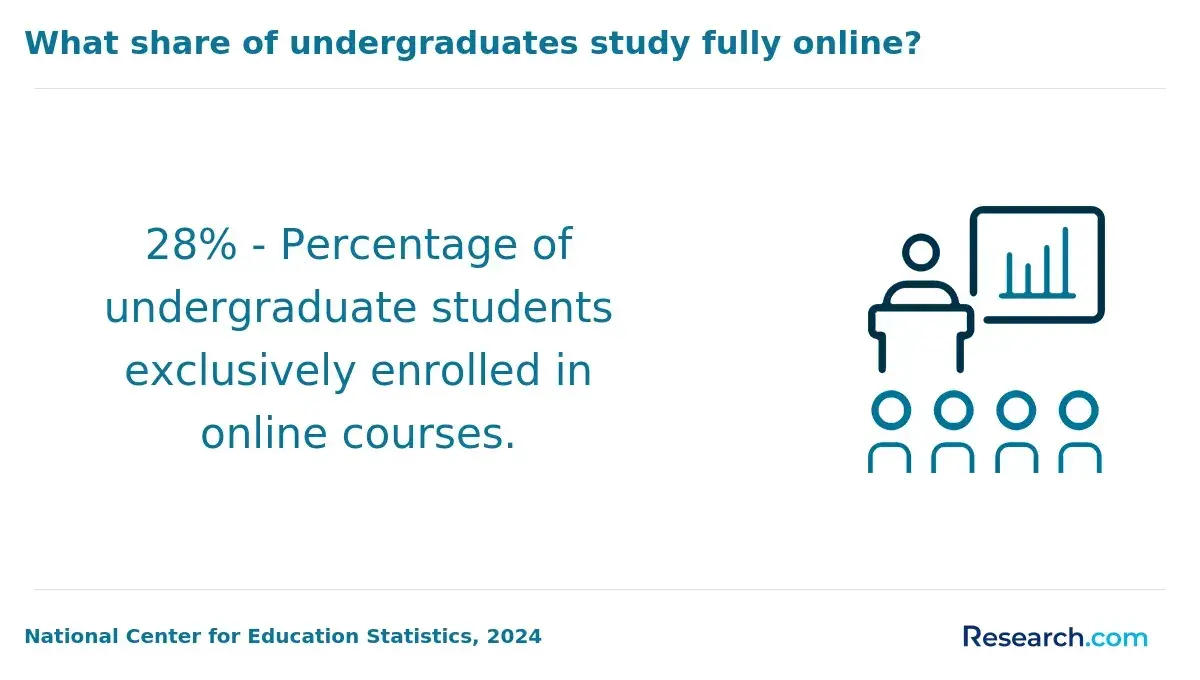
- A 2024 Department of Education study highlights 28% growth in online enrollment, underscoring a shift enabling flexible access, but candidates must assess how hybrid delivery impacts peer networking and credential recognition.
What Are Global Security Master's Programs With Bridge or Foundation Courses, and Who Are They Designed For?
Global security master's programs with bridge or foundation courses address a critical gap faced by career changers and graduates from unrelated undergraduate fields who lack the prerequisite knowledge typically required for graduate admission. Unlike standard programs that expect applicants to enter with foundational expertise, these integrated pathways embed prerequisite coursework as part of the curriculum, enabling full degree progression without detours such as post-baccalaureate certificates or second bachelor's degrees.
This design is a strategic response to real-world barriers: many professionals must balance ongoing careers while acquiring domain-specific competencies, making segmented preparatory programs impractical or cost-prohibitive. For instance, a mid-career professional transitioning from business to security analysis benefits from this hybrid structure by gaining essential foundational skills concurrently with advanced study, thus shortening overall time-to-degree and avoiding repeated admissions processes.
- Program Structure: Bridge courses for global security graduate admission are typically delivered either prior to starting core master's classes or alongside introductory graduate coursework, depending on institutional policies;
- Curriculum Sequencing: Concurrent sequencing permits foundational knowledge to be reinforced through application in graduate-level topics, whereas prerequisite-first sequencing frontloads the preparatory burden;
- Program Length: These programs extend the total duration by anywhere from one semester to a full academic year compared to direct-entry master's programs;
- Target Students: They primarily aid those transitioning from unrelated backgrounds, recent graduates with adjacent majors, and working professionals requiring flexible, integrated pacing;
- Institutional Offerings: A broadening range of accredited public and private institutions offer these pathways online or in hybrid formats, designed to accommodate non-traditional program entry and diverse career demands.
The inclusion of prerequisite coursework within the graduate framework has direct implications for employability: employers in security sectors value the demonstrated ability to integrate foundational theory with applied skills efficiently, which bridge-inclusive programs facilitate. However, candidates must weigh the tradeoff of extended study duration and possibly higher overall costs against the benefit of streamlined admission and credential recognition.
For those evaluating options, comparing these programs to pursuing a separate credential or re-earning an undergraduate degree is essential; the integrated approach often reduces administrative hurdles and accelerates workforce re-entry. Additionally, it is increasingly common for global security master's programs with prerequisite courses to offer pathways that align with financial aid eligibility, mitigating cost concerns. Those seeking flexible online options might also find relevant online AI degree programs demonstrating comparable integrated structures, underscoring an industry trend towards embedded prerequisite models.
Which Accredited U.S. Universities Offer Global Security Master's Programs With Built-In Bridge or Foundation Courses?
Nontraditional applicants to graduate programs in global security often face the dilemma of meeting prerequisite knowledge requirements without pausing their careers or enrolling in separate post-baccalaureate courses. Programs with built-in bridge or foundation courses embedded within the graduate curriculum offer a pragmatic solution, enabling smoother admissions and progression. However, the availability and structure of these integrated pathways vary significantly by institution type, region, and program scale, affecting outcomes like financial aid eligibility and employer recognition.
In practice, a career changer with an unrelated undergraduate background might find a Southeastern public university's program more amenable to conditional admission with foundational coursework than a flagship research university expecting all prerequisites completed upfront. Below are examples of regionally and programmatically accredited universities offering such integrated global security master's degree options.
- George Mason University: A public research university in Virginia providing an optional foundational track that allows conditional admission with flexible pacing for students lacking prior security coursework.
- University of South Florida: This Tampa-based public university combines bridge courses with compliance-oriented cybersecurity training, aimed at students from adjacent disciplines seeking workforce entry.
- California State University, San Bernardino: Known for supporting working professionals, CSUSB embeds prerequisite coursework within its degree plan to balance career and study demands.
- Northeastern University: A private nonprofit institution emphasizing cohort learning and personalized advising, Northeastern's online and campus programs integrate bridge courses to facilitate eligibility for financial aid and assist students without direct undergraduate preparation.
- American University: Situated in Washington, D.C., American University features a comprehensive master's program with foundation elements that accommodate interdisciplinary backgrounds, focusing on both theoretical and applied knowledge.
- Seton Hall University: With a Jesuit educational tradition, Seton Hall addresses varied academic preparations through prerequisite courses embedded in its curriculum, underscoring ethical competencies in global security.
- Kaplan University (now Purdue Global): An online-focused institution providing foundational courses to adult learners and military-affiliated students, blending career services with degree progression.
- Excelsior College: Offering competency-based formats, Excelsior integrates prerequisite knowledge into the degree to aid experienced professionals transitioning into security roles.
- Liberty University Online: Designed for working military and civilian professionals, Liberty's global security curriculum incorporates foundation coursework geared for flexible pacing alongside employment.
These programs are more frequently found among smaller, teaching-oriented, and online universities rather than the largest research-intensive institutions. Regionally, East Coast and Southeastern states show a higher concentration of such offerings, reflecting localized workforce demands and policy focus areas.
Applicants should verify bridge or foundation course availability directly through university program pages and cross-check with regional accreditation databases and the Integrated Postsecondary Education Data System (IPEDS). Third-party aggregators often lag behind current program structures or omit conditional admission nuances. Direct communication with admissions or program coordinators is essential, as these foundational course formats and conditional admission policies evolve and may not appear explicitly in online program descriptions or search results.
Careful evaluation of admission requirements, prerequisite credit loads, and the distinction between conditional and full admission status is critical, as these factors impact financial aid eligibility and overall cost. Moreover, understanding how employers recognize credentials from programs with embedded foundation courses can influence long-term career pathways, especially for career changers and working professionals balancing education with employment demands.
What Specific Bridge or Foundation Courses Are Commonly Required Before Full Admission to a Global Security Master's Program?
Applicants lacking an undergraduate background directly related to global security frequently face prerequisite bridge courses designed to fill critical knowledge gaps before gaining full admission to master's programs. These requirements reflect institutional variations in accreditation standards and program focus, demanding a nuanced assessment of one's academic history to anticipate necessary coursework. For example, a career changer transitioning from a humanities degree may encounter more extensive foundational classes than a candidate with a closely aligned political science background. This difference influences not only time-to-degree but also financial commitments and workload management.
- Discipline-Leveling Courses: Foundational subjects such as international relations theory, basics of security studies, cybersecurity essentials, intelligence methods, and conflict resolution form the core bridging content to develop domain-specific competence.
- Graduate Readiness: Programs often require additional courses in research methodologies, policy analysis, and academic writing to elevate critical thinking and scholarly skills necessary for graduate success.
- Admissions Evaluation: The decision on required foundation courses typically emerges from transcript reviews, placement tests, interviews, or a combination thereof, prompting applicants to proactively seek clarity from admissions offices on assessment criteria.
- Program Variation: The extent of bridge courses can range from a single prerequisite to a semester or more, substantially affecting total program cost, academic intensity, and the feasibility of balancing ongoing professional obligations.
- Applicant Considerations: Prospective students should clarify if bridge courses count toward degree credits, how they affect financial aid eligibility, and whether admission is conditional, as these factors critically impact academic planning and career timelines.
This evaluative approach to bridge course requirements is essential for those exploring bridge courses for admission to global security master's programs. It aligns prospective students' expectations with real-world demands, facilitating informed program selection amid diverse institutional standards. Working professionals navigating these prerequisites benefit from model programs that integrate foundation courses without derailing active careers. For career changers and recent graduates alike, understanding these tradeoffs supports strategic enrollment decisions.
For those comparing options and cost efficiencies across graduate pathways, reviewing affordable program alternatives can be useful; for instance, those interested in flexible graduate credentials might explore the cheapest online school counseling programs (CACREP-accredited) as a comparative benchmark for accessible, accredited online studies in adjacent fields.
How Do Bridge or Foundation Courses in Global Security Master's Programs Differ From a Traditional Post-Baccalaureate or Second Bachelor's Degree?
Choosing a global security master's program that incorporates bridge or foundation courses often presents a more integrated and time-efficient route than pursuing a separate post-baccalaureate certificate or a second bachelor's degree. For professionals juggling career demands, the ability to embed prerequisite content within a single continuous program minimizes disruptions and accelerates entry into the global security workforce. However, applicants targeting highly selective graduate programs may find that completing a standalone post-baccalaureate certificate beforehand strengthens their academic record more effectively than bridge courses alone.
- Program Structure: Bridge or foundation courses are embedded within the master's curriculum, allowing prerequisite knowledge and advanced graduate coursework to be completed simultaneously. In contrast, post-baccalaureate certificates function as discrete credentials prior to master's admission, while second bachelor's degrees represent a full undergraduate commitment, adding substantial time.
- Time to Credential: Bridge-integrated pathways usually compress total completion to around two to three years, whereas the certificate-plus-master's route may extend total duration significantly, and second bachelor's degrees often require three to four years or more.
- Cost and Financial Aid: Federal aid typically applies to bridge courses as part of the graduate program, improving affordability. Post-baccalaureate certificates can have limited financial support, and second bachelor's degrees generally lack graduate-level aid, leading to higher overall costs.
- Credential Recognition: Master's degrees earned via integrated bridge programs carry full graduate credential weight, enhancing employability and licensure potential. Certificates alone are less influential, and second bachelor's degrees may insufficiently distinguish career changers from recent undergraduates.
- Admission Flexibility: Conditional admission is common in programs with bridge components, enabling students without prerequisites to begin study immediately. Programs requiring completed certificates or stronger preparation before admission typically demand extended upfront investment.
- Suitability for Working Adults: The flexibility of integrated master's programs-often offering part-time or online options-better accommodates professionals who cannot pause work, while sequential certificate-plus-master's tracks may impose stricter scheduling constraints.
Given these tradeoffs, prospective students should carefully chart the entire credential pathway, factoring in total credit requirements, cumulative duration, financial aid eligibility, and career impact before committing.
One global security master's graduate recalled applying during a rolling admissions cycle while weighing bridge versus post-baccalaureate pathways. She hesitated at first because her undergraduate degree was adjacent but lacked key prerequisites. The program's conditional admission with embedded foundation courses gave her an immediate start, avoiding delays associated with completing a separate certificate. However, the uncertain timing of full admission and coursework sequencing required close communication with advisors. This experience underscored the importance of balancing urgency against readiness, with bridge programs offering a practical, though sometimes less predictable, entry route compared to more traditional sequential pathways.
What Are the Admission Requirements for Global Security Master's Programs That Include a Bridge or Foundation Component?
Admission requirements for global security master's programs that include bridge or foundation components diverge notably from those of traditional programs, reflecting a deliberate accommodation for candidates lacking direct academic preparation in the field. Unlike standard pathways, which usually mandate completion of prerequisite coursework and GPA thresholds typically above 3.0, these integrated routes often accept lower undergraduate GPAs, anticipating that foundational gaps will be addressed within the program. For a working professional shifting careers without prior global security exposure, this flexibility provides crucial access but necessitates readiness for a demanding transitional phase.
- Undergraduate GPA: More lenient than direct-admit programs, allowing candidates with modest academic records to qualify contingent on performance in bridge courses.
- Required Documents: Standard application materials-transcripts, recommendation letters, statements of purpose-are assessed with emphasis on adaptability and interdisciplinary potential rather than existing domain expertise.
- Standardized Tests: Many bridge-inclusive programs waive GRE or similar exam requirements, recognizing professional experience or other competencies instead.
- Professional Experience: Beneficial but not compulsory; some programs actively seek diverse career backgrounds to enrich cohort dynamics.
- Admission Status: Conditional admission is common, mandating successful completion of foundation courses before full matriculation, which can limit immediate financial aid access and complicate credit transfers if students reconsider their program trajectory.
- Direct Admission: Less frequent but advantageous when offered, granting full enrollment status upfront and smoothing financial and academic transitions.
- Cohort and Academic Pace: The integrated design attracts heterogeneous learners, requiring self-discipline to bridge foundational knowledge effectively and align with graduate-level expectations.
- Preparation for Success: Candidates with quantitative skills, analytical reasoning, and policy understanding improve their chances of thriving within the blended curriculum and progressing smoothly to advanced global security coursework.
This model suits applicants seeking an accessible yet rigorous entry into global security, but success hinges on recognizing and preparing for the intensified academic demands during the bridge phase and the implications for financial aid and credential portability.
What Is the Minimum GPA Requirement for Global Security Master's Programs With Bridge or Foundation Courses, and How Does Prior Academic Background Affect Eligibility?
Bridge or foundation courses within global security master's programs adjust traditional academic filters to create entry points for those lacking directly relevant undergraduate preparation. Unlike conventional programs that commonly impose a minimum GPA of 3.0, integrated bridge programs routinely accept candidates with GPAs as low as 2.5. This wider range addresses the diversity in applicants' prior academic backgrounds but does not dilute academic rigor.
Instead, it reflects a strategic tradeoff: programs invest in foundational skill-building upfront, trusting a lower GPA baseline coupled with supplemental coursework to equip students for graduate-level demands. For example, an applicant with a 2.7 GPA from an unrelated field like political science may gain admission under a bridge-inclusive plan, whereas a traditional program would likely require a stronger GPA or a directly aligned undergraduate major.
When evaluating candidates, admissions committees balance GPA with contextual factors such as professional experience, recommendation letters, and demonstrated motivation. This holistic review recognizes that prior academic background heavily influences eligibility: applicants with closely related undergraduate majors typically face more straightforward entry, while those coming from unrelated fields benefit from bridge components to mitigate gaps. GPA thresholds signify baseline readiness rather than leniency; programs maintain selective standards ensuring candidates meet foundational competencies necessary for success.
For working professionals juggling existing careers, the integrated bridge route offers a flexible single-degree pathway without the need for separate post-baccalaureate programs. This pragmatic design directly responds to the complex tradeoffs prospective students face between maintaining employment and gaining qualifying credentials. Practical employability in security roles increasingly values graduate-level competencies aligned with the applicant's combined academic and professional portfolio rather than GPA alone.
In a related sector, candidates exploring clinical disciplines can find comparative accelerated online options, such as MFT online programs optimized for speed, underscoring a broader trend toward flexible graduate education that accommodates diverse applicant profiles across fields.
How Many Additional Credit Hours Do Bridge or Foundation Courses Add to a Global Security Master's Program, and How Does This Affect Total Cost and Time-to-Degree?
Bridge or foundation courses in global security master's programs often add between 6 and 18 credit hours beyond the core graduate curriculum, reflecting significant variability based on accreditation requirements, the baseline knowledge expected of applicants, and whether these courses count toward degree credits or act as separate prerequisites. Programs admitting students with unrelated undergraduate majors typically require more extensive leveling coursework to establish foundational expertise, whereas others integrate bridge courses within the total credit count, influencing cost and duration differently.
Each added credit hour incrementally raises tuition based on the per-credit rate. For instance, a program charging $700 per credit with a 30-credit core plus 12 bridge credits results in an $8,400 tuition increase compared to a straight 30-credit program. Minimal bridge requirements (e.g., 6 credits) correspondingly add less cost but still represent a notable financial and time commitment. Prospective students should evaluate total program expenses by combining both bridge and core credits rather than relying solely on per-credit tuition comparisons to avoid underestimating costs.
Extended credit requirements lengthen time-to-degree, particularly for part-time students balancing employment, thereby incurring indirect costs like lost wages and sustained living expenses. These compounded costs can delay entry or advancement in the global security workforce, an especially important consideration for career changers or professionals unable to pause earnings.
Clarifying whether bridge credits fulfill degree requirements or serve as separate prerequisites is essential when assessing financial aid eligibility and planning timelines, as these distinctions materially affect overall program feasibility.
A recent global security master's graduate recalled grappling with the timing of submitting prerequisite completion during rolling admissions. Accepted conditionally pending bridge courses, they hesitated to enroll immediately due to uncertainty over how long the leveling sequence would take alongside a full-time job. This delay compressed their full matriculation timeline and added unforeseen financial strain until bridge course completion was confirmed. Their experience underscores the importance of understanding how bridge credit hours affect not just cost but also admission pacing and program start dates.
What Types of Students Are Best Suited for Global Security Master's Programs With Bridge or Foundation Courses?
Global security master's programs with bridge or foundation courses are best suited for candidates who require structured leveling to enter this specialized field without prior comprehensive coursework. For working professionals or recent graduates whose academic backgrounds are adjacent but insufficient for direct admission, these programs offer a practical, integrated pathway. They permit enrollment without a separate post-baccalaureate credential, balancing prerequisite content with graduate-level rigor. For example, a political science graduate aiming to pivot into digital security roles can leverage such a program to build necessary foundational knowledge while progressing toward advanced expertise.
- Academic Background: Ideal applicants maintain a strong undergraduate GPA in related fields such as political science, international relations, criminology, or public policy, but lack the specific coursework to meet traditional global security admission requirements.
- Graduate Aptitude: Candidates must demonstrate capacity for demanding graduate work despite their non-specialized degrees, as bridge courses integrate foundational topics with advanced content.
- Professional Motivation: Clear career objectives to transition into or deepen specialization within global security justify the additional time and financial investment this model involves.
- Financial and Scheduling Flexibility: Successful candidates accommodate longer program durations and the cost implications of added coursework while balancing ongoing professional or personal commitments.
Conversely, applicants with extensive prior coursework in global security risk redundancy and unnecessary expense in bridge programs. Those targeting elite institutions without bridge options should consider alternative routes aligned with their credentials and career timelines. Because the admissions cycle for such programs often favors early decision-making to manage prerequisite loads efficiently, prospective students should carefully assess their academic readiness, career schedules, and financial runway to ensure the bridge path maximizes employability and credential relevance.
For international candidates, especially non-traditional applicants seeking global security master's programs with foundation courses, this structure offers an accessible route compared to separate prerequisite degrees. Similarly, programs with integrated bridge coursework are increasingly recognized by employers valuing practical readiness paired with advanced study. Individuals balancing current roles find this model more feasible than pausing careers for a post-baccalaureate program.
Those evaluating educational options in this space might also contrast the benefits of integrated bridge courses with alternative graduate routes. For example, the post-baccalaureate pathway often extends total time and cost without the streamlined credentialing that bridge models provide. However, bridge programs demand honest self-reflection on one's background and goals to avoid investing in unnecessary leveling.
While unrelated to global security, those researching degree affordability strategies for other fields might consider resources like digital photography degree online programs, which similarly categorize pathways for non-traditional students seeking flexible, cost-effective education.
Are Bridge or Foundation Courses in Global Security Master's Programs Offered Fully Online, On-Campus, or in a Hybrid Format?
Bridge or foundation courses in global security master's programs present a critical crossroads for students balancing educational rigor with practical constraints. The format of these prerequisite phases directly shapes accessibility, costs, and the ability to integrate foundational theory with applied skills-factors that influence both student retention and employer perceptions of readiness.
- Fully Online Asynchronous: This format offers maximal flexibility, allowing students-particularly working professionals with unpredictable hours-to complete bridge courses without fixed schedules. While it eases geographic and timing barriers and reduces commuting or relocation expenses, it risks limiting interactive learning essential for grasping complex security concepts, potentially affecting preparedness for advanced master's curriculum.
- Synchronous Live-Online: Real-time virtual classes enhance engagement and immediate feedback but require disciplined scheduling. Professionals juggling shifts or variable workloads may find attendance challenging, yet this format can better replicate classroom dynamics critical for foundational discourse in security studies.
- Hybrid Format: Combining online and on-campus sessions, hybrid delivery addresses the need for practical labs or simulations often indispensable in global security training. However, it introduces logistical and financial challenges, especially for students distant from campus, requiring periodic travel or temporary residency that may offset remote learning conveniences.
- On-Campus Requirements: Programs mandating physical attendance for bridge courses emphasize immersive, hands-on preparation aligned with workforce demands for applied security expertise. This can restrict access for nonlocal students and increase total cost burdens but may yield superior skill acquisition valued by employers.
A frequent misalignment occurs when the delivery format of bridge courses diverges from the master's core curriculum. Students anticipating a fully online trajectory often face unexpected on-campus residencies or synchronous commitments, complicating work-life balance and financial planning. Such inconsistencies highlight the necessity to scrutinize format requirements not only for the master's core but also for prerequisite foundation phases.
Evaluating whether online bridge courses provide sufficient depth and interaction is vital. Programs with primarily online bridge components must demonstrate robust support structures that replicate practical elements through virtual labs or intensive fieldwork to ensure readiness for demanding graduate coursework. This scrutiny is particularly pertinent for those seeking online bridge courses in global security master's programs, where foundational skills directly impact employability and professional credibility.
Prospective students should explicitly inquire about every program phase's delivery format and corresponding expectations. Doing so ensures alignment with individual scheduling constraints, geographic realities, and preferred learning modalities-factors that mitigate risk of attrition and financial strain.
For those aiming for integrated, flexible graduate pathways while maintaining career commitments, understanding these delivery nuances is as important as assessing admission criteria or financial aid. Given the varied structures, individuals might also explore related fields that offer online feasibility, such as electrical engineering programs online for veterans, to benchmark flexibility and workforce outcomes.
Ultimately, selecting a program that transparently aligns bridge or foundation course formats with core curriculum delivery is essential for seamless progression into the global security workforce, particularly for career changers, recent graduates, and working professionals navigating complex educational and employment landscapes.
What Is the Average Cost of the Bridge or Foundation Component in Global Security Master's Programs, and How Does It Affect Total Program Investment?
The cost structure for bridge or foundation components in global security master's programs significantly shapes total student investment and practical access to the field. Rather than a fixed add-on, bridge pricing varies sharply: some accredited programs charge per bridge credit at rates matching master's tuition, others reduce those rates to attract nontraditional or career-changer students, and some impose flat fees independent of credit load.
These variations produce a complex tradeoff between convenience and expense-for example, integrated programs often cost 20-40% more than traditional master's paths without prerequisites. This premium can be a worthwhile tradeoff for professionals unable to pause employment, but it becomes less compelling if prerequisite credits are affordable at local institutions.
Transparent total cost assessment is crucial. Hidden fees such as technology access, mandatory materials, exam proctoring, or practicum charges frequently inflate the effective price beyond sticker tuition. Candidates must secure comprehensive cost-of-attendance estimates encompassing these ancillary expenses to avoid budget miscalculations that impact career entry planning. Comparing bridge-inclusive master's tuition against alternatives, like completing a post-baccalaureate certificate or a second bachelor's degree first, helps clarify which pathway optimizes long-term employability relative to upfront cost and timeline.
What Graduates Say About Global Security Master's Programs With Bridge or Foundation Courses
- Yeshua: "Balancing a full-time job and family commitments, I opted for the master's with foundation courses because it offered the flexibility I needed without compromising depth. Although I struggled initially with the volume of coursework, focusing on building a practical portfolio through internships paid off - it ultimately opened doors for a cybersecurity analyst role at a mid-sized firm. The program made me realize that in global security, hands-on experience often weighs more than certifications alone."
- Hugh: "After a decade in finance, the challenge was transitioning careers on a limited budget, so I chose the master's program with bridge courses as a quicker route into the field. The decision was driven by employer demand for demonstrated skills rather than just degrees or licenses. While I secured a position in risk management, advancement has been slower than anticipated without additional certifications, which I'm now planning to pursue alongside work."
- Atlas: "I was drawn to the master's program because it included foundation courses tailored for non-technical backgrounds like mine, but the heavier workload meant personal time was scarce. The trade-off was worthwhile as I vetted roles where remote work was possible, allowing me to fully leverage the skills I gained. Employers valued my internship experience highly, which gave me an edge despite stiff competition for intelligence analyst roles in the sector."
Other Things You Should Know About Global Security Degrees
Bridge or foundation courses in global security master's programs often serve as academic gatekeepers, requiring students to reach a minimum GPA-typically around 3.0-to transition into the main graduate sequence. This threshold is a critical filter, especially for career changers or non-traditional students, as failure to meet it may delay or prevent full program admission. Prospective students should assess not only the grading standards but also workload intensity during this phase since the foundation coursework demands rapid mastery of unfamiliar material, impacting both time management and stress levels.
Recognition of degrees earned through programs including bridge or foundation courses generally hinges on the accreditation status of the institution and the full completion of the graduate curriculum rather than the presence of these prep courses. However, some employers and credentialing bodies may exhibit skepticism toward candidates whose transcripts reveal extensive prerequisite work, associating it with less direct preparation. For this reason, applicants should seek programs that seamlessly integrate foundation coursework and result in an accredited master's degree recognized without caveats, ensuring no disadvantage during job placement or licensure application.
Programs offering bridge courses tend to report slightly lower initial licensure pass rates and job placement percentages compared to traditional programs, attributable in part to the heterogeneous academic backgrounds of their cohorts. While this reflects the challenge of accommodating diverse student preparedness, programs with robust advising, mentoring, and modular course progression tend to mitigate these gaps effectively. Prospective students should prioritize programs that demonstrate transparent outcome data segmented by entry pathway, enabling a clearer sense of employment prospects aligned with their unique starting point.
References
- Policy master's: Cost and funding (Part 4) - Emerging Technology Policy Careers https://emergingtechpolicy.org/pathways/graduate-school/policy-masters/4-cost-and-funding/
- Master’s Degree in Cybersecurity | UT San Antonio | Earn a Cyber Security Masters, Masters in Cyber Security at UT San Antonio https://future.utsa.edu/programs/master/cybersecurity-science/
- Online Master’s Degree: Cybersecurity Management & Policy https://www.umgc.edu/online-degrees/masters/cybersecurity-management-policy
- How to Accelerate the U.S. Lead in Tech Competition With China | Council on Foreign Relations https://www.cfr.org/task-force-reports/us-economic-security
- Master of Arts in International Security Studies (MISS) https://www.marshallcenter.org/en/academics/master-arts-international-security-studies-miss
- Master’s Degree Requirements https://europe.umgc.edu/online-degrees/masters/master-requirements
- Is Grad School Worth It? A Comprehensive Return on Investment Analysis - FREOPP https://freopp.org/whitepapers/is-grad-school-worth-it-a-comprehensive-return-on-investment-analysis/
- Global Security Studies M.S. https://www.angelo.edu/academics/programs/global-security-studies-ms/