2027 Top Universities Offering Online Global Security Master's Degrees

Co-Founder and Chief Data Scientist
Employers in 2024 increasingly seek graduates from master's programs that demonstrate clear alignment with evolving global security challenges and sector-specific demands. Variations in online Global security programs arise from their curriculum focus, delivery models, and integration of experiential learning.
Top universities differentiate themselves through targeted specializations, faculty expertise with current operational knowledge, and partnerships facilitating internships or certifications valued by agencies and firms. Accreditation status and opportunities for professional networking further influence employability outcomes.
This article compares leading institutions offering online Global security master's degrees considering these pragmatic factors, providing prospective students with an analytical framework to assess program fit beyond institutional prestige.
Key Benefits of Top Universities Offering Online Global Security Master's Degrees
- Online global security master's curricula often defer intensive simulations to in-person components, demanding careful assessment of tradeoffs between virtual theoretical depth and hands-on practical exposure.
- Employers increasingly value specialized risk analysis training evident in top programs, reflecting a shift toward data-driven threat assessment that shapes recruitment toward graduates with advanced analytical competencies.
- Rising program costs in 2024 correlate with enhanced faculty expertise, requiring students to weigh immediate financial outlay against potential long-term gains in niche security sectors.
Which Universities Offer the Best Online Global Security Master's Degrees?
Universities that offer the best universities offering online global security master's degrees typically exhibit a blend of rigorous curriculum depth and targeted specialization designs that emphasize practical application alongside theory. These programs often feature faculty with substantial professional experience in intelligence, cybersecurity, or policy analysis, grounding course content in current industry practices and emerging threats.
Strong programs integrate applied learning components such as simulations, policy labs, or capstone projects, which bridge academic knowledge with real-world challenges. This combination supports a comprehensive educational framework that aligns well with multidisciplinary demands across political science, technology, and international relations.
The structural qualities of these institutional types directly affect student outcomes, particularly in employability and skill readiness. A notable share of top-tier programs maintain accreditation from specialized bodies, ensuring that graduates meet certification standards valued by employers and government agencies.
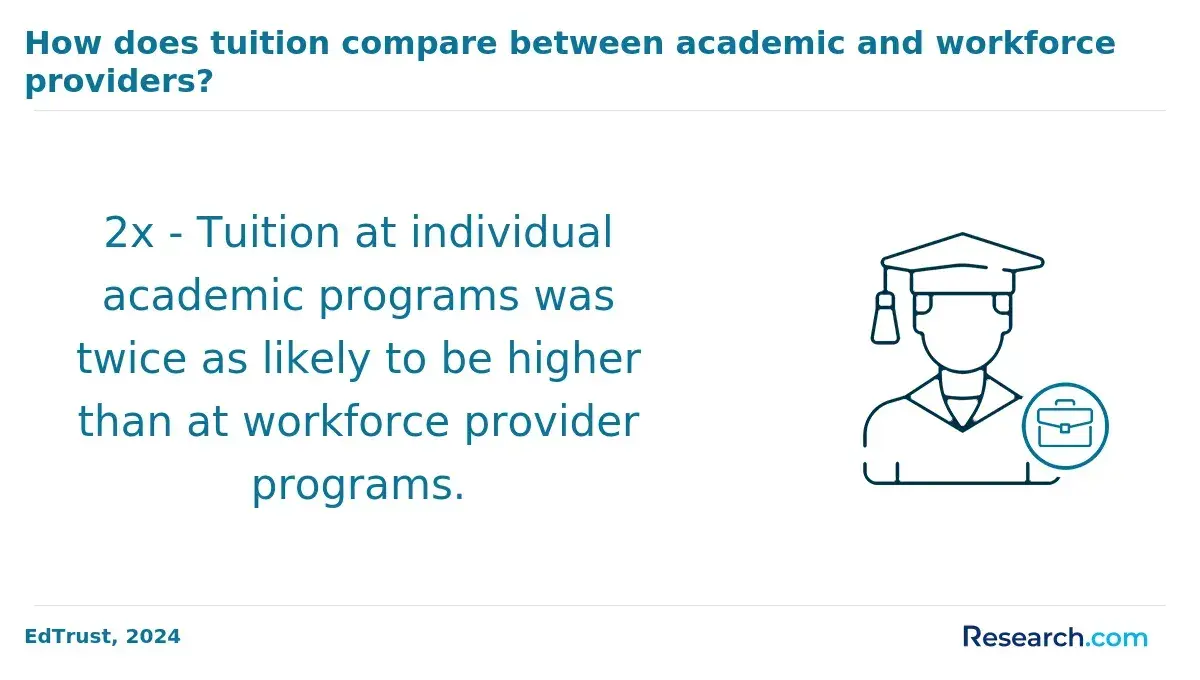
According to the 2024 Online Learning Consortium survey, program flexibility remains a key factor for many students who balance employment with studies, influencing workload expectations and pacing. Institutions that also provide career services tailored to internship placements and professional networking tend to further improve graduates' chances of timely employment in the competitive global security field.
Tradeoffs between flexibility and academic rigor often surface in the evaluation of online global security master's programs. While some institutions prioritize accessibility with asynchronous, self-paced models, this can reduce opportunities for immersive experiential learning or peer collaboration that enhance skill depth.
Conversely, programs with intensive experiential components may demand more synchronous engagement and hours, which can challenge working professionals. Prospective students must weigh these differences based on their career objectives and available time investment, as program design directly affects both the depth of specialization and the practical readiness of graduates pursuing roles in an evolving security landscape.
For insights on related degree pathways that balance time investment and return, examining quickest online degrees can provide valuable context.
Why Does Accreditation Matter for Online Global Security Master's Programs?
Accreditation plays a pivotal role in affirming the academic legitimacy and structural integrity of online global security master's programs. It establishes baseline curriculum standards that ensure coverage of essential competencies aligned with evolving industry demands and regulatory expectations.
This external oversight mandates that institutions maintain rigorous evaluation mechanisms for faculty expertise, course content, and student outcomes, helping to filter out programs that do not consistently deliver relevant, high-quality education. Without such accountability, program quality can vary widely, making it difficult for students to ascertain which offerings truly prepare them for complex security environments and global threats.
In practical terms, accreditation significantly affects how degrees are perceived by employers, licensing bodies, and other academic institutions. For example, a candidate with a degree from a non-accredited program might face obstacles transferring credits when pursuing doctoral studies or obtaining professional certifications essential in government or defense sectors.
Hiring managers often give preference to graduates from accredited programs as an indicator of proven expertise; in fact, a 2024 report from the National Association of Security Professionals found that 78% of security employers prefer accredited credentials, underscoring a clear hiring bias.
Consider a working professional aiming to shift from private security consulting to a federal agency role: lacking an accredited degree could delay or block eligibility for security clearances and certifications, thereby impeding career mobility. Thus, while accreditation is not the sole marker of quality, its role as a practical gatekeeper for educational and professional progression remains critical in navigating the specialized employment landscape of global security.
Which Universities Offer the Most Flexible Online Global Security Master's Programs?
Flexibility in online global security master's programs is primarily shaped by how courses are structured and delivered. Programs emphasizing asynchronous learning allow students to engage with material at their convenience rather than fixed schedules, accommodating diverse time zones and work commitments.
Part-time enrollment and self-paced tracks offer further adaptability, though these often extend the time required to complete the degree. The option to select electives and sequence courses without rigid cohort constraints also influences flexibility but can come at the cost of reduced peer interaction or collective progress.
These structural choices carry practical consequences. Students balancing full-time jobs typically benefit from asynchronous formats and manageable workloads, but this can fragment their academic experience and limit synchronous collaboration opportunities.
For instance, a professional juggling shifts may appreciate a program that permits credit for prior certifications to accelerate completion, yet face challenges when required practicums or internships demand on-site involvement or fixed scheduling.
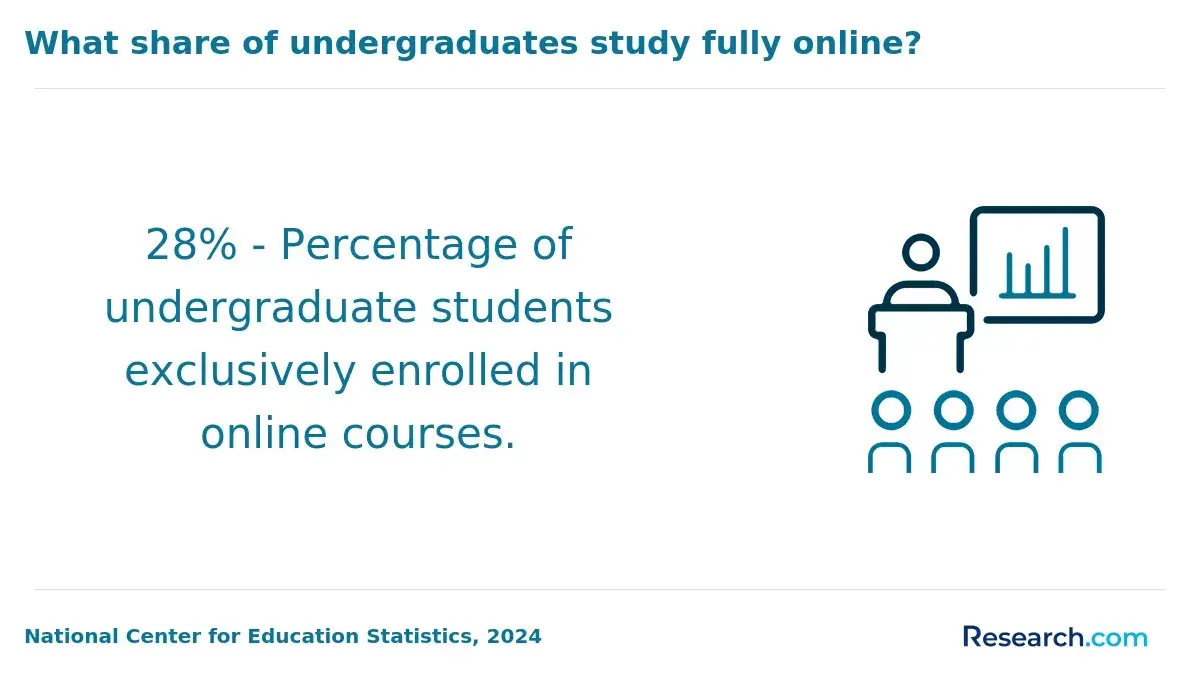
According to recent findings from the National Center for Education Statistics, over 60% of online security-related graduate students prioritize a hybrid approach that includes both self-paced modules and real-time engagement, underscoring the tension between flexibility and cohesive learning community access.
One graduate described struggling initially with a program's purely asynchronous design, which allowed her to progress around a demanding work schedule but left her feeling isolated and less motivated during complex topics.
Midway, she switched to a program offering more frequent live discussions and optional weekend seminars, which improved her grasp of concepts and enabled networking despite her ongoing job obligations. Her experience highlighted how flexibility must be balanced with structured touchpoints to sustain engagement, especially for students who rely on peer support and instructor feedback to navigate intricate global security issues.
Which Universities Are Best for Working Professionals Earning a Global Security Master's Online?
Programs best suited for working professionals pursuing an online global security master's typically emphasize flexibility through asynchronous coursework and part-time enrollment options. These formats accommodate demanding work schedules and family commitments by removing rigid class times and allowing pacing that fits individual capacities.
Faculty accessibility and curricula grounded in practitioner-relevant topics-such as cybersecurity policy or intelligence analysis-are essential, ensuring students gain applicable skills aligned with evolving employer expectations. Transfer credit options further enhance program adaptability, streamlining academic progression without unnecessary repetition.
In practice, these flexible global security master's degrees with transfer credit options help learners balance job duties and academic workloads by offering modular course designs and extended deadlines. This approach can maintain steady engagement without overwhelming students, though it often requires heightened self-discipline and time management.
Data from recent workforce education studies indicate that programs incorporating real-world projects contribute significantly to career advancement post-graduation, reinforcing the value of employer-aligned content and experiential learning integrated within online formats.
Tradeoffs include longer completion times due to part-time pacing and potentially less cohort interaction compared to traditional campus experiences, which may impact networking opportunities. Additionally, internships or practicum elements tailored for full-time employees can be limited, shifting focus to capstone projects or virtual collaborations instead.
Professionals weighing online global security master's programs must consider how these structural factors intersect with their career goals and daily realities rather than institutional prestige alone. For those also exploring interdisciplinary degrees, programs related to an online game design degree illustrate how specialized curricula and flexibility can combine in diverse fields.
How Much Do Top Online Global Security Master's Programs Cost?
Tuition for leading online global security master's programs typically falls between $20,000 and $60,000, according to recent comprehensive higher education datasets from 2024. Public institutions often price lower for in-state candidates, sometimes under $30,000, whereas private universities regularly exceed $40,000 due to differentiated curriculum depth, specialized faculty, and access to applied learning such as virtual simulations or in-person residencies.
These cost disparities largely reflect program design choices-accelerated formats, cohort structures, and embedded certifications can elevate fees. Additionally, mandatory expenses like technology access, course materials, and project travel add to overall investment, complicating straightforward tuition comparisons.
The financial calculus extends beyond sticker price, as different program models influence student debt, employer reimbursement opportunities, and return expectations. For instance, working professionals might opt for pricier programs with flexible pacing and robust career support to minimize income disruption, while those with employer tuition aid may target specialization-heavy tracks that justify higher fees through advanced skills alignment.
Conversely, part-time or more affordable options appeal to candidates prioritizing cost containment over accelerated completion. One practical scenario involved a mid-career student weighing a $10,000 tuition gap between a high-cost program offering comprehensive career services and a lower-priced alternative with limited flexibility; the decision hinged on balancing upfront cost against anticipated employer recognition and networking benefits.
An online global security master's student recalled applying during a rolling admissions cycle, hesitating over submitting materials early due to uncertainty about funding and application readiness. They waited several weeks to compare admission timelines and financial aid packages, leading to anxiety about losing priority consideration.
Ultimately, prompt submission after gathering needed documents yielded quicker decisions and allowed them to secure a preferred cohort slot without last-minute pressure, highlighting how timing and strategic planning around cost and admissions processes directly affect enrollment experience.
Which Online Global Security Master's Programs Are Hardest to Get Into?
Online global security master's programs with the most competitive admissions typically reflect institutional models that prioritize limited cohort sizes, rigorous professional and academic prerequisites, and faculty-to-student ratios designed for intensive engagement.
These programs often require candidates to demonstrate relevant operational experience, advanced professional certifications, or security clearances that align with defense, intelligence, or strategic risk management roles rather than relying solely on brand reputation.
Selectivity in such programs emerges from balancing workforce alignment and resource constraints, ensuring admitted students can fully benefit from specialized curriculum elements like virtual simulations or government-agency partnerships. This structural selectivity is a practical response to demand for graduates who can immediately contribute in sensitive or high-stakes security environments.
Admissions competitiveness shapes applicant preparation by raising the bar beyond standard academic metrics. Prospective students aiming for the most selective online global security master's degrees online often need to plan well in advance, securing pertinent professional credentials or curating recommendation letters that attest to leadership within security contexts.
Differences surface between traditional academic applicants and those currently working in relevant fields, with the latter group sometimes better positioned to meet experiential thresholds but needing to demonstrate continued scholarly aptitude.
According to a 2024 analysis by the National Security Education Consortium, acceptance rates for top-tier programs can dip below 15%, underscoring the need for strategic application timing, networking, and portfolio development to improve admission odds.
Balancing selectivity against accessibility presents a key tradeoff: highly selective programs foster cohesive cohorts with rich peer interaction and specialized career networks, but they typically demand greater scheduling flexibility and time commitment from participants.
In contrast, programs with more open admissions might offer wider access and accommodate working professionals who prioritize flexibility over immersive cohort experiences. This dynamic impacts both classroom discourse and long-term employability, as the quality and engagement level of peers influence learning depth and professional referrals.
Applicants should thus weigh how admissions difficulty aligns with their readiness, career goals, and capacity to meet program expectations without compromising work or personal obligations. For those considering diverse graduate options, programs like the top MBA online offer alternative frameworks of professional advancement that differ from the specialized selectivity seen in global security master's pathways.
Which Universities Are More Transfer-Friendly for Graduate Students?
Universities that demonstrate greater transfer-friendliness in online Global Security master's programs typically share structural and policy features that facilitate credit recognition.
Public institutions with longstanding online graduate programs often implement formal articulation agreements and maintain dedicated offices to assess transfer credits efficiently, frequently allowing up to half of required coursework to be transferred if aligned with their curriculum and regional accreditation standards.
Competency-based schools and adult-focused colleges tend to integrate prior learning assessments, including professional certification credits and experiential learning evaluations, which cater to working professionals seeking to leverage relevant past experience.
Curricula designed with clear competency frameworks and standardized course offerings also streamline credit evaluation and acceptance, reducing administrative delays for transfer students navigating complex credit-transfer scenarios.
The practical effects of greater transfer flexibility include shorter time-to-degree and reduced tuition exposure, which are crucial for mid-career students balancing workforce demands. However, transfer-friendly programs may impose stricter accreditation consistency requirements and limit elective diversity to maintain curricular coherence, potentially restricting customization for those desiring broader specialization.
For example, a graduate who completed military or civilian homeland security certifications may find programs that credit these credentials expedite progress but might face challenges if their prior institution lacks regional accreditation or if coursework overlaps insufficiently with the target curriculum.
According to recent analysis by the National Student Clearinghouse Research Center, about 40% of graduate students change programs or institutions during their studies, underscoring the operational importance of transfer policies in graduate education decisions within Global Security fields.
Which Online Global Security Master's Programs Help Students Secure Internships?
Online master's programs in global security that facilitate internships most effectively tend to integrate structured employer partnerships, dedicated placement coordination, and active alumni networks within their design. Programs embedding experiential learning requirements or cohort models often leverage regional industry connections, enhancing access to practicum and applied roles aligned with graduate competencies.
These institutional elements work in tandem to promote consistent internship availability, distinguishing programs that treat internships as meaningful components rather than optional add-ons.
According to recent data from the National Center for Education Statistics, fewer than 40% of fully online graduate programs include robust internship or practicum experiences, yet those that do report notably higher employment rates within six months post-graduation.
Students enrolled in programs with comprehensive internship support generally experience greater placement quality, often securing positions that directly reflect employer priorities in areas like risk assessment and cybersecurity protocols. Flexible scheduling and remote options are increasingly critical features, especially for working professionals balancing multiple commitments.
These support systems not only aid in practical skill development but also expand networking and mentorship opportunities essential for navigating complex global security job markets. Moreover, programs with active career services and experiential coordinators tend to produce graduates with better workforce readiness and employer satisfaction outcomes.
Tradeoffs commonly arise between program flexibility and the extent of placement support. Programs offering remote learning without structured internship facilitation may require students to self-source placements, a process complicated by geographic and sectoral variances in security needs.
Conversely, programs with embedded internships might limit flexibility but provide clearer pathways to employment. Understanding these dynamics enables prospective students to evaluate how internship integration affects long-term professional trajectories within global security fields.
Which Online Global Security Master's Programs Have the Best Job Placement Rates?
Stronger job placement rates in online global security master's programs largely stem from institutional characteristics that emphasize alignment with employer needs and practical skill development. Programs that incorporate experiential learning elements such as internships, simulations, and real-world projects typically connect graduates more effectively to hiring pipelines, improving readiness for roles in cybersecurity, intelligence, and risk management.
Employer engagement through advisory committees, alumni networks, and regional partnerships further enhances job prospects by ensuring curricula stay current with evolving threats and technologies. Such structural drivers outweigh reliance on institutional brand alone for determining which online global security master's programs have the best job placement rates.
Real-world outcomes reveal variability across programs due to specialization focus, the student profile, and data reporting methods. Working professionals often leverage specialized tracks aligned with existing careers, reporting higher placement rates, while traditional students may face broader competition in the labor market.
Placement data also varies in reliability as some programs measure employment very soon after graduation, which might not capture long-term career sustainability. Emphasizing these nuances is crucial for prospective students comparing the best job outcomes for online global security master's degrees based on their career contexts rather than promotional metrics.
Placement metrics themselves have limitations rooted in timing, industry volatility, and self-reported surveys. Labor market shifts in 2024, highlighted by government workforce analyses, stress demand for cybersecurity and risk management roles yet also underscore the importance of credential recognition and applied competencies.
Selecting a program requires understanding trade-offs between narrow technical expertise or broader thematic focuses. Integrating insights about what is a competency-based master's degree can further help candidates assess how curriculum design impacts employability within this competitive sector.
What Factors Matter Most When Comparing Graduate Schools?
Comparing graduate schools for an online global security master's program involves balancing multiple, impactful tradeoffs that extend far beyond institutional reputation. Program structure and content design directly influence employability, skill acquisition, and long-term career positioning in this evolving field.
Understanding these operational differences is crucial for working professionals, career changers, and degree completers aiming to maximize their educational investment.
- Curriculum Structure and Rigor: Programs integrating applied learning with current challenges like cybersecurity and intelligence analysis better prepare students for real-world demands, though more intensive coursework may extend time-to-completion for part-time learners.
- Accreditation and Academic Credibility: Regional accreditation signals academic quality and is strongly linked to employer preference; the Council of Graduate Schools' 2024 survey reports 78% of employers favor graduates from accredited institutions, crucial for job market competitiveness.
- Specialization Depth: The availability and relevance of focused tracks affect how well a program aligns with targeted careers; narrow specializations can enhance employer alignment but might reduce flexibility if career goals shift.
- Experiential Learning Integration: Access to internships or practicum opportunities provides critical hands-on experience; limited availability may require students to seek external placements, impacting time management and networking.
- Delivery Format and Flexibility: Asynchronous and part-time options are essential for working students but may reduce live interaction and immediate feedback, potentially affecting skill mastery and peer networking.
- Cost and Financial Tradeoffs: Higher tuition can correspond with richer resources, including faculty expertise and career services, but may necessitate longer-term financial planning, especially when balancing work and study.
- Faculty Industry Experience: Instructors with active global security field involvement contribute practical insights and updated content; programs lacking such faculty risk becoming outdated in fast-changing security environments.
- Employer Alignment and Job Placement Outcomes: Programs connected with government agencies or international organizations generally facilitate internships and job placements, which can accelerate transition into the workforce.
- Transfer Credit and Prior Learning Policies: Flexible admissions policies that recognize applicable work experience or prior coursework can shorten program length and reduce costs, a significant benefit for career changers seeking timely credentialing.
Working professionals often prioritize flexible graduate school admissions for working professionals to integrate study with career demands without sacrificing quality. For those comparing options with an eye on interdisciplinary applications, also consider how your program choice might complement pursuits like animal science or other fields, such as reflected in domains including the best online animal science degree programs, which similarly balance cost, curriculum, and career relevance.
What Graduates Say About Top Universities Offering Online Global Security Master's Degrees
- Yeshua: "Completing my online master's in global security opened up remote opportunities I hadn't anticipated, especially with agencies that value flexible work setups. However, I quickly realized that while my degree gave me strong theoretical grounding, employers highly prioritized hands-on experience and certifications over academic credentials alone for advanced roles."
- Hugh: "After graduating, I found the competition for positions in intelligence analysis was intense, and many hiring managers preferred candidates with internship experience or security clearance. The program was rigorous but without those additional practical credentials, salary growth felt limited, leading me to consider certifications to complement my degree."
- Atlas: "The degree helped me pivot from law enforcement to cybersecurity within national defense sectors. In practice, though, I encountered a slower advancement trajectory than expected because many leadership roles still required traditional licensure or years of field experience beyond the master's credential. It gave me a solid foundation, but navigating career moves demanded persistence and strategic networking."
Other Things You Should Know About Global Security Degrees
In 2027, program length and course intensity significantly impact student success in online global security master's programs. Shorter, more intensive programs may offer faster completion, but they require students to balance their schedules carefully. Longer programs might provide more time for absorbing complex materials, potentially leading to deeper comprehension and retention.
While online global security programs offer flexibility, they may limit spontaneous peer interaction and hands-on experiences compared to on-campus settings. This can affect opportunities for collaborative problem-solving and real-time scenario exercises critical in security fields.
However, programs that incorporate live simulations, group projects, and active instructor engagement can mitigate some drawbacks. Students prioritizing fieldwork or extensive networking should scrutinize how online programs facilitate these aspects and consider supplementing with in-person events when possible.
Global security disciplines straddle technical analytics and policy strategy, but programs differ in emphasis. A curriculum heavily weighted toward technology may appeal to those aiming for cyber security or intelligence analysis roles, whereas policy-focused tracks suit careers in diplomacy or security management.
Students must assess how the curriculum aligns with their intended job functions and employer expectations, recognizing that a mismatch can limit employability or require supplementary training post-graduation. Prioritizing programs offering customizable tracks or interdisciplinary coursework can improve career alignment.
Not all online master's degrees in global security carry equal weight with employers, particularly in a sector concerned with credibility and up-to-date expertise. Programs with faculty actively engaged in current global threats and those offering certifications or connections to government and private sector agencies tend to enhance employability.
Students should investigate how well a program integrates real-world issues and whether credentials earned translate into tangible career advancement. Choosing a program with strong industry linkage often outweighs considerations of brand prestige alone.
References
- Master's Degree in Security and Defense | ILERI https://www.ileri.fr/en/program/master-in-international-security-cybersecurity-and-defense
- Master in International Security https://www.sciencespo.fr/psia/academics/masters/master-international-security/
- Top 10 Masters in International Security Studies - Global Peace Careers https://globalpeacecareers.com/masters-in-international-security-studies/
- Opportunities - Partnership for Global Security https://partnershipforglobalsecurity.org/opportunity/
- Career - Center for International Relations and International Security https://www.ciris.info/careers/